
6061 Marine Aluminum Fencing and Railings for High Strength Boat Deck Railings
6061 Marine aluminum fencing and railings for High Strength Boat Deck Railings
On a modern boat or yacht, the deck railing is no longer just a decorative boundary. It is a structural safety system that must endure salt spray, impact loads, constant vibration, and UV exposure, all while keeping weight down and maintenance minimal. This is where 6061 Marine aluminum fencing and railings stand apart as a smart, engineering-driven solution.
Instead of thinking of railings as “hardware,” it helps to think of them as a marine-grade structural component – and 6061 aluminum fits that role extremely well.
Why 6061 Aluminum Works So Well on Boat Decks
From a metallurgical perspective, 6061 is a precipitation‑hardened aluminum‑magnesium‑silicon alloy. The magnesium and silicon form Mg2Si, which gives the alloy its combination of strength and toughness after proper heat treatment. That balance is exactly what you want in a deck rail: high strength to resist bending and impact, but not so brittle that it cracks when loaded or vibrated over time.
In marine applications, 6061 offers several functional advantages:
- High strength‑to‑weight ratio: Light enough not to compromise vessel stability, strong enough to serve as a real fall‑protection barrier.
- Good marine corrosion resistance: Especially when properly coated or anodized, it holds up well against saltwater and salt‑laden air.
- Excellent formability and weldability: Allows smooth, continuous rail systems, custom angles, and integrated gate or ladder interfaces.
- Dimensional stability: Stays straight and true in long deck runs and exposed upper decks.
Those properties make 6061 particularly suitable for railings, fencing panels, stanchions, and support posts on motor yachts, workboats, patrol craft, ferries, and offshore platforms.
A Closer Look at 6061 Alloy: Chemical Composition
The controlled composition of 6061 is what allows it to be heat treated to higher strengths without sacrificing too much ductility. Typical chemical composition limits for 6061 are:
| Element | Content (wt. %) |
|---|---|
| Magnesium (Mg) | 0.8 – 1.2 |
| Silicon (Si) | 0.4 – 0.8 |
| Iron (Fe) | ≤ 0.7 |
| Copper (Cu) | 0.15 – 0.40 |
| Chromium (Cr) | 0.04 – 0.35 |
| Zinc (Zn) | ≤ 0.25 |
| Manganese (Mn) | ≤ 0.15 |
| Titanium (Ti) | ≤ 0.15 |
| Others (each) | ≤ 0.05 |
| Others (total) | ≤ 0.15 |
| Aluminum (Al) | Balance |
In a practical sense, magnesium and silicon deliver the core strength; chromium and copper fine‑tune hardness and response to heat treatment. The low levels of iron and other impurities help maintain good toughness and corrosion behavior.
Marine‑Focused Tempers: Why 6061‑T6 and 6061‑T651 Matter
The “temper” designation of 6061 defines how the metal has been processed and how it will behave in service. For marine railing systems, the most common tempers are:
- 6061‑T6: Solution heat‑treated and artificially aged. This is a high‑strength, widely used structural temper. Ideal for extruded railing profiles, posts, and brackets.
- 6061‑T651: Essentially T6 that has been stress‑relieved by stretching. Often used for machined base plates and structural fittings where dimensional stability is important.
mechanical properties for 6061‑T6 (typical values):
- Tensile strength: about 260 MPa
- Yield strength: about 240 MPa
- Elongation: about 8–12% (depending on thickness and product form)
- Modulus of elasticity: about 69 GPa
- Density: about 2.70 g/cm³
In a railing design, this translates directly into real‑world performance: slimmer profiles can sustain higher loads without flexing excessively, and welded joints can be designed to maintain system strength. Compared with many stainless steel solutions, you achieve similar strength with significantly less weight.
From Alloy to Rail: Functional Design of 6061 Marine Fencing
Looking at a completed boat deck, 6061 aluminum may appear as sleek, continuous tubes and posts. But from an engineering standpoint, it is a system of interacting components:
- Vertical stanchions: Carry the primary vertical loads from people leaning or bracing against the rail. 6061‑T6 tubular or solid stanchions give high buckling resistance with low weight.
- Top rails and intermediate rails: Span between stanchions and resist bending. The high modulus and yield strength of 6061 keep deflection under control.
- Infill panels or fencing: Can be made as horizontal tubes, vertical pickets, perforated panels, or screen panels from 6061 sheets and extrusions, providing both safety and visual screening.
- Base plates and brackets: Often machined from 6061‑T651 for flatness and stability, transferring loads into the deck structure.
- Hinged sections and gates: Use the alloy’s good machinability and weldability to create reliable latching systems that integrate directly with the railing runs.
For high‑traffic decks—tour boats, commercial ferries, offshore support vessels—6061 rail systems are engineered to meet or exceed relevant codes for line loads and point loads on guardrails and handrails. Typical design targets include resistance to lateral loads of several kilonewtons per meter of railing, with limited deflection to preserve a sense of security.
Implementation Standards and Marine Compliance
Quality 6061 marine railings are not only about the alloy itself but also how the system is engineered and manufactured. Several standards and guidelines are often referenced:
- ISO and EN standards for ship and offshore structures, which specify minimum guard height, spacing, and load capacity.
- Classification society rules (such as DNV, ABS, Lloyd’s Register) that require specified railing heights, minimum design loads, and corrosion protection strategies.
- Building‑style codes for passenger vessels, which may dictate anti‑climb designs, gap limits for child safety, and impact resistance.
6061 aluminum extrusions and plates used for railings are usually produced according to standards such as ASTM B221 (for extruded bars, rods, wire, profiles, and tubes) and ASTM B209 (for aluminum and aluminum‑alloy sheet and plate). These standards control dimensions, mechanical properties, and surface quality, ensuring that railing systems perform predictably.
Surface Protection: Extending Life in Saltwater Environments
While 6061 offers good baseline corrosion resistance, marine decks are unforgiving environments. Advanced surface treatments convert a good alloy into a long‑life solution:
- Marine anodizing: A thick, controlled oxide layer that enhances corrosion resistance and wear resistance. It also provides a uniform appearance and can be color‑matched.
- Powder coating: Applied over pre‑treated 6061, it adds another barrier against salt spray and UV radiation and can be specified in high‑gloss, matte, or textured finishes.
- Combined treatments: In demanding commercial or offshore use, anodizing followed by powder coating offers excellent durability and color retention.
From a user’s perspective, this means less maintenance, easier cleaning, and a railing that stays visually consistent even under intense UV and salt exposure.
A helpful way to think about 6061 Marine aluminum fencing and railings is to see them as “lightweight structural armor” around your deck. They do more than define boundaries:
- They manage energy from impact when someone stumbles or equipment slides into the rail.
- They transmit these forces into the boat’s structure without excessive local deformation.
- They protect passengers and crew while contributing minimal extra mass high on the vessel, which is crucial for stability and fuel efficiency.
That combination—protective function, structural discipline, and weight efficiency—is where 6061 is especially powerful. Steel can provide strength but adds mass; plastics resist corrosion but lack stiffness and longevity; 6061 aluminum achieves a careful balance between all three.
Typical Parameters for Marine Railing Configurations
Exact parameters vary by vessel type and classification requirements, but common 6061 marine railing setups include:
- Tube diameters for top rails: often in the range of 30–60 mm, wall thickness tuned for load requirements and span length.
- Stanchion spacing: commonly between 900–1500 mm, depending on design loads and deck geometry.
- Infill spacing: typically designed so that no opening allows a sphere of a specified diameter (often around 100–150 mm) to pass, for passenger safety.
- Height from deck: often in the range of 900–1100 mm for guardrails on passenger ships and workboats.
These parameters are selected in tandem with the mechanical capability of 6061‑T6/T651, ensuring that the final system meets both safety expectations and visual design goals.
Applications Across the Marine Industry
Because of its flexibility and consistent performance, 6061 Marine aluminum fencing and railings are widely used in:
- Private yachts and superyachts: Sleek, low‑profile guardrails, glass‑supported rails with 6061 frames, and custom balcony fencing.
- Commercial passenger vessels and ferries: Robust, easy‑to‑clean systems that handle heavy foot traffic and rough handling.
- Workboats, tugs, and pilot boats: High‑strength, rugged railings that withstand constant impact from equipment and fenders.
- Offshore platforms and support vessels: Corrosion‑resistant guardrails and stair railings that must be reliable 24/7 in harsh conditions.
- Marinas and dock systems: 6061 railings extend from the vessel itself to gangways, floating docks, and shore‑side platforms for a unified, corrosion‑resistant safety envelope.
Choosing 6061 Marine Aluminum for Your Deck Rail System
When you select 6061 Marine aluminum fencing and railings, you are choosing an engineered solution rather than a generic commodity. The alloy chemistry, tempering, processing standards, and surface protection all come together to create a railing system that is:
- Structurally reliable under real marine loads
- Light enough to protect vessel performance
- Durable under salt, sun, and constant use
- Flexible in design, from minimalist contemporary to industrial heavy‑duty
For owners, designers, and shipyards aiming to combine safety, aesthetics, and long‑term value, 6061 marine aluminum is a proven foundation for high‑strength boat deck railings that perform like structural armor, yet look like refined marine architecture.

Related Products
Marine aluminum fencing and railings
Marine Grade Aluminum Fencing and Railings are fabricated using marine-grade aluminum alloys such as 5083, 5052, and 6061, which are engineered specifically for protection against saltwater corrosion and marine atmospheric conditions.
View Details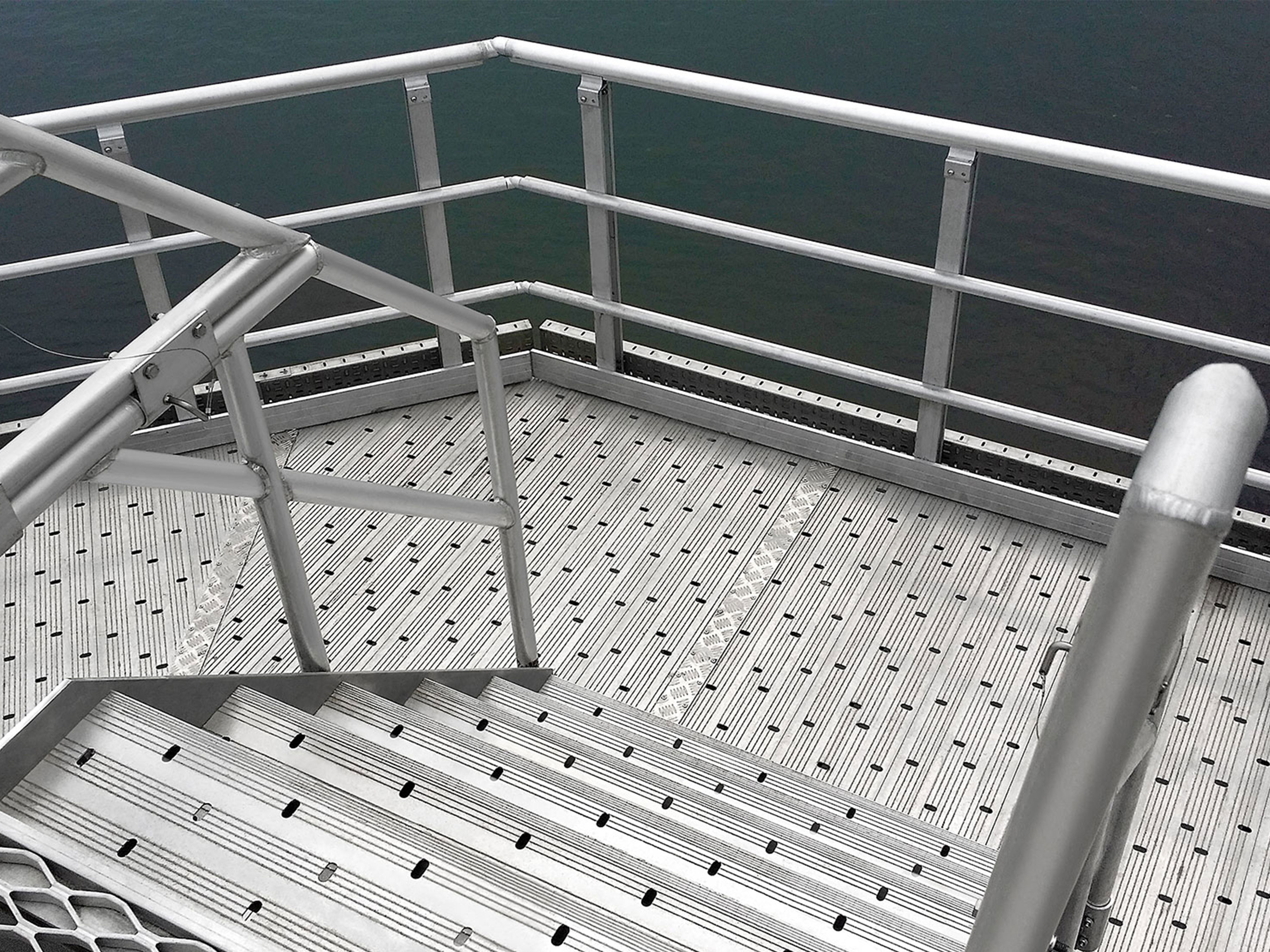
Marine aluminum customized shapes
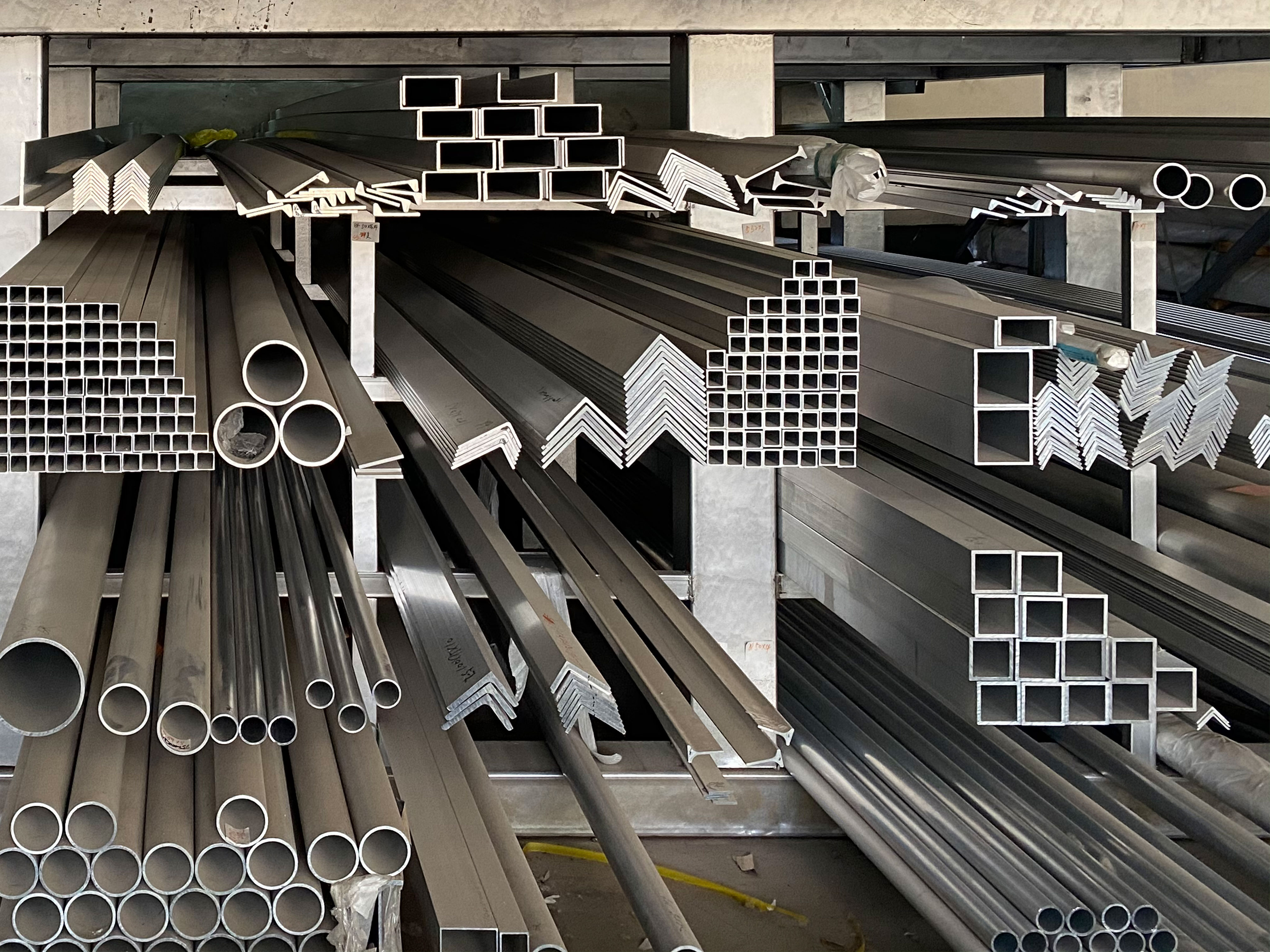
Marine Grade Aluminum Customized Shapes encompass a broad range of aluminum extrusions and fabrications engineered beyond standard profiles—such as channels, angles, tubes, and beams—into complex, project-specific geometries.
View Details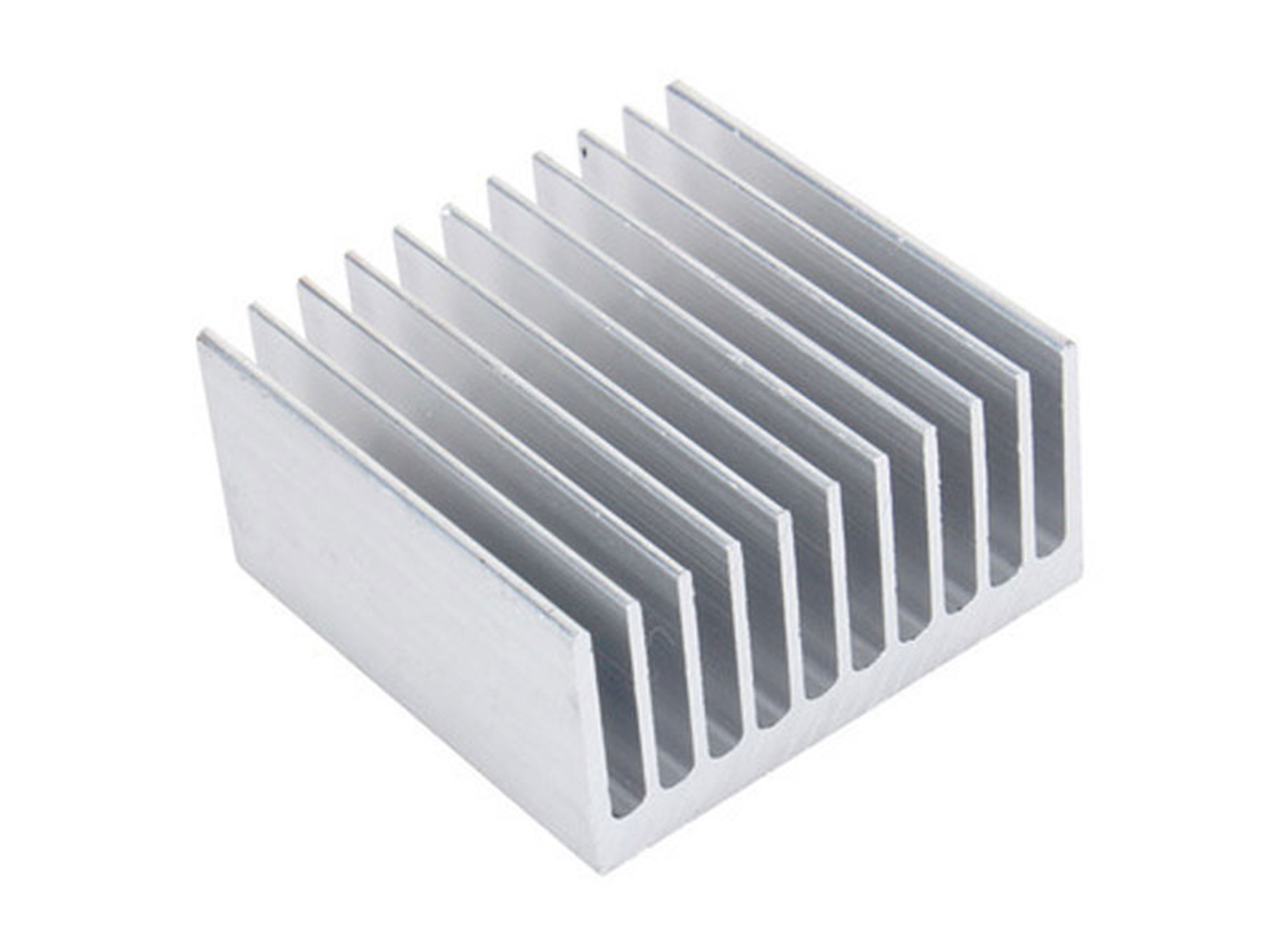
Marine aluminum heat sink profile
Marine Grade Aluminum Heat Sink Profiles utilize alloys such as 6061 and 6063 that not only exhibit high thermal conductivity but also possess excellent corrosion resistance required for saltwater exposure.
View DetailsRelated Blog
6061 Marine Aluminum Fencing and Railings for Custom Offshore Deck and Railings
6061 Marine Aluminum fencing and railings provide a lightweight, corrosion-resistant, high-strength solution for custom offshore decks and railings.
View Details
6061 Marine Aluminum Fencing and Railings for High Strength Boat Deck Railings
6061 Marine Aluminum Fencing and Railings for High Strength Boat Deck RailingsOn a modern boat or yacht, the deck railing is no longer just a decorative boundary.
View Details
6061 Marine Aluminum Customized Shapes for High Performance Boat Frame Structures
High-performance boat frames demand a material that can balance strength, weight savings, corrosion resistance, and fabrication flexibility. 6061 marine aluminum customized shapes-extrusions, tubes, channels, angles.
View Details
6061 Marine Aluminum Fencing and Railings for Lightweight Coastal Deck Railings
6061 marine aluminum is renowned for its excellent qualities, making it one of the top choices for lightweight coastal deck railings and fencing solutions. Designed specifically for marine environments, its exceptional resistance to corrosion.
View Details
6061 Marine Aluminum Customized Shapes for Saltwater Resistant Shipbuilding Frames
Marine aluminum alloys play a critical role in shipbuilding, exhibiting remarkable resistance to corrosion, high strength-to-weight ratios, and ease of fabrication.
View Details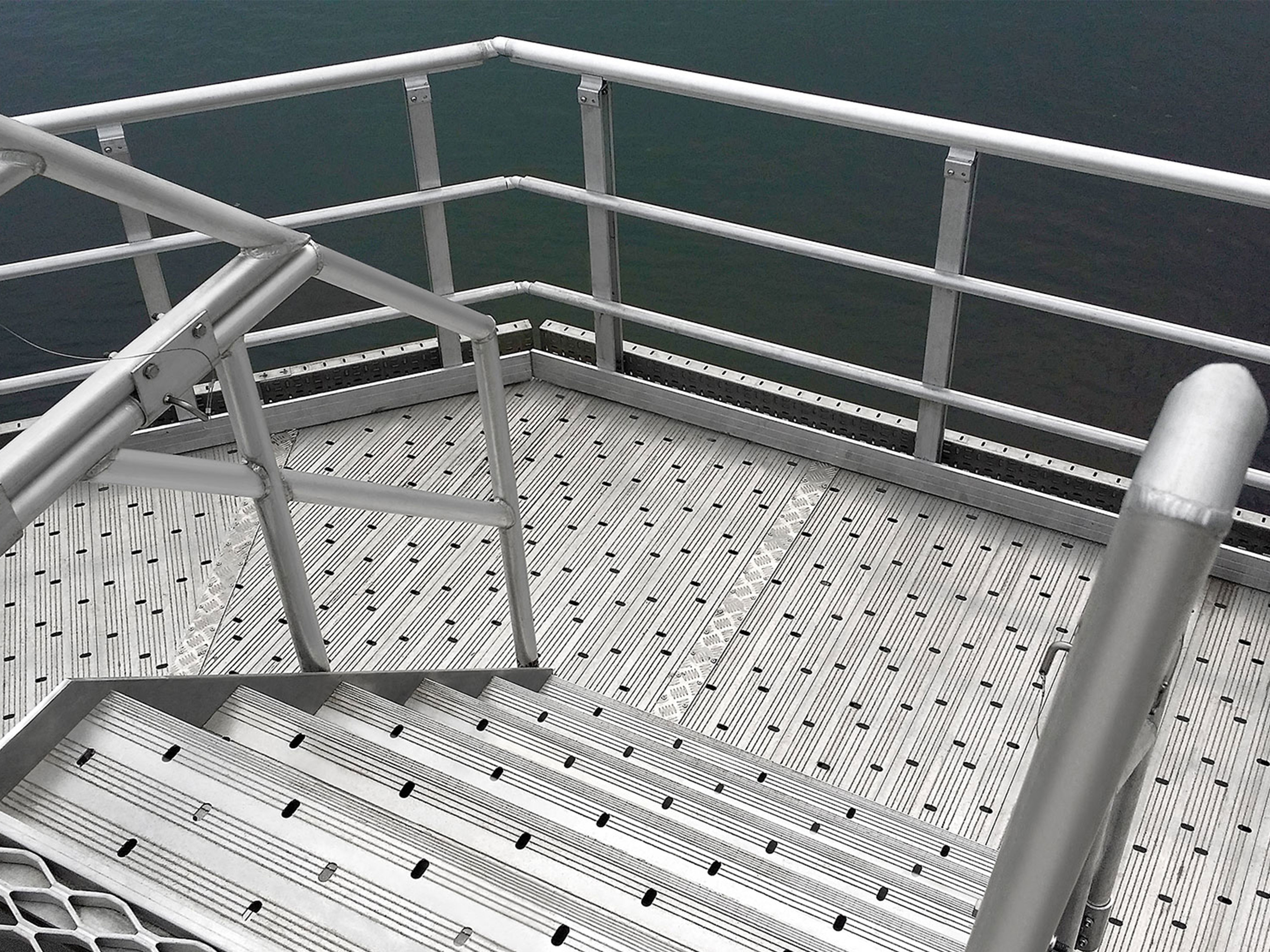
6061 Marine Aluminum Fencing and Railings for Custom Marine Deck Safety Solutions
6061 marine aluminum fencing and railings are a practical, high-strength choice for deck safety systems in saltwater and coastal environments. Built from a heat-treatable Al-Mg-Si alloy, 6061 combines corrosion resistance, structural reliability.
View Details
Leave a Message