
6082 Marine Aluminum Hollow Bars for Boat Hull and Deck Strengthening
6082 Marine aluminum hollow bars for Boat Hull and Deck Strengthening
In modern boatbuilding, strength is no longer measured only by how thick a plate looks or how heavy a frame feels. It's measured by how intelligently a structure distributes load, resists fatigue, and survives saltwater years after launch. From that perspective, 6082 Marine aluminum hollow bars are less like "metal stock" and more like a structural shortcut: a way to build stiffness and reinforcement into a hull or deck while keeping weight under control.
Hollow bars are often overlooked because they sit between categories. They can act like frames, beams, stiffeners, strongbacks, and spacers-all depending on how a builder chooses to integrate them. When the goal is hull and deck strengthening, 6082 aluminum hollow bars bring a rare mix of high strength, good corrosion resistance, and excellent machinability, making them especially useful for craft where performance, payload, and durability need to coexist.
Why 6082, and why hollow?
6082 belongs to the Al-Mg-Si family. It is widely recognized as one of the strongest alloys in the 6000 series, especially in heat-treated tempers such as T6 and T651. For marine builders, that matters because hull and deck reinforcement is frequently driven by real forces: slamming loads, torsion from wave action, engine vibration, and cyclic fatigue around cutouts, hatches, and deck hardware.
A hollow bar changes how material behaves structurally. By moving mass away from the neutral axis, a hollow shape improves stiffness-to-weight performance, often delivering "beam strength" without the penalty of a solid bar. In a boat hull or deck, that means you can add reinforcement where stiffness is needed while avoiding unnecessary weight that would reduce speed, increase fuel burn, or raise the center of gravity.
Functions in hull and deck strengthening
From a structural viewpoint, 6082 hollow bars act as load organizers. They help guide forces into predictable paths rather than allowing stress to concentrate at weld toes, fastener clusters, or panel edges.
For hull strengthening, hollow bars are commonly used as longitudinal reinforcements, local frame upgrades, or backing members around high-load zones. They can be integrated near planing surfaces, around jet tunnels, in way of engine foundations, and along chine and sheer transitions where plate curvature and dynamic loads combine.
For deck strengthening, the same hollow geometry becomes a convenient way to support equipment without turning the deck into a heavy sandwich of solid sections. Hollow bars can serve as under-deck beams, hatch coamings, mounting rails, or stiffeners around windlass pads, cleats, crane bases, radar masts, or solar frames. Because the interior is void, a designer can often manage stiffness while leaving routing space for cables, drainage, or fastening strategies-when properly sealed and detailed.
Applications that benefit most
6082 Marine aluminum hollow bars tend to shine where strength needs to be precise rather than excessive.
In high-speed workboats and patrol craft, reducing structural weight helps retain acceleration and seakeeping. In ferries and passenger craft, stiffness and vibration control improve comfort and limit long-term fatigue cracking. In yachts, hollow bars are a clean solution for reinforcing large deck cutouts and superstructure interfaces while maintaining refined weight distribution.
They are also practical for retrofit projects. When a hull exhibits localized flexing, or a deck begins to "oil-can" around hardware, adding well-designed hollow reinforcement can restore stiffness without extensive re-plating. The is correct load transfer: generous contact, thoughtful welding sequence, corrosion isolation, and attention to drainage and sealing.
Alloy tempering and recommended conditions
Most marine structural use favors 6082-T6 or 6082-T651:
- T6 indicates solution heat-treated and artificially aged to reach high strength.
- T651 is T6 with stress relief by stretching, helping reduce residual stress and improving dimensional stability during machining.
For welding-intensive assemblies, designers sometimes consider the heat-affected zone strength reduction. Like other 6xxx alloys, 6082 will soften near welds; good engineering accounts for this through joint design, section sizing, and weld procedure control. Post-weld heat treatment is rarely practical for large marine fabrications, so the strengthening strategy often relies on geometry and load paths rather than expecting welded joints to retain full T6 strength.
Implementation standards and typical compliance references
Marine aluminum hollow bars used for hull and deck strengthening are commonly supplied to widely recognized aluminum product standards. Depending on region and project specification, typical references include:
- EN 755 series for extruded rod/bar/tube and profiles (often used for European-sourced extrusions)
- ASTM B221 for aluminum and aluminum-alloy extruded bars, rods, wire, profiles, and tubes (common in North America)
- Material certification practices aligned with EN 10204 (inspection documents such as 3.1) when traceability is required
For marine construction itself, builders may work under class or workmanship rules such as DNV, Lloyd's Register, ABS, or ISO small craft guidelines. These do not always specify "6082 hollow bar" directly, but they do drive requirements for traceability, welding procedure qualification, and corrosion protection detailing.
parameters customers look for
Because hollow bars can vary widely, purchasing should focus on parameters that directly influence fabrication and structural performance:
- Alloy designation: EN AW-6082
- Temper: T6 or T651
- Shape: round hollow bar, square hollow bar, rectangular hollow bar, or custom extrusion
- Dimensional tolerances: OD/ID or side thickness tolerance, straightness, twist, corner radii
- Surface condition: mill finish, anodized, or pre-treated depending on corrosion strategy
- Length and cut tolerances: stock lengths or precision cut pieces for production efficiency
Mechanically, 6082-T6/T651 is valued for its high yield strength relative to many other 6xxx alloys, making it suitable where reinforcements must actually carry load rather than simply act as spacers.
Chemical composition table (typical limits for EN AW-6082)
Below is a commonly referenced composition range. Exact limits can vary slightly by standard; always confirm against the specification used for your order and the mill test certificate.
| Element | Typical composition limits (wt. %) |
|---|---|
| Silicon (Si) | 0.70 – 1.30 |
| Magnesium (Mg) | 0.60 – 1.20 |
| Manganese (Mn) | 0.40 – 1.00 |
| Iron (Fe) | ≤ 0.50 |
| Copper (Cu) | ≤ 0.10 |
| Chromium (Cr) | ≤ 0.25 |
| Zinc (Zn) | ≤ 0.20 |
| Titanium (Ti) | ≤ 0.10 |
| Others (each) | ≤ 0.05 |
| Others (total) | ≤ 0.15 |
| Aluminum (Al) | Balance |
This Al-Mg-Si chemistry is the reason 6082 responds strongly to heat treatment and achieves a favorable balance of strength and corrosion resistance for marine structural use.
A distinctive "boatbuilder's lens": stiffness you can place, not just add
The most valuable way to think about 6082 Marine aluminum hollow bars is not as raw material, but as stiffness you can place exactly where it works hardest. Solid bars add weight in every direction. Plates add stiffness mainly by thickness. Hollow bars, by contrast, let you build a reinforcement that behaves like a beam, letting the hull skin and deck panels do their jobs without uncontrolled flexing.
When detailed correctly-sealed ends if necessary, corrosion isolation where dissimilar metals touch, thoughtful drainage and coating strategy-6082 hollow bars become quiet, invisible contributors to a stronger boat. They don't just make the structure heavier; they make it smarter.

Related Products
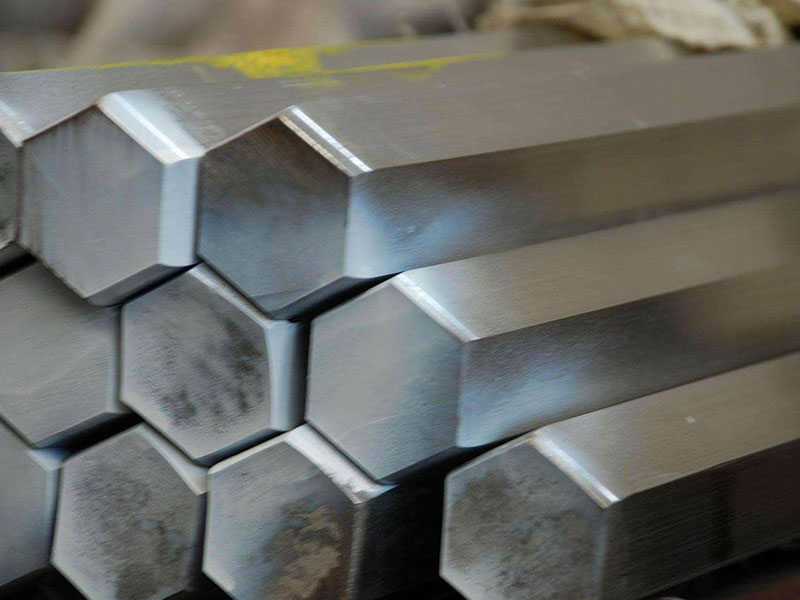
Marine aluminum hexagonal bars
Marine Grade Aluminum Hexagonal Bars are produced from premium corrosion-resistant aluminum alloys such as 5083, 5052, 6061, and 6082.
View Details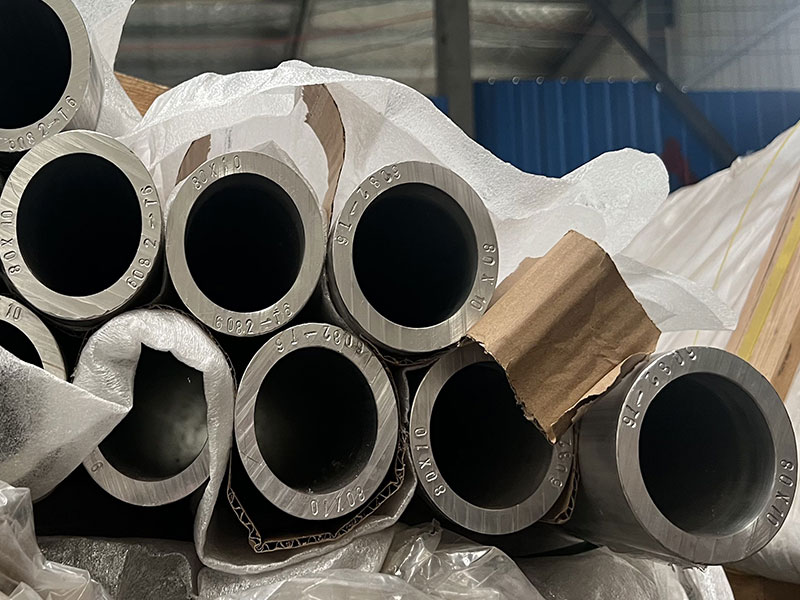
Marine aluminum hollow bars
Marine Grade Aluminum Hollow Bars are fabricated from high-quality alloys such as 5083, 5052, 6061, and 6082, all known for their exceptional resistance to seawater corrosion, salt spray, and marine atmospheres.
View Details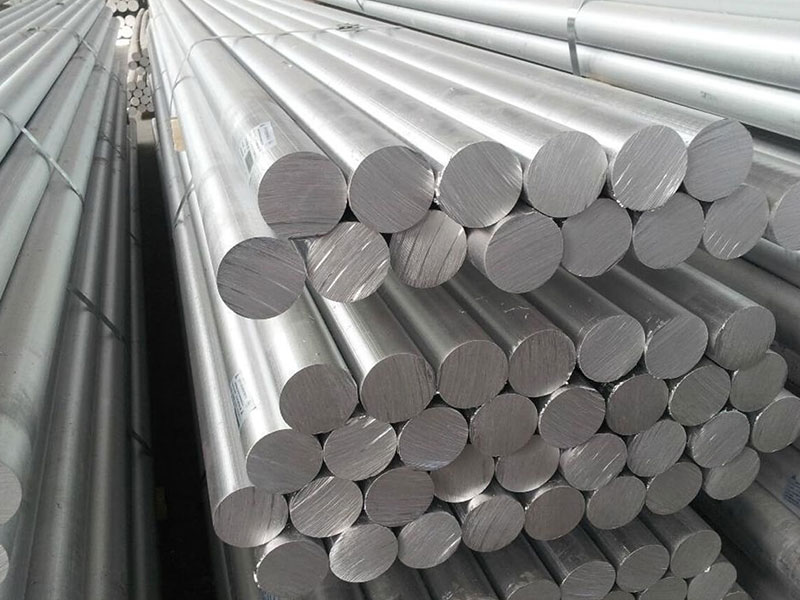
6082 marine aluminum rod & bar
6082 Aluminum Rods & Bars are extruded or rolled products manufactured from 6082 aluminum alloy — a thermally treated (typically T6 temper) aluminum-magnesium-silicon alloy that balances high tensile strength, good weldability, and excellent corrosion resistance.
View Details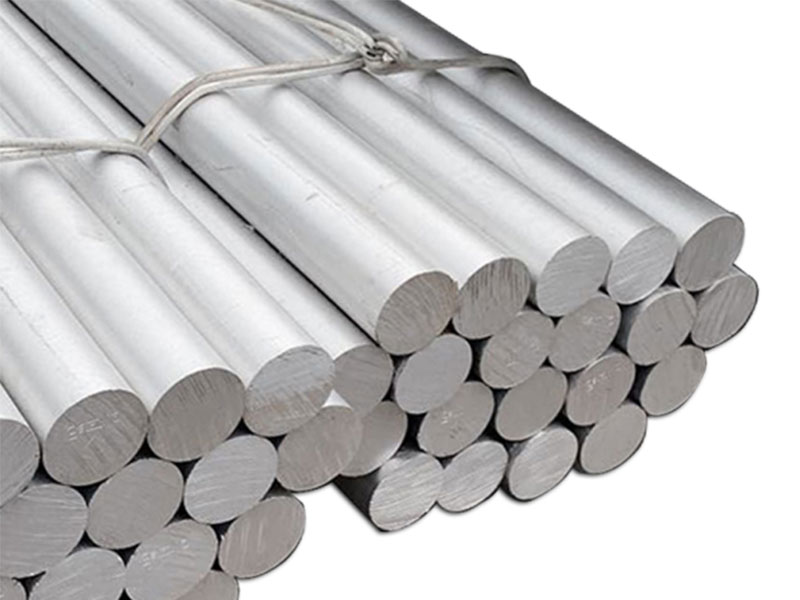
Marine grade aluminum solid bar
Marine Grade Aluminum Solid Bars are produced from premium aluminum alloys optimized for saltwater exposure, such as 5083, 5052, 6061, and 6082. These alloys offer unparalleled resistance to corrosion caused by seawater, salt spray, and marine atmospheres, while maintaining excellent mechanical strength and toughness.
View DetailsRelated Blog
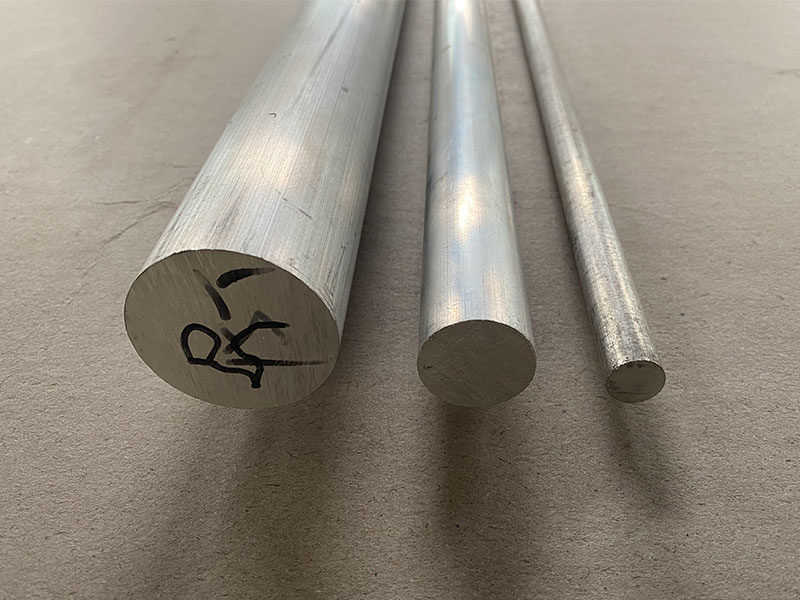
6082 Marine Grade Aluminum Solid Bar for Saltwater Resistant Marine Parts
The 6082 marine grade aluminum solid bar is a high‑strength, corrosion‑resistant alloy widely used for structural components in harsh marine environments. It offers an excellent balance of strength, workability, and long‑term durability, maki.
View Details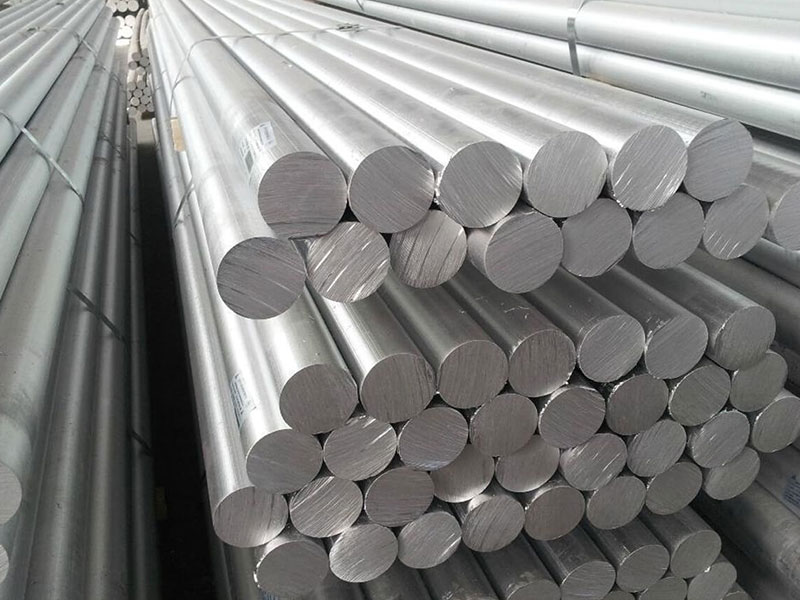
6082 Marine Grade Aluminum Solid Bar for Boat Deck Reinforcements
When it comes to marine vessel construction and refurbishment, selecting the right materials is vital for ensuring durability, performance, and safety. Among various options.
View Details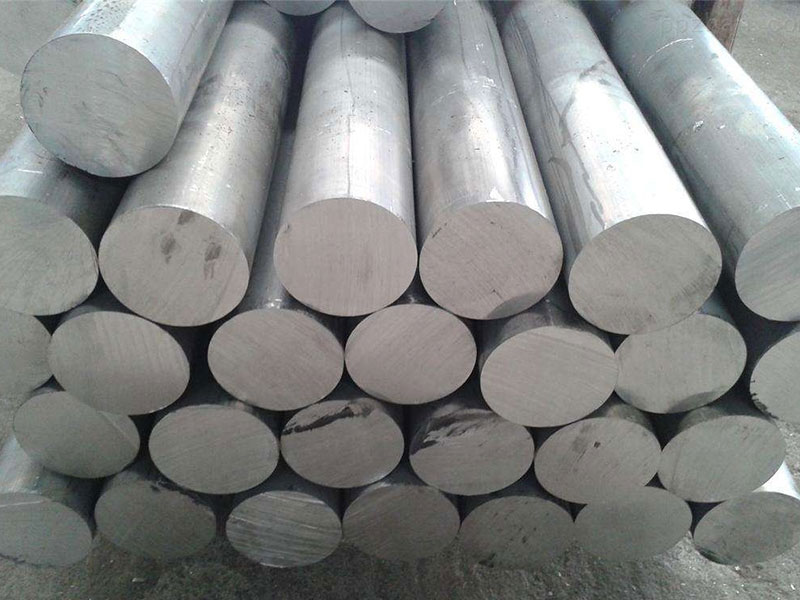
6082 Marine Aluminum Bar for Marine Platform Design and Construction
Marine platforms are often described in terms of scale, load, and durability. Yet from an engineering perspective, the real story begins much earlier-inside the material itself.
View Details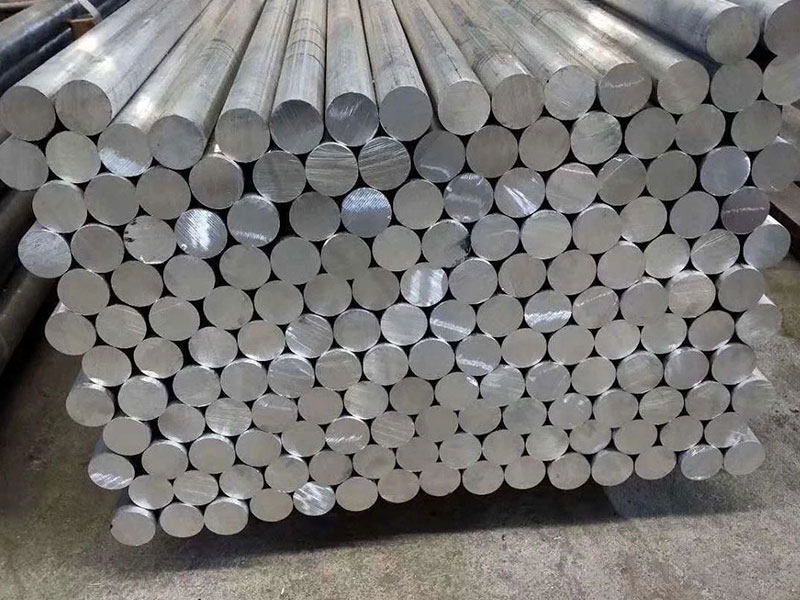
6082 Marine Aluminum Hollow Bars for Boat Hull and Deck Strengthening
6082 Marine Aluminum Hollow Bars for Boat Hull and Deck StrengtheningIn modern boatbuilding, strength is no longer measured only by how thick a plate looks or how heavy a frame feels.
View Details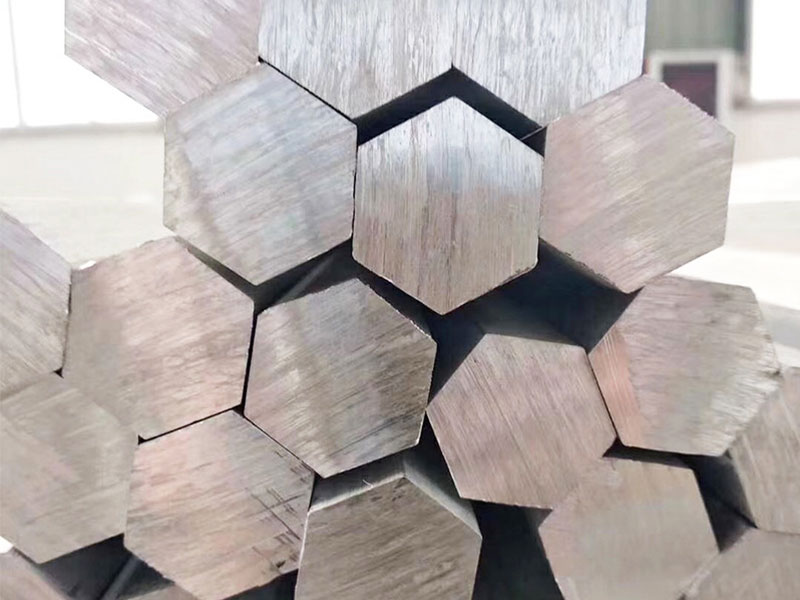
6082 Marine Grade Aluminum Solid Bar for Offshore Equipment Design
In the ever-evolving world of offshore equipment design, the demand for materials that showcase excellent mechanical properties, corrosion resistance, and weldability continues to rise.
View Details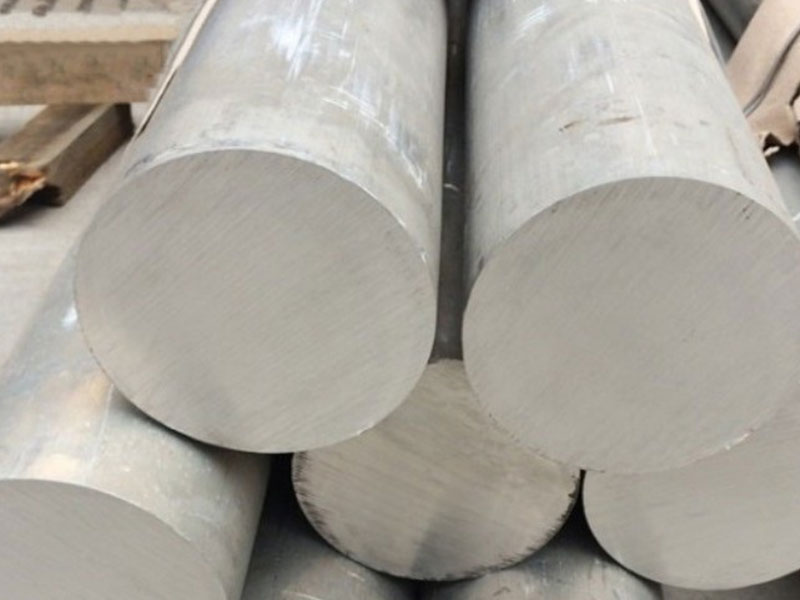
6082 Marine Aluminum Bar for Custom Boat Fabrication and Reinforcement
When it comes to custom boat fabrication and structural reinforcement in marine environments, material choice is paramount. The 6082 Marine Aluminum Bar stands out as a superior solution that combines strength, corrosion resistance.
View Details
Leave a Message