
Aluminum marine grade plate
Aluminum marine grade plate is a corrosion-resistant, high-strength flat-rolled product engineered for continuous exposure to seawater, salt spray, humidity, and cyclic loading. In marine and coastal fabrication, the right plate material determines service life as much as design does. Marine grade aluminum-most commonly 5xxx series (Al-Mg) such as 5083, 5086, 5456, and in some cases 6xxx series (Al-Mg-Si) like 6061-offers an excellent balance of strength, weldability, toughness, and long-term corrosion performance with significantly lower weight than steel.
What Makes a Plate "Marine Grade"?
Marine grade is not a single alloy-it's a performance expectation. A marine-grade plate is typically defined by:
- Superior resistance to seawater corrosion (including pitting and crevice corrosion)
- High weldability without severe strength loss or cracking sensitivity
- Good toughness at low temperatures and under impact loading
- Stable performance in heat-affected zones (HAZ) after welding
- Proven service history in shipbuilding and coastal structures
In practice, 5xxx series strain-hardened plates (H116/H321 tempers) are widely preferred for hulls, decks, superstructures, offshore gangways, and marine tanks due to their strong corrosion record and dependable weld behavior.
Features and Customer Benefits
| Feature | Why It Matters in Marine Service | Customer Benefit |
|---|---|---|
| Seawater corrosion resistance (Al-Mg systems) | Mg in solid solution improves corrosion behavior in many marine exposures | Longer service life, lower maintenance |
| High strength-to-weight ratio | Density ~1/3 of steel | Weight reduction, improved payload/fuel efficiency |
| Excellent weldability (GMAW/MIG, GTAW/TIG) | Suitable for large welded assemblies | Fast fabrication and repair |
| Good toughness and fatigue performance | Cyclic wave/slam loading and vibration are common | Improved reliability for hulls and structures |
| Non-magnetic and spark-resistant | Helpful for specialized vessels and platforms | Safer operation in specific environments |
| Recyclability | Aluminum retains value and is easy to recycle | Better lifecycle economics |
Common Marine Alloys: When to Use Which
The "best" marine grade plate depends on whether you prioritize maximum strength, formability, machinability, or post-weld performance.
| Alloy | Series | Typical Marine Strength Level | Corrosion Resistance in Seawater | Weldability | Notes / Best Fit |
|---|---|---|---|---|---|
| 5083 | 5xxx | High | Excellent | Excellent | Go-to for hulls, high-performance structures |
| 5086 | 5xxx | Medium–High | Excellent | Excellent | Great forming; common in small/medium vessels |
| 5456 | 5xxx | High | Excellent | Excellent | High strength; often used in ship structures |
| 5052 | 5xxx | Medium | Very good | Very good | Lighter-duty marine fabrication, tanks, covers |
| 6061 | 6xxx | Medium | Good (with protection) | Good | Strong, machinable; common for extrusions & plate parts |
Chemical Composition (Typical Ranges)
Below are typical composition ranges (wt.%). Actual limits vary by specification and mill certification.
5083 (Marine Plate Mainstay)
| Element | Mg | Mn | Cr | Si | Fe | Cu | Zn | Ti | Al |
|---|---|---|---|---|---|---|---|---|---|
| Typical range (%) | 4.0–4.9 | 0.4–1.0 | 0.05–0.25 | ≤0.40 | ≤0.40 | ≤0.10 | ≤0.25 | ≤0.15 | Balance |
5086 (Excellent Formability + Marine Corrosion)
| Element | Mg | Mn | Cr | Si | Fe | Cu | Zn | Ti | Al |
|---|---|---|---|---|---|---|---|---|---|
| Typical range (%) | 3.5–4.5 | 0.2–0.7 | 0.05–0.25 | ≤0.40 | ≤0.50 | ≤0.10 | ≤0.25 | ≤0.15 | Balance |
6061 (Common for Machined Marine Components)
| Element | Mg | Si | Cu | Cr | Fe | Mn | Zn | Ti | Al |
|---|---|---|---|---|---|---|---|---|---|
| Typical range (%) | 0.8–1.2 | 0.4–0.8 | 0.15–0.40 | 0.04–0.35 | ≤0.70 | ≤0.15 | ≤0.25 | ≤0.15 | Balance |
Mechanical & Performance Characteristics (Typical)
Mechanical properties depend strongly on temper, thickness, and product form. For marine plate, H116/H321 are common for 5xxx alloys due to stress corrosion and exfoliation resistance requirements in marine standards.
Typical Mechanical Properties
| Alloy / Temper | Yield Strength (MPa) | Tensile Strength (MPa) | Elongation (%) | Notes |
|---|---|---|---|---|
| 5083-H116 | ~215–250 | ~305–350 | ~10–16 | Widely specified for hull plating |
| 5086-H116 | ~195–230 | ~290–330 | ~10–18 | Good forming + strong corrosion behavior |
| 6061-T6 | ~240–275 | ~290–320 | ~8–12 | Higher strength in base metal; HAZ softening after welding |
Practical Performance Highlights (Marine Use)
| Property | 5xxx (e.g., 5083/5086) | 6xxx (e.g., 6061) |
|---|---|---|
| Seawater corrosion resistance | Excellent | Good (often improved with coatings/anodizing) |
| Post-weld strength retention | Strong and predictable | HAZ softening can be significant |
| Formability | Very good | Good |
| Machinability | Fair–Good | Good–Very good |
Technical Specifications (Typical Supply Range)
Supplier capability varies by rolling mill and service center. The table below shows common market ranges.
| Parameter | Typical Range / Option |
|---|---|
| Plate thickness | 3 mm to 150 mm (common); heavier gauges available by mill |
| Width | 1,000–2,500 mm (custom widths possible) |
| Length | 2,000–12,000 mm (cut-to-length available) |
| Tempers (5xxx) | H111, H116, H321 (marine-preferred: H116/H321) |
| Tempers (6061) | T6, T651 |
| Surface | Mill finish, brushed, or coated (primer systems available by fabricator) |
| Flatness / tolerances | Standard plate tolerances; tighter tolerance options by agreement |
| Common standards (by market) | EN/ASTM marine-related procurement often uses class rules and alloy standards; confirm with project spec |
Where Aluminum Marine Grade Plate Excels (Applications)
| Application | Why Marine Plate Performs Well | Typical Alloy |
|---|---|---|
| Boat hulls and superstructures | Corrosion resistance + weldability + weight savings | 5083, 5086 |
| Decks, bulkheads, and stiffened panels | Good fatigue performance and structural efficiency | 5083, 5456 |
| Gangways, pontoons, catwalks | Lightweight, durable, easy to fabricate | 5086, 5083 |
| Offshore platforms and coastal structures | Salt spray resistance and reduced maintenance | 5083, 5456 |
| Marine tanks and enclosures | Corrosion resistance; good forming for tank shells | 5086, 5052 |
| Machined marine parts, brackets, fixtures | Machinability and availability | 6061 |
Fabrication Notes That Protect Performance
Marine plate earns its reputation only if fabrication is done correctly:
- Welding: 5xxx series welds well with common filler selections; control heat input to manage distortion and maintain properties.
- Avoid galvanic corrosion: Isolate aluminum from stainless/steel fasteners using suitable insulators, sealants, or coatings; design for drainage.
- Surface preparation: Keep chloride contamination low; remove embedded iron (from tooling) to prevent staining and localized corrosion.
- Design for water management: Crevice corrosion is often a design issue-avoid water traps, lap joints without sealing, and stagnant zones.
How to Choose the Right Marine Grade Plate (Quick Guide)
| If you need… | Choose… | Reason |
|---|---|---|
| Maximum hull durability and proven track record | 5083-H116/H321 | Industry-standard marine structural alloy |
| Better forming with excellent seawater resistance | 5086-H116 | Great balance of formability and strength |
| High-strength ship structures | 5456 (marine tempers) | Strong 5xxx option used in shipbuilding |
| Machined components with good strength | 6061-T6/T651 | Excellent machining; widely available |
| Cost-effective light marine fabrication | 5052 | Very good corrosion resistance for non-critical structures |
Aluminum marine grade plate delivers a compelling combination of corrosion resistance, weldability, and weight reduction that directly improves vessel efficiency and reduces lifecycle maintenance in harsh coastal environments. For most structural marine applications, 5xxx series plates (especially 5083 and 5086 in H116/H321) are the workhorse choice, while 6061 supports machined parts and mixed fabrication needs.

Related Products
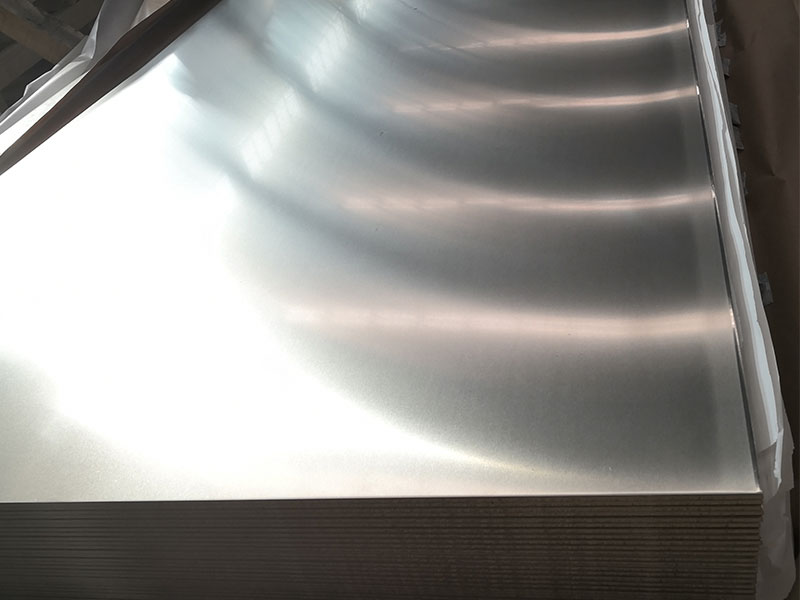
Marine 5052 aluminum plate
Marine 5052 Aluminum Plate is noted for its exceptional resistance to corrosion caused by seawater, salt spray, and marine atmospheres.
View Details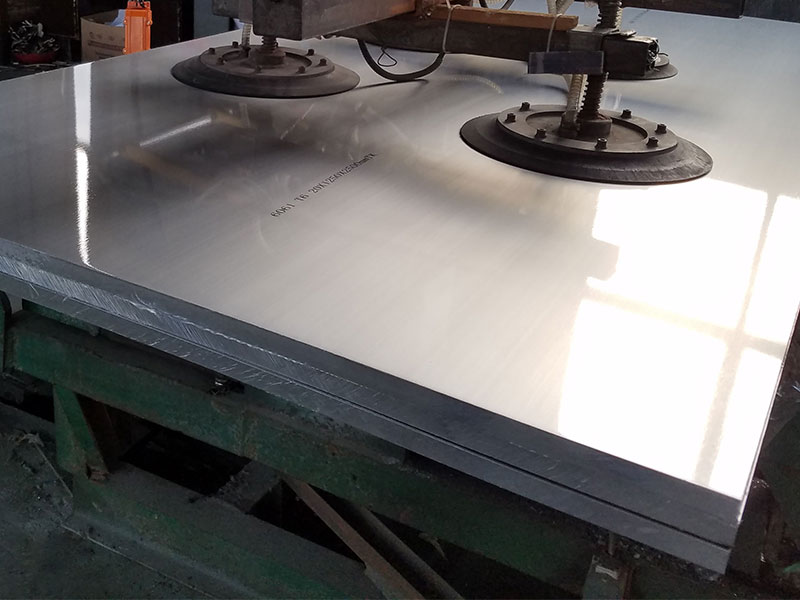
Marine heavy duty aluminum plate
Marine Heavy Duty Aluminum Plates Sheets generally refer to thick aluminum alloy plates and heavy gauge sheets produced from marine-grade alloys such as 5083, 5086, 5059, and 5383.
View Details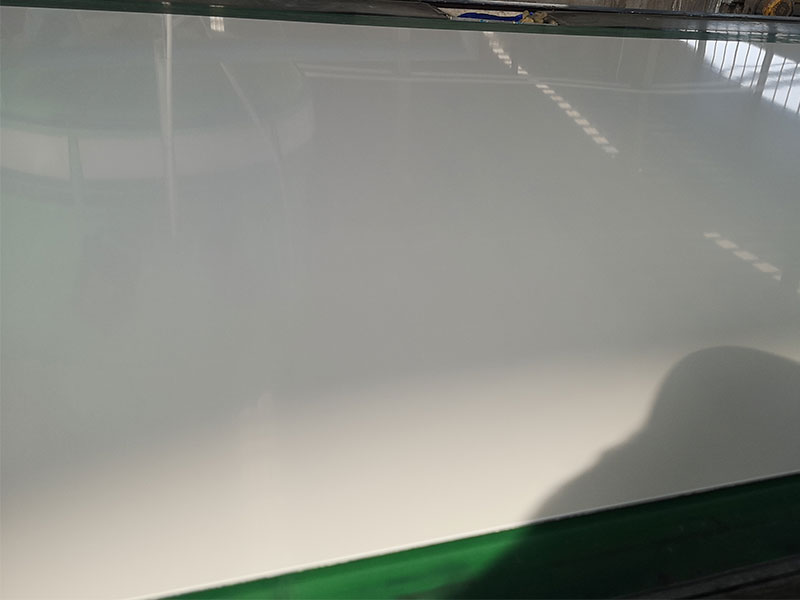
Marine 5086 aluminum plate
5086 Aluminum Plate belongs to the 5xxx series of aluminum-magnesium alloys. Its hallmark is a high magnesium content—generally between 4.0% and 4.9%—which delivers enhanced corrosion resistance, particularly against saltwater and marine atmospheric conditions.
View Details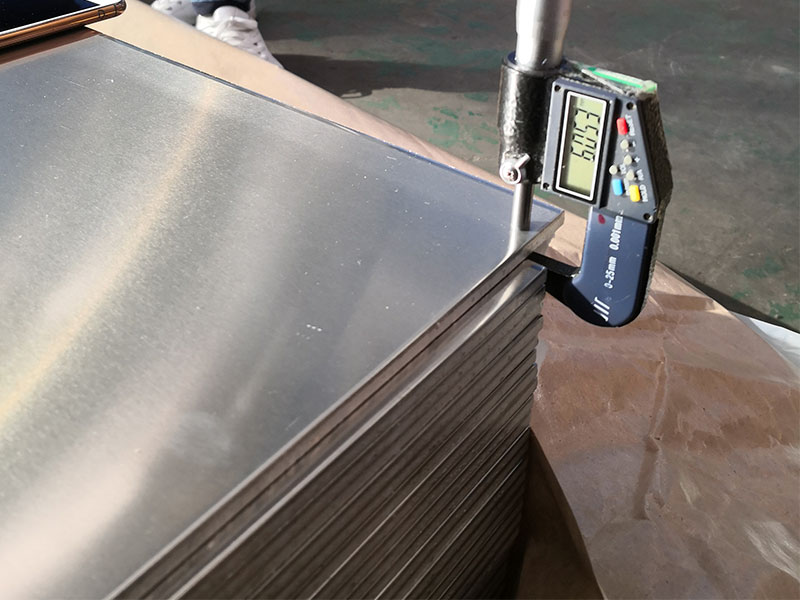
Marine 5383 aluminum plate
The 5383 aluminum alloy belongs to the 5xxx series of aluminum-magnesium alloys known for remarkable resistance to marine corrosion and high strength.
View Details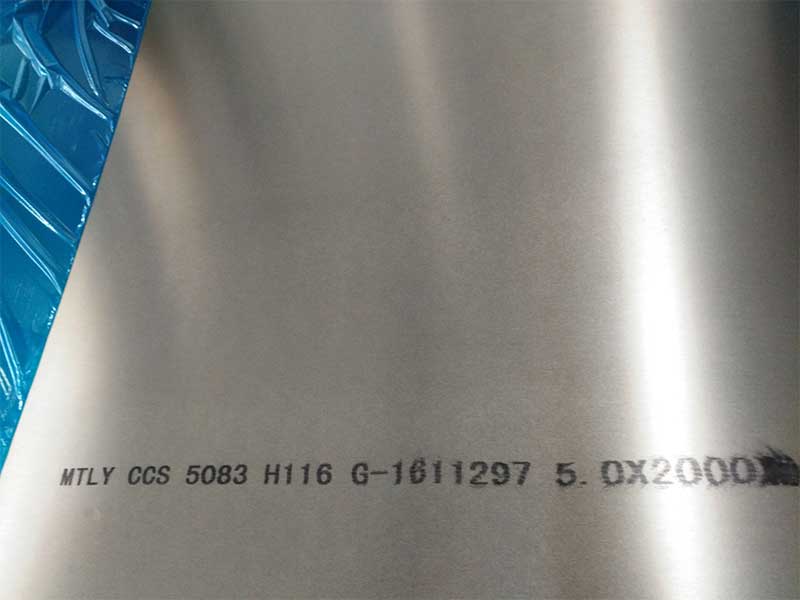
Marine 5083 aluminum plate
Marine 5083 Aluminum Plate belongs to the 5xxx series of aluminum-magnesium alloys and is classified as a non-heat-treatable alloy. Its high magnesium content (typically 4.0–4.9%) enhances its corrosion resistance, especially against seawater-related degradation such as pitting and stress corrosion cracking.
View Details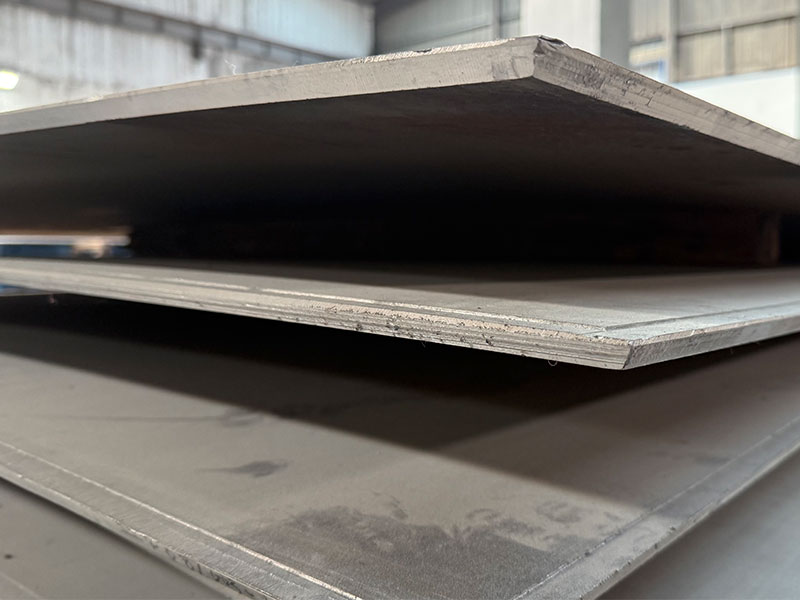
Marine aluminum steel clad plate
Aluminum / Steel Clad Plates consist of a sandwich construction in which a layer of marine-grade aluminum alloy is metallurgically bonded to a steel substrate.
View DetailsRelated Blog
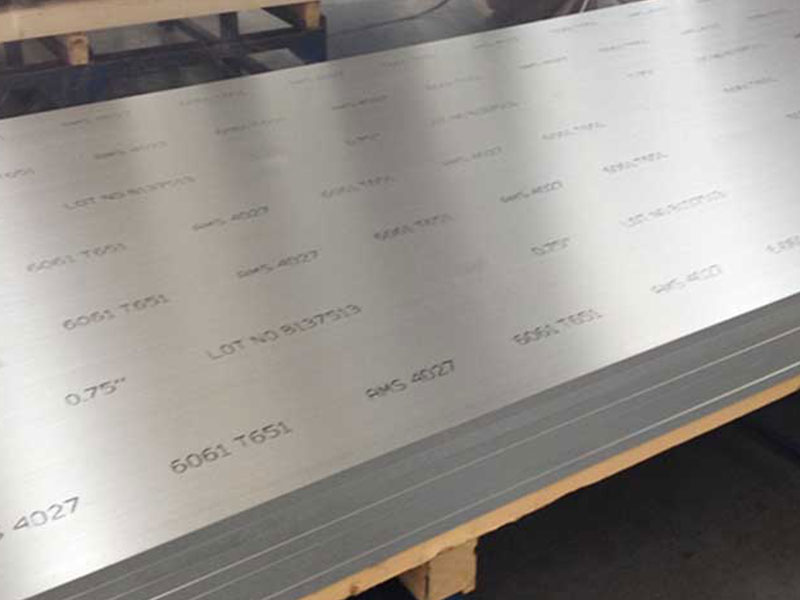
5083 5086 H116 Marine Aluminum Plate Sheet For Boat
Marine structures live in a world of salt spray, constant wet-dry cycles, vibration, and localized impacts. A "good" metal in a warehouse can fail quickly on a hull or deck if it can't resist corrosion and keep its strength after welding.
View Details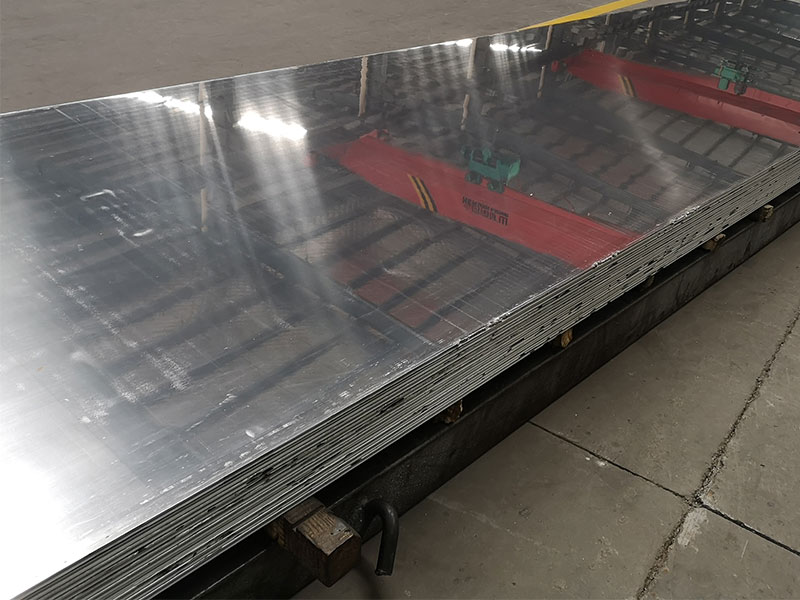
Aluminum Alloy Plate 5083 H24 for Marine
OverviewAluminum Alloy Plate 5083 H24 is a high-performance material widely favored in marine engineering due to its excellent combination of high strength, exceptional corrosion resistance, and good weldability.
View Details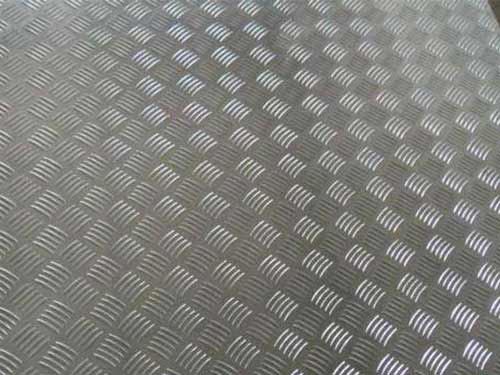
Marine 5083 5086 H116 Checkered Aluminum Plate for Deck Board
Premium Marine 5083/5086 H116 Checkered Aluminum Plate designed for deck boards. Boasting exceptional corrosion resistance, high strength, and durability, it meets marine industry standards for optimal performance in harsh sea environments.
View Details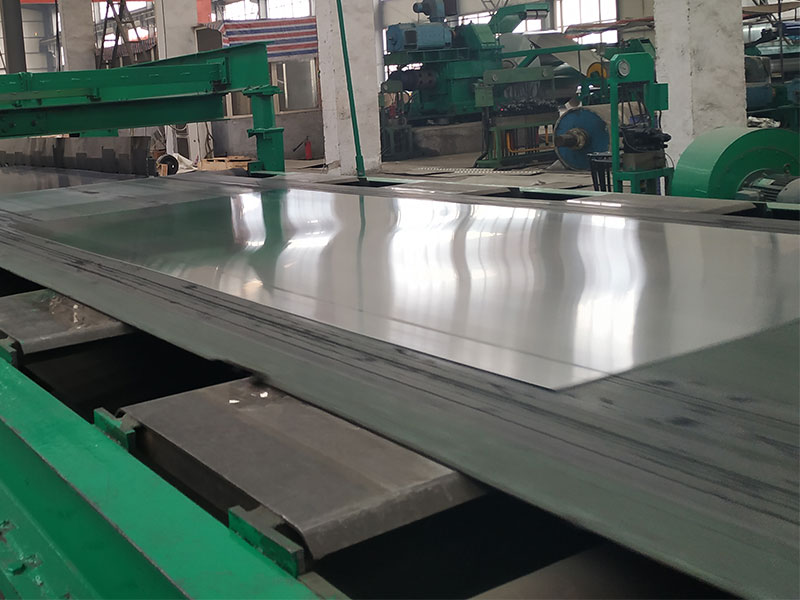
Marine Aluminum 6061 T6 Plate For Shipbuilding
Marine Aluminum 6061 T6 Plate For Shipbuilding: A "Structural Utility Metal" That Works Like a SystemIn shipbuilding, materials are often discussed as if they are simple ingredients: strong, light, corrosion-resistant.
View Details
Marine grade aluminium plate
When contemplating the construction of robust vessels or marine equipment, selecting the right materials is more significant than ever. Among the myriad options available, marine grade aluminium plate stands out due to its fortitude against corrosion.
View Details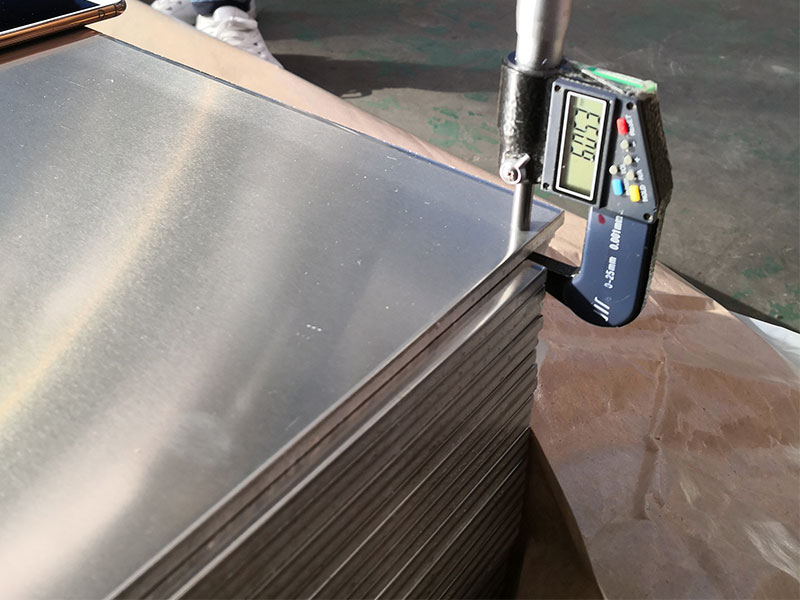
Aluminium plate marine grade
Marine environments are uniquely punishing: salt spray, humidity, temperature cycling, abrasion, and galvanic couples all work together to attack metal.
View Details
Leave a Message