
Shipping building aluminum alloy checker plate
Shipping building aluminum alloy checker plate is a rugged, lightweight, and corrosion-resistant sheet product designed for harsh marine logistics and industrial construction environments. Recognizable by its raised tread pattern (often called diamond, five-bar, or lentil), it combines structural practicality with safer footing, making it a dependable choice for shipyards, port facilities, offshore modules, and shipping-container-based buildings.
Built to endure salt spray, wet decks, heavy foot traffic, and repeated handling, aluminum checker plate is widely used where steel would rust quickly or where weight savings translate directly into lower transport and installation costs.
What It Is and Why Shipping Builders Choose It
Aluminum alloy checker plate is a rolled aluminum sheet with an embossed pattern on one side. The pattern increases surface friction, improves stiffness slightly, and protects the base metal from minor abrasion. In shipping building projects-such as container houses, modular site offices, ship accommodation blocks, gangways, and dockside platforms-the material is valued for:
- High corrosion resistance in marine and coastal atmospheres
- Reduced weight compared with carbon steel plates, easing fabrication and lifting
- Durable slip-resistant surface for wet, oily, or sandy conditions
- Clean, modern metallic appearance suitable for exposed architectural use
- Good formability and weldability (depending on alloy selection)
Features for Marine Logistics and Modular Construction
Corrosion resistance that matches coastal reality
For port-side buildings and shipboard structures, chloride exposure is a constant. Common checker plate alloys such as 5052 and 5083 belong to the Al-Mg family, known for strong resistance to seawater and salt-laden air. This reduces repainting cycles and minimizes under-deck corrosion risk in walkways and platform systems.
Slip resistance for safety-critical surfaces
The raised pattern helps reduce slip incidents on stairs, ramps, and service platforms. While it is not a substitute for certified anti-slip coatings in all regulated areas, it provides an immediate traction advantage over smooth plate-especially when surfaces are wet from rain, sea spray, or washdowns.
Weight savings that improve shipping efficiency
Aluminum's density is about one-third of steel. For container-based construction and offshore logistics, that matters: lighter panels reduce crane load, speed up installation, and can improve overall transport economics.
Fabrication-friendly for fast project cycles
Checker plate can be cut, bent, drilled, and welded using standard aluminum fabrication methods. It fits well with fast-paced modular workflows where panels are pre-cut in workshops and assembled on-site.
Common Alloy Options for Checker Plate (Recommended for Shipping Use)
The best alloy depends on whether you prioritize forming, strength, or maximum marine durability.
| Alloy | Temper | Strength/Behavior | Typical Shipping-Building Uses |
|---|---|---|---|
| 5052 | H32 / H34 | Excellent corrosion resistance, good formability | Floors, steps, wall protection panels, interior ramps |
| 5083 | H111 / H321 | Higher strength, superior marine resistance | Heavy-duty decks, offshore modules, high-load walkways |
| 6061 | T6 | Higher hardness, good machining | Structural components, framed platforms, brackets (patterned plate where applicable) |
| 3003 | H22 / H24 | Very good formability, moderate strength | Decorative panels, light-duty coverings, non-critical flooring |
Chemical Composition (Typical Reference Ranges)
Actual composition varies by standard and supplier melt; confirm with mill test certificates for your project.
| Alloy | Si (%) | Fe (%) | Cu (%) | Mn (%) | Mg (%) | Cr (%) | Zn (%) | Ti (%) | Al |
|---|---|---|---|---|---|---|---|---|---|
| 5052 | ≤0.25 | ≤0.40 | ≤0.10 | ≤0.10 | 2.2–2.8 | 0.15–0.35 | ≤0.10 | ≤0.10 | Balance |
| 5083 | ≤0.40 | ≤0.40 | ≤0.10 | 0.4–1.0 | 4.0–4.9 | 0.05–0.25 | ≤0.25 | ≤0.15 | Balance |
| 6061 | 0.4–0.8 | ≤0.7 | 0.15–0.40 | ≤0.15 | 0.8–1.2 | 0.04–0.35 | ≤0.25 | ≤0.15 | Balance |
| 3003 | ≤0.60 | ≤0.70 | 0.05–0.20 | 1.0–1.5 | ≤0.05 | - | ≤0.10 | ≤0.10 | Balance |
Technical Specifications (Typical Supply Range)
Checker plate is supplied as sheets or coils, with pattern on one side and a smooth back side for easier bonding, framing, or insulation contact.
| Item | Typical Options |
|---|---|
| Pattern types | Five-bar, diamond, 1-bar, lentil (regional naming varies) |
| Thickness (base metal) | 1.5 mm to 8.0 mm common; heavier gauges available on request |
| Width | 1000 / 1220 / 1250 / 1500 mm typical |
| Length | 2000 / 2440 / 3000 / 6000 mm or cut-to-length |
| Surface finish | Mill finish, bright finish, anodized (selected alloys), coated (PVDF/PE), stucco alternatives |
| Standards (common) | ASTM B209, EN 485, EN 573, GB/T 3880 (depending on region) |
| Protective film | Optional PE film for scratch protection during fabrication |
| Back side | Smooth, suitable for adhesives, framing contact, or insulation layers |
Typical Mechanical Properties (Practical Engineering Reference)
Values depend on thickness and exact temper; treat as indicative and verify with certificates.
| Alloy / Temper | Tensile Strength (MPa) | Yield Strength (MPa) | Elongation (%) |
|---|---|---|---|
| 5052-H32 | 210–260 | 130–180 | 8–15 |
| 5083-H111 | 275–350 | 125–200 | 10–16 |
| 6061-T6 | 290–320 | 240–280 | 8–12 |
| 3003-H22 | 130–170 | 95–140 | 6–12 |
Applications in Shipping Building Projects
Container buildings and modular site facilities
Checker plate is commonly used as entrance steps, threshold plates, interior utility flooring, and wall protection near high-contact zones. The raised pattern hides scuffs better than flat sheet, helping modules maintain a clean appearance through repeated relocations.
Port and dock infrastructure
Walkways, maintenance platforms, stair treads, and access covers benefit from the combination of traction and corrosion resistance. Aluminum is especially attractive where repainting steel would disrupt operations.
Ship and offshore accommodation modules
In offshore support structures, weight and corrosion resistance directly influence long-term operating cost. 5083-series checker plate is often chosen for deck-like surfaces and high-traffic access routes.
Vehicle and equipment interfaces
Loading ramps, toolbox tops, service vehicle floors, and temporary bridge plates frequently use checker plate because it withstands frequent impacts and provides footing when mud, water, or oil is present.
Protective cladding and kick plates
Along corridors, equipment rooms, and public-facing modular buildings, checker plate works as a durable "armor layer," absorbing scratches and dents while keeping the underlying wall system intact.
Selection Tips That Reduce On-Site Problems
| Decision Point | Practical Recommendation |
|---|---|
| Marine exposure level | Use 5052 for general coastal projects; select 5083 for heavy-duty marine/offshore exposure |
| Thickness choice | Choose based on span and load; thicker plate improves stiffness and dent resistance |
| Pattern orientation | Align tread direction with walking flow for better perceived grip and consistent aesthetics |
| Joining method | Use aluminum-compatible fasteners; isolate dissimilar metals to reduce galvanic corrosion |
| Surface protection | Consider anodizing or coating for architectural modules; use protective film during fabrication |
| Slip-critical zones | Add anti-slip tape or coatings where regulations require certified slip performance |
Performance Notes for Long Service Life
- Galvanic corrosion control matters in shipping environments. If checker plate contacts carbon steel frames, use isolation pads, sealants, or suitable coatings to prevent accelerated corrosion at joints.
- Drainage and cleaning access improve safety. Even slip-pattern plates can become slick if grease or algae accumulates in wet dock areas.
- Pattern height affects real-world wear. Higher, sharper patterns offer more initial traction but can flatten over time in high-traffic lanes; selecting proper thickness and alloy helps maintain performance.
Shipping building aluminum alloy checker plate delivers a practical balance of traction, corrosion resistance, and lightweight durability-qualities that match the daily realities of ports, shipyards, offshore logistics, and modular construction. With common marine-grade options like 5052 and 5083, it supports fast fabrication, safer walk surfaces, and long-term cost control in environments where moisture and salt are unavoidable.

Related Products
Marine aluminum steel clad plate
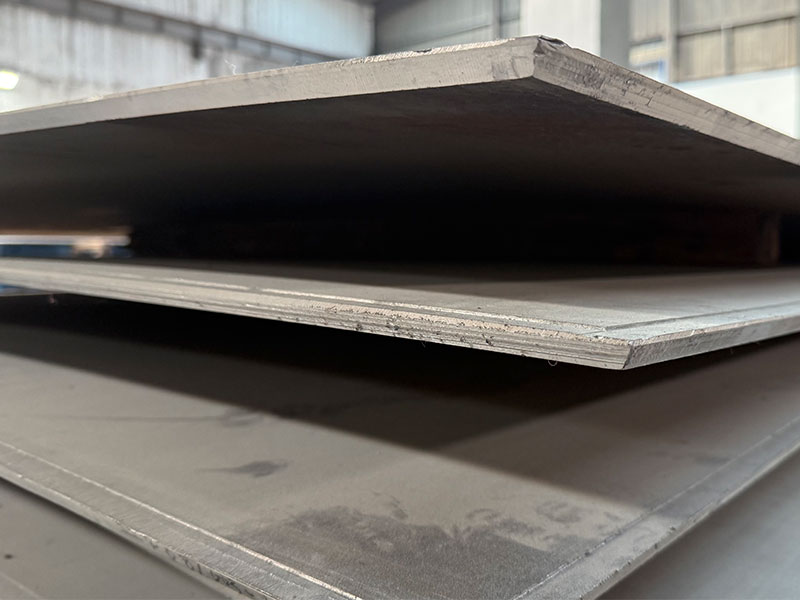
Aluminum / Steel Clad Plates consist of a sandwich construction in which a layer of marine-grade aluminum alloy is metallurgically bonded to a steel substrate.
View Details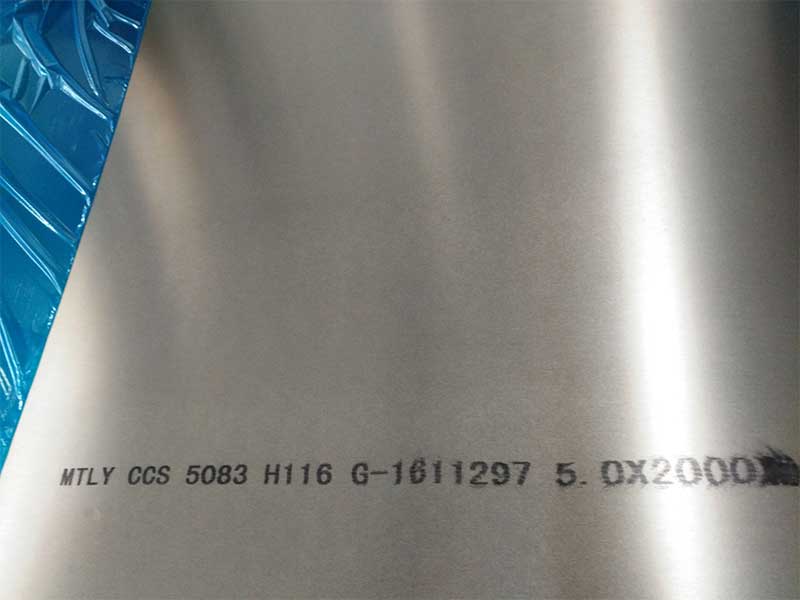
Marine 5083 aluminum plate
Marine 5083 Aluminum Plate belongs to the 5xxx series of aluminum-magnesium alloys and is classified as a non-heat-treatable alloy. Its high magnesium content (typically 4.0–4.9%) enhances its corrosion resistance, especially against seawater-related degradation such as pitting and stress corrosion cracking.
View Details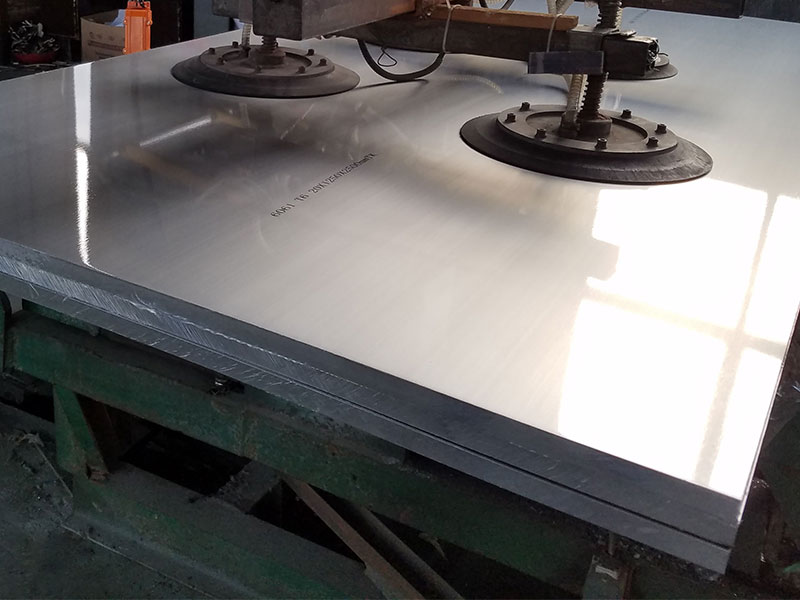
Marine heavy duty aluminum plate
Marine Heavy Duty Aluminum Plates Sheets generally refer to thick aluminum alloy plates and heavy gauge sheets produced from marine-grade alloys such as 5083, 5086, 5059, and 5383.
View Details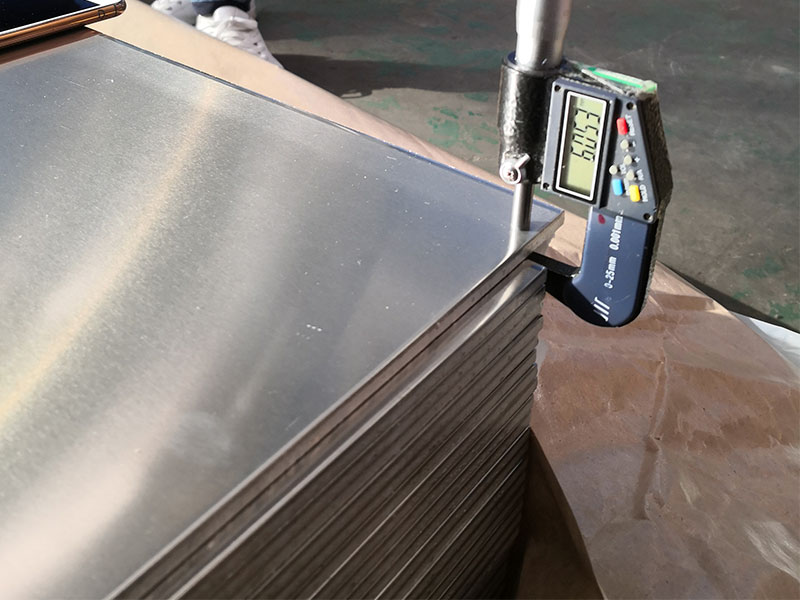
Marine 5383 aluminum plate
The 5383 aluminum alloy belongs to the 5xxx series of aluminum-magnesium alloys known for remarkable resistance to marine corrosion and high strength.
View Details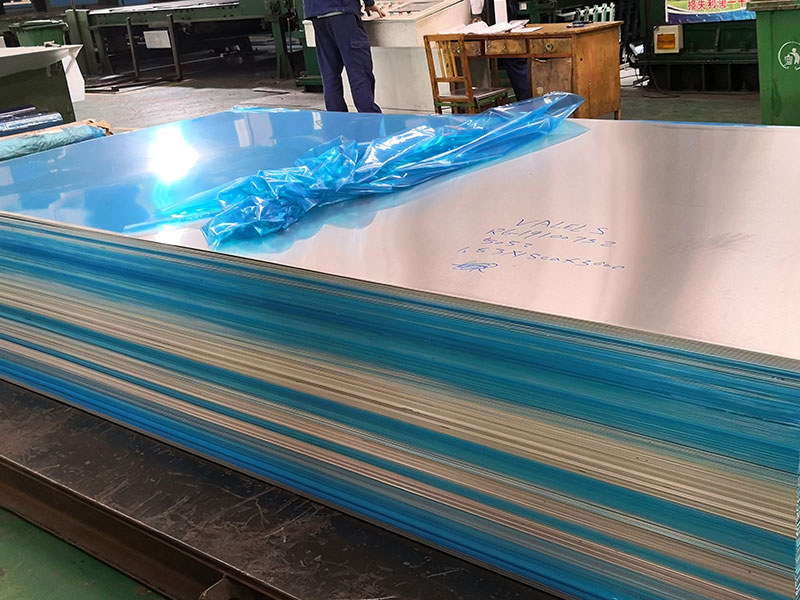
Marine 5059 aluminum plate
Marine 5059 Aluminum Plate is distinguished by its high magnesium content and carefully balanced alloying elements, designed to maximize strength without compromising corrosion resistance.
View Details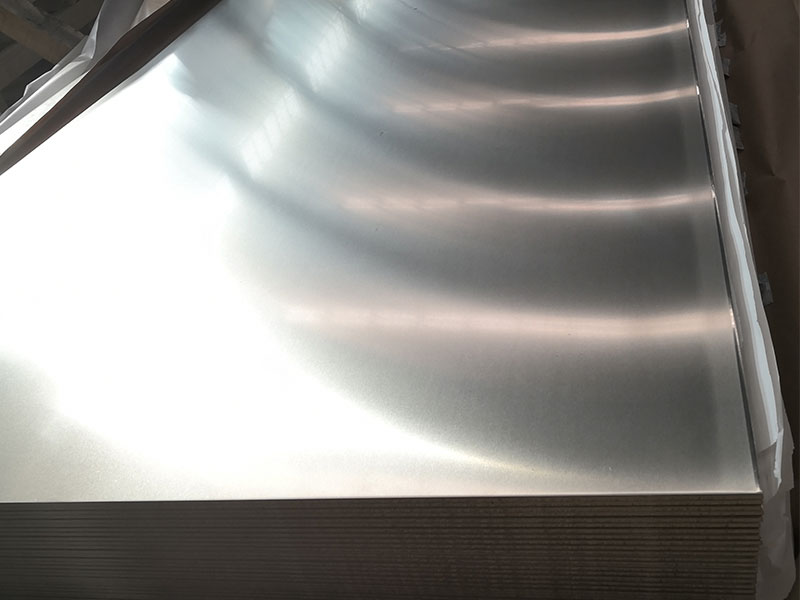
Marine 5052 aluminum plate
Marine 5052 Aluminum Plate is noted for its exceptional resistance to corrosion caused by seawater, salt spray, and marine atmospheres.
View DetailsRelated Blog
Marine Grade Aluminum Alloy Plate 5083 H111 H112
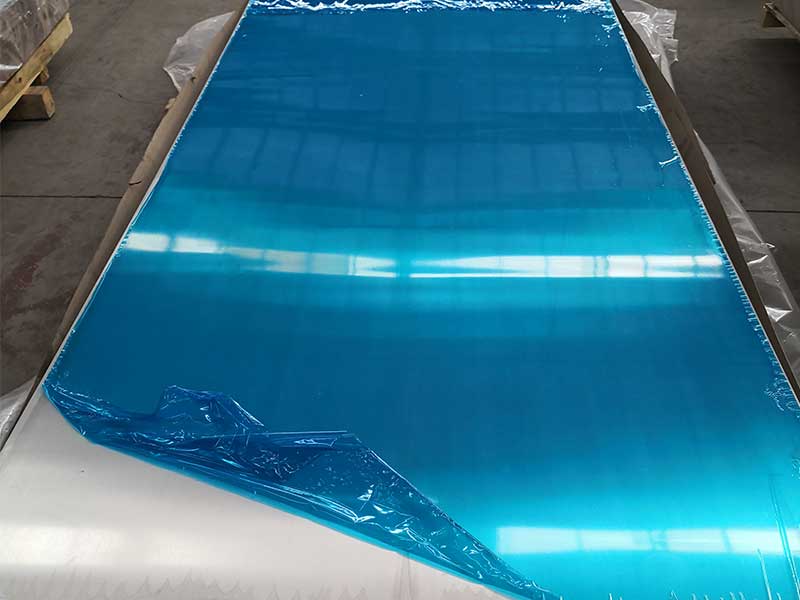
When we think of maritime applications, the materials we choose are of utmost importance, and few fulfill the criteria for durability, resistance, and lightweight characteristics better than Marine Grade Aluminum Alloy 5083 H111 and H112.
View Details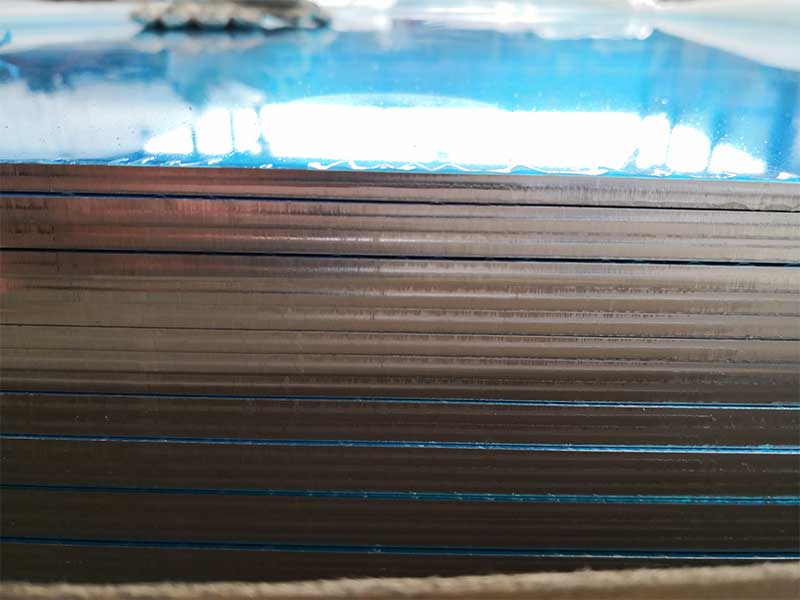
5083 Marine Grade Aluminum Plate for Shipbuilding
When people picture shipbuilding, they tend to imagine big welds, thick steel, and dramatic launches. Yet some of the most important decisions are almost invisible: alloy choice, temper condition, plate flatness.
View Details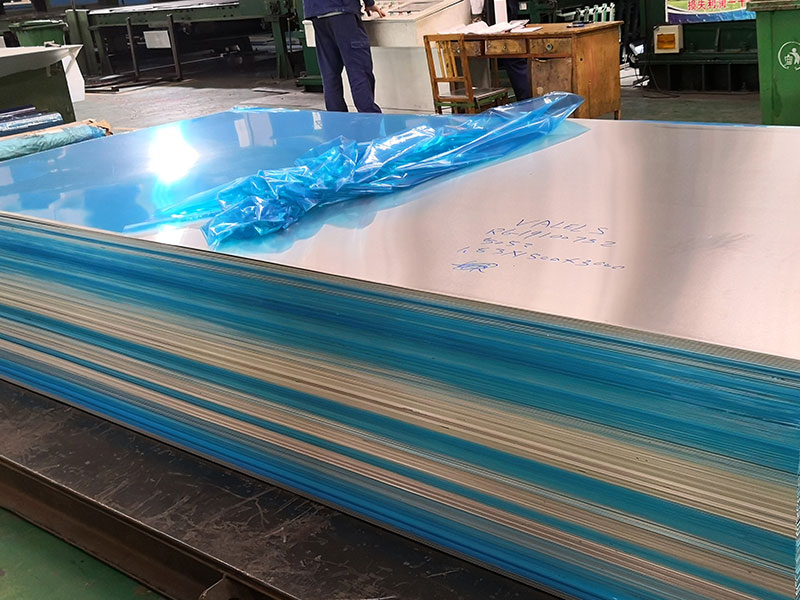
5083 marine aluminum sheet plate
5083 marine aluminum sheet plate has established itself as a standard reference in the maritime industry, thanks to its exceptional combination of performance, versatility, and durability.
View Details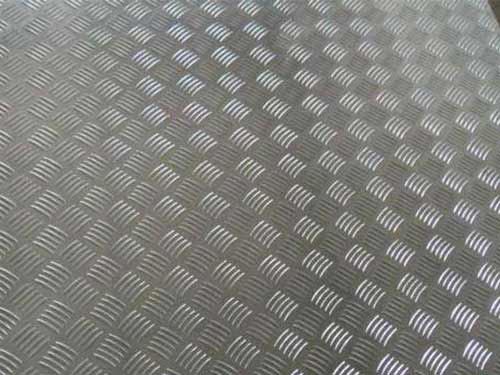
Marine 5083 5086 H116 Checkered Aluminum Plate for Deck Board
Premium Marine 5083/5086 H116 Checkered Aluminum Plate designed for deck boards. Boasting exceptional corrosion resistance, high strength, and durability, it meets marine industry standards for optimal performance in harsh sea environments.
View Details
Marine aluminium plate 5059
Marine Aluminium Plate 5059 is a high-strength alloy specifically designed for maritime applications. The versatile and durable properties of 5059 aluminum make it well-suited for a variety of marine structures.
View Details
Aluminum plate 10mm marine grade
Aluminum Plate 10mm Marine Grade: The "Structural Skin" That Makes Saltwater Projects LastWhen people search for a 10mm marine grade aluminum plate, they're usually thinking about thickness, strength, and corrosion resistance.
View Details
Leave a Message