
Marine Aluminum Customized Shapes for Offshore Platform Structural Reinforcements
Offshore platforms live in an unforgiving environment: chloride-rich seawater, cyclic wave loading, deck equipment vibration, and strict weight constraints that influence everything from pile design to crane capacity. Marine aluminum customized shapes (extruded and fabricated profiles engineered to your drawings) provide a high-performance option for structural reinforcements, especially where corrosion resistance, weight reduction, and modular installation are priorities.
1) What "Customized Shapes" Means for Offshore Reinforcement
Unlike standard plate or generic channels, customized shapes are engineered cross-sections-such as asymmetric stiffeners, bulb flats, multi-cavity beams, integrated cable trays, or hybrid T/hat sections-optimized for:
- Higher stiffness-to-weight (geometric efficiency)
- Fewer welded joints (extrusion integrates features)
- Faster installation (prefit, modular segments)
- Corrosion durability in marine exposure
- Compatibility with coatings, isolation kits, and steel/aluminum interfaces
Typical manufacturing routes include:
- Extrusions (primary method for complex profiles)
- CNC finishing (holes, slots, end preps)
- Friction stir welding (FSW) or GMAW/MIG for assemblies (when required)
- Surface treatments (anodizing, marine paint systems, chromate-free pretreatments)
2) Features and Benefits (Why Aluminum for Offshore Reinforcements)
Lightweight Strength and Structural Efficiency
Aluminum's low density (~2.7 g/cm³) reduces reinforcement weight substantially versus steel. Lower weight can yield:
- Reduced loads on existing members (useful for life-extension upgrades)
- Easier handling offshore (smaller lifting plans, quicker rigging)
- Improved modularization (prefabricated reinforcement packages)
Corrosion Resistance in Marine Atmospheres
Marine-grade alloys resist pitting and general corrosion better than many structural metals in salt-laden environments, especially when combined with:
- Proper drainage/crevice design
- Surface pretreatment + coating
- Galvanic isolation at steel interfaces
Design Freedom: Integrate Functions into the Profile
Customized shapes can integrate:
- Stiffening ribs and radii for fatigue performance
- Bolt lands and attachment grooves
- Water-shedding features and inspection access
- Cable/pipe routing cavities (reducing secondary supports)
Reduced Total Installed Cost (Often the Real Win)
Even when material cost is higher per kg than carbon steel, customized aluminum can reduce:
- Welding time and NDT scope
- Coating repair frequency
- Offshore labor (high cost driver)
- Downtime during retrofit
3) Recommended Alloys and Tempers for Offshore Use
Common marine alloys include 5083, 5086, and 6061/6082. Selection depends on whether the reinforcement is plate-based or extrusion-based, required strength, and fabrication method.
Chemical Composition (Typical, wt.%)
Values below are typical composition limits used in industry standards. Final selection should be confirmed to the governing specification and mill test certificate.
| Alloy | Mg | Si | Mn | Fe | Cu | Cr | Zn | Ti | Al |
|---|---|---|---|---|---|---|---|---|---|
| 5083 (marine plate) | 4.0–4.9 | ≤0.40 | 0.4–1.0 | ≤0.40 | ≤0.10 | 0.05–0.25 | ≤0.25 | ≤0.15 | Bal. |
| 5086 (marine plate) | 3.5–4.5 | ≤0.40 | 0.2–0.7 | ≤0.50 | ≤0.10 | 0.05–0.25 | ≤0.25 | ≤0.15 | Bal. |
| 6061 (structural extrusion) | 0.8–1.2 | 0.4–0.8 | ≤0.15 | ≤0.70 | 0.15–0.40 | 0.04–0.35 | ≤0.25 | ≤0.15 | Bal. |
| 6082 (structural extrusion, EU common) | 0.6–1.2 | 0.7–1.3 | 0.4–1.0 | ≤0.50 | ≤0.10 | ≤0.25 | ≤0.20 | ≤0.10 | Bal. |
Practical guidance
- Extrusions: 6061-T6 / 6082-T6 are workhorses for structural custom profiles.
- Highly corrosion-critical or welded plate structures: 5083/5086 (non-heat-treatable, excellent marine behavior) are often preferred, though custom extrusion complexity is more limited than 6xxx.
4) Mechanical Properties (Typical Values)
Mechanical performance depends on thickness, temper, and welding. Use project-specific allowables where codes require (e.g., offshore structural standards).
| Alloy / Temper | Yield Strength (MPa) | Ultimate Tensile (MPa) | Elongation (%) | Notes |
|---|---|---|---|---|
| 5083-H116 | ~215–240 | ~305–340 | ~10–16 | Strong marine plate; good corrosion resistance |
| 5086-H116 | ~200–230 | ~290–330 | ~10–16 | Similar marine behavior; good weldability |
| 6061-T6 | ~240–275 | ~290–320 | ~8–12 | High strength extrusion; strength reduces in weld HAZ |
| 6082-T6 | ~250–300 | ~300–340 | ~8–12 | Often higher strength than 6061; excellent extrusion option |
Fatigue and Vibration Behavior (Design-Relevant Notes)
Offshore reinforcements frequently see cyclic loads. Aluminum can perform very well when:
- Sharp corners are avoided (use generous radii)
- Weld toes are controlled and dressed where needed
- Extrusions are used to minimize weld length
- Stress concentrations near cutouts are reinforced with local doublers or integrated profile geometry
5) Technical Specifications (Custom Shapes Program)
| Parameter | Typical Offering | Customer Value |
|---|---|---|
| Shape type | Custom extrusion, built-up profiles, machined stiffeners | Fit-for-purpose stiffness and connection geometry |
| Temper | T6 / T651 (6xxx), H116/H321 (5xxx) | Balanced strength, corrosion performance, stability |
| Thickness / wall | ~2 mm to 25+ mm (profile dependent) | Lightweight to heavy-duty reinforcement options |
| Length | Up to ~12–18 m (logistics-dependent) | Fewer joints, faster installation |
| Dimensional tolerances | Per agreed extrusion standard + project critical dims | Reliable fit-up offshore |
| Welding options | MIG/GMAW, FSW (where applicable) | Controlled distortion and strong joints |
| Surface finish | Mill finish, anodized, marine coating-ready pretreatment | Corrosion control tailored to zone |
| QA documentation | MTC/CoC, PMI on request, dimensional reports | Traceability for offshore compliance |
6) Offshore Applications (Where Customized Shapes Shine)
A) Deck and Module Reinforcements
- Edge stiffeners, under-deck stringers, skid base reinforcements
- Aluminum profiles reduce added topside weight during retrofits
B) Helideck and Access Structures
- Secondary framing, stiffeners, handrail base members
- Improved corrosion resistance in splash and marine atmosphere zones
C) Walkways, Gratings, and Stair System Supports
- Integrated stiffener-and-attachment profiles (reduces brackets)
- Faster modular installation with pre-punched features
D) Pipe Rack and Cable Tray Structural Supports
- Multi-function profiles combining stiffener + tray support + drainage
- Better maintainability and cleaner routing
E) Local Strengthening Around Cutouts and Penetrations
- Custom collar stiffeners, reinforcement rings, transition pieces
- Geometry optimized to reduce stress concentration at openings
7) Corrosion Strategy: Getting Long Life Offshore
| Risk | What Causes It | Mitigation in Product Design |
|---|---|---|
| Galvanic corrosion | Aluminum connected to carbon steel in seawater presence | Isolation pads, coated fasteners, dielectric barriers, proper sealants |
| Crevice corrosion | Trapped seawater in tight gaps | Drain paths, open corners, avoid unsealed lap joints |
| Coating breakdown | Impact, UV, salt deposits | Marine coating system + surface prep; maintainable designs |
| Pitting | Chloride exposure, stagnant deposits | Alloy selection + cleaning access + protective systems |
Design note: In steel-aluminum interfaces, the isolation and sealing detail is often more important than alloy choice.
8) Choosing the Right Customized Shape: A Quick Selection Checklist
| Requirement | Recommended Direction |
|---|---|
| Maximum stiffness with minimum weight | Deep-section extrusion, multi-cell profile, integrated ribs |
| Lowest corrosion risk in harsh splash zone | 5xxx marine plate with robust coating + drainage |
| High-strength extruded reinforcement with machining | 6061-T6 / 6082-T6 customized profiles |
| Minimal offshore welding | Longer extrusions + bolted splice plates + pre-machined holes |
| Fatigue-sensitive reinforcement | Reduce weld length, use radii, avoid notches, consider FSW |
Marine aluminum customized shapes for offshore platform structural reinforcements deliver a practical combination of lightweight strength, marine corrosion durability, and installation efficiency. By tailoring geometry to the load path and integrating attachment features into the profile, offshore projects can reduce welding, simplify retrofits, and improve long-term maintainability-often with a lower total installed cost than traditional reinforcement methods.

Related Products
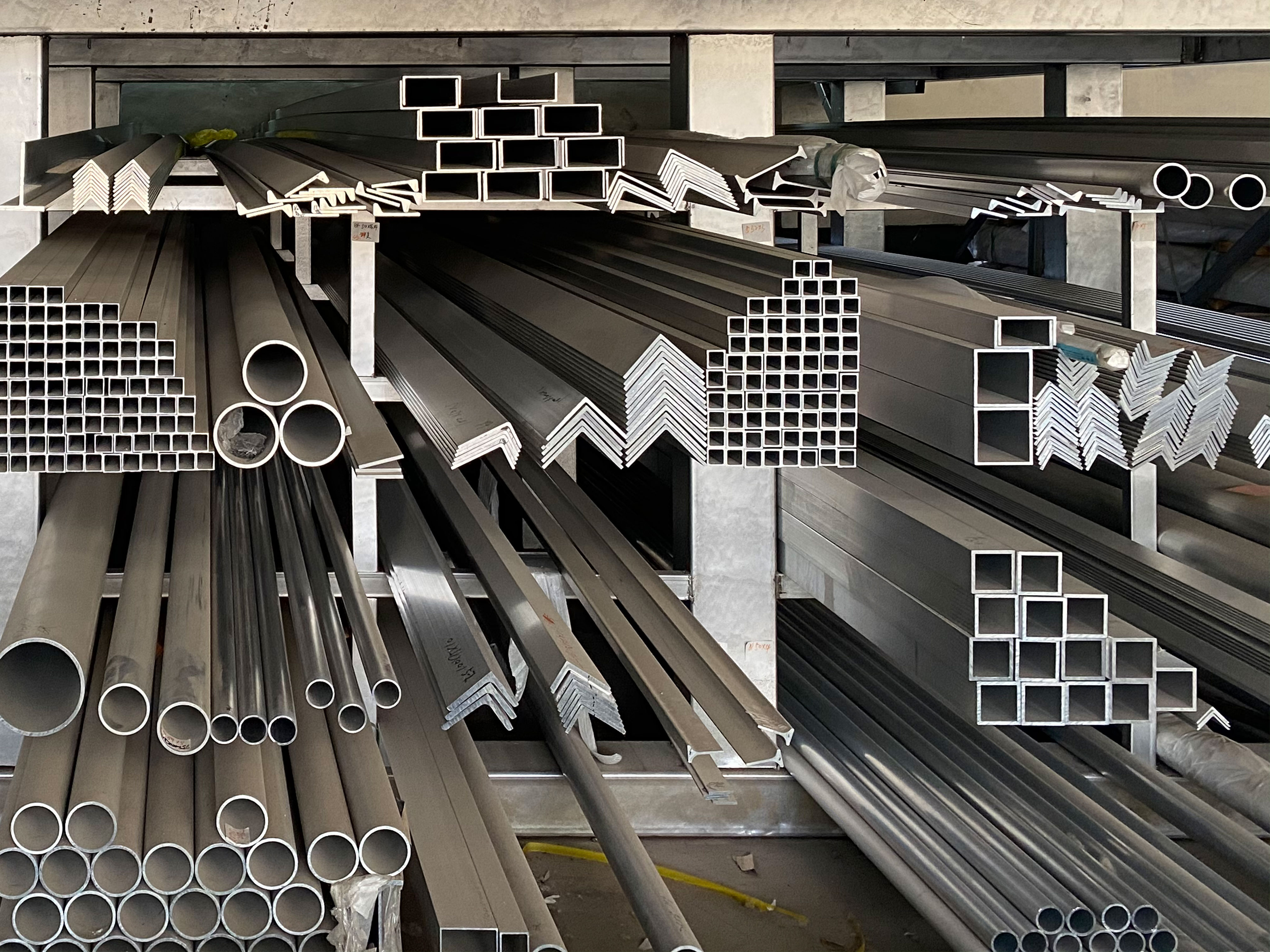
Marine aluminum fencing and railings
Marine Grade Aluminum Fencing and Railings are fabricated using marine-grade aluminum alloys such as 5083, 5052, and 6061, which are engineered specifically for protection against saltwater corrosion and marine atmospheric conditions.
View Details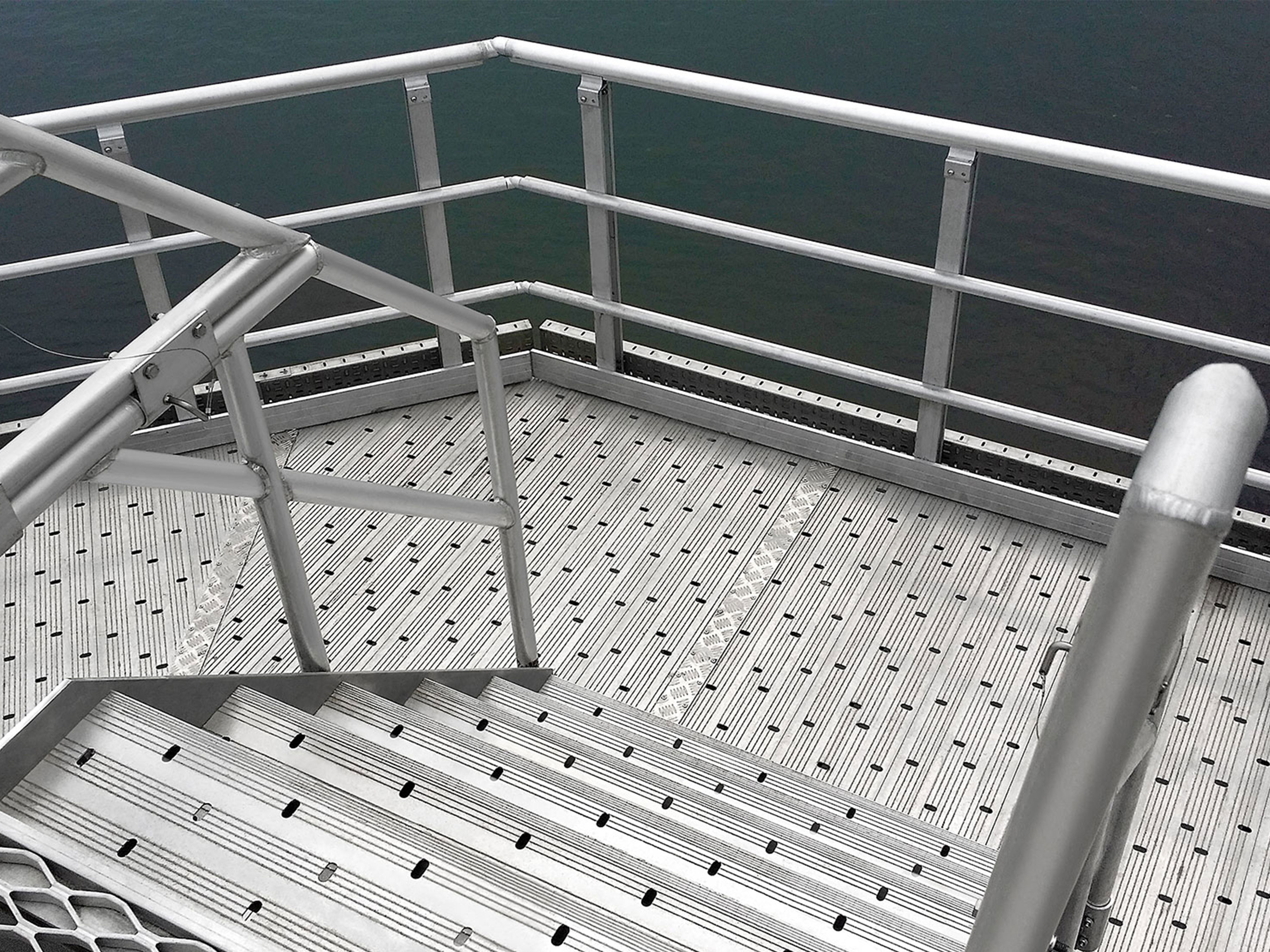
Marine aluminum customized shapes
Marine Grade Aluminum Customized Shapes encompass a broad range of aluminum extrusions and fabrications engineered beyond standard profiles—such as channels, angles, tubes, and beams—into complex, project-specific geometries.
View Details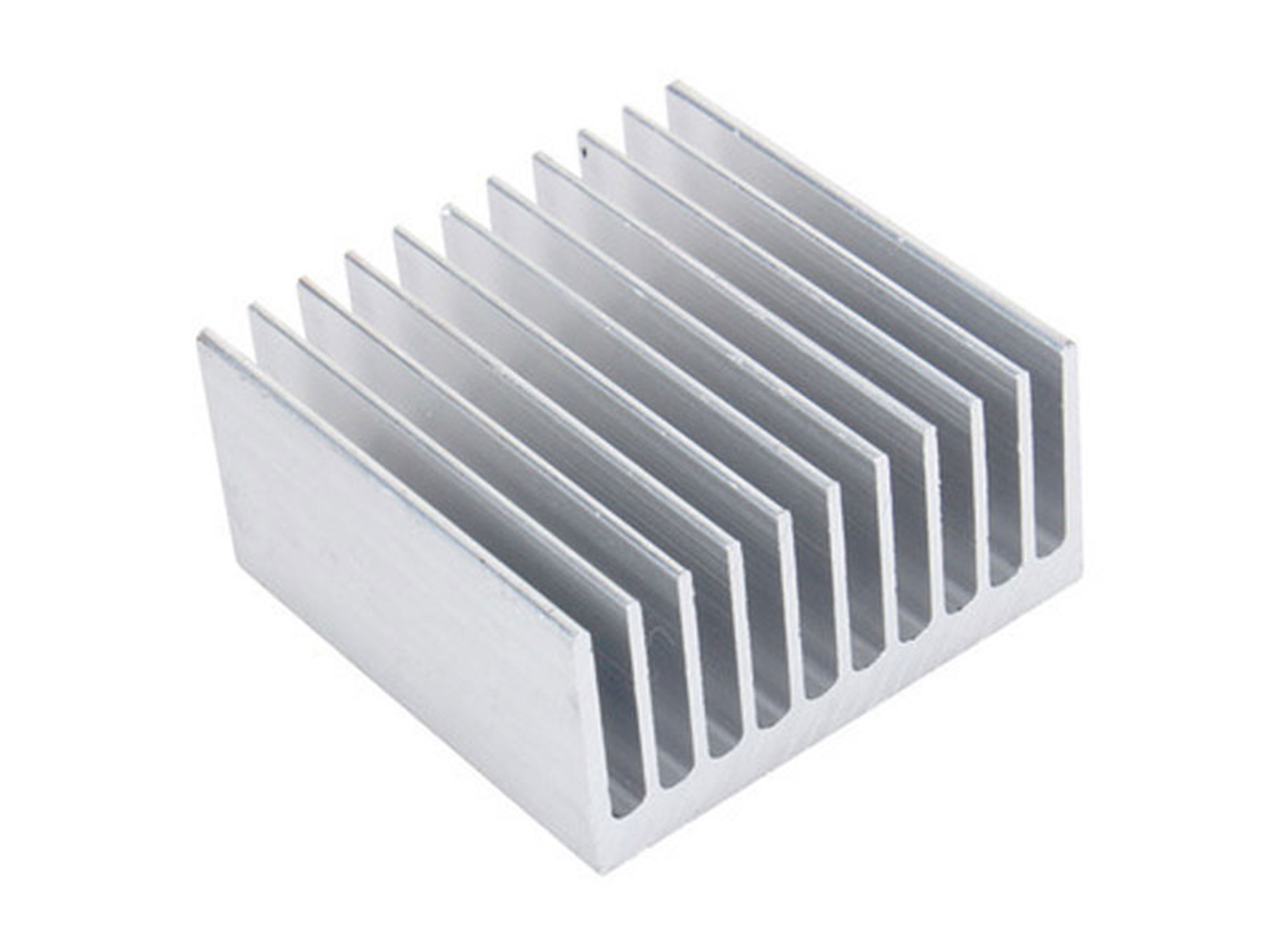
Marine aluminum heat sink profile
Marine Grade Aluminum Heat Sink Profiles utilize alloys such as 6061 and 6063 that not only exhibit high thermal conductivity but also possess excellent corrosion resistance required for saltwater exposure.
View DetailsRelated Blog
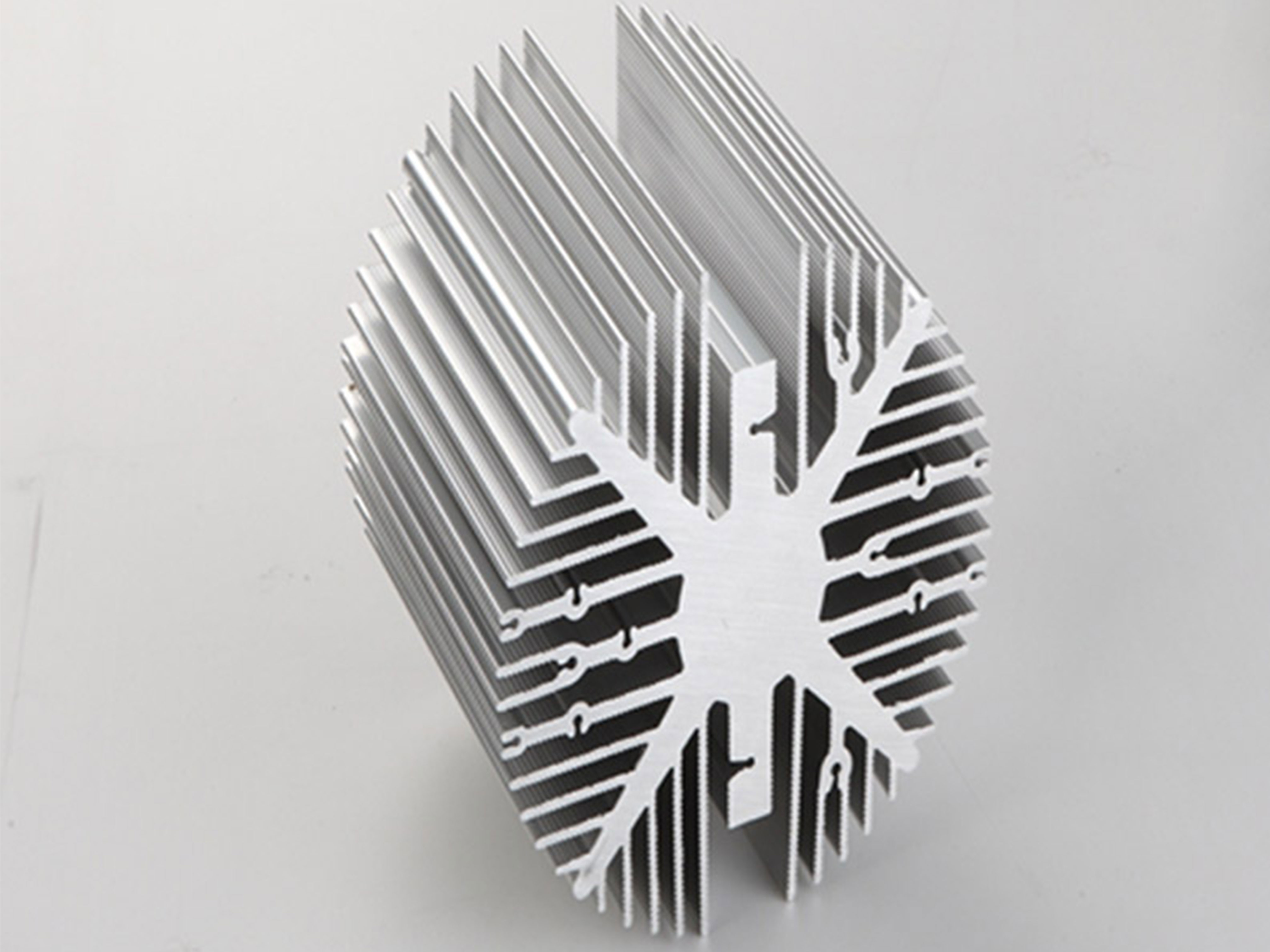
6061 Marine Aluminum Customized Shapes for Lightweight Offshore Deck Solutions
In the realm of offshore engineering, performance materials dramatically impact the longevity, safety, and efficiency of marine structures. 6061 Marine Aluminum alloys, particularly when fabricated into customized shapes.
View Details
Marine Aluminum Heat Sink Profile for Cooling Marine Electronics in Saltwater Environments
Marine aluminum heat sink profiles provide efficient thermal control, low weight, and dependable corrosion resistance for electronics operating in saltwater.
View Details
5083 Marine Aluminum Fencing and Railings for Custom Marine Infrastructure Barriers
When it comes to building durable, high-performance marine infrastructure barriers such as fencing and railings, 5083 Marine Aluminum stands out as an industry-leading material.
View Details
6061 Marine Aluminum Heat Sink Profile for Seawater Resistant Electronics Cooling Solutions
Explore 6061 marine aluminum heat sink profiles for corrosion-aware electronics cooling in saltwater, offshore, vessel, and dockside environments.
View Details
6061 Marine Aluminum Heat Sink Profile for Offshore Engine Cooling Solutions
In the highly demanding environment of offshore engineering, efficient thermal management is critical for maintaining the performance and longevity of marine engines.
View Details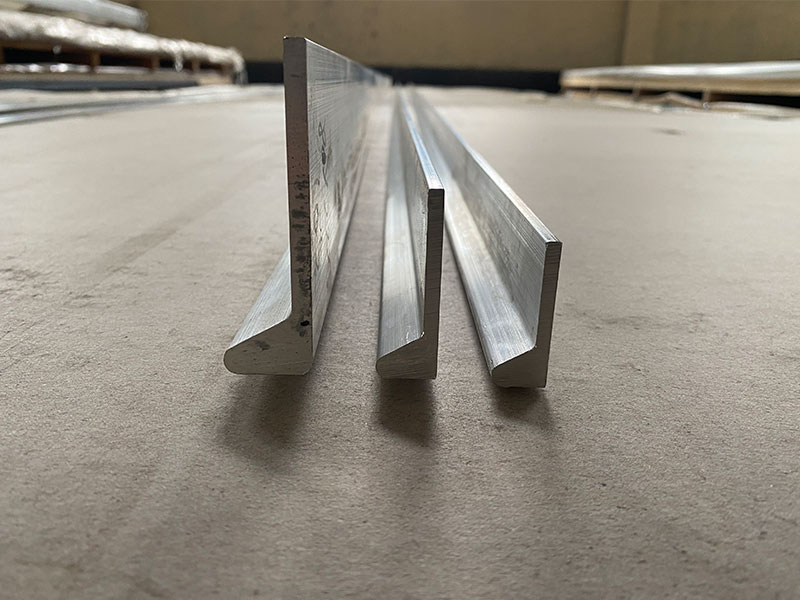
6061 Marine Aluminum Fencing and Railings for High Strength Boat Deck Railings
6061 Marine Aluminum Fencing and Railings for High Strength Boat Deck RailingsOn a modern boat or yacht, the deck railing is no longer just a decorative boundary.
View Details
Leave a Message