
Marine Aluminum Flat Bar for Heavy Duty Coastal Engineering Projects
Marine aluminum flat bars are a pivotal material choice for heavy duty coastal engineering projects due to their superior strength, corrosion resistance, and durability in harsh saline environments. These specialized flat bars serve critical functions in constructing robust, long-lasting maritime structures exposed to coastal and offshore conditions.
Functions and Importance
In coastal engineering, materials face multifaceted challenges such as continuous exposure to saltwater, mechanical stress, and varying weather conditions. Marine aluminum flat bars offer a reliable solution by delivering excellent mechanical properties combined with outstanding corrosion resistance, significantly enhancing the lifecycle and safety of marine infrastructures.
functions include:
- Structural Support: Providing foundational and connective elements for docks, piers, sea walls, and offshore platforms.
- Corrosion Resistance: Maintaining structural integrity by resisting the oxidative effects of prolonged saltwater exposure, which is critical in marine environments.
- Lightweight Strength: Facilitating easier handling and installation compared to heavier metals like steel, reducing time, labor, and costs.
- Flexibility for Fabrication: Allowing versatile machining, welding, and coating for tailored marine applications.
Common Applications in Coastal Projects
Marine aluminum flat bars find extensive use in the following coastal engineering contexts:
- Reinforcement beams for marine wharfs and jetties.
- Structural components in seawall constructions and waterfront infrastructures.
- Frames and foundational parts of offshore oil rigs and wind turbine platforms.
- Formwork and bracing systems temporarily supporting coastal embankments.
- Marine ladders, railing systems, and stairways exposed to tidal zones.
- Fabrication of floating dock elements or marine container bases.
Their adaptability and reliability form a fundamental part of sustainable, high-performance coastal engineering design.
Technical Specifications and Alloy Details
Marine aluminum flat bars are typically fabricated from high-quality aluminum alloys designed to optimize both mechanical strength and corrosion resistance.
Common Alloys and Temper Designations
The most frequently used marine-grade alloys include 5052 and 5083 aluminum alloys, favored for their excellent performance in saltwater environments.
| Alloy | Temper | Prevalent Use | Description |
|---|---|---|---|
| 5052 | H32, H34 | Widespread marine structural parts | Good corrosion resistance, moderate strength. |
| 5083 | H32, H321 | Heavier load capacity structures | Higher strength, outstanding corrosion traits. |
Chemical Composition (Wt.%)
| Element | 5052 Alloy Min | 5052 Alloy Max | 5083 Alloy Min | 5083 Alloy Max |
|---|---|---|---|---|
| Aluminum | Balance | Balance | Balance | Balance |
| Magnesium | 2.2 | 2.8 | 4.0 | 4.9 |
| Manganese | 0.10 | 0.40 | 0.4 | 1.0 |
| Chromium | - | - | 0.05 | 0.25 |
| Iron | - | 0.40 | - | 0.4 |
| Copper | - | 0.10 | - | 0.1 |
| Zinc | - | 0.10 | - | 0.25 |
| Silicon | - | 0.25 | - | 0.4 |
Mechanical Properties
| Property | 5052 H32 | 5083 H321 |
|---|---|---|
| Tensile Strength (MPa) | 228 – 275 | 317 – 350 |
| Yield Strength (MPa) | 138 – 193 | 215 minimum |
| Elongation (%) | 10 – 14 | 12 – 18 |
| Hardness (Brinell) | ~75 | ~90 |
| Density (g/cm³) | 2.68 | 2.66 |
Implementation Standards and Quality Assurance
Marine aluminum flat bars intended for heavy-duty coastal engineering conform to internationally recognized standards guaranteeing consistency, reliability, and safety in marine conditions. Familiar norms include:
- ASTM B209: Standard Specification for Aluminum and Aluminum-Alloy Sheet and Plate.
- BS EN 485-2: Aluminum and Aluminum Alloys - Sheet, Strip and Plate, Mechanical Properties.
- ISO 6361: Wrought Aluminum and Aluminum Alloy Sheets - Chemical Composition and Mechanical Properties.
- AWS D17.2M/D17.2: Welding standards suitable for marine aluminum alloys ensuring structural integrity after joining.
Careful adherence to these standards ensures material traceability, quality control, and compliance with project-specific requirements.
Tempering and Treatment Conditions
Proper alloy tempering enhances mechanical properties and corrosion resistance, essential in marine conditions.
| Alloy | Temper | Process | Outcome |
|---|---|---|---|
| 5052 | H32 | Strain hardened and stabilized | Moderate strength and good ductility. |
| 5083 | H321 | Solution heat treated, cold work stabilized | High strength and exceptional corrosion resistance. |
Heat treatments combined with controlled cold working stabilize the molecular structure, optimizing resistance to stress corrosion cracking typical in marine environments.
Advantages Over Other Materials
Marine aluminum flat bars offer distinct benefits over steel and other metal alternatives traditionally used in coastal projects:
- Reduced Weight: Aluminum is approximately one-third the weight of steel, lowering mechanical loads and enabling easier fabrication.
- Enhanced Corrosion Resistance: Exploiting the natural formation of a thin oxide layer, aluminum withstands saltwater decay without the frequent maintenance associated with steel.
- Superior Weldability: Modern marine alloys respond well to precision welding methods, streamlining assembly.
- Recyclability: Being environmentally preferential, aluminum outcomes sustain a circular economy approach.

Related Products
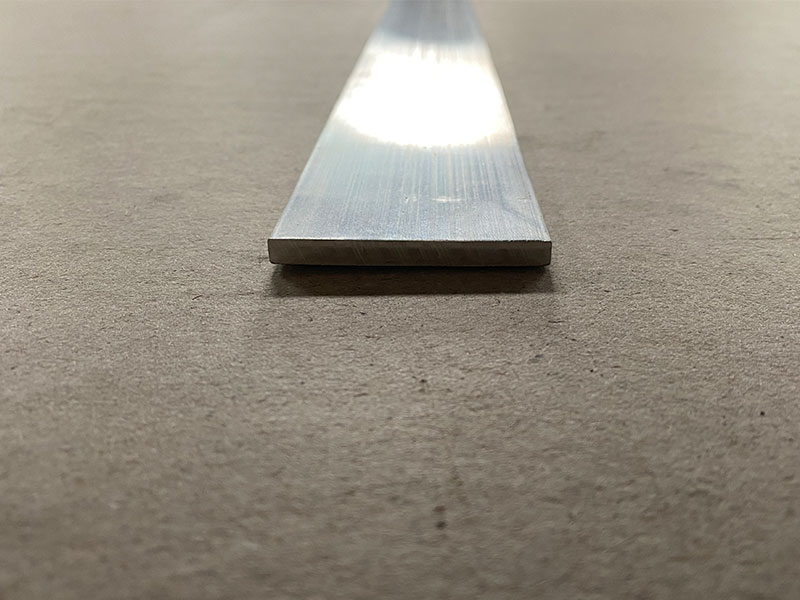
5083 marine aluminum flat bar
5083 aluminum flat bars belong to the 5xxx series of aluminum-magnesium alloys, known primarily for their superior resistance to seawater corrosion and salt spray.
View Details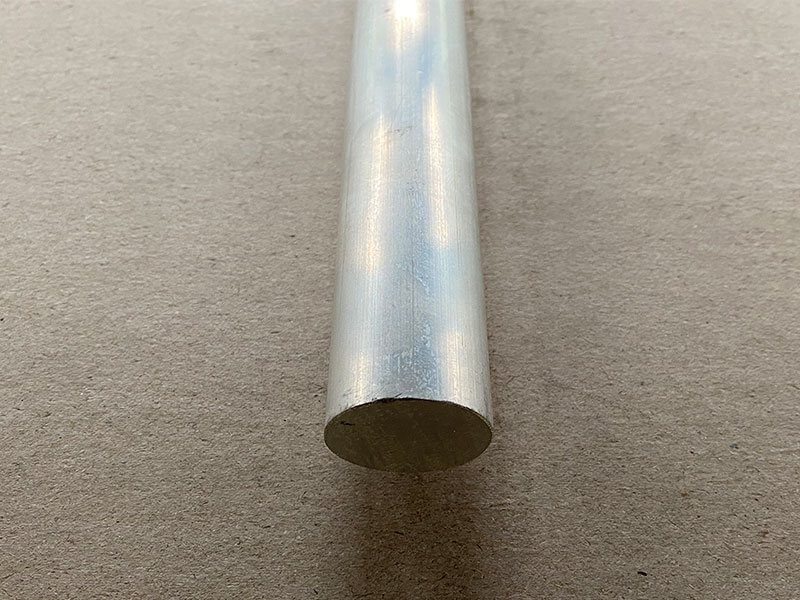
6061 marine aluminum round bar
6061 aluminum belongs to the 6xxx series alloys, alloyed primarily with magnesium and silicon. In the T6 temper, it undergoes solution heat treatment and artificial aging, resulting in enhanced mechanical properties while maintaining excellent corrosion resistance.
View Details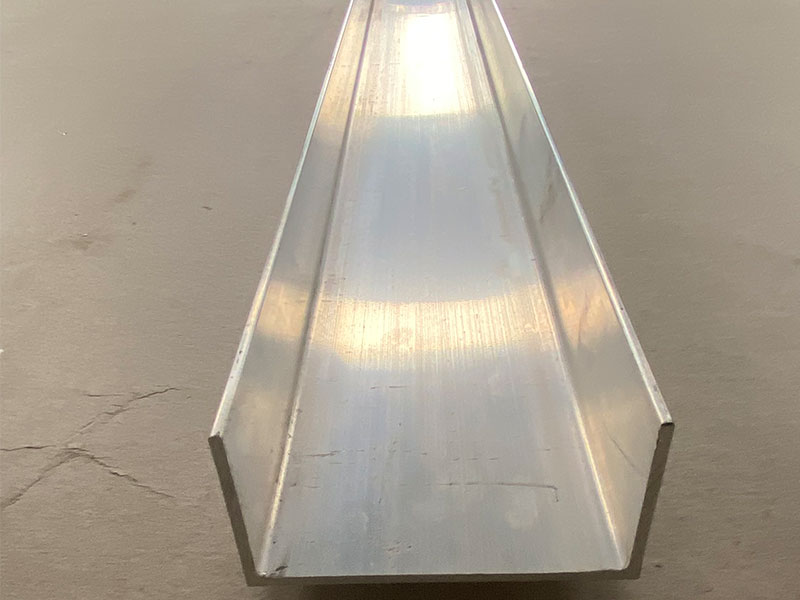
Marine aluminum channels
Marine Aluminum Channels are U-shaped aluminum profiles produced from alloys such as 5083, 5052, and 6061, known for their excellent marine corrosion resistance and superior mechanical strength.
View Details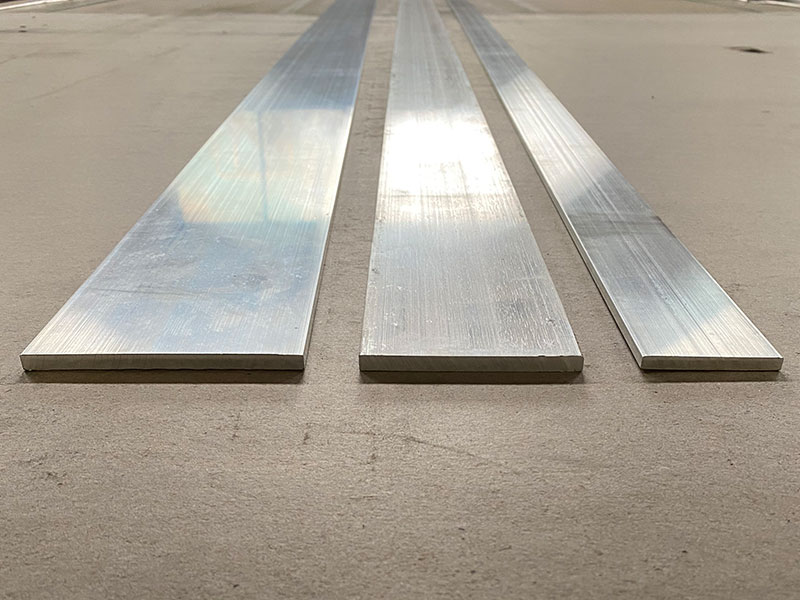
6061 T6 marine aluminum flat bar
6061 aluminum is classified as a heat-treatable 6xxx series alloy, alloyed primarily with magnesium and silicon. The T6 temper designation indicates that the flat bar has been solution heat-treated and artificially aged to achieve optimum strength and hardness.
View Details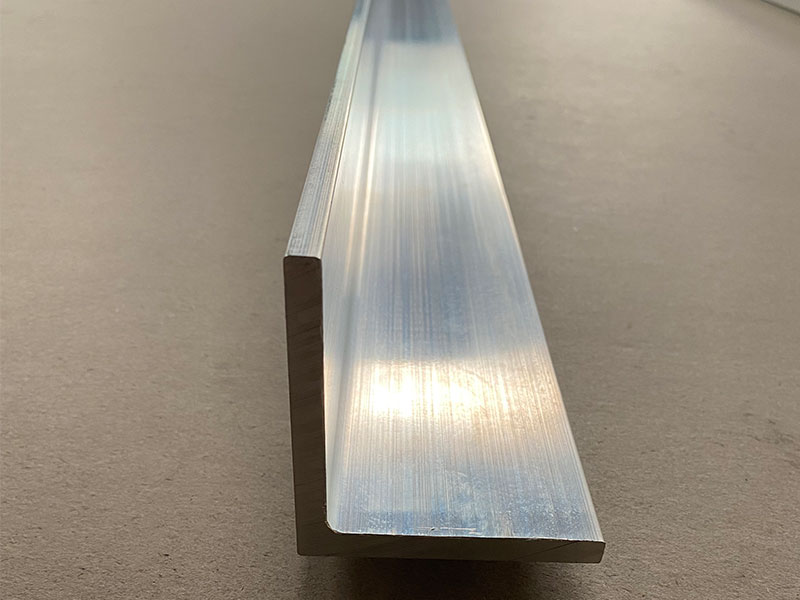
Marine aluminum angles
Marine Aluminum Angles are L-shaped cross-sectional aluminum profiles produced from marine-grade aluminum alloys such as 5083, 5052, and 6061.
View Details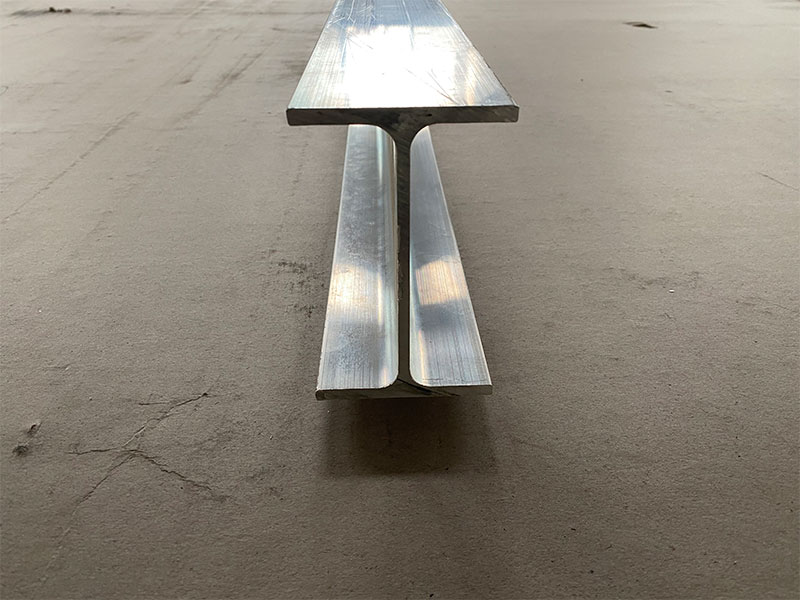
Marine aluminum Z-shaped sections
Marine Aluminum Z-shaped Sections are fabricated from premium marine-grade aluminum alloys such as 5083, 5052, and 6061. These alloys are well-regarded for their superior corrosion resistance in seawater and marine atmospheres, along with good mechanical strength and excellent weldability.
View DetailsRelated Blog
5083 Marine Aluminum I Beams for Heavy Duty Coastal Engineering Parts
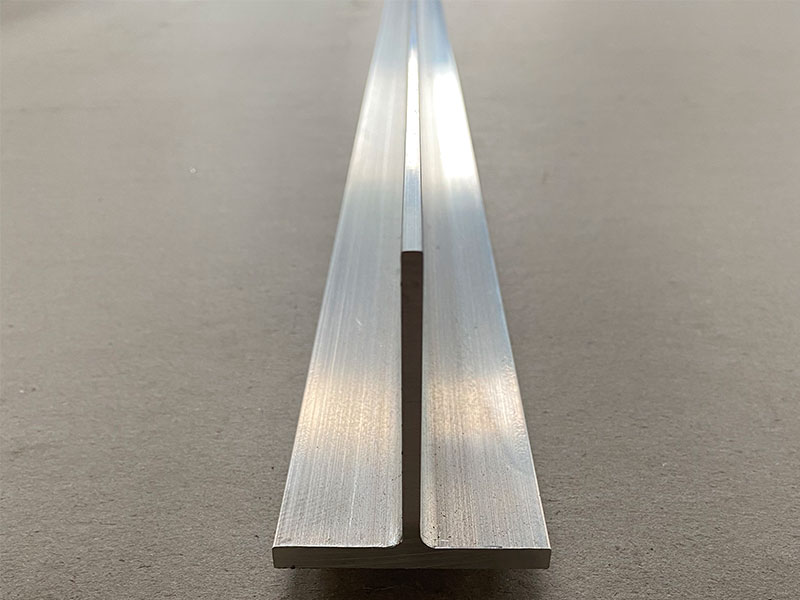
5083 marine aluminum I beams are purpose-built structural sections designed for harsh coastal environments where salt spray, tidal wetting, and long service life are non-negotiable.
View Details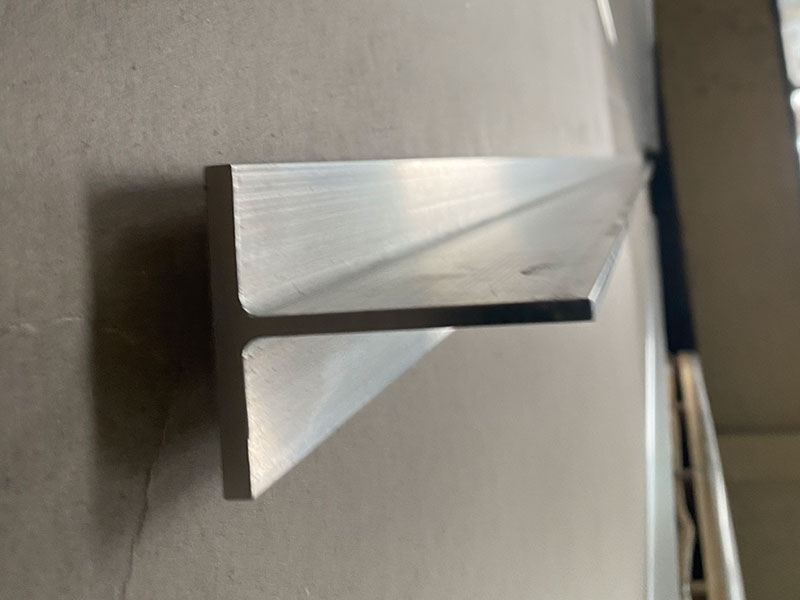
Marine Aluminum Rod & Bar for Lightweight Marine Frame Reinforcement
Marine structures demand materials that combine low weight, high strength, and long-term corrosion resistance in harsh saltwater environments. Marine aluminum rod and bar products are engineered specifically to meet these needs.
View Details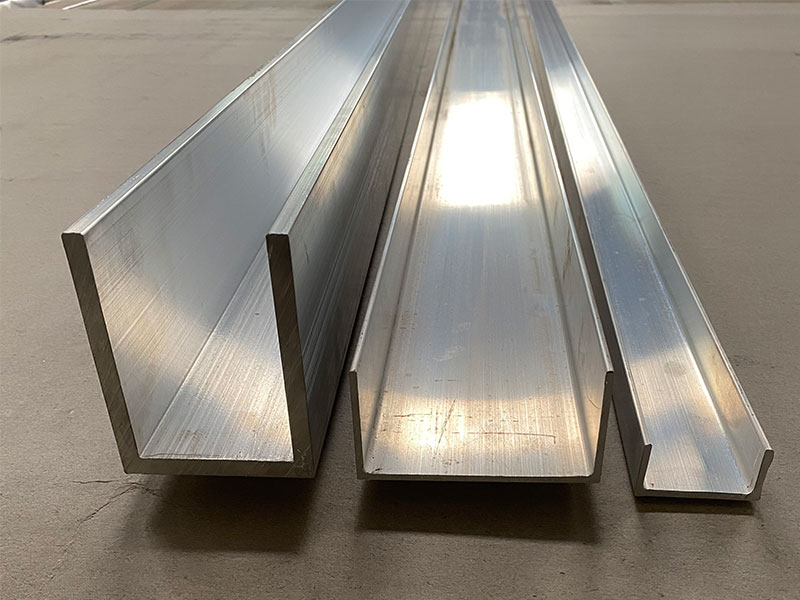
5083 Marine Aluminum Z Shaped Sections for Offshore Vessel Frame Design
In the demanding offshore marine environment, the structural integrity and corrosion resistance of vessels are crucial for reliable performance and safety.
View Details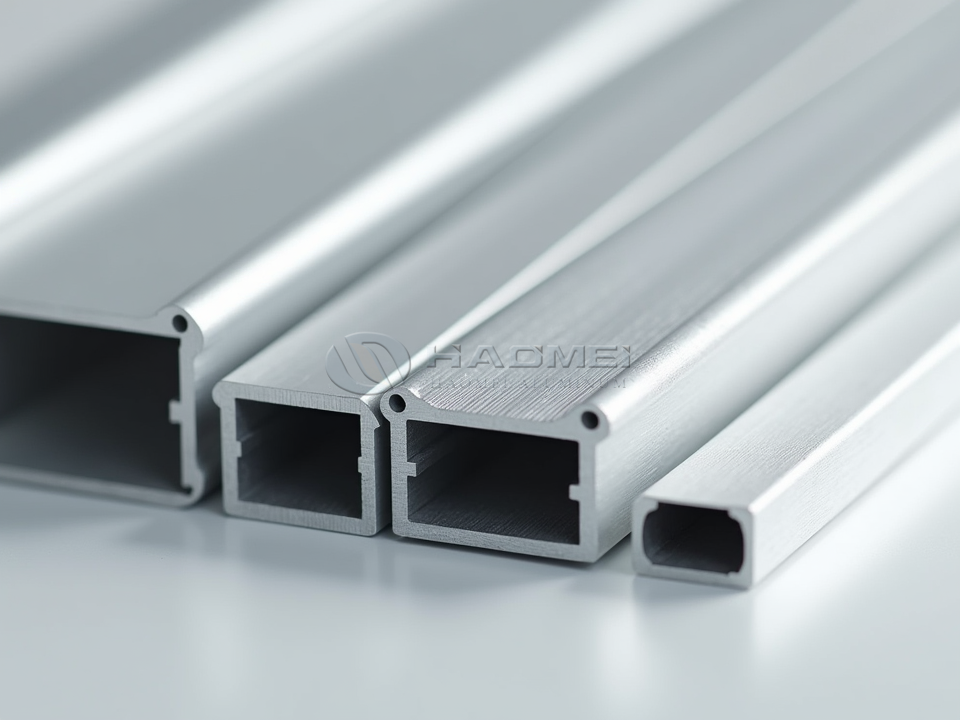
Marine Aluminum I Beams
Learn how marine aluminum I beams carry real boat and dock loads, with practical guidance on alloy choice, sizing, corrosion control, and installation.
View Details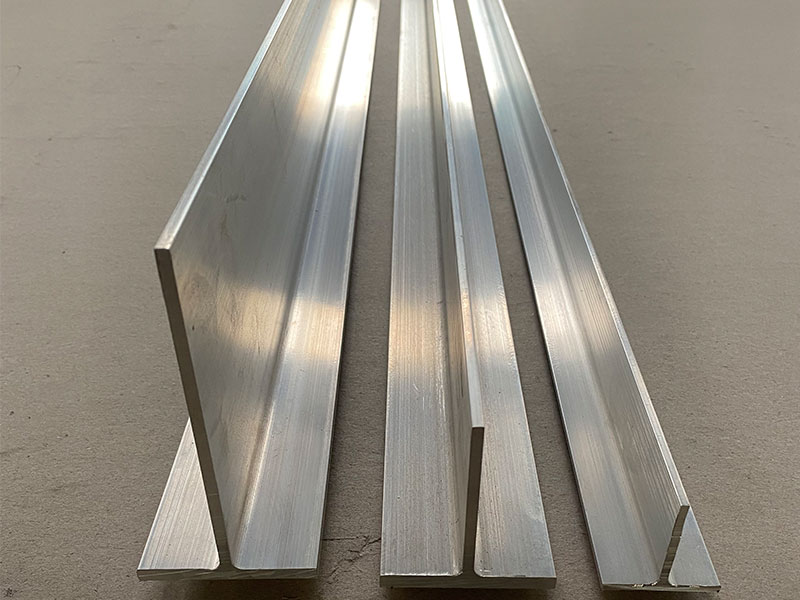
6061 Marine Aluminum Round Bar for Custom Marine Frame Fabrication
Marine environments are unforgiving — they demand resilience, lightweight strength, and excellent corrosion resistance from the materials we use in boat and frame fabrication.
View Details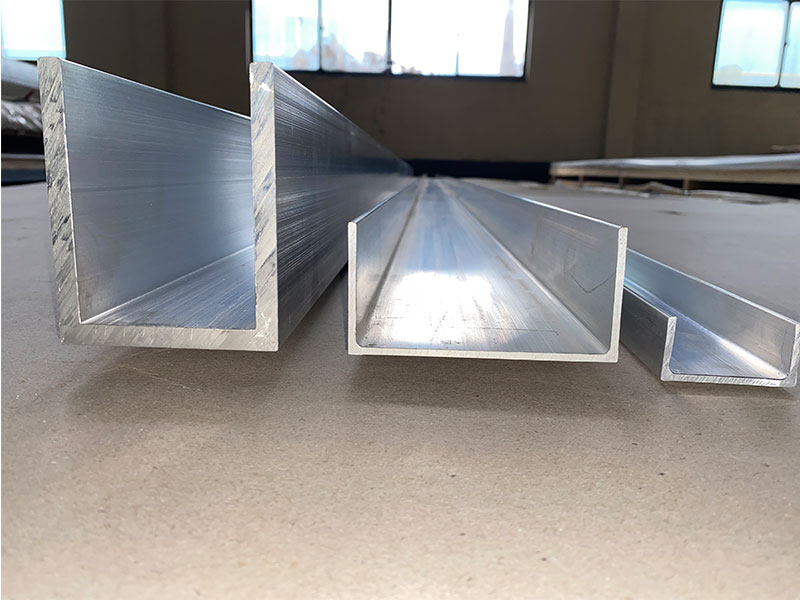
5052 Marine Aluminum Angles for Seawater Resistant Offshore Equipment
5052 marine aluminum angles are purpose-built structural shapes for offshore and nearshore environments where salt spray, seawater splash zones, and humid, corrosive atmospheres quickly degrade ordinary metals.
View Details
Leave a Message