
5083 H321 Marine Grade Aluminium Sheet
5083 H321 Marine Grade Aluminium Sheet: The "Working Hull Skin" That Thrives Where Steel Gets Tired
In marine design, the ocean is not just a backdrop-it is a relentless testing machine. Salt spray, cyclic loading, fluctuating temperatures, and the constant push-pull of waves create a world where materials either adapt or degrade. 5083 H321 marine grade aluminium sheet stands out because it behaves less like a "pretty metal panel" and more like a living hull skin: strong, resilient, weld-friendly, and remarkably stable in seawater service.
Why 5083 Aluminium Is a Marine Classic-and Why H321 Makes It Feel "Ready for Sea"
AA 5083 belongs to the Al-Mg (5xxx series) family, famous for using magnesium as the primary alloying element. Instead of relying on heat treatment for strength, 5083 builds strength through work hardening, keeping its microstructure well-suited to welded marine fabrication.
The H321 temper is where the alloy becomes especially marine-minded. H321 is a strain-hardened and stabilized condition, meaning the sheet is processed to gain strength and then stabilized to improve service performance. In real-world boatbuilding terms, H321 helps balance:
- High strength-to-weight for lighter hulls and better fuel efficiency
- Excellent resistance to seawater corrosion (especially compared with many general-purpose aluminums)
- Strong weld performance and reduced sensitivity to the kinds of issues that can appear in heavily cold-worked tempers
- Good toughness at low temperatures, useful for cold seas and cryogenic adjacent environments
The result is a sheet that feels engineered for marine reality: it can take wave fatigue, welding heat, and salty atmospheres without demanding constant babysitting.
What Engineers Really Buy When They Specify 5083 H321 Marine Grade Aluminium Sheet
Corrosion resistance that comes from chemistry, not coatings
5083's magnesium-rich composition supports a protective oxide layer that performs well in marine atmospheres and seawater splash zones. While no metal is immune to poor design choices, 5083 is widely chosen because its baseline corrosion behavior is strong even before paint systems and marine coatings enter the picture.
A sheet that respects fabrication
Marine structures are rarely "lab perfect." They are cut, rolled, welded, reworked, and assembled under schedule pressure. 5083 H321 is popular because it maintains a reliable mix of formability and strength, and it is widely available in marine thickness ranges for hull plating and structural components.
Strength where it counts, without heat treatment complexity
Because 5083 is non-heat-treatable, fabrication planning becomes simpler. You are not chasing post-weld heat-treat cycles like you would with some heat-treatable aluminum alloys. That matters when building large assemblies like ferries, patrol boats, LNG support structures, and offshore platforms.
Typical Parameters for 5083 H321 Sheet in Marine Applications
Exact values can vary by thickness and mill practice, but the following are commonly referenced targets for marine fabrication discussions.
Physical parameters (typical)
- Density: about 2.66 g/cm³
- Elastic modulus: about 70 GPa
- Thermal conductivity: about 117 W/m·K
- Electrical resistivity: about 0.058 μΩ·m
- Melting range: about 570–640°C
Mechanical behavior (typical for H321, thickness-dependent)
- Tensile strength: commonly around 305–380 MPa
- Yield strength: commonly around 215–305 MPa
- Elongation: often 10–16% depending on gauge and direction
In practice, designers value the "sea-use" personality behind these figures: dependable strength with enough ductility to tolerate forming, vibration, and cyclic loads.
Standards and Implementation: Where 5083 H321 Gets Its Marine Credentials
Marine grade is not just a marketing phrase-shipyards and classification societies expect traceability and standard compliance.
Commonly used standards and specifications for 5083 H321 marine aluminium sheet include:
- ASTM B209 for aluminum and aluminum-alloy sheet and plate (widely referenced globally for product form and general requirements)
- EN 485 series (Europe) covering tolerances, mechanical properties, and inspection for wrought aluminum sheets/plates
- EN 573 series (Europe) covering chemical composition of wrought aluminum alloys
- ISO and classification society frameworks may apply depending on vessel type and project requirements
- Marine projects often align material selection with classification rules such as DNV, ABS, Lloyd's Register, or similar bodies, particularly for hull structure and critical components
Implementation in marine procurement usually also includes: heat/lot identification, mill test certificates, inspection agreement on thickness tolerances, surface quality expectations, and sometimes ultrasonic or dimensional checks for thicker plate-like gauges.
Tempering and Condition: What H321 Means in a "Boatbuilder's Translation"
The temper designation is more than letters-it's a promise about how the metal will behave after fabrication steps like rolling, forming, and welding.
- H3x indicates the alloy is strain hardened and then stabilized
- H321 generally implies a controlled amount of cold work followed by stabilization, offering a useful balance of strength and resistance to property drift
Why stabilization matters: marine structures experience temperature swings, welding heat input nearby, and long service cycles. Stabilization helps reduce the chance of unwanted changes in properties that could show up when the metal is exposed to moderate thermal exposure over time.
Chemical Composition of 5083 Aluminium (Typical Limits)
Below is a widely accepted composition range for AA 5083. Always confirm exact limits against the applicable standard and the supplier's mill test certificate for your project.
| Element | Typical Range / Limit (wt.%) |
|---|---|
| Mg | 4.0–4.9 |
| Mn | 0.4–1.0 |
| Cr | 0.05–0.25 |
| Fe | ≤ 0.40 |
| Si | ≤ 0.40 |
| Cu | ≤ 0.10 |
| Zn | ≤ 0.25 |
| Ti | ≤ 0.15 |
| Others (each) | ≤ 0.05 |
| Others (total) | ≤ 0.15 |
| Al | Balance |
From a performance perspective, the trio of Mg + Mn + Cr is the quiet engine behind 5083's marine identity: magnesium drives strength and corrosion performance, while manganese and chromium support microstructural stability and help control grain-related behavior.
Where 5083 H321 Marine Aluminium Sheet Performs Best
Because it blends strength, corrosion resistance, and weld practicality, 5083 H321 is commonly selected for:
- Hull plating and side shells for workboats, patrol craft, ferries, and yachts
- Decks, bulkheads, and superstructure panels where weight savings are valuable
- Offshore structures and walkways in marine atmospheres
- Marine tanks and compartments where corrosion resistance is a design driver
- Components subjected to cyclic loads where fatigue-aware design is applied
This is a sheet that excels when the design intent is "build light, build strong, weld reliably, and survive salt."
Design and Fabrication Notes That Make 5083 H321 Shine
Welding is part of marine life, and 5083 is chosen because it welds well using common marine practices. Still, the best marine outcomes come from treating the sheet like a system component rather than a standalone material.
considerations that experienced fabricators apply (without turning it into a science project):
- Favor proven marine filler wires consistent with 5xxx alloys when corrosion resistance is critical
- Use joint designs that limit crevices and stagnant seawater traps
- Keep surface preparation disciplined before welding to reduce contamination-driven defects
- Apply sensible corrosion protection strategies where dissimilar metals or persistent wet zones are unavoidable
5083 H321 rewards good craftsmanship with long-term stability; it punishes sloppy details far less than many alternatives, but marine environments punish everyone eventually.
Why 5083 H321 Is Still One of the Smartest Choices in Marine Aluminum Sheet
If you imagine a hull as a moving, flexing organism, 5083 H321 marine grade aluminium sheet is the skin that keeps it efficient and resilient. It offers a rare combination: high strength without heat treatment complexity, strong corrosion behavior in seawater environments, and fabrication friendliness that shipyards trust.
For builders and engineers who want marine aluminum that feels purpose-built for real service-spray, stress, welds, and years of motion-5083 H321 is not just a material specification; it's a design decision that simplifies the entire lifecycle.

Related Products
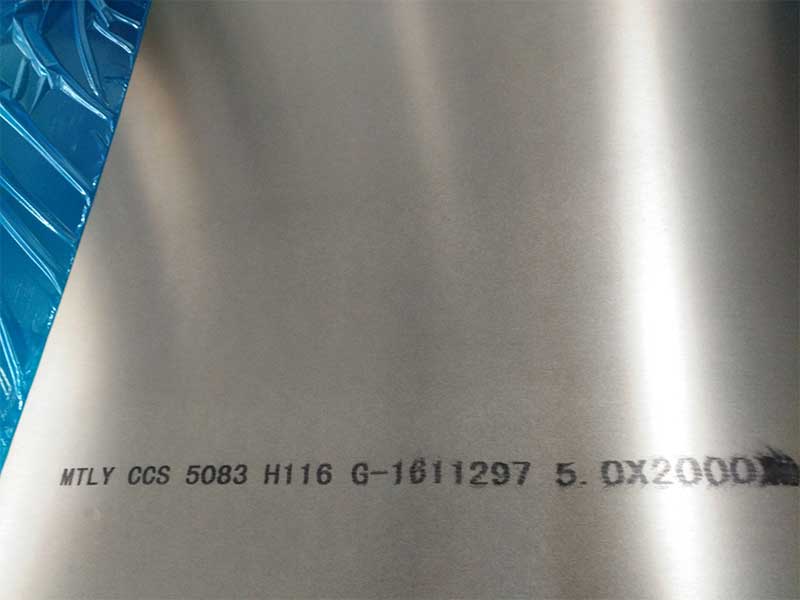
Marine 5083 aluminum sheet
Aluminum alloy 5083 is a non-heat-treatable alloy primarily composed of magnesium and trace elements that deliver outstanding protection against corrosion, particularly in seawater and saline atmospheres.
View Details
Marine anodized aluminum sheets
Marine Anodized Aluminum Sheets start with premium marine-grade aluminum alloys such as 5000 and 6000 series (typically 5083, 5052, and 6061).
View Details
Marine 5086 aluminum sheet
This product article provides an in-depth and comprehensive understanding of Marine 5086 Aluminum Sheets, including their chemical composition, mechanical properties, corrosion resistance, fabrication capabilities, and typical marine applications.
View Details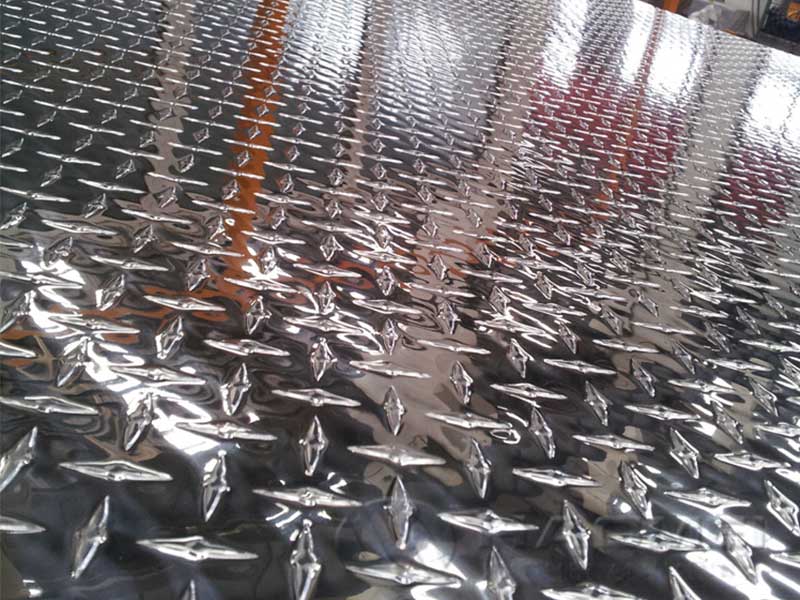
Marine Aluminum Tread Sheets
Marine Aluminum Tread Sheets are aluminum alloy plates featuring a raised surface pattern, commonly referred to as a tread design or diamond plate.
View Details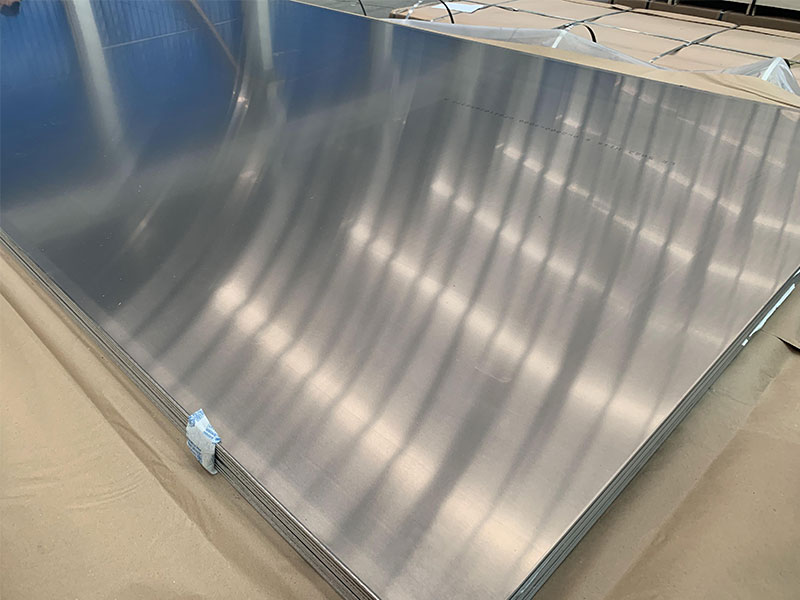
Marine 5052 aluminum sheet
Aluminum alloy 5052 is a non-heat-treatable, strain-hardened alloy with magnesium as the primary alloying element. It is designed to offer superior corrosion resistance in marine and saline environments, making it a dependable choice for components exposed directly to seawater or coastal atmospheric conditions.
View Details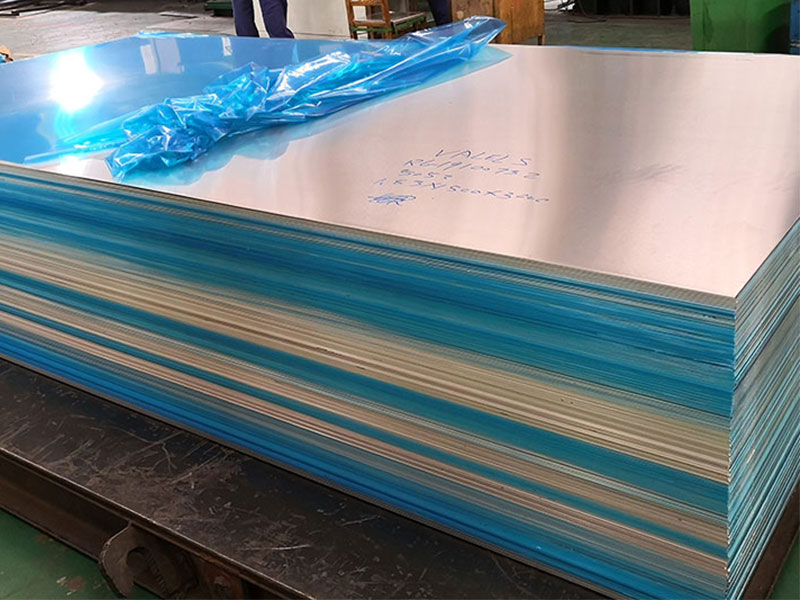
Marine 5059 aluminum sheet
5059 aluminum alloy is a strain-hardened material with a unique addition of magnesium and chromium, which provides outstanding resistance to localized corrosion like pitting and stress corrosion cracking.
View DetailsRelated Blog
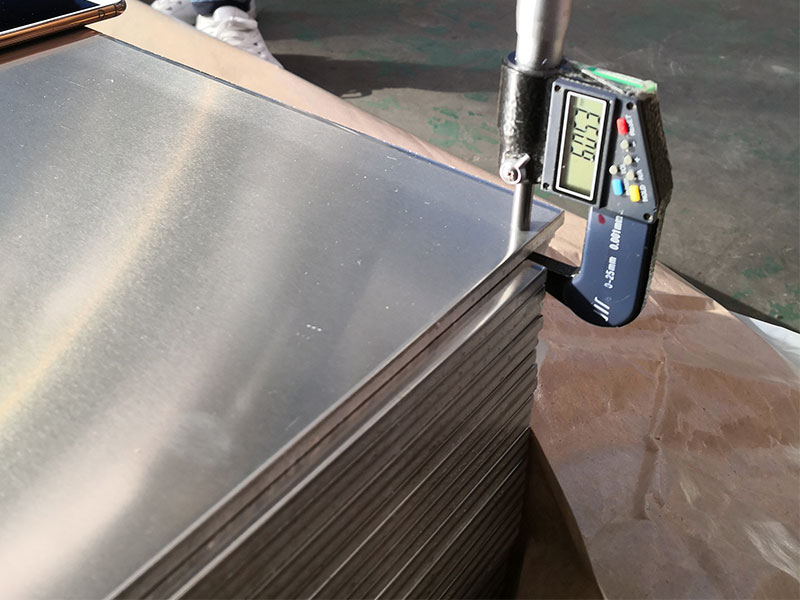
5052 5083 marine grade aluminium sheet for boat
Marine grade aluminium alloys 5052 and 5083 are among the most widely used non-heat-treatable alloys for shipbuilding, small vessels, and marine components. They combine good corrosion resistance in seawater, excellent weldability and formability.
View Details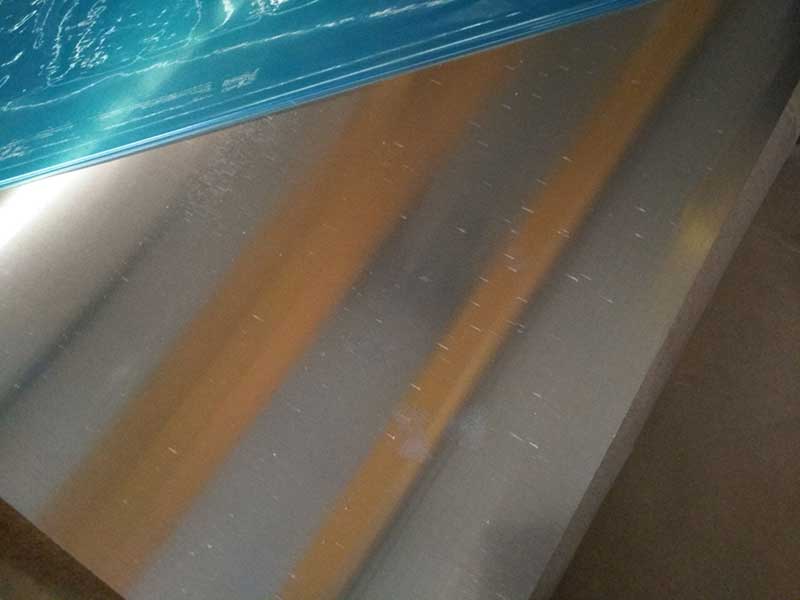
5083 H321 Marine Grade Aluminium Sheet
5083 H321 Marine Grade Aluminium Sheet: The "Working Hull Skin" That Thrives Where Steel Gets TiredIn marine design, the ocean is not just a backdrop-it is a relentless testing machine.
View Details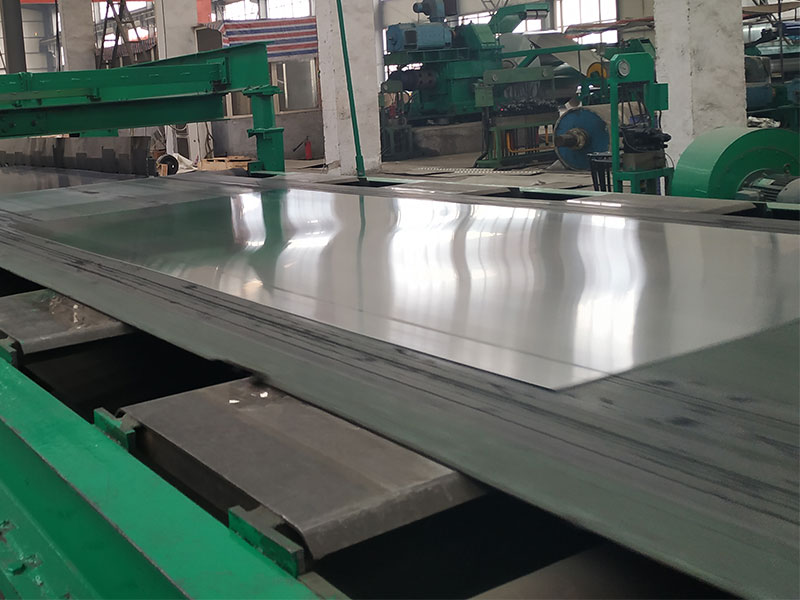
Astm standard 5083 5052 aluminium sheet for boat material
ASTM Standard 5083 & 5052 Aluminum Sheet for Boat Material: Reading Marine Alloy Like a Hull Designer, Not a CatalogIn marine construction, aluminum sheet is often discussed as if it were simply a grade name plus a thickness.
View Details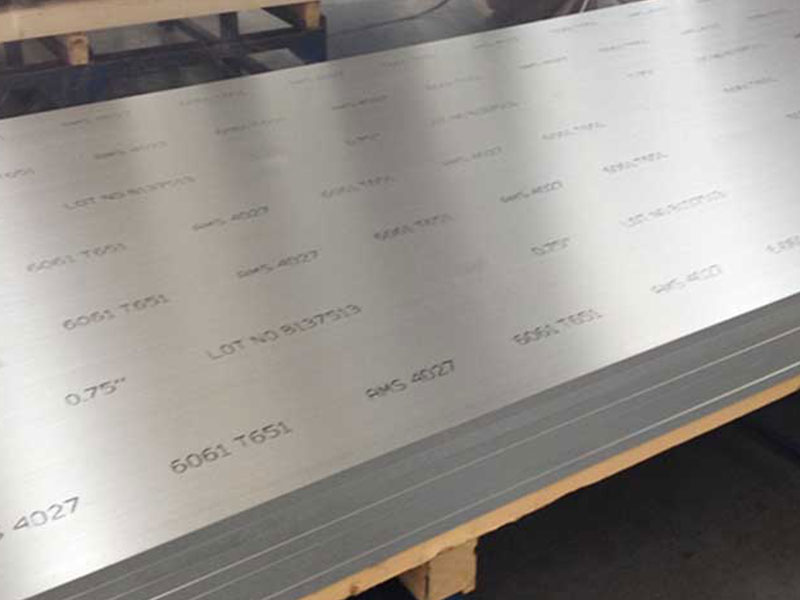
5052 5083 alloy 16 gauge aluminum sheet for boat building
5052 Aluminum Alloy5052 aluminum alloy is a non-heat treatable alloy known for its exceptional corrosion resistance, especially against saltwater, making it a popular choice for marine environments.
View Details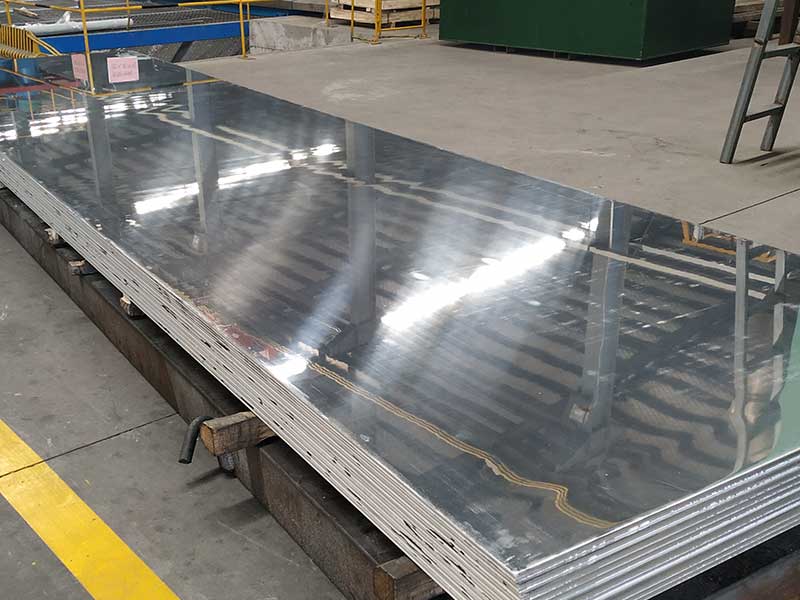
1mm to 8mm thick marine grade aluminum sheet 5083 h116
Marine environments punish materials in ways most industrial settings never will: salt spray, stagnant seawater, cyclic wet/dry exposure, and constant vibration.
View Details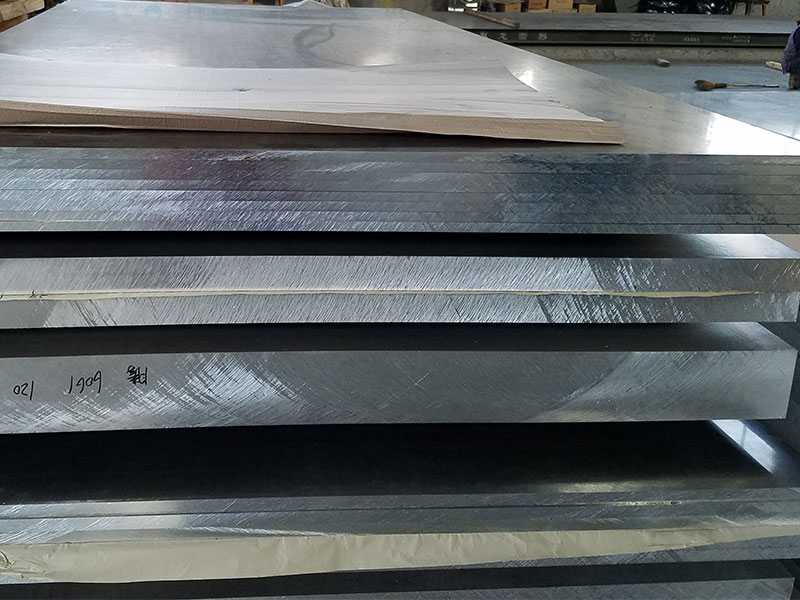
Anti-Corrosion Anodizing 5083 Alloy Aluminum Coil for Electric Boat Construction
Electric boats operate in one of the most demanding corrosion environments on earth: a wet, oxygen-rich, salt-contaminated atmosphere with constant abrasion, vibration, and stray electrical currents.
View Details
Leave a Message