
Marine Aluminum Heat Sink Profile for Custom Cooling Solutions for Boat Engines
Marine aluminum heat sink profiles are specially designed components critical to the efficient thermal management of boat engines. These aluminum profiles enable custom cooling solutions tailored to the unique requirements of marine environments, ensuring optimal engine performance, enhanced durability, and improved lifespan of propulsion and auxiliary systems.
Marine aluminum heat sink profiles
Marine aluminum heat sink profiles are extrusion products specifically fabricated from marine-grade aluminum alloys. They serve the primary function of dissipating heat generated by boat engines, which operate in demanding conditions with fluctuating thermal loads.
attributes of these profiles include excellent thermal conductivity, corrosion resistance in saline environments, mechanical strength, and adaptability to various custom geometries-ensuring seamless integration within engine cooling assemblies.
Being lightweight yet robust, marine aluminum heat sinks contribute to vehicle efficiency by improving heat exchange dynamics without significantly increasing overall weight.
Functions and Benefits in Boat Engine Cooling
Efficient cooling is paramount to prevent engine overheating, preserve fuel efficiency, and reduce wear. Aluminum's superior thermal properties help extract heat quickly. The profile's intricate fin designs maximize surface area for heat dissipation into ambient air or circulating coolant.
By enhancing the heat transfer surface and facilitating effective airflow, these heat sink profiles:
- Reduce engine operating temperatures
- Enhance lubrication by stabilizing the thermal environment
- Mitigate the risk of thermal warping or cracking in engine components
- Support variable cooling requirements by tailoring profiles to maintain flow characteristics while managing temperature gradients.
Typical Applications in Marine Cooling Systems
Marine aluminum heat sink profiles find essential use in custom cooling modules, aftercoolers, intercoolers, and charge air coolers installed on boat engines across a range of vessel categories:
- Personal recreational boats and yacht propulsion engines
- Commercial fishing boats with moderate to high power outputs
- Rescue and patrol boat engines requiring continuous thermal regulation
- Larger commercial marine vessels looking for auxiliary cooling of electrical and hydraulic systems
Customization flexibility allows adaptation in heat exchanger cores, engine block attachment surfaces, and specialized detector-integrated cooling solutions. Profiles can be fabricated into both linear and curved shapes to fit complex engine compartment layouts.
Technical Specifications
Marine aluminum heat sink profiles are manufactured strictly following marine standards that account for diverse atmospheric and saline exposures. dimensions and mechanical properties can be customized depending on the application's heat load requirements.
| Parameter | Description | Typical Value |
|---|---|---|
| Alloy Grade | Aluminum alloy as per marine standards | 6082-T6, 6061-T6, 5052-H32 |
| Density | Material density | ~2.70 g/cm³ |
| Thermal Conductivity | Heat conduction efficiency | 150–185 W/m·K |
| Tensile Strength | Resistance to mechanical stress | 240–310 MPa |
| Yield Strength | Elastic deformation limit | 180–275 MPa |
| Hardness | Material hardness (Brinell scale) | 95–120 HB |
| Corrosion Resistance | Per ASTM G85 – seawater exposure endurance | High |
| Max Operating Temp | Continuous heat resistance | Up to 150°C |
| Heat Sink Design | Finned or grooved profile varieties | Custom configured |
Chemical Composition of Common Marine Aluminum Alloys
The effectiveness of marine aluminum heat sinks is largely attributed to their carefully tailored chemical composition. The marine environment and engine operating conditions demand adherence to controlled alloy properties to optimize durability and processing.
| Alloy Element | 6082-T6 (%) | 6061-T6 (%) | 5052-H32 (%) |
|---|---|---|---|
| Silicon (Si) | 0.7–1.3 | 0.4–0.8 | Max 0.25 |
| Iron (Fe) | Max 0.5 | Max 0.7 | Max 0.4 |
| Copper (Cu) | Max 0.1 | 0.15–0.4 | Max 0.1 |
| Manganese (Mn) | 0.4–1.0 | Max 0.15 | 0.7–1.2 |
| Magnesium (Mg) | 0.6–1.2 | 0.8–1.2 | 2.2–2.8 |
| Chromium (Cr) | Max 0.25 | 0.04–0.35 | 0.15–0.35 |
| Zinc (Zn) | Max 0.2 | Max 0.25 | Max 0.1 |
| Titanium (Ti) | Max 0.1 | Max 0.15 | Max 0.2 |
| Aluminum (Al) | Balance | Balance | Balance |
Alloy Tempering Conditions for Enhanced Performance
Thermal treatments and tempering conditions optimize mechanical and physical properties such as hardening, stress relief, and machinability. Common tempers for marine aluminum heat sinks include:
| Temper Code | Description | Impact on Properties |
|---|---|---|
| T6 | Solution heat-treated and artificially aged | High strength, moderate ductility |
| H32 | Strain-hardened and stabilized | Good corrosion resistance, medium strength |
| T651 | Solution heat-treated, stress-relieved by stretching | Enhanced dimensional stability |
Choice depends significantly on fabricator operation methods and required profile characteristics.
Implementation Standards and Quality Compliance
Marine aluminum heat sink profiles are typically produced following international standards to certify marine readiness and integration compatibility:
| Standard | Description |
|---|---|
| ASTM B221 | Standard for Aluminum and Aluminum Alloy Extruded Shapes and Bars |
| ISO 9001 | Quality management system |
| AMS 4104 | Specifications and qualification for aircraft aluminum alloys – applied equally in marine contexts |
| DNV 2.7-1 | Offshore lifting equipment |
| ASTM G85 (Annex A3) | Copper-accelerated acetic acid salt spray for corrosion resistance |
Following these prescribed standards guarantees both performance persistency and resistance against harsh marine environments.
Custom Design and Fabrication Advantages
The modular, extruded nature of aluminum heat sink profiles permits bespoke engineering solutions to fulfill distinctive vessel cooling needs. Thermal engineers can alter fin dimensions, thicknesses, channels geometry, and alloy grade based on:
- Engine horsepower and expected heat rejection rates
- Mounting constraints and spatial dimensions within engine bays
- Environmental exposures, including coatings for enhanced longevity
- Integration with coolant flow systems, pumps, and external air movement
Such flexibility strengthens thermal performance and reliability, translating to reduced maintenance intervals and enhanced engine uptime.
Marine aluminum heat sink profiles play a pivotal role in bespoke boat engine cooling solutions, blending excellent thermal transfer, corrosion resistance, machinability, and mechanical robustness in their design. With customizable alloy grades, precise tempering processes, and adherence to stringent marine standards, they deliver reliable, efficient heat management-even in the most demanding off-shore conditions.
For advanced thermal management in marine engines, leveraging Marine aluminum heat sink profiles ensures long-term efficiency, engine protection, and compliance with coastal operational regulations. Improved thermodynamic behavior emanates not only from metal selection but also from carefully engineered profile geometries and refined production standards.
For inquiries regarding Marine aluminum heat sink profile customization or technical support, connect with expert manufacturers specializing in marine-grade aluminum products. Tailored thermal solutions elevate your boat engine's efficiency and longevity, empowering seamless naval and recreational marine applications.

Related Products
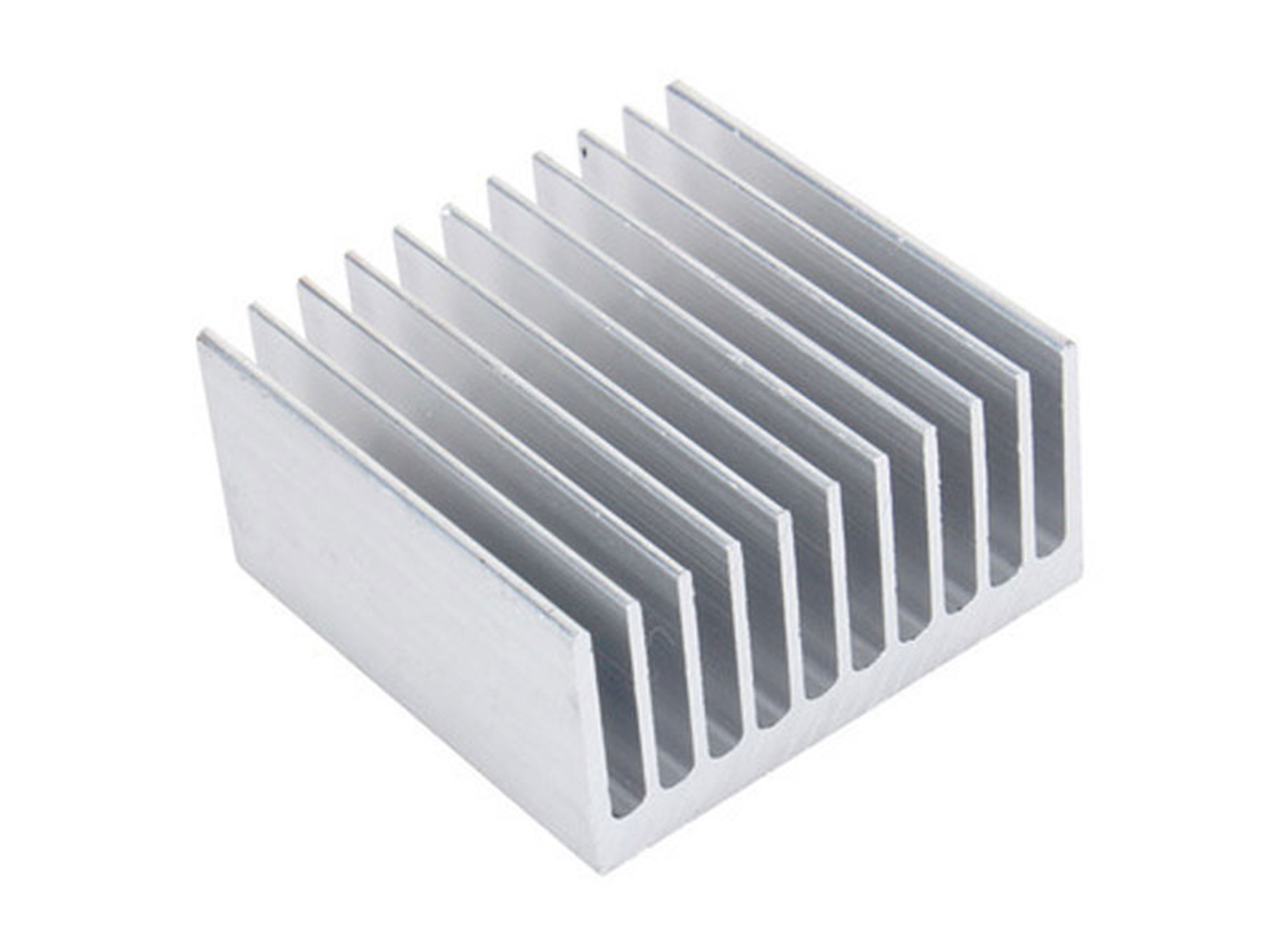
Marine aluminum heat sink profile
Marine Grade Aluminum Heat Sink Profiles utilize alloys such as 6061 and 6063 that not only exhibit high thermal conductivity but also possess excellent corrosion resistance required for saltwater exposure.
View Details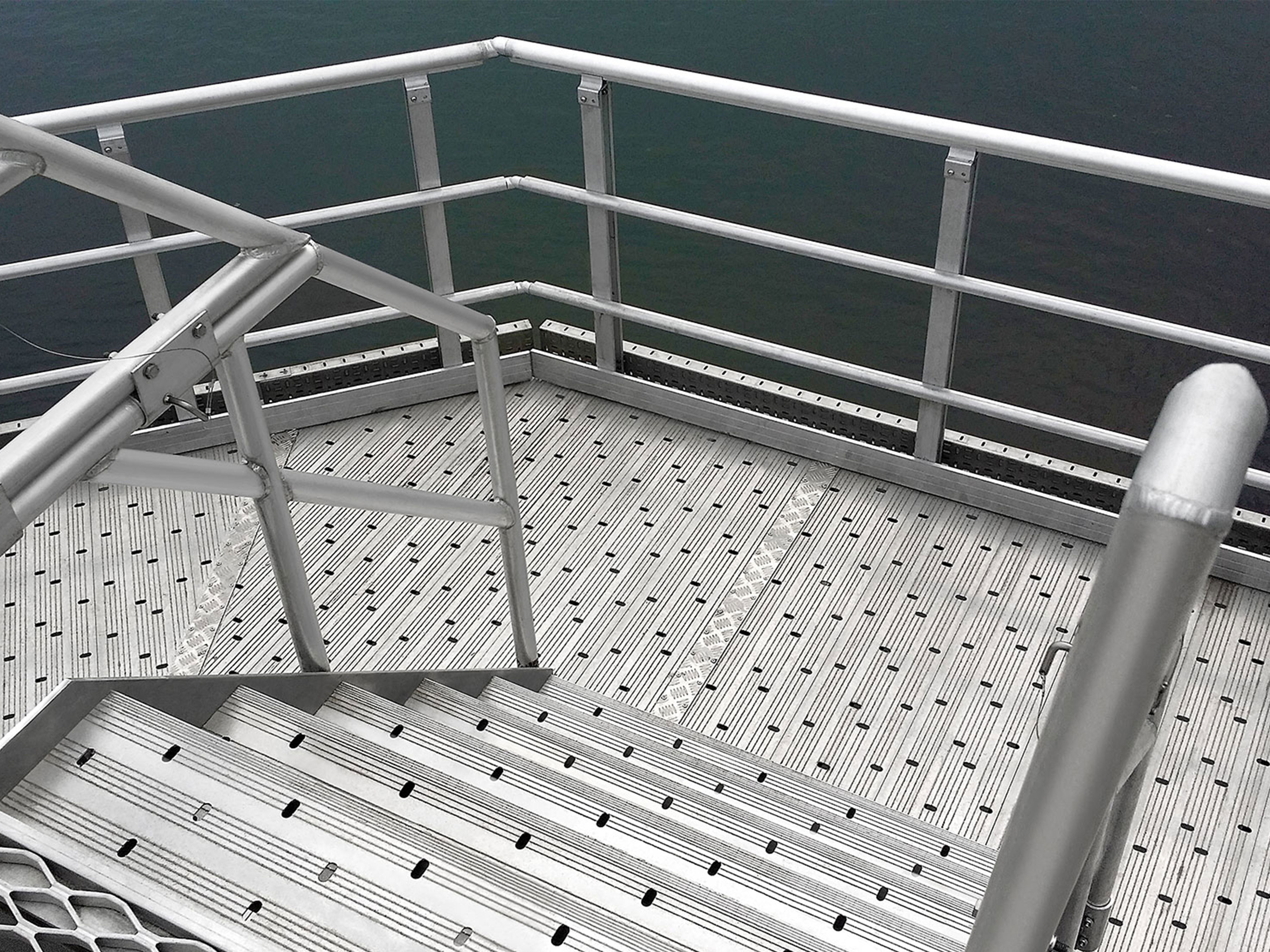
Marine aluminum customized shapes
Marine Grade Aluminum Customized Shapes encompass a broad range of aluminum extrusions and fabrications engineered beyond standard profiles—such as channels, angles, tubes, and beams—into complex, project-specific geometries.
View Details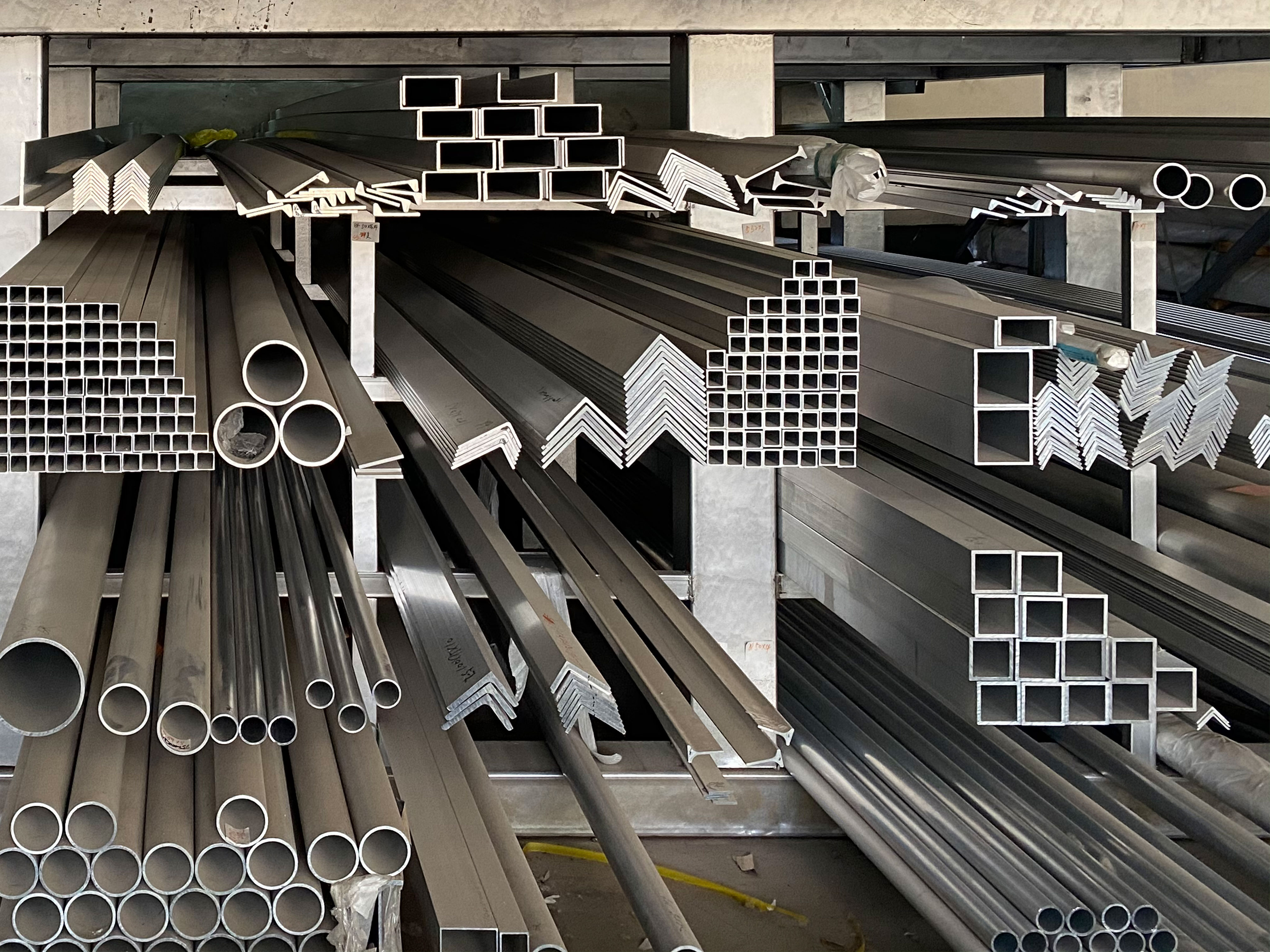
Marine aluminum fencing and railings
Marine Grade Aluminum Fencing and Railings are fabricated using marine-grade aluminum alloys such as 5083, 5052, and 6061, which are engineered specifically for protection against saltwater corrosion and marine atmospheric conditions.
View DetailsRelated Blog
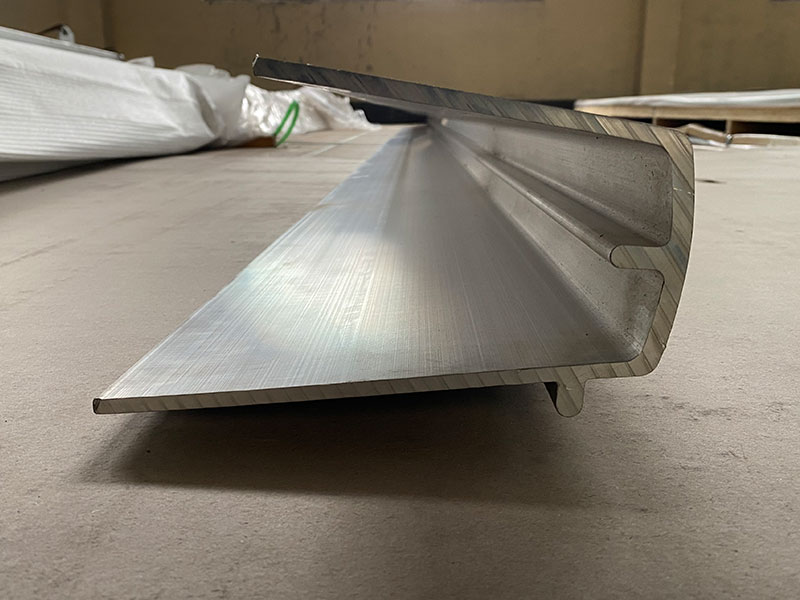
Marine Aluminum Heat Sink Profile for Lightweight Offshore Cooling Systems
In the ever-challenging marine environment, offshore cooling systems must operate reliably, efficiently, and with minimal weight. This necessitates specialized materials and components, where marine aluminum heat sink profiles have emerged as a solution.
View Details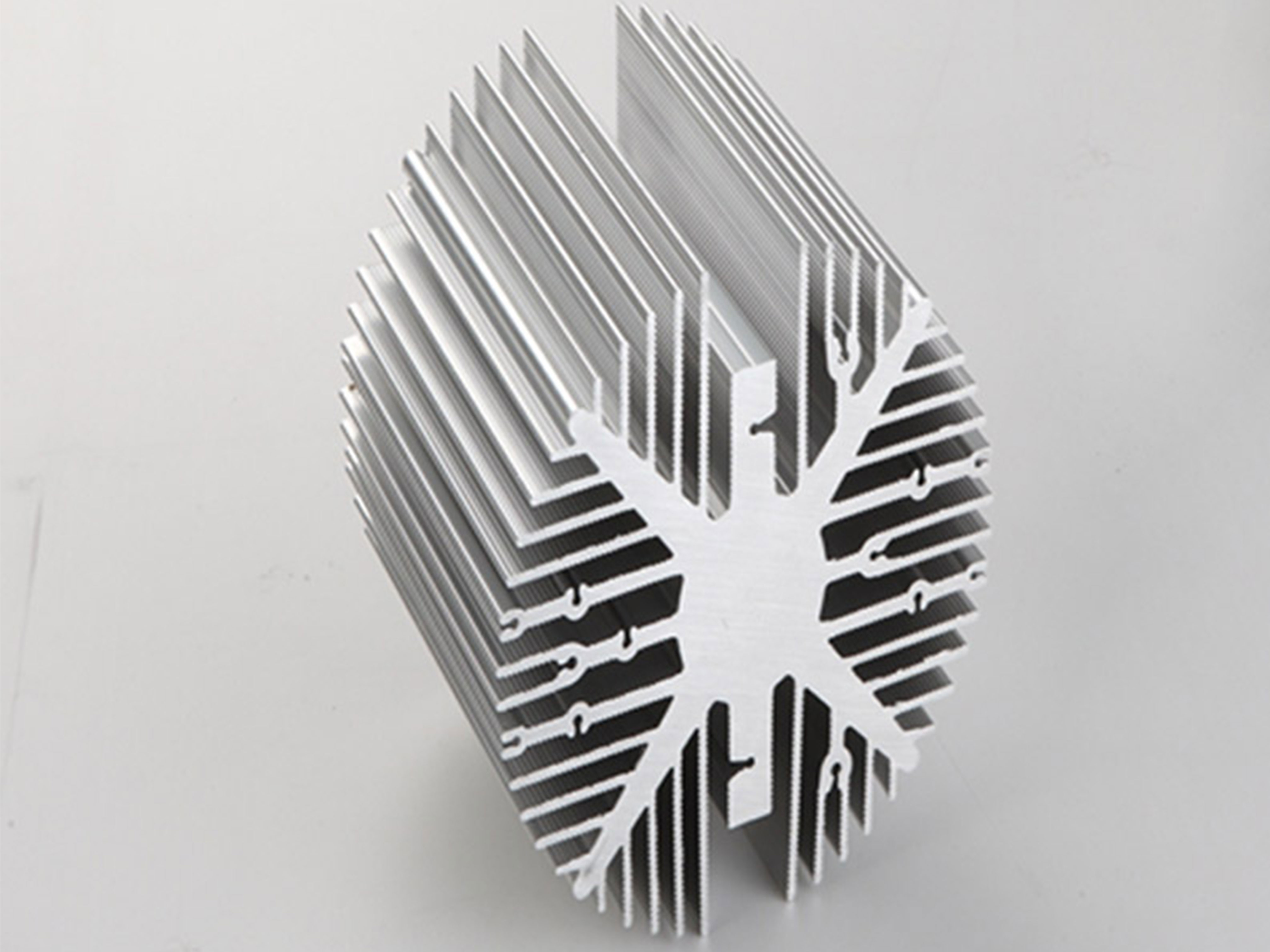
6061 Marine Aluminum Customized Shapes for Seawater Resistant Offshore Construction
Aluminum alloy 6061 is widely recognized for its excellent mechanical properties, good corrosion resistance, and versatility. Specifically engineered and customized for marine and offshore construction applications.
View Details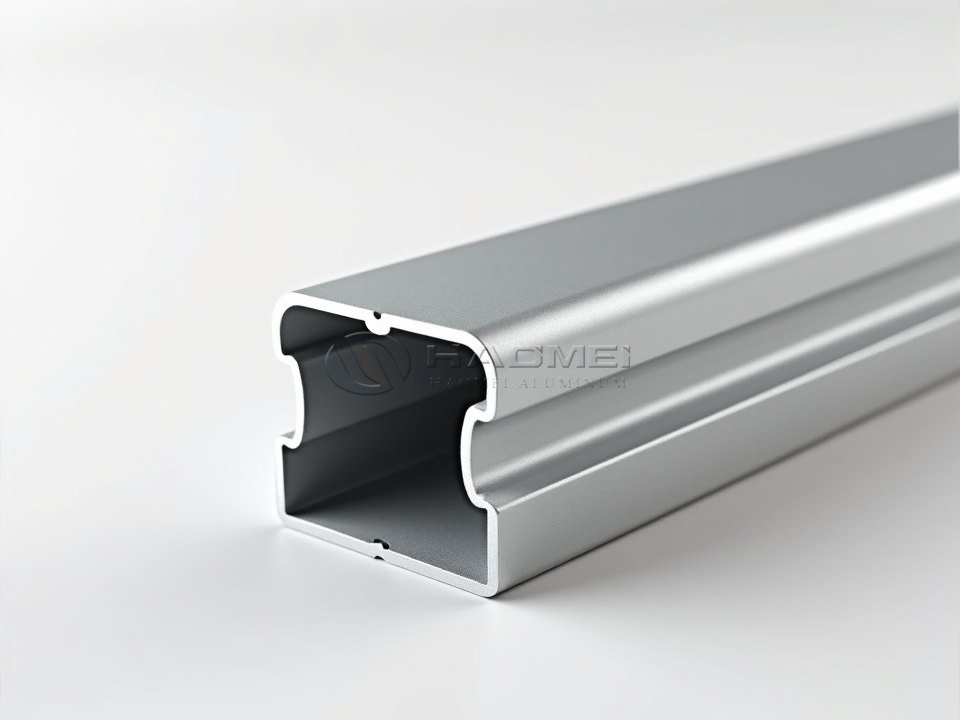
6061 Marine Aluminum Fencing and Railings for High Strength Coastal Fence Design
Learn how 6061 marine aluminum fencing and railings deliver strength, corrosion control, and clean coastal design for docks, resorts, and seawalls.
View Details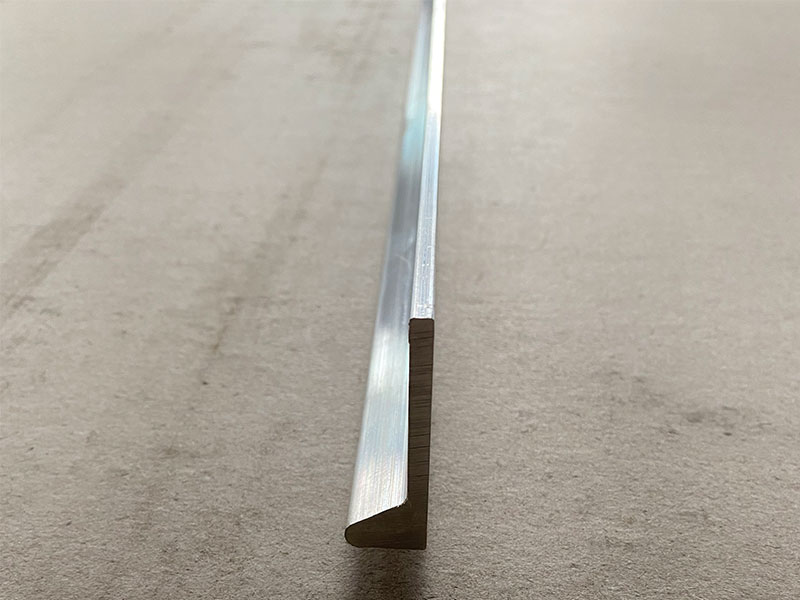
Marine Aluminum Heat Sink Profile for Saltwater Resistant Electronics Cooling Systems
In the demanding environments faced by saltwater applications, effective thermal management is critical to ensuring the longevity and reliability of electronics.
View Details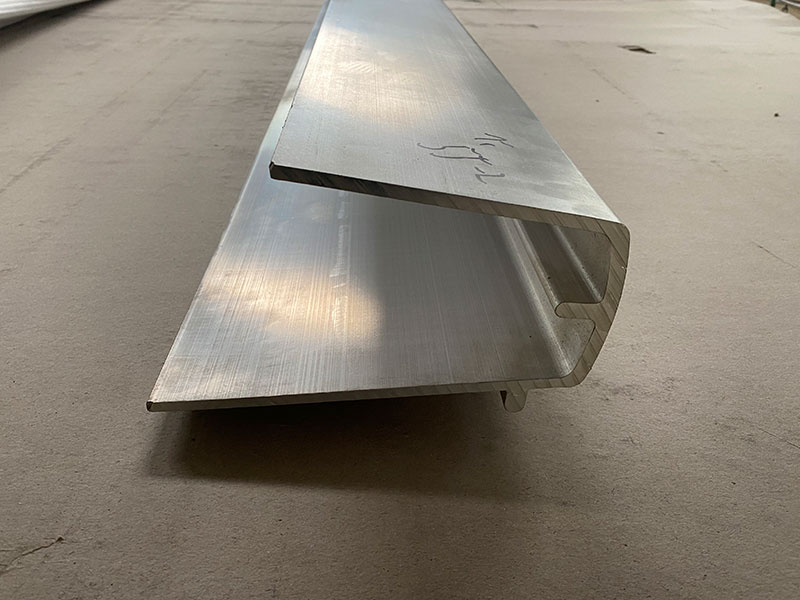
5052 Marine Aluminum Customized Shapes for High Performance Coastal Engineering Projects
When it comes to marine and coastal engineering projects, material performance directly impacts durability, safety, and longevity. 5052 Marine Aluminum Customized Shapes is know as an ideal choice due to their exceptional corrosion resistance.
View Details
6061 Marine Aluminum Heat Sink Profile for Coastal Ship Electronics Cooling
Coastal vessels run electronics in some of the harshest everyday environments: salt-laden air, high humidity, frequent temperature swings, and continuous vibration.
View Details
Leave a Message