
3mm Thickness 8x4 Aluminum Sheet 5083 For Boat
Marine builders choose materials that survive salt spray, wave impact, and years of cyclic loading without becoming a maintenance burden. 3mm thickness 8x4 aluminum sheet 5083 is a proven marine-grade plate/sheet option used worldwide for boat hulls, decks, bulkheads, and structural panels. With strong resistance to seawater corrosion and excellent weldability, 5083 is often selected when reliability matters more than cosmetic perfection.
5083 is a non-heat-treatable aluminum-magnesium alloy designed for high performance in aggressive environments. In marine use, its strengths show up in three ways:
- it resists saltwater corrosion better than many general-purpose alloys
- it welds well with common marine filler wires
- it retains good strength after welding compared with some alternatives
An 8x4 sheet format is commonly specified because it suits standard cutting plans, nesting, and shop handling. At 3mm thickness, it is frequently used for skins, internal panels, superstructure parts, and light structural components, depending on design and classification rules.
Features for Boatbuilding
| Feature | What it means in practice | Customer benefit |
|---|---|---|
| Marine corrosion resistance | Magnesium-rich chemistry forms a stable oxide layer in seawater | Longer service life, reduced pitting risk in marine atmosphere |
| Excellent weldability | Compatible with MIG/TIG; widely used with 5183/5356/5556 fillers | Fast fabrication, dependable joints, repair-friendly |
| High strength-to-weight | Stronger than 5xxx general alloys like 5052 in many tempers | Lighter structures without sacrificing stiffness targets |
| Good impact toughness | Performs well under dynamic loading and vibration | Better durability for hull slamming and offshore conditions |
| Formability in appropriate temper | Bending and rolling possible depending on temper and radius | Flexible fabrication for chines, brackets, lockers, partitions |
| Non-sparking and non-magnetic | Inherent aluminum behavior | Useful in certain marine and defense-adjacent applications |
Typical Marine Applications
| Boat area | Common uses of 3mm 5083 sheet |
|---|---|
| Hull and side plating (light craft) | Small craft plating, spray rails, wear strips (design-dependent) |
| Decking and flat panels | Deck plates, hatches, lockers, covers |
| Superstructure | Cabin sides, roofs, consoles |
| Internal structure | Bulkheads, gussets, web plates, partitions |
| Fabricated components | Tanks (where allowed by design/spec), transom parts, brackets |
Material selection should always follow the vessel's scantling rules, design loads, and welding procedure requirements. For critical hull structure, confirm temper, quality standard, and inspection requirements with your yard or surveyor.
Chemical Composition (Typical Limits)
5083 is defined by controlled magnesium and manganese content, supporting marine corrosion resistance and strength. Values below are typical specification limits; exact limits depend on the governing standard.
| Element | Content (wt%) |
|---|---|
| Magnesium (Mg) | 4.0–4.9 |
| Manganese (Mn) | 0.4–1.0 |
| Chromium (Cr) | 0.05–0.25 |
| Silicon (Si) | ≤0.40 |
| Iron (Fe) | ≤0.40 |
| Copper (Cu) | ≤0.10 |
| Zinc (Zn) | ≤0.25 |
| Titanium (Ti) | ≤0.15 |
| Others (each) | ≤0.05 |
| Others (total) | ≤0.15 |
| Aluminum (Al) | Balance |
Temper Options and What They Mean
Because 5083 is non-heat-treatable, strength is achieved primarily through work hardening (strain hardening). The right temper depends on whether you prioritize forming, strength, or a balance.
| Temper (common) | Description | Typical boatyard use |
|---|---|---|
| O (Annealed) | Softest, best formability | Complex forming, tight bends, rolling |
| H111 | Lightly strain hardened | General marine sheet use; good compromise |
| H116 | Marine-focused controlled process with improved exfoliation/corrosion resistance | Hull plating and marine structures in harsh exposure |
| H321 | Stabilized strain-hardened temper, good resistance to sensitization in service | Welded marine structures needing stable properties |
Availability of H116 and H321 may vary by mill and region, but they are frequently requested for marine hull plating because they are optimized for seawater exposure.
Mechanical Properties (Typical)
Actual mechanical properties depend on product thickness, mill practice, and standard. The values below are widely used typical ranges for guidance only.
| Property | 5083-O | 5083-H111 | 5083-H116 / H321 |
|---|---|---|---|
| Ultimate tensile strength (MPa) | ~275 | ~305 | ~305–340 |
| Yield strength (MPa) | ~125 | ~145 | ~215–240 |
| Elongation (%) | ~20 | ~16 | ~10–14 |
| Brinell hardness (HB) | ~65 | ~75 | ~85–95 |
For design-critical work, confirm minimums to the governing standard and request mill test certificates.
3mm 8x4 Sheet Technical Specifications
"8x4" typically refers to 8 ft × 4 ft sheet size. In metric supply chains, this is often close to 2440 mm × 1220 mm. Confirm exact cut size and tolerances for CNC nesting.
| Parameter | Typical value |
|---|---|
| Alloy | 5083 (marine grade) |
| Thickness | 3.0 mm |
| Sheet size | 8 ft × 4 ft (typically 2440 mm × 1220 mm) |
| Surface | Mill finish (standard); protective film optional |
| Edge condition | Trimmed/squared; deburred optional |
| Flatness | Commercial or precision flatness on request |
| Standards | Commonly ASTM B209 / EN 485 (confirm per order) |
| Documentation | Mill Test Certificate (MTC/COA) available |
Reference Weight (Helps with Logistics)
| Item | Value |
|---|---|
| Density of aluminum (approx.) | 2,700 kg/m³ |
| Sheet area (2440 × 1220) | 2.9768 m² |
| Volume at 3.0 mm | 0.00893 m³ |
| Approx. sheet weight | ~24.1 kg per sheet |
Weight can vary slightly with actual cut size and thickness tolerance.
Corrosion Performance in Marine Service
5083 is widely respected for seawater exposure, especially in H116/H321 tempers. In real boats, corrosion performance is influenced as much by design and workmanship as by alloy choice. Good outcomes typically come from:
- avoiding crevices that trap stagnant saltwater
- isolating dissimilar metals to reduce galvanic corrosion
- using correct weld filler and cleaning practices
- sealing lap joints and keeping drainage paths open
If the boat will see elevated temperatures for long periods, discuss sensitization considerations and temper selection with your supplier or welding engineer.
Fabrication Notes for Customers
| Operation | Practical guidance |
|---|---|
| Cutting | Saws, shears, laser/waterjet; keep edges clean before welding |
| Forming | Use appropriate bend radius; O/H111 form easier than H116/H321 |
| Welding | MIG/TIG common; choose marine filler (often 5183/5356/5556) per procedure |
| Finishing | Mill finish is common; coating/paint system depends on service and aesthetics |
| Quality control | Verify thickness, flatness, temper marking, and MTC heat number traceability |
Ordering Checklist (Quick Confirmation)
| What to specify | Why it matters |
|---|---|
| Temper (H111, H116, H321, O) | Directly affects strength, forming, and corrosion behavior |
| Exact size and tolerances | Ensures CNC programs and nesting match delivered sheets |
| Protective film | Reduces handling scratches during fabrication |
| Certification needs | MTC/COA and standard compliance for marine projects |
| Quantity and packing | Prevents transit damage and edge dents |

Related Products
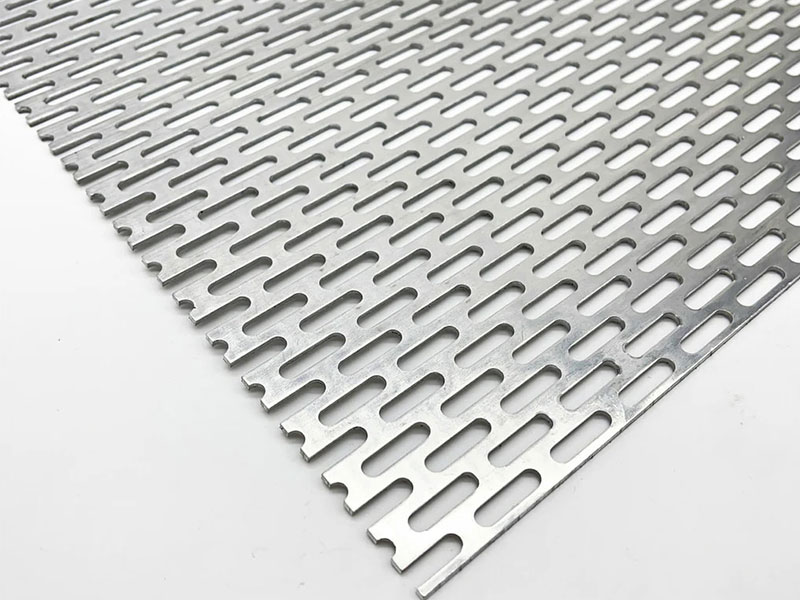
Marine perforated aluminum sheets
Marine Perforated Aluminum Sheets feature a series of uniform holes or shapes punched through the aluminum surface. These perforations can vary in size, pattern, and open area to tailor the sheets for specific applications.
View Details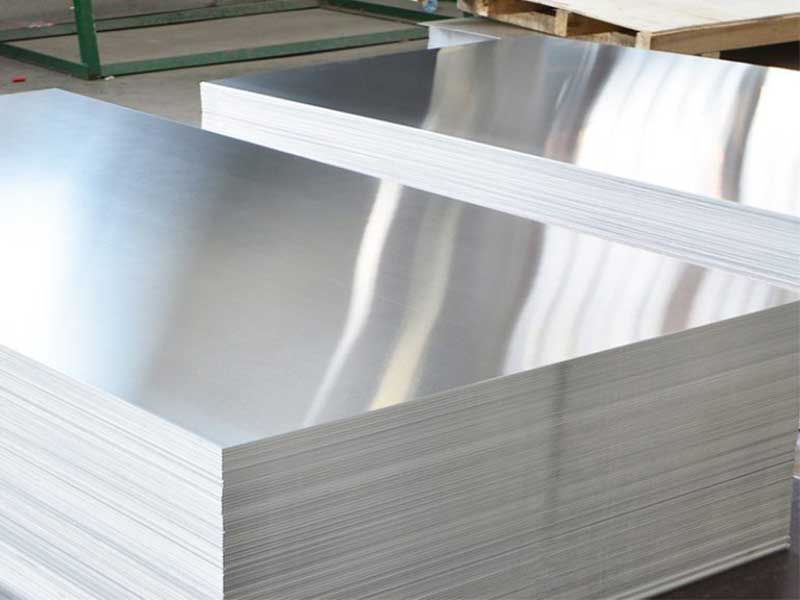
Marine anodized aluminum sheets
Marine Anodized Aluminum Sheets start with premium marine-grade aluminum alloys such as 5000 and 6000 series (typically 5083, 5052, and 6061).
View Details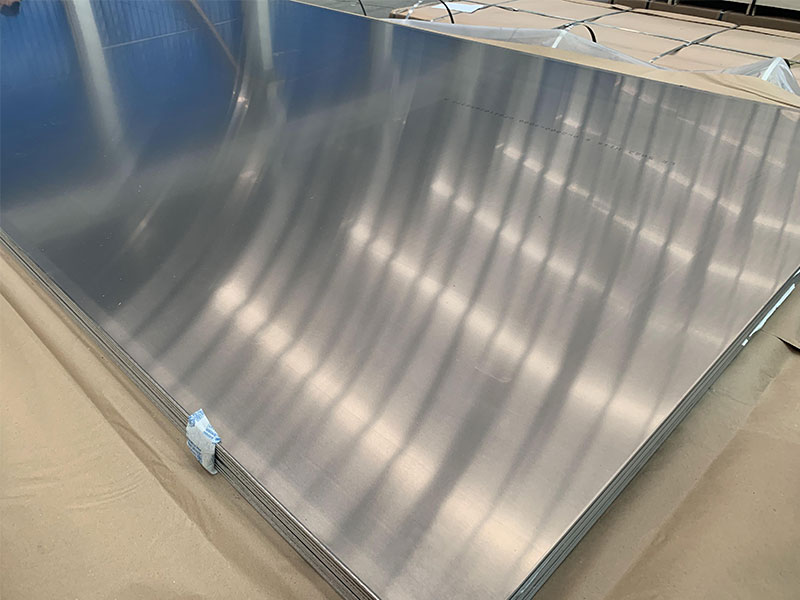
Marine 5052 aluminum sheet
Aluminum alloy 5052 is a non-heat-treatable, strain-hardened alloy with magnesium as the primary alloying element. It is designed to offer superior corrosion resistance in marine and saline environments, making it a dependable choice for components exposed directly to seawater or coastal atmospheric conditions.
View Details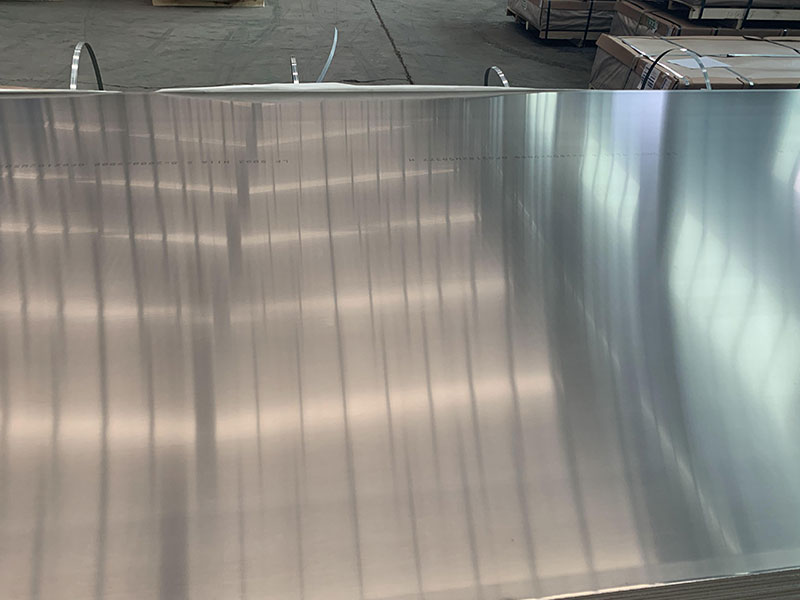
Marine 5383 aluminum sheet
5383 aluminum is a strain-hardened, non-heat-treatable alloy from the 5xxx series primarily alloyed with magnesium. It exhibits a unique balance of corrosion resistance and mechanical properties particularly suited for marine applications.
View Details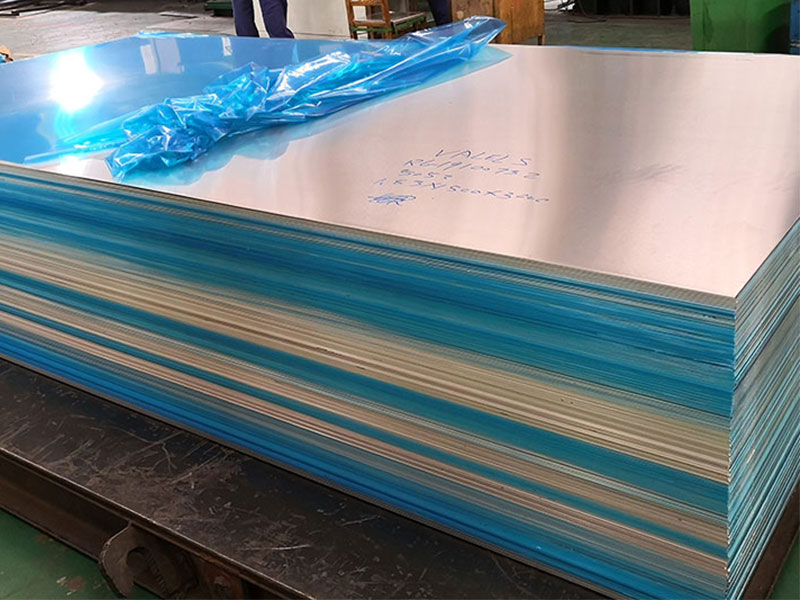
Marine 5059 aluminum sheet
5059 aluminum alloy is a strain-hardened material with a unique addition of magnesium and chromium, which provides outstanding resistance to localized corrosion like pitting and stress corrosion cracking.
View Details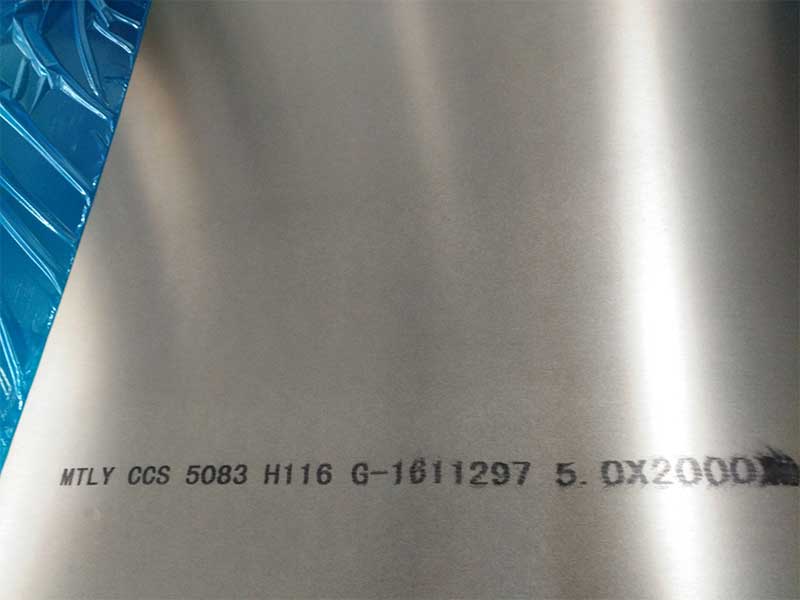
Marine 5083 aluminum sheet
Aluminum alloy 5083 is a non-heat-treatable alloy primarily composed of magnesium and trace elements that deliver outstanding protection against corrosion, particularly in seawater and saline atmospheres.
View DetailsRelated Blog
5052 5083 marine grade aluminium sheet for boat
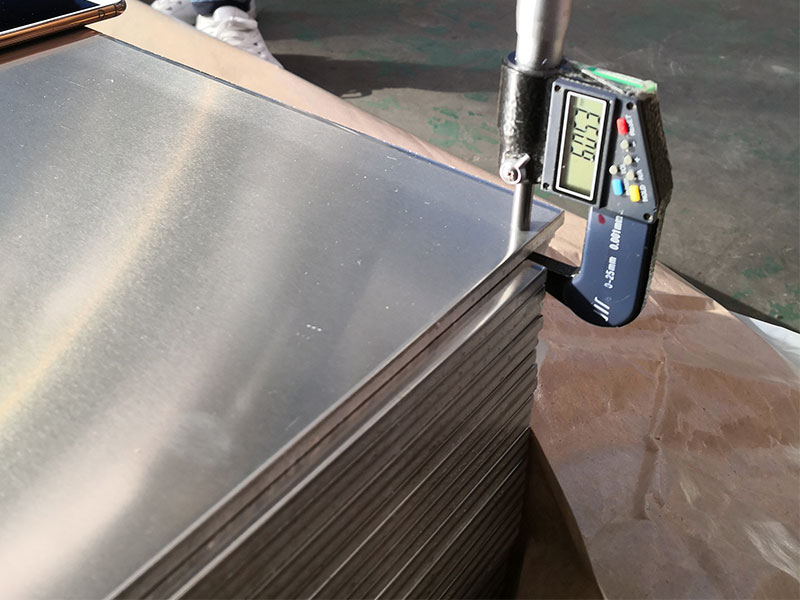
Marine grade aluminium alloys 5052 and 5083 are among the most widely used non-heat-treatable alloys for shipbuilding, small vessels, and marine components. They combine good corrosion resistance in seawater, excellent weldability and formability.
View Details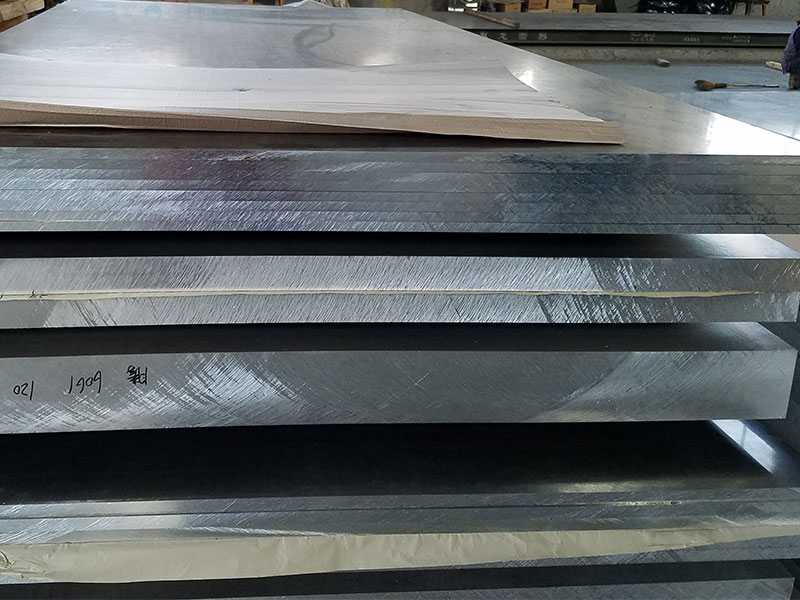
Anti-Corrosion Anodizing 5083 Alloy Aluminum Coil for Electric Boat Construction
Electric boats operate in one of the most demanding corrosion environments on earth: a wet, oxygen-rich, salt-contaminated atmosphere with constant abrasion, vibration, and stray electrical currents.
View Details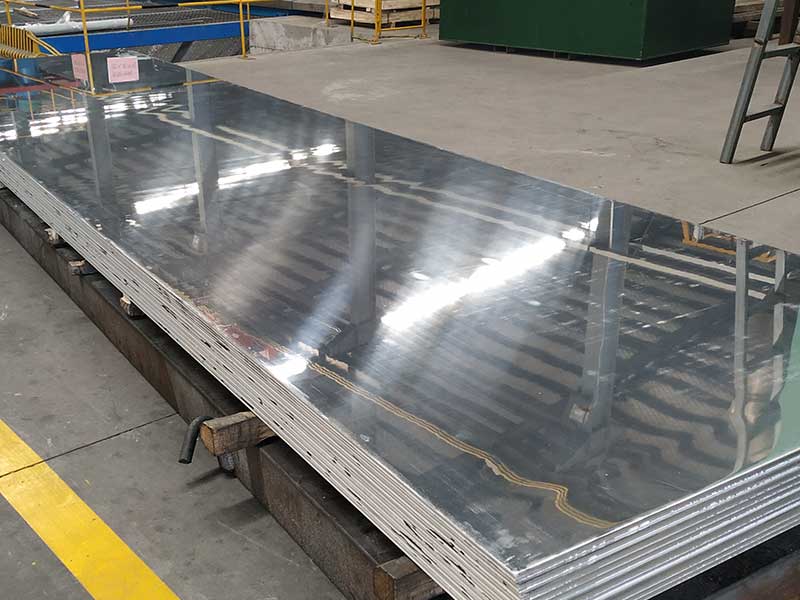
Aluminum Sheet 5083 5086 5754 for Fishing Boat
Aluminum sheets 5083, 5086, and 5754 are widely recognized alloys in the marine industry, known for their excellent corrosion resistance, mechanical strength, and durability.
View Details
Marine aluminum 5083
In-depth insights into Marine Aluminum 5083, its chemical composition, mechanical properties, temper conditions, and why it stands as the premier alloy for marine and offshore structural applications.
View Details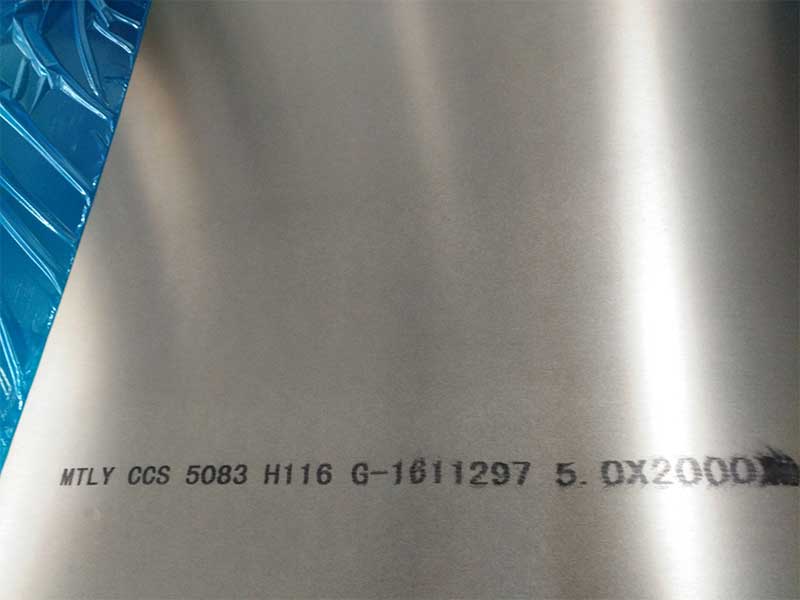
Aluminum sheet 5083 h116 with certificate of CCS for marine
High-performance Aluminum Sheet 5083 H116, certified by CCS for marine use. Explore its chemical properties, mechanical parameters, tempering conditions, and compliance standards making it ideal for marine environments.
View Details
Aluminum Sheet A5083 H116 H321 for Marine Ship
Aluminum Sheet A5083 in tempers H116 and H321 is a primary material choice for manufacturing marine vessels and shipbuilding components. It combines exceptional mechanical properties with strong corrosion resistance.
View Details
Leave a Message