
Aluminum foil 0.5mm Thick 5000 Series Marine Grade
Aluminum Foil 0.5mm Thick 5000 Series Marine Grade: A "Sealing Skin" for Real-World Marine Work
When people hear "aluminum foil," they often imagine thin kitchen wrap. In marine manufacturing, however, 0.5mm thick 5000 series marine-grade aluminum foil behaves less like household foil and more like a precision metal membrane-a material that can be bent, formed, sealed, laminated, and fastened while still resisting saltwater corrosion. It's a smart choice when designers need a combination of light weight, barrier performance, and marine durability-especially in spaces where thicker plate would be overkill, and plastics would age, creep, or delaminate.
A distinctive way to understand 0.5mm marine foil is to see it as a functional "skin layer." It's thick enough to hold shape, take fastening and forming loads, and remain stable in temperature swings, yet thin enough to conform to complex surfaces. This gives it a unique position between sheet metal and flexible barrier materials.
What "0.5mm" Really Means in Marine Applications
At 0.5mm, the foil becomes a practical engineering thickness:
- It can be formed into channels, wraps, and protective claddings without cracking when the correct temper is chosen.
- It provides a robust moisture and vapor barrier compared with thinner foils used only for packaging.
- It can be spot welded, riveted, bonded, or mechanically clamped, depending on the project.
- It is ideal as an outer layer over insulation or cores, where it provides abrasion resistance and corrosion tolerance.
In marine environments, thickness also affects service life. A 0.5mm layer offers more "corrosion allowance" than very thin foils, and it is less prone to pinholes or damage during installation.
Why 5000 Series Is the Marine-Grade Workhorse
5000 series aluminum (Al-Mg alloys) is widely recognized as marine grade because magnesium improves both strength and corrosion resistance, particularly in chloride-rich environments. Unlike heat-treatable alloys, 5000 series gains strength primarily through work hardening, which helps maintain predictable performance during forming.
Common marine-grade 5000 series choices for 0.5mm foil/sheet applications include:
- 5052: Excellent formability, strong general corrosion resistance, widely used for marine fittings, cladding, and fabricated parts.
- 5083: Higher strength, strong seawater resistance, commonly used in hull structures; forming at thin gauges depends more on temper and bend radius control.
- 5754: Balanced corrosion resistance and formability, often used for panels and general marine fabrications.
If your application involves complex forming and tight bends, 5052 or 5754 often feels "friendlier." If you need higher mechanical performance and stiffness at the same thickness, 5083 may be preferred-while paying closer attention to temper selection and fabrication practices.
Temper Selection: Controlling Springback, Formability, and Stability
Because 5000 series is non-heat-treatable, temper becomes the practical dial that controls performance.
Common tempers for 0.5mm marine foil include:
- O (Annealed): Maximum ductility and formability; best for deep forming, wrapping, and tight-radius bends. Lower strength, but excellent for complex shapes.
- H22 / H24: Strain-hardened (and partially annealed for H24). Good balance of strength and formability; widely used for cladding, covers, and formed components.
- H32 / H34: Higher strength with reduced formability; suitable where stiffness and dent resistance matter more than tight bends.
A practical viewpoint is to choose temper by asking: is the foil meant to conform, span, or shield? Conforming favors O or H24; spanning and shielding often favor H32/H34.
Functions: More Than Corrosion Resistance
Marine-grade 0.5mm 5000 series foil performs several jobs at once:
Corrosion defense in salt air and splash zones
Al-Mg alloys naturally form a protective oxide film. When paired with appropriate coatings or isolation from dissimilar metals, they perform reliably in marine atmospheres.
Barrier and sealing performance
At 0.5mm, the material is a stable barrier layer for moisture, fumes, and contamination-useful in insulation jacketing, tank surrounds, or enclosed compartments.
Weight-efficient stiffness
Even at 0.5mm, aluminum offers a meaningful stiffness-to-weight advantage compared with many stainless solutions used as cladding.
Thermal conductivity and heat spreading
It helps equalize temperatures and dissipate heat, which is helpful in equipment housings, battery enclosures, and thermal shielding assemblies.
Typical Marine and Coastal Applications
Because it behaves like a "metal skin," this product shows up in places customers don't always notice:
- Insulation jacketing for marine piping, exhaust trunks, or HVAC sections where salt air demands corrosion resistance
- Protective cladding over foam or composite cores in lightweight marine panels
- Compartment liners and covers in engine rooms or storage bays
- Splash-zone shields and sacrificial wrap layers that take abrasion and can be replaced without rebuilding the base structure
- Fabricated ducts, casings, and brackets where thin-gauge corrosion resistance is required
- Reflective thermal barriers when paired with surface finishing or laminated constructions
Parameters (Typical Supply Range)
The following are common supply parameters for 0.5mm 5000 series marine-grade aluminum foil/sheet:
- Thickness: 0.50 mm (tolerance per standard and supplier capability)
- Width: commonly 100–1600 mm (custom slitting available)
- Length: coils or cut-to-length sheets depending on requirement
- Surface finish: mill finish, one-side film, brushed, or coated (project-driven)
- Alloys available: 5052, 5083, 5754
- Tempers available: O, H22, H24, H32, H34 (availability varies by alloy and mill)
For applications involving bonding, sealing, or coating, it is worth specifying surface cleanliness requirements and whether film protection is needed to prevent handling marks.
Implementation Standards and Common References
Marine and industrial buyers frequently align procurement and inspection to one or more of the following standards (equivalents may be acceptable depending on region and project):
- ASTM B209 / ASTM B209M: Aluminum and Aluminum-Alloy Sheet and Plate (widely used for 5000 series sheet)
- EN 485 (parts applicable): European requirements for tolerances and mechanical properties of wrought aluminum sheet/strip
- ISO 6361 (where applicable): Wrought aluminum sheets/strips-technical conditions
When the foil is used as part of a marine system, additional project specs may apply for coating systems, insulation jacketing practices, or galvanic isolation requirements.
Chemical Composition (Typical, % by Weight)
Values below are typical specification ranges; always confirm with mill test certificates for your exact alloy.
| Alloy | Mg | Mn | Cr | Si | Fe | Cu | Zn | Ti | Al |
|---|---|---|---|---|---|---|---|---|---|
| 5052 | 2.2–2.8 | ≤0.10 | 0.15–0.35 | ≤0.25 | ≤0.40 | ≤0.10 | ≤0.10 | ≤0.15 | Balance |
| 5083 | 4.0–4.9 | 0.4–1.0 | 0.05–0.25 | ≤0.40 | ≤0.40 | ≤0.10 | ≤0.25 | ≤0.15 | Balance |
| 5754 | 2.6–3.6 | ≤0.50 | ≤0.30 | ≤0.40 | ≤0.40 | ≤0.10 | ≤0.20 | ≤0.15 | Balance |
A distinctive takeaway is that magnesium is the marine "insurance element." More Mg generally increases strength and marine corrosion resistance, while also making fabrication choices like temper and bend radius more important.
Practical Notes for Successful Use
To get the best real-world performance from 0.5mm marine-grade foil, the details of installation matter as much as alloy choice:
Avoid galvanic traps by isolating aluminum from copper-rich alloys and certain stainless assemblies when moisture is present. Use barrier tapes, coatings, or compatible fasteners. For forming, match bend radii to temper and consider annealed tempers for tight work. If welding is required, confirm alloy and filler compatibility and avoid overheating thin gauge.
Aluminum foil 0.5mm thick in 5000 series marine grade is not just "thin metal." It's a quiet enabler for marine design-lightweight, corrosion-resistant, formable, and stable enough to serve as a protective outer skin, a barrier layer, or a fabricated component. When specified with the right alloy-temper pairing and backed by recognized standards, it becomes a dependable building block for coastal and marine products that need longevity without unnecessary mass.

Related Products
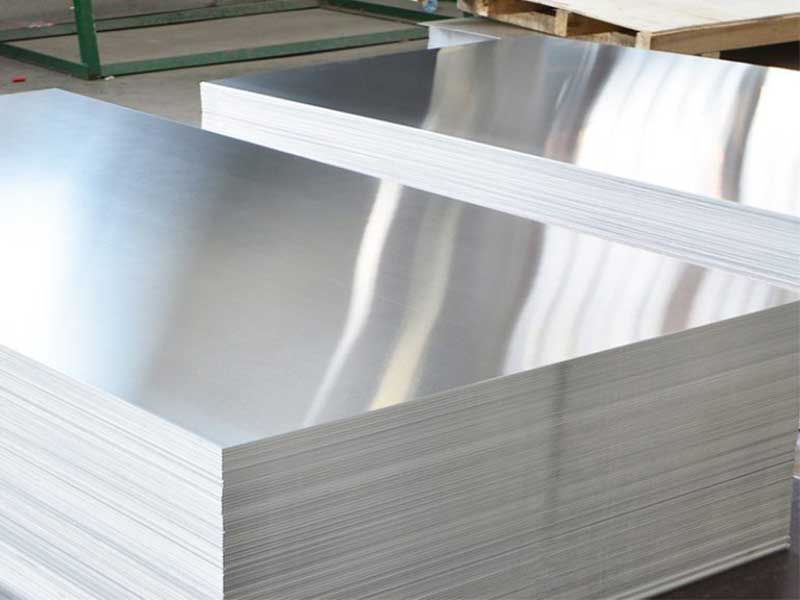
Marine anodized aluminum sheets
Marine Anodized Aluminum Sheets start with premium marine-grade aluminum alloys such as 5000 and 6000 series (typically 5083, 5052, and 6061).
View Details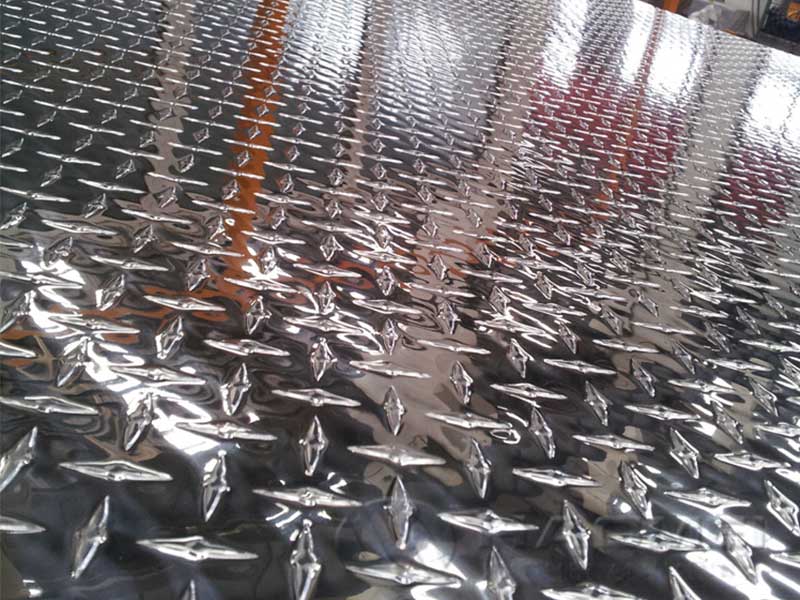
Marine Aluminum Tread Sheets
Marine Aluminum Tread Sheets are aluminum alloy plates featuring a raised surface pattern, commonly referred to as a tread design or diamond plate.
View Details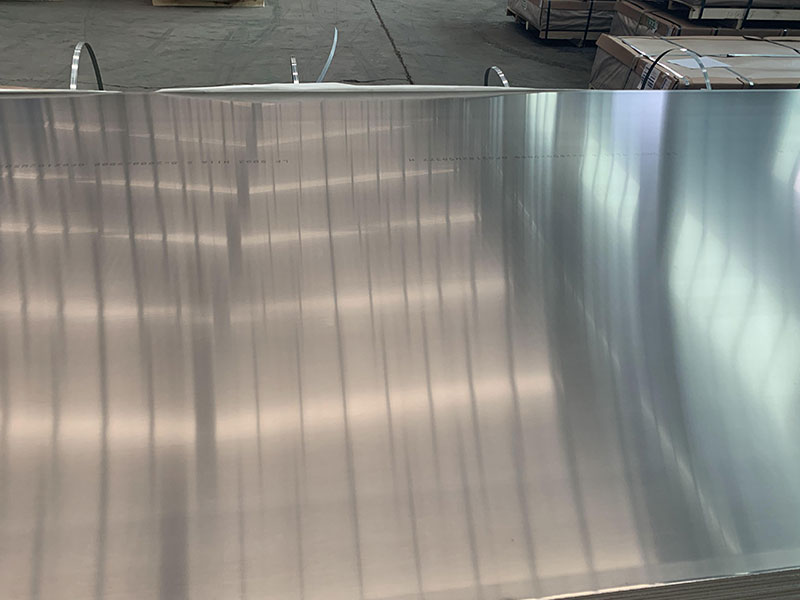
Marine 5383 aluminum sheet
5383 aluminum is a strain-hardened, non-heat-treatable alloy from the 5xxx series primarily alloyed with magnesium. It exhibits a unique balance of corrosion resistance and mechanical properties particularly suited for marine applications.
View Details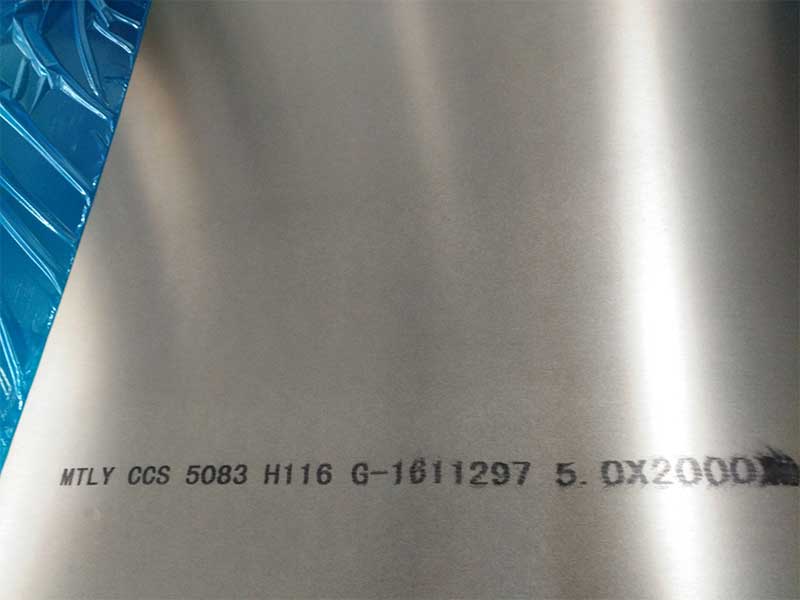
Marine 5083 aluminum sheet
Aluminum alloy 5083 is a non-heat-treatable alloy primarily composed of magnesium and trace elements that deliver outstanding protection against corrosion, particularly in seawater and saline atmospheres.
View Details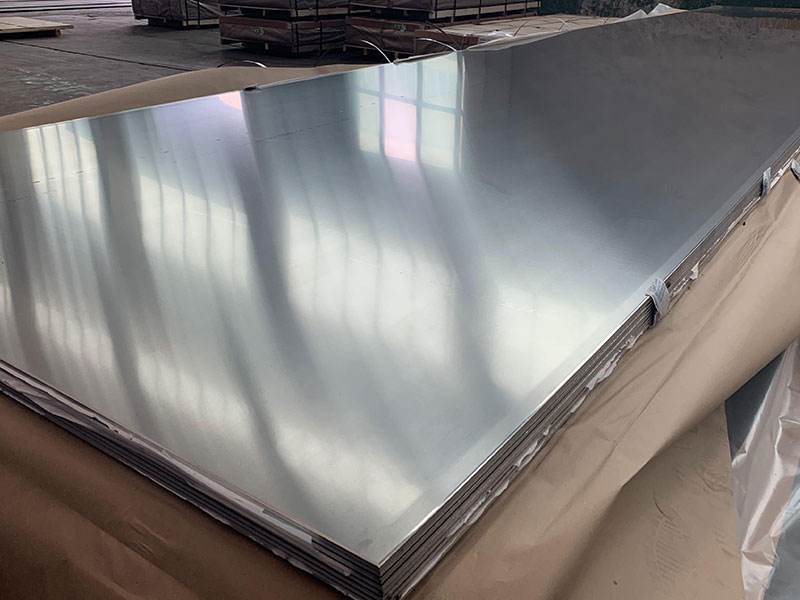
Marine 5086 aluminum sheet
This product article provides an in-depth and comprehensive understanding of Marine 5086 Aluminum Sheets, including their chemical composition, mechanical properties, corrosion resistance, fabrication capabilities, and typical marine applications.
View Details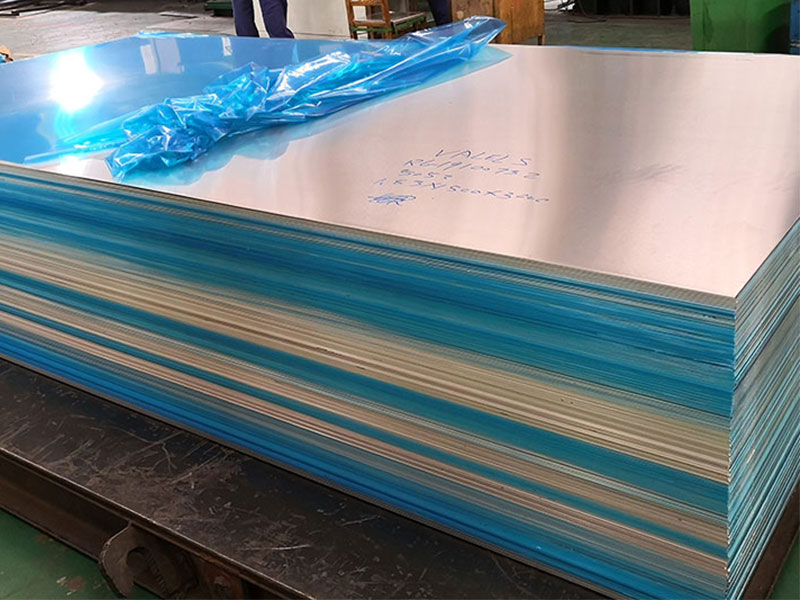
Marine 5059 aluminum sheet
5059 aluminum alloy is a strain-hardened material with a unique addition of magnesium and chromium, which provides outstanding resistance to localized corrosion like pitting and stress corrosion cracking.
View DetailsRelated Blog
5083 10mm Thickness Aluminum coil for Boat
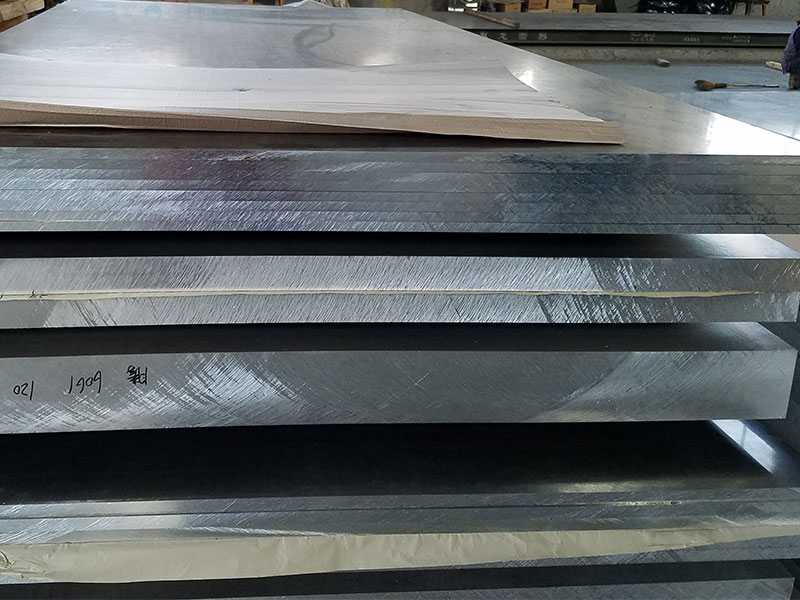
5083 10mm Thickness Aluminum Coil for Boat: When "Strength" Also Means "Staying Beautiful at Sea"In boatbuilding, material decisions are rarely about a single property.
View Details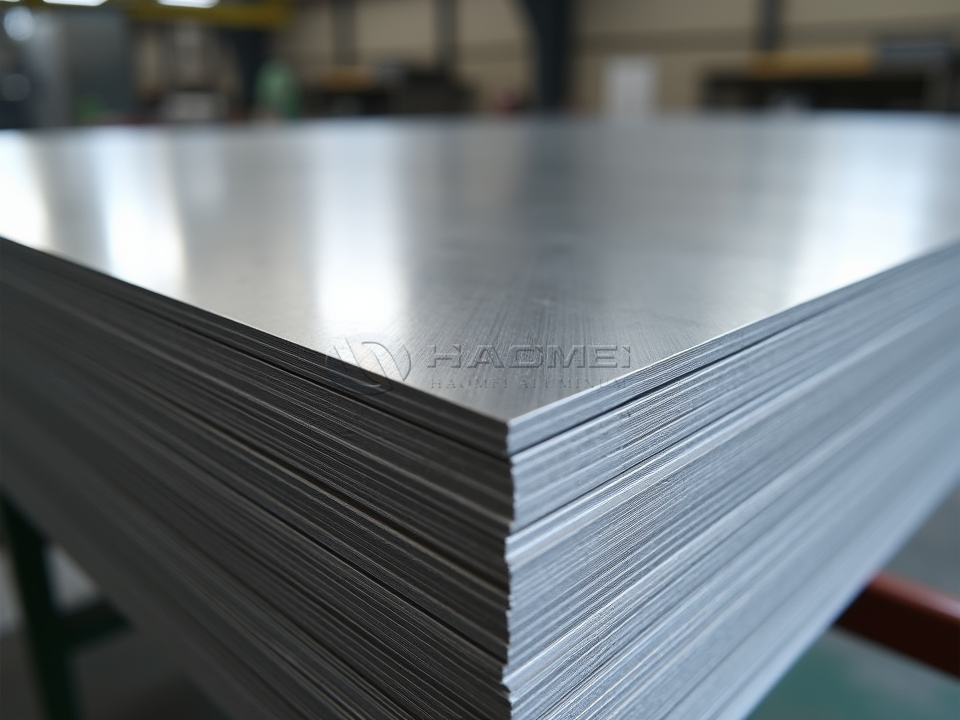
5083 Marine Anodized Aluminum Sheets
5083 marine anodized aluminum sheets combine seawater corrosion resistance, weldability, and durable anodized protection for hulls, decks, and fittings.
View Details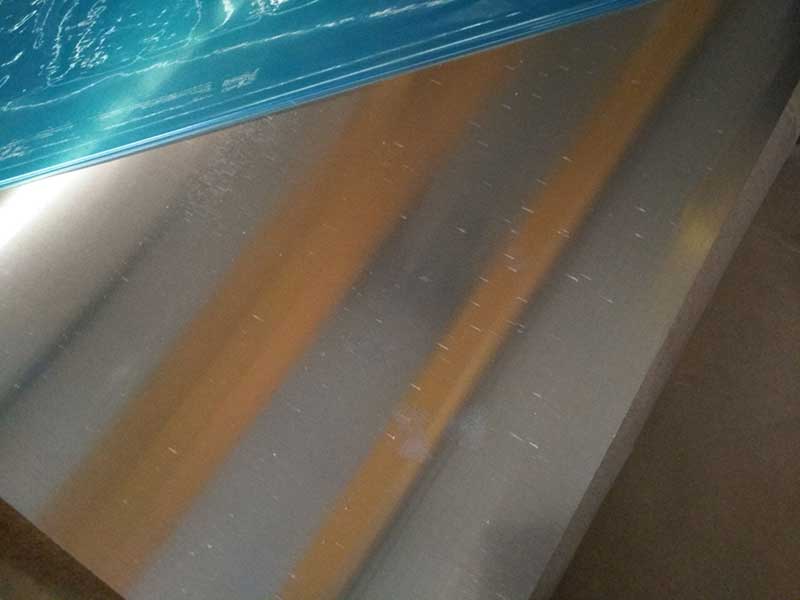
Marine aluminium alloy sheet
Marine aluminum alloy sheet is an indispensable material in the construction and maintenance of vessels, offshore platforms, and various marine infrastructure. Its unique combination of strength, corrosion resistance.
View Details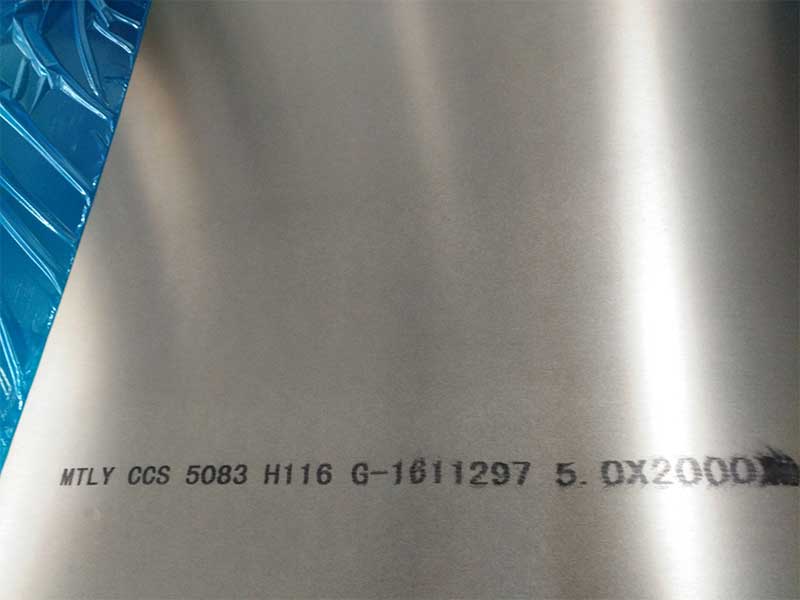
Aluminum perforated sheet for boat
Aluminum perforated sheet is a high-value material choice for boats and marine structures where weight control, corrosion resistance, drainage, airflow, and slip management matter as much as strength.
View Details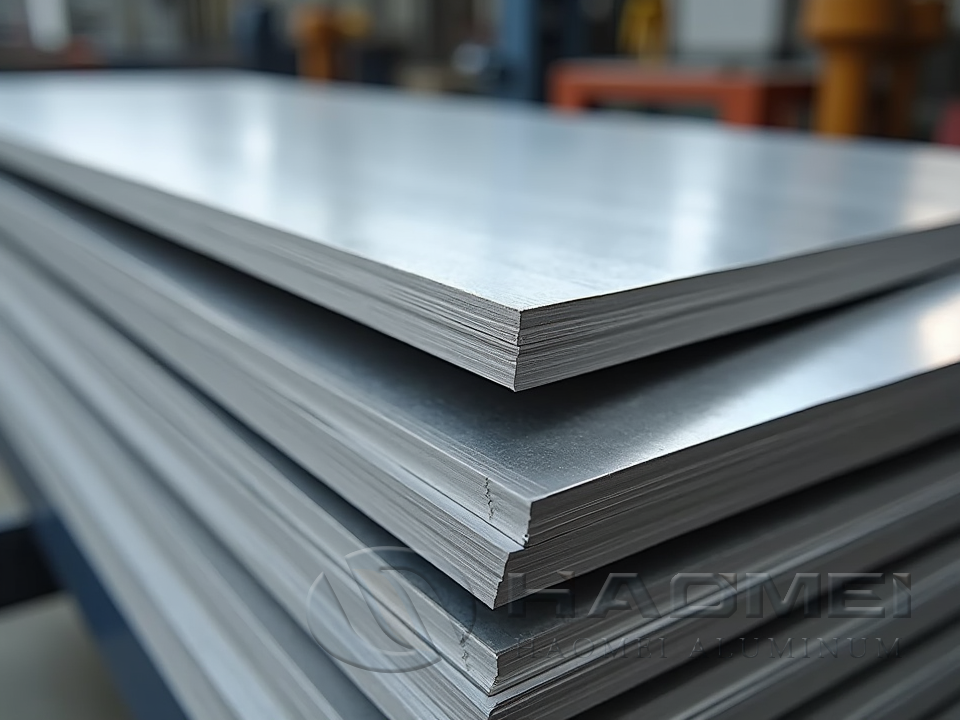
5059 Marine Heavy Duty Aluminum Plate
5059 marine heavy duty aluminum plate delivers high strength, weldability, and seawater corrosion resistance for hulls, decks, tanks, and patrol craft.
View Details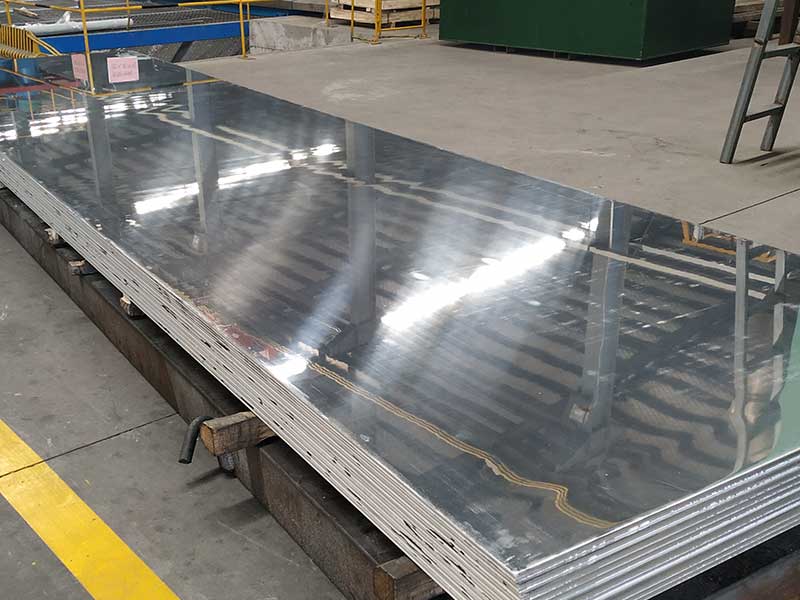
5083 marine aluminium sheet
Aluminum has emerged as a material in marine applications, primarily due to its excellent resistance to corrosion and lightweight properties. Among the various grades of aluminum.
View Details
Leave a Message