
5052 Marine Aluminum Fencing and Railings for High Strength Offshore Platform Guardrails
In marine and offshore environments, the demand for materials that combine excellent strength, corrosion resistance, and durability is paramount. 5052 marine aluminum is a preferred choice for high-performance fencing and railings, especially for offshore platform guardrails, due to its exceptional balance of mechanical and environmental properties.
5052 Marine Aluminum
5052 aluminum alloy is an aluminum-magnesium alloy known primarily for its robust corrosion resistance and good mechanical properties. It is commonly used for marine applications where exposure to saltwater can rapidly degrade ordinary metals.
Applications in fencing and railing systems for offshore platforms take advantage of 5052 aluminum's:
- High corrosion resistance to saltwater environments.
- High strength-to-weight ratio, ensuring durable guardrails that add minimal load.
- Superior formability and weldability for complex structures.
- Excellent surface finish, offering a sleek, long-lasting look with minimal maintenance.
Functions of 5052 Aluminum Fencing and Railings on Offshore Platforms
Guardrails and fencing are essential for offshore platforms’ safety protocols. They prevent personnel falls, secure hazardous areas, and guide movement. When fabricated from 5052 aluminum, these barriers impart several functional benefits:
- Enhanced Safety Durability: They maintain structural integrity under harsh weather and mechanical stress, providing consistent fall protection.
- Corrosion Protection: Surface degradation can lead to critical failure in metallic components in oceanic environments — 5052 alloy's anti-corrosive properties significantly extend the useful service life.
- Weight Efficiency: Lighter than steel alternatives, 5052 aluminum fencing is easier to install and reduces platform load, important for design stability.
- Easy Maintenance: Resistance to marine biofouling and no need for extensive painting or anti-corrosion treatments.
Typical Applications of 5052 Aluminum Marine Railings
Outside of offshore platform guardrails, 5052 marine aluminum enters diverse roles in harsh maritime settings, including:
- Dock and pier fencing
- Yacht and ship deck stair railings
- Marine walkway guardrails
- Coastal and harbor shoreline barriers
- Offshore wind turbine protective fencing
The alloy suits any marine safety installation requiring dependable corrosion resistance combined with strength.
Technical Details and Parameters
Alloy Composition of 5052 Aluminum
| Element | Percentage (%) |
|---|---|
| Magnesium (Mg) | 2.2 – 2.8 |
| Chromium (Cr) | 0.15 – 0.35 |
| Manganese (Mn) | Max 0.10 |
| Silicon (Si) | Max 0.25 |
| Iron (Fe) | Max 0.40 |
| Copper (Cu) | Max 0.10 |
| Zinc (Zn) | Max 0.10 |
| Aluminum (Al) | Remainder (Balance) |
This particular magnesium enhancement reinforces strength while chromium adds corrosion resistance.
Mechanical Properties of 5052 Aluminum Alloy
| Property | Value |
|---|---|
| Tensile Strength (MPa) | 228 – 312 |
| Yield Strength (MPa) | 193 – 276 |
| Elongation at Break (%) | 6 – 19 |
| Hardness (HB) | 65 – 75 |
| Density (g/cm³) | 2.68 |
| Fatigue Strength (MPa) | Approx. 142 (based on alloy type) |
Temper Designations and Characteristics
The temper condition dictates the hardness and malleability of marine aluminum fabrication. For railings and fencing structure, common tempers used include:
| Temper | Process | Typical Use |
|---|---|---|
| H32 | Strain-hardened then stabilized | Good strength and moderate ductility suited to formed guardrails and extrusions |
| H34 | Strain-hardened plus partial anneal | Higher strength demands with reduced brittleness ideal for structural security guardrails |
| O | Annealed (soft state) | Excellent formability; useful in complex bending and shaping |
| H116 | Strain-hardened with no thermal treatment, stabilized for corrosion resistance | Preferred for marine piping & architectural railings where corrosion barrier is priority |
Compliance with International Standards
Offshore platform safety components like guardrails must often adhere to stringent specifications and structural performance norms, such as:
- ASTM B209 / B209M – Specification for aluminum and aluminum-alloy sheet and plate.
- ASME B31.3 – Process piping code (relevant to railings fitted on pipe-integrated platforms).
- ISO 9227 – Salt spray testing for corrosion resistance.
- DNVGL-ST-0378 – Offshore structure design qualification.
- EN 755-2 – European aluminum extrusions—mechanical properties and tolerances.
Advantages of Choosing 5052 Aluminum Fencing and Railings for Offshore Guardrails
- Corrosion Resistance: Maintains surface integrity despite exposure to constant saltwater spray and oxidation.
- Weight-Saving: Aluminous components reduce load critical for offshore stability.
- Fabrication Flexibility: Can be bent, rolled, cut, punched, and welded with ease owing to great workability.
- Long-Term Reliability: Proven lifespan in proactive safety-critical designs under harsh marine conditions.
- Aesthetic Finish: Naturally oxidizes to an attractive silvery matte, requiring minimal upkeep.
Installation and Maintenance Tips
Maximizing the service life of 5052 aluminum fencing includes:
- Use compatible fasteners (stainless steel recommended) to prevent galvanic corrosion.
- Avoid prolonged contact with dissimilar metals unless galvanic insulation is applied.
- Routine cleaning with freshwater to remove salt deposits.
- Inspection for mechanical damage post-storm or impact events, as strength perception is especially important in guardrail installations.

Related Products
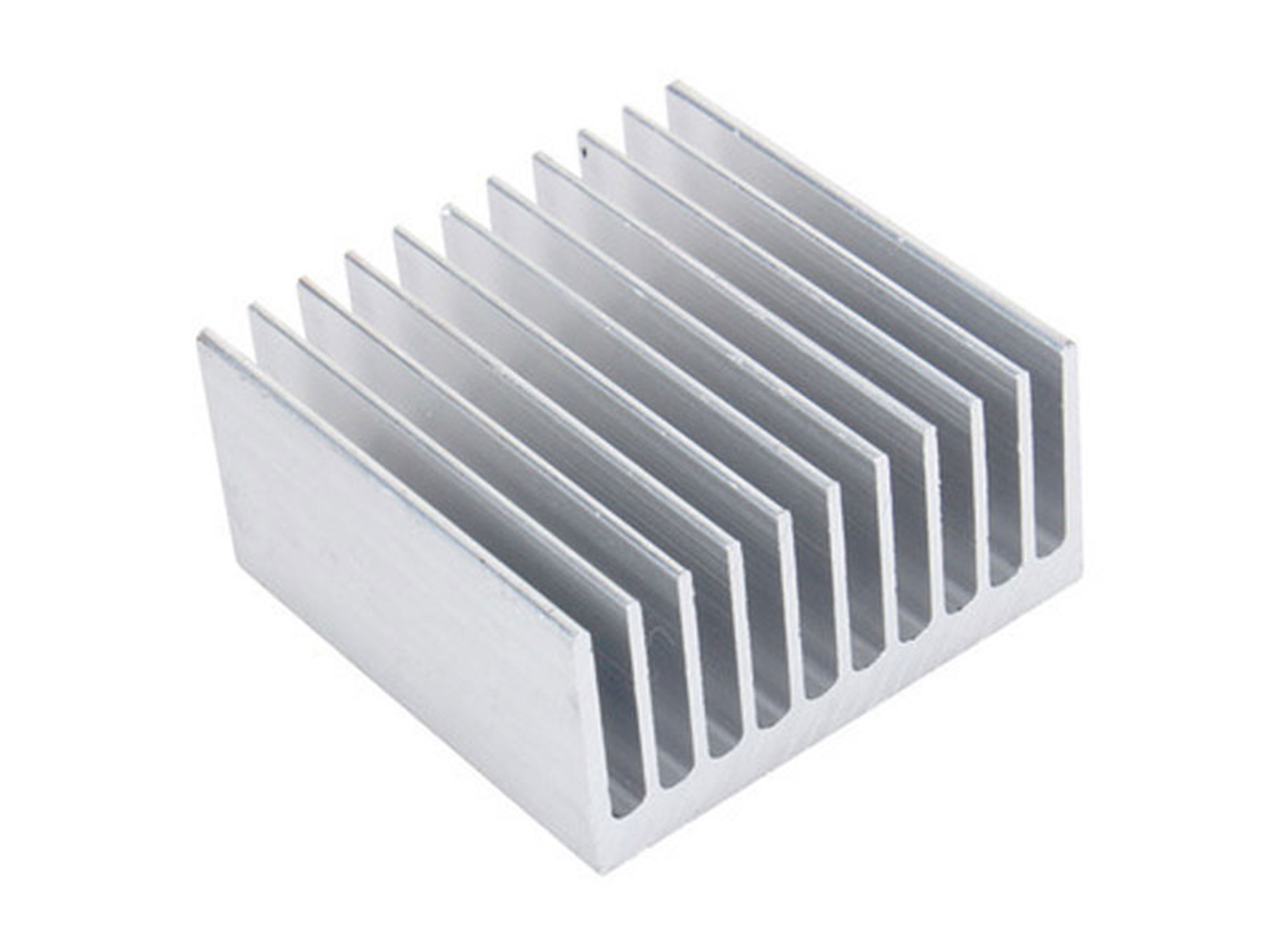
Marine aluminum heat sink profile
Marine Grade Aluminum Heat Sink Profiles utilize alloys such as 6061 and 6063 that not only exhibit high thermal conductivity but also possess excellent corrosion resistance required for saltwater exposure.
View Details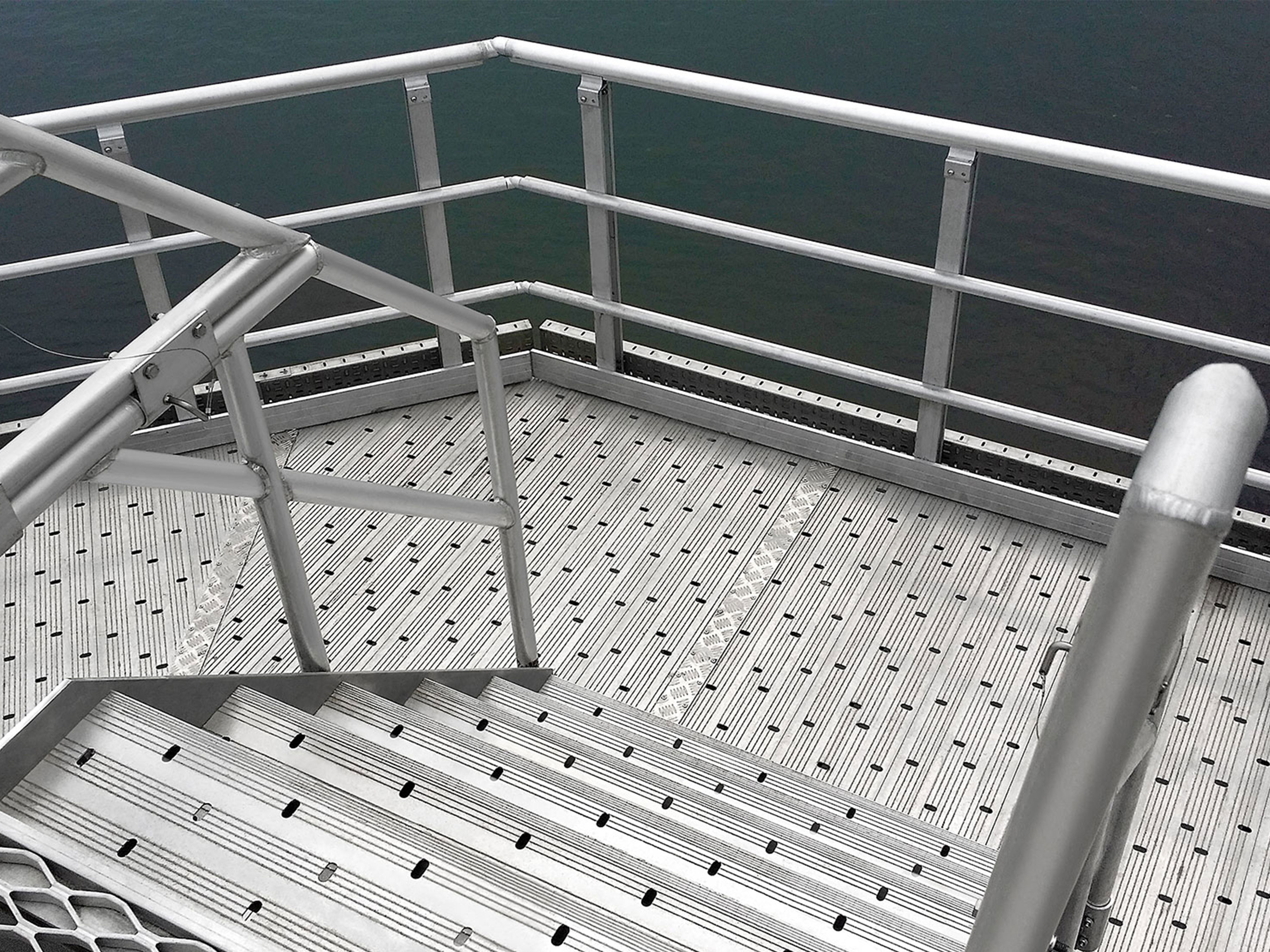
Marine aluminum customized shapes
Marine Grade Aluminum Customized Shapes encompass a broad range of aluminum extrusions and fabrications engineered beyond standard profiles—such as channels, angles, tubes, and beams—into complex, project-specific geometries.
View Details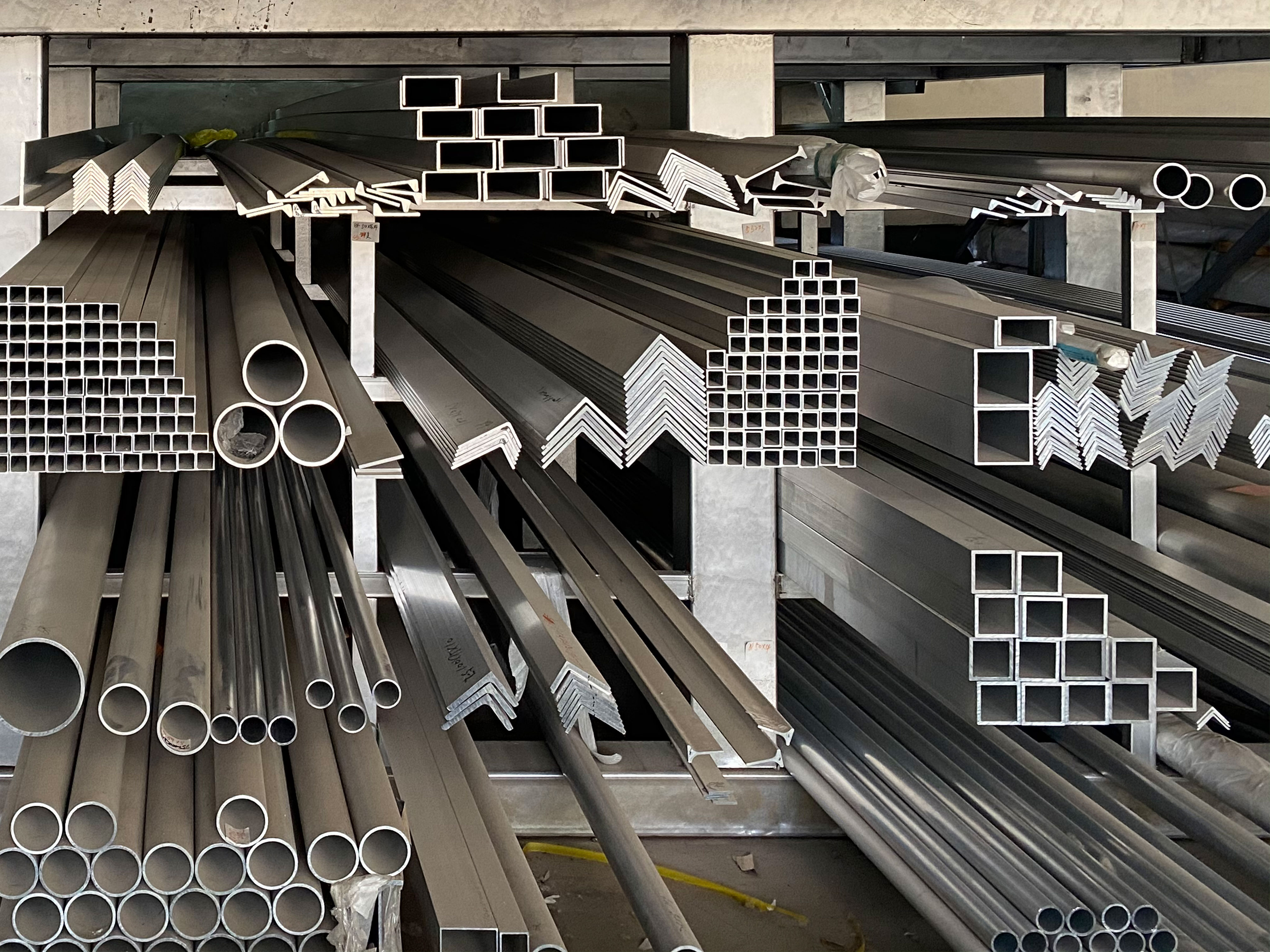
Marine aluminum fencing and railings
Marine Grade Aluminum Fencing and Railings are fabricated using marine-grade aluminum alloys such as 5083, 5052, and 6061, which are engineered specifically for protection against saltwater corrosion and marine atmospheric conditions.
View DetailsRelated Blog
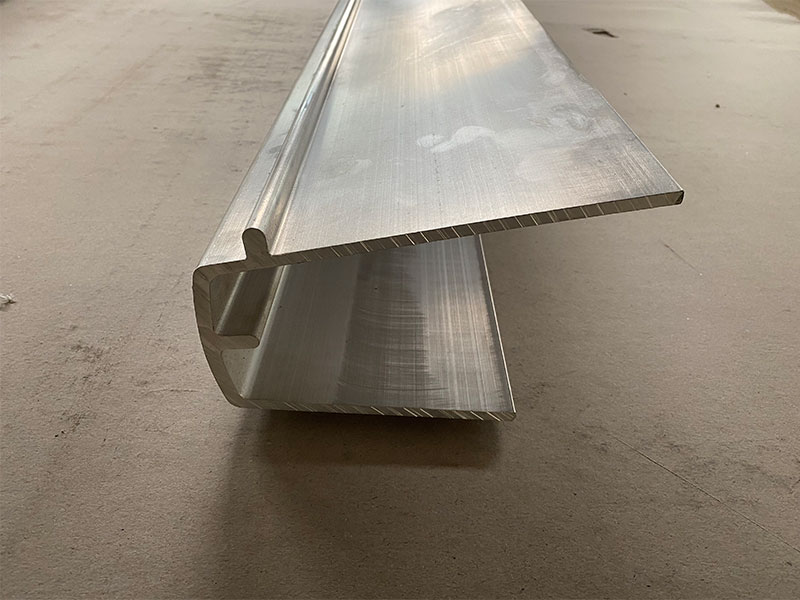
5052 Marine Aluminum Fencing and Railings for Heavy Duty Marine Platform Barriers
5052 marine aluminum fencing and railings are widely used for offshore platforms, docks, harbors, gangways, and coastal industrial barriers where corrosion resistance, low maintenance, and structural reliability are critical.
View Details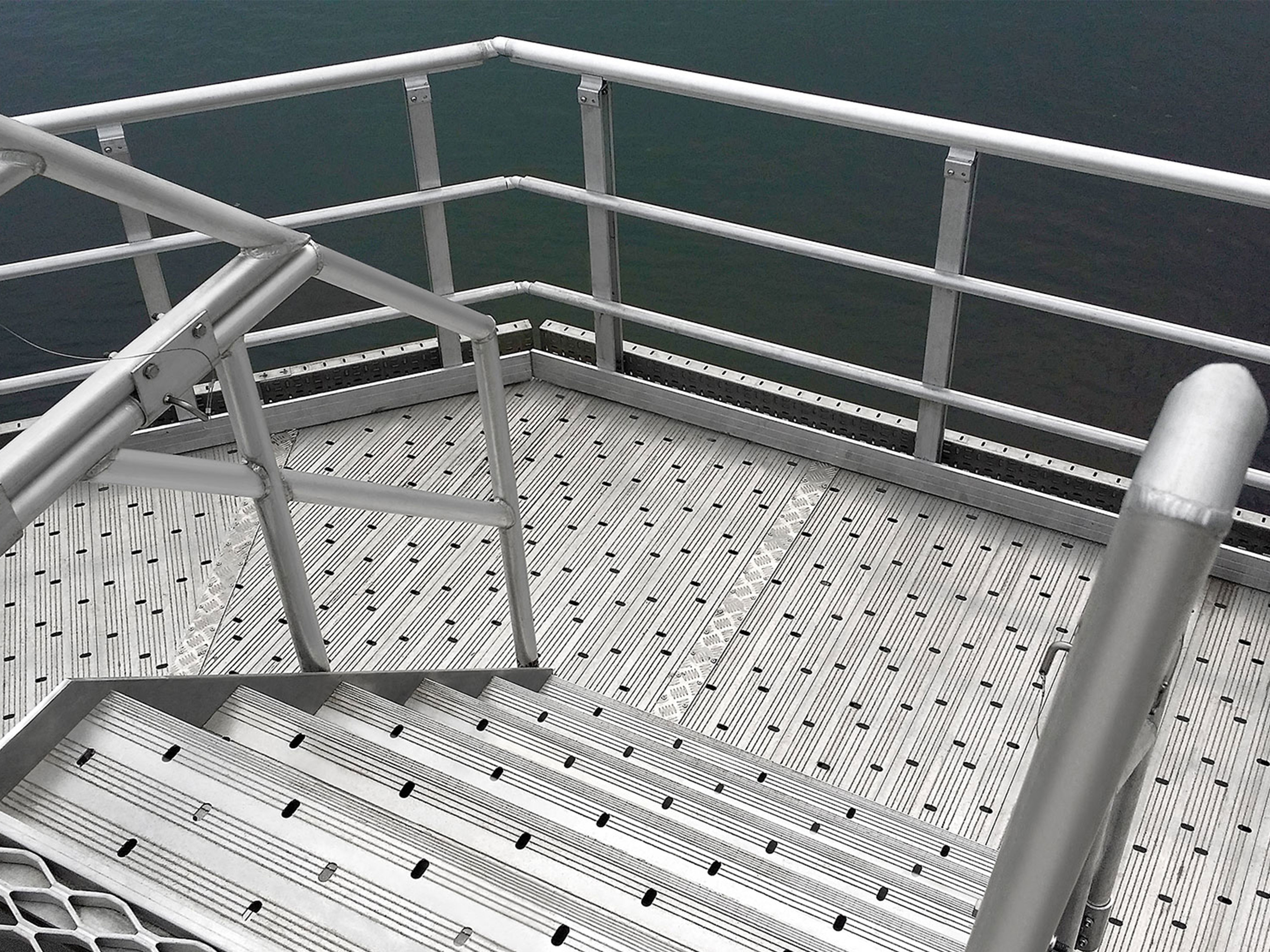
Marine Aluminum Fencing and Railings for Durable Boat Deck Guardrails
OverviewMarine aluminum fencing and railings are purpose-designed alloy systems used for guardrails, handrails, stanchions, and safety barriers on boats, docks, marinas, and waterfront properties.
View Details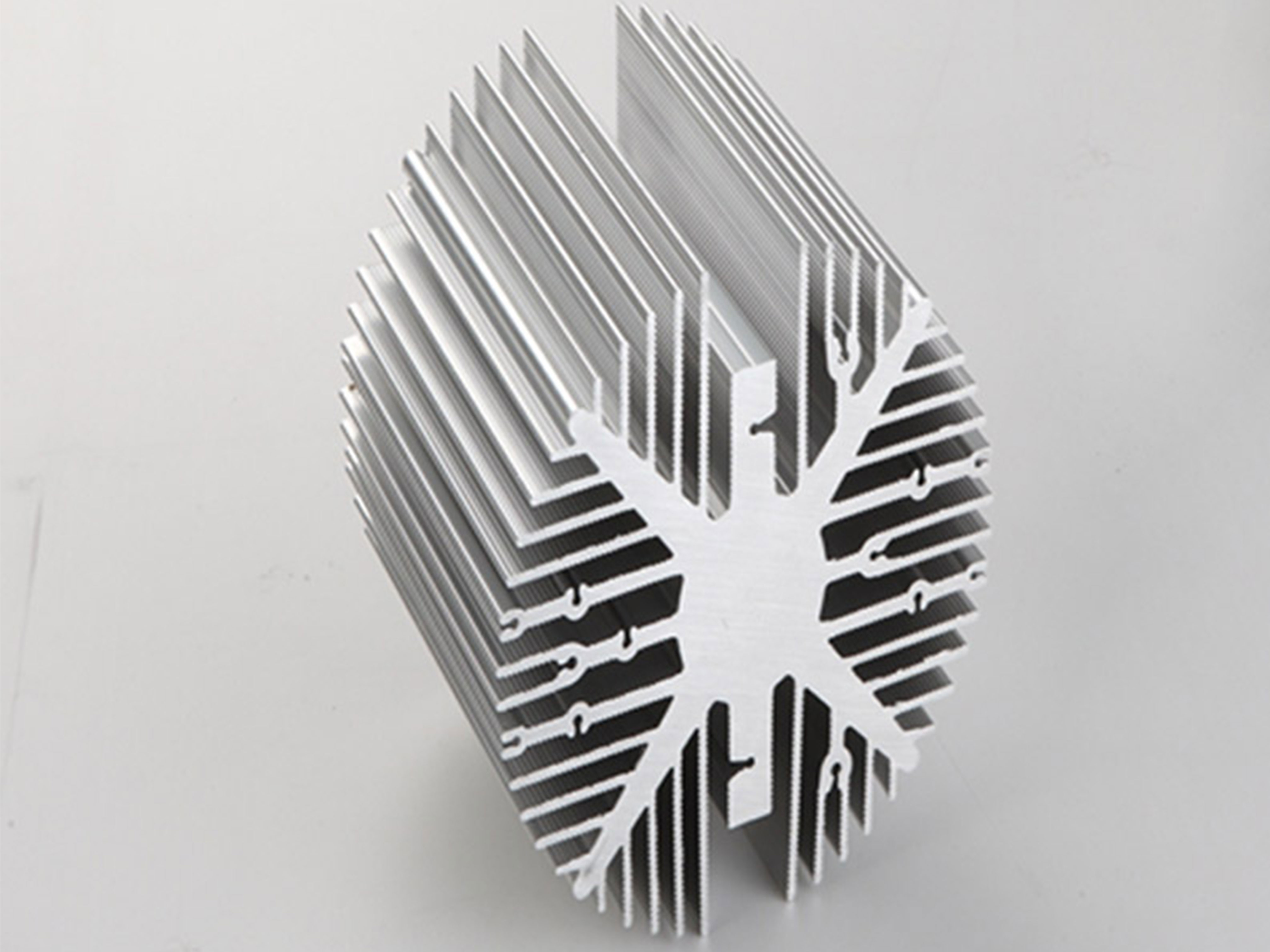
5052 Marine Aluminum Customized Shapes for High Strength Offshore Platforms
Superior qualities of 5052 Marine Aluminum, a high-strength material ideal for customized shapes used in offshore platforms. Learn about its key features, applications, and technical specifications.
View Details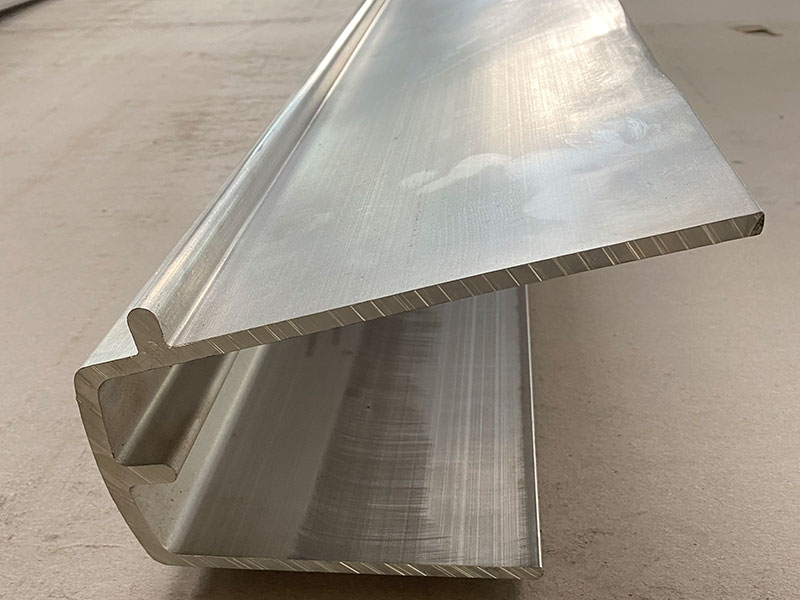
5052 Marine Aluminum Fencing and Railings for High Performance Coastal Guardrails
As we push the boundaries of engineering and architecture in coastal environments, 5052 marine aluminum fencing and railings is know as a notable solution. Functioning not only as an elegant aesthetic feature but also ensuring safety and durability.
View Details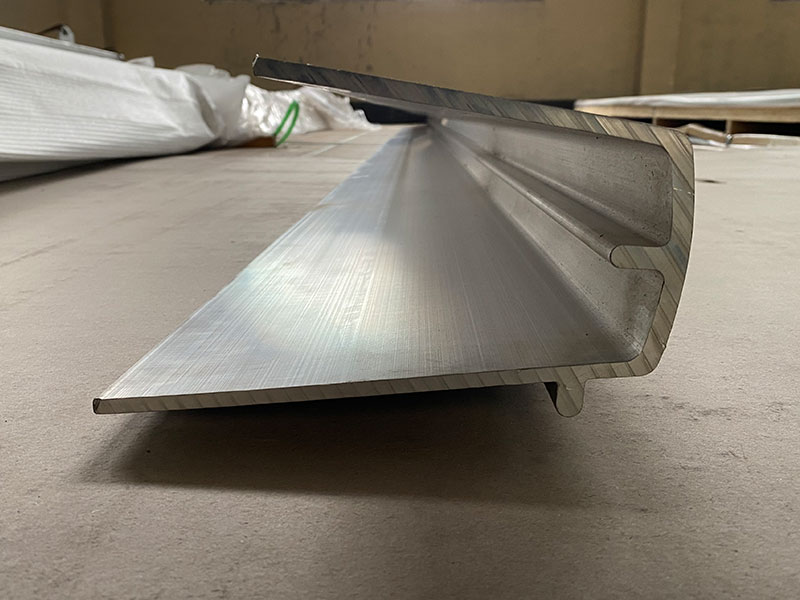
5052 Marine Aluminum Fencing and Railings for Custom Marine Deck Safety
When it comes to designing secure and durable marine environments, choosing the right material for fencing and railings is key. Among the most popular choices today is 5052 marine aluminum, which is well-regarded in the shipbuilding.
View Details
5052 Marine Aluminum Customized Shapes for High Strength Marine Engineering Components
Aluminum has emerged as a crucial material in marine engineering due to its combination of lightweight, corrosion resistance, and high strength. The 5052 alloy series, particularly, provides an excellent solution for challenging marine environments.
View Details
Leave a Message