
6061 Marine Aluminum Heat Sink Profile for Lightweight Boat Engine Heat Dissipation
Modern marine propulsion systems-whether compact outboards, inboard auxiliaries, electric drives, or hybrid gensets-are increasingly power-dense. That pushes more thermal load into smaller spaces, often with limited airflow and constant exposure to moisture, salt spray, and vibration. A 6061 Marine aluminum heat sink profile is purpose-built for this environment: it combines high thermal conductivity, excellent corrosion resistance after proper finishing, and strong mechanical stability in a lightweight extruded form that integrates cleanly into marine engine bays.
What the Product Is
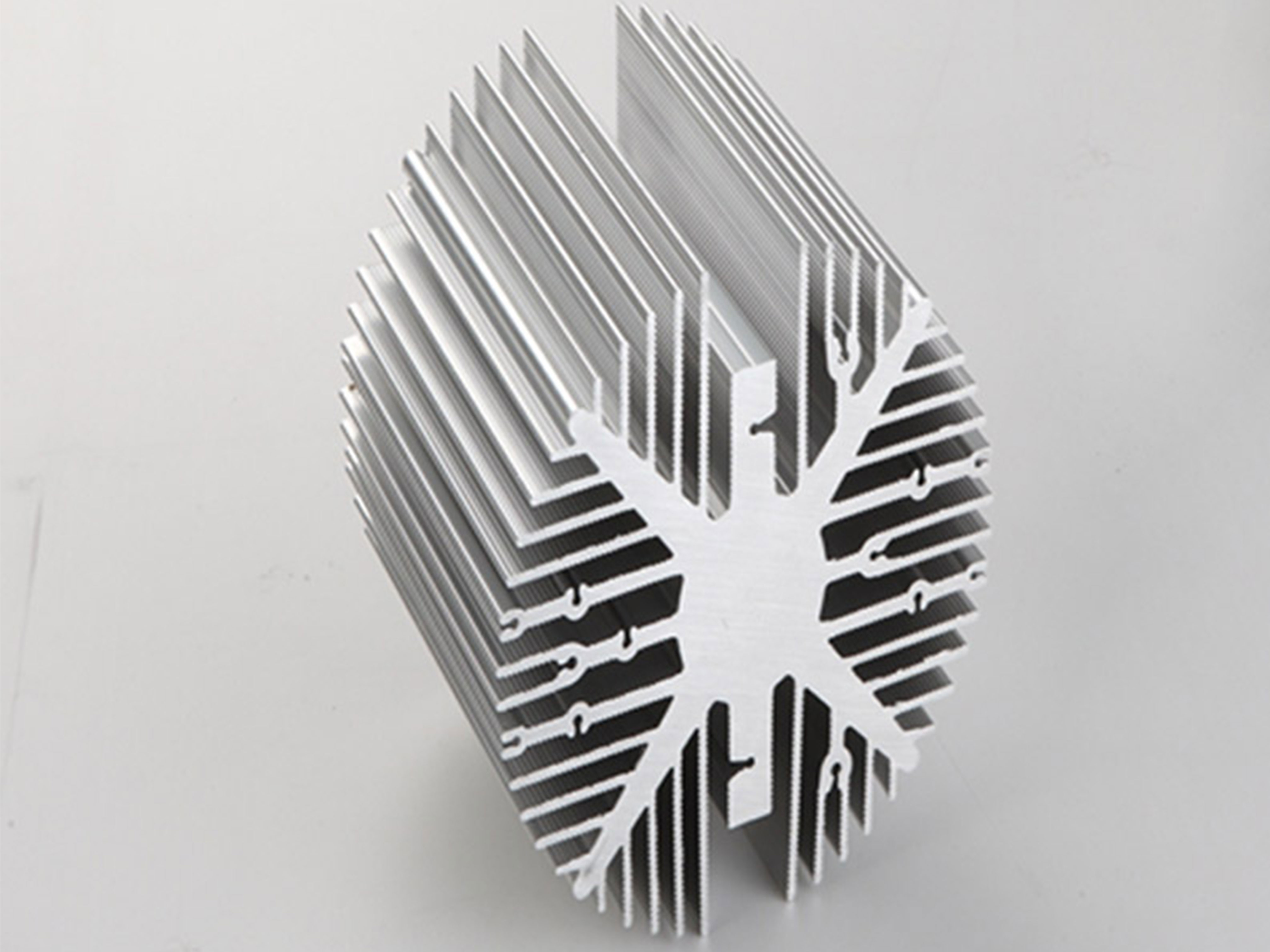
A 6061 Marine aluminum heat sink profile is typically an extruded aluminum section featuring fins (straight, tapered, or pin-like via secondary operations) designed to increase surface area and accelerate heat transfer to air or to a liquid-cooled interface plate. Unlike generic heatsinks, marine-oriented profiles emphasize:
- Salt-environment durability (finish-ready, corrosion-aware design)
- High stiffness-to-weight for vibration and shock
- Machinability for mounting holes, channels, sensor pockets, and mating faces
- Consistent extrusion quality for repeatable thermal performance
Features (Why 6061 Works in Marine Thermal Hardware)
1) Balanced Thermal Performance + Structural Strength
6061 does not chase maximum thermal conductivity at the expense of strength. Instead, it offers a robust mid-to-high conductivity level paired with excellent mechanical properties in T6/T651 tempers-ideal when the heat sink also serves as a mounting bracket, protective frame, or structural plate.
2) Extrudability for Complex Fin Profiles
Extrusion enables long, continuous fin sections with controlled fin spacing and thickness. This matters in marine compartments where airflow paths are constrained; you can tailor fin geometry to the actual cooling regime rather than forcing a "one-size-fits-all" block.
3) Corrosion Resistance (with the Right Finish Strategy)
6061 has good base corrosion resistance; in marine environments, performance depends heavily on surface preparation, coating choice, drainage design, and galvanic isolation. With marine-grade anodizing or conversion coating and proper fastener selection, 6061 profiles perform reliably in splash and salt-laden air.
4) Machining-Friendly for Integration
Common marine engine systems require custom features: mounting bosses, threaded inserts, o-ring grooves, hose fittings, sensor ports, and flatness-controlled mating faces. 6061 machines cleanly and predictably, helping maintain thermal interface quality and dimensional control.
Typical Applications in Boats and Marine Propulsion
- Outboard ECU / inverter heat sinks (air-cooled or forced-air)
- Electric motor controllers and DC/DC converters in EV/hybrid boats
- Battery management system (BMS) thermal spreaders
- Engine bay power electronics and relay assemblies
- LED navigation light thermal backbones on aluminum superstructures
- Heat dissipating mounting rails for sensors, radars, and comms electronics
- Compact auxiliary generator rectifier/AVR cooling plates
Alloy Chemistry (6061) - Chemical Composition
6061 is an Al-Mg-Si alloy with small additions for strength and control. Values below represent typical limits (check procurement standard for your exact purchase spec).
| Element | Typical Range (wt.%) | Role in Performance |
|---|---|---|
| Aluminum (Al) | Balance | Base metal; low density, good conductivity |
| Magnesium (Mg) | 0.80 – 1.20 | Strengthening (Mg2Si), improves response to heat treatment |
| Silicon (Si) | 0.40 – 0.80 | Works with Mg for precipitation hardening; helps extrudability |
| Copper (Cu) | 0.15 – 0.40 | Increases strength; must be managed for corrosion considerations |
| Chromium (Cr) | 0.04 – 0.35 | Grain structure control; improves toughness and corrosion behavior |
| Iron (Fe) | 0.00 – 0.70 | Impurity limit; excess may reduce ductility |
| Manganese (Mn) | 0.00 – 0.15 | Secondary strengthening; structure control |
| Zinc (Zn) | 0.00 – 0.25 | Impurity limit; affects corrosion if excessive |
| Titanium (Ti) | 0.00 – 0.15 | Grain refiner; improves extrusion quality |
Mechanical & Physical Properties (Typical for 6061-T6 / T651)
These values guide design choices-especially when the heat sink doubles as a structural component or mounting interface.
| Property | Typical Value | Design Relevance |
|---|---|---|
| Density | ~2.70 g/cm³ | Lightweight compared with steels/coppers |
| Thermal Conductivity | ~167 W/m·K | Efficient heat spreading and fin performance |
| Electrical Conductivity | ~40 % IACS | Useful for grounding strategies (with corrosion planning) |
| Elastic Modulus | ~69 GPa | Maintains flatness at bolt loads; resists vibration |
| Ultimate Tensile Strength | ~290 MPa | Durable under shock and mounting stresses |
| Yield Strength | ~240 MPa | Supports threaded features, clamping loads |
| Elongation | ~8–12% | Helps resist cracking in service |
| Brinell Hardness | ~95 HB | Good wear resistance for mounting surfaces |
Note: Properties vary with temper, section thickness, extrusion quality, and thermal exposure in service.
Technical Specifications (Product-Oriented, Typical Ranges)
The following table provides practical specification ranges commonly used for marine heat sink profiles. Final values should match your drawing and validation plan.
| Parameter | Typical Specification | Notes |
|---|---|---|
| Alloy / Temper | 6061-T6 or 6061-T651 | T651 helps reduce residual stress for machining stability |
| Manufacturing | Extruded profile + CNC finish | Enables long lengths with repeatable fin geometry |
| Length Supply | Cut-to-length (e.g., 0.3–3.0 m) | Longer lengths available; shipping/handling considered |
| Fin Thickness | ~1.0–3.0 mm | Balance between surface area and fin efficiency |
| Fin Height | ~10–60 mm | Chosen based on airflow and space limits |
| Base Thickness | ~4–20 mm | Supports spreading + threaded features |
| Flatness (mating face) | Per drawing (often ≤0.10–0.30 mm) | Critical for thermal interface resistance |
| Surface Finish Options | Mill, anodized, conversion coat, powder coat | Marine exposure typically benefits from anodize or conversion coat |
| Color (optional) | Natural/black anodized | Black improves radiation; main benefit is durability |
| Machining Features | Holes, slots, threads, pockets | For controllers, clamps, brackets, sensor ports |
| Corrosion Design | Isolation hardware, drainage, sealed interfaces | Prevent galvanic couples and stagnant saltwater traps |
Performance: What Customers Gain
Faster Heat Rejection, Lower Electronics Stress
Heat is a reliability killer for marine electronics. A properly sized 6061 fin profile reduces hotspot temperature and slows thermal cycling, helping protect:
- MOSFETs/IGBTs in inverters and motor drives
- Rectifiers, regulators, and chargers
- Engine control modules and ignition components
Lightweight Without Compromising Rigidity
Compared with copper solutions, 6061 delivers dramatic weight savings, reducing mounting loads and vibration-induced fatigue-especially important on high-RPM outboards and foiling craft.
Design Flexibility and Easy Integration
Extrusions are inherently modular. You can scale performance by adjusting:
- Fin count and spacing (airflow vs surface area)
- Base thickness (spreading + stiffness)
- Mounting features (thread depth, inserts, isolation bushings)
Marine-Specific Design Considerations (Practical Guidance)
| Challenge | Recommended Practice | Benefit |
|---|---|---|
| Salt corrosion | Anodize or conversion coat + seal edges | Longer life in splash/salt air |
| Galvanic coupling | Use isolating washers, choose fasteners carefully, avoid direct Cu contact | Prevents accelerated pitting |
| Water trapping | Add drainage paths; avoid blind crevices | Reduces crevice corrosion risk |
| Thermal interface | Flatness control + appropriate TIM (pad/grease) | Lower thermal resistance, stable performance |
| Vibration | Use ribbing/base thickness; apply thread-lock strategy | Prevents loosening and fretting |
Typical Use Cases (Realistic Scenarios)
Outboard Inverter Cooling Rail
A long extruded profile mounted to a bulkhead with forced airflow from the engine cowl fan. The base includes threaded holes for the inverter and a flat reference face for consistent TIM compression.Hybrid Boat DC/DC Converter Plate
A compact fin profile acting as both heat sink and structural mount, with anodized finish and galvanic isolation hardware to protect against stainless fastener couples.Engine Bay Electronics "Thermal Backbone"
One profile used to mount multiple modules-reducing wiring clutter, improving service access, and equalizing temperature across devices.
Why This 6061 Heat Sink Profile Is a Strong Value
- Marine-ready durability with appropriate finishing and design practices
- Excellent thermal performance per unit weight for power-dense systems
- Extruded consistency for scalable manufacturing and repeatable results
- Machinable and configurable for real boat layouts and mounting constraints

Related Products
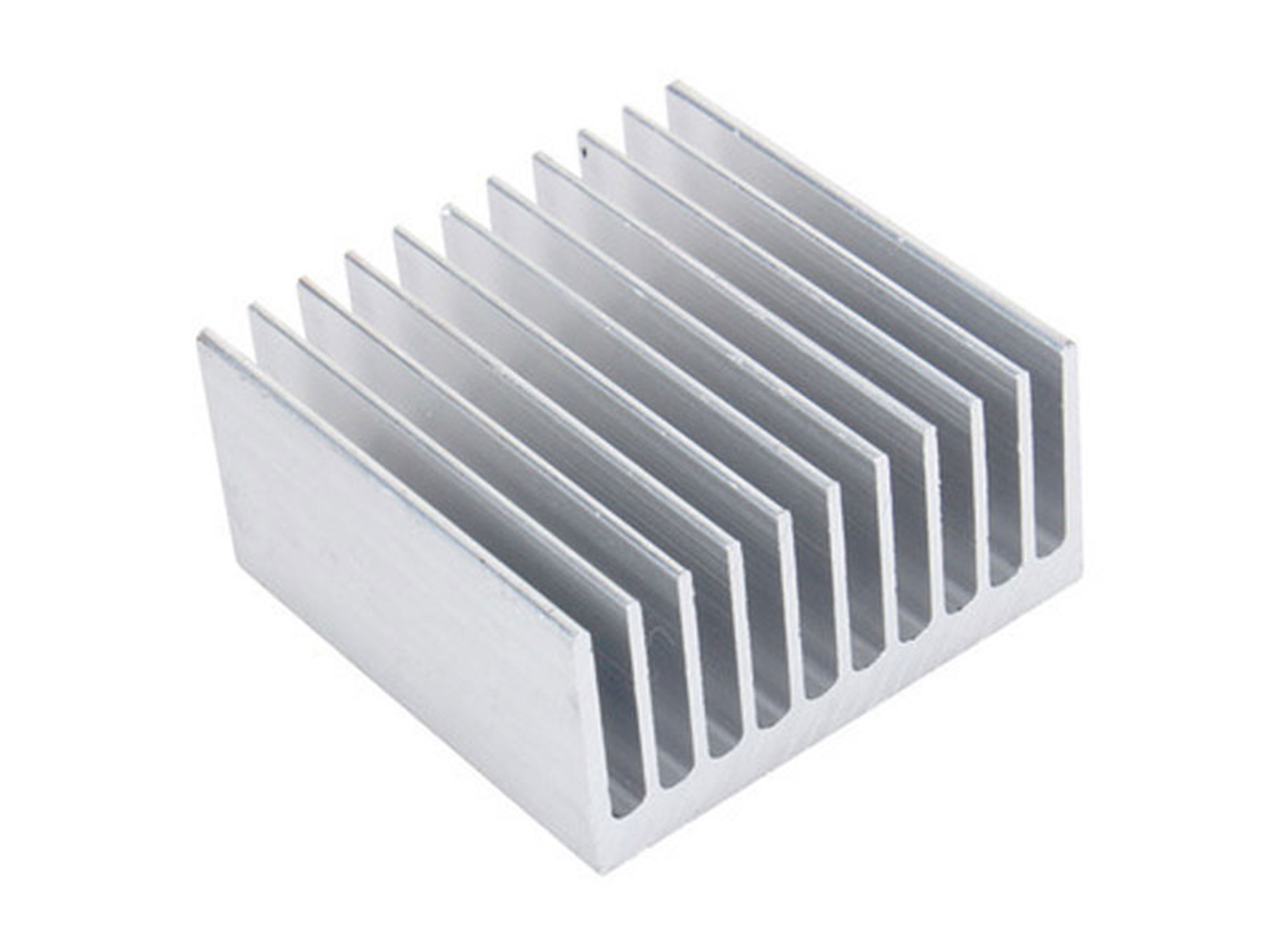
Marine aluminum heat sink profile
Marine Grade Aluminum Heat Sink Profiles utilize alloys such as 6061 and 6063 that not only exhibit high thermal conductivity but also possess excellent corrosion resistance required for saltwater exposure.
View Details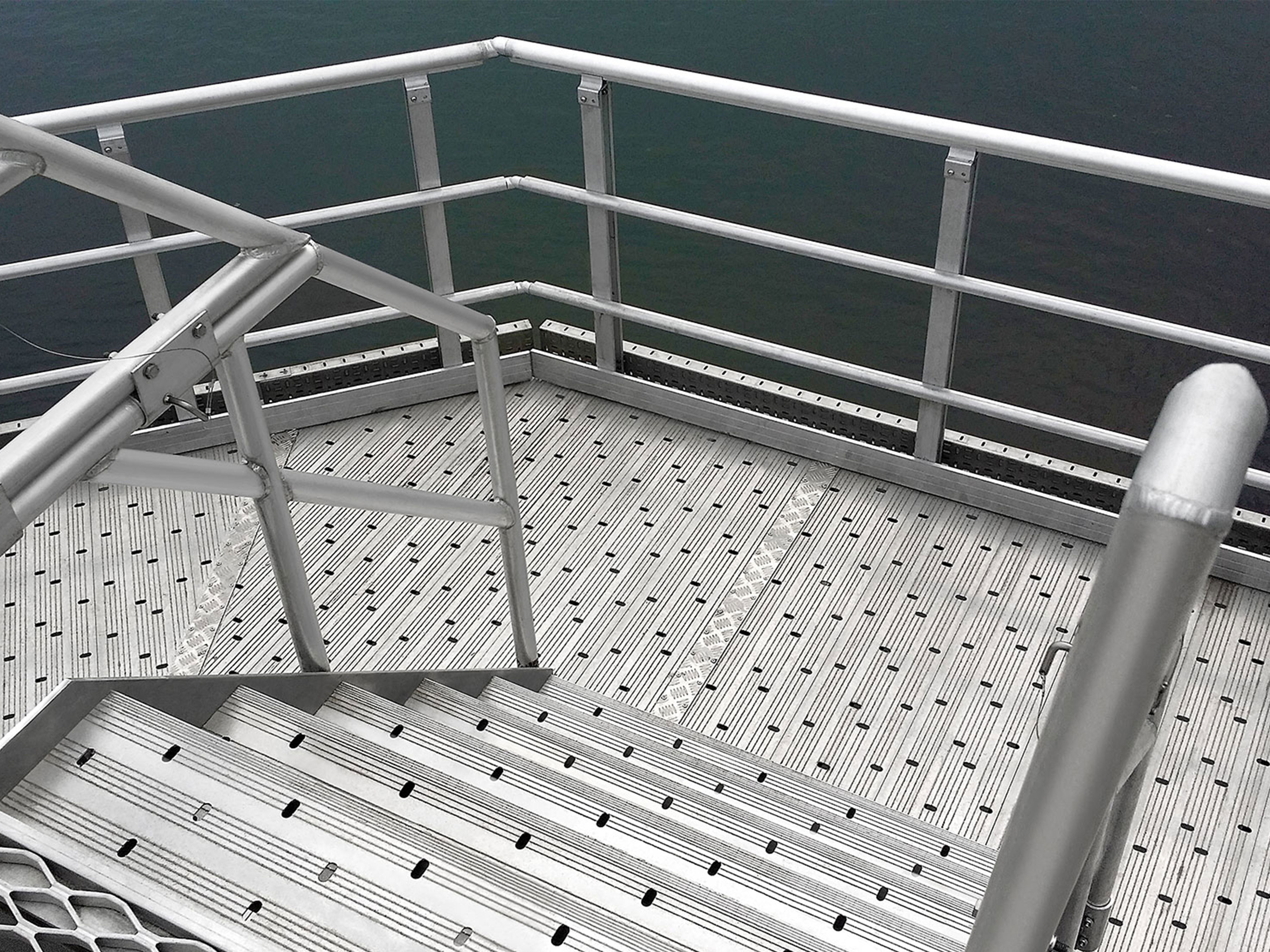
Marine aluminum customized shapes
Marine Grade Aluminum Customized Shapes encompass a broad range of aluminum extrusions and fabrications engineered beyond standard profiles—such as channels, angles, tubes, and beams—into complex, project-specific geometries.
View Details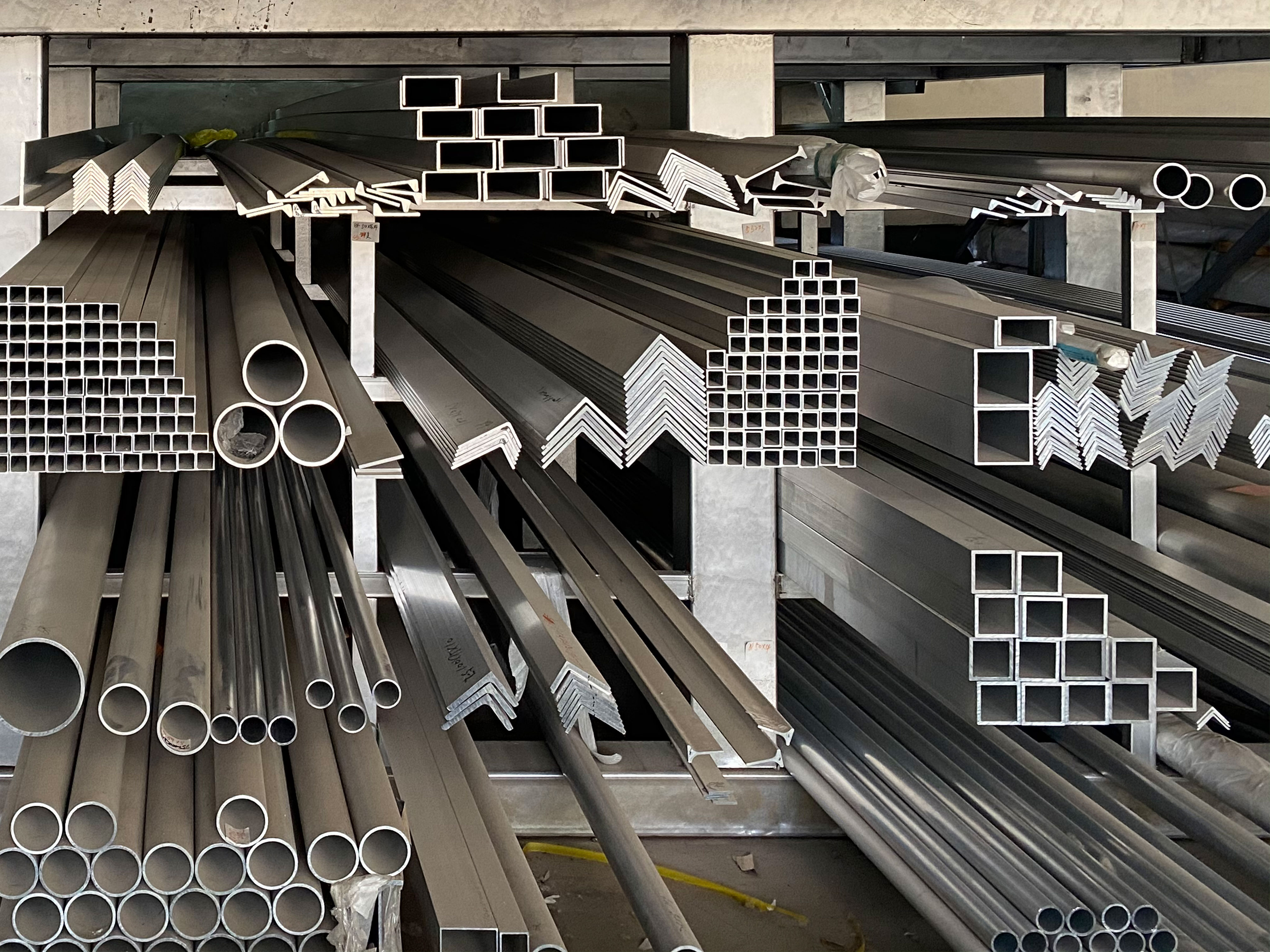
Marine aluminum fencing and railings
Marine Grade Aluminum Fencing and Railings are fabricated using marine-grade aluminum alloys such as 5083, 5052, and 6061, which are engineered specifically for protection against saltwater corrosion and marine atmospheric conditions.
View DetailsRelated Blog
6061 Marine Aluminum Customized Shapes for Lightweight Offshore Deck Solutions
In the realm of offshore engineering, performance materials dramatically impact the longevity, safety, and efficiency of marine structures. 6061 Marine Aluminum alloys, particularly when fabricated into customized shapes.
View Details
6061 Marine Aluminum Customized Shapes for Lightweight Offshore Platform Design
Explore how 6061 marine aluminum customized shapes offer superior strength, corrosion resistance, and lightweight characteristics essential for innovative offshore platform design, enabling robust and efficient marine structures.
View Details
6061 Marine Aluminum Heat Sink Profile for Coastal Ship Electronics Cooling
Coastal vessels run electronics in some of the harshest everyday environments: salt-laden air, high humidity, frequent temperature swings, and continuous vibration.
View Details
6061 Marine Aluminum Customized Shapes for Durable Boat and Vessel Frames
Marine environments demand materials that can withstand harsh conditions such as saltwater corrosion, constant exposure to moisture, and mechanical stress. Among a variety of aluminum alloys.
View Details
6061 Marine Aluminum Fencing and Railings for Custom Coastal Deck and Barrier Solutions
6061 marine aluminum fencing and railings offer a smart balance of corrosion resistance, strength, clean appearance, and fabrication flexibility for coastal decks, docks, walkways, balconies, pool surrounds, and perimeter barriers.
View Details
6061 Marine Aluminum Customized Shapes for Saltwater Resistant Marine Equipment Design
In the maritime industry, the durability and performance of vessels and related equipment are non-negotiable. Among the numerous materials utilized, 6061 marine aluminum has continually proven to be a premier choice.
View Details
Leave a Message