
Marine Aluminum Round Bar for Custom Shipbuilding and Repair Parts
Marine Aluminum Round Bar for Custom Shipbuilding and Repair Parts
Marine aluminum round bar has become one of the most strategic materials in modern shipyards, especially where custom machining, rapid repair, and lightweight strength matter more than ever. Instead of thinking of it as just “metal stock,” it is more accurate to treat marine aluminum round bar as a modular performance platform: a shape that can be designed, cut, machined, welded, and finished to solve a wide range of challenges above and below the waterline.
From precision shafts to high-load fittings, this simple cylindrical form is the starting point for many of the most critical custom parts in ships, workboats, offshore structures, and marine equipment.
Why round bar is the preferred form for custom marine parts
Flat plates and extrusions are ideal for hulls and large structures. Round bars, however, are made for components that rotate, resist torsion, or experience complex loading. The circular cross-section distributes stress evenly, making it ideal for:
- Propeller and pump shafts
- Steering and rudder linkages
- Clevis pins and hinge pins
- Fairlead rollers, sheaves, and guide rollers
- Custom bushings, sleeves, and spacers
- Mast fittings, rail bases, and structural connectors
In custom shipbuilding and refit projects, engineers often start with standardized marine aluminum round bars, then machine them into precision shapes tailored to the vessel’s design and operating environment. This approach minimizes lead time and cost while preserving the material’s mechanical integrity.
Function under marine conditions: beyond simple corrosion resistance
Marine aluminum round bar is often described simply as “corrosion resistant,” but its function at sea is more layered.
From a distinctive technical viewpoint, the round bar is essentially a controlled microstructure balanced between three competing needs:
- High yield strength for static and dynamic loads
- Adequate ductility to absorb impact and vibration
- Stable, self-healing oxide layer for long-term corrosion protection
In seawater, aluminum rapidly forms a thin, adherent oxide film that slows further attack. In the right alloys and tempers, this protective layer stands up to chlorides, wave impact, cyclic loading, and temperature swings. Proper alloy chemistry and heat treatment tune this behavior: too soft and the bar deforms under load; too hard and weldability and toughness can be compromised.
Common marine aluminum alloys for round bar
While exact choices depend on class rules and design requirements, some alloy families dominate marine usage:
- 5xxx series (Al-Mg): Excellent corrosion resistance, non-heat-treatable, good weldability. Typical for structural and non-rotating components, pins, fittings, and brackets.
- 6xxx series (Al-Mg-Si): Medium-to-high strength, heat-treatable, good machinability. Common for precision-machined components and structural connectors.
- 7xxx series (Al-Zn-Mg-Cu): Very high strength, but usually reserved for specific high-load parts and non-welded components due to more demanding corrosion and stress-corrosion behavior.
For many shipbuilding applications, 5083, 5086, 5456, 6061, and 6082 round bars are especially popular.
Typical implementations and standards in shipbuilding
Marine aluminum round bars are usually produced and certified to recognized international standards so that shipyards and classification societies can trust their performance:
- Chemical composition and mechanical properties often follow standards such as:
- ASTM B211 / B221 (aluminum and aluminum-alloy bars, rods, profiles)
- EN 573 (chemical composition) and EN 755 (mechanical properties and tolerances)
- Marine and offshore rules refer to standards or approvals from:
- DNV, ABS, LR, BV and other classification societies
- ISO standards for marine structures and fasteners
For custom shipbuilding or repair, suppliers can provide mill certificates (MTC) confirming alloy, temper, heat number, test results, and compliance with relevant marine standards. This traceability is crucial when replacing critical components like steering pins, crane shafts, or lifting points.
Alloy tempering: tuning the bar to the job
The same alloy can behave very differently depending on temper. Temper describes the combination of cold work and heat treatment applied to the bar. In practice, this lets designers “dial in” performance for each part:
- O temper (annealed): Soft, very ductile, easy to form, often used where heavy forming or bending is required before final loading is applied.
- H tempers (strain-hardened, for 5xxx): For example H112, H116, H321. These boost strength through controlled cold work and thermal stabilization, while preserving good corrosion resistance and weldability — popular for marine structural parts.
- T tempers (thermally treated, for 6xxx and similar): Such as T4, T5, T6, T651.
- T6 / T651 are widely used for 6061 and 6082 round bars where high strength, good machinability, and good dimensional stability are needed.
- Stress-relieved tempers (like T651) are ideal for precision-machined marine parts that must hold tight tolerances.
Choosing the right temper is often the difference between a part that works for one season and one that performs reliably for years.
Dimensional parameters and tolerances
Marine aluminum round bars are available in a broad size range to support both heavy structure and fine detail:
- Typical diameters: from about 6 mm up to 400 mm or larger, depending on alloy and mill capability
- Standard lengths: usually 3 m, 4 m, 6 m, or custom cut-to-length
- Dimensional tolerances: defined by EN 755 or ASTM B211/B221, covering:
- Diameter deviation
- Straightness
- Out-of-roundness
For shafting, pins, and precision mechanical assemblies, tighter tolerances can be specified, or bars can be centerless ground or turned to achieve highly accurate diameters and surface finishes suited for bearings or seals.
Chemical composition: the foundation of marine performance
Below is an example of typical chemical compositions for several common marine aluminum alloys used in round bars. Actual values can vary within specification limits and by producer, but this gives a representative snapshot:
| Alloy | Si | Fe | Cu | Mn | Mg | Cr | Zn | Ti | Others (each/total) | Al |
|---|---|---|---|---|---|---|---|---|---|---|
| 5083 | ≤0.40 | ≤0.40 | ≤0.10 | 0.40–1.0 | 4.0–4.9 | 0.05–0.25 | ≤0.25 | ≤0.15 | ≤0.05 / ≤0.15 | Balance |
| 5086 | ≤0.40 | ≤0.50 | ≤0.10 | 0.20–0.70 | 3.5–4.5 | 0.05–0.25 | ≤0.25 | ≤0.15 | ≤0.05 / ≤0.15 | Balance |
| 5456 | ≤0.25 | ≤0.40 | ≤0.20 | 0.50–1.0 | 4.7–5.5 | 0.05–0.20 | ≤0.25 | ≤0.20 | ≤0.05 / ≤0.15 | Balance |
| 6061 | 0.40–0.80 | ≤0.70 | 0.15–0.40 | ≤0.15 | 0.80–1.2 | 0.04–0.35 | ≤0.25 | ≤0.15 | ≤0.05 / ≤0.15 | Balance |
| 6082 | 0.70–1.30 | ≤0.50 | ≤0.10 | 0.40–1.0 | 0.60–1.2 | ≤0.25 | ≤0.20 | ≤0.10 | ≤0.05 / ≤0.15 | Balance |
These controlled chemistries are what give marine aluminum round bar its unique combination of strength, weldability, fatigue resistance, and corrosion behavior in seawater.
Typical applications in custom shipbuilding and repair
Because of its “machinability-to-performance” ratio, marine aluminum round bar shines wherever shipyards need to quickly convert stock material into custom parts:
Newbuild vessels
- Custom deck hardware: bollards, cleats, fairleads, rail posts, mast fittings
- Structural connectors: brackets, gusset pins, hinge pivots, couplers
- Mechanical systems: steering linkages, actuator rods, lightweight shafts
Refits and upgrades
- Replacement of corroded steel fittings with lighter, corrosion-resistant aluminum components
- Modernization of deck equipment and rigging attachments using stronger or lighter alloys
Emergency and scheduled repairs
- Fast machining of new pins, bushings, or roller cores directly from stock bar
- Onboard or dockside fabrication of temporary or permanent replacement parts when original OEM parts have long lead times
Using certified marine aluminum round bar lets shipyards restore functionality quickly while still complying with class and safety requirements.
Design and fabrication considerations
To fully exploit the potential of marine aluminum round bar:
- Match alloy and temper to environment and load: for constant seawater immersion and high load, 5xxx H tempers are often preferred; for precision machined components above the waterline, 6xxx T6/T651 is a common choice.
- Consider galvanic pairing: when aluminum parts interface with stainless steel or other metals, isolating washers, coatings, or sleeves reduce galvanic corrosion.
- Use marine-grade welding practice: compatible filler wire, proper pre-cleaning, and control of heat input maintain mechanical properties and corrosion resistance in welded areas.
- Protect high-wear surfaces: hard anodizing, sealing, or bushings can extend life in sliding, rotating, or abrasive environments.
Turning stock into solutions
For shipbuilders, designers, and repair yards, marine aluminum round bar is more than a commodity. It is a versatile engineering medium: predictable, certifiable, and highly adaptable. With the right alloy, temper, dimensions, and standards compliance, a single length of round bar can become multiple high-performance components that reduce weight, extend service life, and simplify maintenance across the vessel.
Selecting a reliable supplier of marine-grade aluminum round bar — with full chemical and mechanical certification, consistent tolerances, and expertise in marine applications — is the first step to turning that potential into safer, lighter, and more efficient ships.

Related Products
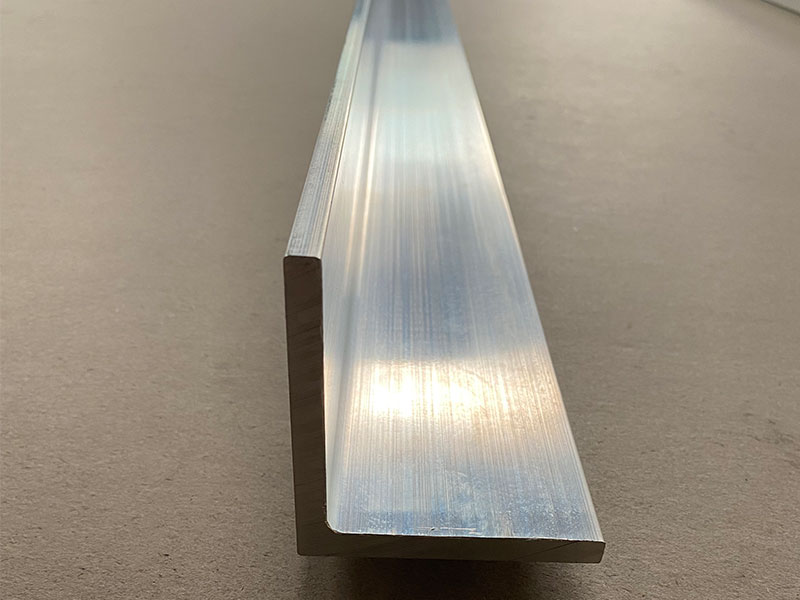
Marine aluminum angles
Marine Aluminum Angles are L-shaped cross-sectional aluminum profiles produced from marine-grade aluminum alloys such as 5083, 5052, and 6061.
View Details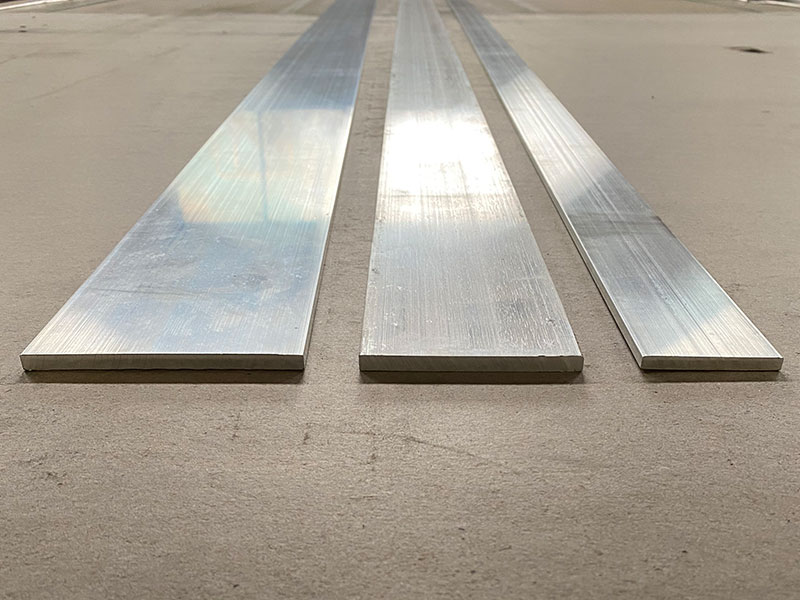
6061 T6 marine aluminum flat bar
6061 aluminum is classified as a heat-treatable 6xxx series alloy, alloyed primarily with magnesium and silicon. The T6 temper designation indicates that the flat bar has been solution heat-treated and artificially aged to achieve optimum strength and hardness.
View Details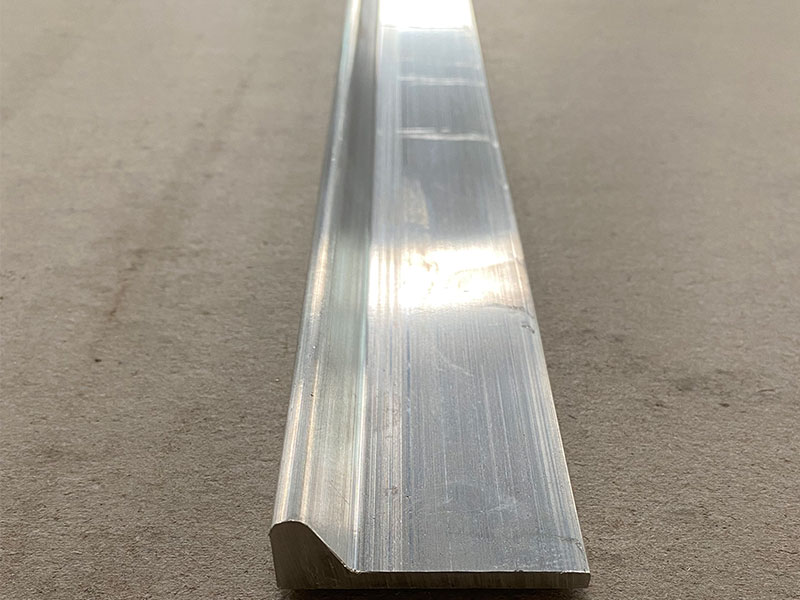
Marine aluminum I-beams
Marine Aluminum I-Beams feature the traditional “I” cross-sectional profile fabricated from marine-grade aluminum alloys like 5083, 5086, and 6061. These alloys are renowned for their outstanding corrosion resistance, especially in saltwater and marine atmospheres, making them ideal for offshore and naval construction.
View Details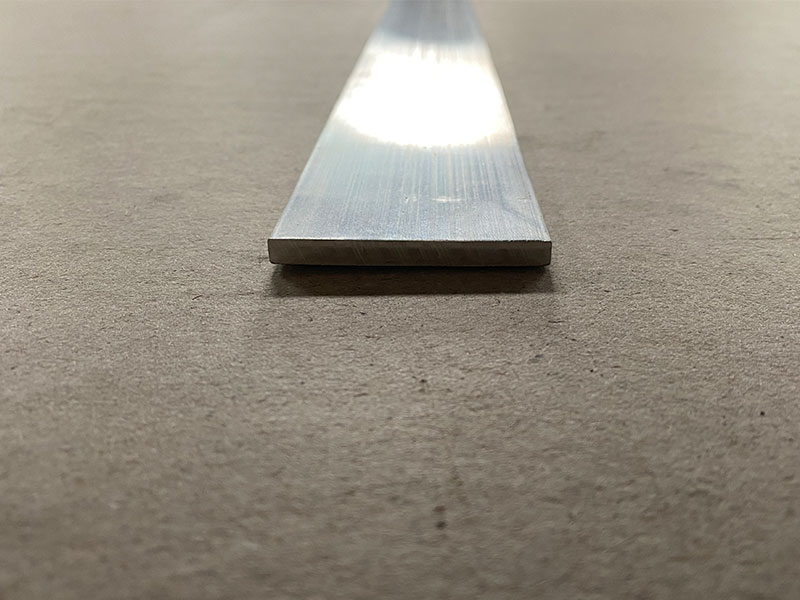
5083 marine aluminum flat bar
5083 aluminum flat bars belong to the 5xxx series of aluminum-magnesium alloys, known primarily for their superior resistance to seawater corrosion and salt spray.
View Details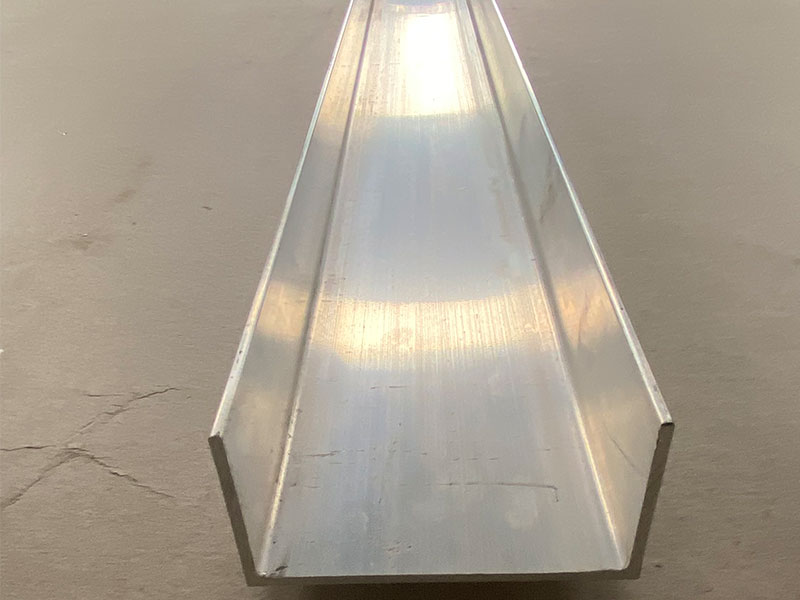
Marine aluminum channels
Marine Aluminum Channels are U-shaped aluminum profiles produced from alloys such as 5083, 5052, and 6061, known for their excellent marine corrosion resistance and superior mechanical strength.
View Details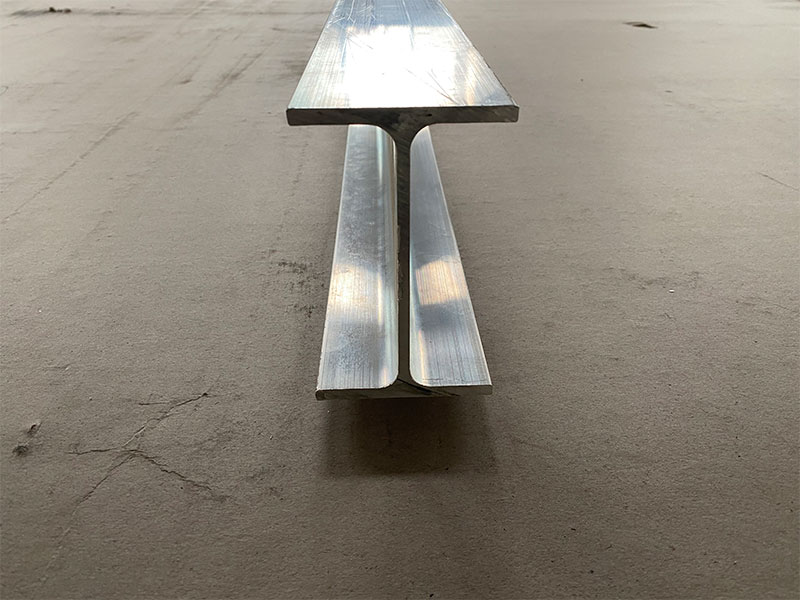
Marine aluminum Z-shaped sections
Marine Aluminum Z-shaped Sections are fabricated from premium marine-grade aluminum alloys such as 5083, 5052, and 6061. These alloys are well-regarded for their superior corrosion resistance in seawater and marine atmospheres, along with good mechanical strength and excellent weldability.
View DetailsRelated Blog
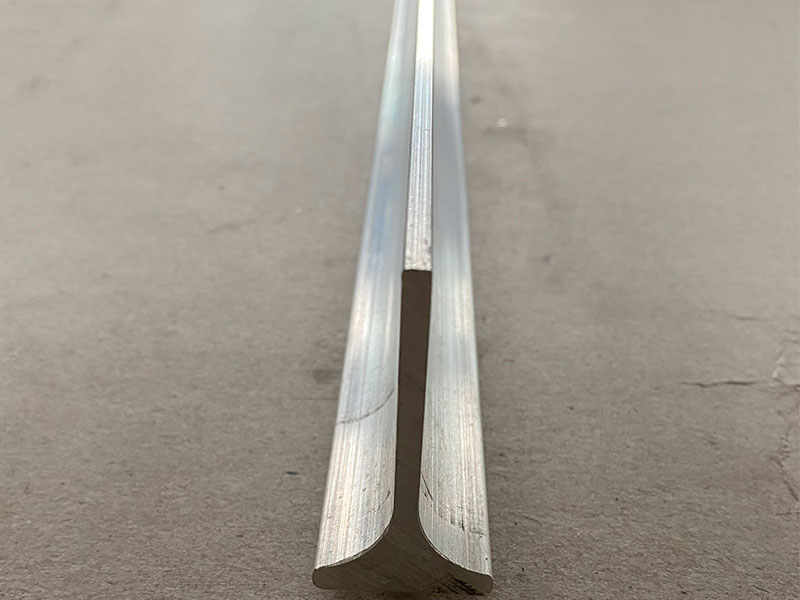
6061 Marine Aluminum Round Bar for Custom Marine Vessel Parts
When it comes to marine vessel construction and maintenance, the materials chosen play an integral part in their functionality, longevity, and structural integrity.
View Details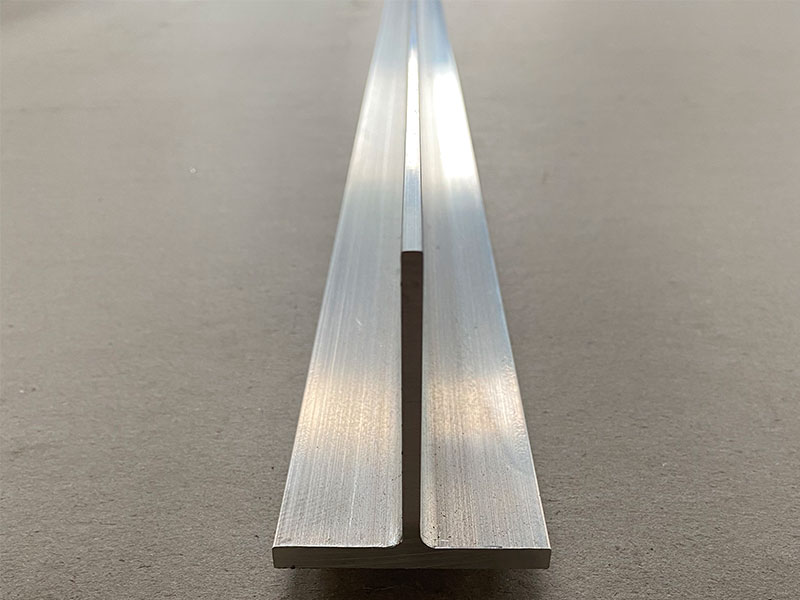
5083 Marine Aluminum Z Shaped Sections for Boat Frame and Hull Customization
When it comes to marine structures, the choice of materials is crucial for durability, performance, and safety. One material that consistently stands out in the maritime industry is 5083 marine aluminum.
View Details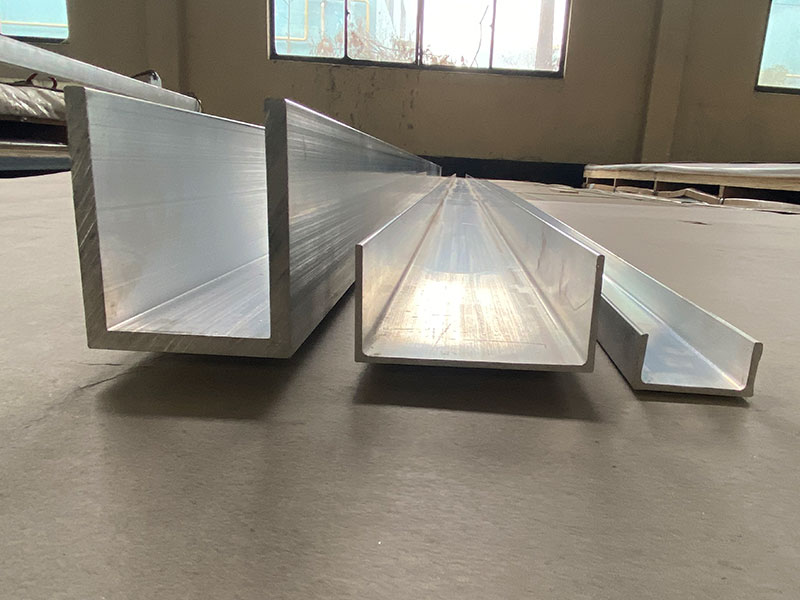
6061 Marine Aluminum I Beams for Marine Frame and Hull Customization
When it comes to marine applications, the selection of materials is critical. An imbalance can not only affect the aesthetics of a vessel but compromise its safety and functionality as well.
View Details
Marine Grade Aluminum Angle Circle 5083 5086 5383
Technical guide to marine grade aluminum angle and circle in 5083, 5086, 5383, covering standards, tempers, corrosion resistance, and uses.
View Details
5052 Marine Aluminum Angles for Heavy Duty Marine Applications
In the world of marine applications, the choice of materials can significantly influence performance and longevity. For heavy-duty usage, marine aluminum angles, particularly 5052 Marine Aluminum angles, come out as premier contenders.
View Details
5083 Marine Aluminum Round Bar for Lightweight Coastal Engineering
5083 Marine Aluminum Round Bar for Lightweight Coastal Engineering: When the "Bar" Becomes a Structural StrategyCoastal engineering is often discussed in terms of massive defenses-armor stone, thick steel piles, concrete caissons.
View Details
Leave a Message