
Marine Aluminum Tubes for Offshore Engineering Projects
Offshore engineering doesn't fail in one dramatic moment; it fails in tiny, repetitive conversations between metal, seawater, oxygen, temperature swings, vibration, and time. From that perspective, marine aluminum tubes are less like "components" and more like living conduits inside an offshore structure-breathing salt air, enduring wave-driven fatigue, and constantly negotiating corrosion chemistry at their surface.
This is where Marine Aluminum earns its reputation: not by resisting the ocean once, but by performing reliably through thousands of duty cycles. When specified correctly, marine-grade aluminum tubes bring a rare combination of low weight, high specific strength, corrosion resistance, and fabrication efficiency that offshore projects can convert directly into lower installation risk and better lifecycle economics.
Why Marine Aluminum Tubes Behave Differently Offshore
A tube offshore is rarely just a tube. It is a structural path, a fluid highway, a guard, a frame member, a cable route, a thermal bridge, and sometimes a corrosion battery waiting to happen. A distinctive way to spec marine aluminum is to stop thinking only in terms of tensile strength and start thinking in terms of surface stability.
In seawater, the winning strategy is not "being inert." The winning strategy is forming a stable, adherent oxide film and maintaining it even when scratched, welded, or exposed to crevices. Marine aluminum alloys do exactly that-especially the right 5xxx and 6xxx series choices-because their microstructures and alloying elements tend to favor protective oxide behavior and manageable corrosion modes.
Where Marine Aluminum Tubes Fit in Offshore Engineering
Marine aluminum tubes are commonly selected for offshore and nearshore assets such as:
- Topside structural frames where weight reduction improves stability margins and reduces lift demands
- Handrails, ladders, walkways, and safety cages exposed to splash zones
- ROV frames and housings where buoyancy and mass are mission-critical
- Heat exchanger shells, piping supports, cable conduit and instrument frames (with careful galvanic planning)
- Temporary offshore construction systems where fast handling and repeatability matter
The is to match alloy-temper-welding strategy to the service environment: immersion, splash, salt fog, or sheltered topsides.
Parameters That Offshore Designers Actually Use
For offshore engineering projects, tube parameters are not just dimensional; they're functional controls for fatigue, welding stability, and corrosion margin.
Commonly specified tube parameter ranges in marine aluminum supply (project-dependent):
- Outside diameter: typically from small instrumentation sizes to large structural tubes used in frames and guards
- Wall thickness: sized for buckling, dent resistance, and weld heat input tolerance
- Length: mill lengths or cut-to-length for modular offshore skids
- Straightness and ovality: critical for fit-up, automated welding, and load transfer
- Surface finish: influences crevice initiation, coating adhesion, and inspection reliability
- Heat treatment temper: governs strength, weld response, and corrosion behavior
- NDT/inspection: eddy current, UT, dye penetrant for weld areas as required by project QA plans
If you want a "distinctive viewpoint" that improves outcomes: treat ovality + weld design + coating system as a single combined parameter. A perfectly strong tube can still become a corrosion trap if ovality creates uneven crevices under clamps, saddles, or lined supports.
Alloy Selection: Offshore Isn't One Environment
Marine aluminum tubes for offshore engineering most often come from 5xxx (Al-Mg) and 6xxx (Al-Mg-Si) families.
5xxx series marine alloys (such as 5083, 5086, 5052)
These are valued for corrosion resistance and excellent performance in marine atmospheres and splash zones. They are non-heat-treatable and gain strength mainly by cold work (H tempers). They are often chosen where weld integrity and corrosion resistance are prioritized, and where designers can tolerate moderate-to-high strength without relying on post-weld heat treatment.
6xxx series marine-capable alloys (such as 6061, 6082)
These are heat-treatable and offer a strong balance of strength, machinability, and extrudability-excellent for complex tube profiles and consistent dimensional control. They are frequently used in frames, ladders, and structural assemblies. However, welding reduces strength in the heat-affected zone, so temper selection and joint design are central to performance.
A practical offshore insight is that the "best alloy" is often the one that keeps its promise after welding, not just in the mill certificate.
Tempering and Condition: What the Letters Mean Offshore
Temper isn't a paperwork detail; it's how the tube will behave after fabrication.
Typical temper conditions used for marine aluminum tubes:
- H116 / H321 (common for 5083 plate; sometimes seen in related product forms): optimized for marine corrosion resistance and stability in service; frequently referenced in marine applications for stress and exfoliation control
- H32 / H34 (common for 5052, 5086 in some forms): strain-hardened and partially annealed; good formability and corrosion resistance
- T6 (common for 6061/6082): solution heat-treated and artificially aged for high strength; welding locally reduces to lower strength
- T651 / T6511 (6061/6082 variants): stress-relieved versions that improve dimensional stability during machining and fabrication
For offshore tubular fabrications that require significant welding, it's often smarter to design around post-weld properties rather than base-metal T6 strength. That shift alone prevents many "meets spec on paper, underperforms in service" outcomes.
Implementation Standards and Offshore Compliance: Keeping Tubes "Inspectable"
Offshore projects are built under a web of standards. Marine aluminum tubes frequently appear under these commonly referenced frameworks, depending on region and asset type:
- ASTM B221 for extruded aluminum bars, rods, wire, profiles, and tubes (widely used for 6xxx extruded tubes)
- ASTM B210 / ASTM B241 (used for certain drawn/seamless tube requirements depending on product form)
- EN 755 (aluminum extrusions: dimensions, tolerances, mechanical properties)
- EN 573 / EN 485 (chemical composition and properties for wrought aluminum products, depending on form)
- DNV and ABS rules/guidance for marine/offshore structural design, materials, and fabrication practices
- ISO 12944 for coating systems in corrosive environments (relevant when aluminum is painted/anodized for offshore duty)
Implementation success offshore often comes down to traceability and inspection readiness: heat numbers, MTCs, PMI where specified, weld procedure qualification, and corrosion-protection documentation.
Corrosion: The Offshore "Chemistry Budget" You Can't Ignore
Offshore corrosion isn't only "rust." For aluminum, the concerns are different and often more subtle:
- Pitting and crevice corrosion in stagnant seawater zones or under clamps and deposits
- Galvanic corrosion when aluminum is coupled with stainless steel, carbon steel, or copper alloys in the presence of electrolyte
- Exfoliation and intergranular risks in certain alloys/conditions, especially if temper and environment are mismatched
- MIC influence is typically discussed more for steels, but deposits and oxygen gradients still matter for aluminum crevices
A distinctive but practical design lens is to treat aluminum tubes like a "surface-electrochemical system." Manage the surface, and you manage the project's maintenance hours.
prevention measures commonly adopted in offshore projects include isolating dissimilar metals, using compatible fasteners and washers, sealing crevices, choosing correct coating/anodizing, and ensuring drainage/venting so tubes do not become electrolyte reservoirs.
Welding and Fabrication: The Real Offshore Test
Marine aluminum tubes are attractive offshore because they are fast to fabricate, but welding must respect alloy behavior.
Common welding approaches:
- GMAW (MIG) for productivity on tubular structures
- GTAW (TIG) for controlled heat input and higher precision on smaller tubes or critical fit-up areas
Typical filler selection logic:
- For 5xxx base alloys, 5xxx fillers are often used to maintain corrosion resistance and strength balance
- For 6xxx base alloys, 4xxx or 5xxx fillers may be used depending on crack sensitivity, corrosion requirements, and strength targets
Heat input control, interpass temperature management, and joint prep are not "shop preferences" offshore-they directly affect distortion, crevice formation, and fatigue life.
Chemical Properties and Composition Table (Marine Aluminum Tube Alloys)
Below is a practical composition reference for widely used marine and marine-capable aluminum tube alloys. Values are typical maximum ranges per common standards; exact limits vary by specification and mill certification. Always confirm with the applicable ASTM/EN standard and the Mill Test Certificate for your project.
| Alloy | Si (%) | Fe (%) | Cu (%) | Mn (%) | Mg (%) | Cr (%) | Zn (%) | Ti (%) | Notes for Offshore Use |
|---|---|---|---|---|---|---|---|---|---|
| 5052 | 0.25 | 0.40 | 0.10 | 0.10 | 2.2–2.8 | 0.15–0.35 | 0.10 | 0.10 | Excellent general marine corrosion resistance; very formable; common in tube and sheet applications |
| 5083 | 0.40 | 0.40 | 0.10 | 0.40–1.0 | 4.0–4.9 | 0.05–0.25 | 0.25 | 0.15 | High strength among 5xxx; strong marine reputation in aggressive environments; widely used in ship/offshore structures (commonly in plate, also in some tube forms) |
| 5086 | 0.40 | 0.50 | 0.10 | 0.20–0.70 | 3.5–4.5 | 0.05–0.25 | 0.25 | 0.15 | Strong corrosion resistance; good weldability; favored for marine exposure and structural fabrications |
| 6061 | 0.40–0.80 | 0.70 | 0.15–0.40 | 0.15 | 0.80–1.2 | 0.04–0.35 | 0.25 | 0.15 | Versatile extruded tube alloy; strong in T6; post-weld strength reduction must be designed in |
| 6082 | 0.70–1.3 | 0.50 | 0.10 | 0.40–1.0 | 0.60–1.2 | 0.25 | 0.20 | 0.10 | Common in EN markets; good structural performance; excellent extrudability for tubes; corrosion behavior typically good when detailed properly |
If your offshore project has strict corrosion or classification requirements, alloy choice should be linked to service zone classification (immersion/splash/atmospheric), joining method, coating plan, and galvanic isolation strategy.
What Makes Marine Aluminum Tubes a "Project Accelerator"
A unique offshore advantage of marine aluminum tubes is not just weight reduction-it's installation and rework reduction. Lighter modules are easier to lift, align, and secure in difficult sea states. Tubular aluminum structures also enable clean routing of cables and lines, reducing snag points and improving inspection access.
When combined with good detailing-drainage holes, sealed interfaces, isolation from dissimilar metals, and realistic weld-strength assumptions-marine aluminum tubes become a system that tends to stay stable rather than degrade unpredictably.
Choosing the Right Marine Aluminum Tube: The Practical Offshore Checklist Without the Paperwork Feel
The most reliable offshore tube specification aligns these elements as one integrated decision:
- Exposure zone and expected wet/dry cycling
- Alloy family and temper appropriate to corrosion + fabrication
- Tube tolerances that prevent crevices and simplify fit-up
- Weld procedure consistent with post-weld property requirements
- Galvanic isolation strategy baked into clamp/fastener design
- Coating/anodizing strategy consistent with ISO 12944 environment and maintenance planning
- Documentation aligned with ASTM/EN supply standards and classification expectations
In offshore engineering, marine aluminum tubes succeed when designers treat them as a controlled interface between structure and sea. The "secret" isn't exotic metallurgy-it's disciplined selection of marine-grade alloy, correct temper, standards-based supply, and corrosion-aware detailing that respects how aluminum naturally protects itself.

Related Products
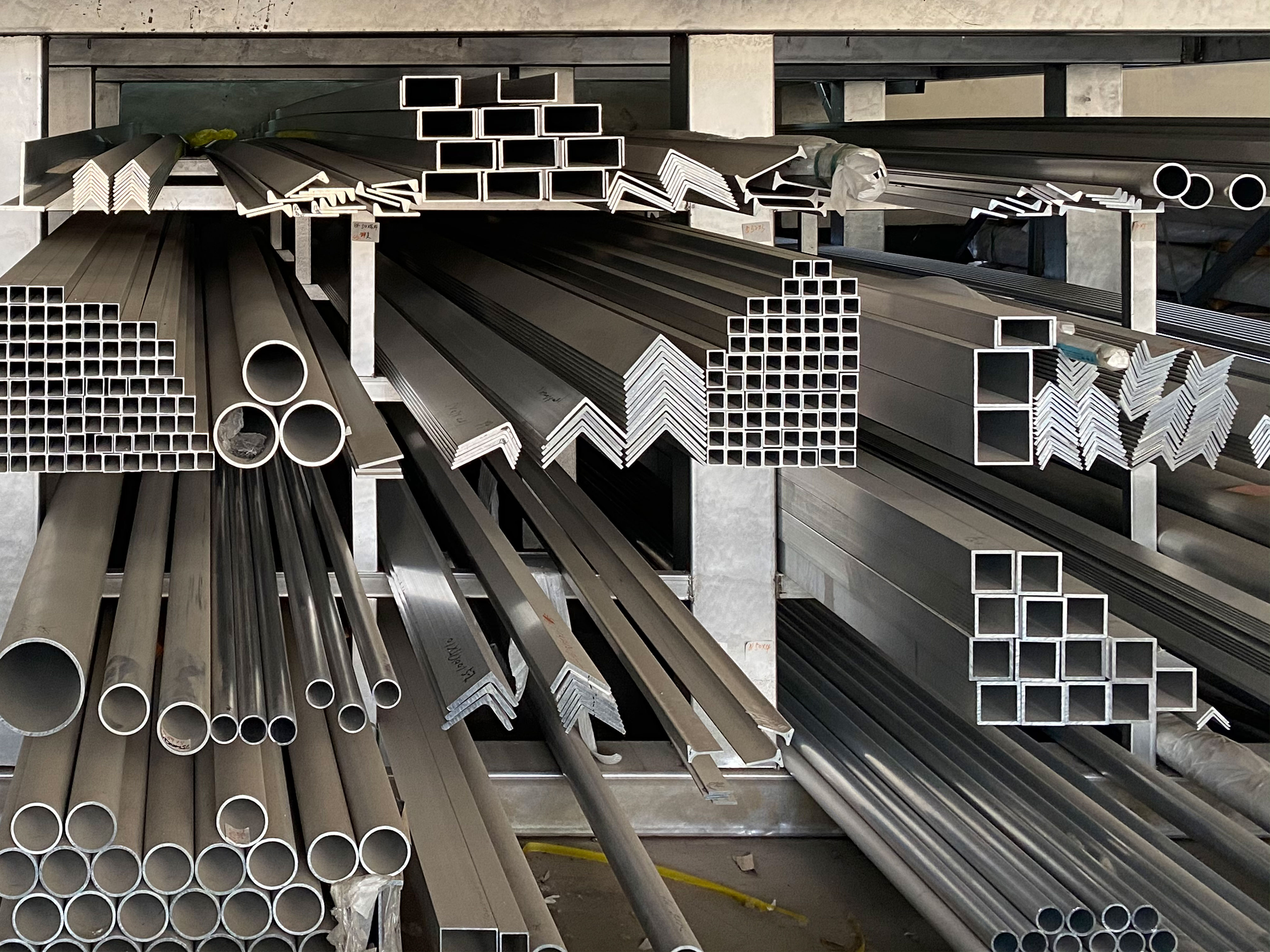
Custom marine aluminum profile tubes
Custom Marine Grade Aluminum Profile Tubes are manufactured from premium marine aluminum alloys such as 5083, 5052, 6061, and 6082.
View Details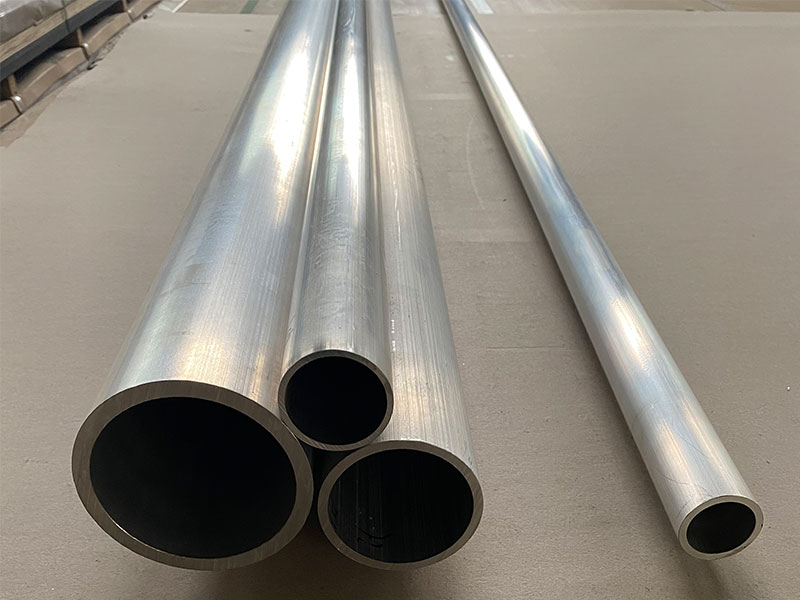
Marine aluminum round tubes
Marine Grade Aluminum Round Tubes are manufactured from premium marine alloys such as 5083, 5052, 6061, and 6082, all selected for their proven resistance to seawater corrosion and marine atmosphere degradation.
View Details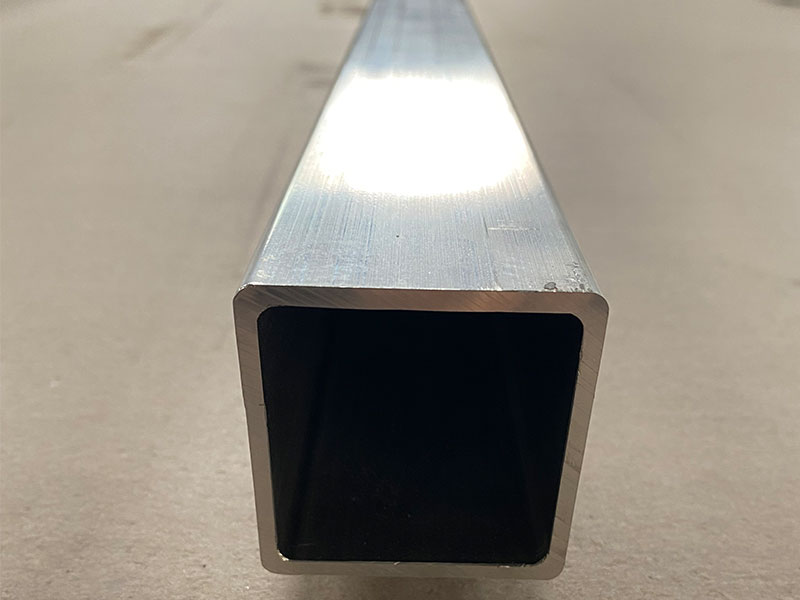
Marine aluminum square tubes
Marine Grade Aluminum Square Tubes are typically constructed from marine-grade alloys such as 5083, 5052, 6061, and 6082—well-known for their ability to withstand the aggressive effects of saltwater and marine atmospheres.
View Details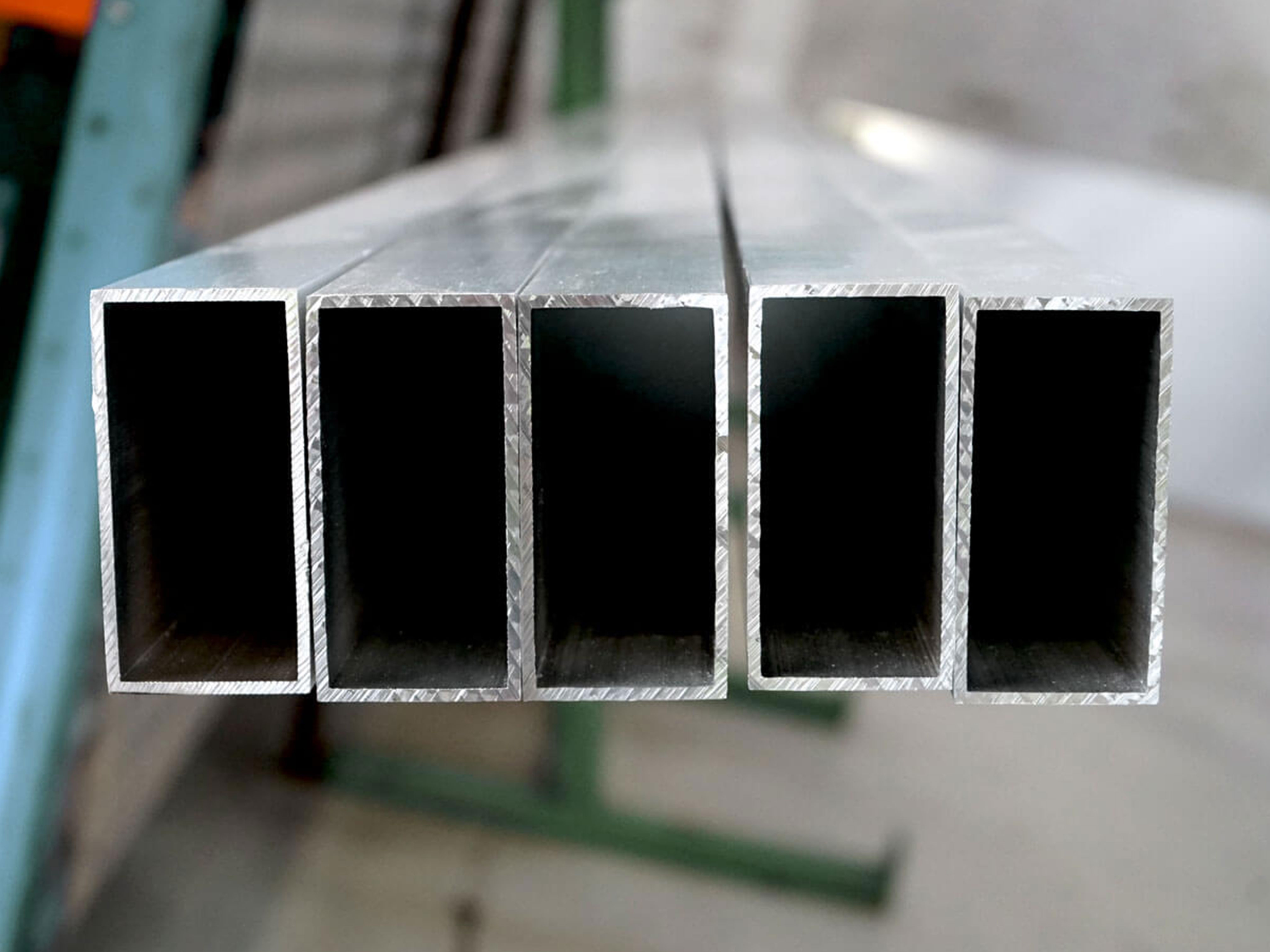
Marine aluminum rectangular tubes
Marine Grade Aluminum Rectangular Tubes are made from high-performance alloys such as 5083, 5052, 6061, and 6082. These alloys are renowned for their ability to resist corrosive seawater and marine atmospheres while providing excellent mechanical strength and toughness.
View Details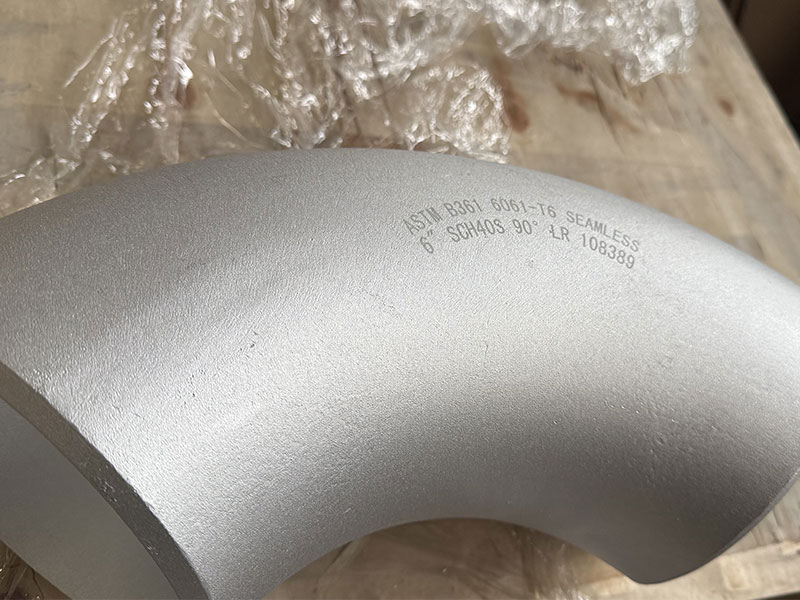
6061-T6 90-Degree Marine Aluminum Pipe Elbow
Manufactured from premium 6061-T6 marine-grade aluminum alloy, this elbow fitting is engineered to provide reliable and efficient pipe direction changes within shipbuilding, offshore platforms, and marine infrastructure systems.
View DetailsRelated Blog
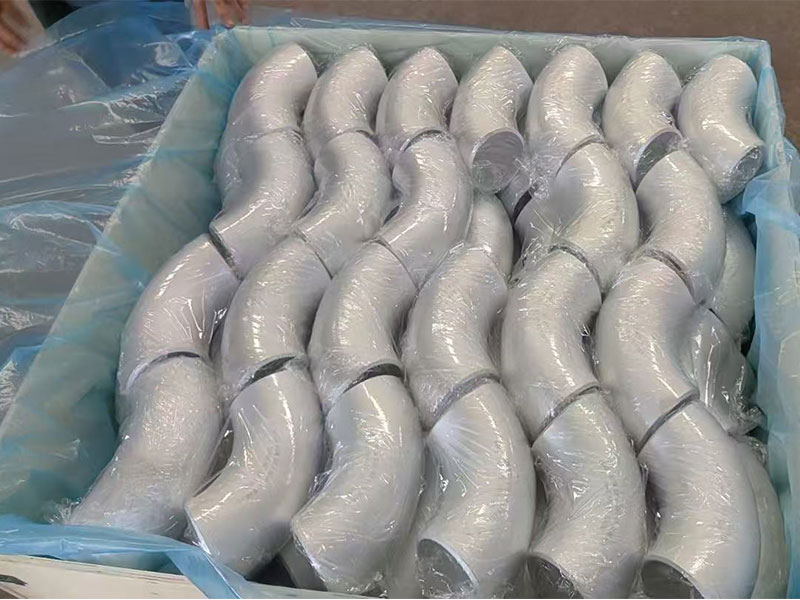
Marine Aluminum Pipe Elbow for Marine HVAC Systems
In the marine industry, HVAC (Heating, Ventilation, and Air Conditioning) systems play a pivotal role in maintaining a comfortable and functional environment on ships and offshore platforms.
View Details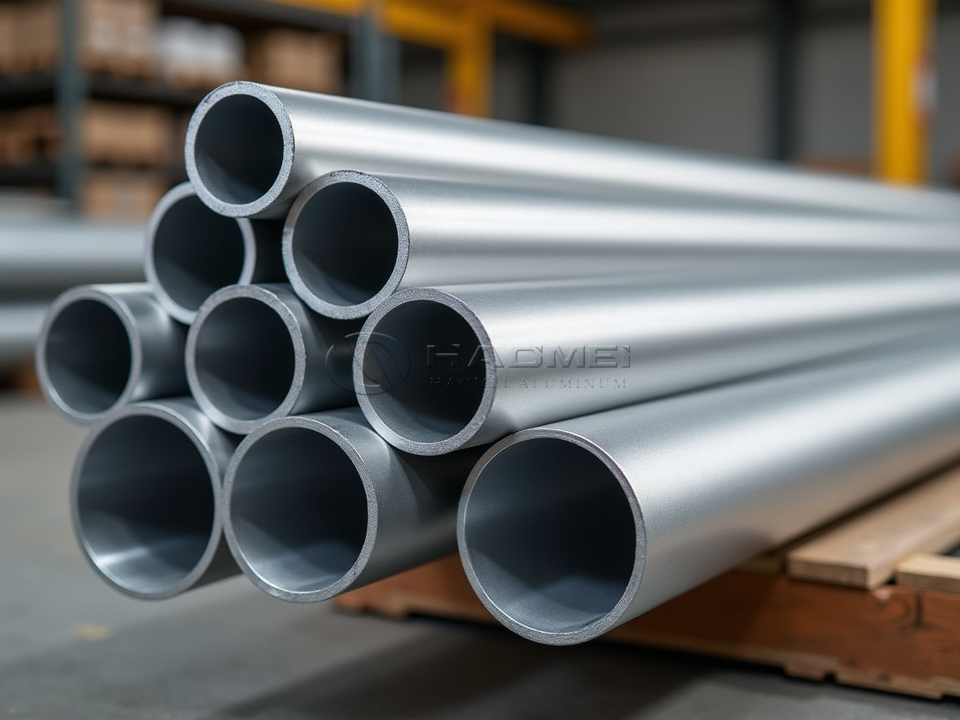
Aluminum Elbow for Fuel Line and Hydraulic Piping on Vessels
Marine aluminum elbows route fuel and hydraulic lines in compact vessel spaces, balancing smooth flow, vibration control, corrosion resistance, and low weight.
View Details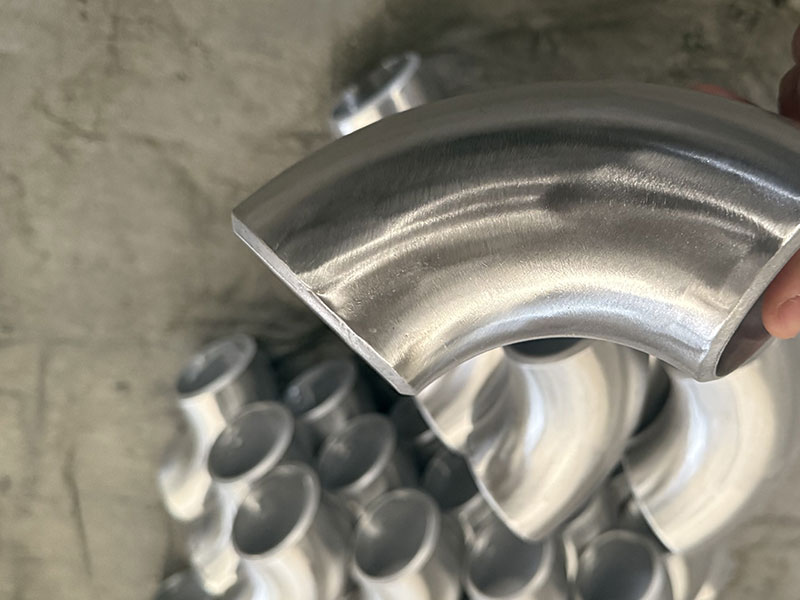
Marine Aluminum Elbow for Offshore Gas Storage Facilities
Offshore gas storage facilities represent some of the most challenging engineering arenas where materials must exhibit reliability, strength, and corrosion resistance under extreme marine conditions.
View Details
Marine Aluminum Elbow for Pressurized Water Systems on Ships
Explore our high-grade Marine Aluminum Elbow designed specifically for pressurized water systems onboard ships. Engineered for superior corrosion resistance, durability, and compliance with maritime standards, this product ensures reliable fluid dynamics
View Details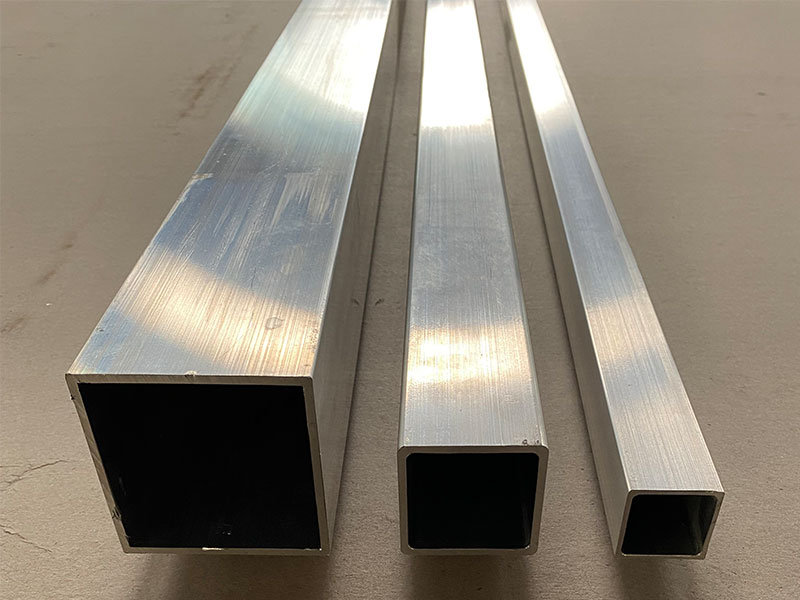
5052 Marine Aluminum Tubes for Heavy Duty Marine Applications
When durability, corrosion resistance, and strength are paramount in marine environments, 5052 aluminum alloy tubes is know as the premium choice. Specifically engineered to meet the demanding specifications of heavy-duty marine applications.
View Details
Aluminum 5083 Marine Pipe Elbow for Ship Building Projects
Aluminum 5083 marine pipe elbows are essential fittings used in shipbuilding and maritime systems where strength, corrosion resistance, and lightweight construction are critical.
View Details
Leave a Message