
6082 Marine Aluminum Tubes for Marine Vessel Frame Strengthening
6082 marine aluminum tubes are a high-strength, corrosion-resistant solution designed for reinforcing marine vessel frames while keeping structures lightweight and efficient. Built around the Al-Mg-Si alloy system, 6082 is widely specified for ship and boat structures because it delivers a strong balance of mechanical performance, weldability, and seawater durability-especially in the commonly supplied T6 and T651 tempers. In tubular form, the alloy becomes even more valuable: tubes provide excellent stiffness-to-weight efficiency for frames, ribs, trusses, supports, rail structures, equipment skids, and deck sub-structures where bending resistance matters.
For shipyards and marine fabricators focused on longevity and reduced lifecycle cost, 6082 tubes offer dependable performance with straightforward fabrication routes including cutting, bending, machining, and welding (with appropriate filler selection and post-weld considerations).
Why 6082 Tubes Work So Well for Frame Strengthening
Marine frames are continuously challenged by wave-induced cyclic loading, vibration, and localized stress at joints. A tube profile naturally improves structural efficiency compared with many open sections by distributing material away from the neutral axis, increasing bending stiffness without excessive mass. When paired with 6082's mechanical strength, the result is a reliable reinforcement member that supports higher loads and reduces deformation.
features at a glance
| Feature | What it means for marine frames |
|---|---|
| High strength in T6/T651 | Helps ribs, stringers, and braces resist bending and impact loads |
| Excellent stiffness-to-weight (tubular section) | Reinforces structure without adding unnecessary weight |
| Strong corrosion resistance | Suitable for splash zones and marine atmospheres with proper protection systems |
| Good weldability (process-dependent) | Works well with MIG/TIG when correct filler and parameters are used |
| Good machinability | Clean drilling and end-prep for brackets, gussets, and joint interfaces |
| Availability in multiple tube forms | Seamless/extruded options for different stiffness and tolerance requirements |
Common Marine Applications
6082 marine aluminum tubes are frequently selected for structural strengthening and load-bearing subsystems across commercial and recreational vessels.
| Application area | Typical tube role | Benefit delivered |
|---|---|---|
| Hull and deck frame reinforcement | Cross-members, stringers, stiffeners, braces | Improves global stiffness, reduces panel flexing |
| Superstructure support | Frame legs, trusses, handrail posts | Lightweight strength, reduced top-side mass |
| Catamarans and fast craft | Beam supports, bridge-deck bracing | High stiffness for dynamic load conditions |
| Workboats and patrol craft | Equipment frames, canopy structures | High impact resistance with manageable weight |
| Engine-room and deck equipment | Skids, mounts, supports | Dimensional stability and ease of fabrication |
| Gangways and boarding structures | Tube trusses and rails | Good stiffness with corrosion resistance |
Alloy & Temper Options for Marine Tubes
6082's performance depends strongly on temper condition. Marine frame components typically use precipitation-hardened conditions for strength.
| Temper | Typical meaning | Best fit in marine fabrication |
|---|---|---|
| T6 | Solution heat-treated and artificially aged | High strength for load-bearing frame members |
| T651 | T6 plus stress-relief stretching | Improved dimensional stability for machining and long members |
| T4 | Solution heat-treated and naturally aged | Better formability; strength increases after aging or heat treatment |
| O (annealed) | Softened condition | Tight bending and forming where strength is gained later |
Note: Welding reduces strength in the heat-affected zone for precipitation-hardened alloys. Design allowances, joint detailing, and suitable filler selection are for frame reinforcement reliability.
Chemical Composition (Typical Standard Limits)
6082 belongs to the 6xxx series where magnesium and silicon form Mg₂Si, enabling heat-treat response and a practical strength/corrosion balance.
| Element | Typical range (%) |
|---|---|
| Si | 0.70–1.30 |
| Mg | 0.60–1.20 |
| Mn | 0.40–1.00 |
| Fe | ≤ 0.50 |
| Cu | ≤ 0.10 |
| Cr | ≤ 0.25 |
| Zn | ≤ 0.20 |
| Ti | ≤ 0.10 |
| Others (each) | ≤ 0.05 |
| Others (total) | ≤ 0.15 |
| Al | Balance |
Mechanical Properties (Typical for Tube Products)
Mechanical properties vary with tube geometry, production route, and applicable standard. The values below are representative for common marine-strengthening selections.
| Property | 6082-T6 (typical) | 6082-T651 (typical) |
|---|---|---|
| Tensile strength, Rm (MPa) | 290–340 | 290–340 |
| Yield strength, Rp0.2 (MPa) | 240–290 | 240–290 |
| Elongation, A (%) | 8–12 | 8–12 |
| Brinell hardness (HBW) | ~90–110 | ~90–110 |
| Density (g/cm³) | 2.70 | 2.70 |
| Elastic modulus (GPa) | ~69 | ~69 |
For frame strengthening, yield strength and fatigue-sensitive joint design often drive performance more than ultimate strength. Tubular members also help reduce local stress concentrations when paired with smooth load paths and properly sized gussets.
Typical Tube Specifications (Supply Range)
Marine projects demand consistent geometry for fit-up and repeatability. 6082 tubes are commonly supplied as extruded round, square, and rectangular profiles.
| Parameter | Typical supply range |
|---|---|
| Tube type | Extruded tube (round/square/rectangular); seamless options by request |
| Outside diameter (round) | ~20–250 mm |
| Wall thickness | ~2–20 mm |
| Square/rectangular size | ~20×20 mm up to ~200×200 mm (and rectangular variants) |
| Length | Fixed or random (commonly up to ~6–12 m depending on logistics) |
| Straightness | Controlled to standard or project requirement |
| Surface | Mill finish; anodizing-ready; pre-treatment options available |
If the tube is intended for precision jigs or machined node connections, T651 and tighter tolerance requests are often cost-effective because they reduce rework and alignment time during assembly.
Corrosion Performance in Marine Environments
6082 offers strong resistance in marine atmospheres and many splash-zone applications, especially when supported by good design practices that avoid crevices and stagnant seawater traps. Like all aluminum alloys, galvanic compatibility matters: contact with more noble metals in the presence of seawater can accelerate corrosion of aluminum.
| Corrosion consideration | Practical guidance for vessel frames |
|---|---|
| Crevice corrosion risk | Avoid tight water-trapping overlaps; seal joints where needed |
| Galvanic pairing | Isolate from stainless/bronze with insulating washers, gaskets, coatings |
| Pitting in chloride exposure | Use protective coatings/anodizing; rinse-down practices help |
| Coating compatibility | Select marine-grade primers/topcoats; ensure correct pretreatment |
| Drainage & ventilation | Design for water run-off and air flow inside/around tube structures |
For harsh duty cycles, many builders specify anodizing or a marine coating system on top of appropriate surface preparation. Closed tube ends should be sealed or drained intentionally to avoid trapped moisture and salt.
Fabrication Notes: Welding, Bending, Machining
6082 tubes integrate smoothly into marine workshop processes, but best results come from aligning temper choice with fabrication steps.
| Process | What to expect with 6082 tubes | Shop guidance |
|---|---|---|
| MIG/TIG welding | Good weldability; HAZ softening occurs | Choose filler compatible with strength/corrosion needs; design for HAZ |
| Bending | T4/O bends easier; T6 bends with larger radii | Use proper tooling; confirm minimum bend radii by tube size/thickness |
| Machining | Stable and clean cutting | T651 helps long parts stay straight after machining |
| Joining to other materials | Requires galvanic control | Use isolation layers and sealed fasteners in wet zones |
When the frame strengthening strategy relies heavily on welded nodes, tube-to-plate transitions, or high-cycle loading, it is smart to specify joint geometry early and align it with realistic post-weld property expectations.
Quality, Traceability, and What Customers Should Specify
Marine frame components benefit from clear purchase specifications that reduce variability and speed up inspection.
| Item to specify | Why it matters |
|---|---|
| Alloy and temper (6082-T6/T651) | Controls strength, stability, and fabrication behavior |
| Tube profile and tolerances | Ensures consistent fit-up and alignment |
| Mechanical test requirements | Confirms strength for structural members |
| Surface condition and coating prep | Reduces rework before painting/anodizing |
| Identification and traceability | Supports QA documentation and marine compliance workflows |
6082 marine aluminum tubes are a proven choice for marine vessel frame strengthening because they combine heat-treatable strength, practical corrosion resistance, and efficient stiffness in tubular geometry. They fit well into modern fabrication workflows-cutting, welding, machining, and assembly-while helping builders reduce weight, improve structural rigidity, and support longer service life in demanding marine conditions.
6082 marine aluminum tubes for marine vessel frame strengthening deliver high strength, corrosion resistance, and lightweight stiffness for hull, deck, and superstructure framing-ideal for welded marine structures in T6/T651 temper.

Related Products
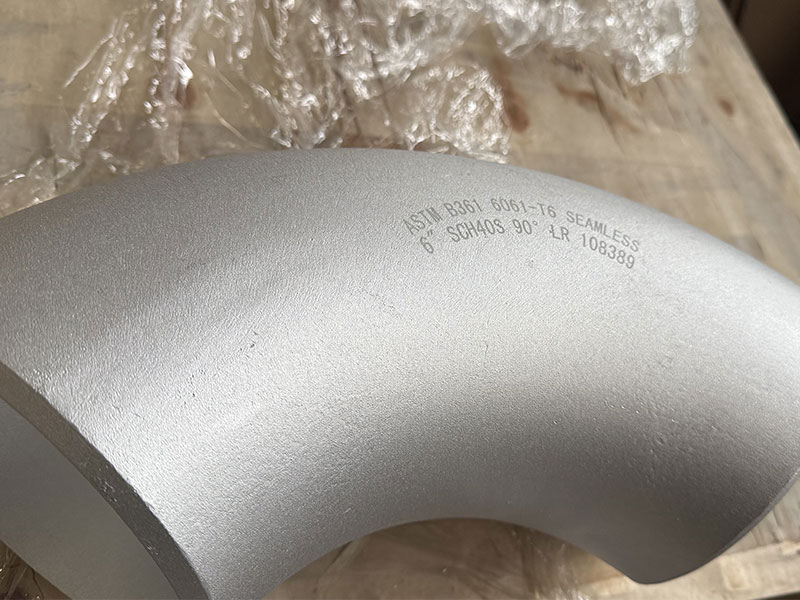
6061-T6 90-Degree Marine Aluminum Pipe Elbow
Manufactured from premium 6061-T6 marine-grade aluminum alloy, this elbow fitting is engineered to provide reliable and efficient pipe direction changes within shipbuilding, offshore platforms, and marine infrastructure systems.
View Details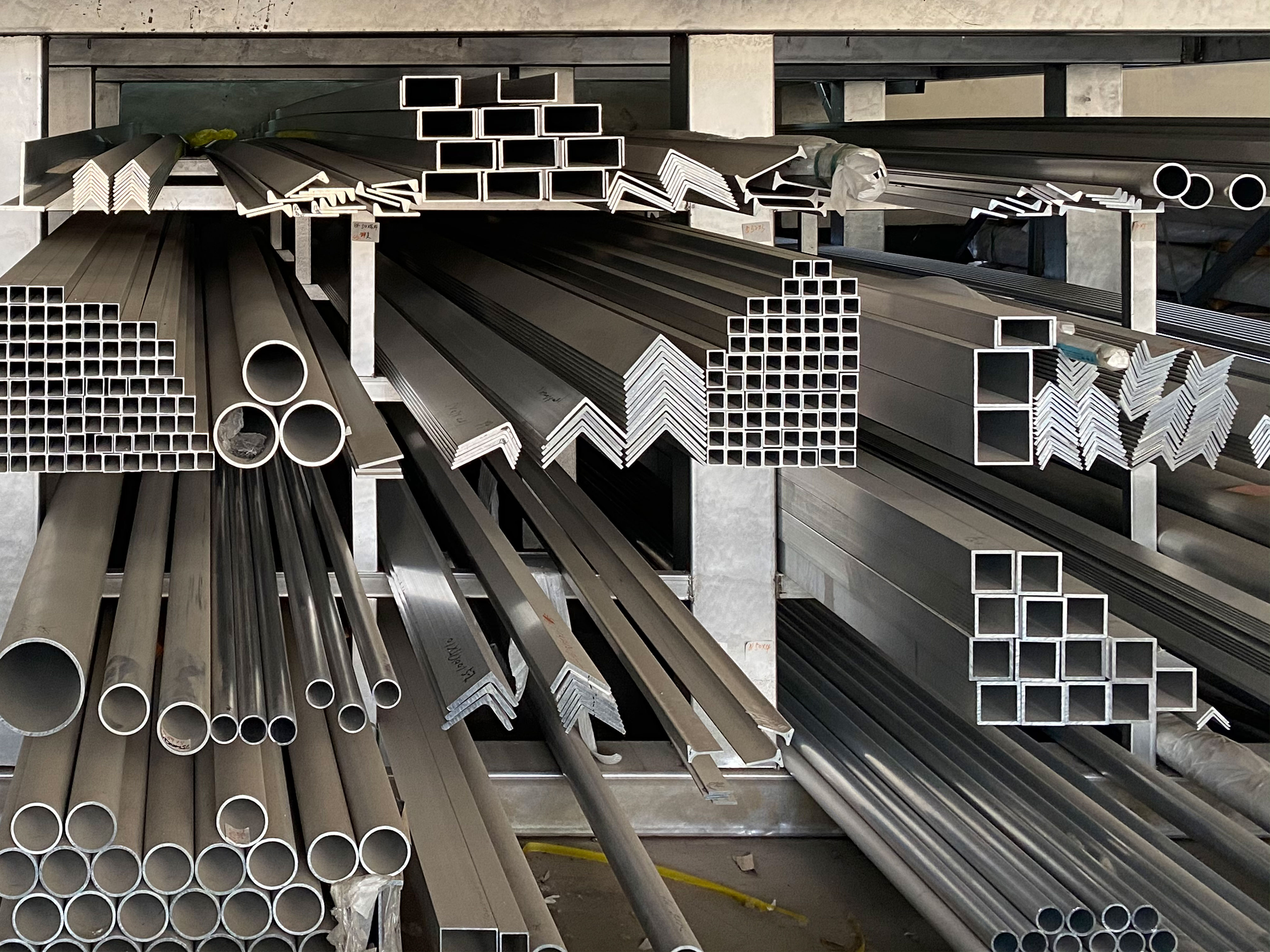
Custom marine aluminum profile tubes
Custom Marine Grade Aluminum Profile Tubes are manufactured from premium marine aluminum alloys such as 5083, 5052, 6061, and 6082.
View Details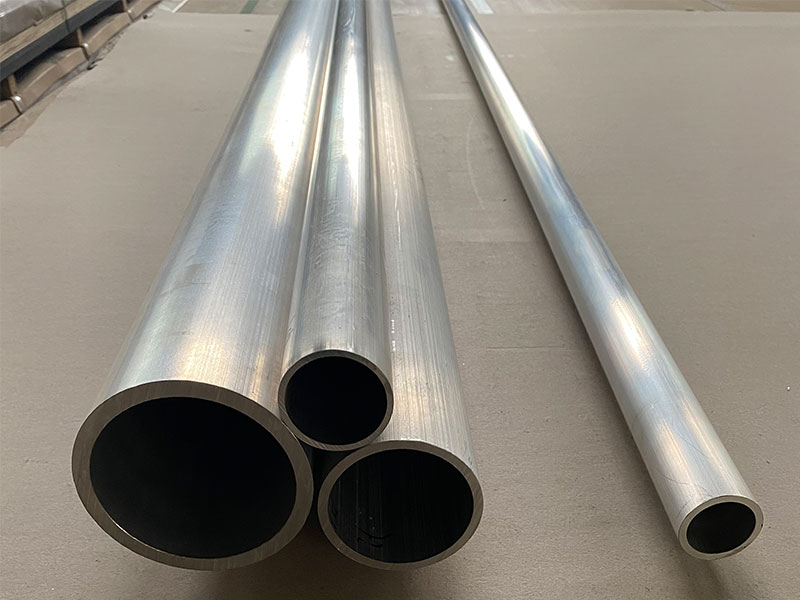
Marine aluminum round tubes
Marine Grade Aluminum Round Tubes are manufactured from premium marine alloys such as 5083, 5052, 6061, and 6082, all selected for their proven resistance to seawater corrosion and marine atmosphere degradation.
View Details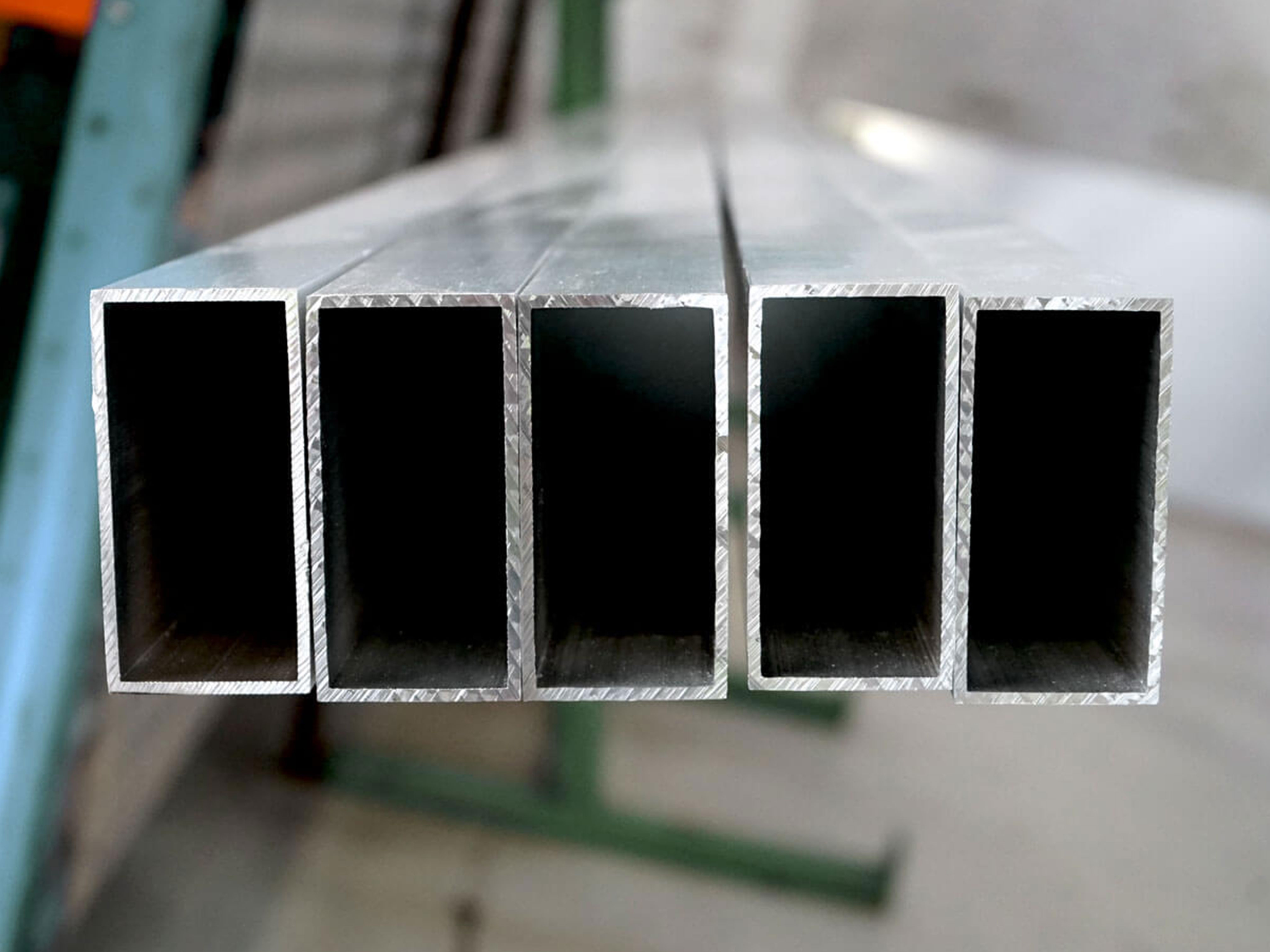
Marine aluminum rectangular tubes
Marine Grade Aluminum Rectangular Tubes are made from high-performance alloys such as 5083, 5052, 6061, and 6082. These alloys are renowned for their ability to resist corrosive seawater and marine atmospheres while providing excellent mechanical strength and toughness.
View Details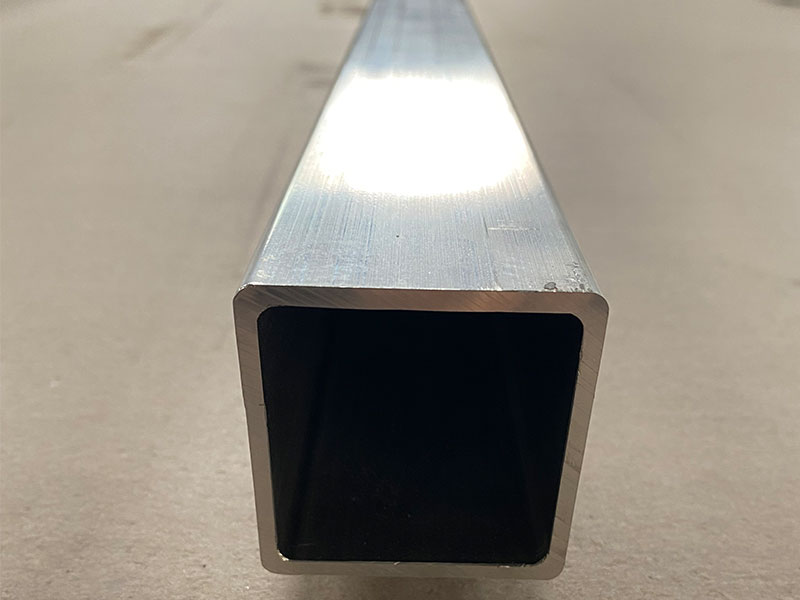
Marine aluminum square tubes
Marine Grade Aluminum Square Tubes are typically constructed from marine-grade alloys such as 5083, 5052, 6061, and 6082—well-known for their ability to withstand the aggressive effects of saltwater and marine atmospheres.
View DetailsRelated Blog
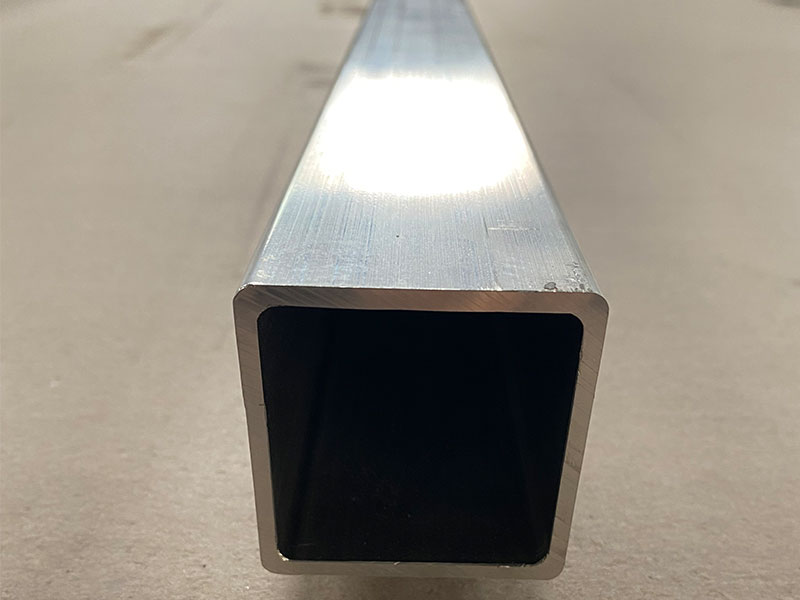
6082 Marine Aluminum Tubes for Boat Hull Fabrication and Support
6082 marine aluminum tubes are a go-to structural choice for boat hull fabrication and internal support frameworks where builders need high strength, dependable corrosion resistance, and clean weldability.
View Details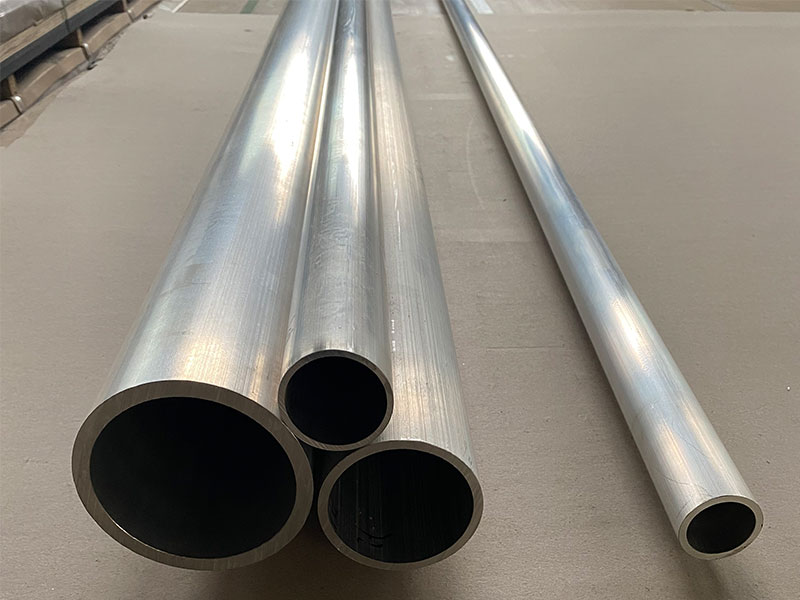
6082 Marine Aluminum Tubes for Marine and Offshore Installations
In the ever-evolving domain of marine and offshore engineering, the choice of materials plays a pivotal role in expressing durability, strength, and versatility.
View Details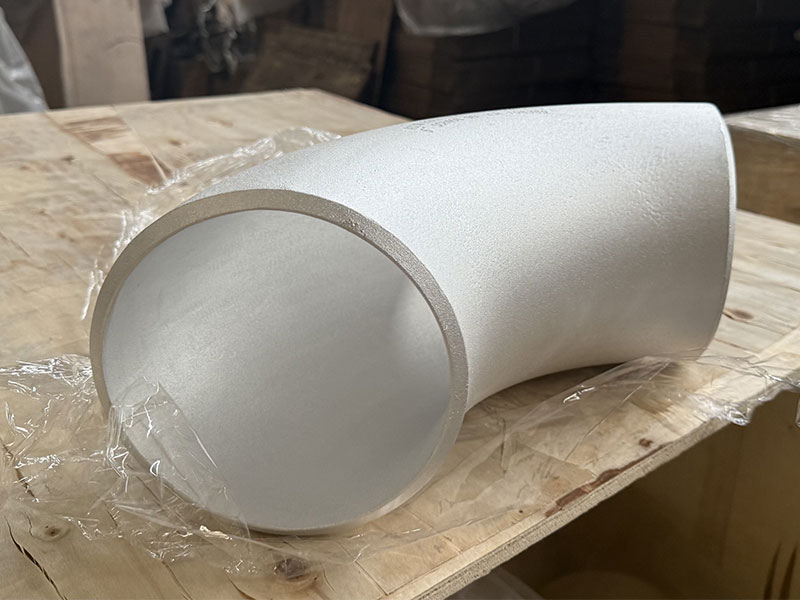
6082 Marine Aluminum Tubes for High Strength Offshore Structures
In offshore engineering, every kilogram matters, but so does every moment of resistance against saltwater, wind loading, vibration, and long-term fatigue. This is where 6082 marine aluminum tubes stand out.
View Details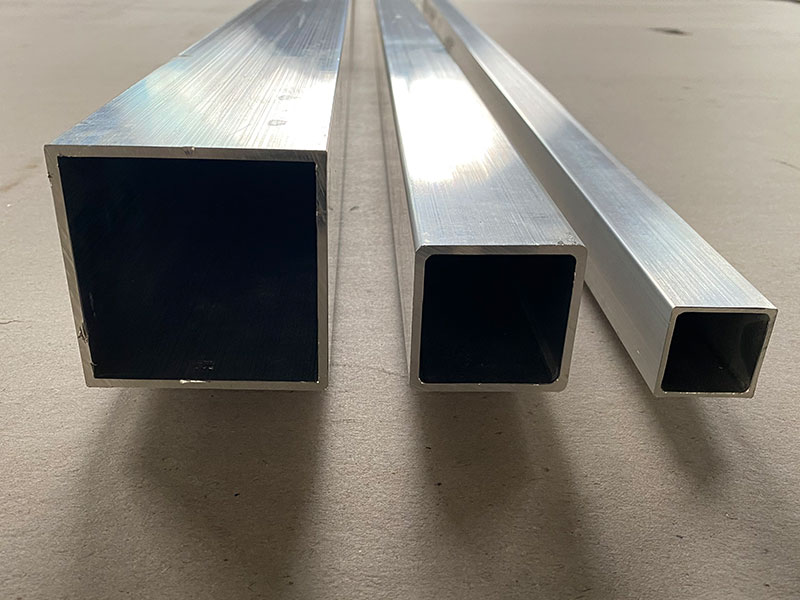
6082 Marine Aluminum Square Tubes for Saltwater Resistant Applications
When marine structures meet saltwater, materials face a relentless mix of chloride attack, wet–dry cycling, abrasion, and galvanic exposure to dissimilar metals.
View Details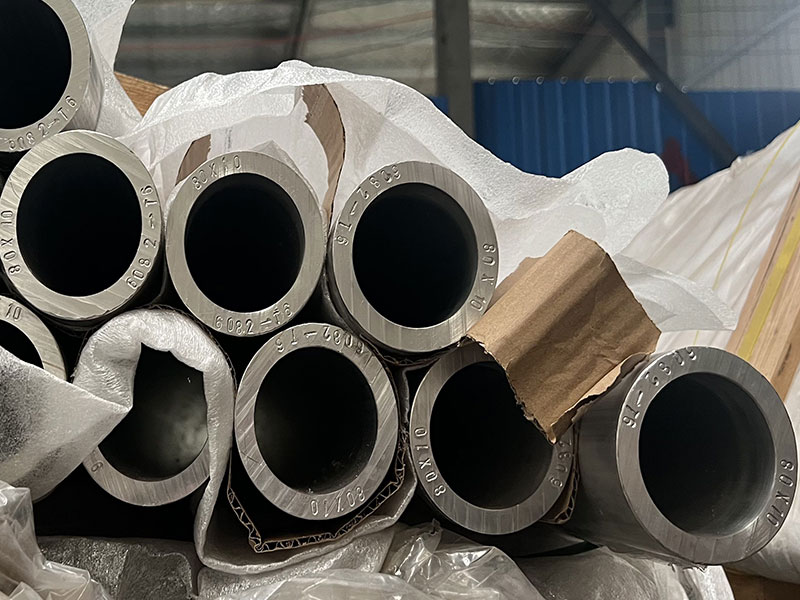
6082 Marine Aluminum Round Tubes for Offshore Construction
In the demanding arena of offshore construction, selecting materials that combine strength, corrosion resistance, and manufacturability is crucial for ensuring durability and safety.
View Details
6082 Marine Aluminum Square Tubes for Corrosion Resistant Projects
When it comes to constructing structures that demand impeccable resistance to corrosion in harsh marine environments, 6082 marine aluminum square tubes is know as an industry favorite.
View Details
Leave a Message