
5052 marine grade aluminum
5052 marine grade aluminum is one of the most widely used aluminum alloys for saltwater-exposed structures where corrosion resistance, weldability, and long-term durability matter more than peak strength. As an Al–Mg (magnesium) alloy in the 5xxx series, 5052 develops excellent resistance to seawater and marine atmospheres while maintaining good formability for curved hull panels, tanks, and enclosures. It's a practical "workhorse" alloy: easy to fabricate, stable in service, and cost-effective over the life of the product.
Why 5052 is considered "marine grade"
"Marine grade" is not a single official standard, but in practice it refers to aluminum alloys that demonstrate high resistance to chloride-driven corrosion, good performance after welding, and reliable properties in wet environments. 5052 checks these boxes because:
- Magnesium strengthens the alloy and improves corrosion resistance in many marine exposures.
- It shows excellent resistance to seawater and salt spray, particularly compared with many non-marine alloys (e.g., some 2xxx/7xxx families that prioritize strength).
- It is highly weldable, supporting common shop processes without complex heat treatments.
- It performs well in sheet, plate, and formed parts, enabling efficient manufacturing.
features and benefits (customer-focused)
| Feature | What it means in real use | Customer benefit |
|---|---|---|
| Strong corrosion resistance in marine atmospheres | Resists pitting/oxidation and chloride attack better than many general-purpose alloys | Lower maintenance, longer service life |
| Excellent weldability | Compatible with common welding methods (e.g., MIG/GMAW, TIG/GTAW) | Faster fabrication, fewer weld-related failures |
| High formability | Bends and rolls well, especially in annealed or softer tempers | Ideal for hull skins, fairings, covers, and formed panels |
| Good strength-to-weight ratio | Moderate-to-high strength without heavy sections | Weight savings vs. steel; easier handling and transport |
| No need for heat treatment | 5052 is non-heat-treatable; strengthened by work hardening | Stable production flow and predictable properties |
Chemical composition (typical limits)
5052 is primarily aluminum with magnesium as the principal alloying element. Minor alloying additions and impurities are controlled to maintain corrosion performance and workability.
| Element | Typical limit / range (% by weight) |
|---|---|
| Aluminum (Al) | Balance |
| Magnesium (Mg) | 2.2 – 2.8 |
| Chromium (Cr) | 0.15 – 0.35 |
| Silicon (Si) | ≤ 0.25 |
| Iron (Fe) | ≤ 0.40 |
| Copper (Cu) | ≤ 0.10 |
| Manganese (Mn) | ≤ 0.10 |
| Zinc (Zn) | ≤ 0.10 |
| Titanium (Ti) | ≤ 0.15 |
| Others (each) | ≤ 0.05 |
| Others (total) | ≤ 0.15 |
What this composition does:
- Mg boosts strength and supports marine corrosion resistance.
- Cr helps with microstructural stability and can improve resistance to certain forms of corrosion.
- Tight limits on Cu are important because copper can reduce corrosion resistance in chloride environments.
5052 is non-heat-treatable, so its strength comes mainly from strain hardening (work hardening). Customers typically select temper based on forming needs versus strength targets.
| Common temper | Typical description | When to choose |
|---|---|---|
| O (Annealed) | Softest condition, maximum ductility | Deep forming, tight bending radii, complex shapes |
| H32 | Strain-hardened and stabilized | General marine sheet/plate balance of formability and strength |
| H34 | Higher strain hardening than H32 | Higher dent resistance, stiffer panels, reduced forming |
| H36 / H38 | Higher strength, lower ductility | Flat panels, less forming, higher stiffness needs |
Typical mechanical properties (indicative)
Note: actual values depend on thickness, product form, and producer-specific practices.
| Property | 5052-O (typ.) | 5052-H32 (typ.) | 5052-H34 (typ.) |
|---|---|---|---|
| Ultimate tensile strength (MPa) | ~190 | ~230 | ~260 |
| Yield strength (MPa) | ~90 | ~160 | ~180 |
| Elongation (%) | ~25–30 | ~12–18 | ~8–14 |
| Brinell hardness (HB) | ~45 | ~60 | ~68 |
Practical takeaway:
- If you need tight bends and complex forming, choose 5052-O.
- If you need everyday marine durability with good stiffness, 5052-H32 is the most common choice.
- If you need more dent resistance and less forming, consider H34.
Technical specifications and product forms
5052 is supplied in a broad range of semi-finished forms used in marine fabrication.
| Item | Typical options |
|---|---|
| Product forms | Sheet, plate, coil, strip; also available as tube/extrusion in some supply chains |
| Thickness range (sheet/plate) | Commonly from ~0.5 mm up to several mm for sheet; plate available thicker depending on mill capability |
| Surface finishes | Mill finish, brushed, patterned tread plate variants (by supplier), anodized capability (application-dependent) |
| Joining methods | MIG/TIG welding, riveting, mechanical fastening, adhesive bonding |
| Typical standards | ASTM/EN equivalents are commonly available depending on region and product form |
Corrosion behavior in marine environments
5052's reputation in marine service comes from consistent performance against salt-laden air, splashing zones, and general seawater exposure. In real-world fabrication, corrosion resistance depends on good design and finishing practices:
- Avoid dissimilar-metal galvanic couples (e.g., stainless fasteners against bare aluminum in wet conditions) unless properly isolated.
- Use isolation washers, sealants, or coatings where galvanic risk exists.
- In crevice-prone designs, ensure drainage and airflow, and reduce trapped saltwater.
- For long life, consider marine coatings or appropriate anodizing/finishing when aesthetics and extra barrier protection are needed.
Fabrication: forming, welding, and machining
Forming and bending
5052 is known for smooth forming response, especially in softer tempers. For parts with tight radii or complex curvature (fairings, hatches, housings), it often outperforms harder alloys.
Welding
- 5052 is highly weldable, with good retention of corrosion resistance.
- Post-weld strength in the heat-affected zone can decrease due to annealing effects typical for strain-hardened alloys; design should account for this by using appropriate joint geometry and thickness.
Machining
5052 is generally machinable, though not as free-cutting as some alloys. For drilled, fastened assemblies it performs very well.
Common marine and coastal applications
| Application | Why 5052 fits |
|---|---|
| Small boat hull components and interior structures | Formability + corrosion resistance |
| Fuel/water tanks and reservoirs | Weldability + durability |
| Deck plates, steps, and covers | Dent resistance + low maintenance |
| Dock hardware, brackets, and coastal enclosures | Long-term corrosion performance |
| Marine HVAC/ventilation housings | Corrosion resistance in salty air |
| Electronics boxes and instrument panels | Lightweight + good environmental stability |
How 5052 compares to other marine aluminum choices (quick guide)
| Alloy | Relative strength | Formability | Corrosion resistance | Typical use note |
|---|---|---|---|---|
| 5052 | Medium | Excellent | Excellent | Best "all-around" marine sheet/plate |
| 5083 | Higher | Good | Excellent | Common for higher-strength marine plate and hull structures |
| 6061 | Medium–high | Moderate | Good (not as marine-optimized as 5xxx) | Great for extrusions, frames, machined parts |
Selection tip: If you're primarily working with sheet metal fabrication and welded assemblies exposed to salt, 5052 is often the most economical and fabrication-friendly answer. If you need higher structural strength in plate, 5083 may be considered.
5052 marine grade aluminum delivers a strong balance of corrosion resistance, weldability, and formability, making it a reliable choice for marine fabrication where downtime and maintenance are costly. It supports efficient manufacturing (forming + welding), performs well in coastal exposure, and provides a long service life with straightforward design practices. For customers building boats, tanks, enclosures, and coastal hardware, 5052 offers a dependable, widely available alloy that keeps projects light, durable, and economical.

Related Products
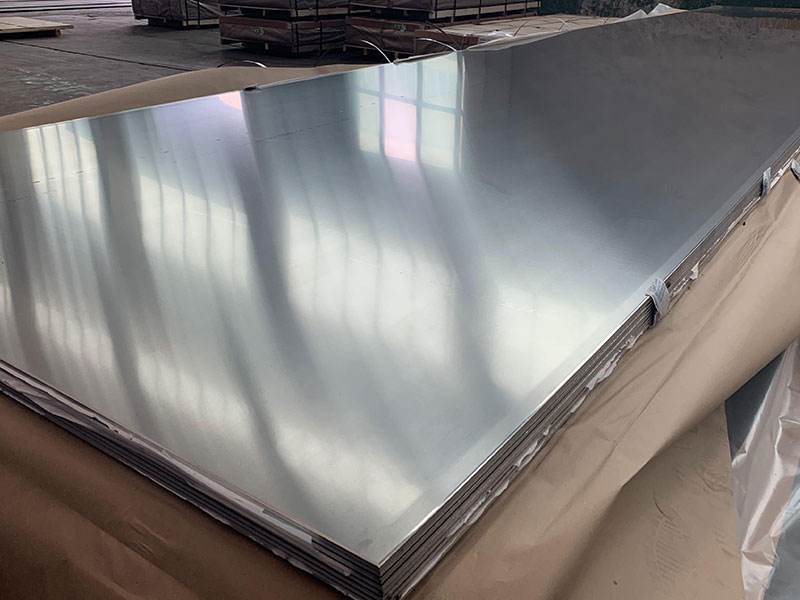
Marine 5086 aluminum sheet
This product article provides an in-depth and comprehensive understanding of Marine 5086 Aluminum Sheets, including their chemical composition, mechanical properties, corrosion resistance, fabrication capabilities, and typical marine applications.
View Details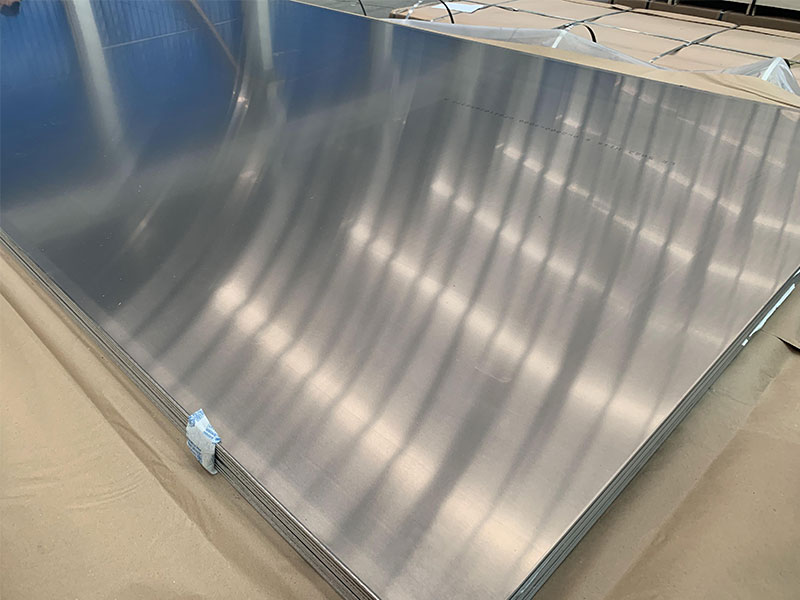
Marine 5052 aluminum sheet
Aluminum alloy 5052 is a non-heat-treatable, strain-hardened alloy with magnesium as the primary alloying element. It is designed to offer superior corrosion resistance in marine and saline environments, making it a dependable choice for components exposed directly to seawater or coastal atmospheric conditions.
View Details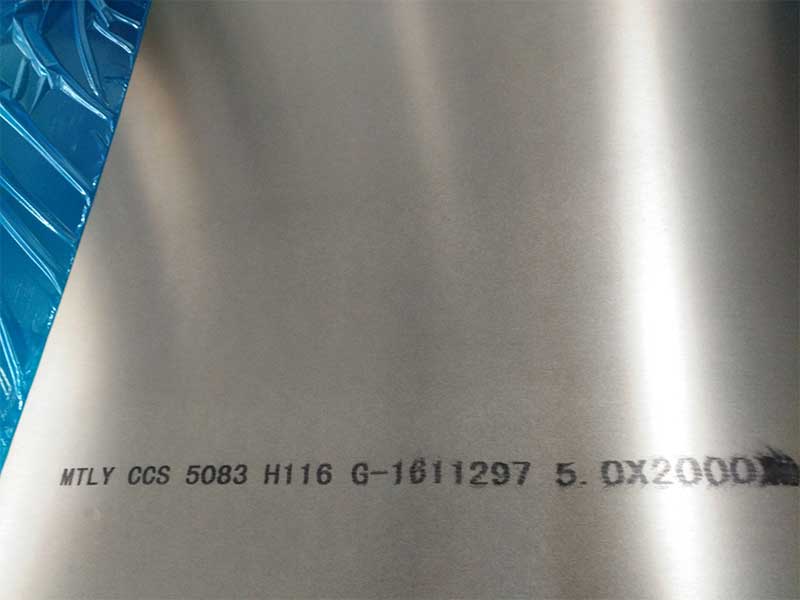
Marine 5083 aluminum sheet
Aluminum alloy 5083 is a non-heat-treatable alloy primarily composed of magnesium and trace elements that deliver outstanding protection against corrosion, particularly in seawater and saline atmospheres.
View Details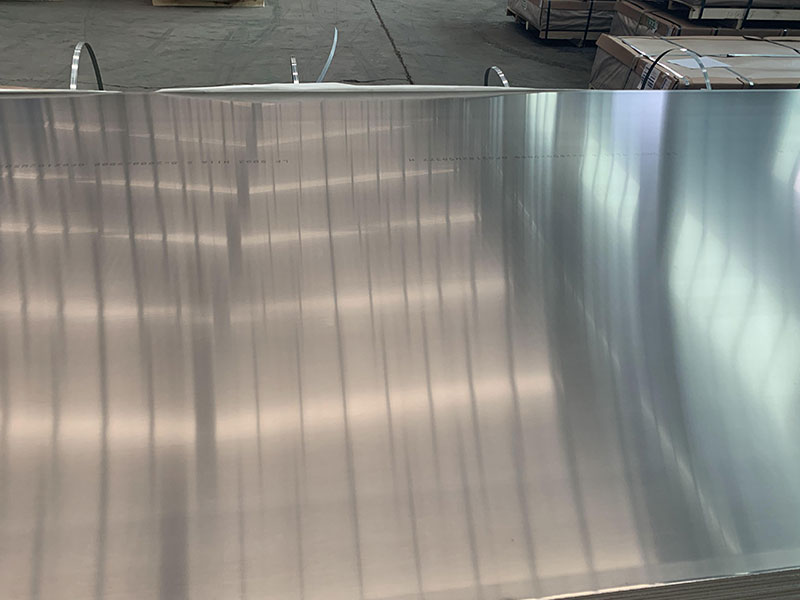
Marine 5383 aluminum sheet
5383 aluminum is a strain-hardened, non-heat-treatable alloy from the 5xxx series primarily alloyed with magnesium. It exhibits a unique balance of corrosion resistance and mechanical properties particularly suited for marine applications.
View Details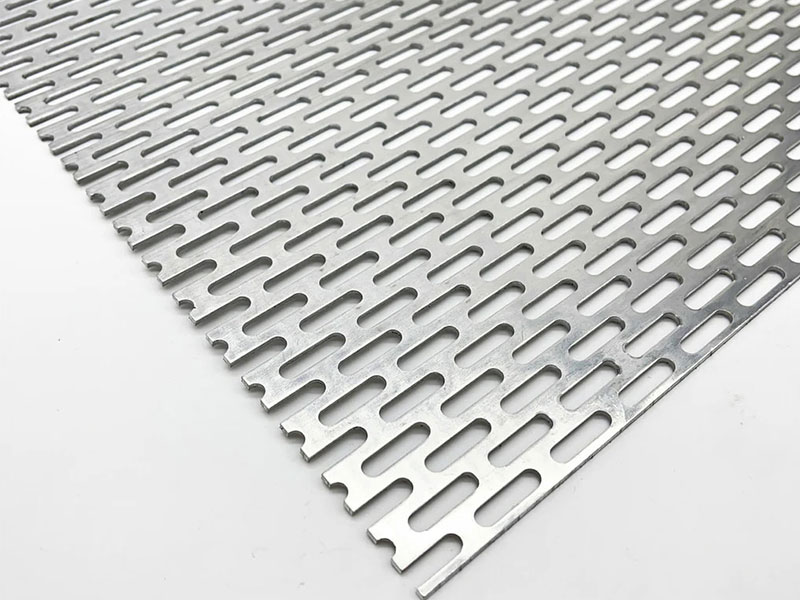
Marine perforated aluminum sheets
Marine Perforated Aluminum Sheets feature a series of uniform holes or shapes punched through the aluminum surface. These perforations can vary in size, pattern, and open area to tailor the sheets for specific applications.
View Details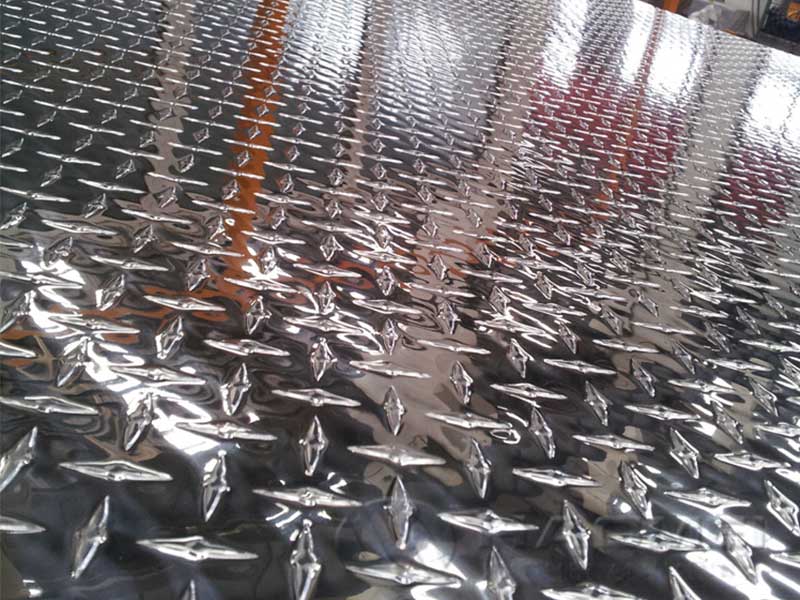
Marine Aluminum Tread Sheets
Marine Aluminum Tread Sheets are aluminum alloy plates featuring a raised surface pattern, commonly referred to as a tread design or diamond plate.
View DetailsRelated Blog
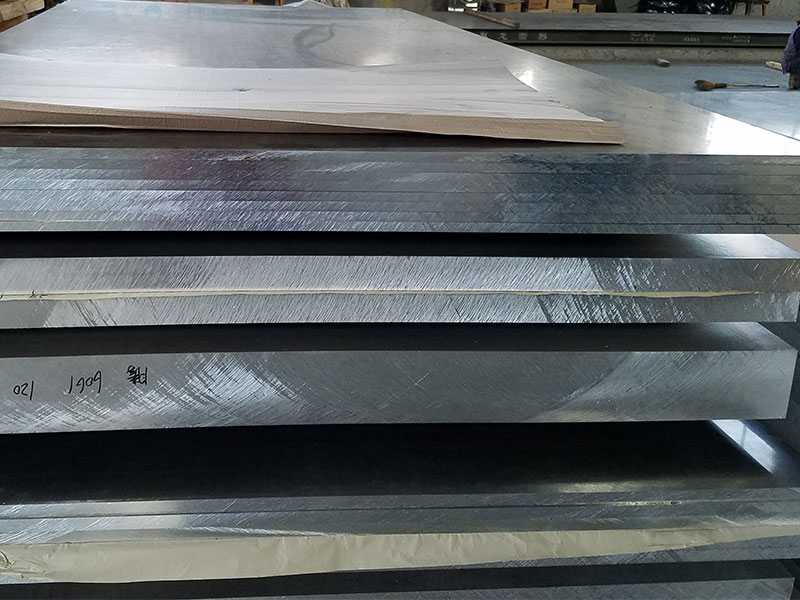
Alloy 5052 5757 5005 5083 h24 h32 aluminium coil for marine application
Marine environments demand materials that combine corrosion resistance, strength, weldability, and low weight. Among non-heat-treatable aluminum-magnesium alloys, 5052, 5754, 5005, and 5083 aluminium coil are widely selected for shipbuilding.
View Details
Aluminum coil 5052 H32 1.6mm thick for coated boat
Aluminum coil 5052 H32 1.6mm thick is a premium-material choice widely trusted in marine engineering, particularly for coated boat structures. It offers an excellent balance between strength, corrosion resistance, and workability.
View Details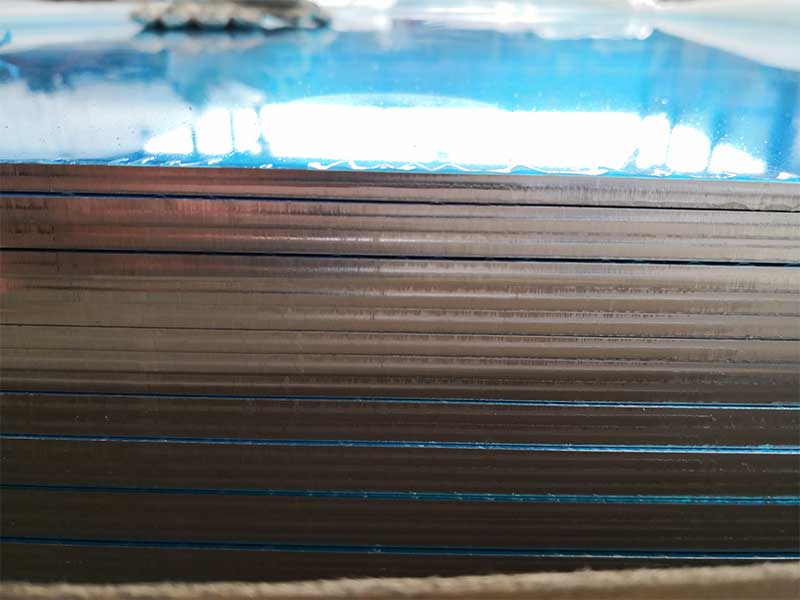
6063 t5 marine 5052 aluminum sheet
When it comes to marine-grade aluminum, the 6063 T5 marine 5052 aluminum sheet stands out as a prime material known for its remarkable corrosion resistance, strength, and versatility in various marine and industrial applications.
View Details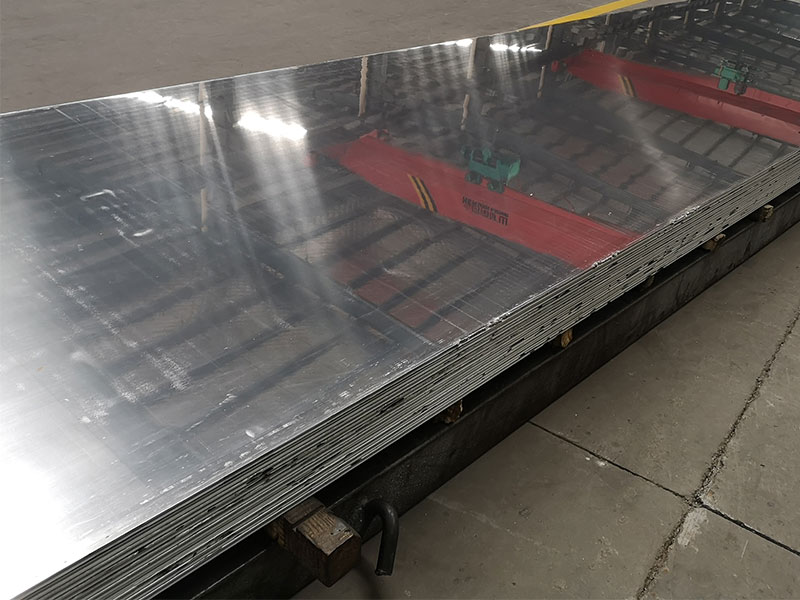
5052 5083 5086 Marine Grade Aluminium Sheet for Boat Building
Marine-grade aluminum is essential for constructing durable, lightweight vessels capable of withstanding harsh marine environments. In particular, 5052, 5083.
View Details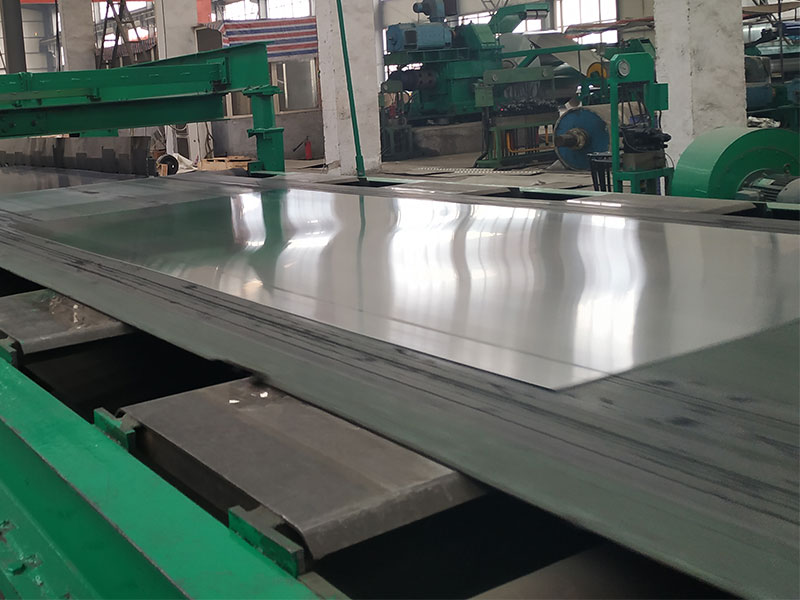
Astm standard 5083 5052 aluminium sheet for boat material
ASTM Standard 5083 & 5052 Aluminum Sheet for Boat Material: Reading Marine Alloy Like a Hull Designer, Not a CatalogIn marine construction, aluminum sheet is often discussed as if it were simply a grade name plus a thickness.
View Details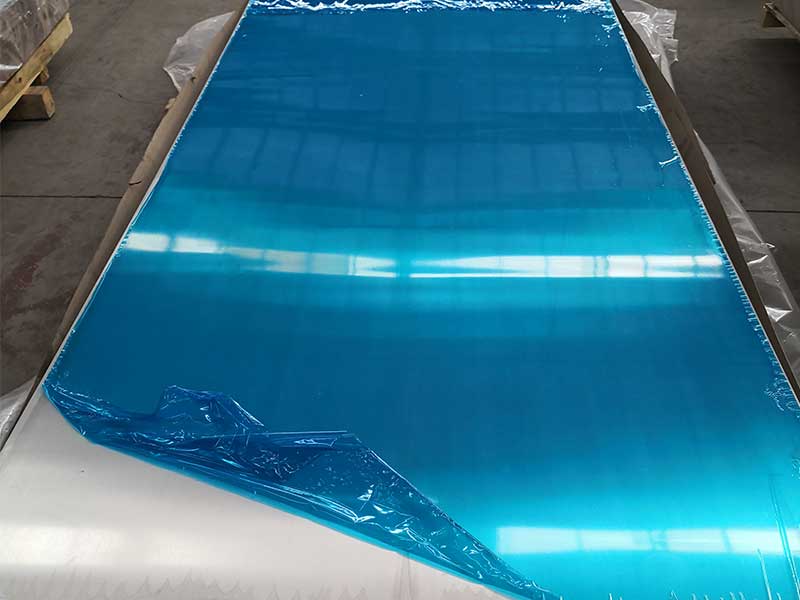
Aluminum Sheets 5052 H32 Ship Building
Aluminum Sheets 5052 H32 are widely used in shipbuilding because they combine excellent corrosion resistance, good strength, light weight, and reliable weldability.
View Details
Leave a Message