
5083 Marine Aluminum Fencing and Railings for Seawater Resistant Marine Property Fencing
Marine properties demand fencing and railing systems that can survive salt spray, humidity cycles, UV exposure, and frequent washdowns without turning into a maintenance burden. 5083 marine aluminum is a proven, high‑magnesium alloy widely used in boat hulls, offshore structures, and coastal equipment-making it an excellent foundation for seawater resistant marine property fencing where long service life and clean aesthetics matter.
What 5083 Marine Aluminum Is
AA 5083 is a non‑heat‑treatable aluminum‑magnesium alloy designed for high corrosion resistance in marine atmospheres and good strength in strain‑hardened tempers. For fencing and railings, it is commonly supplied as plate, sheet, bar, or extruded/welded fabrications (often combined with compatible 5xxx filler metals).
Why it's favored on the coast
It naturally forms a stable oxide layer, and its magnesium content supports strong resistance to chloride-driven corrosion in typical marine exposure. When finished correctly, 5083 provides a crisp, architectural look with long intervals between refinishing.
Features for Marine Property Fencing
| Feature | What it means for fencing & railings | Customer value |
|---|---|---|
| Seawater and salt-spray resistance | Strong performance in coastal air, splash zones, and humid marine climates | Reduced rust staining, longer service life |
| High strength-to-weight ratio | Strong panels and rails at lower mass than steel | Easier handling, lighter foundations, simpler installation |
| Weldable alloy family | Suitable for TIG/MIG fabrication of gates, corners, and custom rail sections | Flexible design, repairable components |
| Low maintenance finishes | Accepts marine coating systems and anodizing options (with proper pretreatment) | Better appearance retention, lower lifecycle cost |
| Non-sparking, non-magnetic | Useful near marinas, fuel storage areas, and sensitive equipment | Safer, more compatible installations |
| Recyclable | High scrap value and established recycling streams | Sustainability and end-of-life value |
Typical Applications
| Application area | Common product forms | Notes for coastal performance |
|---|---|---|
| Waterfront property perimeter fencing | Posts, pickets, infill panels, welded frames | Prefer sealed joints and drainage paths to avoid crevice traps |
| Marina walkways and docks | Railings, toe-kicks, gates | Design for splash and abrasion; select robust coating systems |
| Pool fencing near the shoreline | Tubular rail systems, panels | Chloride + pool chemicals: use best-practice coating pretreatments |
| Balcony/terrace railings | Top rails, balusters, privacy screens | Match finish to architectural requirements; allow thermal movement |
| Seawalls and coastal access stairs | Handrails, guardrails | Use heavier wall sections and careful weld finishing |
Alloy Temper Options and What They Mean
5083 is typically used in strain-hardened conditions rather than heat treatment. For fencing and railings, temper selection balances formability, strength, and fabrication method.
| Temper | Typical use in fencing/railings | Strength & forming notes |
|---|---|---|
| O (Annealed) | Tight forming, complex bends | Highest ductility, lowest strength |
| H111 | General marine fabrication, forming + welding | Good all-round choice with stable properties |
| H112 | Extrusions and thicker products | Properties depend on product form/process |
| H116 | Marine sheet/plate exposed to seawater | Enhanced resistance to exfoliation/corrosion in marine service |
| H321 | Marine plate for welded structures | Stabilized temper with strong performance after fabrication |
Selection note: For highly exposed coastal installations, H116/H321 are common starting points where available, especially for plate-based components and welded fabrications.
Chemical Composition (Typical Limits, AA 5083)
| Element | Content (wt%) |
|---|---|
| Magnesium (Mg) | 4.0–4.9 |
| Manganese (Mn) | 0.4–1.0 |
| Chromium (Cr) | 0.05–0.25 |
| Silicon (Si) | ≤ 0.40 |
| Iron (Fe) | ≤ 0.40 |
| Copper (Cu) | ≤ 0.10 |
| Zinc (Zn) | ≤ 0.25 |
| Titanium (Ti) | ≤ 0.15 |
| Aluminum (Al) | Balance |
Practical meaning: The Mg/Mn/Cr system is the backbone of 5083's marine durability and strength in non-heat-treatable form.
Mechanical Properties (Typical Ranges)
Mechanical properties vary by thickness, product form, and temper. Values below are representative for design comparison and should be verified against mill certificates for your specific order.
| Temper | Ultimate tensile strength (MPa) | Yield strength (MPa) | Elongation (%) |
|---|---|---|---|
| O | 275–305 | 125–145 | 18–25 |
| H111 | 305–345 | 145–200 | 12–20 |
| H116 | 305–345 | 215–260 | 10–16 |
| H321 | 305–345 | 215–260 | 10–16 |
Design takeaway: For railing spans and impact requirements, H116/H321 typically provide stronger stiffness/strength margins while retaining marine corrosion performance.
Product Technical Specifications (Fencing & Railing Components)
Below is a practical specification checklist used for coastal projects-helpful for quoting and comparing suppliers.
| Item | Typical range / option | Notes |
|---|---|---|
| Forms supplied | Sheet, plate, bar, tube, fabricated assemblies | Extruded profiles may be used when available; confirm alloy/temper |
| Thickness (sheet/plate) | 2.0–12.0 mm typical | Heavier gauges preferred for high-wind, high-impact zones |
| Tube sizes (rails/posts) | Custom architectural sizes | Confirm wall thickness suited to design loads and fastening method |
| Joining | TIG/MIG welding, mechanical fastening | Favor marine-compatible fasteners and isolate dissimilar metals |
| Surface finish | Mill finish, brushed, bead-blast | Brushed hides handling marks; bead-blast supports uniform coating |
| Coating options | Marine powder coat, PVDF, epoxy + polyurethane | Pretreatment quality drives coating life in salt environments |
| Standards (common) | ASTM B209/B209M (sheet/plate), EN 485 | Verify by region and project requirement |
| Traceability | Heat/lot traceability, MTC/COC | Essential for marine and coastal compliance documentation |
Corrosion Performance in Coastal Service
5083 is selected for its reliability in marine exposure, but coastal fencing lives in a harsh reality: chloride deposits, crevices, and dissimilar-metal contact can defeat any alloy if details are ignored.
| Risk factor | Where it happens | Recommended practice |
|---|---|---|
| Crevice corrosion | Overlapped joints, trapped water in caps | Use sealed end caps, drainage weeps, avoid water traps |
| Galvanic corrosion | Contact with stainless/steel fasteners, copper lines | Use isolating washers/tapes; choose compatible fasteners |
| Coating underfilm creep | Poor pretreatment or sharp edges | Radius edges, ensure proper conversion coating/primer system |
| Abrasion + salt | Dock rails, high-traffic zones | Select tougher topcoats; consider thicker walls and rub strips |
Fabrication Notes Customers Appreciate
| Topic | Best-practice guidance |
|---|---|
| Welding | Use suitable 5xxx fillers and control heat input; clean oxide prior to weld |
| Distortion control | Use fixtures, balanced weld sequences, and appropriate section modulus |
| Edge preparation | Rounded edges coat better and reduce early coating breakdown |
| Fasteners | Marine-grade stainless is common; always electrically isolate where needed |
| Maintenance | Rinse salt deposits periodically; inspect coating damage at high-wear points |
Why 5083 Is a Smart Upgrade vs. Common Alternatives
| Material | Typical coastal outcome | How 5083 compares |
|---|---|---|
| Carbon steel | Fast corrosion without heavy coatings; rust bleed at scratches | 5083 avoids red rust and reduces repaint cycles |
| Galvanized steel | Zinc consumption in salt air; cut edges become weak points | 5083 offers more stable base-metal corrosion behavior |
| 6061 aluminum | Strong and versatile; corrosion performance varies by exposure/design | 5083 is generally favored where seawater resistance is the priority |
| Wood/composites | UV aging, swelling, fastener issues near the ocean | 5083 offers stiffness and longevity with modern architectural finishes |
Quick Buying Checklist (What to Specify in Your RFQ)
| RFQ line item | Suggested entry |
|---|---|
| Alloy & temper | AA 5083-H116 or 5083-H321 (or H111 for formed parts) |
| Form & dimensions | Tube/post sizes, wall thickness, panel gauge, lengths |
| Finish system | Powder coat / PVDF / marine paint system with pretreatment requirement |
| Fabrication | Welded assemblies, gate hardware locations, drain/weep details |
| Documentation | Mill Test Certificate, coating data sheet, inspection requirements |
| Packaging | Coastal projects benefit from scratch-protected packing and capped ends |
5083 Marine aluminum fencing and railings deliver dependable seawater resistance, strong structural performance, and low maintenance for coastal homes, marinas, docks, balconies, and waterfront perimeters. With high-magnesium AA 5083 chemistry and marine tempers such as H116 and H321, these systems resist salt-spray corrosion better than many common metals, especially when paired with proper drainage design, fastener isolation, and a marine-grade coating system. For long-lasting marine property fencing with clean architectural aesthetics, 5083 is a proven, fabrication-friendly choice built for harsh coastal exposure.

Related Products
Marine aluminum fencing and railings
Marine Grade Aluminum Fencing and Railings are fabricated using marine-grade aluminum alloys such as 5083, 5052, and 6061, which are engineered specifically for protection against saltwater corrosion and marine atmospheric conditions.
View Details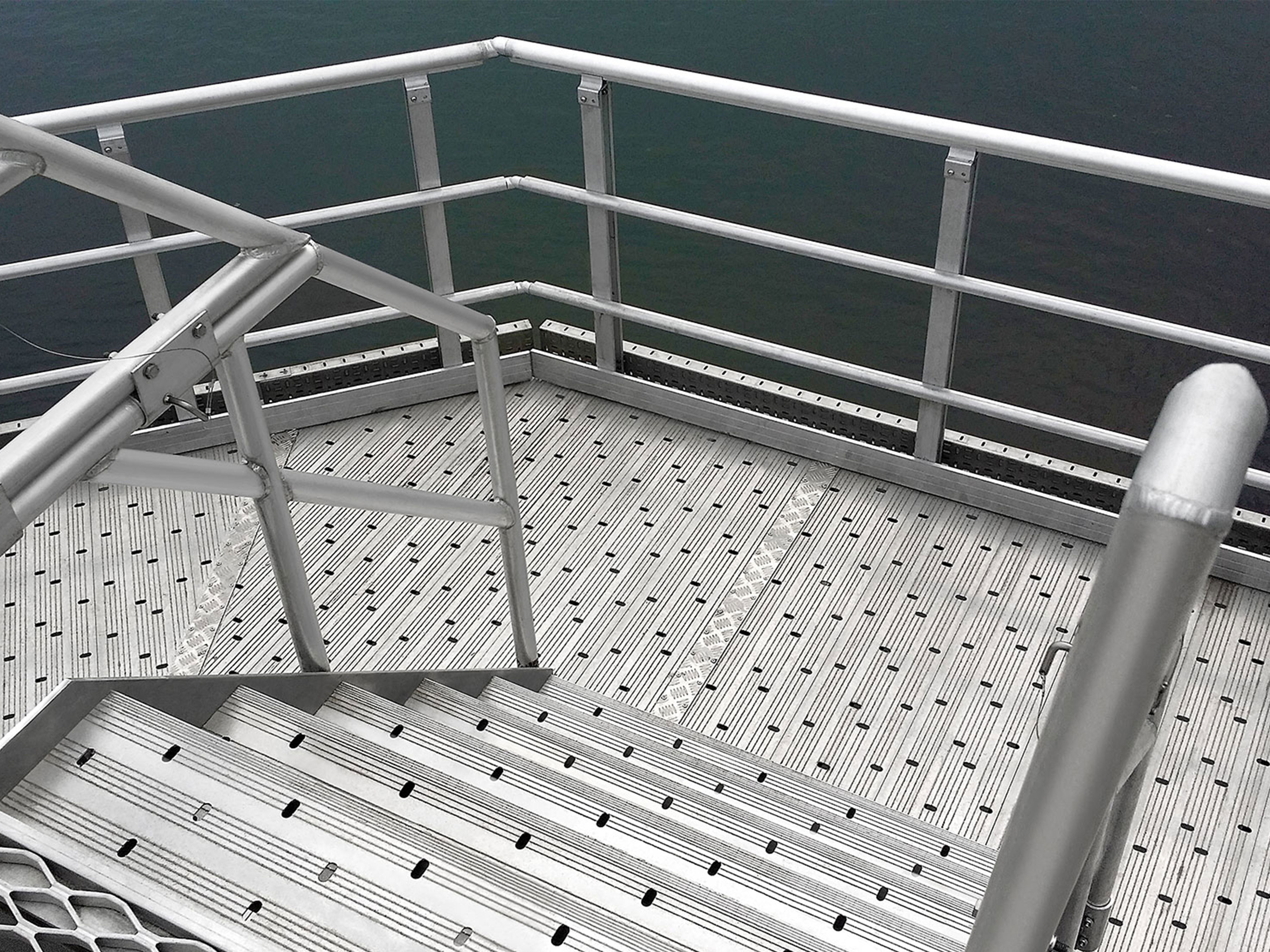
Marine aluminum customized shapes
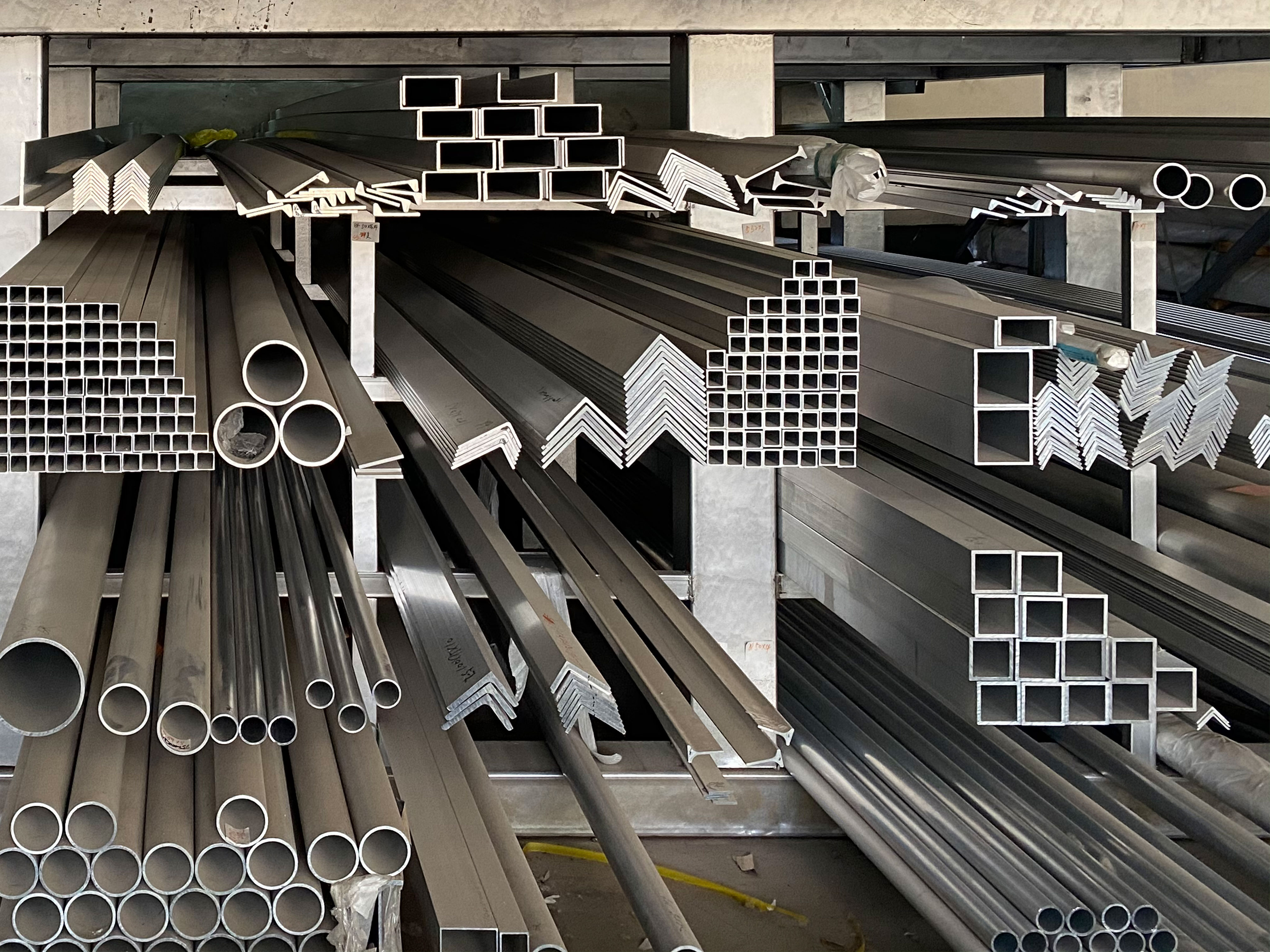
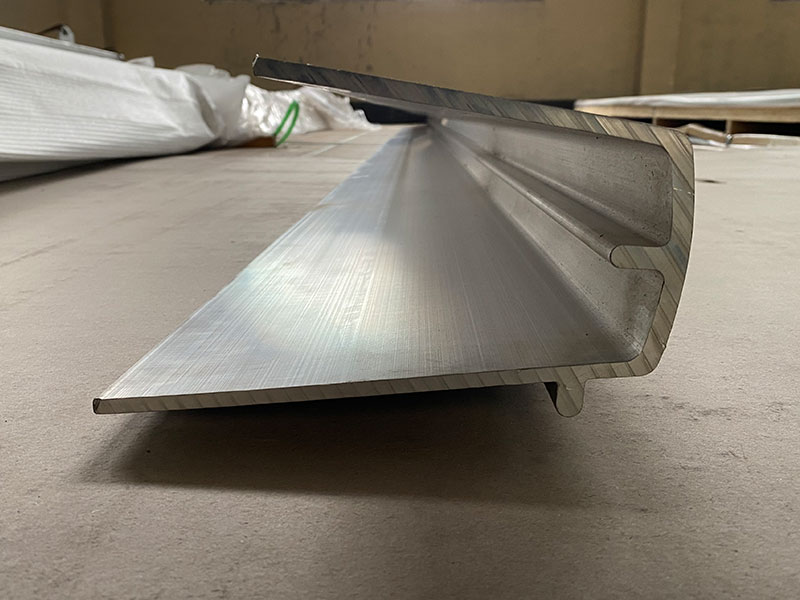
Marine Grade Aluminum Customized Shapes encompass a broad range of aluminum extrusions and fabrications engineered beyond standard profiles—such as channels, angles, tubes, and beams—into complex, project-specific geometries.
View Details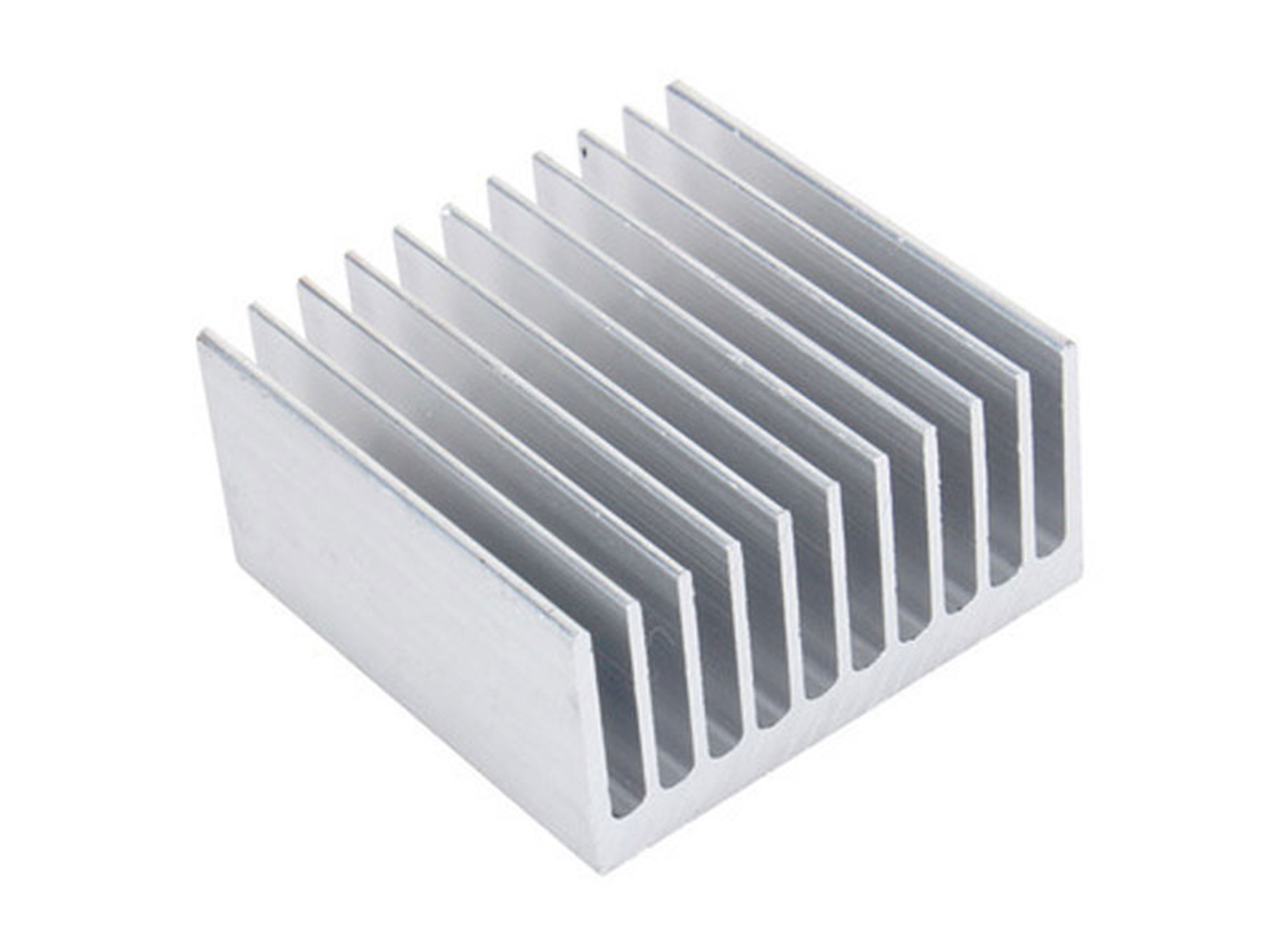
Marine aluminum heat sink profile
Marine Grade Aluminum Heat Sink Profiles utilize alloys such as 6061 and 6063 that not only exhibit high thermal conductivity but also possess excellent corrosion resistance required for saltwater exposure.
View DetailsRelated Blog
5083 Marine Aluminum Fencing and Railings for High Strength Coastal Railings
When it comes to constructing fencing and railings along coastal environments, the material choice plays a significant role in long-term performance, strength, and resistance to harsh conditions.
View Details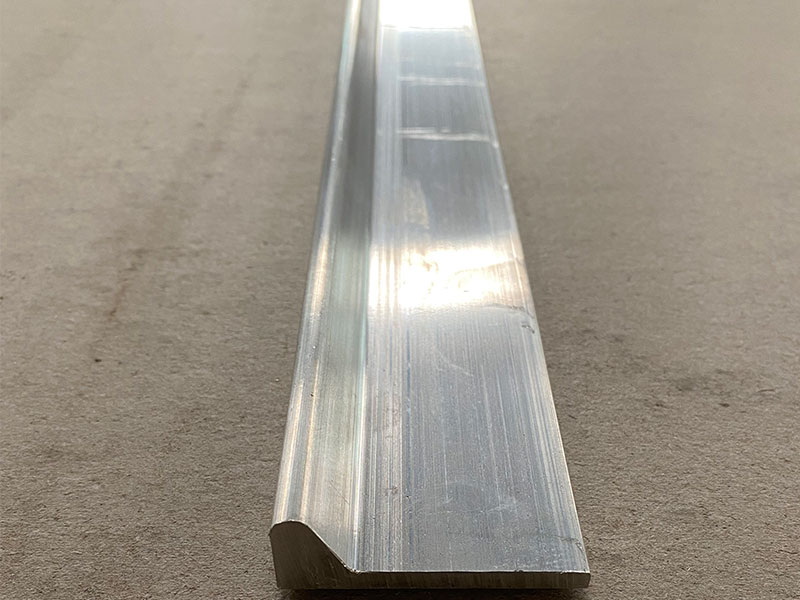
5083 Marine Aluminum Customized Shapes for Offshore Vessel Deck Frame Reinforcements
When it comes to offshore vessel deck frame reinforcements, the choice of materials is critical for durability, strength, and corrosion resistance. Among the myriad of options.
View Details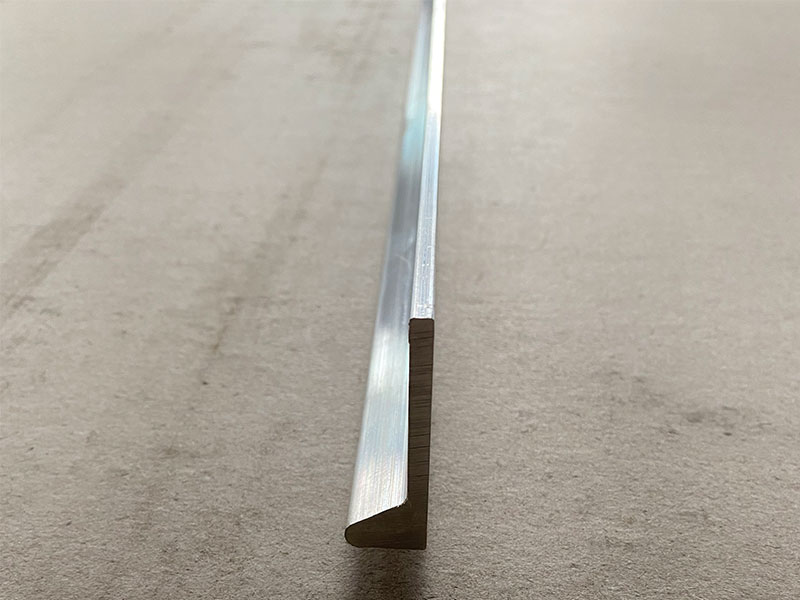
5083 Marine Aluminum Fencing and Railings for Lightweight Offshore Guardrail Systems
When it comes to offshore guardrail systems, ensuring safety, durability, and corrosion resistance are paramount. 5083 Marine Aluminum has emerged as an excellent material choice for fencing and railings in marine environments.
View Details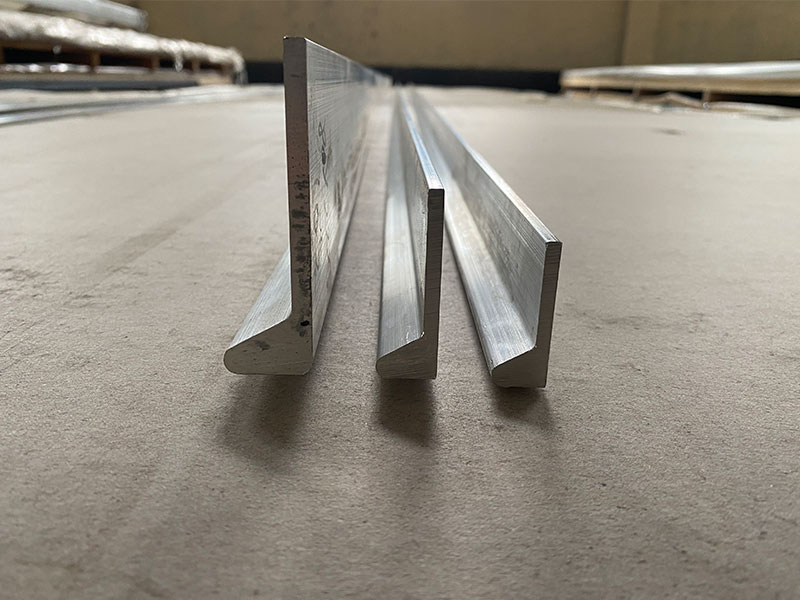
5083 Marine Aluminum Customized Shapes for Saltwater Resistant Boat Deck Frames
When it comes to boat deck frames that endure the relentless challenge of saltwater environments, the choice of materials is paramount. Among all options.
View Details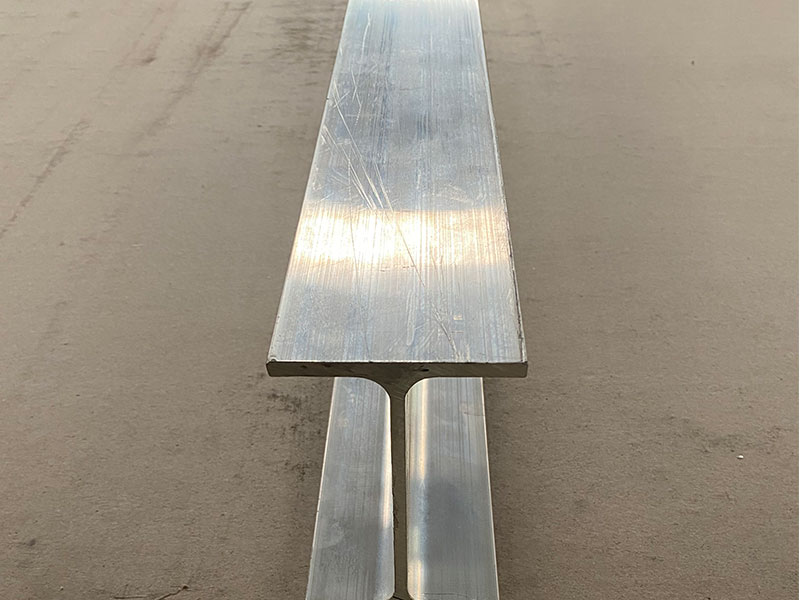
5083 Marine Aluminum Fencing and Railings for High Strength Marine Applications
Marine environments demand materials that can withstand harsh conditions, including corrosive saltwater, high humidity, strong winds, and constant mechanical stresses.
View Details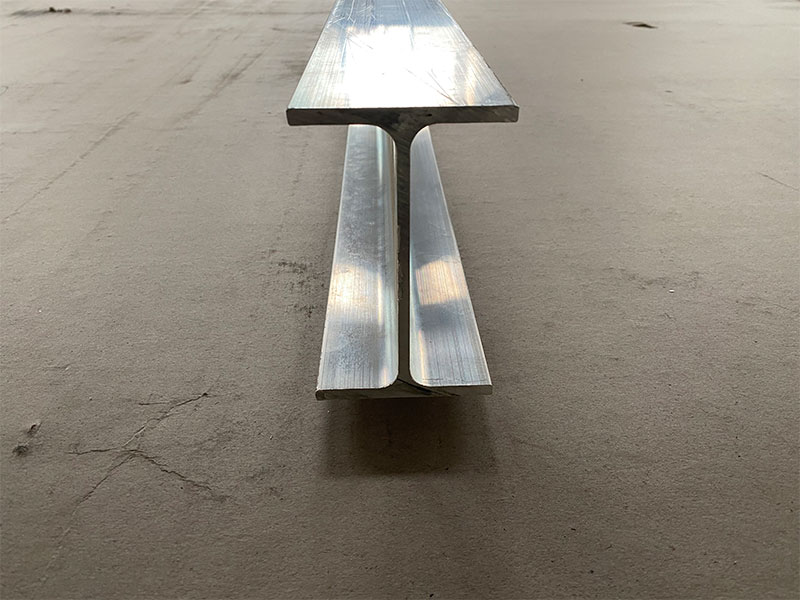
5083 Marine Aluminum Customized Shapes for Coastal Infrastructure Design and Build
When it comes to the demanding environments of coastal infrastructure design and build, 5083 Marine Aluminum continues to solidify its leadership with exceptional strength and corrosion resistance.
View Details
Leave a Message