
6082 Marine Aluminum Rod & Bar for Custom Coastal Marine Engineering
Coastal and near-shore structures live in a demanding world: salt spray, tidal wet/dry cycling, abrasive sand, stray currents, and constant maintenance pressure. 6082 marine aluminum rod & bar is a practical answer for designers and fabricators who need high strength in a weldable, corrosion-resistant, lightweight form-especially for custom machined parts and fabricated assemblies used around seawater.
6082 is an Al-Mg-Si alloy (6xxx series) known for combining good mechanical performance, excellent machinability, and reliable weldability. In marine engineering, it is frequently selected for shafts, pins, axles, brackets, frames, stanchions, custom connectors, and load-bearing fittings where mass reduction and durability matter as much as strength.
Why 6082 Works So Well in Coastal Marine Builds
Balanced strength-to-weight ratio
Compared with many general-purpose aluminum grades, 6082 offers higher structural strength (particularly in T6/T651), enabling lighter parts without sacrificing stiffness.
Strong corrosion behavior in marine atmospheres
While no aluminum alloy is "immune" to seawater, 6082 performs well in marine atmospheres and splash zones, especially with thoughtful design, isolation from dissimilar metals, and suitable surface protection.
Weldable and fabrication-friendly
6082 can be welded using common processes. After welding, strength in the heat-affected zone reduces relative to T6, but the alloy remains highly practical for fabricated marine structures, particularly when the design accounts for local strength reductions.
Machining and customization
Rod and bar forms are ideal for CNC machining and tight-tolerance turning/milling, making 6082 a go-to material for bespoke marine hardware and engineered components.
Typical Product Forms for Marine Rod & Bar
6082 is commonly supplied as round bar, square bar, flat bar, and precision rod for machined parts and structural connectors. For coastal marine engineering, customers typically prioritize:
- Straightness for long rods used as shafts, pins, or tie elements
- Dimensional stability for tight-tolerance machining
- Clean surface quality for anodizing and coating
- Certification and traceability for critical infrastructure projects
Chemical Composition (Typical Limits)
6082's performance is driven by magnesium and silicon (forming Mg₂Si), with manganese supporting strength and structural robustness.
| Element | Typical Range (wt. %) |
|---|---|
| Silicon (Si) | 0.70–1.30 |
| Magnesium (Mg) | 0.60–1.20 |
| Manganese (Mn) | 0.40–1.00 |
| Iron (Fe) | ≤ 0.50 |
| Copper (Cu) | ≤ 0.10 |
| Chromium (Cr) | ≤ 0.25 |
| Zinc (Zn) | ≤ 0.20 |
| Titanium (Ti) | ≤ 0.10 |
| Aluminum (Al) | Balance |
Note: Actual certificates vary by standard and mill practice; project-critical work should be ordered to the applicable specification and verified by mill test report.
Mechanical Performance (Common Tempers)
Marine projects often select T6/T651 for strength-driven components and T4/T451 where forming and post-processing are prioritized.
| Property | 6082-T6 / T651 (Typical) | What It Means for Marine Parts |
|---|---|---|
| Ultimate tensile strength | ~290–340 MPa | Strong rods for pins, shafts, load-bearing brackets |
| Yield strength (0.2%) | ~240–300 MPa | Higher resistance to permanent deformation |
| Elongation | ~8–12% | Good balance of strength and ductility |
| Hardness (Brinell) | ~90–110 HB | Wear resistance for sliding contact and fastener interfaces |
| Density | ~2.70 g/cm³ | ~1/3 the density of steel for easier handling and lower inertia |
Values are typical and depend on diameter, processing route, and relevant standard.
Physical & Thermal Data (Useful for Design)
For coastal engineering, thermal expansion, conductivity, and modulus influence fit-up, alignment, and fatigue performance.
| Parameter | Typical Value | Design Relevance |
|---|---|---|
| Modulus of elasticity | ~69 GPa | Deflection and stiffness calculations |
| Coefficient of thermal expansion | ~23.5 µm/m·K | Tolerance planning across temperature swings |
| Thermal conductivity | ~170–200 W/m·K | Heat dissipation in housings and mounts |
| Electrical conductivity | ~40–45 %IACS | Considerations for stray current paths |
| Melting range | ~555–650 °C | Welding and thermal process window |
Technical Specifications Customers Commonly Request
Rod and bar purchases usually focus on dimensional options, tolerances, surface condition, and documentation.
| Item | Common Options for 6082 Rod & Bar |
|---|---|
| Supply forms | Round bar, square bar, flat bar, cut-to-length blanks |
| Typical tempers | T6, T651, T4, T451 |
| Surface finish | Mill finish, peeled/bright, precision ground (application-dependent) |
| Certification | Mill Test Report, heat/lot traceability, third-party inspection (on request) |
| Processing services | Cutting, chamfering, rough machining, custom lengths, kitting |
Feature Highlights for Coastal Marine Engineering
Lightweight strength that reduces system load
Replacing steel components with 6082 can significantly cut mass, improving handling during installation and reducing loads on frames, pontoons, and cantilevered assemblies. In moving systems-like davits or marine access platforms-lower inertia can also mean smoother operation and reduced wear.
Reliable machinability for custom components
6082 rod and bar machine cleanly for bushes, sleeves, spacers, clevis pins, threaded elements, and precision shafts. For coastal systems that are often one-off or built-to-site conditions, machinable stock shortens lead times compared with complex castings.
Corrosion resistance where it matters most
In marine atmospheres and splash zones, 6082 offers solid durability, especially when paired with good engineering practice:
- Avoid stagnant seawater traps and crevices
- Use drainage paths and smooth transitions
- Isolate dissimilar metals to reduce galvanic corrosion
- Apply anodizing or marine coating systems where exposure is severe
Weldable for fabricated frames and brackets
6082 is commonly used in welded assemblies such as support frames, ladders, walkways, guards, and equipment mounts. Post-weld properties can be addressed via design allowances, localized reinforcement, or selecting temper and section size appropriately.
Typical Marine Applications (Rod & Bar Focus)
| Application Area | Example Components Made from 6082 Rod & Bar | Why 6082 Fits |
|---|---|---|
| Coastal infrastructure | Tie rods, anchor connectors, handrail posts, custom brackets | Strength, machinability, corrosion behavior |
| Vessel and dock hardware | Clevis pins, rollers, hinges, lugs, stanchions | Good strength-to-weight, easy fabrication |
| Marine energy and monitoring | Sensor mounts, instrumentation housings, support arms | Lightweight, stable, customizable |
| Aquaculture systems | Frames, connector blocks, pivot pins, modular joints | Corrosion resistance, easy maintenance |
| Rescue and access equipment | Davit components, ladder joints, structural fittings | High strength with reduced mass |
Surface Protection and Compatibility Notes
6082 performs best when surface strategy matches exposure:
| Exposure Environment | Recommended Approach |
|---|---|
| Marine atmosphere (salt spray, windborne chloride) | Anodizing or marine paint system; emphasize drainage and isolation |
| Splash zone (wet/dry cycling) | Robust coating system; avoid crevices; consider sacrificial design where needed |
| Full immersion in seawater | Use with caution; protect with coating, isolation, and good design; review alloy suitability for continuous immersion |
For fasteners and mating parts, galvanic coupling is a common coastal failure trigger. Stainless and carbon steels can accelerate attack if not isolated. Using insulating washers/bushings, suitable sealants, and coating continuity often makes the difference between long service life and premature pitting around joints.
Choosing the Right Temper and Bar Type
| Priority | Recommended Form/Temper | Typical Use Case |
|---|---|---|
| Maximum strength and stiffness | T6 / T651 bar | Load-bearing pins, shafts, brackets |
| Better forming and post-processing flexibility | T4 / T451 | Components requiring additional forming or controlled aging |
| Tight machining tolerances | Precision rod / ground bar | Fits, bearing interfaces, alignment-critical parts |
6082 marine aluminum rod & bar delivers a high-value combination: strong, weldable, machinable, and well-suited to coastal environments when paired with sound corrosion design and appropriate surface protection. For custom coastal marine engineering-where components are often purpose-built, weight matters, and maintenance access is limited-6082 provides a dependable foundation for everything from structural connectors to precision-machined marine hardware.

Related Products
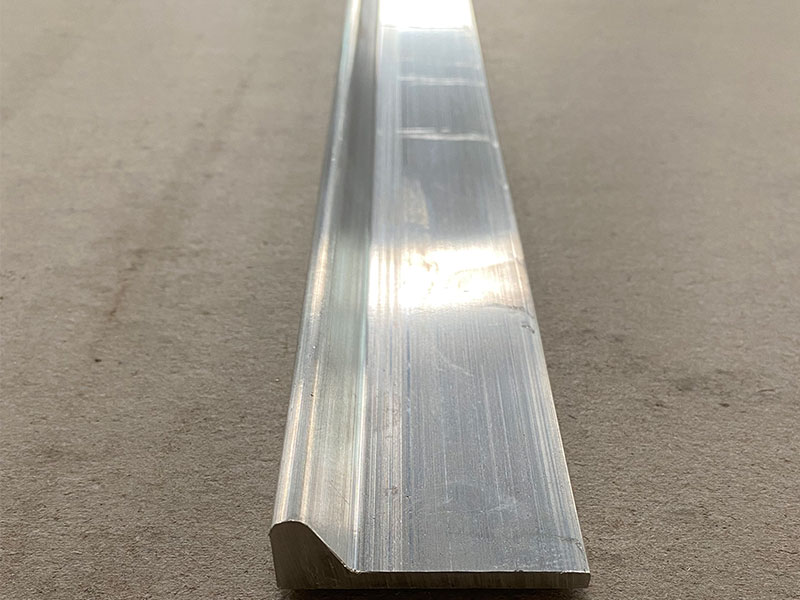
Marine aluminum I-beams
Marine Aluminum I-Beams feature the traditional “I” cross-sectional profile fabricated from marine-grade aluminum alloys like 5083, 5086, and 6061. These alloys are renowned for their outstanding corrosion resistance, especially in saltwater and marine atmospheres, making them ideal for offshore and naval construction.
View Details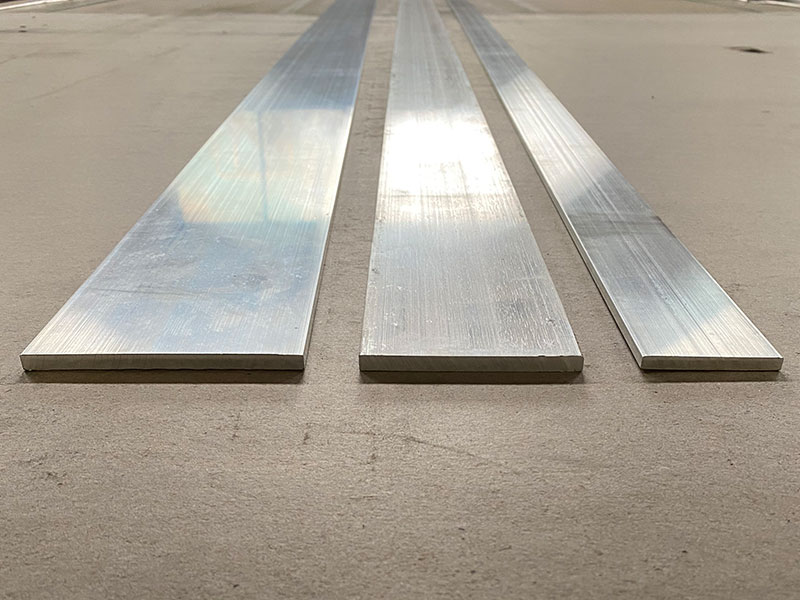
6061 T6 marine aluminum flat bar
6061 aluminum is classified as a heat-treatable 6xxx series alloy, alloyed primarily with magnesium and silicon. The T6 temper designation indicates that the flat bar has been solution heat-treated and artificially aged to achieve optimum strength and hardness.
View Details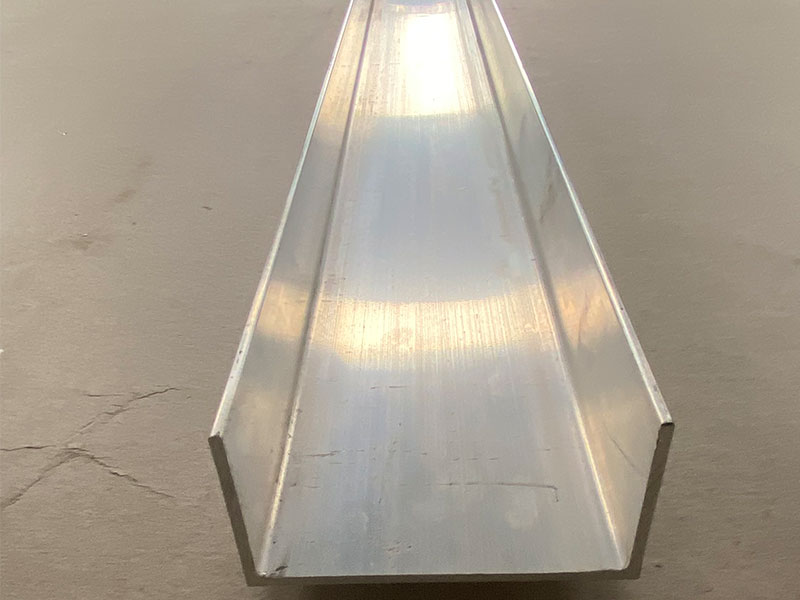
Marine aluminum channels
Marine Aluminum Channels are U-shaped aluminum profiles produced from alloys such as 5083, 5052, and 6061, known for their excellent marine corrosion resistance and superior mechanical strength.
View Details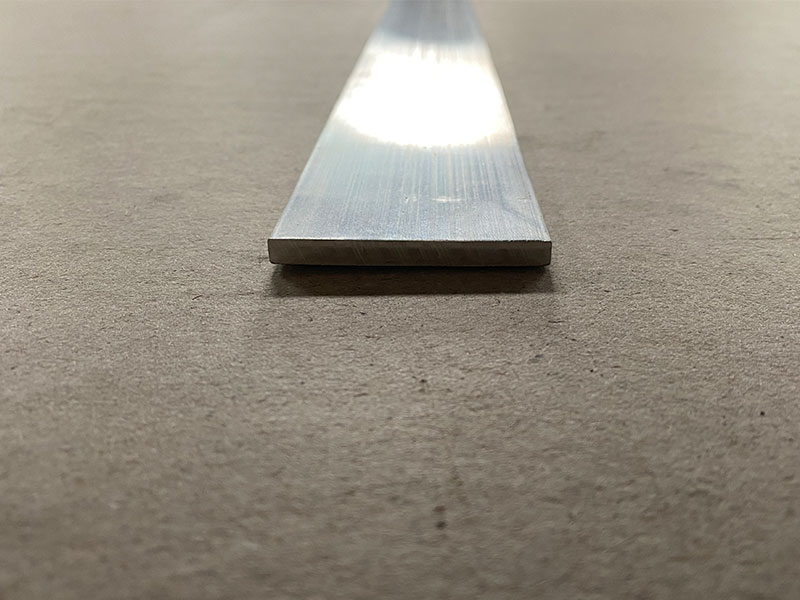
5083 marine aluminum flat bar
5083 aluminum flat bars belong to the 5xxx series of aluminum-magnesium alloys, known primarily for their superior resistance to seawater corrosion and salt spray.
View Details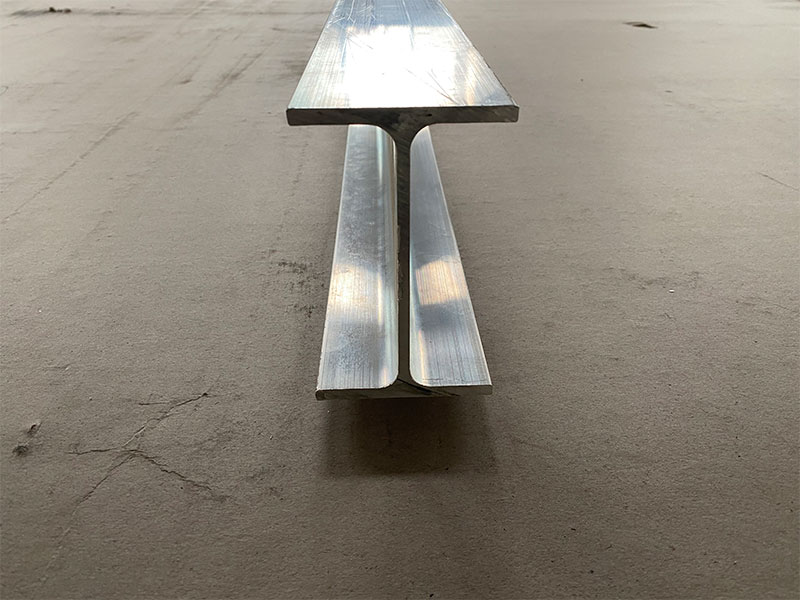
Marine aluminum Z-shaped sections
Marine Aluminum Z-shaped Sections are fabricated from premium marine-grade aluminum alloys such as 5083, 5052, and 6061. These alloys are well-regarded for their superior corrosion resistance in seawater and marine atmospheres, along with good mechanical strength and excellent weldability.
View Details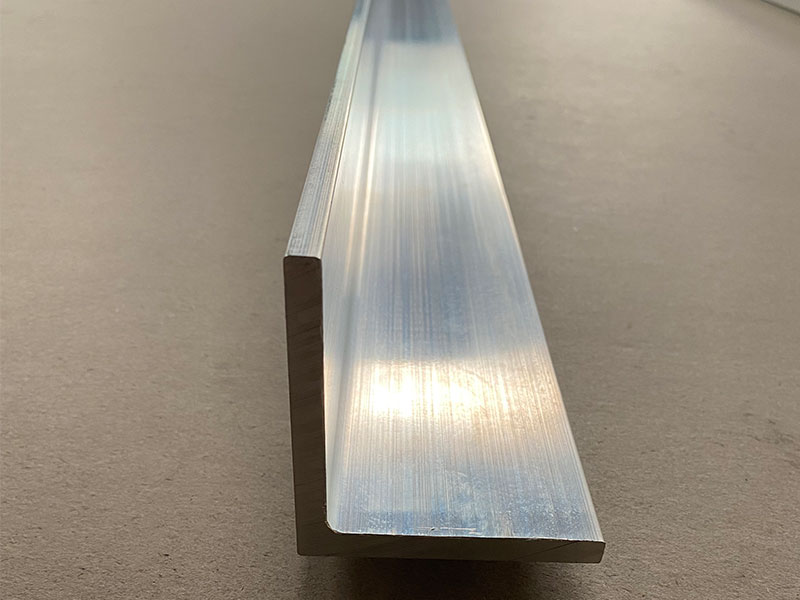
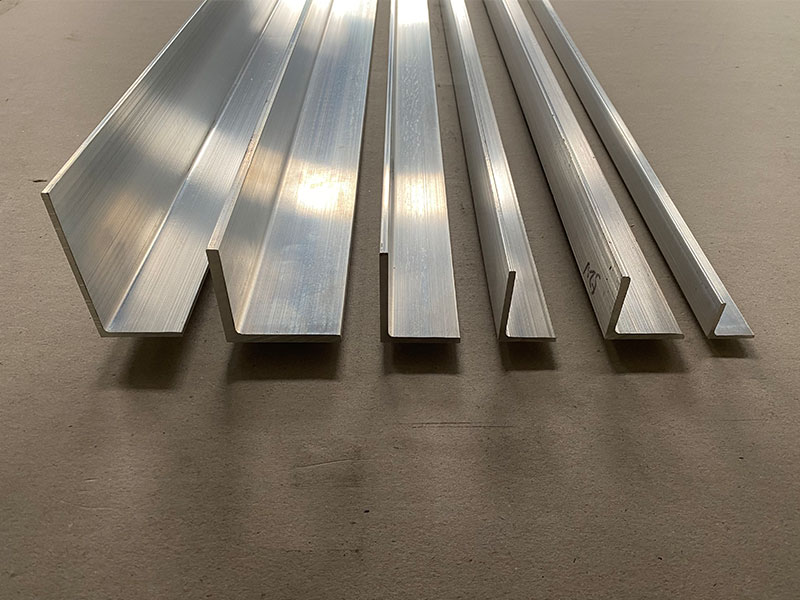
Marine aluminum angles
Marine Aluminum Angles are L-shaped cross-sectional aluminum profiles produced from marine-grade aluminum alloys such as 5083, 5052, and 6061.
View DetailsRelated Blog
6082 Marine Aluminum Rod & Bar for Offshore Marine Hull Parts
6082 marine aluminum rod and bar is a high-strength, corrosion-resistant wrought aluminum product widely selected for offshore hull parts where structural reliability and long service life matter.
View Details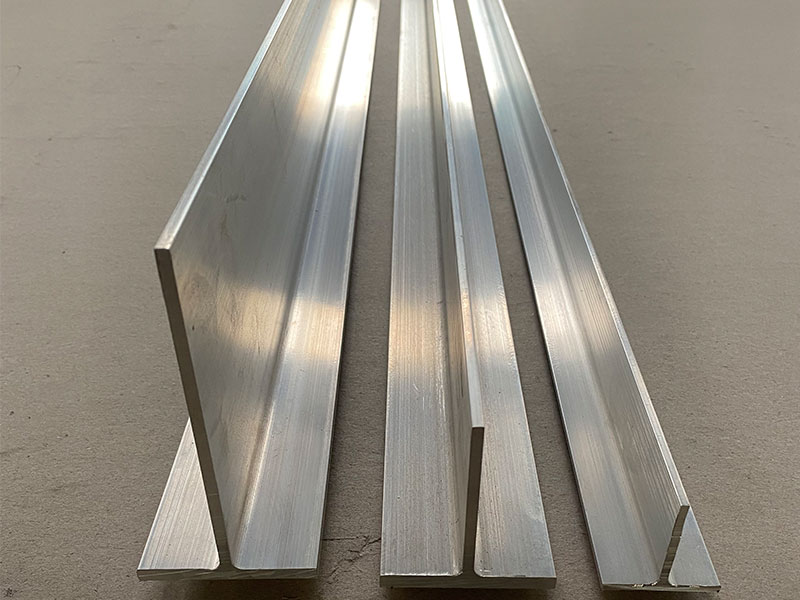
6082 Marine Aluminum Rod & Bar for Custom Boat Frame Reinforcements
Marine aluminum is the ideal choice for lightweight, durable, and corrosion-resistant applications, particularly in the production of vessels that operate in harsh marine environments.
View Details
6082 marine aluminum rod & bar
When it comes to marine applications, selecting the right aluminum material is crucial. Among the various alloys available, 6082 marine aluminum rod and bar is know as the premier choice, perfectly balancing strength, corrosion resistance.
View Details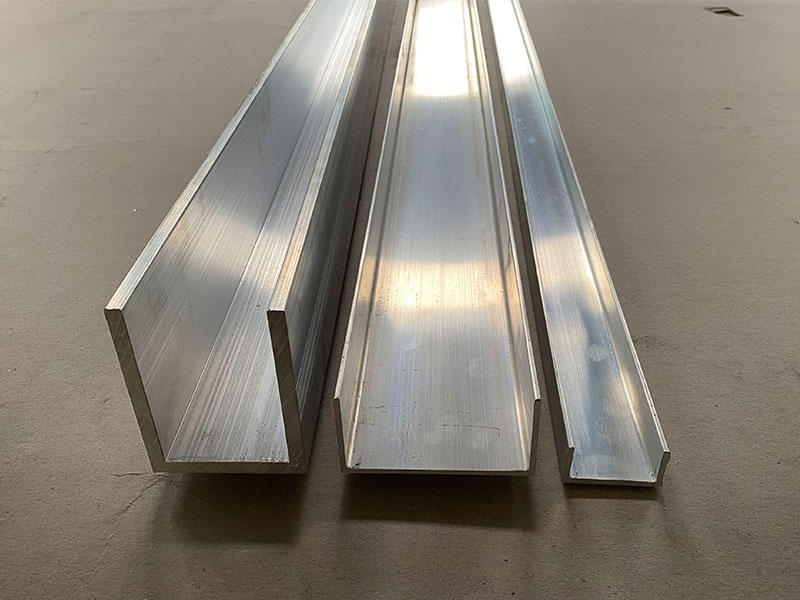
6082 Marine Aluminum Rod & Bar for High Performance Offshore Components
When offshore equipment is expected to run for years in salt spray, splash zones, and humid machinery spaces, the material choice is rarely about "good enough.
View Details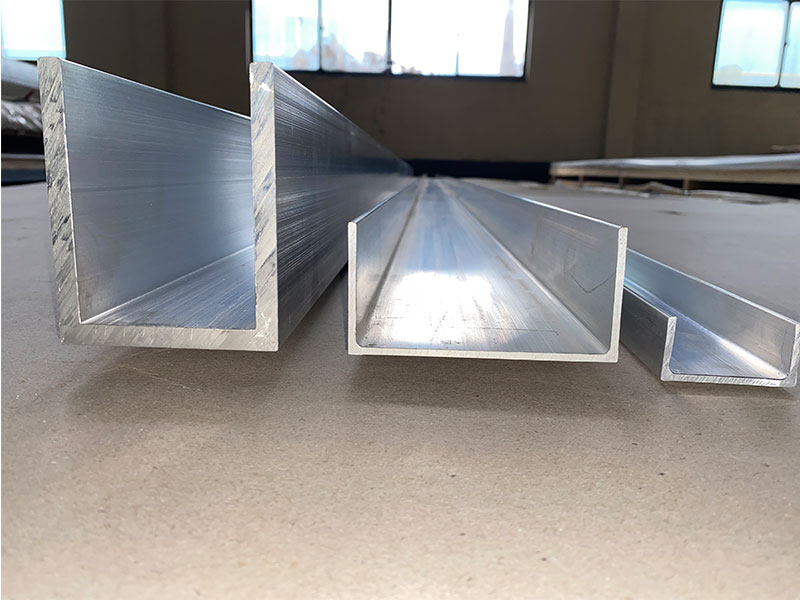
5083 5086 6061 6082 marine aluminum channel
IntroductionMarine aluminum channel is an essential structural product in shipbuilding, offshore platforms, marine fittings, and related coastal infrastructure. Compared with steel.
View Details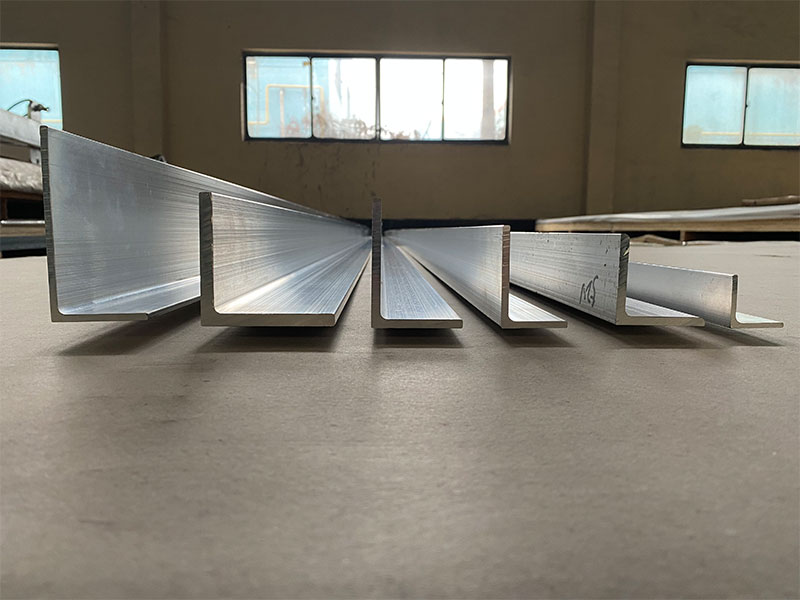
6082 Marine Aluminum Rod & Bar for Custom Coastal Marine Engineering
Coastal and near-shore structures live in a demanding world: salt spray, tidal wet/dry cycling, abrasive sand, stray currents, and constant maintenance pressure.
View Details
Leave a Message