
Marine aluminum plate 5083 h116
Marine aluminum isn't just "metal that doesn't rust." In real seawater service, the winning materials are those that can live comfortably in a world of chloride ions, cyclic wet/dry exposure, vibration, and welding heat. From that viewpoint, 5083-H116 marine aluminum plate stands out as a purpose-built hull and superstructure alloy: it's designed not merely to be strong, but to stay strong after welding and after years of saltwater contact. That long-game performance is why 5083 H116 is widely specified for shipbuilding, high-speed craft, offshore structures, gangways, and other marine fabrications where reliability is engineered into the plate itself.
Why 5083-H116 is "Seawater-Ready" by Design
The distinctive feature of AA 5083 is that it is an Al-Mg-Mn alloy that gains strength primarily from solid-solution strengthening (magnesium in aluminum) and controlled work hardening, rather than heat treatment. In marine use, this matters because many parts are welded, and weld zones can soften. 5083 is valued because it maintains an excellent balance of as-welded strength, toughness, and corrosion resistance, especially compared with common general-purpose grades.
The H116 temper adds a specifically marine-oriented promise. It isn't just "strain hardened." It is a condition intended for products that must resist exfoliation corrosion in saltwater environments. Think of H116 as an alloy temper that prioritizes stability against the type of layered, under-surface corrosion that can attack rolled plate in aggressive marine exposure. In other words, the temper is part of the corrosion strategy, not merely a strength setting.
What "H116" Means in Practical Fabrication Terms
In fabrication shops, tempers are often treated as a strength label. For boats and offshore fabrications, H116 is better understood as a process-controlled plate condition aimed at marine durability.
5083-H116 plate is typically selected when you want:
- dependable performance under continuous seawater splash and immersion
- a plate condition commonly accepted by marine classification expectations
- strong as-welded behavior for MIG/TIG fabrication, including large structural weldments
- good low-temperature toughness for harsh service
Common filler alloys for welding 5083 plate include 5183, 5356, and 5556 depending on design requirements, classification rules, and crack sensitivity considerations.
Implementation Standards and Common Supply Expectations
5083-H116 marine aluminum plate is typically produced and supplied under widely recognized aluminum product standards. The exact standard set depends on region, project, and classification requirements, but common references include:
- ASTM B928 / B928M for high-magnesium aluminum-alloy sheet and plate for marine service (often associated with H116/H321 tempers and marine corrosion performance expectations)
- ASTM B209 / B209M for aluminum and aluminum-alloy sheet and plate (general dimensional and mechanical framework; marine projects often prefer B928 for 5xxx plate where applicable)
- EN 485 series for aluminum wrought products (Europe; properties and tolerances depend on part of the series and product form)
- Classification society requirements may apply depending on the vessel or offshore structure, such as DNV, ABS, LR, BV, CCS, etc., especially for critical hull structure and thicknesses
In purchasing, marine buyers often specify not only the alloy/temper but also the requirement for marine corrosion testing or compliance statements aligned with the applicable standard.
Typical Parameters That Matter on the Dock and in the Yard
Marine aluminum plate is chosen with "yard reality" in mind: cutting, forming, welding, and surface preparation. The parameters that most directly translate into build quality include thickness range availability, flatness, surface condition, and traceability.
5083-H116 plate is commonly stocked across a broad thickness spectrum for hulls, decks, tanks, ramps, and offshore structural panels. Actual rolling availability varies by mill and market, but marine service plate is commonly sourced from a few millimeters up into heavy plate gauges used for structural members.
In forming, 5083 can be shaped effectively, though tight-radius forming depends on thickness and tooling. In corrosion protection design, 5083 is often used bare in many marine applications because its natural oxide and alloy chemistry provide strong resistance; where coatings are used, surface prep and compatibility with marine primers matter more than coating thickness alone.
Alloy Tempering and Service Conditions: The Marine Difference
5083 is non-heat-treatable, so it does not achieve its strength through T6-like precipitation hardening. Instead, its strength comes from:
- magnesium content providing solid-solution strengthening
- controlled rolling and stabilization resulting in strain-hardened tempers
That means marine designers often focus on how properties behave after fabrication heat input and in service exposure. The H116 temper is chosen specifically because it is positioned for marine plate products where corrosion behavior in a chloride environment is part of the requirement, not a secondary benefit.
Also important is the long-term temperature window. High-magnesium 5xxx alloys can be sensitive to sensitization phenomena at elevated service temperatures over time; good practice is to avoid prolonged exposure to higher temperatures in service when designing with 5083.
Chemical Composition of 5083 Marine Aluminum Plate
Chemistry is the blueprint behind corrosion behavior and weld performance. Below is a commonly cited composition range for AA 5083 (typical specification limits may vary slightly by standard and producer; project documents should govern).
5083 Aluminum Alloy Chemical Composition Table (wt.%)
| Element | Content (wt.%) |
|---|---|
| Magnesium (Mg) | 4.0 – 4.9 |
| Manganese (Mn) | 0.4 – 1.0 |
| Chromium (Cr) | 0.05 – 0.25 |
| Silicon (Si) | ≤ 0.40 |
| Iron (Fe) | ≤ 0.40 |
| Copper (Cu) | ≤ 0.10 |
| Zinc (Zn) | ≤ 0.25 |
| Titanium (Ti) | ≤ 0.15 |
| Others (each) | ≤ 0.05 |
| Others (total) | ≤ 0.15 |
| Aluminum (Al) | Remainder |
From a marine engineering perspective, the high Mg content is the corrosion-resistance workhorse in seawater environments, while Mn and Cr help refine structure and contribute to balanced mechanical stability.
Performance Lens: Why Builders Keep Coming Back to 5083-H116
If you judge marine plate by what actually causes rework, downtime, and lifecycle cost, 5083-H116 tends to win in three practical ways:
It welds into real structures without giving away all its strength. Many marine structures are essentially "welded systems," so base metal strength matters less than how the whole assembly behaves after weld heat input. 5083 is widely trusted for that reason.
It tolerates the sea's most common corrosion mechanisms. Marine failures are often not uniform corrosion but localized effects near crevices, deposits, dissimilar metal joints, or damaged coatings. 5083-H116 is often selected specifically to reduce the risk profile in these conditions when design and isolation practices are also applied.
It supports lightweight design without fragile tradeoffs. Weight savings are only valuable if they don't invite fatigue issues, distortion during welding, or corrosion surprises. 5083-H116 is a "builder-friendly" marine alloy that supports durable lightweight structures.
Where 5083-H116 Marine Aluminum Plate Is Commonly Used
Typical applications include hull plating, side shells, decks, superstructures, bulkheads, ramps, offshore walkways, fishery and workboat structures, and LNG-related or low-temperature service where toughness is important. It is also used for marine tanks and containment where compatibility and corrosion resistance are critical, subject to design codes and service media.
Buying Notes That Improve Project Outcomes
A marine aluminum plate purchase works best when it is treated as an engineered input rather than a commodity. Specifying 5083-H116, the governing standard (often ASTM B928 for marine plate), required inspection documents (such as mill test certificates), and any project-specific corrosion or ultrasonic requirements can help align the plate to the vessel's build and classification expectations.

Related Products
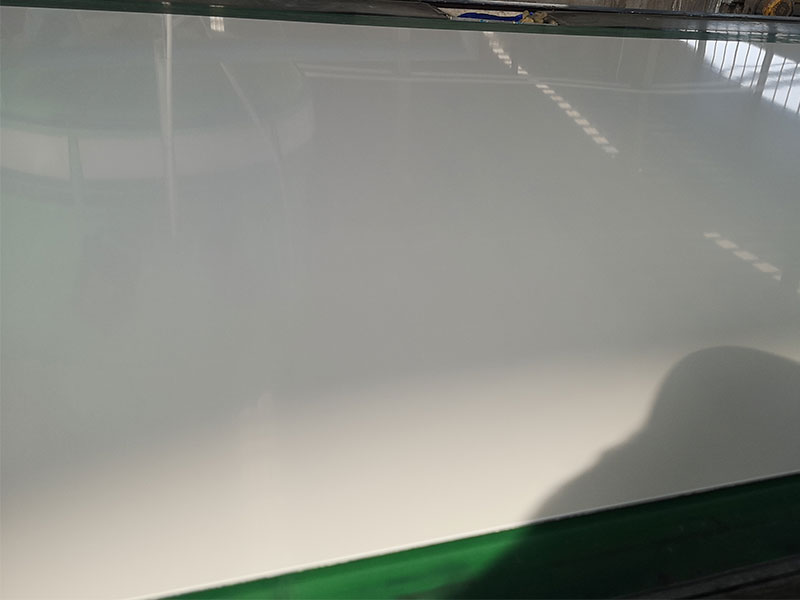
Marine 5086 aluminum plate
5086 Aluminum Plate belongs to the 5xxx series of aluminum-magnesium alloys. Its hallmark is a high magnesium content—generally between 4.0% and 4.9%—which delivers enhanced corrosion resistance, particularly against saltwater and marine atmospheric conditions.
View Details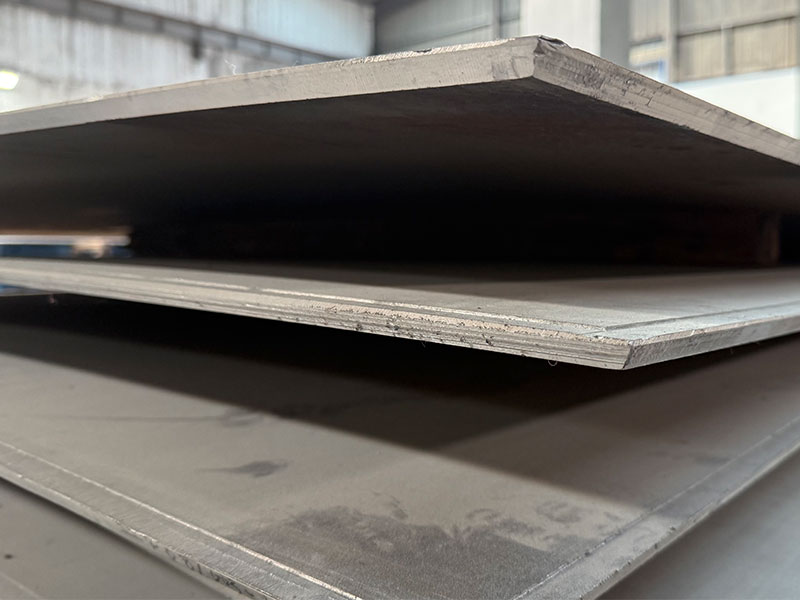
Marine aluminum steel clad plate
Aluminum / Steel Clad Plates consist of a sandwich construction in which a layer of marine-grade aluminum alloy is metallurgically bonded to a steel substrate.
View Details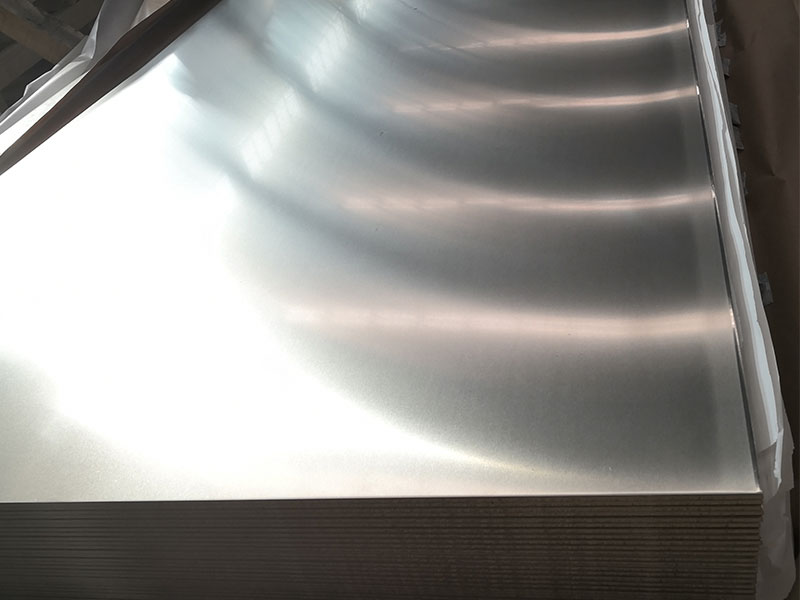
Marine 5052 aluminum plate
Marine 5052 Aluminum Plate is noted for its exceptional resistance to corrosion caused by seawater, salt spray, and marine atmospheres.
View Details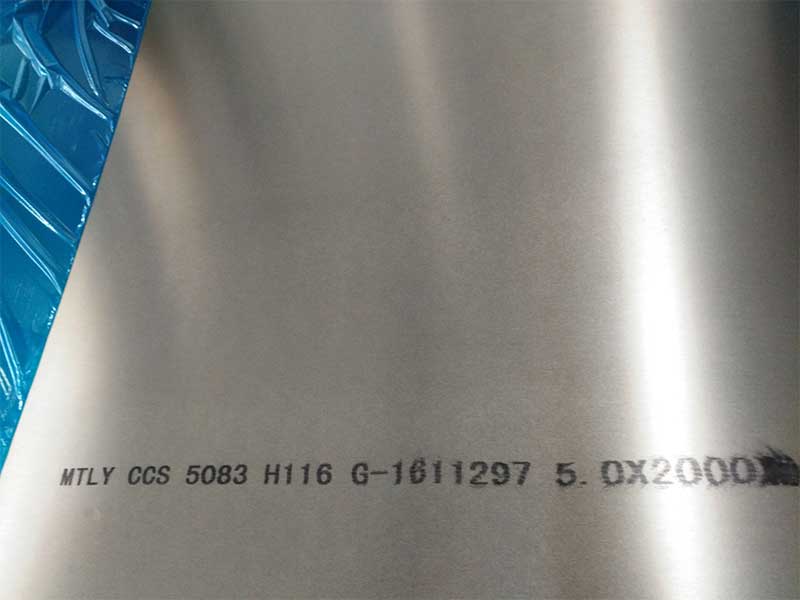
Marine 5083 aluminum plate
Marine 5083 Aluminum Plate belongs to the 5xxx series of aluminum-magnesium alloys and is classified as a non-heat-treatable alloy. Its high magnesium content (typically 4.0–4.9%) enhances its corrosion resistance, especially against seawater-related degradation such as pitting and stress corrosion cracking.
View Details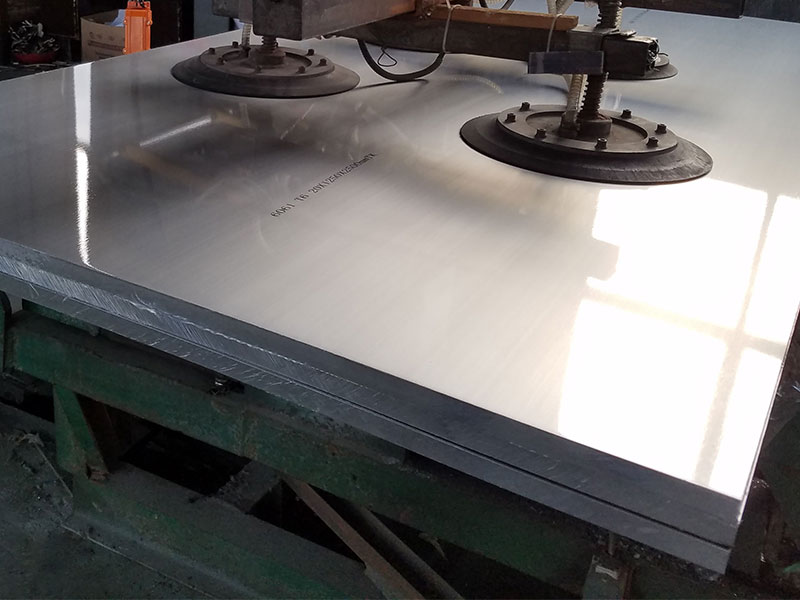
Marine heavy duty aluminum plate
Marine Heavy Duty Aluminum Plates Sheets generally refer to thick aluminum alloy plates and heavy gauge sheets produced from marine-grade alloys such as 5083, 5086, 5059, and 5383.
View Details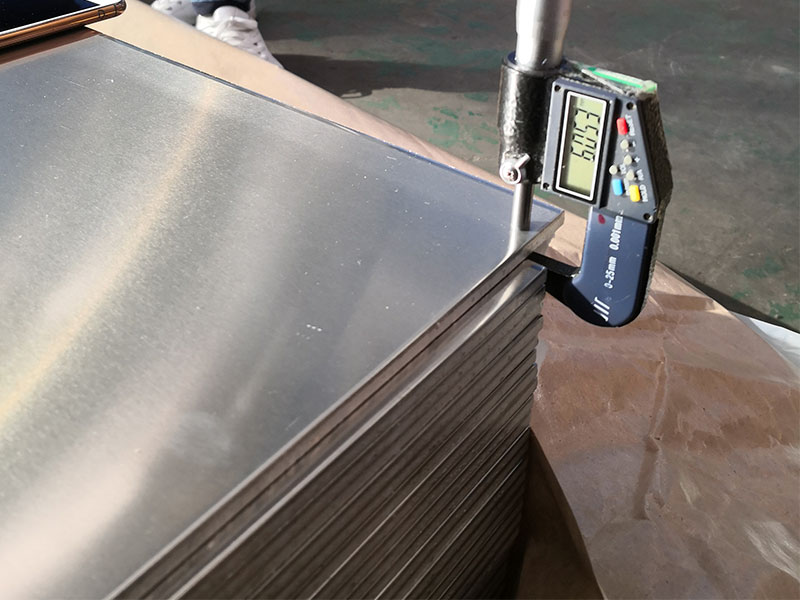
Marine 5383 aluminum plate
The 5383 aluminum alloy belongs to the 5xxx series of aluminum-magnesium alloys known for remarkable resistance to marine corrosion and high strength.
View DetailsRelated Blog
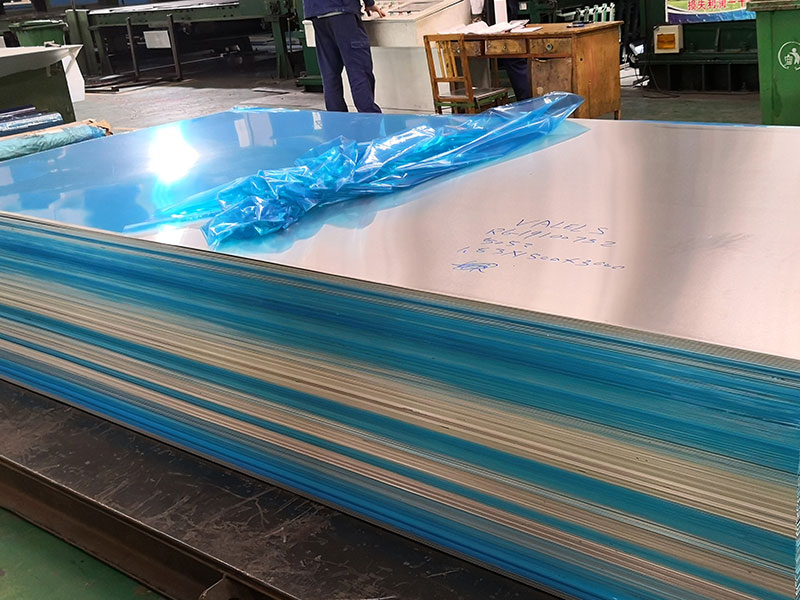
5083 marine aluminum sheet plate
5083 marine aluminum sheet plate has established itself as a standard reference in the maritime industry, thanks to its exceptional combination of performance, versatility, and durability.
View Details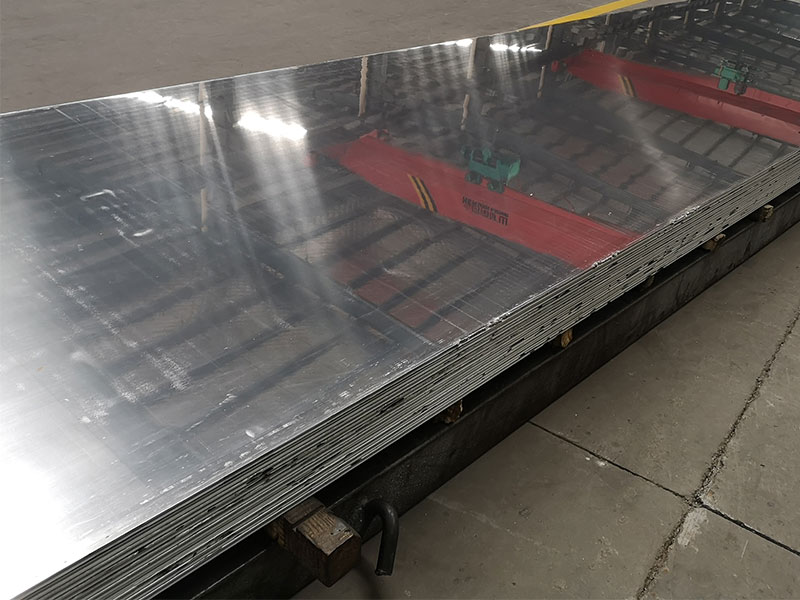
Marine grade aluminum 5083 sheet aluminum plate for boat using
When salt spray, wave impact, and long service hours meet a hull or deck structure, the material choice becomes the difference between "works on day one" and "keeps working for years.
View Details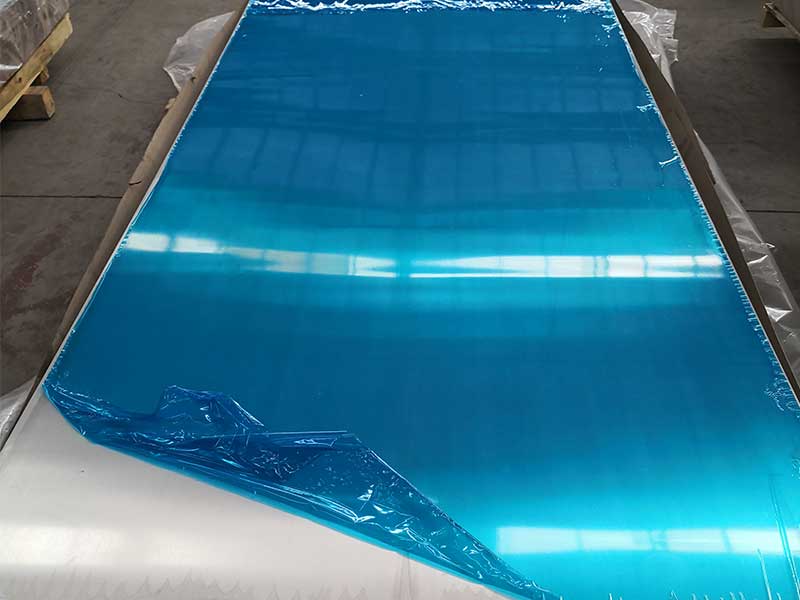
11 mm thick marine aluminium plate 5083
Marine industries demand materials that offer exceptional strength, corrosion resistance, and durability under harsh environmental conditions. The 11 mm thick marine aluminium plate 5083 is specifically designed to meet these rigorous standards.
View Details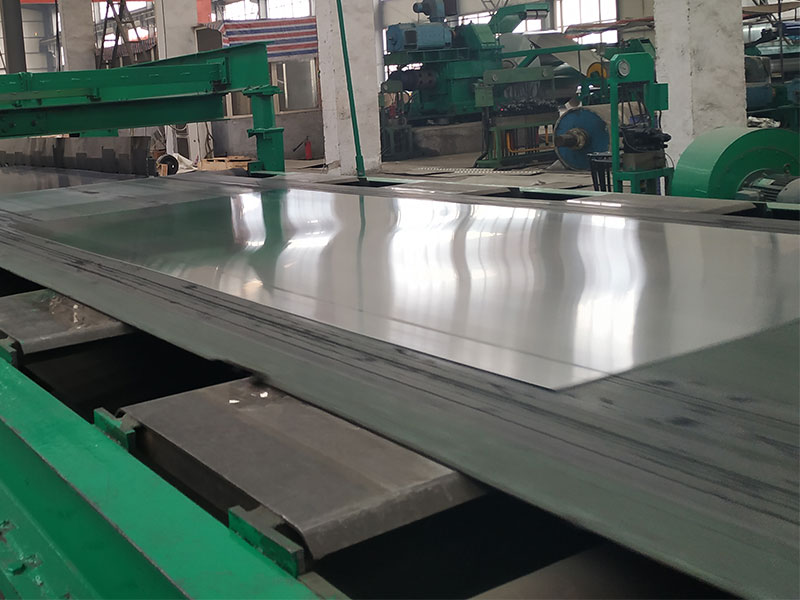
5083 marine grade aluminium plate
When it comes to marine construction and applications necessitating optimal performance in corrosive saltwater environments, 5083 marine grade aluminium plate stands out as one of the most reliable and versatile materials.
View Details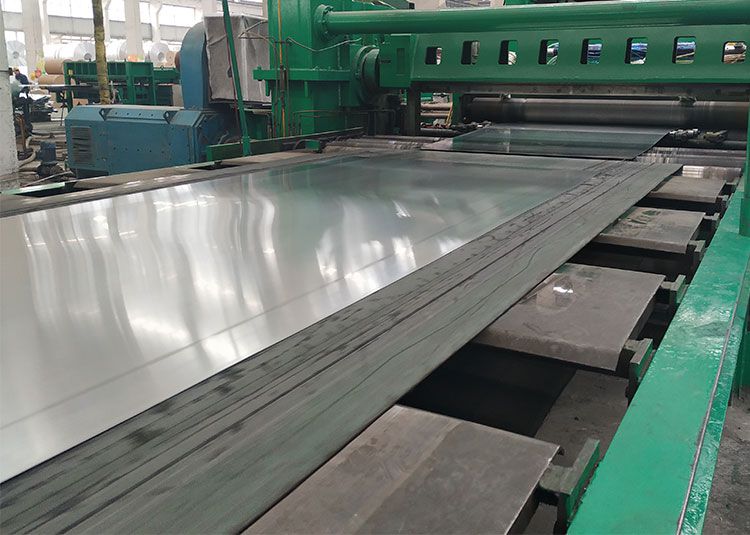
5083 marine grade aluminium plate for ship building
5083 Marine Grade Aluminium Plate: The Backbone of Modern ShipbuildingWhen it comes to building durable, efficient, and lightweight vessels, 5083 marine grade aluminium plate stands out as a premier material choice.
View Details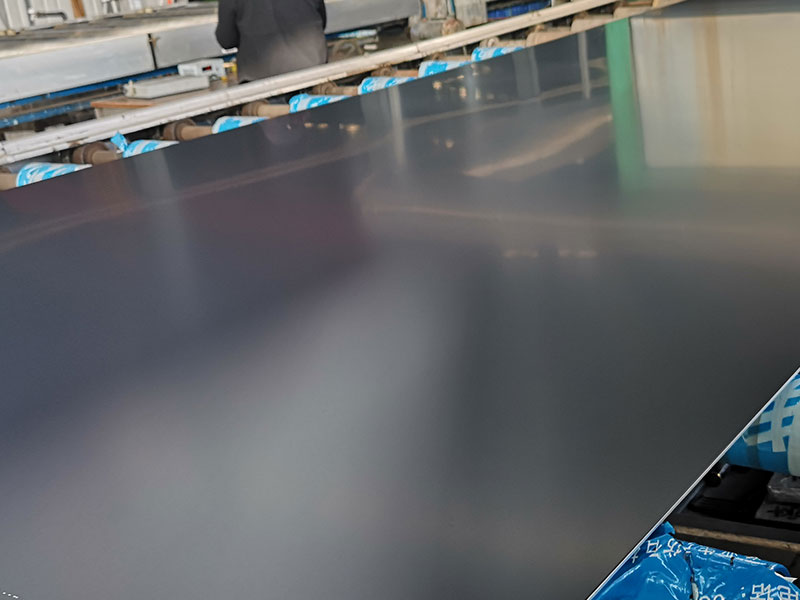
5083 0.5mm aluminum plate sheet for marine
5083 0.5mm aluminum plate sheet is a thin, high-strength marine-grade alloy offering excellent corrosion resistance, good weldability, and superior formability. Ideal for shipbuilding, boat decking, marine fittings, and coastal structures.
View Details
Leave a Message