
6061 Marine Aluminum Fencing and Railings for Custom Coastal Deck and Barrier Solutions
6061 Marine aluminum fencing and railings offer a smart balance of corrosion resistance, strength, clean appearance, and fabrication flexibility for coastal decks, docks, walkways, balconies, pool surrounds, and perimeter barriers. In salt-laden environments where steel can rust quickly and wood can swell or decay, 6061 aluminum provides a durable, lightweight, and low-maintenance alternative. It is especially valued for custom railing systems that need dependable structural performance, attractive finishes, and long service life near the ocean.
Why 6061 Aluminum Works for Marine Fencing and Railings
6061 is one of the most widely used heat-treatable aluminum alloys. For marine-adjacent fencing and railing projects, it stands out because it combines:
- Good corrosion resistance in coastal atmospheres
- Moderate-to-high strength for structural framing
- Excellent machinability and fabrication versatility
- Good weldability for custom assemblies
- Strong anodizing and powder-coating compatibility
- Lower weight than steel, reducing installation loads
Although alloys such as 5083 and 5086 are often preferred for direct seawater immersion, 6061 marine aluminum performs very well in coastal exposure, splash zones, deck railings, and architectural barriers when properly designed and finished.
Product Features
| Feature | Benefit for Coastal Deck and Barrier Systems |
|---|---|
| High strength-to-weight ratio | Strong railing sections with easier handling and installation |
| Good atmospheric corrosion resistance | Suitable for oceanfront decks, terraces, and exterior barriers |
| Excellent fabrication capability | Supports custom posts, top rails, infill frames, gates, and brackets |
| Heat-treatable alloy | Offers stable mechanical performance in common tempers |
| Good weldability | Useful for fabricated railing frames and modular fence panels |
| Attractive surface finishing | Ideal for anodized, brushed, or powder-coated architectural systems |
| Low maintenance | Requires less upkeep than painted steel or wood in marine climates |
| Recyclable material | Supports sustainable construction goals |
Typical Applications
6061 aluminum fencing and railings are widely used in residential, commercial, and marine infrastructure projects where salt air, humidity, and sunlight are constant concerns.
| Application Area | Typical Use |
|---|---|
| Coastal residential decks | Guardrails, stair rails, privacy sections, decorative enclosures |
| Oceanfront balconies and terraces | Safety railings with clean architectural lines |
| Boardwalks and promenades | Public barriers, pedestrian guide rails, overlook fencing |
| Marinas and dock access areas | Perimeter rails, gangway side rails, access control barriers |
| Pool enclosures near the coast | Corrosion-resistant fencing and gates |
| Resort and hospitality projects | Exterior rail systems with durable decorative finishes |
| Commercial walkways | Handrails and protective barriers |
| Custom landscape barriers | Garden edging, viewing enclosures, and partition systems |
6061 is an aluminum-magnesium-silicon alloy known for balanced performance across structural and architectural uses. In fencing and railing systems, it is commonly supplied as extrusions, tubes, channels, flat bars, and custom profiles.
| Property Category | Description |
|---|---|
| Alloy designation | 6061 |
| Alloy family | Al-Mg-Si heat-treatable alloy |
| Common product forms | Extrusions, pipe, tube, bar, plate, custom profiles |
| Typical marine use | Coastal structures, architectural exteriors, deck railings, light marine framing |
| Main advantages | Strength, corrosion resistance, weldability, finishing quality |
Chemical Composition of 6061 Aluminum
The following table shows the typical chemical composition limits for 6061 aluminum alloy.
| Element | Composition (%) |
|---|---|
| Silicon (Si) | 0.40–0.80 |
| Iron (Fe) | 0.70 max |
| Copper (Cu) | 0.15–0.40 |
| Manganese (Mn) | 0.15 max |
| Magnesium (Mg) | 0.80–1.20 |
| Chromium (Cr) | 0.04–0.35 |
| Zinc (Zn) | 0.25 max |
| Titanium (Ti) | 0.15 max |
| Other, each | 0.05 max |
| Other, total | 0.15 max |
| Aluminum (Al) | Remainder |
Common Tempers for Fencing and Railing Fabrication
Temper selection affects strength, forming behavior, and fabrication route. For railings and fence systems, the most common choices are listed below.
| Temper | Description | Typical Use in Fencing/Railings |
|---|---|---|
| O | Annealed, soft condition | Rare; used when extensive forming is needed |
| T4 | Solution heat-treated and naturally aged | Used where later forming and aging may occur |
| T5 | Cooled from elevated-temperature shaping process and artificially aged | Common for architectural extrusions |
| T6 | Solution heat-treated and artificially aged | Most common for high-strength railings and posts |
| T651 | T6 with stress relief by stretching | More common in plate or machined structural parts |
Mechanical Properties
Typical mechanical properties for 6061 depend on temper and product form. The values below are representative for general reference.
| Temper | Tensile Strength (MPa) | Yield Strength (MPa) | Elongation (%) |
|---|---|---|---|
| 6061-O | 124 | 55 | 25 |
| 6061-T4 | 241 | 145 | 16 |
| 6061-T5 | 262 | 241 | 8 |
| 6061-T6 | 290–310 | 240–276 | 8–12 |
Physical Properties
These physical characteristics help explain why 6061 is practical for deck and barrier systems.
| Property | Typical Value |
|---|---|
| Density | 2.70 g/cm³ |
| Melting range | 582–652°C |
| Modulus of elasticity | 68.9 GPa |
| Thermal conductivity | 167 W/m·K |
| Electrical conductivity | ~40% IACS |
| Coefficient of thermal expansion | 23.6 µm/m·°C |
Technical Specifications for 6061 Marine Aluminum Railings
Actual dimensions vary by project, but the table below summarizes common specification ranges used in custom systems.
| Item | Typical Range / Option |
|---|---|
| Post shapes | Square, rectangular, round, custom extrusion |
| Rail profiles | Top rail, mid rail, cap rail, pipe rail, graspable handrail |
| Infill options | Vertical pickets, horizontal tubes, cable-ready frames, perforated panels, glass support channels |
| Wall thickness | 2.0–6.0 mm common |
| Post spacing | Project-dependent, often 900–1800 mm |
| Surface finish | Mill finish, anodized, powder coated, PVDF-coated |
| Color choices | Silver, bronze, black, white, custom RAL colors |
| Connection method | Welded, bolted, sleeved, concealed fasteners |
| Fabrication method | Cut-to-size, CNC machined, TIG/MIG welded, modular assembly |
| Compliance potential | Can be engineered to meet local guardrail and handrail code requirements |
Corrosion Performance in Coastal Environments
For coastal decks and barriers, corrosion resistance is a major buying factor. 6061 performs well in marine atmosphere exposure, especially when protected by a stable oxide film and enhanced finishing systems.
| Exposure Condition | Performance Notes |
|---|---|
| Coastal air | Generally good resistance |
| Salt spray exposure | Good with proper finishing and routine cleaning |
| Splash zone | Acceptable for many structures, but finish quality is important |
| Direct seawater immersion | Not the preferred first-choice alloy for continuous immersion |
| Crevice-prone assemblies | Should be carefully designed to reduce trapped moisture and salt deposits |
| Galvanic contact with dissimilar metals | Requires insulation or compatible fastening design |
For best service life, coastal railing systems should use:
- Marine-grade powder coating or anodizing
- Proper drainage and venting in hollow sections
- Isolation washers or sleeves between aluminum and stainless or carbon steel where needed
- Routine freshwater washing in heavy salt environments
Surface Finish Options
Finish selection has a major impact on both appearance and durability.
| Finish Type | Appearance | Performance Benefit |
|---|---|---|
| Mill finish | Natural aluminum | Economical, suitable for further fabrication |
| Anodized | Metallic, refined, consistent | Improved surface hardness and corrosion resistance |
| Powder coated | Wide color selection, smooth or textured | Strong weatherability and decorative appeal |
| Brushed + clear coat | Premium architectural look | Enhanced visual quality for upscale projects |
| PVDF coating | High-end exterior finish | Excellent UV and color retention |
Fabrication Advantages
6061 is a favorite for custom railing and fence production because it processes efficiently across many shop operations.
| Fabrication Process | 6061 Performance |
|---|---|
| Cutting | Clean and efficient |
| Machining | Excellent |
| Drilling and routing | Good dimensional control |
| Welding | Good, especially with proper filler selection |
| Extrusion | Excellent for custom profiles |
| Bending/forming | Moderate, temper-dependent |
| Surface finishing | Excellent response |
Product Benefits for Buyers
Customers choose 6061 Marine aluminum fencing and railings because the alloy supports both design freedom and practical durability. It can be fabricated into sleek modern railings, traditional picket fencing, commercial safety barriers, or hybrid systems combining aluminum frames with cable, mesh, or glass. It also reduces long-term ownership costs by minimizing repainting, corrosion repair, and structural replacement.
For installers, the low weight helps speed transport and on-site assembly. For architects, the alloy offers clean lines and premium finishes. For property owners, it delivers a long-lasting, coastal-ready barrier solution with dependable appearance retention.
6061 Marine aluminum fencing and railings are an excellent choice for custom coastal deck and barrier solutions where strength, corrosion resistance, low weight, and finish versatility are all important. In oceanfront homes, resorts, marinas, pool enclosures, and public walkways, 6061 provides a durable and attractive solution that is easy to fabricate into custom designs. When paired with proper engineering, marine-friendly finishes, and sound installation details, it offers long-term performance in demanding coastal environments.

Related Products
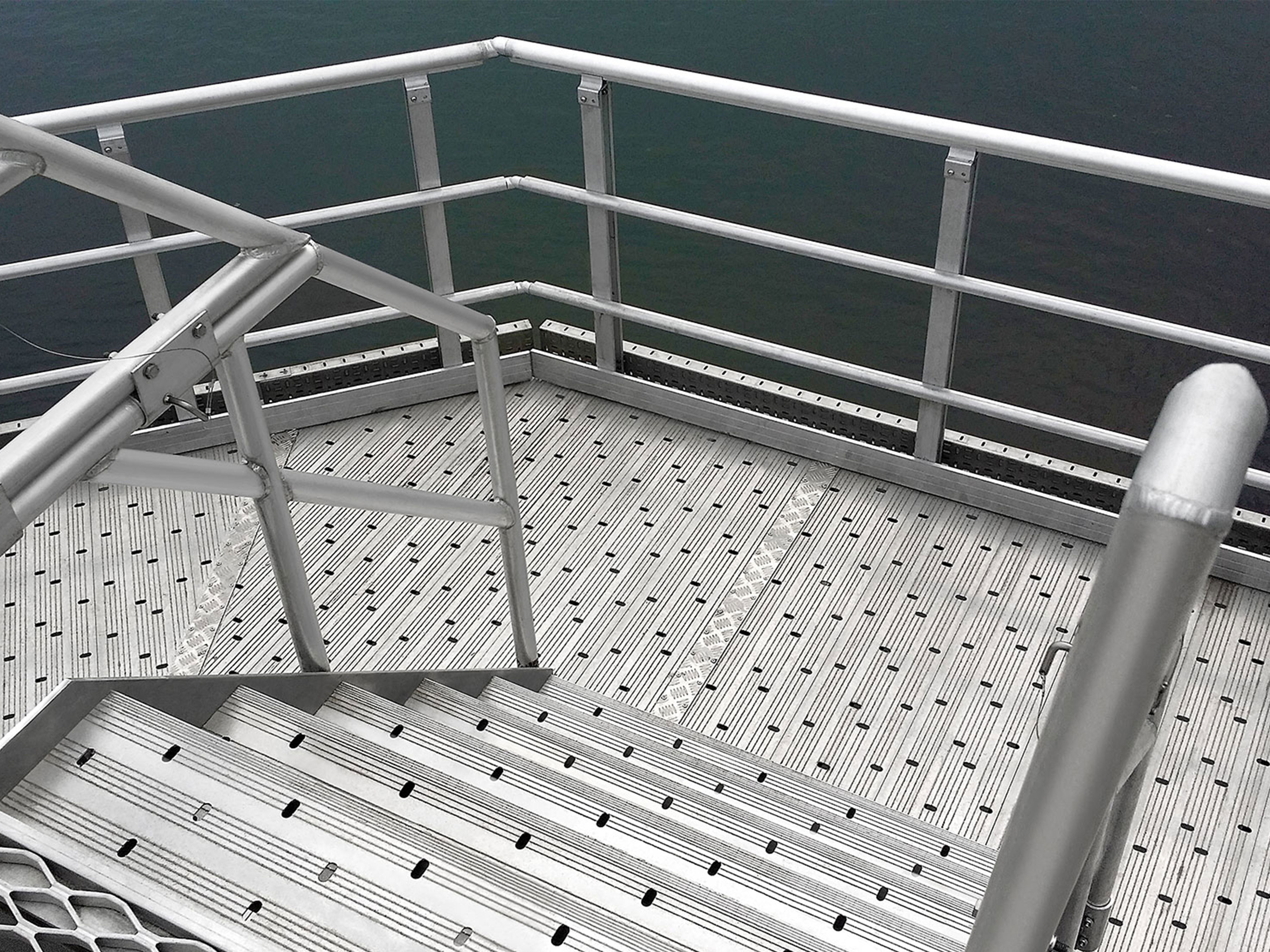
Marine aluminum customized shapes
Marine Grade Aluminum Customized Shapes encompass a broad range of aluminum extrusions and fabrications engineered beyond standard profiles—such as channels, angles, tubes, and beams—into complex, project-specific geometries.
View Details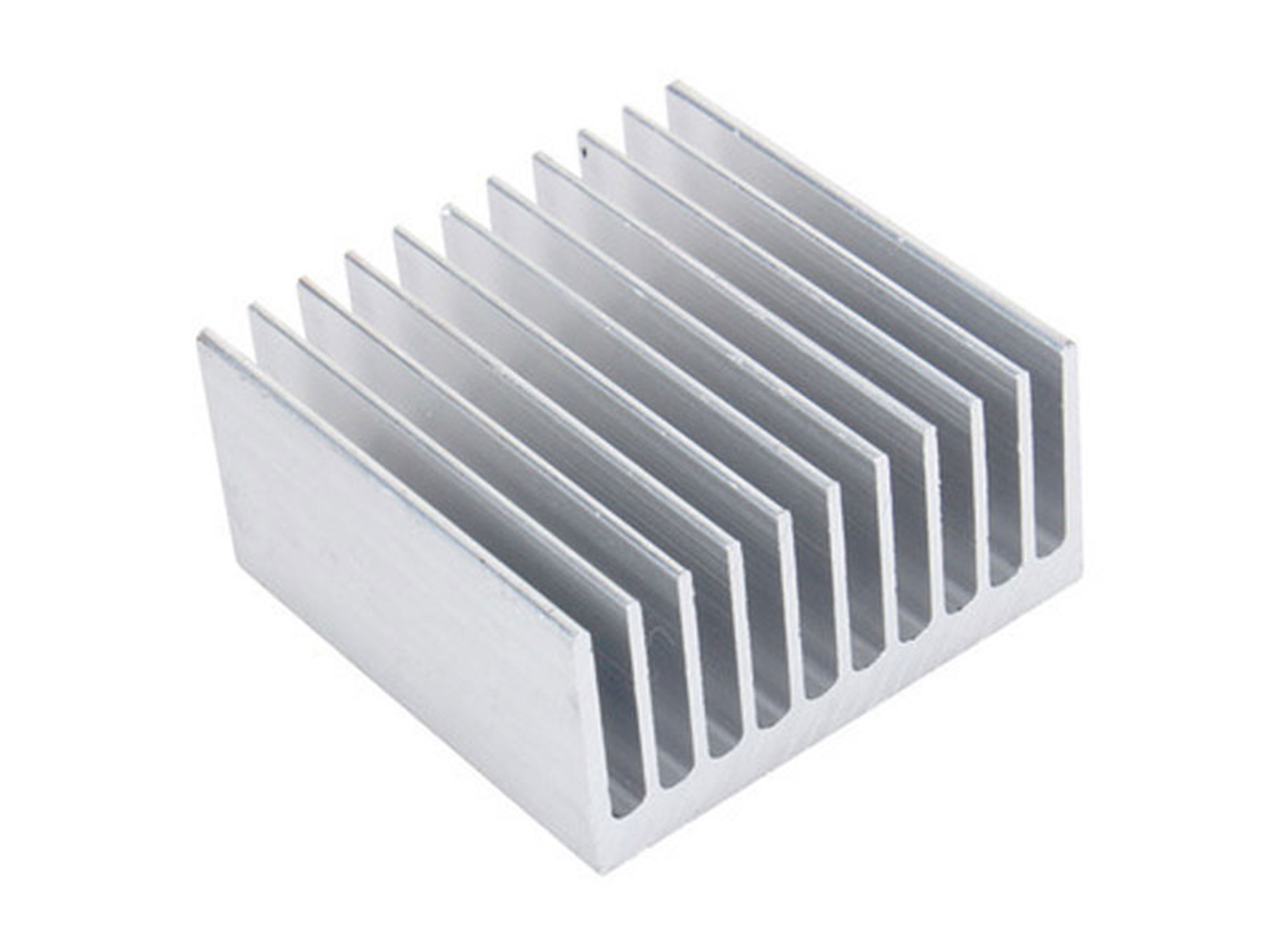
Marine aluminum heat sink profile
Marine Grade Aluminum Heat Sink Profiles utilize alloys such as 6061 and 6063 that not only exhibit high thermal conductivity but also possess excellent corrosion resistance required for saltwater exposure.
View Details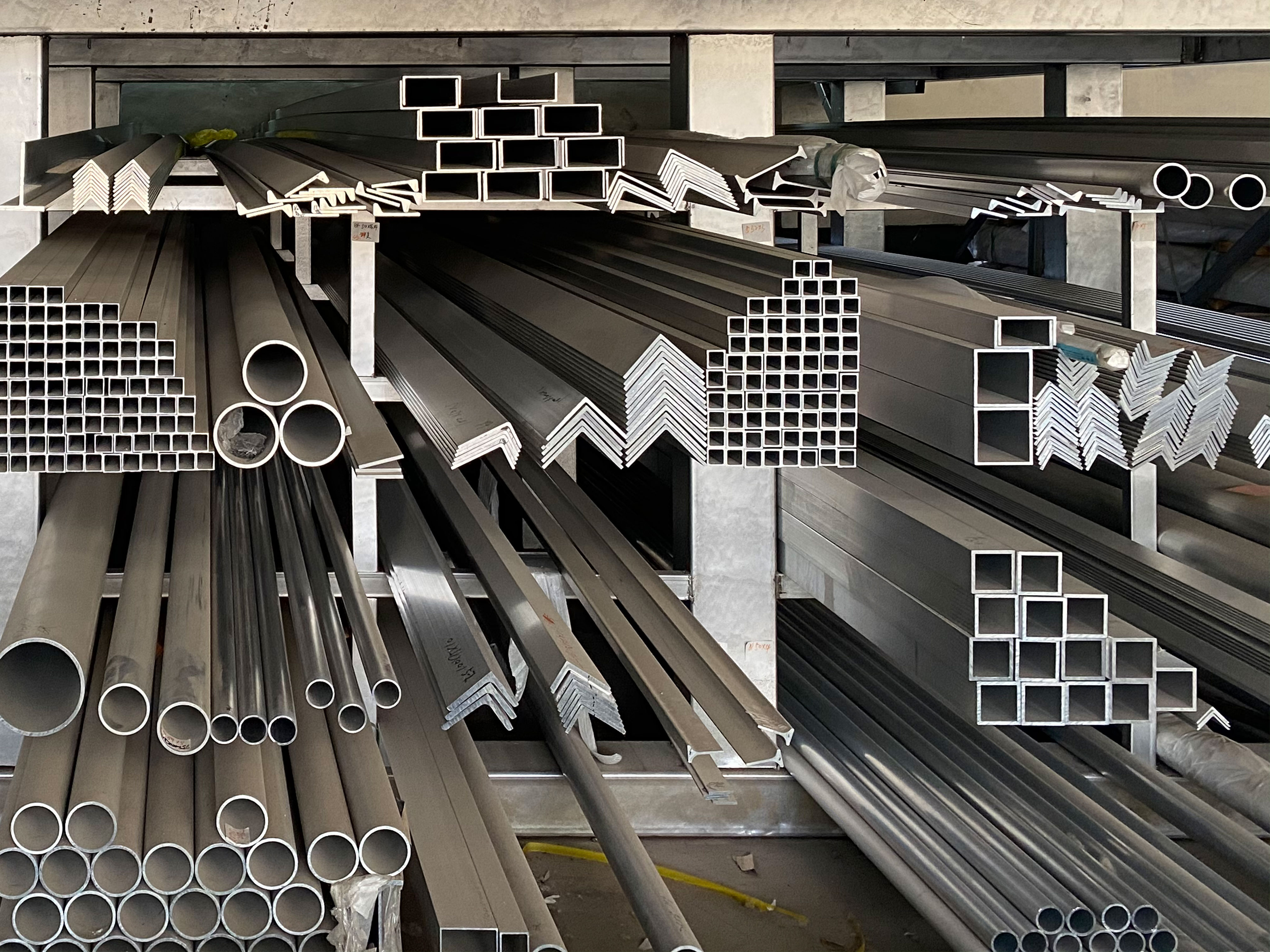
Marine aluminum fencing and railings
Marine Grade Aluminum Fencing and Railings are fabricated using marine-grade aluminum alloys such as 5083, 5052, and 6061, which are engineered specifically for protection against saltwater corrosion and marine atmospheric conditions.
View DetailsRelated Blog
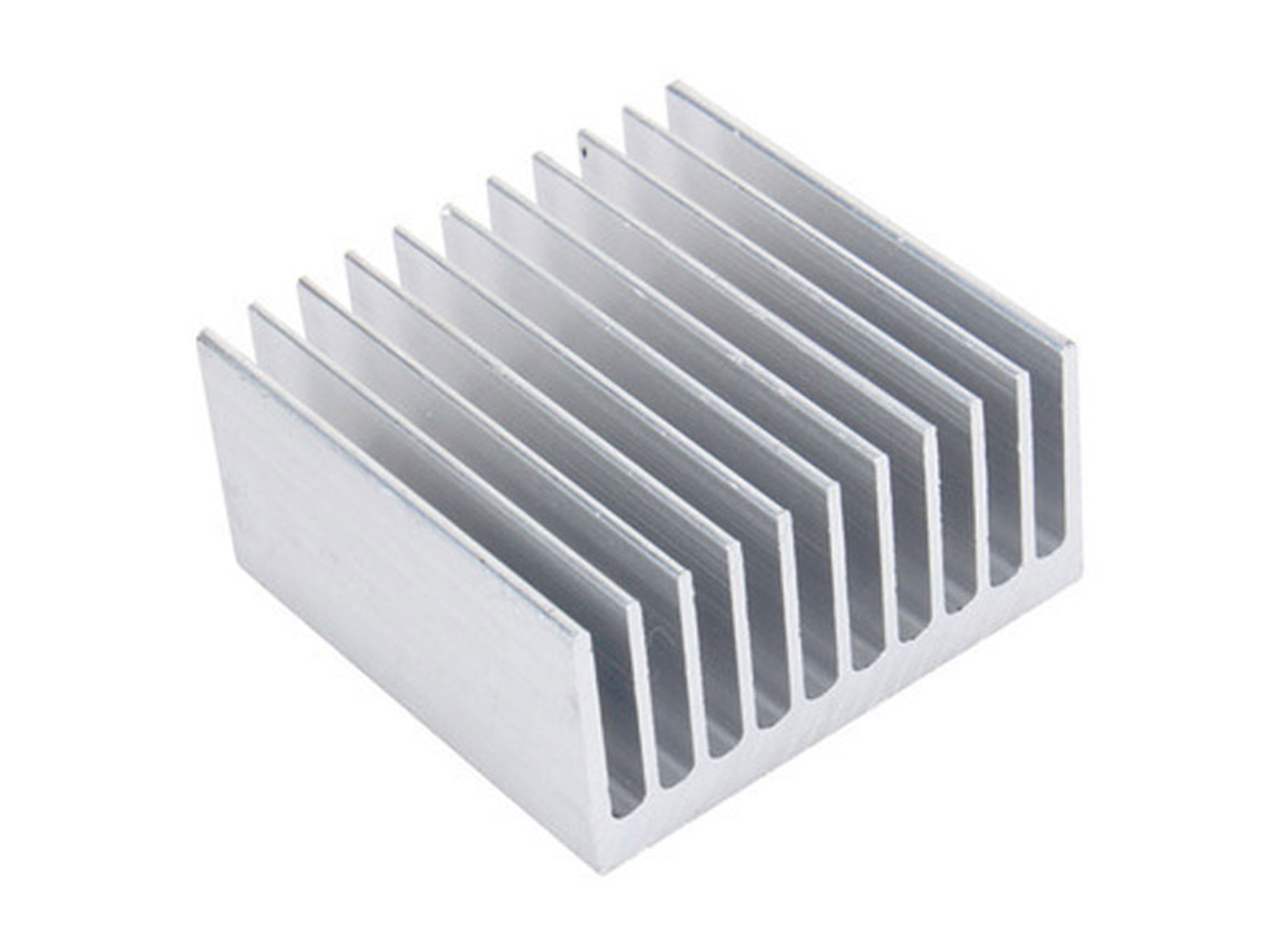
6061 Marine Aluminum Heat Sink Profile for Cooling Solutions for Offshore Electronics
6061 Marine Aluminum Heat Sink Profile: Optimal Cooling Solutions for Offshore ElectronicsIn the demanding environment of offshore electronics, reliable thermal management is critical.
View Details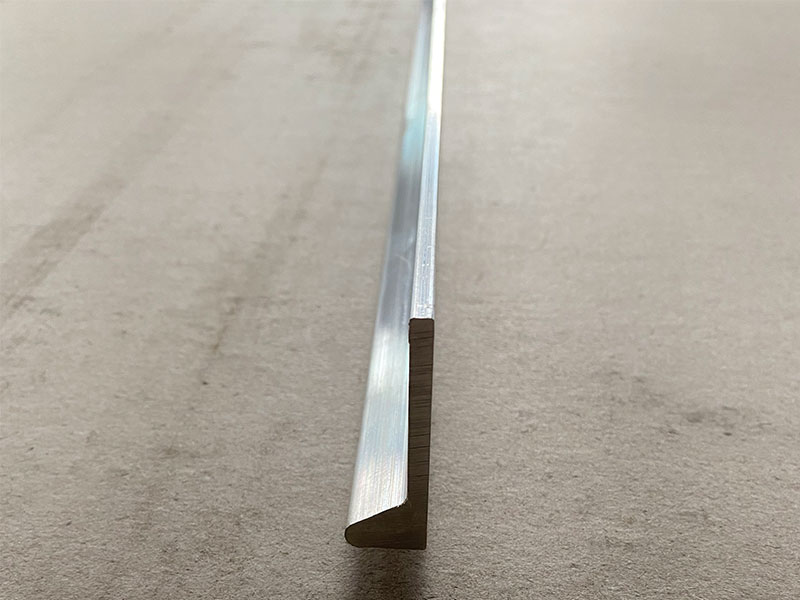
6061 Marine Aluminum Customized Shapes for Saltwater Resistant Marine Equipment Design
In the maritime industry, the durability and performance of vessels and related equipment are non-negotiable. Among the numerous materials utilized, 6061 marine aluminum has continually proven to be a premier choice.
View Details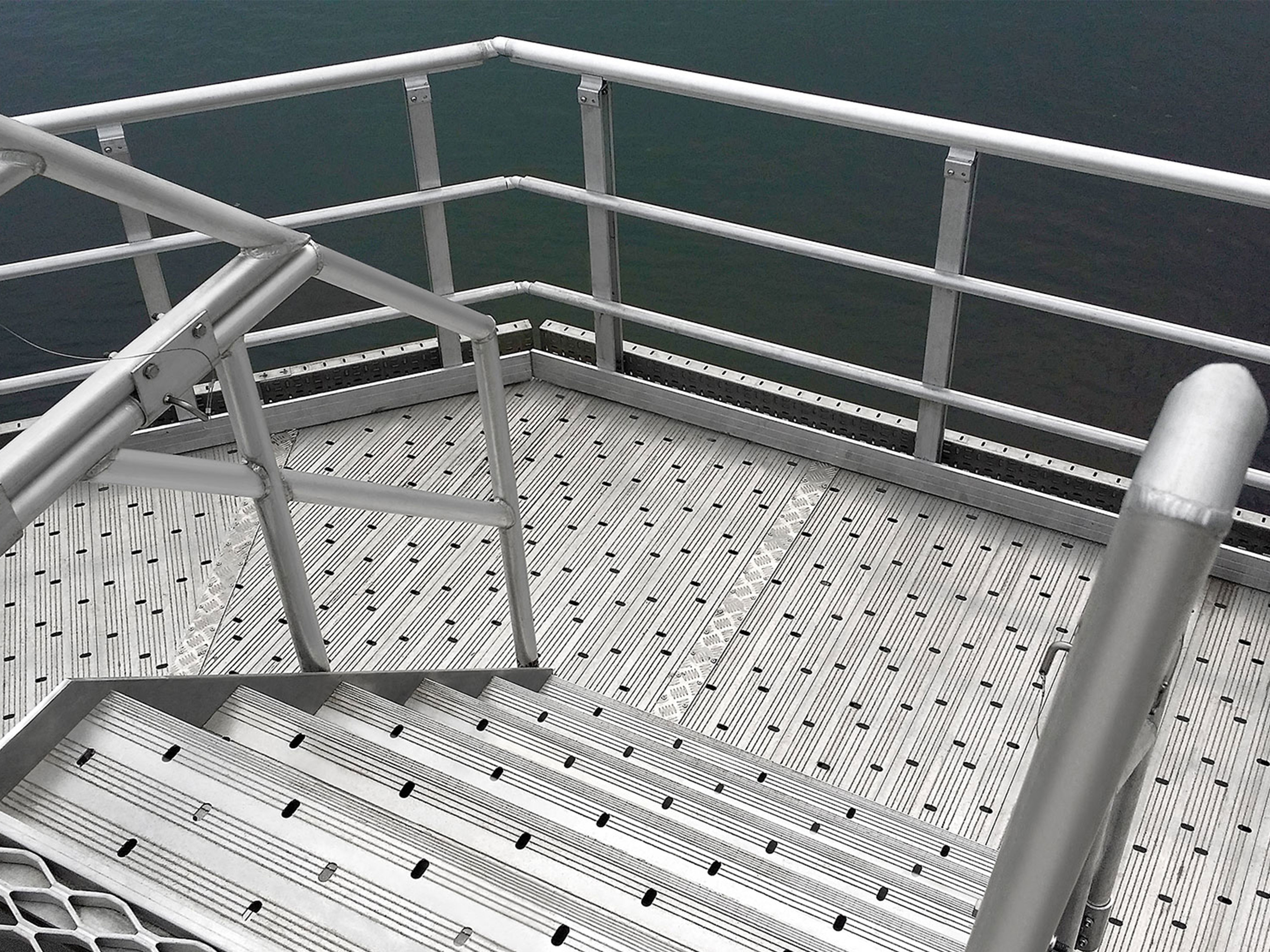
Marine Aluminum Fencing and Railings for Durable Boat Deck Guardrails
OverviewMarine aluminum fencing and railings are purpose-designed alloy systems used for guardrails, handrails, stanchions, and safety barriers on boats, docks, marinas, and waterfront properties.
View Details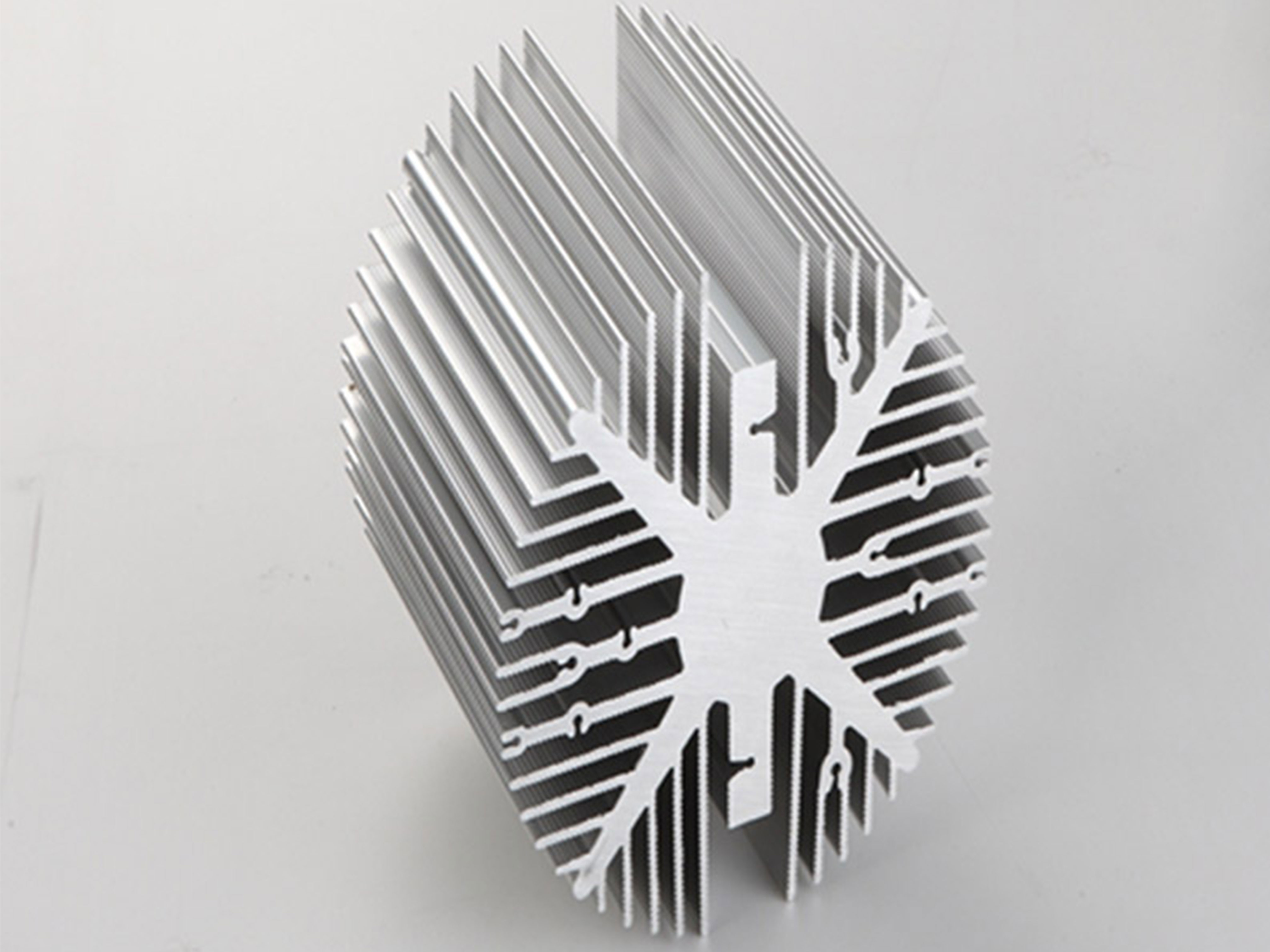
6061 Marine Aluminum Customized Shapes for Seawater Resistant Offshore Construction
Aluminum alloy 6061 is widely recognized for its excellent mechanical properties, good corrosion resistance, and versatility. Specifically engineered and customized for marine and offshore construction applications.
View Details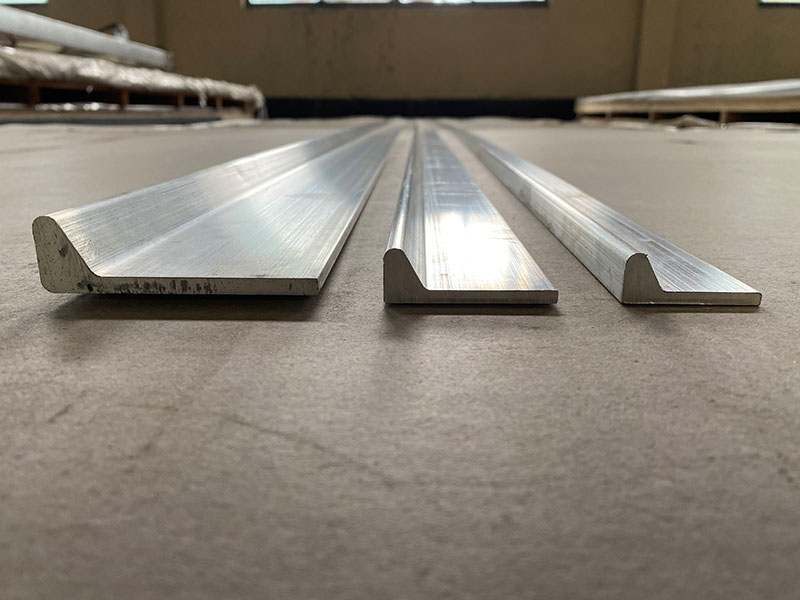
6061 Marine Aluminum Customized Shapes for Lightweight Offshore Platform Design
Explore how 6061 marine aluminum customized shapes offer superior strength, corrosion resistance, and lightweight characteristics essential for innovative offshore platform design, enabling robust and efficient marine structures.
View Details
6061 Marine Aluminum Heat Sink Profile for Coastal Ship Electronics Cooling
Coastal vessels run electronics in some of the harshest everyday environments: salt-laden air, high humidity, frequent temperature swings, and continuous vibration.
View Details
Leave a Message