
Marine Grade 5083 Aluminum Alloy Sheet
Marine grade 5083 aluminum alloy sheet is often selected not simply because it is lightweight, but because it continues to perform when the sea applies pressure from every direction. Salt spray, wet-dry cycles, vibration, wave impact, cargo loading, and welding heat can all challenge a hull material. 5083 is engineered to meet these realities through its aluminum-magnesium alloy system, which provides high strength, strong corrosion resistance, and excellent weldability.
For shipbuilders, fabricators, and boat owners, 5083 is best understood as a structural marine material rather than an ordinary aluminum sheet. It is widely used in high-speed vessels, workboats, fishing boats, patrol craft, yachts, LNG tanks, offshore platforms, and pressure vessels. Its strength remains especially valuable in welded construction, where many materials lose a large portion of their original mechanical performance.
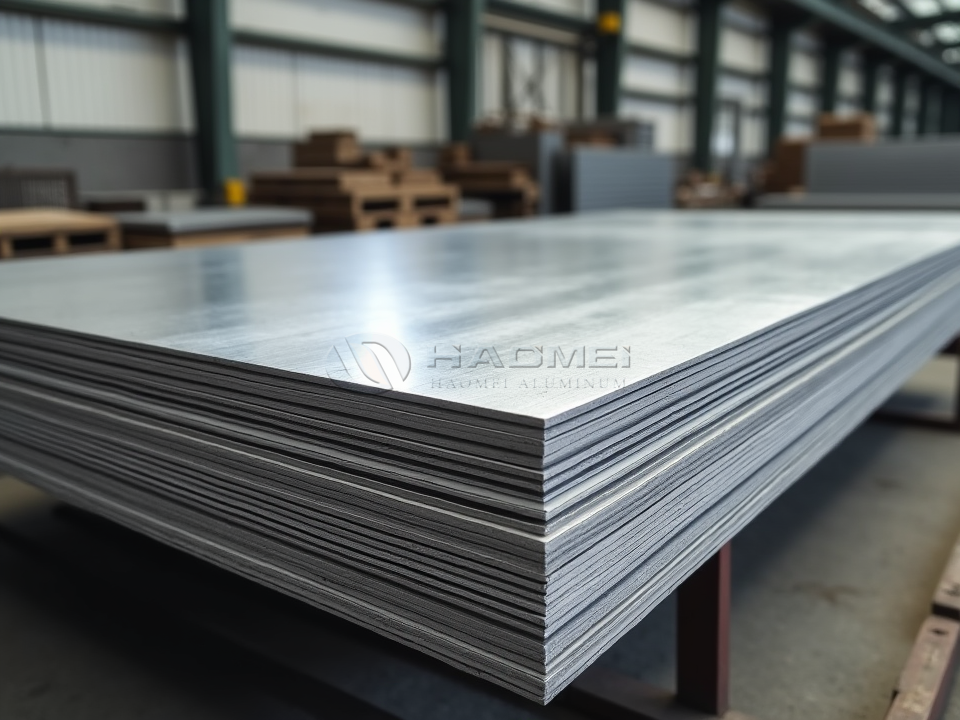
Why 5083 Performs Well in Marine Environments
The defining feature of 5083 aluminum is its relatively high magnesium content. Magnesium strengthens the alloy while helping form a stable protective oxide layer on the surface. This layer slows the progression of corrosion when the sheet is exposed to seawater, marine atmosphere, and industrial coastal conditions.
Compared with common 5xxx-series aluminum products such as 5052, 5083 offers higher strength and is more suitable for major load-bearing sections. It is commonly used where plate thickness, hull stiffness, impact resistance, and structural reliability matter. A Marine 5083 aluminum sheet can be specified for hull plating, bottom plating, side shells, decks, bulkheads, superstructures, fuel tanks, and internal framing components.
Unlike heat-treatable aluminum alloys, 5083 gains its strength mainly from solid-solution strengthening and strain hardening. This means that temper selection has a direct influence on bending behavior, welding performance, and final service strength.
Chemical Composition of 5083 Aluminum Alloy
The chemical composition of marine grade 5083 aluminum alloy sheet is controlled to create a balance between corrosion resistance, mechanical strength, weldability, and production stability.
| Element | Content, % |
|---|---|
| Magnesium, Mg | 4.0-4.9 |
| Manganese, Mn | 0.40-1.0 |
| Chromium, Cr | 0.05-0.25 |
| Iron, Fe | Max. 0.40 |
| Silicon, Si | Max. 0.40 |
| Copper, Cu | Max. 0.10 |
| Zinc, Zn | Max. 0.25 |
| Titanium, Ti | Max. 0.15 |
| Other elements, each | Max. 0.05 |
| Other elements, total | Max. 0.15 |
| Aluminum, Al | Balance |
Magnesium is the primary strengthening element, while manganese improves structural stability and contributes to corrosion performance. Chromium is added in a controlled amount to support resistance to stress corrosion cracking. The low copper level is particularly important for marine applications because excessive copper can reduce resistance to saltwater corrosion.
Common Tempers for Marine Grade 5083 Sheet
Marine 5083 aluminum sheet is available in several tempers. Choosing the correct temper is as important as choosing the alloy itself. The condition should match the forming process, plate thickness, welding plan, and load requirements of the vessel.
| Temper | General Condition | Typical Marine Use |
|---|---|---|
| O | Fully annealed, soft condition | Curved panels, formed parts, complex bending |
| H111 | Lightly strain-hardened | General marine fabrication and moderate forming |
| H112 | As fabricated or strain-hardened through processing | Thick plate and structural parts |
| H116 | Strain-hardened and stabilized for marine corrosion resistance | Hulls, decks, offshore structures, ship plating |
| H321 | Strain-hardened and stabilized with controlled processing | Welded hulls, high-strength marine structures |
The O temper is favored when deep forming or sharp bending is required. It has excellent ductility but lower strength than hardened tempers. H116 and H321 are frequently chosen for hull plating because they are designed for better resistance to exfoliation corrosion and stress corrosion in saltwater environments.
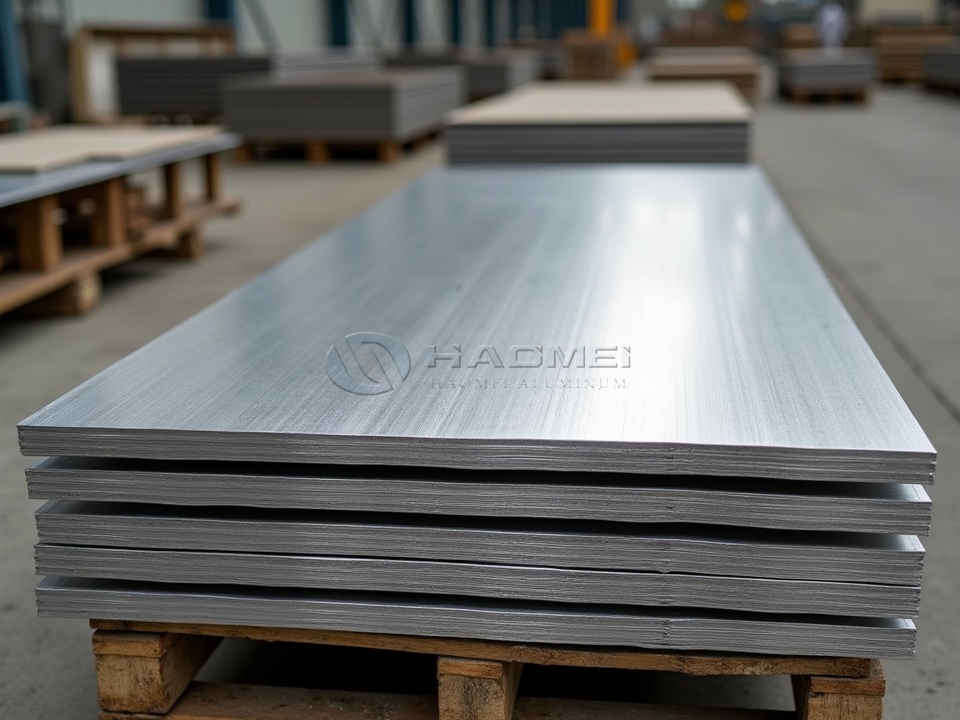
Typical Mechanical Properties
Mechanical values vary with thickness, testing direction, and temper. The figures shown here are representative ranges used for material selection discussions.
| Temper | Tensile Strength, MPa | Yield Strength, MPa | Elongation, % |
|---|---|---|---|
| O | 270-350 | 125-200 | 12-20 |
| H111 | 275-350 | 125-210 | 10-18 |
| H116 | 305-385 | 215-290 | 10-14 |
| H321 | 305-385 | 215-290 | 10-14 |
5083 combines a density of approximately 2.66 g/cm³ with high structural efficiency. Compared with steel, it can reduce vessel weight substantially while supporting faster acceleration, lower fuel consumption, increased payload potential, and easier handling during construction. Weight reduction is not merely a transport benefit; it can shape the entire design philosophy of a boat.
Standards and Marine Certification Conditions
Marine grade 5083 aluminum alloy sheet is commonly manufactured to internationally recognized material standards. The applicable standard depends on the project location, customer specification, vessel classification requirements, and plate dimensions.
Common standards include ASTM B928/B928M for high-magnesium marine aluminum plate, ASTM B209 for aluminum sheet and plate, EN 485 for mechanical properties and tolerances, EN 573 for chemical composition, and AMS specifications for certain aerospace or specialized industrial uses. Shipbuilding projects may also require certification from classification societies such as DNV, ABS, Lloyd's Register, Bureau Veritas, or CCS.
For critical vessel structures, buyers should confirm the alloy designation, temper, thickness tolerance, flatness tolerance, ultrasonic inspection requirements, surface condition, corrosion test requirements, and mill test certificate details before production begins. A marine-grade label alone does not replace a complete technical specification.
Welding and Fabrication Behavior
5083 aluminum alloy sheet is highly valued because welded joints can retain strong mechanical performance. MIG and TIG welding are widely used, typically with 5183, 5356, or compatible filler wires selected according to joint design and corrosion requirements.
The heat-affected zone near a weld becomes softer than the surrounding strain-hardened sheet. This is normal for non-heat-treatable 5xxx alloys and should be considered during structural design. Engineers often compensate through joint geometry, local thickness selection, stiffener placement, and weld sequencing.
Clean fabrication is essential. Surface contamination from steel particles, oil, moisture, or copper-bearing tools can create corrosion risks. Separate aluminum processing tools, dry storage, careful edge preparation, and prompt removal of welding residue help preserve the corrosion resistance expected from 5083.
Practical Selection for Boatbuilding
A hull does not experience the same conditions in every zone. Bottom plating may need higher thickness for impact and slamming resistance, while side panels may prioritize weight control and forming ease. Decks can require anti-slip treatments, and interior sections may need perforated or lightweight panels for airflow and drainage.
For walking surfaces and service platforms, Marine Aluminum Tread Sheets can complement flat 5083 hull plate by adding dependable traction in wet areas. Using each aluminum product in the role it performs best creates a more efficient vessel than using one sheet type everywhere.
Typical available thicknesses range from around 0.5 mm for lighter sheet applications to more than 100 mm for heavy plate projects. Common widths include 1,000 mm, 1,250 mm, 1,500 mm, 2,000 mm, and custom-cut sizes. Large-format plate can reduce weld seams on hull panels, helping improve fabrication efficiency and limiting potential corrosion points.
A Material Designed Around Real Seawater Conditions
Marine grade 5083 aluminum alloy sheet is a long-term material decision. Its benefits are most apparent after years of service, when low weight, corrosion resistance, weld durability, and structural strength continue to support reliable vessel operation. With the correct temper, certified chemistry, suitable thickness, and disciplined fabrication practices, 5083 provides a dependable foundation for modern marine construction.

Related Products
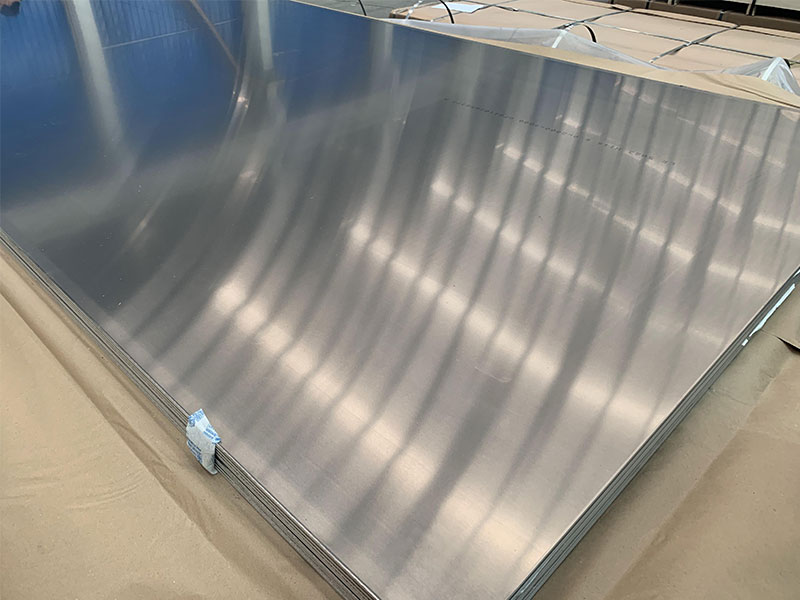
Marine 5052 aluminum sheet
Aluminum alloy 5052 is a non-heat-treatable, strain-hardened alloy with magnesium as the primary alloying element. It is designed to offer superior corrosion resistance in marine and saline environments, making it a dependable choice for components exposed directly to seawater or coastal atmospheric conditions.
View Details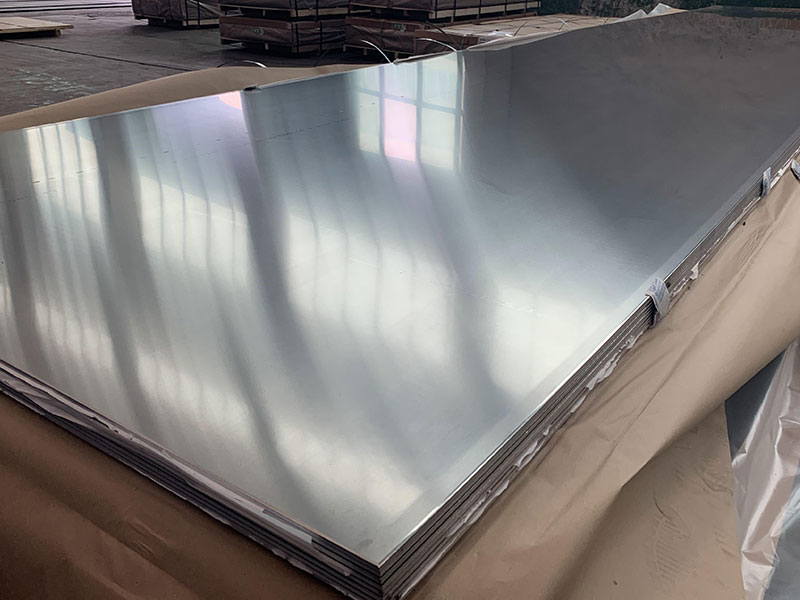
Marine 5086 aluminum sheet
This product article provides an in-depth and comprehensive understanding of Marine 5086 Aluminum Sheets, including their chemical composition, mechanical properties, corrosion resistance, fabrication capabilities, and typical marine applications.
View Details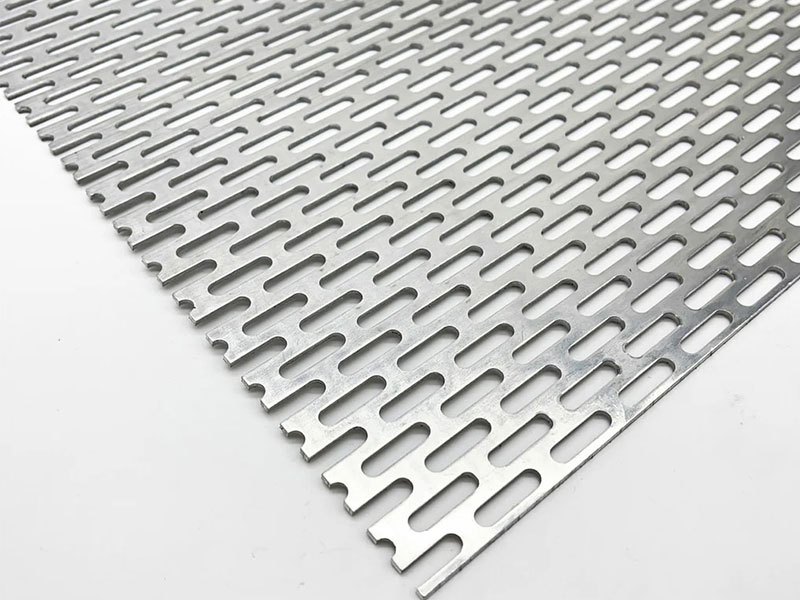
Marine perforated aluminum sheets
Marine Perforated Aluminum Sheets feature a series of uniform holes or shapes punched through the aluminum surface. These perforations can vary in size, pattern, and open area to tailor the sheets for specific applications.
View Details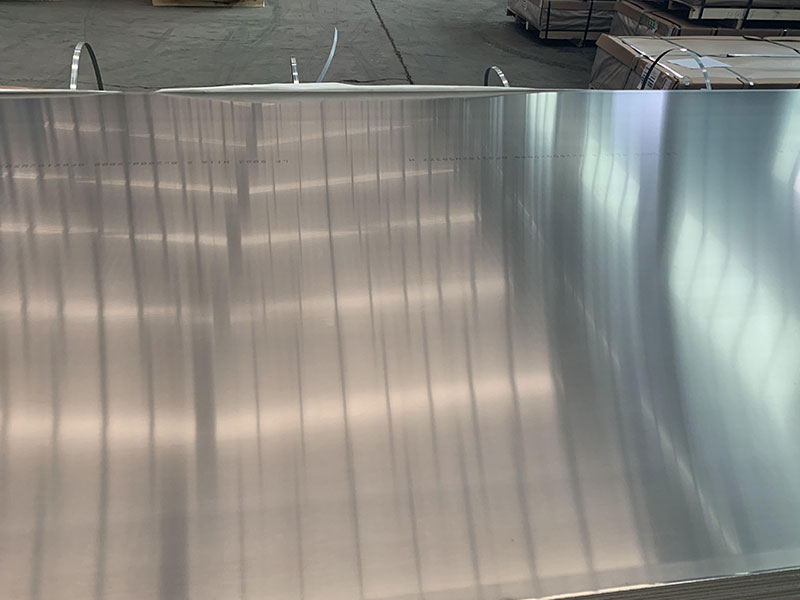
Marine 5383 aluminum sheet
5383 aluminum is a strain-hardened, non-heat-treatable alloy from the 5xxx series primarily alloyed with magnesium. It exhibits a unique balance of corrosion resistance and mechanical properties particularly suited for marine applications.
View Details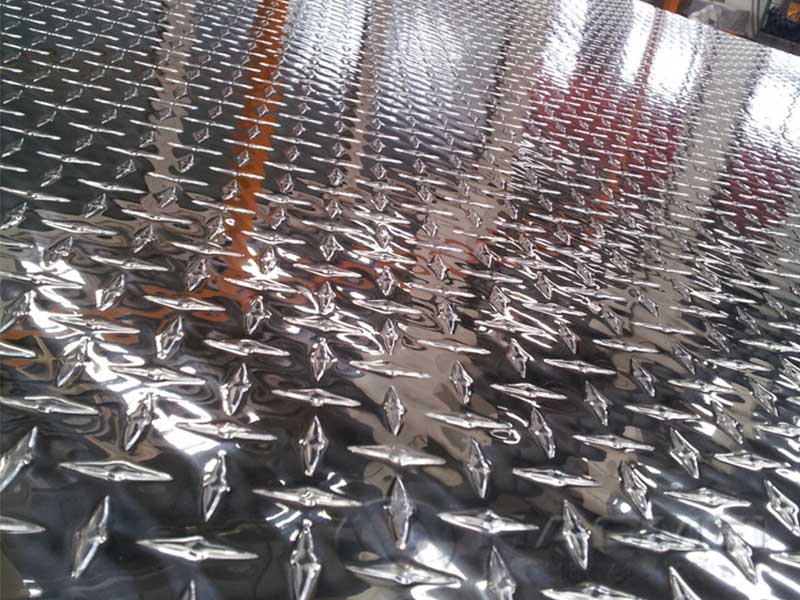
Marine Aluminum Tread Sheets
Marine Aluminum Tread Sheets are aluminum alloy plates featuring a raised surface pattern, commonly referred to as a tread design or diamond plate.
View Details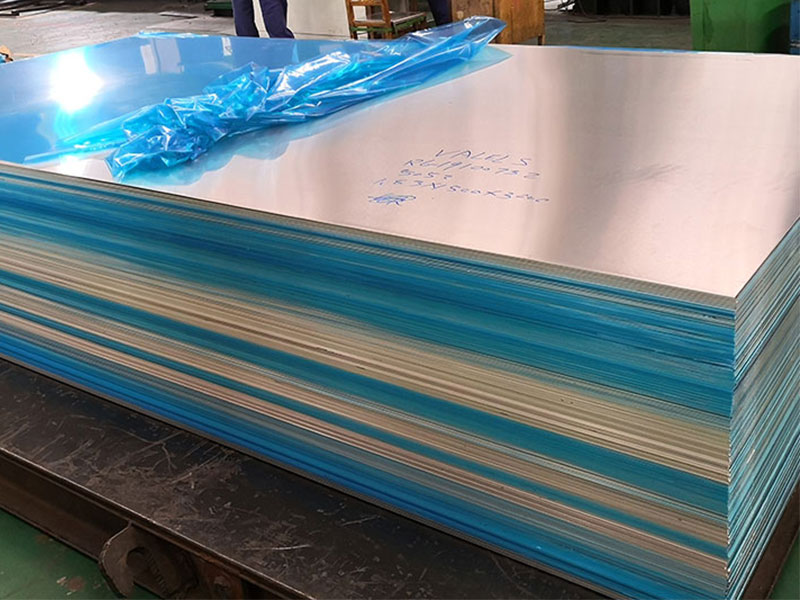
Marine 5059 aluminum sheet
5059 aluminum alloy is a strain-hardened material with a unique addition of magnesium and chromium, which provides outstanding resistance to localized corrosion like pitting and stress corrosion cracking.
View DetailsRelated Blog
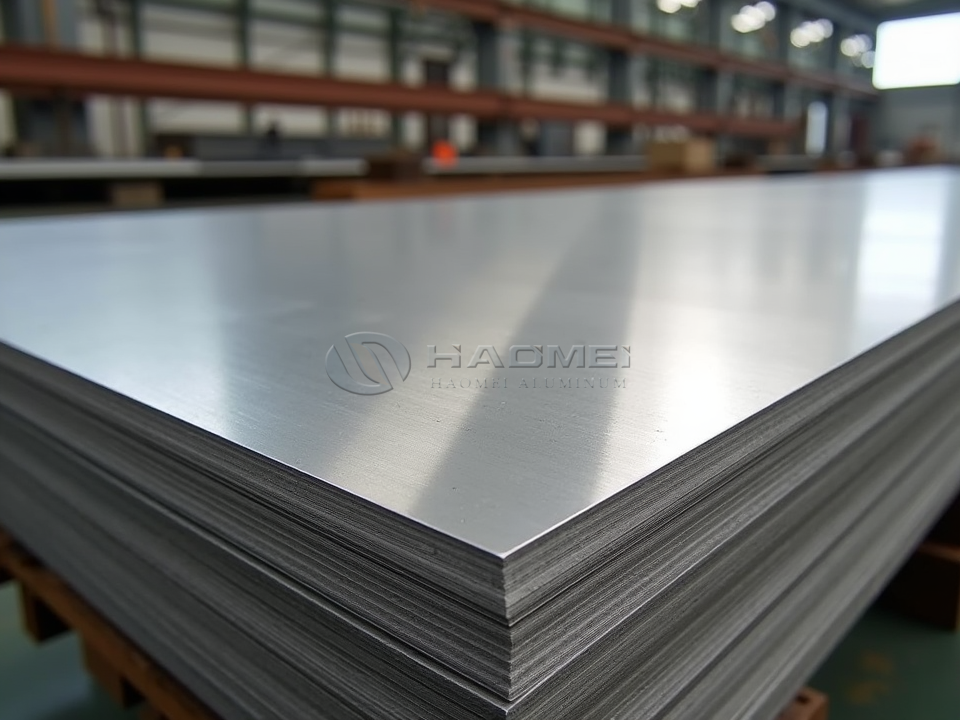
Aluminium Plate 5083 for Ship Boat
5083 aluminium plate delivers strong seawater corrosion resistance, weldable performance, and reliable strength for marine ship and boat structures.
View Details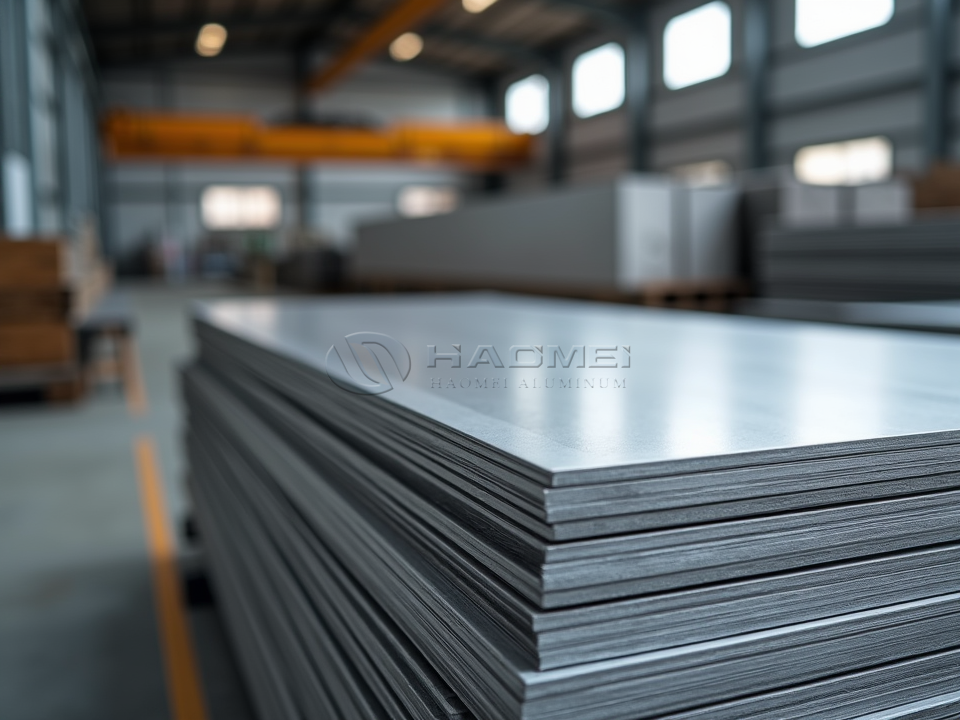
Aluminum Sheet 5000 Series Marine Grade 5052 5054
Explore 5052 and 5054 marine-grade aluminum sheets, including corrosion resistance, tempers, composition, mechanical data, standards, and boat uses.
View Details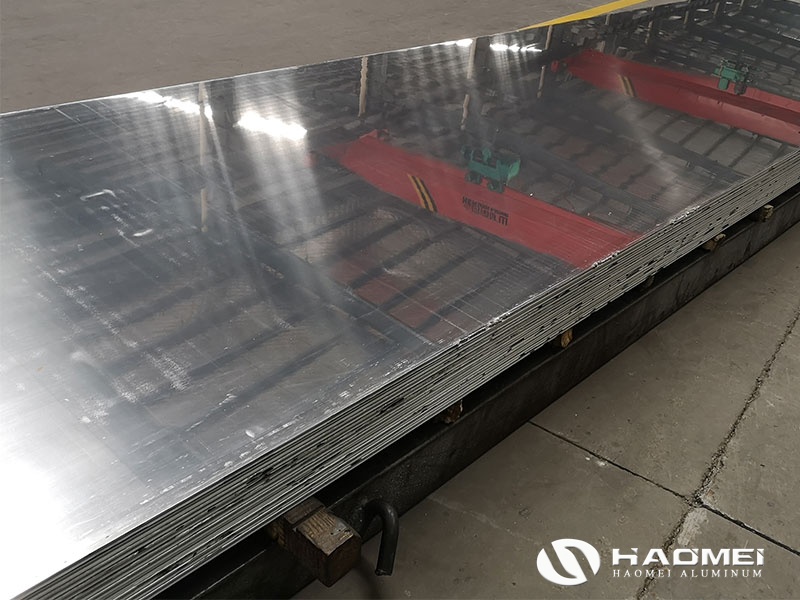
Marine 5083 Aluminum Plate
Marine 5083 aluminum plate offers excellent seawater corrosion resistance, weldability, and high strength, ideal for hulls, decks, tanks, and superstructures.
View Details
Marine Aluminum Sheet A5052 H32 H34 H36 Different Thickness
Learn how A5052 H32, H34, and H36 marine aluminum sheets perform at different thicknesses for boat interiors, decks, cabins, panels, and repairs.
View Details
Marine grade aluminum for ship building aluminium sheet 5052 h111
Superior strength, corrosion resistance, and durability of marine grade aluminum 5052 H111 aluminum sheets, ideal for shipbuilding applications requiring high fatigue strength and excellent seawater performance.
View Details
Marine Aluminium Plate for Boat
Marine aluminium plate for boat hulls, decks, tanks, and fittings, with alloy grades, tempers, standards, chemistry, and fabrication data.
View Details
Leave a Message