
6061 Marine Aluminum Heat Sink Profile for Coastal Ship Electronics Cooling
Coastal vessels run electronics in some of the harshest everyday environments: salt-laden air, high humidity, frequent temperature swings, and continuous vibration. The 6061 Marine aluminum heat sink profile is designed for these realities-delivering dependable thermal performance, strong mechanical integrity, and excellent manufacturability for shipborne power modules, communication equipment, navigation systems, LED lighting drivers, and control cabinets.
Built around the widely trusted AA 6061 (Al-Mg-Si) alloy, this heat sink profile combines high thermal conduction pathways, corrosion-aware surface options, and stable extruded geometry that integrates cleanly into marine enclosures.
Why 6061 for Marine Heat Sink Profiles
6061 is a practical marine-grade choice when your design needs more than heat dissipation. Coastal ship electronics benefit from a material that can:
- Maintain structural stability under ship vibration and impact
- Support threading, tapping, CNC machining, and tight assembly tolerances
- Accept anodizing and other protective surface treatments
- Provide consistent extrusion quality for finned profiles and mounting bases
In coastal operation, heat sinks often double as structural members, chassis rails, or mounting plates. 6061 is well suited for this dual role because it balances strength and corrosion resistance while remaining cost-effective at scale.
Material Identity and Temper Options
Most marine electronics cooling applications use 6061-T6 or 6061-T651 due to their strength and dimensional stability after heat treatment. Softer tempers such as T4 can be selected when complex forming is required before final machining or aging.
| Item | Typical Options | Notes for Marine Electronics |
|---|---|---|
| Alloy | AA 6061 | Al-Mg-Si family, extrusion-friendly |
| Common tempers | T6, T651, T4 | T6/T651 for strength; T4 for post-form operations |
| Typical product form | Extruded heat sink profile | Fins + base optimized for convection |
Chemical Composition (Typical Limits, wt.%)
6061's performance comes from controlled Mg and Si (forming Mg₂Si), plus minor alloying elements that support strength and machinability.
| Element | Content (wt.%) |
|---|---|
| Si | 0.40–0.80 |
| Fe | ≤ 0.70 |
| Cu | 0.15–0.40 |
| Mn | ≤ 0.15 |
| Mg | 0.80–1.20 |
| Cr | 0.04–0.35 |
| Zn | ≤ 0.25 |
| Ti | ≤ 0.15 |
| Others (each) | ≤ 0.05 |
| Others (total) | ≤ 0.15 |
| Al | Balance |
Features for Coastal Ship Cooling
Thermal design that fits real shipboard airflow
Marine cabinets and equipment bays frequently have constrained airflow, mixed convection directions, and recirculating warm air. A well-designed extruded profile provides:
- High fin area per unit mass
- Stable fin geometry that maintains spacing and straightness after machining
- A thick base for spreading heat from hotspots such as MOSFETs, IGBTs, DC-DC modules, and rectifiers
Heat sink profiles in 6061 also remain compatible with TIM pads, silicone gap fillers, thermal grease, and phase-change materials, helping reduce interface resistance.
Corrosion-aware surface behavior
Bare aluminum forms a natural oxide film, but coastal air accelerates pitting and crevice effects-especially where salt deposits remain wet. This is why marine heat sink profiles commonly use:
- Anodizing to thicken and stabilize the oxide layer
- Sealing to improve resistance to chloride-rich environments
- Conversion coatings (application-dependent) for electrical bonding requirements
- Powder coating when aesthetics and additional barrier protection are needed, while respecting thermal trade-offs
For many ship electronics designs, the best balance is clear or black anodizing with proper sealing, paired with thoughtful drainage and avoidance of salt traps.
Mechanical strength that protects assemblies
Electronics cooling hardware on vessels is exposed to vibration, door slams, wave impacts, and occasional maintenance mishandling. 6061-T6 provides robust strength for:
- Mounting bosses, threaded holes, and tapped channels
- Long profiles that must stay straight to preserve TIM contact
- Structural integration into frames and cabinets
Typical Physical and Mechanical Properties (Reference Values)
Values vary by temper, thickness, and process route, but the table below reflects widely used reference ranges.
| Property | Typical Value (6061-T6) | Why It Matters in Marine Electronics |
|---|---|---|
| Density | ~2.70 g/cm³ | Lightweight heat rejection without heavy brackets |
| Thermal conductivity | ~167 W/m·K | Effective heat spreading across base and fins |
| Electrical conductivity | ~40 %IACS | Useful for grounding strategies (verify coating impact) |
| Ultimate tensile strength | ~290 MPa | Resists deformation during fastening and vibration |
| Yield strength | ~240 MPa | Maintains flatness and clamping force over time |
| Elongation | ~8–12 % | Tolerates assembly stress without brittle failure |
| Elastic modulus | ~69 GPa | Stable stiffness for long heat sink spans |
| Melting range | ~582–652 °C | Wide processing margin for most shipboard conditions |
Heat Sink Profile Technical Specifications (Typical Capability)
Extruded heat sink profiles can be tailored widely. The specifications below summarize common production capability ranges used for ship electronics cooling parts.
| Parameter | Typical Range | Practical Notes |
|---|---|---|
| Profile length | 0.3–6.0 m (cut-to-length) | Long lengths enable cabinet rails; shorter lengths suit power modules |
| Base thickness | ~3–20 mm | Thicker bases improve spreading for concentrated heat sources |
| Fin thickness | ~0.8–3.0 mm | Balance between strength, extrusion feasibility, and airflow resistance |
| Fin height | ~10–80 mm | Higher fins increase area; check enclosure clearance |
| Fin spacing | ~2–12 mm | Wider spacing helps in dusty/salty air and low airflow |
| Flatness (after machining) | application-dependent | Critical for IGBT and CPU-style contact surfaces |
| Tolerance class | per agreed drawing | Tight tolerances recommended for sealed cabinet interfaces |
Surface Finishing Options (Marine-Focused)
| Finish | Typical Purpose | Considerations |
|---|---|---|
| Clear anodize | Corrosion resistance, clean appearance | Minimal emissivity increase; good general-purpose choice |
| Black anodize | Enhanced radiative heat transfer, corrosion resistance | Useful in stagnant air zones; verify electrical isolation needs |
| Hard anodize | Abrasion resistance | Can reduce thermal contact quality if coating is on interface zones |
| Chemical conversion coating | Electrical bonding, paint base | Corrosion protection varies; confirm salt-fog requirements |
| Powder coat / paint | Barrier protection, aesthetics | Adds thermal resistance; best for low heat-flux areas |
When electrical grounding through the heat sink is required, designs often reserve uncoated bonding pads or use conductive washers, while keeping most surfaces protected.
Applications on Coastal and Nearshore Vessels
The 6061 Marine aluminum heat sink profile is used wherever reliable cooling protects electronics uptime and reduces derating.
| Application Area | Typical Equipment | Cooling Role |
|---|---|---|
| Power conversion | Inverters, rectifiers, DC-DC modules, battery chargers | Spreads heat and supports fan or natural convection |
| Navigation & comms | Radar processing units, AIS, radio power stages | Stabilizes temperature for signal integrity and longevity |
| LED marine lighting | Deck and cabin lighting drivers | Maintains junction temperature, extending LED life |
| Control cabinets | PLCs, motor drives, relays | Heat sink panel integration to reduce cabinet hotspots |
| Sensor systems | Coastal monitoring, sonar peripherals | Enables compact sealed enclosures with conduction paths |
For sealed IP-rated boxes common on decks and coastal platforms, these profiles also pair well with conduction-to-wall cooling strategies, where heat is routed from internal modules to the enclosure body.
Design Notes That Customers Appreciate
| Design Topic | Recommended Approach for Ship Electronics |
|---|---|
| Salt accumulation | Avoid deep fin cavities that trap brine; allow drainage and wash-down access |
| Galvanic corrosion | Isolate dissimilar metals; use compatible fasteners and insulating pads where needed |
| Thermal interface | Machine mounting surfaces; specify roughness/flatness suitable for chosen TIM |
| Maintenance | Favor modular profiles that can be removed and cleaned without disturbing wiring |
| Weight and stiffness | Use ribbing and base thickness strategically rather than over-sizing the full profile |
The 6061 Marine aluminum heat sink profile offers a dependable combination of thermal performance, corrosion-conscious finishing compatibility, and mechanical strength-ideal for electronics that must run continuously in coastal air. Its extrusion versatility supports everything from compact driver modules to long cabinet rails, while anodizing-ready surfaces help fight the persistent challenges of salt and humidity.
For customers designing cooling hardware for ships, nearshore platforms, and coastal infrastructure, 6061 provides a proven path to stable temperatures, long service life, and efficient manufacturing-without sacrificing the practical considerations of marine installation and maintenance.

Related Products
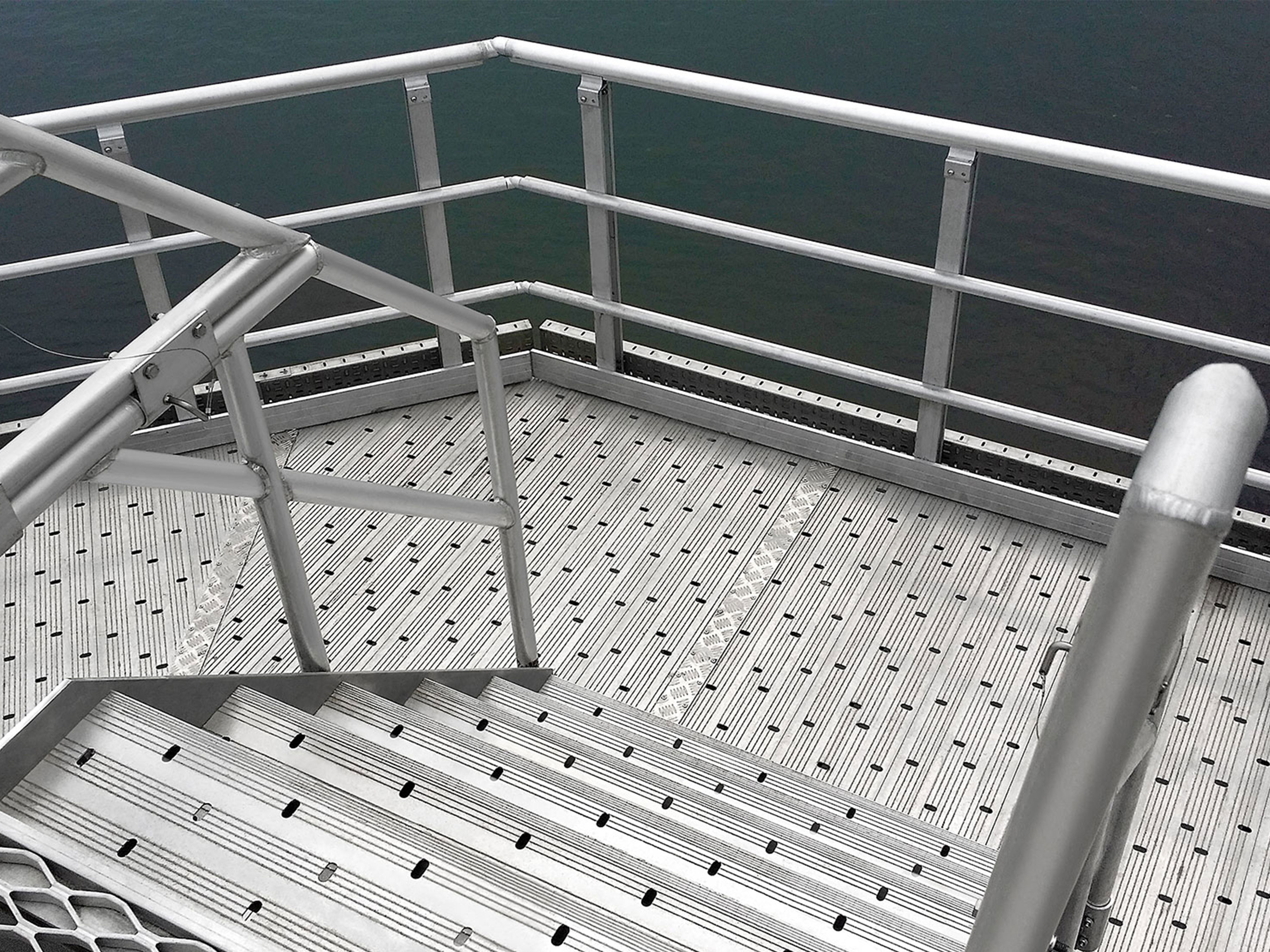
Marine aluminum customized shapes
Marine Grade Aluminum Customized Shapes encompass a broad range of aluminum extrusions and fabrications engineered beyond standard profiles—such as channels, angles, tubes, and beams—into complex, project-specific geometries.
View Details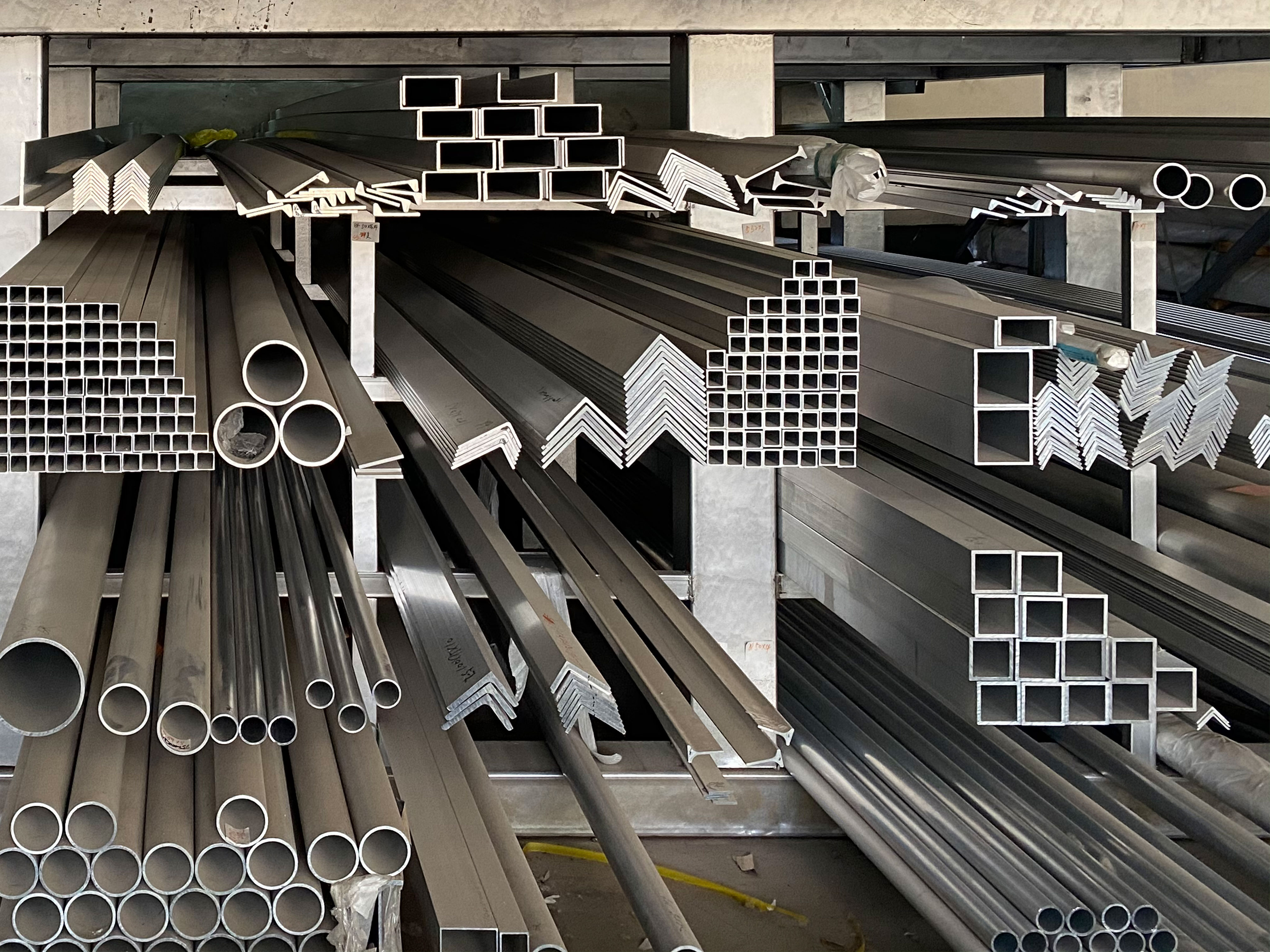
Marine aluminum fencing and railings
Marine Grade Aluminum Fencing and Railings are fabricated using marine-grade aluminum alloys such as 5083, 5052, and 6061, which are engineered specifically for protection against saltwater corrosion and marine atmospheric conditions.
View Details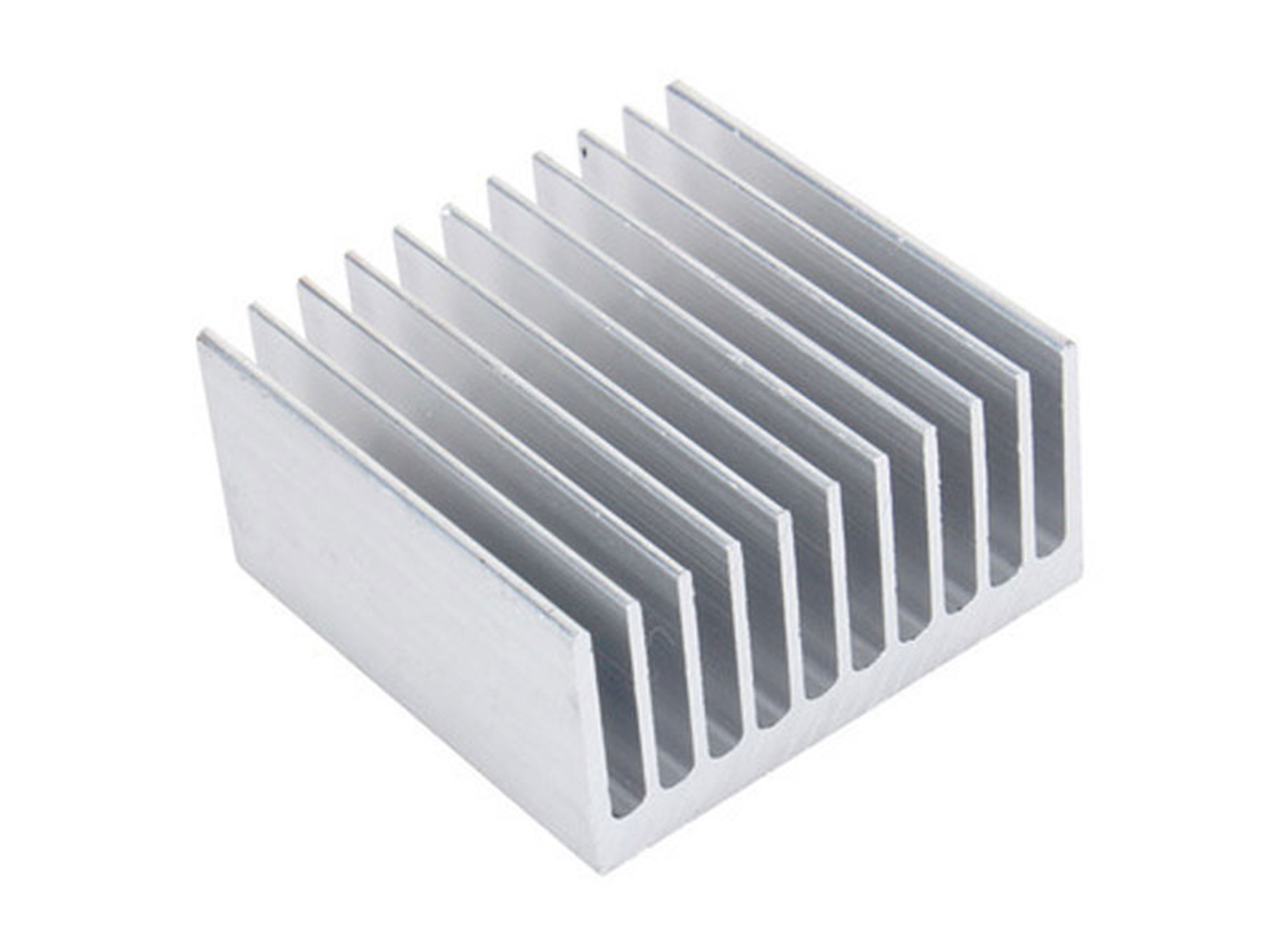
Marine aluminum heat sink profile
Marine Grade Aluminum Heat Sink Profiles utilize alloys such as 6061 and 6063 that not only exhibit high thermal conductivity but also possess excellent corrosion resistance required for saltwater exposure.
View DetailsRelated Blog
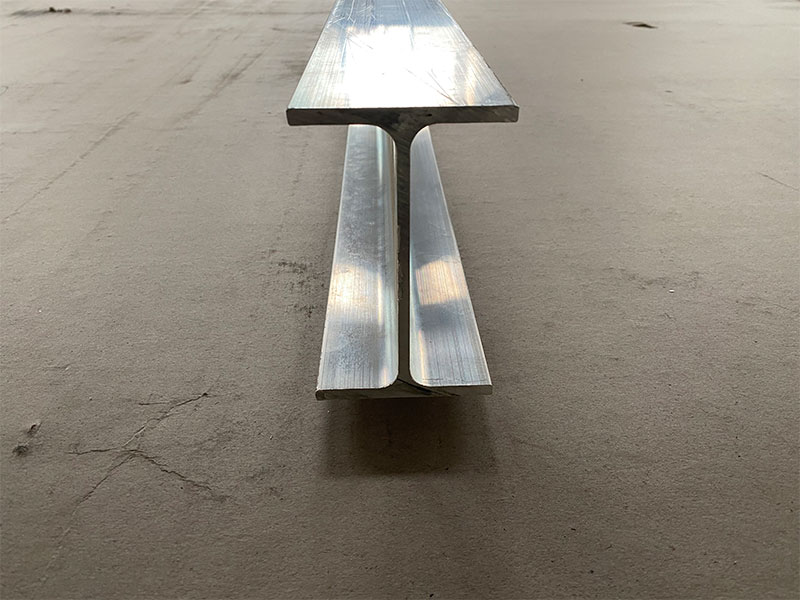
6061 Marine Aluminum Customized Shapes for High Performance Offshore Vessel Design
Explore the advantages of 6061 Marine Aluminum customized shapes engineered for high performance offshore vessel design. detailed specifications, temper conditions, mechanical properties, and corrosion resistance features tailored for marine environments.
View Details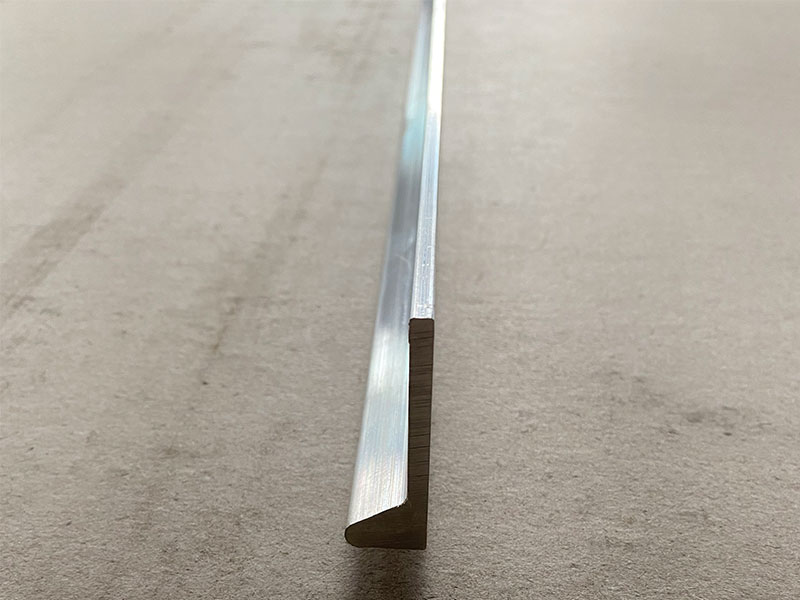
6061 Marine Aluminum Heat Sink Profile for Lightweight Boat Engine Heat Dissipation
Modern marine propulsion systems-whether compact outboards, inboard auxiliaries, electric drives, or hybrid gensets-are increasingly power-dense. That pushes more thermal load into smaller spaces.
View Details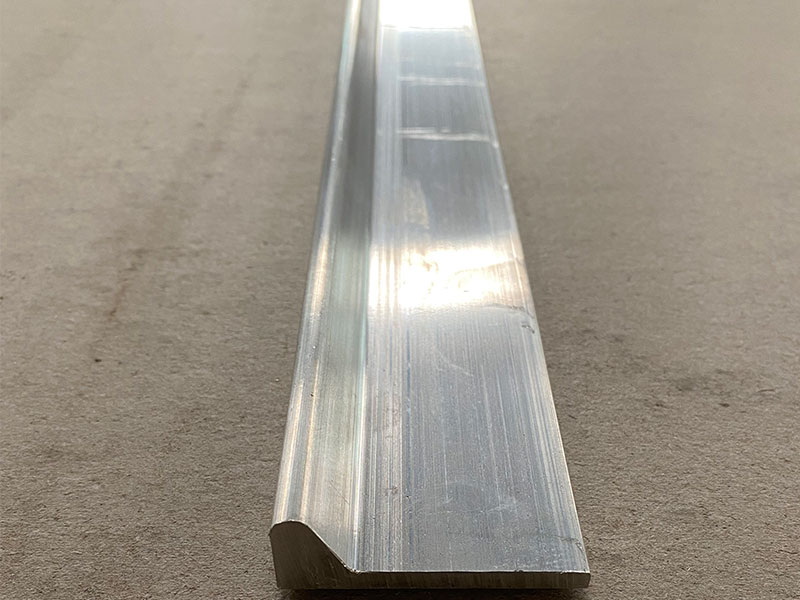
6061 Marine Aluminum Customized Shapes for Durable Boat and Vessel Frames
Marine environments demand materials that can withstand harsh conditions such as saltwater corrosion, constant exposure to moisture, and mechanical stress. Among a variety of aluminum alloys.
View Details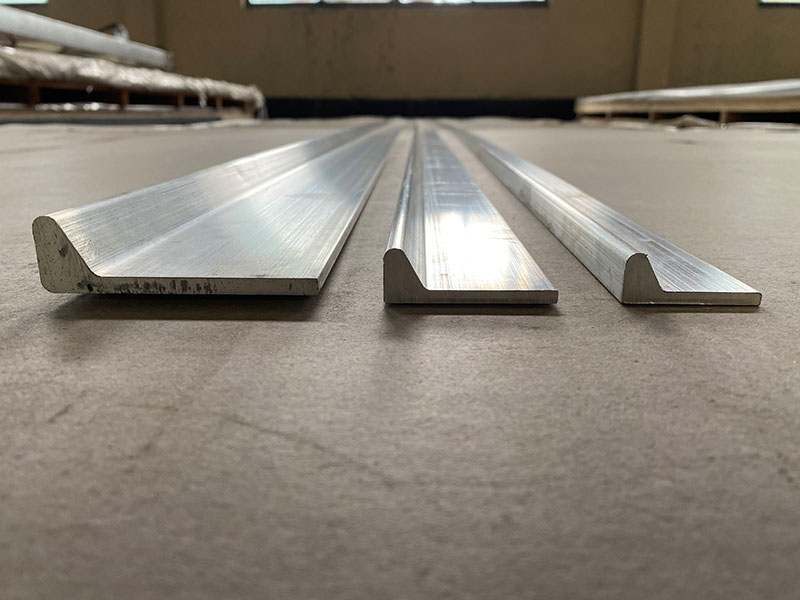
6061 Marine Aluminum Customized Shapes for Lightweight Offshore Platform Design
Explore how 6061 marine aluminum customized shapes offer superior strength, corrosion resistance, and lightweight characteristics essential for innovative offshore platform design, enabling robust and efficient marine structures.
View Details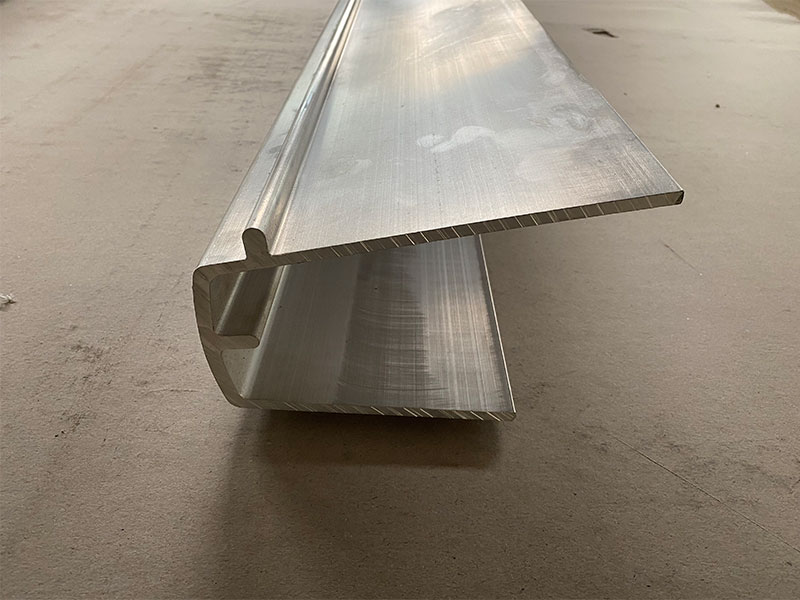
6061 Marine Aluminum Customized Shapes for Saltwater Resistant Shipbuilding Frames
Marine aluminum alloys play a critical role in shipbuilding, exhibiting remarkable resistance to corrosion, high strength-to-weight ratios, and ease of fabrication.
View Details
Marine Aluminum Fencing and Railings for Durable Boat Deck Guardrails
OverviewMarine aluminum fencing and railings are purpose-designed alloy systems used for guardrails, handrails, stanchions, and safety barriers on boats, docks, marinas, and waterfront properties.
View Details
Leave a Message