
Marine Aluminum Sheet A5052 H32 H34 H36 Different Thickness
When selecting marine aluminum sheet A5052, customers often focus first on thickness: 2 mm, 3 mm, 4 mm, or heavier plate. In practice, thickness is only one part of the decision. The temper, whether H32, H34, or H36, changes how the sheet bends, resists dents, responds to welding, and stays flat during fabrication.
A5052 is a magnesium-bearing aluminum alloy valued for good corrosion resistance, moderate strength, and dependable formability. It is widely used where salt spray, condensation, wash-down water, and humid coastal air are everyday conditions. For boat cabins, deck covers, lockers, interior partitions, console panels, fish holds, trailer components, and non-primary hull parts, 5052 can offer a practical balance between service life and fabrication cost.
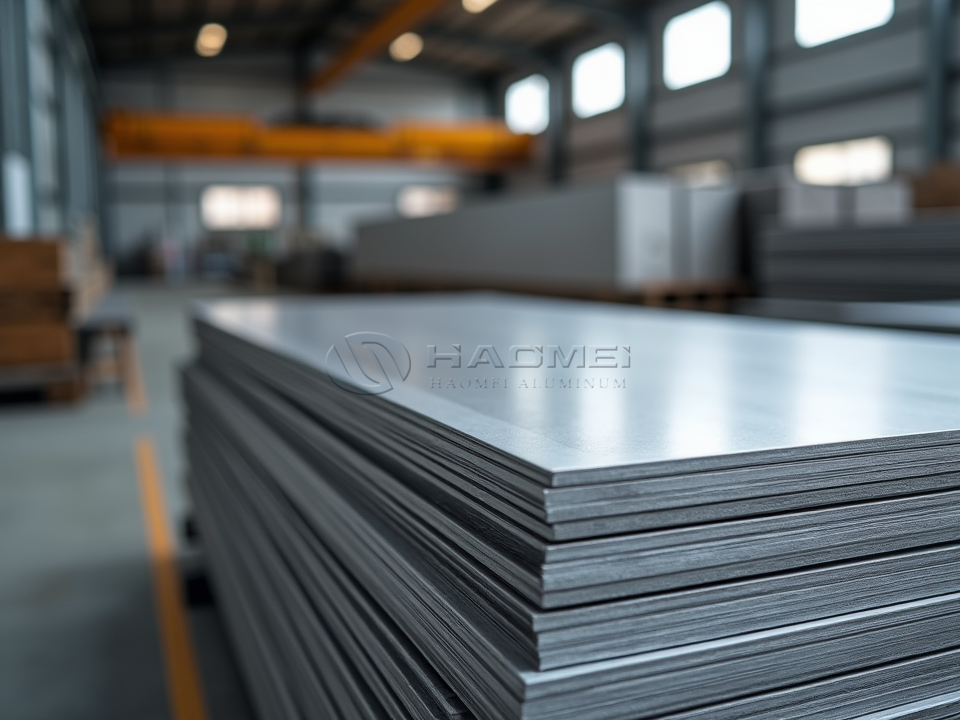
Think of Thickness and Temper as a Team
A sheet does not perform according to thickness alone. A thin sheet in a harder temper may feel surprisingly rigid, while a thicker sheet in a softer temper may be easier to form around curves. The best selection comes from considering the final shape, support spacing, expected impacts, joining method, and cosmetic requirements.
A5052 H32 is strain hardened and stabilized to a quarter-hard condition. It is the most commonly selected choice when customers need a sheet that can still bend, brake-form, roll, or fabricate without excessive cracking risk. H32 works well for panels that need moderate stiffness but may include folded edges, curved corners, welded seams, or formed channels.
A5052 H34 is half-hard. It provides more surface hardness and higher strength than H32, making it suitable for flatter panels, protective covers, cabin sides, cockpit fittings, equipment housings, and flooring substrates. The tradeoff is reduced formability. Sharp bends and tight-radius work require more attention, especially in thicker material.
A5052 H36 is three-quarter-hard. It is chosen where greater dent resistance and panel stiffness matter more than complex forming. It can be a good option for flat or gently formed panels exposed to handling, vibration, gear contact, or passenger traffic. H36 should not be treated as a direct substitute for H32 when deep drawing, tight bends, or extensive shaping are required.
Thin Sheet: Light Weight Needs Proper Support
In marine fabrication, sheets around 0.8 mm to 1.5 mm are often used for light covers, interior trim, instrument surrounds, ventilation components, cabinet skins, and decorative panels. These gauges save weight, but their performance depends heavily on framing and fastening intervals.
At thin gauges, H32 is usually forgiving during folding and assembly. It is well suited to pieces with hems, return flanges, and formed edges. H34 can be useful where the panel must stay flatter between supports, although installers should avoid overly aggressive bending. H36 offers a firmer feel, but it may show distortion if the part is welded carelessly or forced over an uneven frame.
Thin 5052 sheet is not automatically the right answer for exposed deck panels. Foot traffic, dropped tools, wave-induced vibration, and concentrated loading can cause oil-canning or permanent dents if the substrate is not well supported. In this situation, a thicker sheet or a patterned product such as Marine Aluminum Tread Sheets may provide a safer, more durable working surface.
Medium Thickness: The Everyday Marine Fabrication Range
The 2 mm to 4 mm range is often the practical center of A5052 marine sheet use. It is thick enough for many cabin parts, doors, hatches, bulkheads, storage boxes, console structures, windscreen frames, and lightweight deck equipment enclosures, while remaining manageable for cutting, bending, and welding.
At 2 mm, A5052 H32 is widely appreciated for folded fabrications. It can create stiff trays, lockers, instrument panels, and protective housings without adding unnecessary mass. At 3 mm, H32 remains a reliable option for formed marine components that need welded seams or curved geometry.
A5052 H34 in 2 mm to 4 mm thickness is a strong choice for relatively flat parts. It resists minor dents better than H32 and can help maintain a clean appearance on visible cabin panels. It is particularly useful when the fabricator can use generous bend radii and does not need to form sharp corners.
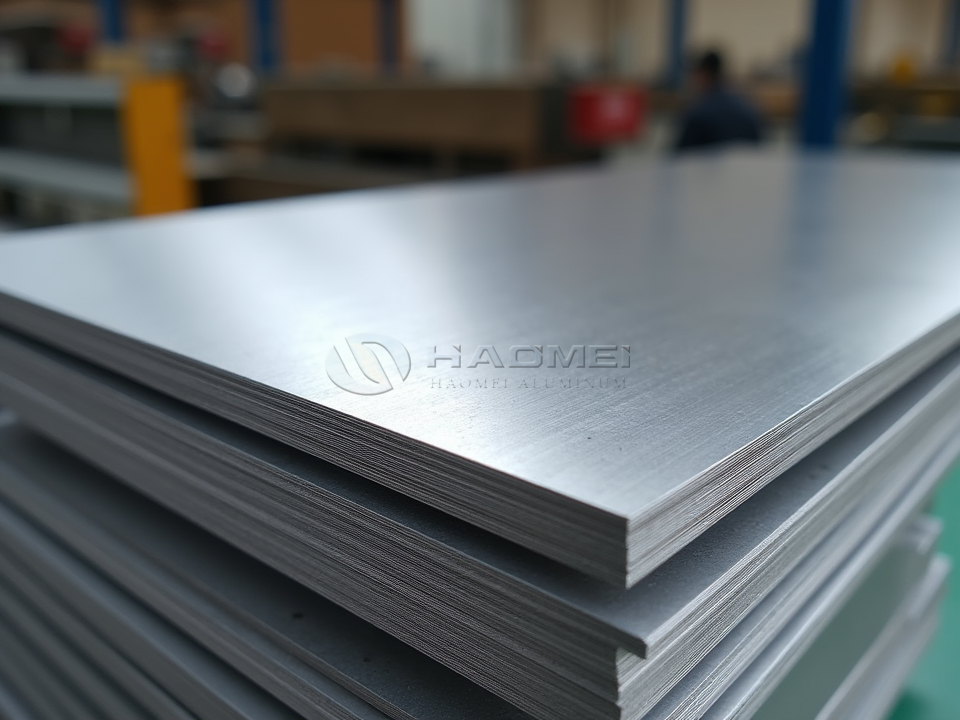
H36 in this thickness range suits covers, mounting plates, partition panels, and rugged skins where the design relies on straight cuts, gentle rolls, or simple folds. For any part with welding, remember that heat affects the area beside the weld. The heat-affected zone loses some strain-hardened strength, so design decisions should not rely only on the original H36 temper values.
Heavier Sheet: Strength Is Not the Same as Hull Approval
In thicknesses above approximately 5 mm, buyers should pause before choosing 5052 solely because it is familiar and corrosion resistant. Thick A5052 can serve well in certain fabricated structures, brackets, machinery guards, internal support elements, and non-critical marine components. However, for heavily loaded hull plating, high-stress structures, or vessels subject to demanding classification rules, alloys such as 5083 or 5086 are commonly specified because of their higher strength and established marine structural performance.
For projects requiring heavier-duty material, compare the intended use with Marine 5083 aluminum sheet before finalizing a purchase order. Alloy selection should be based on drawings, service loads, welding procedures, corrosion exposure, and applicable marine standards rather than thickness alone.
Bending, Welding, and Surface Finish Matter in Real Use
The harder the temper, the more carefully a fabricator must control bend radius. H32 tolerates forming better than H34, while H36 needs the most conservative approach. A bend that looks acceptable in a quick workshop test may develop fine edge cracking after vibration and salt exposure if the radius is too tight.
Welding also changes the equation. A5052 is weldable, but good results require clean surfaces, suitable filler selection, controlled heat input, and correct joint design. Welding thin sheet can cause distortion, while welding thicker sheet may require more heat and a thoughtful sequence to keep the assembly straight. If a panel must remain visually flat, mechanical fastening, adhesive bonding, stiffening returns, or intermittent weld patterns may be preferable in selected locations.
Surface condition should be specified clearly as well. Mill finish is common and economical. Protective film can help preserve appearance during transport and fabrication. For visible trim, anodized or coated sheet may be considered, but finish compatibility with bending, sealing compounds, fasteners, and marine cleaning chemicals should be checked before production.
A Practical Buying Approach
The best A5052 selection is the one that matches the fabrication route. Choose H32 when bends, formed corners, welds, and shape adjustments are part of the job. Choose H34 when the panel needs extra stiffness and dent resistance but only moderate forming. Choose H36 when the part is mainly flat or gently formed and must resist handling damage.
Then select thickness according to unsupported span and expected loading, not only by copying a previous order. A thin sheet with smart reinforcement can outperform an unnecessarily heavy panel, while a thick sheet without adequate support may still flex in the wrong place. Confirm length, width, thickness tolerance, temper, protective film, surface finish, and cutting requirements before production begins.
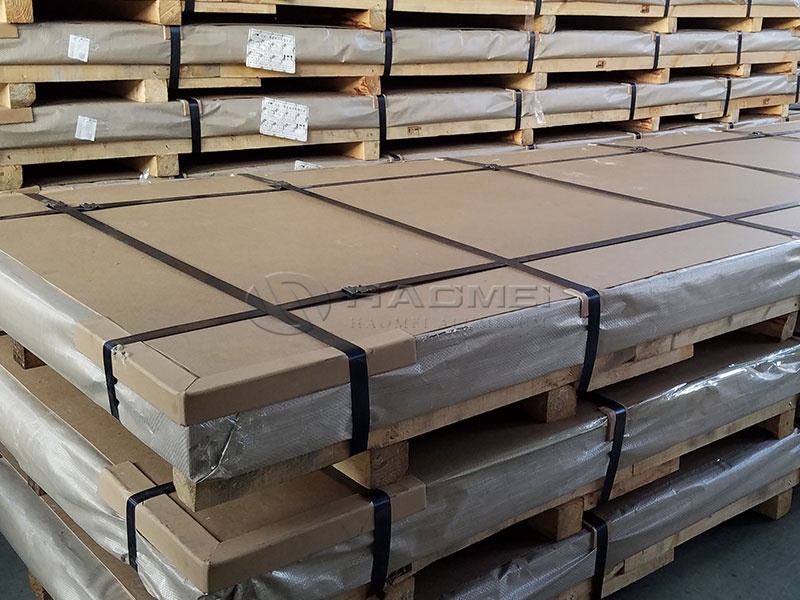
For marine customers, A5052 H32, H34, and H36 are not competing labels. They are different working personalities of the same corrosion-resistant alloy. Matching that personality to thickness, fabrication method, and onboard duty produces cleaner builds, fewer forming problems, and aluminum components that remain dependable through long seasons on the water.

Related Products
Marine anodized aluminum sheets
Marine Anodized Aluminum Sheets start with premium marine-grade aluminum alloys such as 5000 and 6000 series (typically 5083, 5052, and 6061).
View Details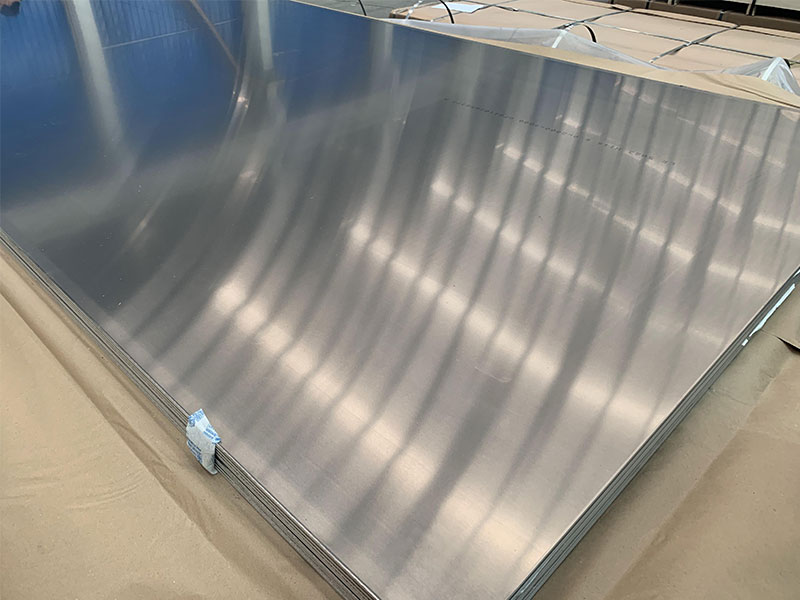
Marine 5052 aluminum sheet
Aluminum alloy 5052 is a non-heat-treatable, strain-hardened alloy with magnesium as the primary alloying element. It is designed to offer superior corrosion resistance in marine and saline environments, making it a dependable choice for components exposed directly to seawater or coastal atmospheric conditions.
View Details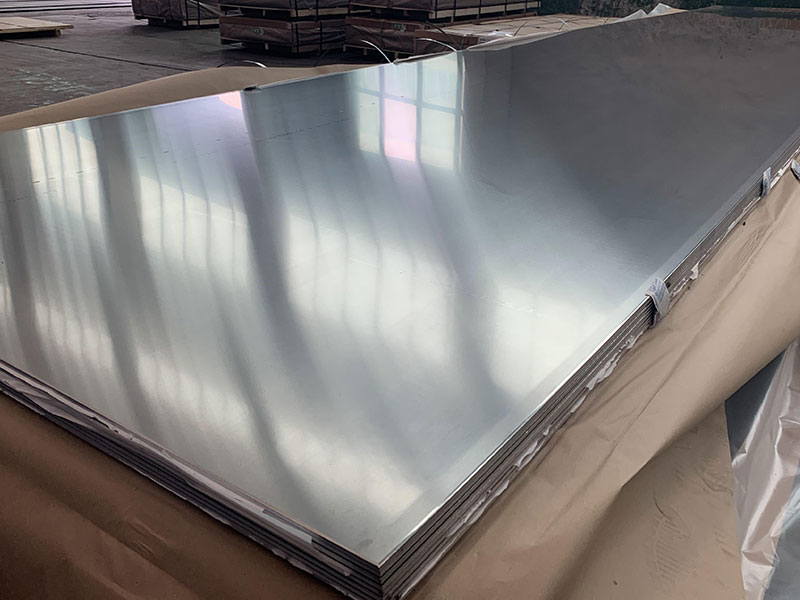
Marine 5086 aluminum sheet
This product article provides an in-depth and comprehensive understanding of Marine 5086 Aluminum Sheets, including their chemical composition, mechanical properties, corrosion resistance, fabrication capabilities, and typical marine applications.
View Details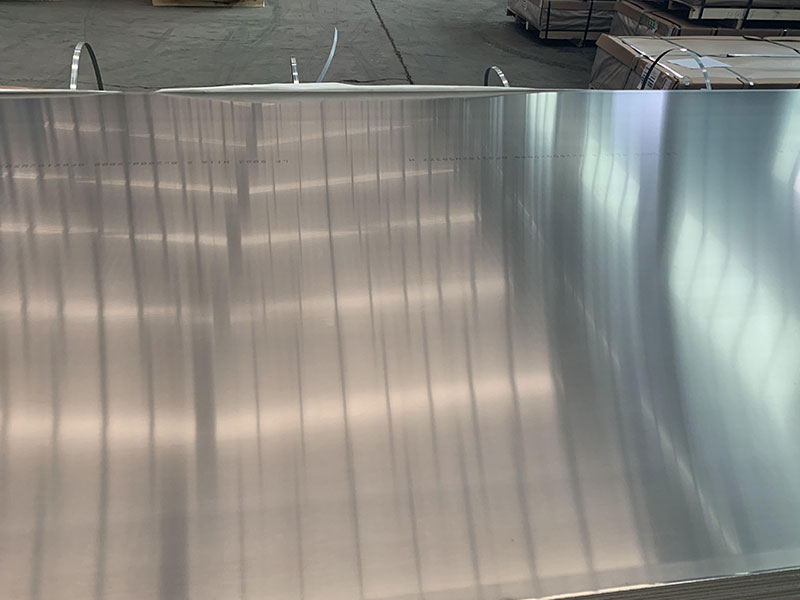
Marine 5383 aluminum sheet
5383 aluminum is a strain-hardened, non-heat-treatable alloy from the 5xxx series primarily alloyed with magnesium. It exhibits a unique balance of corrosion resistance and mechanical properties particularly suited for marine applications.
View Details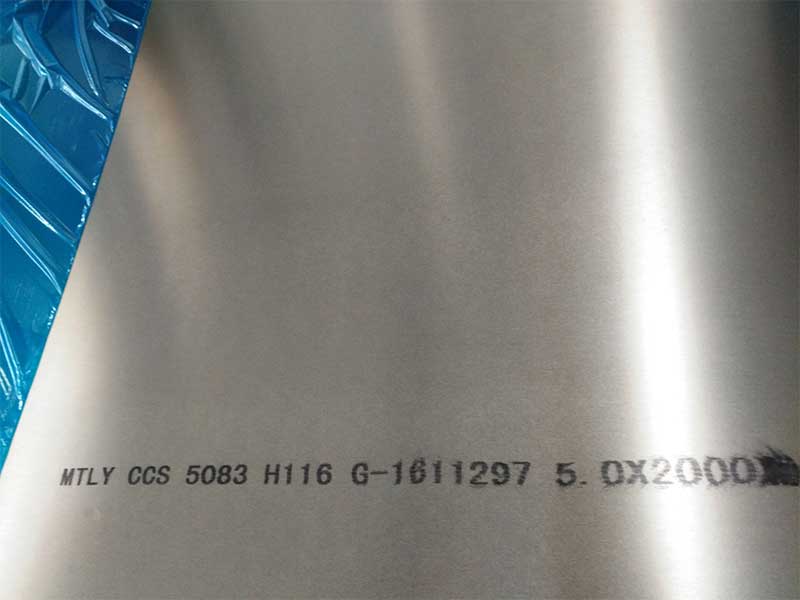
Marine 5083 aluminum sheet
Aluminum alloy 5083 is a non-heat-treatable alloy primarily composed of magnesium and trace elements that deliver outstanding protection against corrosion, particularly in seawater and saline atmospheres.
View Details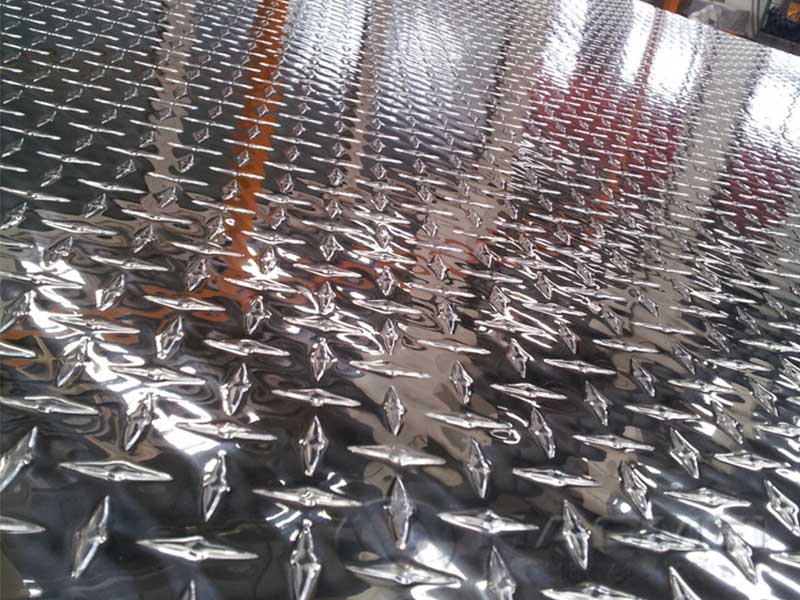
Marine Aluminum Tread Sheets
Marine Aluminum Tread Sheets are aluminum alloy plates featuring a raised surface pattern, commonly referred to as a tread design or diamond plate.
View DetailsRelated Blog
Astm standard 5083 5052 aluminium sheet for boat material
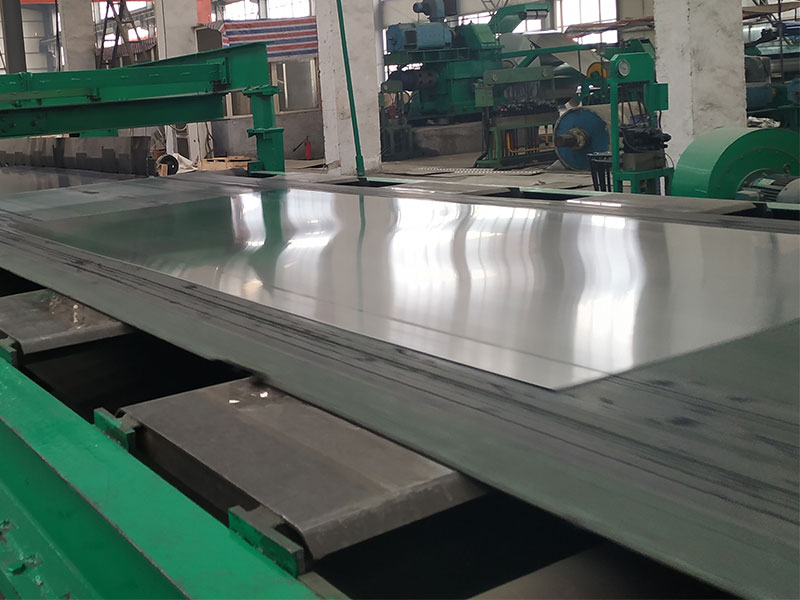
ASTM Standard 5083 & 5052 Aluminum Sheet for Boat Material: Reading Marine Alloy Like a Hull Designer, Not a CatalogIn marine construction, aluminum sheet is often discussed as if it were simply a grade name plus a thickness.
View Details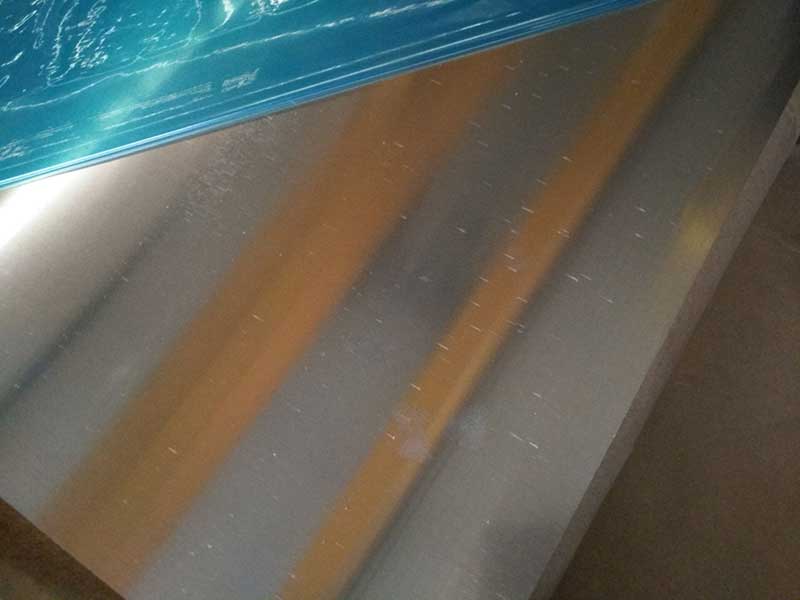
1060 2024 3003 6061 7075 aluminum sheet for boat
When selecting aluminum sheets for marine applications, one must consider not only the alloy's strength and weight but also its resistance to corrosion, formability, and other properties that can influence a vessel's performance and longevity.
View Details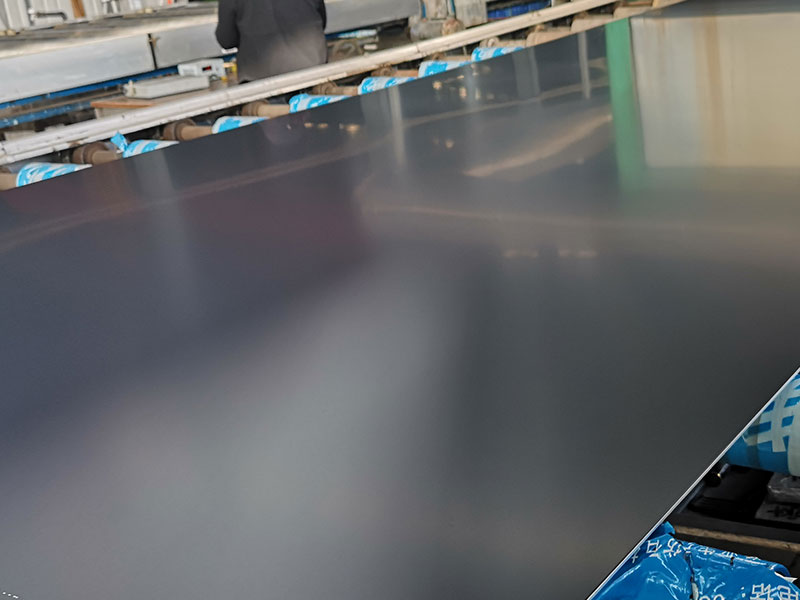
5083 h116 marine grade aluminium alloy sheet
When it comes to marine applications, the choice of materials plays a pivotal role in the performance and longevity of boats and ships. Among the plethora of options.
View Details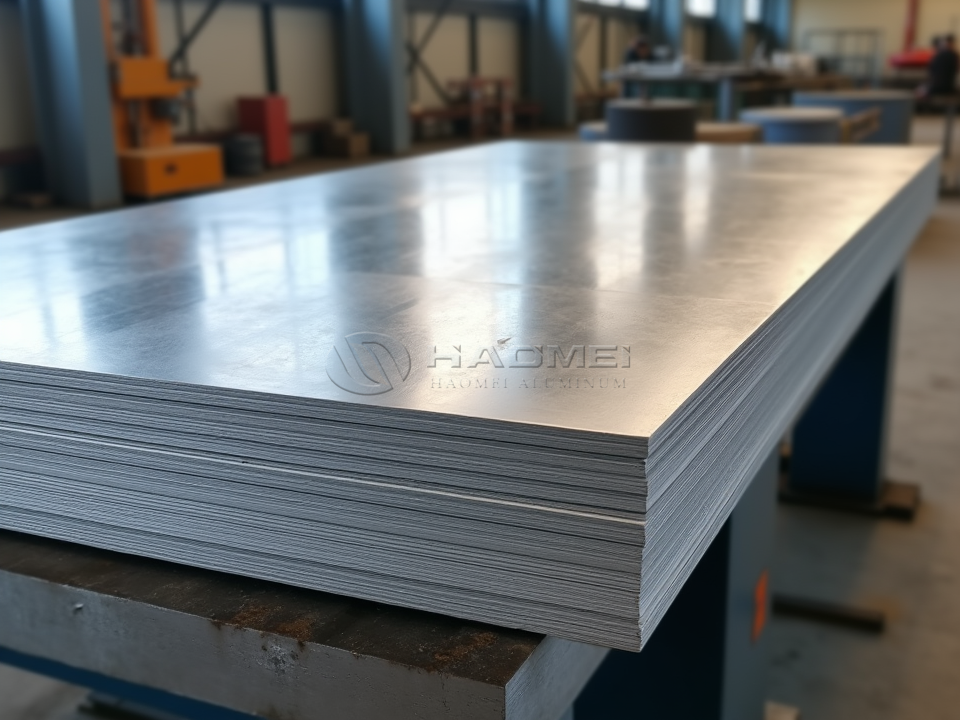
Marine Grade Aluminium Sheets 5083 H111 H116
Explore 5083 H111 and H116 marine grade aluminium sheets, including chemistry, tempers, standards, dimensions, corrosion resistance, and marine uses.
View Details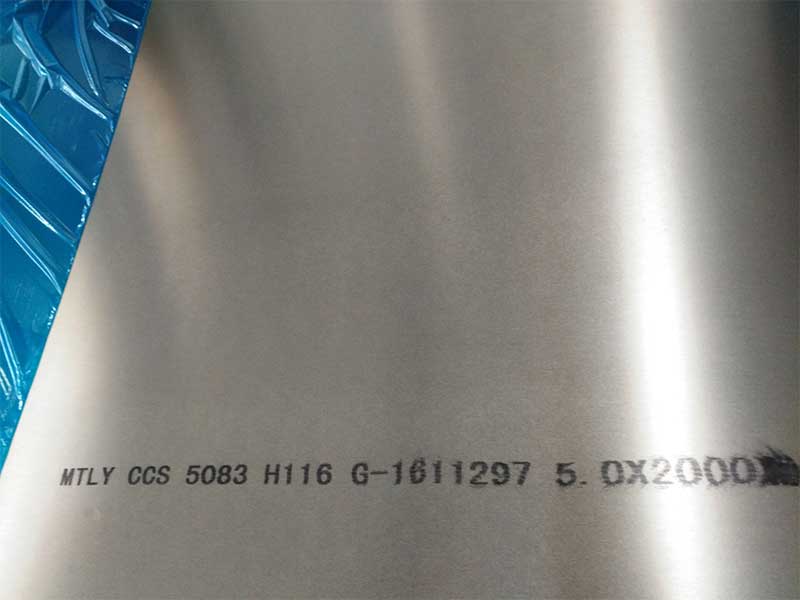
Aluminum sheet tai 6061 alloy metal rolls for boat
Aluminum has long been the favored material in maritime applications due to its unique combination of lightweight characteristics and exceptional resistance to corrosion.
View Details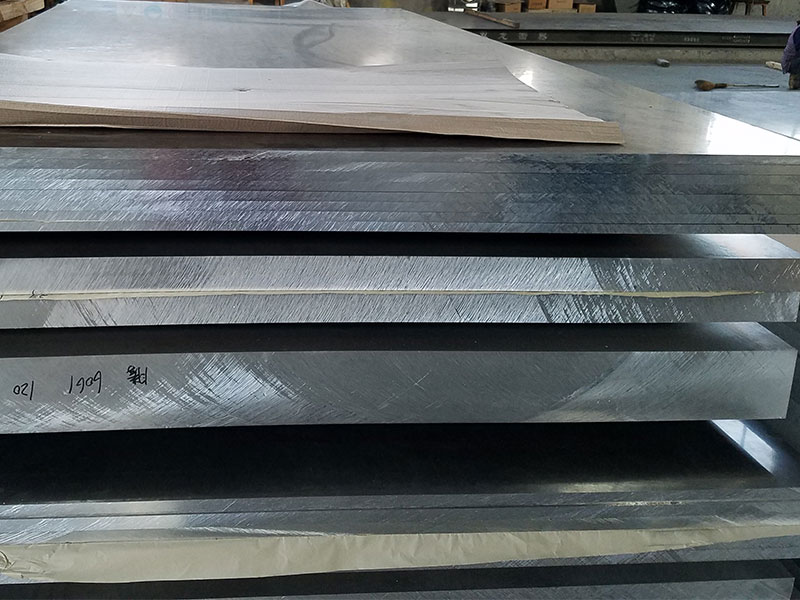
Alloy 5052 5757 5005 5083 h24 h32 aluminium coil for marine application
Marine environments demand materials that combine corrosion resistance, strength, weldability, and low weight. Among non-heat-treatable aluminum-magnesium alloys, 5052, 5754, 5005, and 5083 aluminium coil are widely selected for shipbuilding.
View Details
Leave a Message