
6061 Marine Aluminum Fencing and Railings for Seawater Resistant Marine Safety Rails
6061 Marine aluminum fencing and railings for Seawater Resistant Marine Safety Rails: Built for Salt, Motion, and Maintenance Reality
Marine safety rails do more than "separate people from danger." On a dock edge, a vessel walkway, or an offshore platform stair tower, a fence or railing becomes a structural interface between human movement and a constantly shifting environment. It must resist seawater, tolerate vibration and impact, stay stable under UV exposure, and remain easy to inspect and repair. From that practical, maintenance-first viewpoint, 6061 Marine aluminum fencing and railings are often chosen not because they are exotic, but because they deliver a rare combination of strength, corrosion performance (with proper finishing), fabrication ease, and long service economics in real marine conditions.
Why 6061 is a "systems alloy" for railings, not just a metal choice
6061 aluminum is frequently discussed in terms of strength-to-weight ratio, but in marine fencing its real advantage is that it behaves like a system-friendly alloy. It extrudes into consistent profiles, welds reliably, accepts protective finishes well, and allows modular rail segments that can be replaced without heavy lifting equipment.
In seawater environments, aluminum does not "rust" like steel; it forms an oxide layer. However, chlorides in sea spray can attack aluminum alloys, especially when crevices trap saltwater or when dissimilar metals create galvanic couples. 6061's magnesium-silicon chemistry offers balanced corrosion resistance, and when paired with smart detailing and surface treatment, it becomes a dependable choice for marine safety rails, guardrails, access fencing, gangway rails, and dock perimeters.
Functional performance where marine projects actually fail
A seawater resistant railing is not defined only by alloy grade. Failures usually begin in predictable places:
- Crevice zones at base plates, clamp interfaces, or post sleeves where saltwater sits
- Heat-affected zones around welds that change local strength and corrosion behavior
- Galvanic interfaces where stainless fasteners, carbon steel inserts, or copper-containing parts touch aluminum
- Coating damage caused by ropes, tools, and repeated handling near mooring points
6061 performs well when the railing system is designed to avoid stagnant water traps, when fasteners are isolated, and when finishes are chosen for long-term exposure. This is why marine aluminum fencing is often specified alongside closed-end caps, drain/weep paths, isolating washers, and high-build anodizing or marine powder coating.
Alloy tempering: choosing strength with fabrication reality
6061 is commonly supplied in T6 or T651 temper for structural strength. For railings, T6 is the workhorse because it provides strong, stable extrusions for posts and top rails.
- 6061-T6: Solution heat-treated and artificially aged for high strength
- 6061-T651: T6 with stress relief by stretching; often used for plate to reduce distortion during machining
- 6061-T4: More formable, lower strength; sometimes used when tight bending is required before final aging
A distinctive marine insight: for welded railing panels, designers often assume "T6 strength everywhere," but welding locally softens 6061. That doesn't make it unsuitable-it means the design should respect weld-zone properties and use appropriate joint geometry, weld size, and post spacing.
Typical parameters for 6061 Marine aluminum fencing and railings
Actual profiles vary by project, but these parameters are widely used for seawater-resistant safety rail systems:
- Common product forms: extruded tube, pipe, channel, angle, flat bar, plate for base flanges
- Wall thickness: typically 2.0–6.0 mm depending on span and load requirements
- Typical post sizes: 40–80 mm OD tube (or equivalent square tube)
- Top rail sizes: 38–60 mm OD tube; larger for high-traffic access ways
- Yield strength (6061-T6, typical): around 240 MPa
- Tensile strength (6061-T6, typical): around 290 MPa
- Elastic modulus: about 69 GPa
- Density: about 2.70 g/cm³
- Melting range: about 582–652°C
These values support a marine benefit: high stiffness per weight is not the goal-predictable stiffness at low mass is. Lighter rail modules reduce installation risk, speed retrofits, and lower the fatigue load on deck structures.
Implementation standards and compliance context
Marine railings are usually governed by a mix of structural, safety, and coating standards. The appropriate standard depends on whether the rail is on a ship, an offshore facility, a port, or an industrial shoreline.
Commonly referenced standards and guidance include:
- ISO 14122 (Safety of machinery - permanent means of access to machinery) for industrial platforms and access rails
- OSHA 1910 / OSHA 1926 for workplace guardrail requirements in the U.S.
- IMO / SOLAS guidance (shipboard safety expectations; project-specific)
- ASTM B221 for aluminum extruded bars, rods, wire, profiles, and tubes (commonly used for 6061 extrusions)
- ASTM B209 for aluminum plate and sheet (base plates, gussets, panels)
- AWS D1.2 Structural Welding Code-Aluminum (welding procedure and workmanship)
- AAMA 2604 / AAMA 2605 for architectural powder coating performance (often adopted in marine-adjacent projects)
In marine projects, compliance is not only paperwork: these standards influence post spacing, rail height, infill choices, weld acceptance, coating thickness targets, and inspection routines.
Surface protection: seawater resistance is a finishing decision too
6061 can be left mill-finish in low-splash zones, but most seawater-exposed rails benefit from one of these:
- Hard or architectural anodizing to thicken the oxide layer and improve abrasion resistance
- Marine-grade powder coating over a suitable pretreatment to reduce pitting risk and improve appearance
- Duplex systems (anodize + powder coat) where long life and aesthetics matter
Design detail matters as much as coating: avoiding sharp corners, ensuring drainage, and preventing fastener-induced crevices is how you keep seawater from lingering.
Applications that fit 6061's strengths
6061 Marine aluminum fencing and railings are especially effective in:
- Marinas and docks where salt spray, UV, and constant contact wear are normal
- Vessel walkways and ladders where weight reduction improves safety and installation speed
- Offshore platforms and coastal process plants where maintenance access and modular replacement reduce downtime
- Aquaculture farms and fishery infrastructure where frequent washdowns demand corrosion-smart materials
- Seawalls, promenades, and coastal resorts needing clean aesthetics with practical durability
In each case, the most valuable "function" is often overlooked: inspection friendliness. Aluminum rails make cracks, coating damage, and fastener issues easier to spot early-an advantage for safety-driven asset management.
6061 Aluminum Chemical Composition (Typical, wt.%)
| Element | Content (wt.%) |
|---|---|
| Silicon (Si) | 0.40–0.80 |
| Iron (Fe) | ≤ 0.70 |
| Copper (Cu) | 0.15–0.40 |
| Manganese (Mn) | ≤ 0.15 |
| Magnesium (Mg) | 0.80–1.20 |
| Chromium (Cr) | 0.04–0.35 |
| Zinc (Zn) | ≤ 0.25 |
| Titanium (Ti) | ≤ 0.15 |
| Others (each) | ≤ 0.05 |
| Others (total) | ≤ 0.15 |
| Aluminum (Al) | Balance |
The takeaway: seawater resistance is engineered, not assumed
6061 Marine aluminum fencing and railings succeed when they're treated as a complete safety system: the alloy provides a strong, weldable, extrusion-friendly foundation; the temper selection aligns with fabrication and load reality; standards guide geometry and workmanship; and corrosion control is handled through drainage, isolation from dissimilar metals, and robust finishing. The result is a seawater resistant marine safety rail that stays reliable under salt, sun, and motion-while staying economical to install, inspect, and maintain.

Related Products
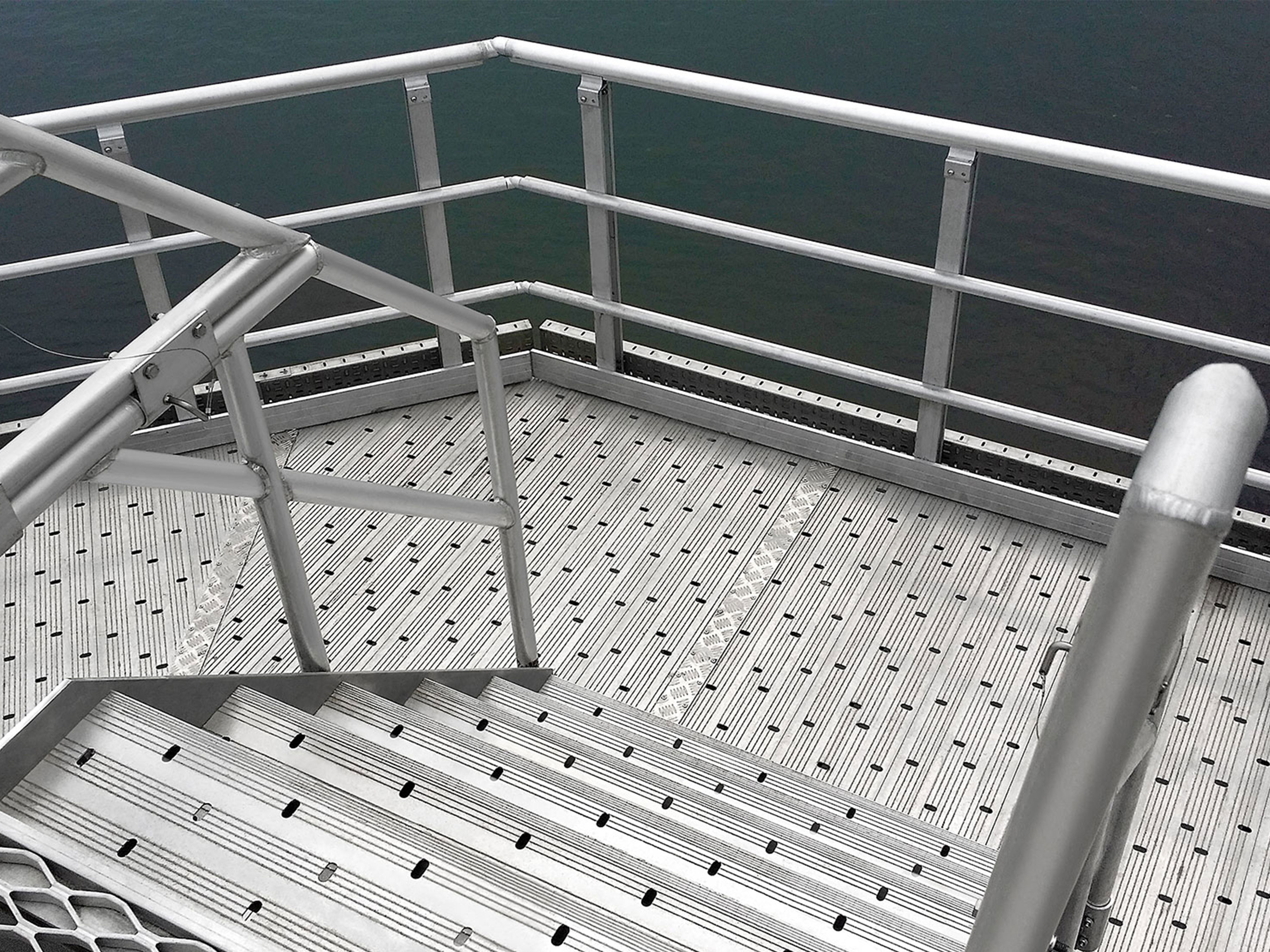
Marine aluminum customized shapes
Marine Grade Aluminum Customized Shapes encompass a broad range of aluminum extrusions and fabrications engineered beyond standard profiles—such as channels, angles, tubes, and beams—into complex, project-specific geometries.
View Details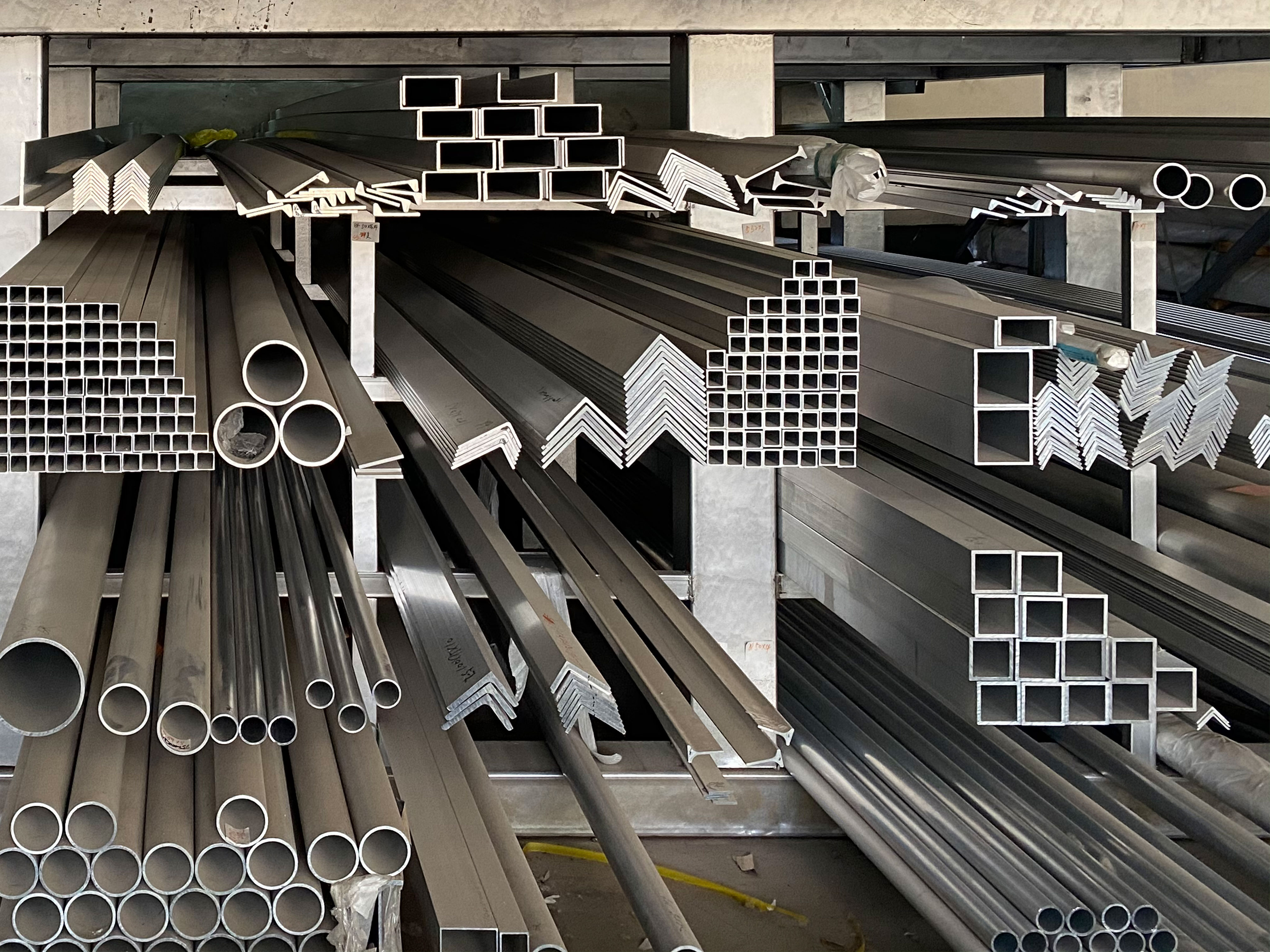
Marine aluminum fencing and railings
Marine Grade Aluminum Fencing and Railings are fabricated using marine-grade aluminum alloys such as 5083, 5052, and 6061, which are engineered specifically for protection against saltwater corrosion and marine atmospheric conditions.
View Details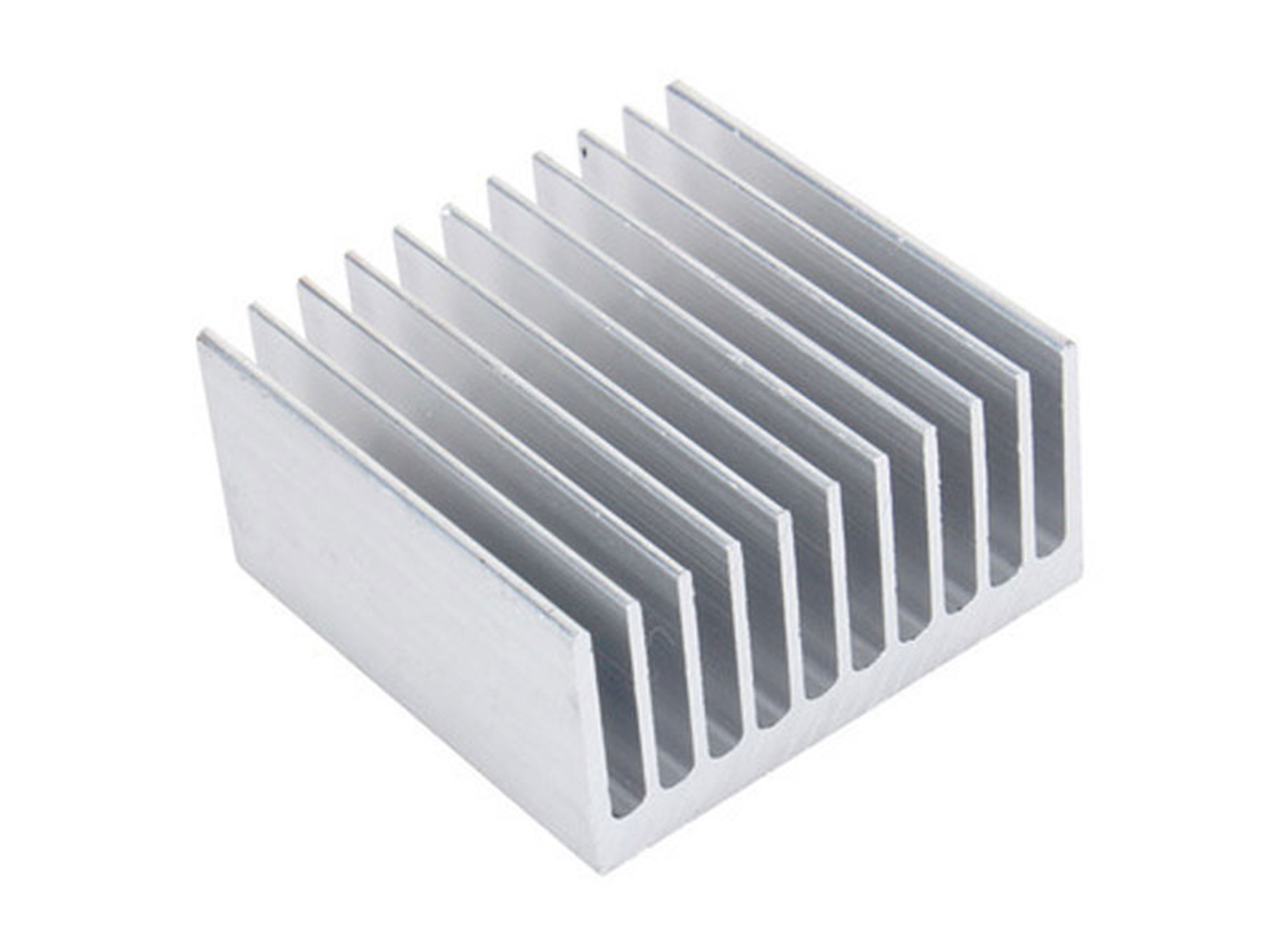
Marine aluminum heat sink profile
Marine Grade Aluminum Heat Sink Profiles utilize alloys such as 6061 and 6063 that not only exhibit high thermal conductivity but also possess excellent corrosion resistance required for saltwater exposure.
View DetailsRelated Blog
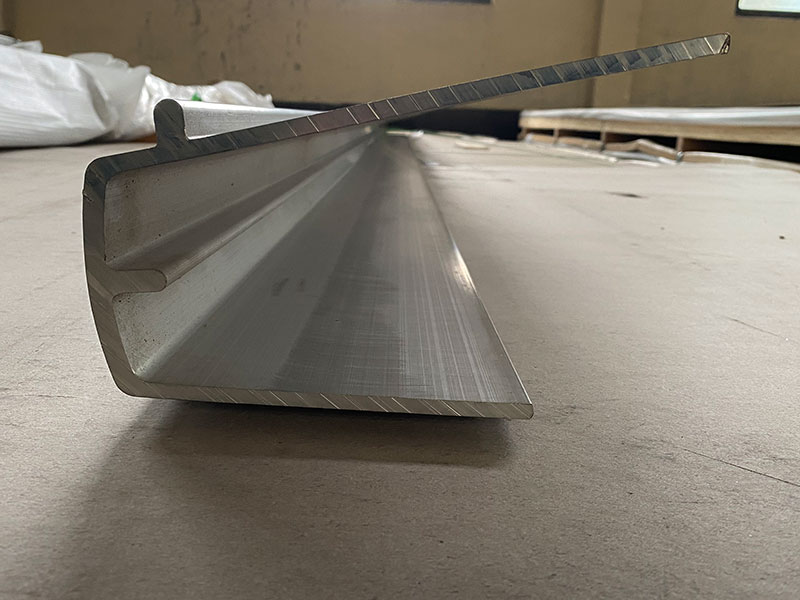
6061 Marine Aluminum Customized Shapes for Efficient Coastal Engineering Projects
6061 Marine Aluminum is a premium-grade aluminum alloy recognized for its exceptional corrosion resistance, mechanical strength, and versatility in coastal engineering.
View Details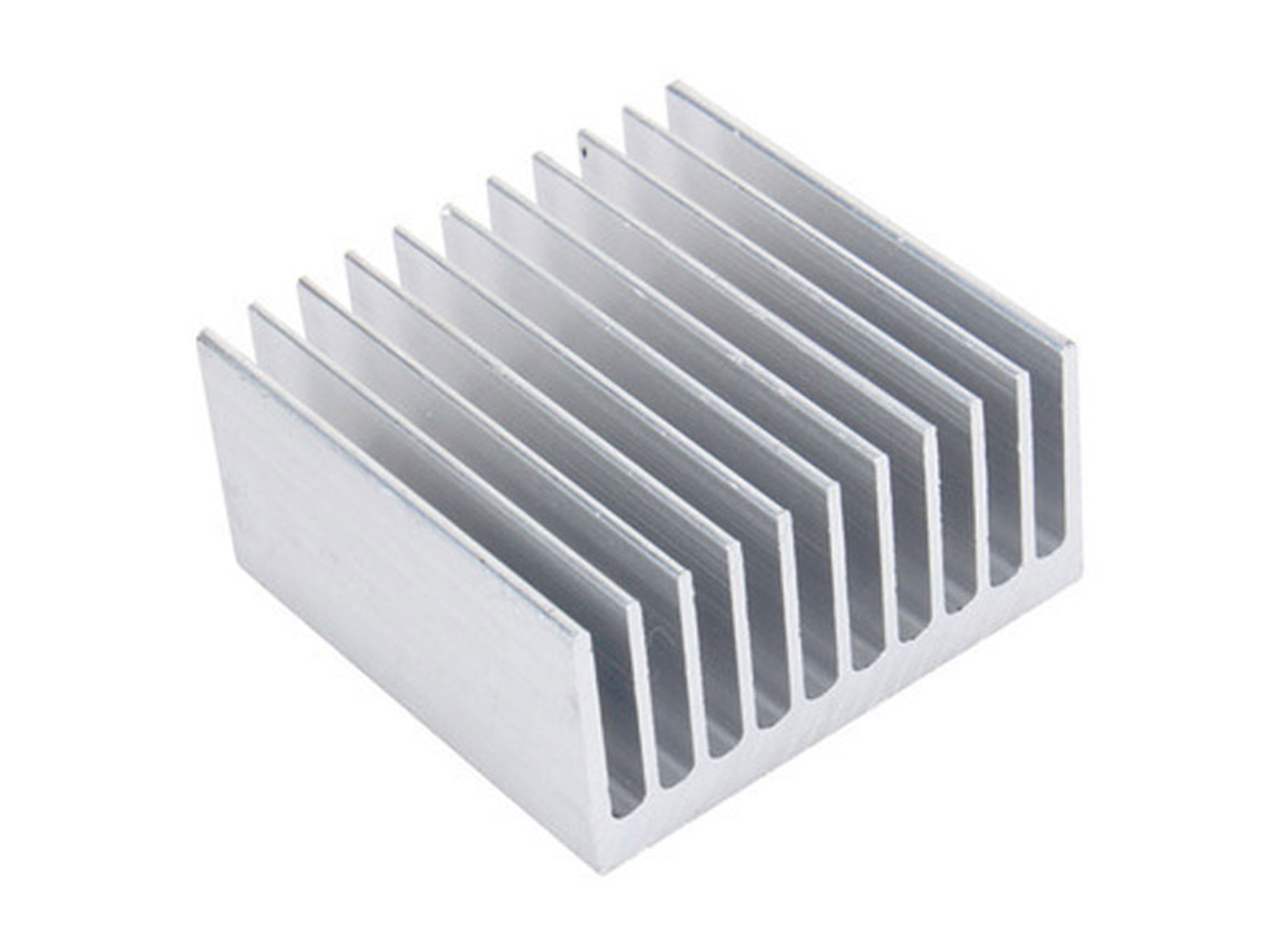
6061 Marine Aluminum Heat Sink Profile for Cooling Solutions for Offshore Electronics
6061 Marine Aluminum Heat Sink Profile: Optimal Cooling Solutions for Offshore ElectronicsIn the demanding environment of offshore electronics, reliable thermal management is critical.
View Details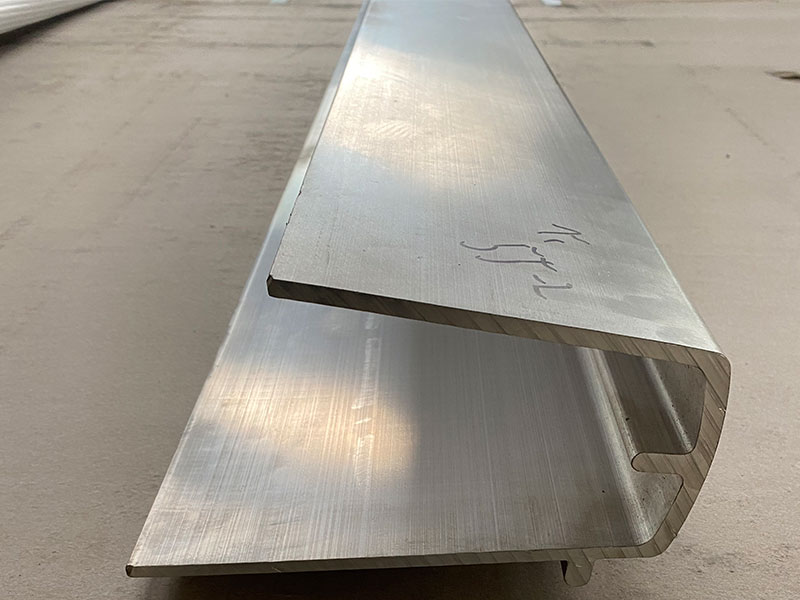
6061 Marine Aluminum Fencing and Railings for Lightweight Coastal Deck Railings
6061 marine aluminum is renowned for its excellent qualities, making it one of the top choices for lightweight coastal deck railings and fencing solutions. Designed specifically for marine environments, its exceptional resistance to corrosion.
View Details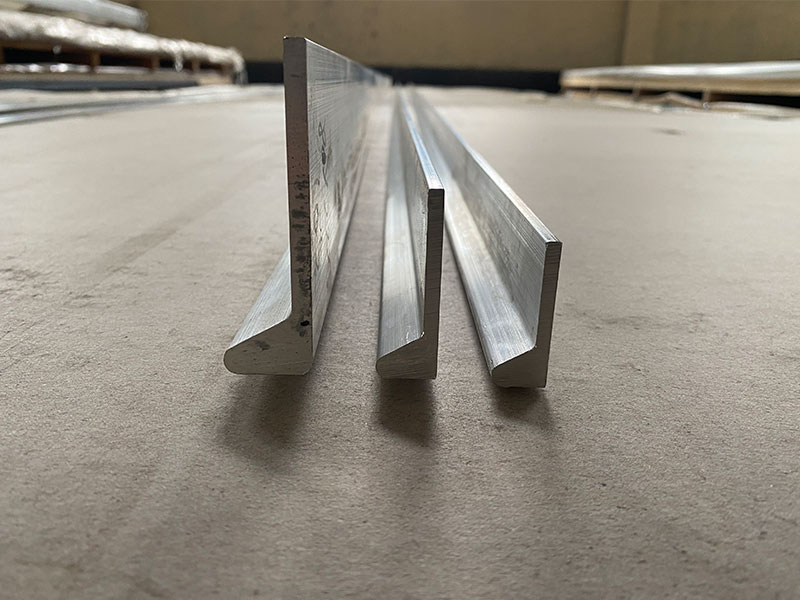
6061 Marine Aluminum Fencing and Railings for High Strength Boat Deck Railings
6061 Marine Aluminum Fencing and Railings for High Strength Boat Deck RailingsOn a modern boat or yacht, the deck railing is no longer just a decorative boundary.
View Details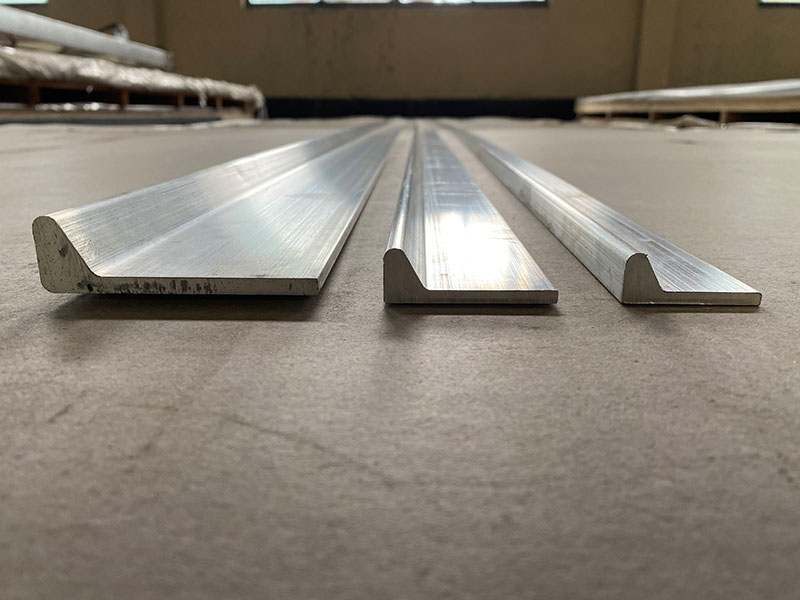
6061 Marine Aluminum Customized Shapes for Offshore Engineering Projects
In the fast-evolving world of offshore engineering, the demand for materials that ensure strength, corrosion resistance, and versatility has never been higher. Among various options.
View Details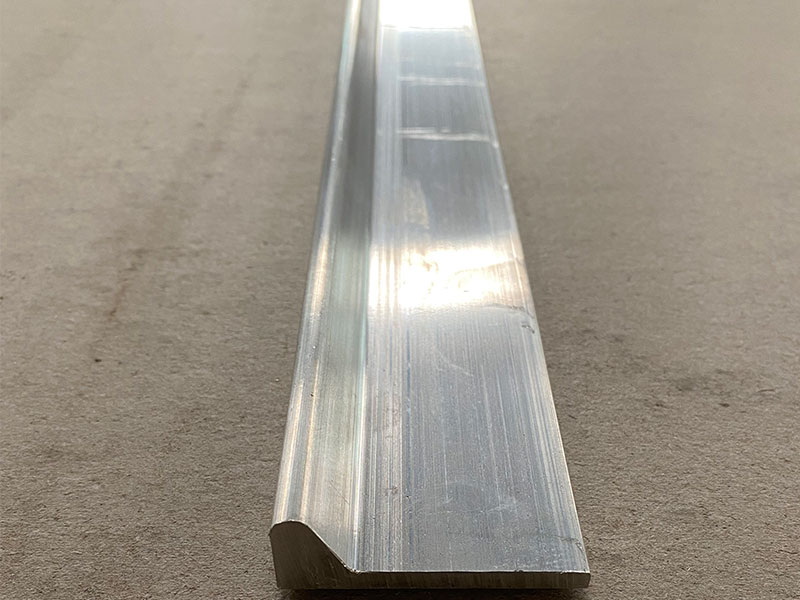
6061 Marine Aluminum Customized Shapes for Durable Boat and Vessel Frames
Marine environments demand materials that can withstand harsh conditions such as saltwater corrosion, constant exposure to moisture, and mechanical stress. Among a variety of aluminum alloys.
View Details
Leave a Message