
6061 Marine Aluminum Bar for Boat Frame Customization
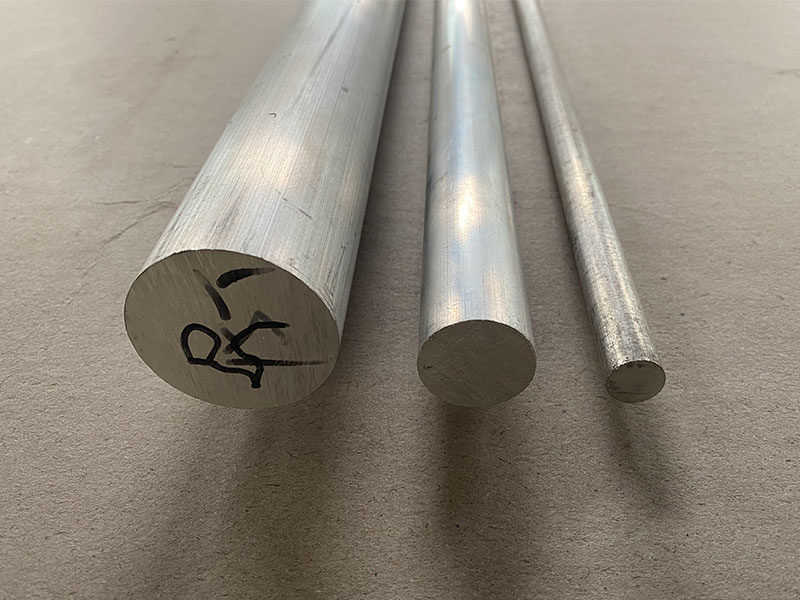
When it comes to building or customizing boat frames, choosing the right material significantly impacts durability, performance, and maintenance. 6061 Marine Aluminum bar is a top choice favored by professionals in the marine industry due to its exceptional strength, corrosion resistance, and versatility.
6061 is part of the 6000-series aluminum alloys known for their excellent mechanical properties and outstanding corrosion resistance in marine environments. Marine-grade 6061 aluminum bars are heat-treated, ready-to-use raw materials designing robust and long-lasting structural components for watercraft. They boast superior machinability and weldability, allowing for intricate designs and seamless integration with other boat parts.
Functions and Benefits in Boat Frame Customization
Using 6061 marine aluminum bars in boat frames enhances performance and longevity:
- High Strength-to-Weight Ratio: Supports sturdy structural builds while keeping the vessel lightweight for better fuel efficiency and on-water handling.
- Corrosion Resistance: Marine sports saltwater corrosion, preventing degradation and significantly reducing maintenance requirements.
- Ease of Fabrication: Excellent weldability and machinability allow easy customizing of frame shapes, fittings, and reinforcements.
- Thermal Stability: Maintains dimensional precision amid temperature fluctuations encountered in marine atmospheres.
- Safety: Non-magnetic and non-toxic qualities enhance onboard safety, avoiding interference with marine electronics and protecting the environment.
Typical Applications
6061 aluminum bars find various Seaworthy applications beyond just boat frames:
- Hull reinforcements and snap rings to increase structural integrity.
- Custom brackets and fittings where precise parts customization is essential.
- Outrigger pins and joinery components that require wear-resistant connections.
- Saloon ceilings and deck trims where aesthetic appearance joins functional necessity.
- Equipment mounting frameworks, including motors and fuel tanks.
Its versatility makes 6061 bars suitable from leisure yachts and fishing boats to commercial medium-duty vessels.
Chemical Composition of 6061 Marine Aluminum
The chemical makeup of 6061 aluminum alloy balances strength and corrosion resistance, critical for marine environments. Below is the typical composition percentage distribution controlled under ASTM standards:
| Element | Percentage (%) |
|---|---|
| Aluminum | Balance |
| Silicon | 0.40 - 0.80 |
| Iron | 0.70 max |
| Copper | 0.15 - 0.40 |
| Manganese | 0.15 max |
| Magnesium | 0.8 - 1.2 |
| Chromium | 0.04 - 0.35 |
| Zinc | 0.25 max |
| Titanium | 0.15 max |
| Others | Each 0.05 max, total 0.15 max |
Technical Specifications and Implementation Standards
The marine-grade corrosion resistance results from precision manufacturing under rigorous industry standards related to aluminum alloys for allotting proper metallurgical behavior.
| Specification Type | Value / Detail |
|---|---|
| Standard | ASTM B209, ASTM B221, MIL-DTL-24645 |
| Density | 2.70 g/cm³ |
| Tensile Strength | 290 MPa (min) |
| Yield Strength (0.2% offset) | 240 MPa (min) |
| Elongation at break | 12-17% |
| Modulus of Elasticity | 68.9 GPa (10,000 ksi) |
| Thermal Conductivity | 151-166 W/m·K |
| Electrical Conductivity | 42-45 % IACS |
| Melting Point | 582 – 652°C |
Alloy Temper Conditions
Various certified tempering standards customize mechanical properties for desired toughness and rigidity in custom attachable boat frame parts.
| Temper Designation | Description | Effect on Material |
|---|---|---|
| T5 | Cooled from elevated temperature, artificially aged | Moderate strength, good corrosion resistance |
| T6 | Solution heat-treated and artificially aged | Highest strength achievable in 6xxx series |
| T651 | T6 with stress relief by stretching | Eliminates residual stress, minimizes distortion |
| T4 | Solution heat treated and naturally aged | Balanced strength and machinability |
Most marine applications prefer 6061-T6 or 6061-T651 for critical load-bearing frame sections due to their strength advantage.
Corrosion Resistance and Marine Durability
6061 estím [marine aluminum codes carefully limits copper variations and incorporates magnesium and silicon content to optimize oxidation protection. Average pitting and intergranular corrosion risks face minimal incidence thanks to tight oxide film formation on surfaces.
Anti-corrosive properties related testing verify cleanliness, no porosity, and fatigue otherwise traditional steel frames would undergo fast deterioration.
Fabrication and Customization Tips
Manufacturing with 6061 bars supports several processes:
- Welding: Recommendations suggest TIG or MIG welds; softer extents preventing line disruptions and distortions.
- Machining: Excellent chip formation efficiency, suited for FSW (Friction Stir Welding) often preferred in custom boat frame approaches.
- Finishing: Anodizing and tick coatings improve resilience and surface hardness.
Thickness selection orient motor fatigue resistance when environmental salted moisture induces both galvanic and water stressors regularly.

Related Products
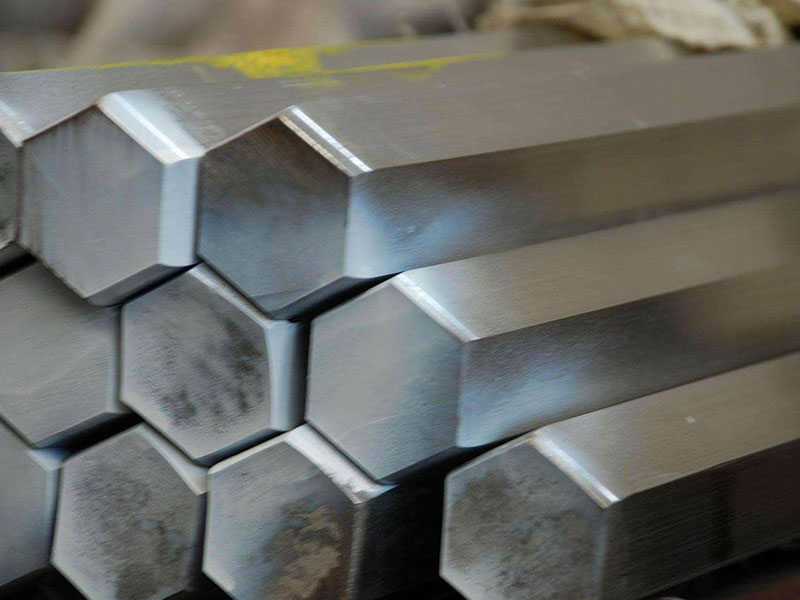
Marine aluminum hexagonal bars
Marine Grade Aluminum Hexagonal Bars are produced from premium corrosion-resistant aluminum alloys such as 5083, 5052, 6061, and 6082.
View Details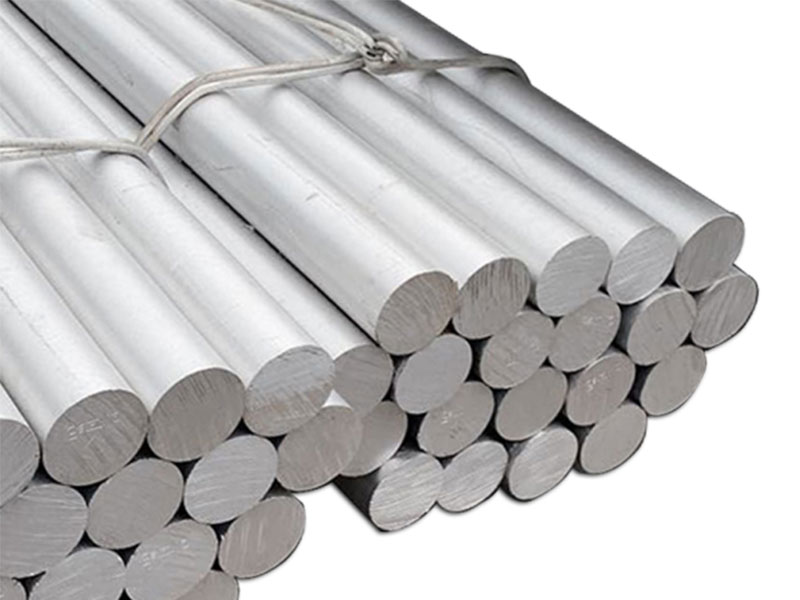
Marine grade aluminum solid bar
Marine Grade Aluminum Solid Bars are produced from premium aluminum alloys optimized for saltwater exposure, such as 5083, 5052, 6061, and 6082. These alloys offer unparalleled resistance to corrosion caused by seawater, salt spray, and marine atmospheres, while maintaining excellent mechanical strength and toughness.
View Details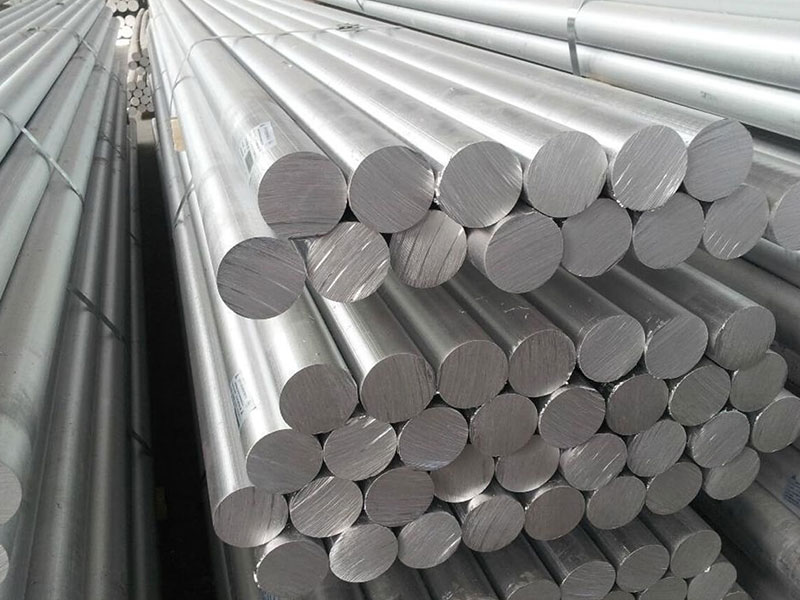
6082 marine aluminum rod & bar
6082 Aluminum Rods & Bars are extruded or rolled products manufactured from 6082 aluminum alloy — a thermally treated (typically T6 temper) aluminum-magnesium-silicon alloy that balances high tensile strength, good weldability, and excellent corrosion resistance.
View Details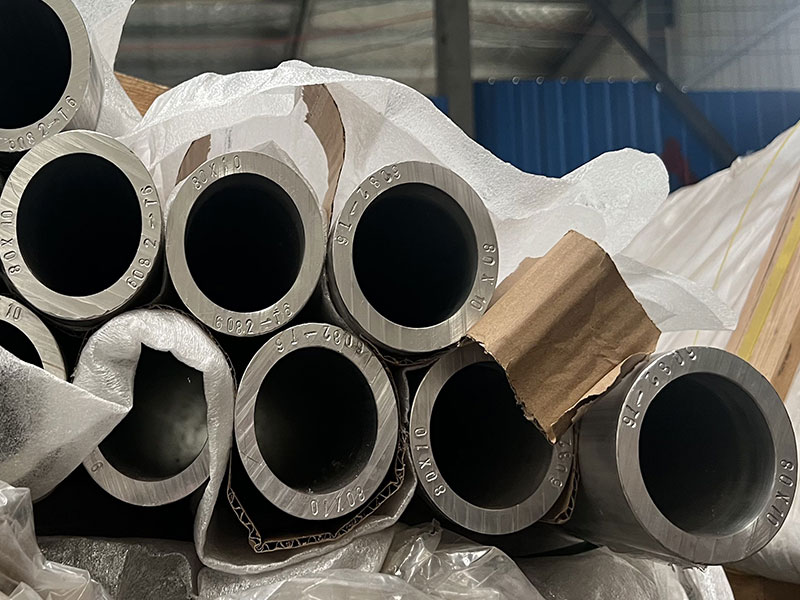
Marine aluminum hollow bars
Marine Grade Aluminum Hollow Bars are fabricated from high-quality alloys such as 5083, 5052, 6061, and 6082, all known for their exceptional resistance to seawater corrosion, salt spray, and marine atmospheres.
View DetailsRelated Blog
6061 Marine Aluminum Hexagonal Bars for Lightweight Marine Frame Construction
In the ever-evolving marine industry, choosing the correct material for frame construction is a critical factor influencing performance, durability, and safety. Among these materials.
View Details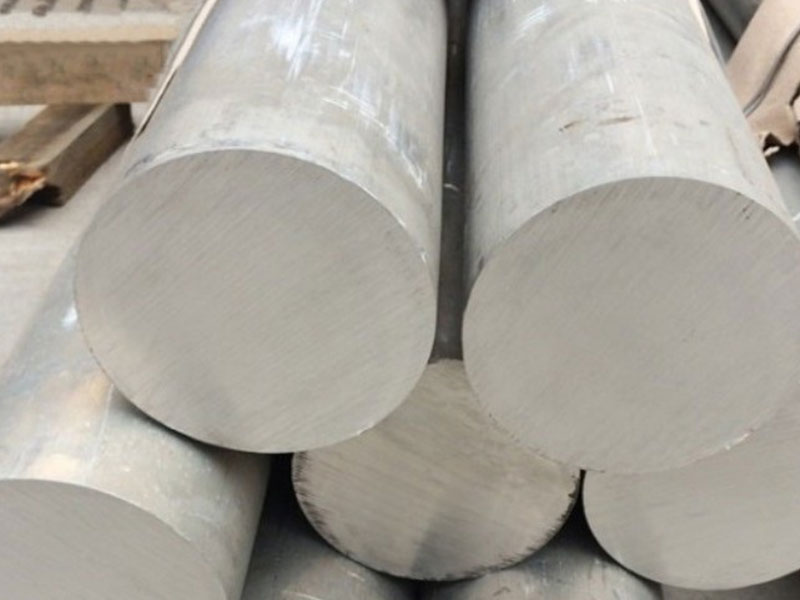
6061 Marine Aluminum Hollow Bars for Custom Boat Parts and Design
6061 marine aluminum hollow bars are an exceptional choice for custom boat parts and designs. Known for their strength, lightweight nature, and resistance to corrosion, these hollow bars are widely utilized in the marine industry.
View Details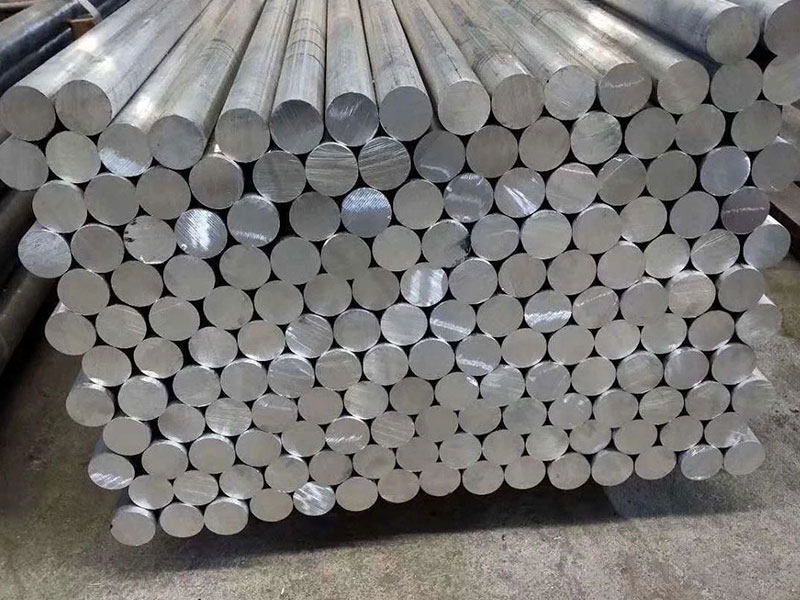
6061 Marine Grade Aluminum Solid Bar for Marine Vessel Frame Parts
The 6061 Marine Grade Aluminum Solid Bar is a premium-quality aluminum alloy widely recognized for its exceptional strength, corrosion resistance, and versatility.
View Details
6061 Marine Aluminum Hollow Bars for Custom Marine Platform Solutions
6061 Marine Aluminum Hollow Bars for Custom Marine Platform Solutions: The "Quiet Engineering" Inside Every Deck, Frame, and WalkwayWhen people picture a marine platform, they usually see the surface: the deck plates, the railings, the tidy weld beads.
View Details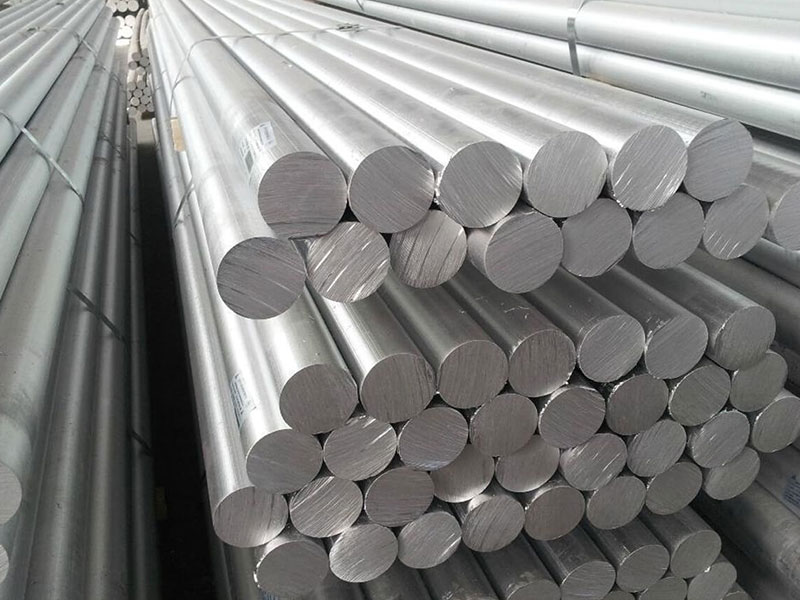
6061 Marine Aluminum Bar for Boat Frame Customization
When it comes to building or customizing boat frames, choosing the right material significantly impacts durability, performance, and maintenance.
View Details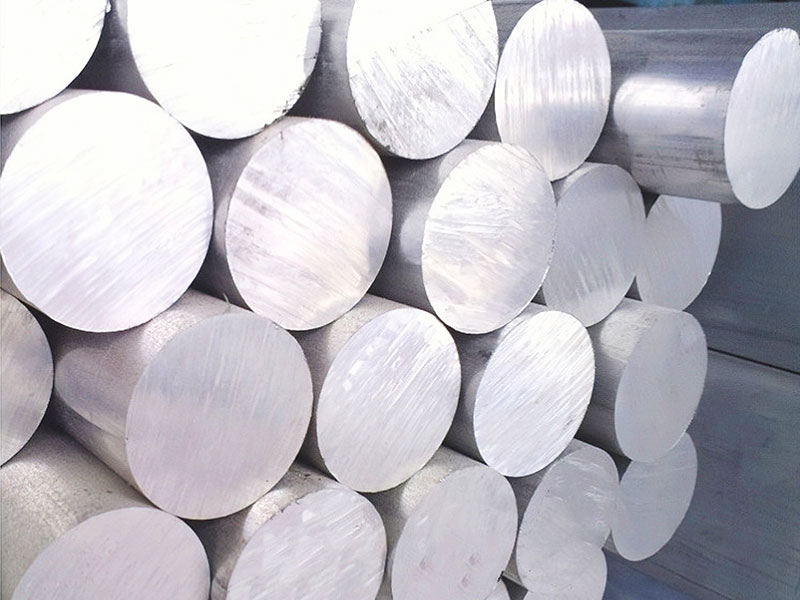
6061 Marine Aluminum Hollow Bars for Custom Boat Hull Parts
6061 Marine Aluminum Hollow Bars are a popular choice in the marine industry, recognized for their excellent mechanical properties and corrosion resistance. This specific alloy provides the ideal balance of strength and lightweight construction.
View Details
Leave a Message