
6063 Marine Aluminum Heat Sink Profile for Offshore Platform Cooling Solutions
6063 Marine aluminum heat sink profile for Offshore Platform Cooling Solutions
Offshore platforms don't "run hot" in the same way a factory does. Heat offshore is rarely a single obvious source; it's a constant accumulation-inside electrical enclosures, VFD cabinets, inverter rooms, telecom modules, LED floodlight housings, battery racks, and control panels-while salty air, spray, and vibration quietly punish every exposed surface. In this setting, a heat sink isn't just a thermal component. It becomes a reliability component. That's where a 6063 Marine aluminum heat sink profile stands out: it offers a rare balance of thermal performance, corrosion manageability, low weight, and extrudable geometry that suits offshore cooling solutions where uptime matters more than headline conductivity figures.
Why 6063 behaves like a "thermal structure" offshore
6063 is often described as an extrusion alloy, but on offshore platforms it is better understood as a structural thermal pathway. Its real value is not only in transferring heat from a device to ambient air, but in doing so through shapes that are practical to manufacture, seal, mount, and protect.
A heat sink profile made from 6063 is typically an extruded section with fins, a thick base plate, and mounting features. The extrusion process enables long, repeatable profiles that can be cut, drilled, CNC-machined, and then surface treated to become a stable part of an enclosure ecosystem. Offshore, that matters because cooling is often constrained by compact cabinet spaces and strict maintenance schedules.
6063 also pairs well with anodizing, which is more than a cosmetic choice at sea. Anodic films can increase surface hardness, improve corrosion resistance, and-when designed correctly-enhance emissivity for radiative heat transfer. Offshore cooling is frequently a mix of convection and radiation; anodized fins can help in stagnant-air conditions inside sealed boxes.
Functions that matter on offshore platforms
A 6063 Marine aluminum heat sink profile supports several roles at once, which is why it appears in so many offshore applications:
Heat dissipation for power electronics
IGBT modules, rectifiers, DC-DC converters, UPS systems, and VFD drives produce persistent thermal loads. Extruded fin profiles maximize surface area while keeping weight low, which is critical when equipment is rack-mounted or installed in elevated modules.
Thermal equalization and hotspot control
Offshore equipment failures often begin with hotspots: one MOSFET corner, one driver board edge, one connector area. A thick-base 6063 profile spreads heat laterally, lowering peak junction temperatures and stabilizing performance.
Corrosion-managed cooling surfaces
Marine atmospheres accelerate galvanic and pitting corrosion, especially where dissimilar metals touch. 6063's corrosion behavior is generally favorable among aluminum alloys, and it accepts protective finishes well, making it easier to control long-term degradation of fin edges and mounting faces.
Lightweight mechanical support
Many offshore designs prefer heat sinks that double as brackets, stiffeners, or enclosure walls. Extruded 6063 profiles can integrate grooves, T-slots, and mounting lands without welding, reducing fabrication steps and potential corrosion points.
Applications: where these profiles quietly do the heavy lifting
On offshore platforms, 6063 aluminum heat sink profiles are commonly implemented in:
Power and control cabinets for drilling and pumping systems
Heat sinks mounted to cabinet walls or inside forced-air channels stabilize electronics under fluctuating load cycles.
LED lighting and floodlight housings
High-power LEDs are sensitive to heat; extruded 6063 profiles allow long fin arrays and consistent thermal paths, often with anodized surfaces for added corrosion control.
Telecom, radar, and instrumentation enclosures
These systems require stable temperatures to maintain signal integrity. Heat sinks can be integrated into sealed IP-rated housings using gasketed interfaces, with the 6063 profile acting as the external radiator.
Battery energy storage and backup systems
Thermal uniformity extends battery life. 6063 profiles are used for passive dissipation or as part of liquid-cooled cold-plate assemblies where the extrusion forms a mechanical shell or finned outer surface.
Alloy tempering choices: selecting performance, machinability, and stability
For heat sink profiles, the most common tempers include:
6063-T5
Cooled from an elevated-temperature shaping process and artificially aged. T5 is often chosen for efficient extrusion throughput and good surface finish, making it suitable for long fin profiles where appearance and dimensional consistency matter.
6063-T6
Solution heat-treated and artificially aged. T6 generally provides higher strength than T5, which helps when the heat sink must also serve as a load-bearing element or when mounting torque and vibration resistance are concerns.
Typical offshore decision logic is simple: if the profile is primarily thermal with light mechanical stress, T5 is frequently sufficient; if the profile must resist deformation, maintain flatness under mounting loads, or survive high vibration, T6 becomes attractive.
Implementation standards and practical offshore expectations
A marine heat sink profile is rarely "just aluminum." It is aluminum made to a standard, verified for chemistry and mechanical properties, and finished for service.
Commonly referenced standards include:
ASTM B221 / B221M for aluminum extruded bars, rods, wire, profiles, and tubes
EN 755 (extruded products) for dimensional tolerances and mechanical property requirements in many international projects
ISO 7599 for anodizing quality guidelines (when anodized)
Project requirements may also call for salt spray testing approaches such as ASTM B117 for comparative finish evaluation, and offshore specifications often reference NORSOK or similar field practices for coating systems and corrosion protection philosophy.
In offshore manufacturing, suppliers typically control:
Dimensional tolerances for fin straightness and pitch consistency
Flatness of the mounting base (critical to thermal interface quality)
Surface finish for anodizing uniformity
Traceability (heat number, batch records, inspection reports)
Parameters customers usually care about (and why)
Instead of focusing only on thermal conductivity, offshore buyers tend to evaluate a profile through measurable, implementation-friendly parameters:
Material: 6063 aluminum alloy, marine-appropriate corrosion behavior
Temper: T5 or T6 depending on strength and stability needs
Profile geometry: fin height, fin thickness, fin spacing, base thickness, overall width
Length: extruded long lengths, cut-to-size for modules
Surface treatment: mill finish, clear anodized, black anodized, or marine coating systems depending on exposure
Thermal interface readiness: base flatness and machinability for smooth contact surfaces
Joining and mounting: drill/tap capacity, compatibility with stainless fasteners and isolation strategies
Chemical composition (typical limits) for Aluminum Alloy 6063
| Element | Composition (wt.%) |
|---|---|
| Silicon (Si) | 0.20–0.60 |
| Iron (Fe) | 0.00–0.35 |
| Copper (Cu) | 0.00–0.10 |
| Manganese (Mn) | 0.00–0.10 |
| Magnesium (Mg) | 0.45–0.90 |
| Chromium (Cr) | 0.00–0.10 |
| Zinc (Zn) | 0.00–0.10 |
| Titanium (Ti) | 0.00–0.10 |
| Others (each) | 0.00–0.05 |
| Others (total) | 0.00–0.15 |
| Aluminum (Al) | Remainder |
These chemistry limits explain why 6063 extrudes so cleanly and anodizes so evenly: balanced Mg and Si form Mg₂Si strengthening phases, while low Cu helps corrosion behavior compared with higher-copper alloys.
The distinctive offshore takeaway: heat sinks as corrosion-aware interfaces
A 6063 Marine aluminum heat sink profile is best viewed as an interface between three worlds: heat generation, marine atmosphere, and maintainable assembly. Offshore cooling solutions succeed when the heat sink is easy to mount flat, easy to protect, and stable in a salty, vibrating environment. 6063, especially in T5/T6 tempers, matches that reality by enabling long extrusions with repeatable fin geometry, reliable surface finishing, and corrosion-manageable chemistry.

Related Products
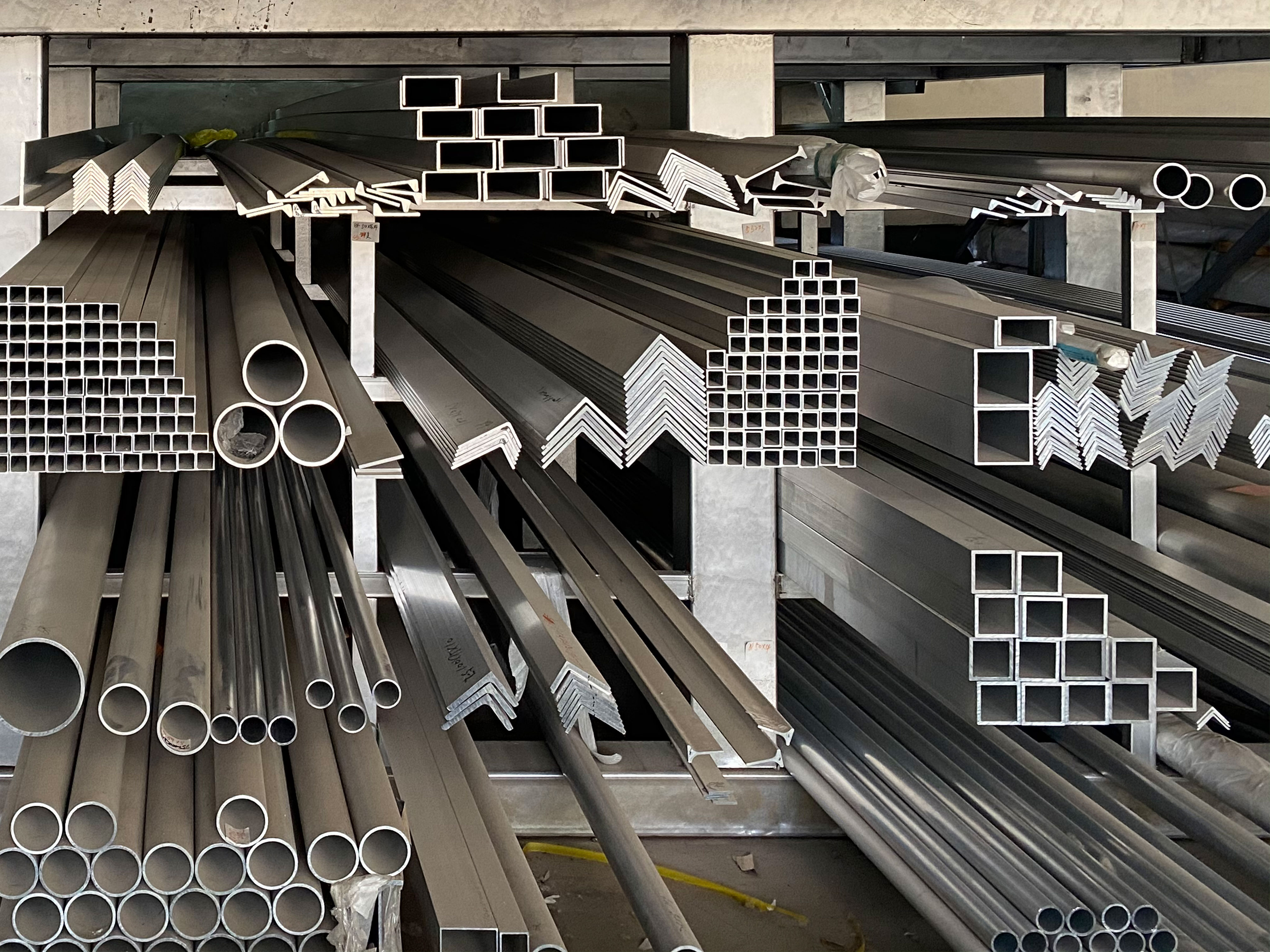
Marine aluminum fencing and railings
Marine Grade Aluminum Fencing and Railings are fabricated using marine-grade aluminum alloys such as 5083, 5052, and 6061, which are engineered specifically for protection against saltwater corrosion and marine atmospheric conditions.
View Details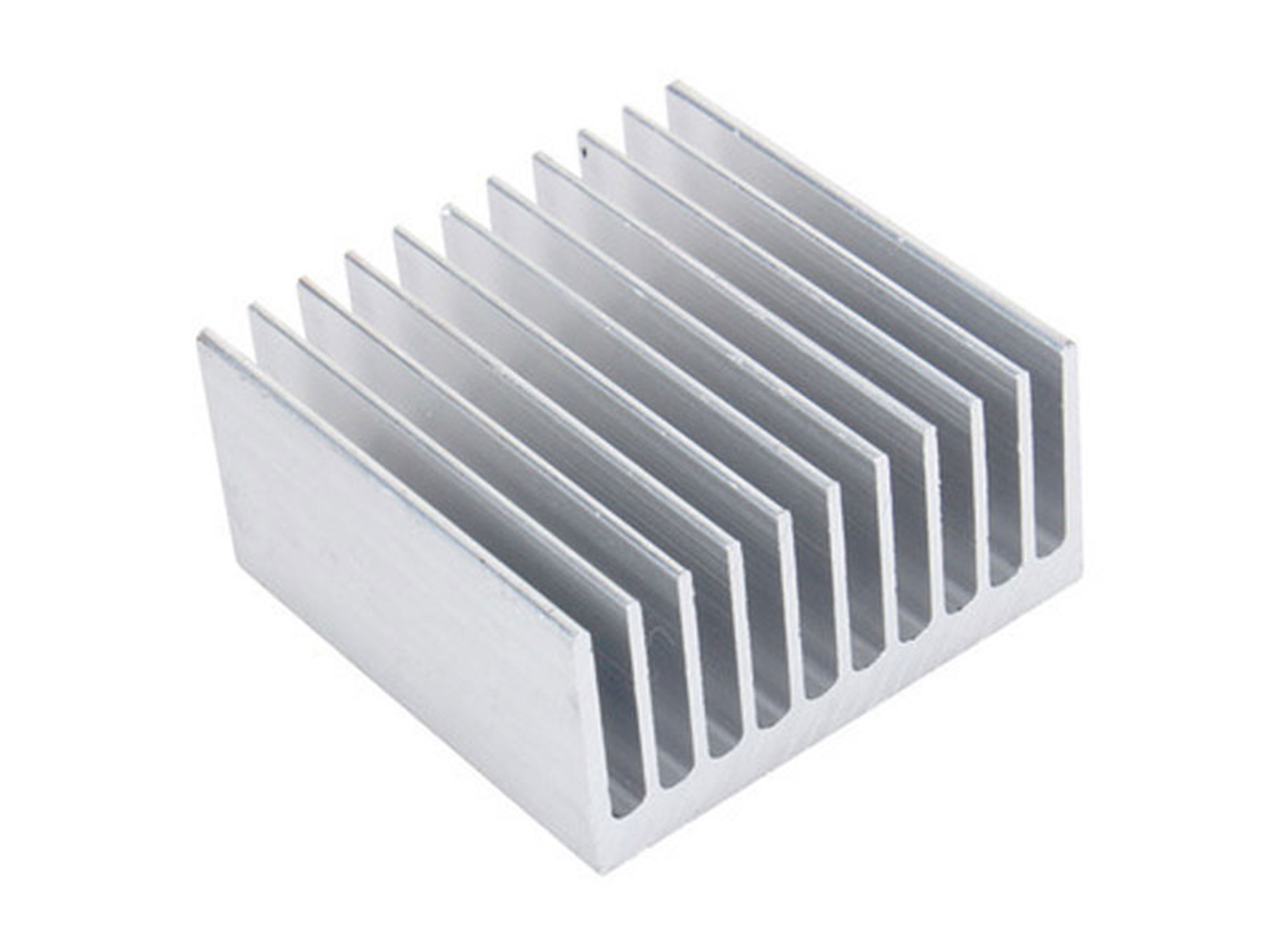
Marine aluminum heat sink profile
Marine Grade Aluminum Heat Sink Profiles utilize alloys such as 6061 and 6063 that not only exhibit high thermal conductivity but also possess excellent corrosion resistance required for saltwater exposure.
View Details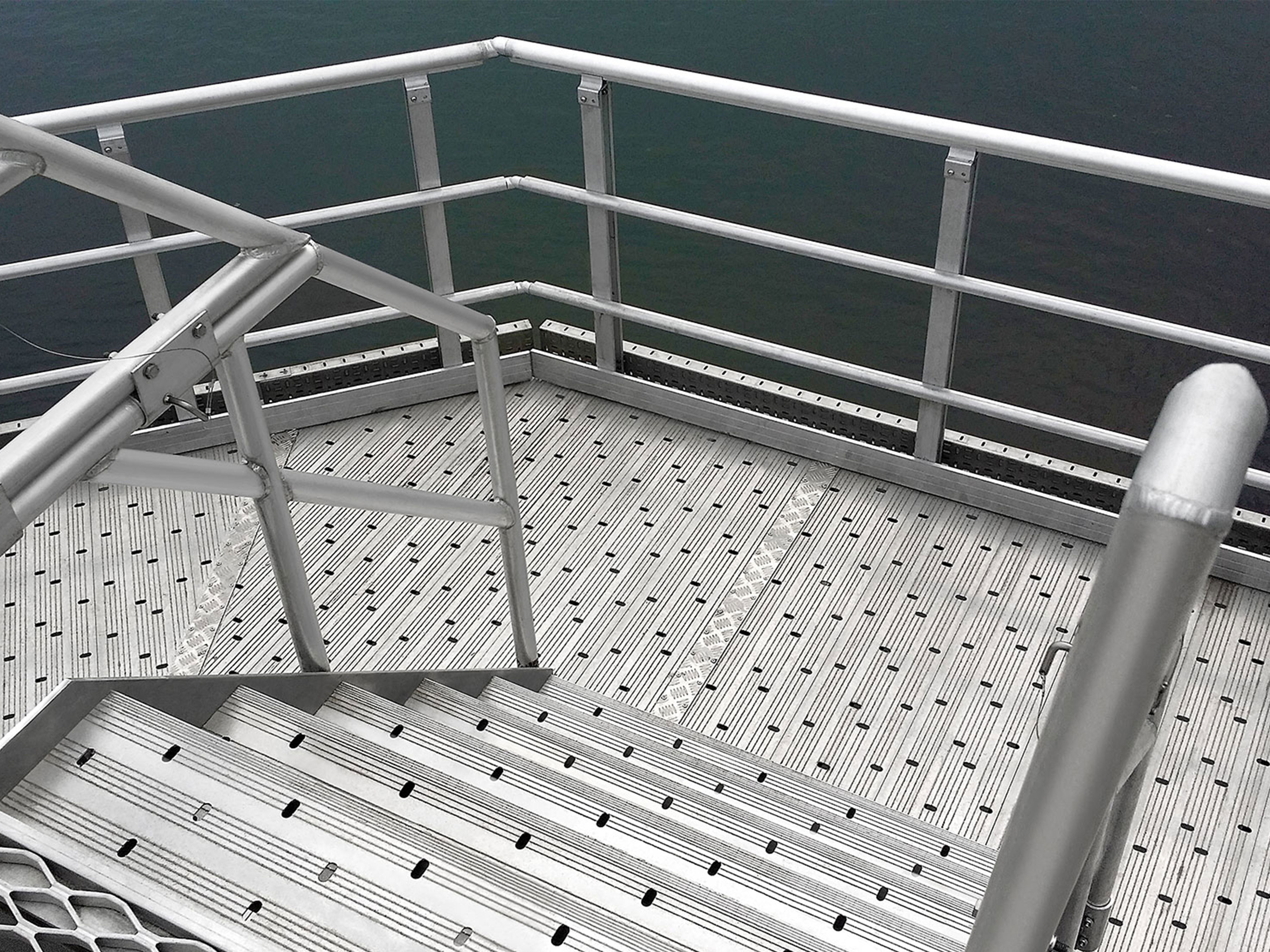
Marine aluminum customized shapes
Marine Grade Aluminum Customized Shapes encompass a broad range of aluminum extrusions and fabrications engineered beyond standard profiles—such as channels, angles, tubes, and beams—into complex, project-specific geometries.
View DetailsRelated Blog
6063 Marine Aluminum Heat Sink Profile for Seawater Resistant Cooling Systems for Boats
When it comes to boats and marine systems, efficient heat dissipation combined with exceptional corrosion resistance is crucial for reliable operations.
View Details
6063 Marine Aluminum Heat Sink Profile for Offshore Platform Cooling Solutions
6063 Marine Aluminum Heat Sink Profile for Offshore Platform Cooling SolutionsOffshore platforms don't "run hot" in the same way a factory does. Heat offshore is rarely a single obvious source; it's a constant accumulation-inside electrical enclosures.
View Details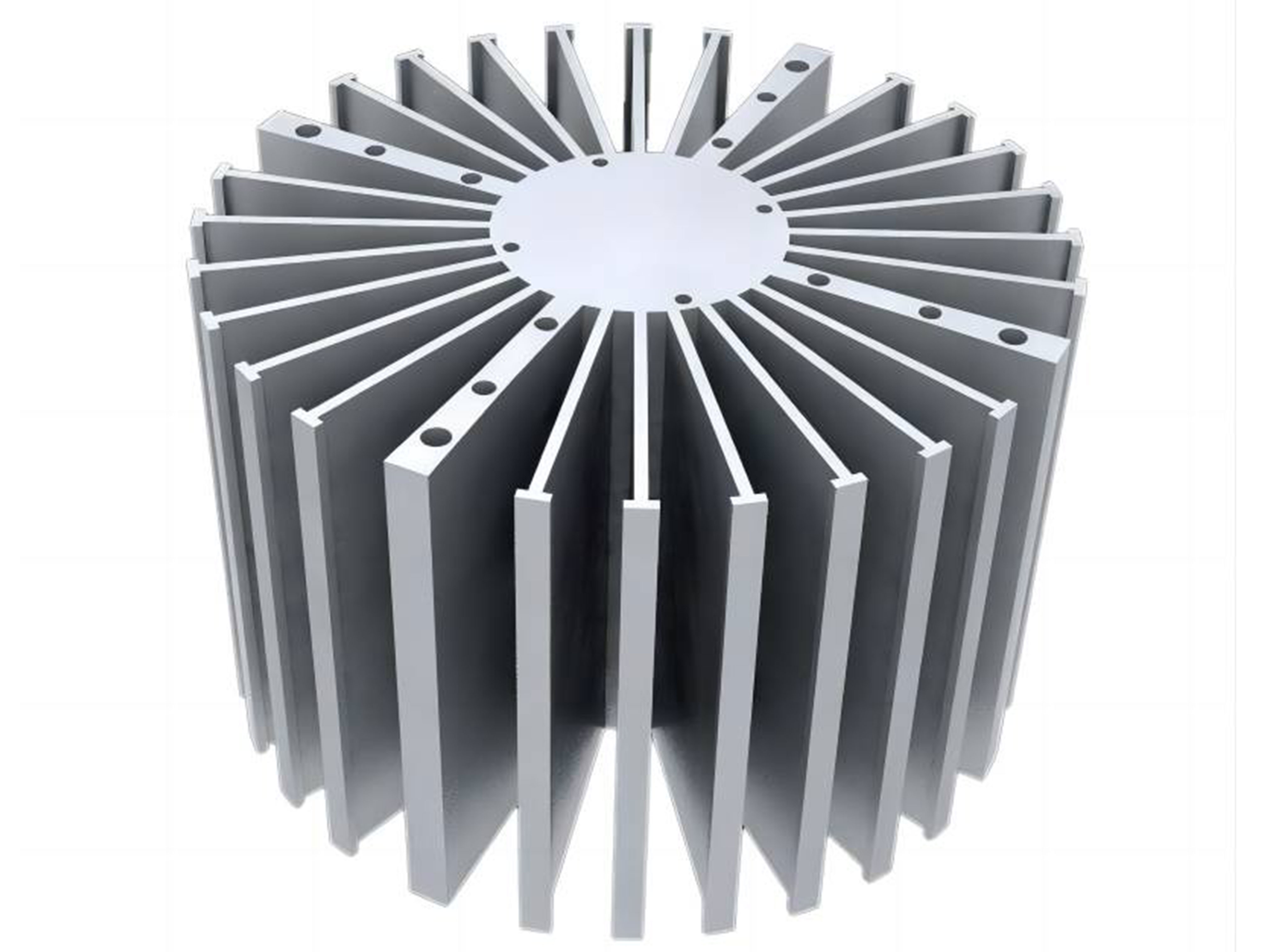
6063 Marine Aluminum Heat Sink Profile for Efficient Cooling of Offshore Equipment
In the marine and offshore industry, equipment reliability and performance hinge on effective thermal management solutions. Heat dissipation is a critical factor influencing the longevity and efficiency of sensitive offshore electronics and machinery.
View Details
6063 Marine Aluminum Heat Sink Profile for Durable Coastal Electronics Cooling
The 6063 marine-grade aluminum heat sink profile has become an essential component in coastal and marine applications, particularly where electronic cooling is paramount for operational reliability and longevity.
View Details
6063 Marine Aluminum Heat Sink Profile for Coastal Platform Electronics
Advantages of 6063 marine aluminum heat sink profiles, engineered to provide superior thermal management and corrosion resistance for coastal platform electronics. Ideal for harsh maritime environments.
View Details
6063 Marine Aluminum Heat Sink Profile for Cooling Coastal Marine Equipment
Coastal and offshore electronics live in a harsh reality: salt-laden air, intermittent spray, high humidity, vibration, and rapid temperature swings. When heat builds up inside control boxes, power supplies, inverters, LED beacons, radar auxiliaries.
View Details
Leave a Message