
6063 Marine Aluminum Heat Sink Profile for Cooling Coastal Marine Equipment
Coastal and offshore electronics live in a harsh reality: salt-laden air, intermittent spray, high humidity, vibration, and rapid temperature swings. When heat builds up inside control boxes, power supplies, inverters, LED beacons, radar auxiliaries, or sensor gateways, performance drops and failure rates rise. A 6063 Marine aluminum heat sink profile is designed to solve this problem with a practical balance of thermal efficiency, corrosion resistance, extrusion freedom, and cost control, making it a reliable choice for cooling coastal marine equipment.
Why 6063 Aluminum for Marine Heat Sink Profiles?
6063 is an Al-Mg-Si alloy widely recognized for its excellent extrudability, stable anodizing response, and strong all-round corrosion resistance. For marine-adjacent applications, it offers a valuable advantage: you can create thin fins, deep channels, and complex convection geometries without sacrificing manufacturability.
performance strengths for coastal service include:
- Efficient heat dissipation through optimized fin designs and high thermal conductivity for an aluminum alloy
- Excellent surface finish after anodizing, supporting protective coatings and consistent appearance
- High resistance to atmospheric corrosion, especially when properly anodized or sealed
- Lightweight and non-magnetic, ideal for equipment enclosures, masts, and instrument housings
- Design flexibility to integrate mounting rails, wire channels, stiffening ribs, and drainage grooves directly into the extrusion
Typical Marine Cooling Challenges This Profile Addresses
| Coastal Stressor | What it Does to Equipment | How a 6063 Heat Sink Profile Helps |
|---|---|---|
| Salt fog and chloride exposure | Accelerates corrosion, pitting, fastener seizure | Anodized 6063 provides a durable barrier layer; profile designs can isolate fasteners and reduce crevice traps |
| High humidity and condensation | Promotes leakage currents and PCB degradation | Better thermal control reduces dew point crossing; profile can act as a thermal spreader to minimize hotspots |
| Solar heating on enclosures | Raises internal temps beyond design limits | High surface area fins increase convective and radiative cooling |
| Vibration and wind load | Loosens mounts, fatigues parts | Extruded ribs and integrated mounting features increase stiffness without heavy brackets |
| Limited airflow in sealed boxes | Traps heat, accelerates capacitor aging | External heat sink profiles enable passive cooling while maintaining enclosure IP rating |
Chemical Composition (6063 Aluminum Alloy)
6063 is an Al-Mg-Si alloy engineered for extrusion. The following ranges reflect common industry specifications for 6063.
| Element | Typical Range (wt.%) | Functional Role |
|---|---|---|
| Silicon (Si) | 0.20–0.60 | Forms Mg₂Si; improves strength and heat-treat response |
| Magnesium (Mg) | 0.45–0.90 | Strengthening with Si; supports good anodizing quality |
| Iron (Fe) | 0.00–0.35 | Kept low to protect surface quality and corrosion behavior |
| Copper (Cu) | 0.00–0.10 | Limited to preserve corrosion resistance |
| Manganese (Mn) | 0.00–0.10 | Minor grain structure control |
| Chromium (Cr) | 0.00–0.10 | Helps control grain and improves corrosion stability |
| Zinc (Zn) | 0.00–0.10 | Restricted for corrosion control |
| Titanium (Ti) | 0.00–0.10 | Grain refiner; improves extrusion consistency |
| Aluminum (Al) | Balance | Base metal |
Mechanical and Physical Properties (Typical)
Properties vary with temper, section thickness, and process control. Heat sink profiles are commonly supplied in T5 or T6 tempers.
| Property | 6063-T5 (Typical) | 6063-T6 (Typical) | Notes for Marine Heat Sinks |
|---|---|---|---|
| Tensile strength | ~160 MPa | ~205 MPa | T6 offers higher margin for mounting loads and vibration |
| Yield strength | ~110 MPa | ~170 MPa | Helps maintain fin straightness and assembly tolerances |
| Elongation | ~8% | ~8% | Supports machining and forming allowances |
| Density | 2.70 g/cm³ | 2.70 g/cm³ | Lightweight vs. copper solutions |
| Thermal conductivity | ~200 W/m·K | ~200 W/m·K | High enough for efficient spreading and fin performance |
| Electrical conductivity | ~50–55 %IACS | ~50–55 %IACS | Useful for grounding strategies when coating is managed |
| Melting range | ~615–655 °C | ~615–655 °C | Relevant for thermal safety margins |
Profile Design Features That Drive Cooling Performance
A marine heat sink profile is not only "aluminum with fins." The best performance comes from geometry designed for real coastal installations.
Fin geometry for passive airflow
Extruded fins maximize surface area while keeping airflow paths open. Wider fin spacing can outperform dense fins in humid, low-wind, or enclosure-limited conditions by reducing boundary-layer stagnation and salt accumulation risk.
Integrated mounting and sealing interfaces
Profiles can include T-slots, bolt lands, gasket grooves, and flat reference faces. This reduces secondary machining, shortens assembly time, and improves sealing alignment-critical for coastal IP-rated boxes.
Thermal spreading base
A thicker base region spreads heat from hot components to the fins. This lowers peak component temperature and improves long-term reliability of power electronics.
Drainage and anti-trap detailing
Small design choices-rounded corners, drain notches, and minimized crevices-help reduce salt deposition and simplify wash-down maintenance.
Surface Finishes for Coastal Durability
The marine environment rewards careful surface protection. 6063 is particularly valued because it anodizes cleanly and uniformly, producing a stable oxide layer.
| Finish Option | Typical Thickness | Benefits in Coastal Use | Practical Notes |
|---|---|---|---|
| Clear anodizing | 10–15 μm | Good corrosion resistance, clean appearance | Suitable for many coastal cabinets and masts |
| Hard anodizing | 25–50 μm | Higher wear resistance and durability | Useful where abrasion or frequent cleaning occurs |
| Black anodizing | 10–20 μm | Enhanced radiative heat dissipation, glare reduction | Color stability depends on sealing quality |
| Chemical conversion (chromate-free) | Thin film | Paint adhesion, mild corrosion protection | Often paired with powder coating |
| Powder coating | 60–120 μm | Strong barrier protection, color customization | Must consider thermal penalty if coating is thick |
| Mechanical finishing (brushed) + anodize | N/A | Premium appearance, consistent texture | Often used for exposed marine lighting products |
Technical Specifications (Typical Supply Capability)
Exact dimensions are customized by extrusion die and thermal design targets. The table below summarizes common supply parameters for heat sink profiles intended for coastal marine equipment.
| Item | Typical Range / Capability | Remarks |
|---|---|---|
| Alloy / temper | 6063-T5, 6063-T6 | T6 for higher strength; T5 for cost and lead-time balance |
| Profile width | 20–300 mm | Larger widths possible with design review |
| Profile height | 10–150 mm | Driven by fin height and mounting envelope |
| Fin thickness | 0.8–2.5 mm | Thinner fins increase area; must maintain extrusion stability |
| Fin spacing | 2.0–10.0 mm | Optimized for airflow, fouling resistance, and cleaning |
| Base thickness | 3–20 mm | Higher base thickness improves heat spreading |
| Standard length | 1–6 m | Cut-to-length available |
| Straightness | Application-dependent | Critical for gasketed assemblies and flat mounting |
| Machining | CNC drilling, milling, tapping | For mounting holes, pockets, and connector clearances |
| Packaging | Protective film + seaworthy packing | Reduces handling damage and finish abrasion |
Where This Heat Sink Profile Is Used in Coastal Marine Equipment
6063 marine heat sink profiles are selected when passive, reliable cooling is required without adding fans that can ingest salt mist or fail in vibration.
| Application Area | Typical Equipment | What the Heat Sink Profile Provides |
|---|---|---|
| Coastal power control | Shore power converters, battery chargers, DC distribution | Lower component temperature, higher efficiency, longer capacitor life |
| Navigation and signaling | LED marine beacons, buoy lighting controllers | Stable thermal platform for LED longevity and color consistency |
| Monitoring and comms | AIS auxiliary units, IoT gateways, camera housings | Passive cooling in sealed IP enclosures |
| Marine renewable systems | Small wind/solar controllers near shore | Heat dissipation under high ambient and direct sun load |
| Dock and port automation | Actuator drives, control cabinets, PLC enclosures | Rugged cooling surfaces with easy mounting integration |
| Offshore sensor nodes | Weather stations, corrosion monitoring instruments | Lightweight thermal management for pole- and mast-mounted devices |
Selection Notes for Buyers
When choosing a 6063 heat sink profile for coastal environments, focus on a few practical decision points:
- Finish quality matters as much as alloy choice: specify anodizing thickness and sealing expectations for salt exposure.
- Match fin spacing to real airflow: dense fins can underperform in still air or inside wind shields.
- Avoid crevices and mixed-metal traps: design for drainage and consider insulation/isolators when stainless fasteners are used.
- Plan machining and flatness: mounting surface flatness improves thermal interface performance and reduces gasket stress.
A 6063 Marine aluminum heat sink profile is a versatile, extrusion-friendly thermal solution engineered for cooling coastal marine equipment. It combines high heat dissipation potential, excellent anodizing behavior, and robust corrosion resistance-especially when paired with marine-appropriate surface finishing and geometry that avoids salt traps. From port automation to shoreline renewable controllers and navigation lighting, this profile offers a clean, lightweight, and dependable path to longer equipment life and steadier performance.

Related Products
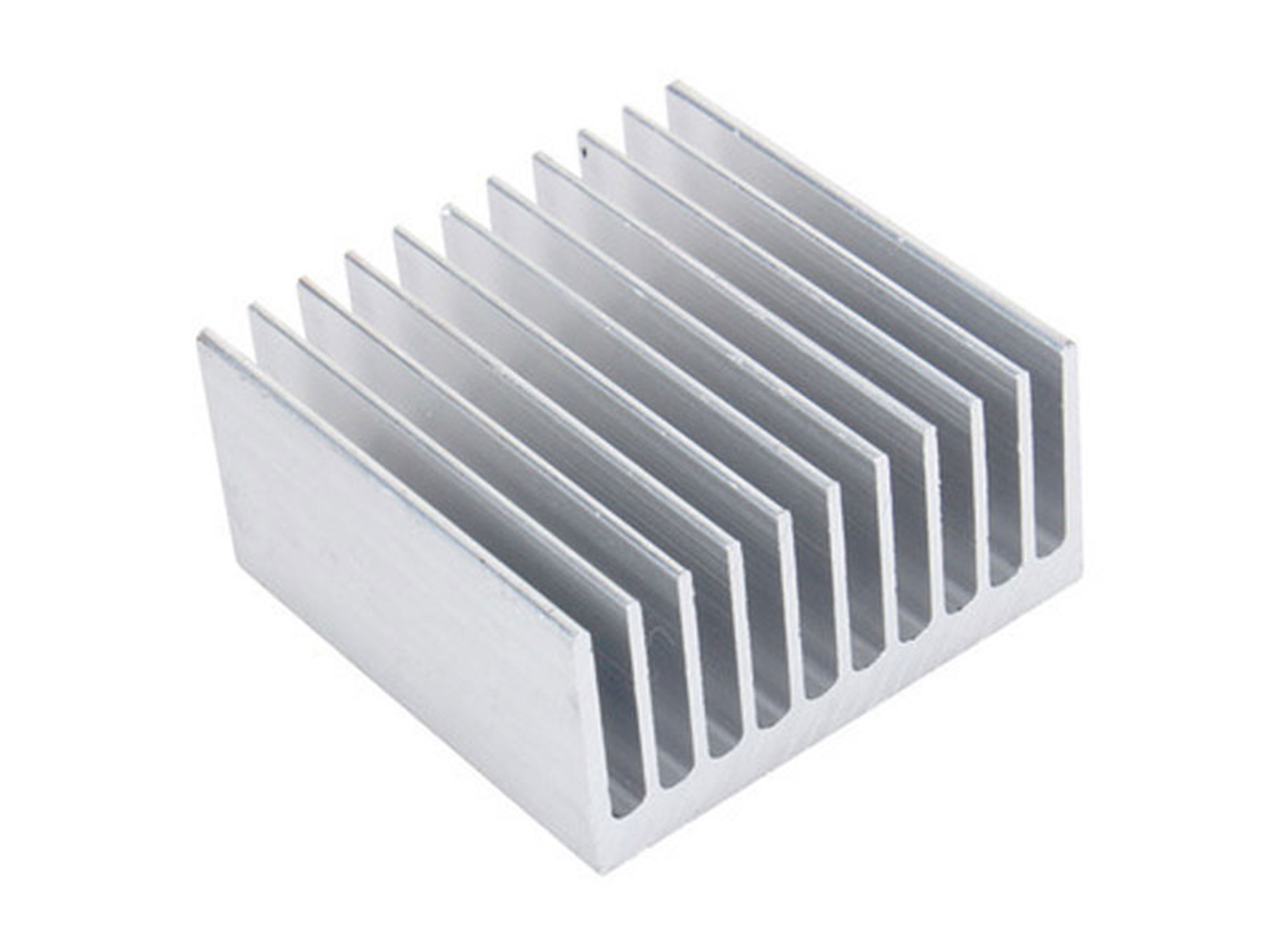
Marine aluminum heat sink profile
Marine Grade Aluminum Heat Sink Profiles utilize alloys such as 6061 and 6063 that not only exhibit high thermal conductivity but also possess excellent corrosion resistance required for saltwater exposure.
View Details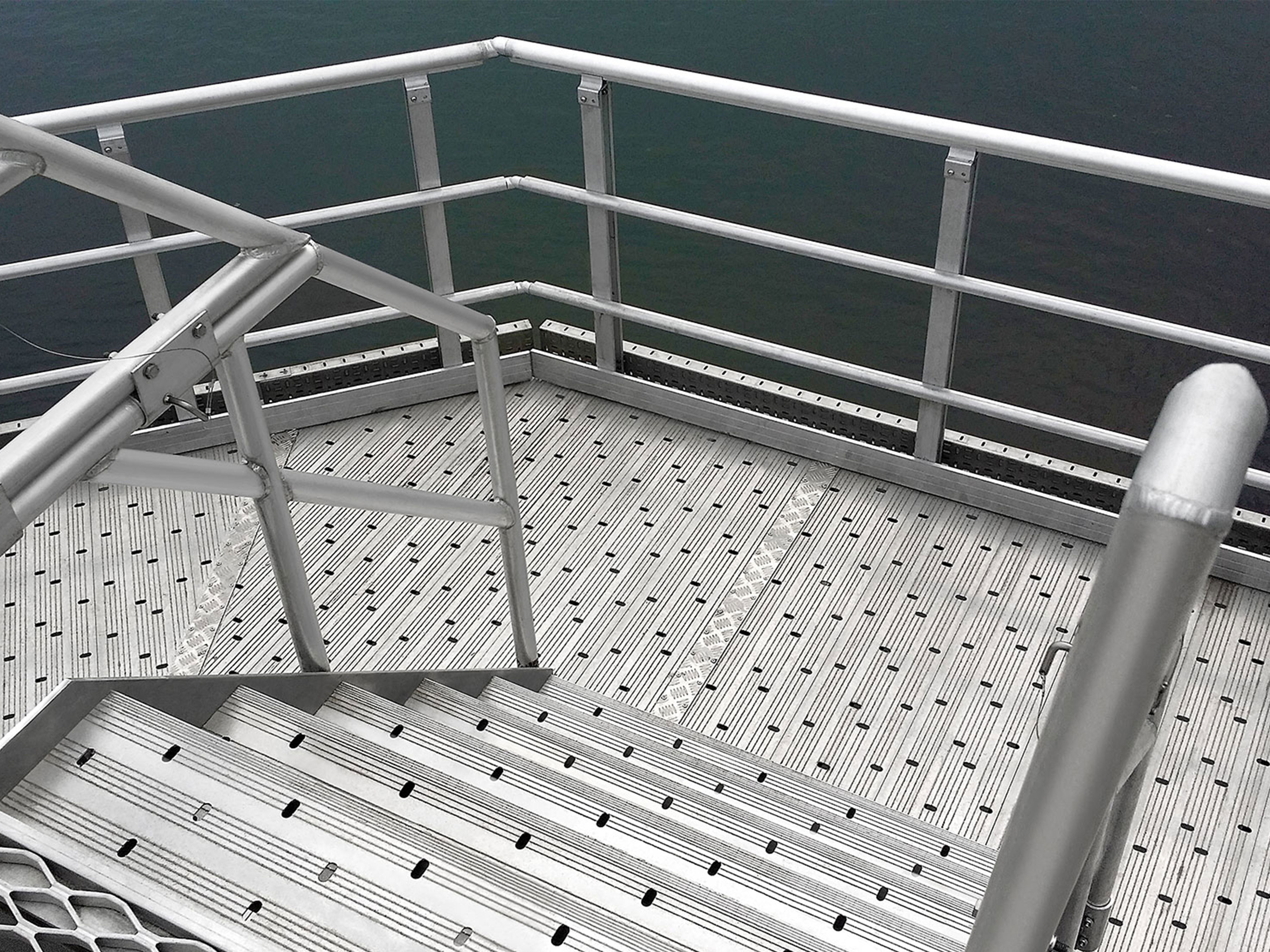
Marine aluminum customized shapes
Marine Grade Aluminum Customized Shapes encompass a broad range of aluminum extrusions and fabrications engineered beyond standard profiles—such as channels, angles, tubes, and beams—into complex, project-specific geometries.
View Details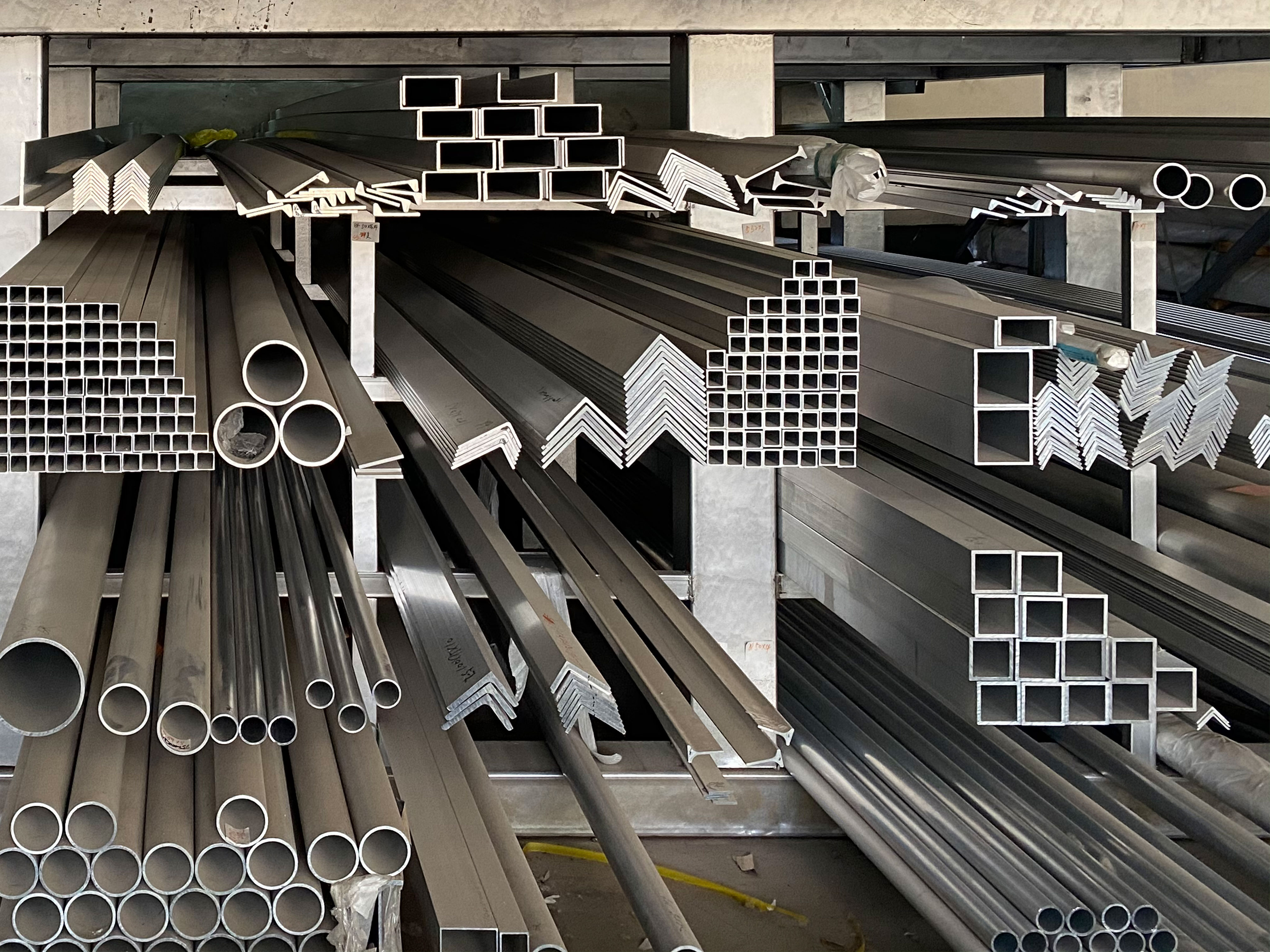
Marine aluminum fencing and railings
Marine Grade Aluminum Fencing and Railings are fabricated using marine-grade aluminum alloys such as 5083, 5052, and 6061, which are engineered specifically for protection against saltwater corrosion and marine atmospheric conditions.
View DetailsRelated Blog
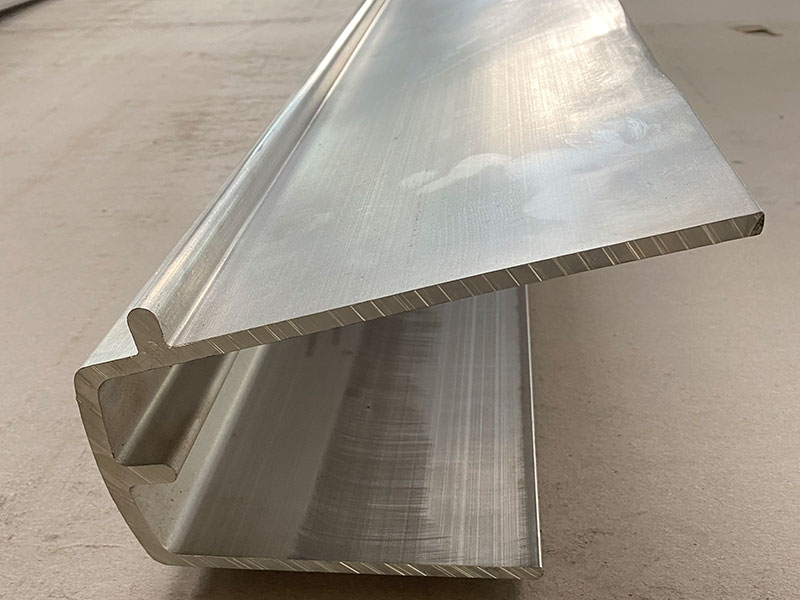
6063 Marine Aluminum Heat Sink Profile for Seawater Resistant Cooling Systems for Boats
When it comes to boats and marine systems, efficient heat dissipation combined with exceptional corrosion resistance is crucial for reliable operations.
View Details
6063 Marine Aluminum Heat Sink Profile for Offshore Platform Cooling Solutions
6063 Marine Aluminum Heat Sink Profile for Offshore Platform Cooling SolutionsOffshore platforms don't "run hot" in the same way a factory does. Heat offshore is rarely a single obvious source; it's a constant accumulation-inside electrical enclosures.
View Details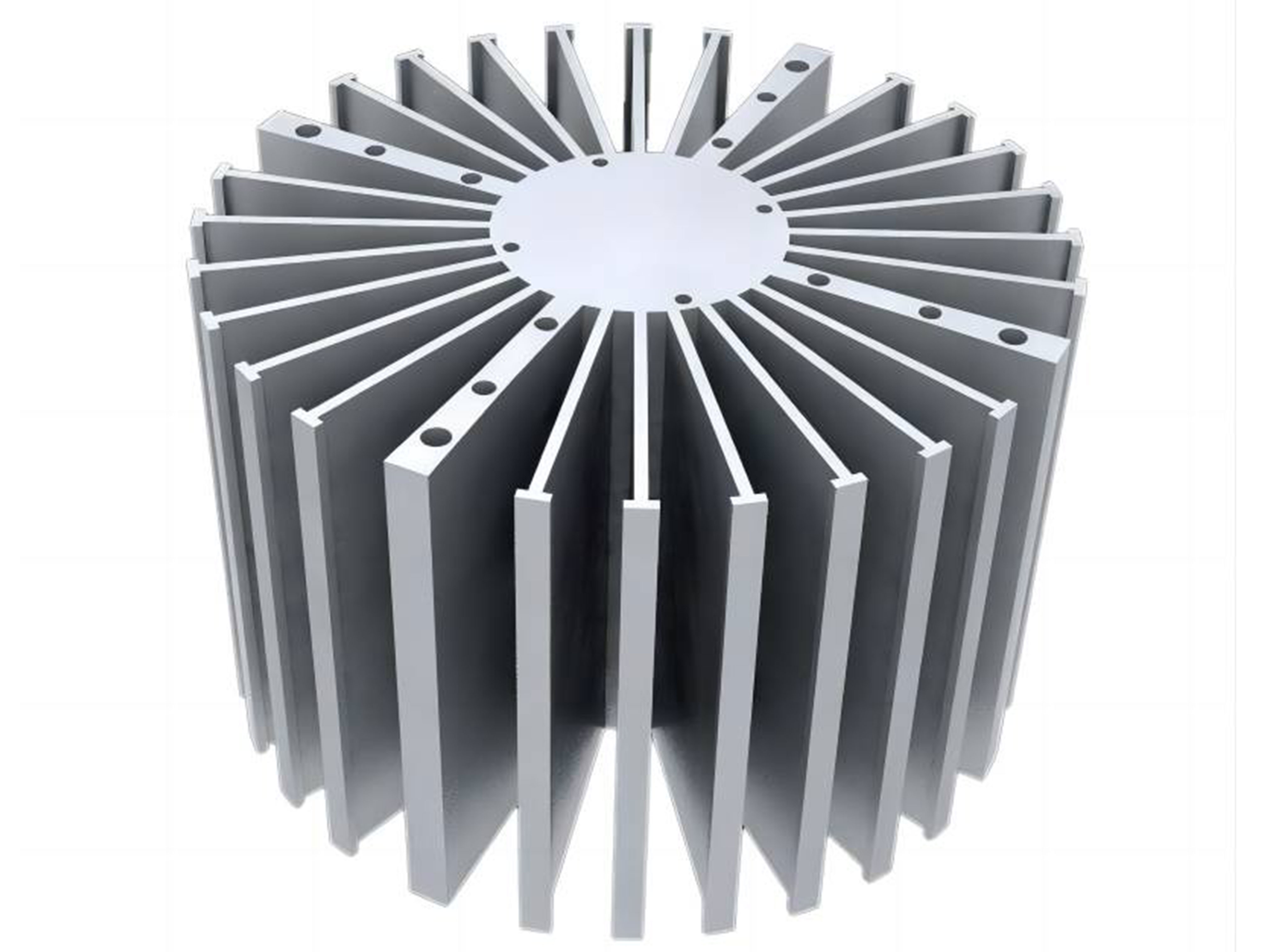
6063 Marine Aluminum Heat Sink Profile for Efficient Thermal Management of Boat Engines
Boat engines live in a thermal paradox: they're surrounded by water, yet they fight heat every second they run. The real enemy isn't just high temperature-it's uneven temperature.
View Details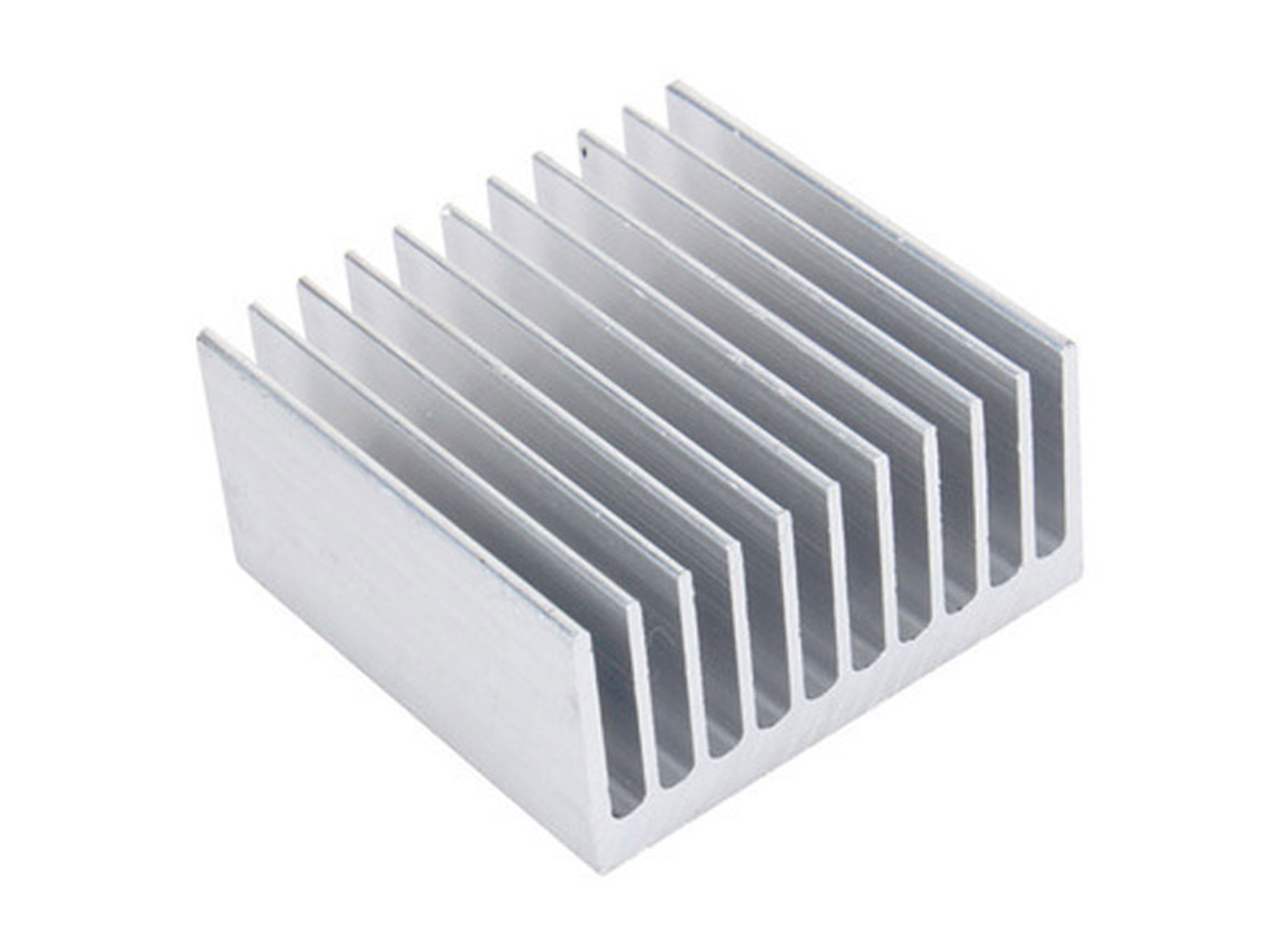
6063 Marine Aluminum Heat Sink Profile for Cooling High Performance Offshore Equipment
6063 Marine Aluminum Heat Sink Profile for Cooling High Performance Offshore EquipmentOffshore equipment rarely fails because it is "underpowered." It fails because heat, salt, vibration.
View Details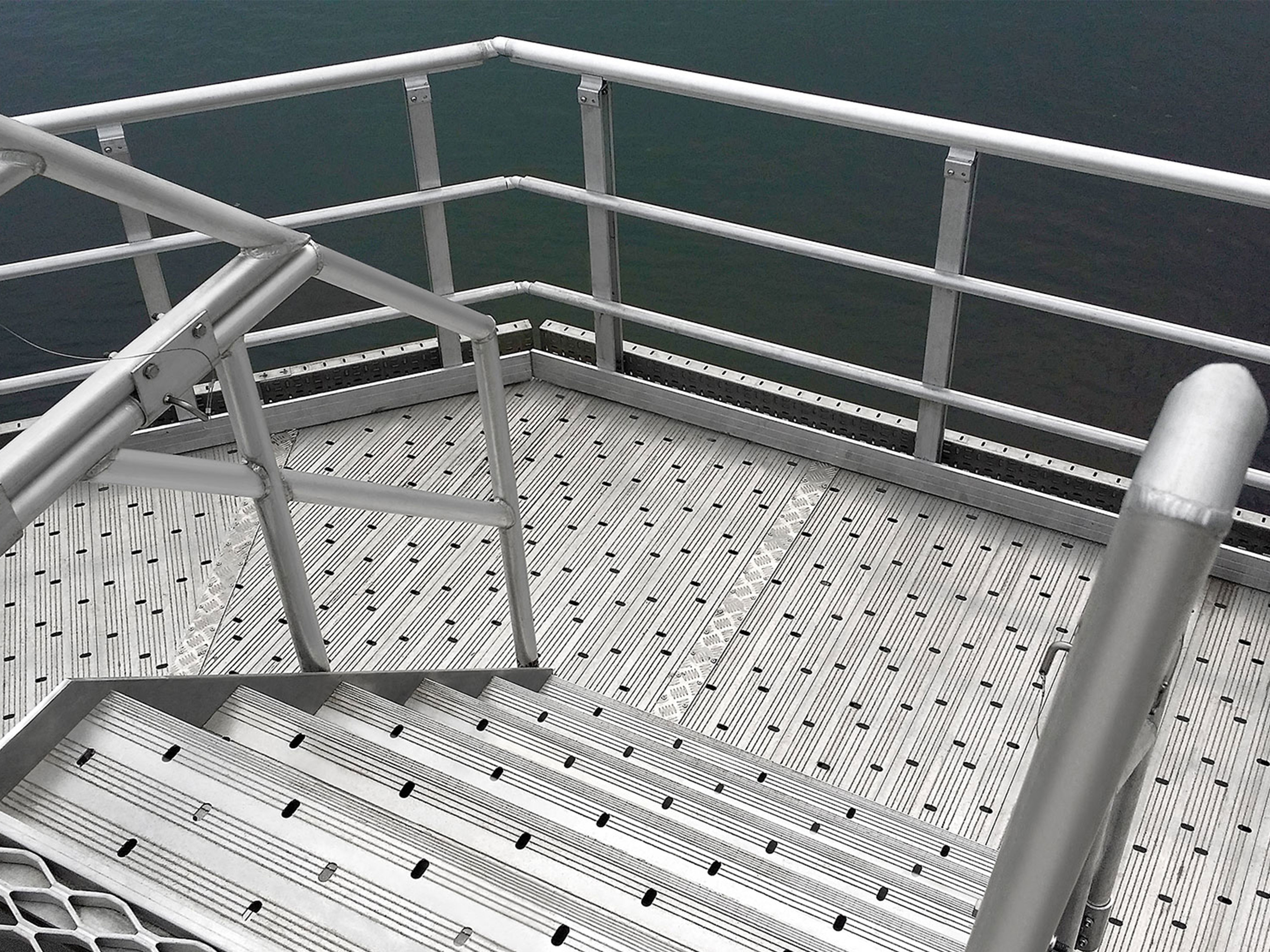
Marine Aluminum Fencing and Railings for Durable Boat Deck Guardrails
OverviewMarine aluminum fencing and railings are purpose-designed alloy systems used for guardrails, handrails, stanchions, and safety barriers on boats, docks, marinas, and waterfront properties.
View Details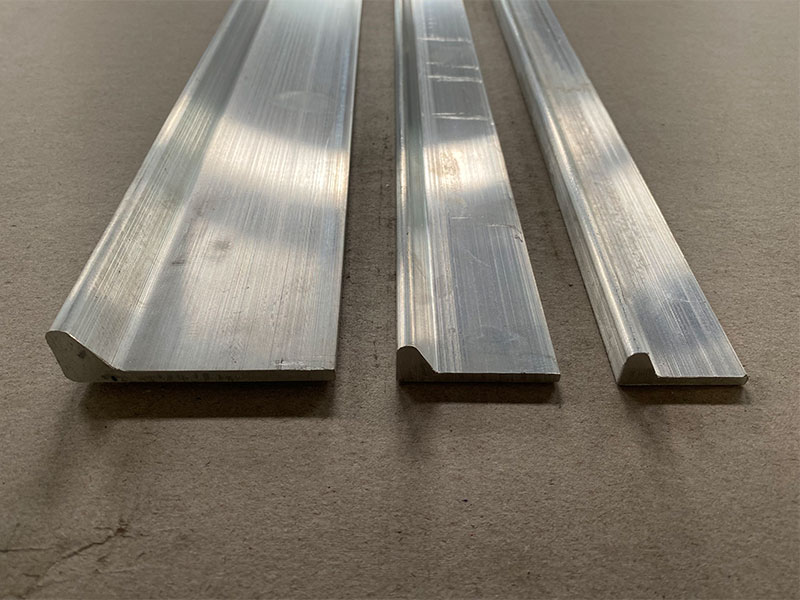
6063 Marine Aluminum Heat Sink Profile for Coastal Platform Electronics
Advantages of 6063 marine aluminum heat sink profiles, engineered to provide superior thermal management and corrosion resistance for coastal platform electronics. Ideal for harsh maritime environments.
View Details
Leave a Message