
5083 h116 h321 5mm 10mm marine grade aluminum sheet plate for boat
Why 5083 Is a "Hull Alloy," Not Just an Aluminum Grade
AA 5083 is an Al-Mg-Mn alloy designed to hold strength in the environments that punish most metals. Its defining advantage for boats is that it achieves high strength primarily through solid-solution strengthening from magnesium, not by heat-treating. That matters because marine hull fabrication is weld-heavy, and heat-treatable alloys often lose strength around welds unless post-treated. 5083, by contrast, is commonly specified precisely because it maintains a robust balance of properties in welded, seawater-exposed structures when processed correctly.
In real-world terms, 5083 plate is selected to handle:
- Saltwater corrosion and pitting resistance typical of coastal and offshore service
- Cyclic loading and impact from planing, pounding, docking, and trailering
- Weldability for long seam welds in hulls, decks, bulkheads, and superstructures
- Dimensional stability needed to keep panels fair during fabrication
H116 vs H321: The Temper Is the "Marine Insurance Policy"
When buyers search "5083 H116 H321 5mm 10mm marine grade aluminum sheet plate for boat," they're often looking for reassurance that the material will resist exfoliation corrosion and retain dependable strength after forming and welding.
Both H116 and H321 are marine-oriented strain-hardened tempers commonly used for 5083 plate. They're not arbitrary labels; they reflect different processing routes and verification requirements that aim to protect the end-use in seawater.
5083-H116 in marine service
H116 is typically used where strong corrosion performance and consistent properties are required in plate products intended for marine exposure. It is widely recognized in marine standards because it is associated with additional controls compared with generic "H" tempers-especially around corrosion performance.
5083-H321 in marine service
H321 is also a marine temper for strain-hardened products. It generally indicates the alloy was strain-hardened and then stabilized to help reduce susceptibility to certain forms of corrosion and to improve property consistency over time, particularly after fabrication processes that may introduce heat.
In practice for boatbuilding, both H116 and H321 are chosen because they are qualified for marine environments under common marine supply standards, helping designers and yards meet classification or project requirements without overengineering.
Why Thickness Matters: 5mm and 10mm Are Not Interchangeable Choices
Marine aluminum plate thickness isn't only about "stronger vs lighter." 5mm and 10mm frequently map to very different structural roles on a boat, and that changes what you care about.
5mm 5083 H116/H321 is commonly used where forming, panel fairness, and weight efficiency dominate-think topsides, decks, cabin structures, interior structural panels, consoles, tanks, and certain small craft hull sections depending on design.
10mm 5083 H116/H321 steps into higher-load territory where stiffness and dent resistance matter more-keels or keel bars in aluminum designs, bottom plating on workboats, landing craft zones, highly loaded bulkheads, engine beds, and reinforcement areas near tow points or impact-prone regions.
From a fabrication viewpoint, thicker plate also changes welding strategy, heat input control, and distortion management-so the right temper and standard compliance become even more relevant as thickness increases.
Typical Standards and Compliance Used for Marine 5083 Plate
Boat projects usually need material that aligns with recognized standards for composition, properties, and quality assurance. Depending on the market and contract language, 5083 H116/H321 plate is commonly supplied to one or more of the following frameworks:
- ASTM B928/B928M for high-magnesium aluminum-alloy sheet and plate for marine service and similar environments
- ASTM B209 for aluminum and aluminum-alloy sheet and plate (more general, often referenced alongside marine-specific requirements)
- EN 485 series for aluminum wrought products, mechanical properties and tolerances (often specified in EU-linked supply chains)
- Classification society requirements when applicable, such as ABS, DNV, Lloyd's Register, BV, or RINA, depending on the vessel class and inspection pathway
Marine buyers often prefer ASTM B928 when available because it's specifically written around the reality of marine corrosion risks in high-Mg alloys, and it places emphasis on suitability for harsh environments.
Core Parameters Boatbuilders Actually Check When Buying
In procurement, "5083 H116/H321, 5mm/10mm" is the headline. In the yard, the real acceptance criteria usually include a practical cluster of parameters that influence build quality and compliance.
Typical order parameters include:
- Alloy designation: AA 5083
- Temper: H116 or H321
- Thickness: 5mm, 10mm (other sizes available by request)
- Product form: sheet / plate
- Standard: ASTM B928/B209, EN 485, or project-specific marine specs
- Surface condition: mill finish, protective film options, acceptable scratch limits
- Dimensional tolerances: thickness tolerance, flatness, squareness
- Inspection documentation: mill test certificate, heat number traceability, optional third-party inspection
When plate is intended for welding, many builders also request controls around lamination, edge quality, and flatness, because these affect weld fit-up, distortion, and downstream rework.
Chemical Composition: What Makes 5083 "5083"
5083's marine reputation comes largely from its magnesium-driven strength and corrosion behavior, supported by manganese and chromium for structural stability. The table below reflects commonly referenced composition limits for AA 5083; exact limits can vary slightly by standard and product form, so certificates should be checked against the specified standard.
AA 5083 Typical Chemical Composition (wt.%)
| Element | Content (wt.%) |
|---|---|
| Magnesium, Mg | 4.0 – 4.9 |
| Manganese, Mn | 0.4 – 1.0 |
| Chromium, Cr | 0.05 – 0.25 |
| Iron, Fe | ≤ 0.40 |
| Silicon, Si | ≤ 0.40 |
| Copper, Cu | ≤ 0.10 |
| Zinc, Zn | ≤ 0.25 |
| Titanium, Ti | ≤ 0.15 |
| Others (each) | ≤ 0.05 |
| Others (total) | ≤ 0.15 |
| Aluminum, Al | Balance |
A useful way to interpret this for marine use is: Mg provides strength and marine durability, while tight Cu limits help corrosion resistance. Keeping impurity elements controlled supports predictable corrosion behavior and weld performance.
Mechanical Property Expectations: What You Should Expect from 5mm vs 10mm
Mechanical properties depend on thickness, temper, and applicable standard. In marine purchasing, values are typically verified via test results documented on the MTC. For 5083 in H116/H321, buyers generally expect a combination of solid yield strength for structural integrity and good elongation for forming and impact tolerance.
Rather than treating "strength" as a single number, boatbuilders often consider:
- Yield strength for panel design and buckling resistance
- Tensile strength for ultimate load capacity
- Elongation as a proxy for toughness, forming margin, and resistance to cracking in service
- Consistency through thickness for thicker plate, where processing control matters more
If you're designing or quoting a boat project, it's best to lock the expected minimums to the chosen standard and thickness range to avoid mismatched assumptions.
Corrosion and Exfoliation: The Quiet Threat H116/H321 Are Meant to Reduce
General corrosion is visible; exfoliation corrosion can be subtle until it isn't. For high-Mg aluminum alloys, the wrong combination of processing and environment can create sensitivity at grain boundaries that may lead to layer-like corrosion under certain conditions.
This is where marine tempers and marine-specific standards become more than paperwork. They connect the alloy's processing history to performance in the field, especially in:
- splash zones
- bilges with trapped moisture and contaminants
- crevice areas around fittings and lap joints
- zones with dissimilar metal contact if isolation practices are poor
Even the best plate still benefits from correct boatbuilding practices such as avoiding stagnant seawater traps, using proper isolation washers or sealants with stainless hardware, and selecting compatible welding consumables.
5083 is widely used in welded hulls because it offers a forgiving combination of strength and crack resistance when welded correctly. points from a production viewpoint include:
- Strong weldability with appropriate filler selection common in marine fabrication
- Good response to typical hull welding processes when heat input is controlled
- Practical balance of strength and ductility for welded assemblies under shock loading
Since any welded joint is a system, results also depend on joint design, cleanliness, fit-up, and post-weld corrosion protection strategy. A good plate helps, but a controlled welding procedure makes it boat-grade in the final structure.
A Distinctive Way to Choose Between 5mm and 10mm: "Fairness vs Armor"
If you want a memorable rule of thumb that still respects engineering reality, think like this:
- 5mm is often chosen when you're sculpting the boat-maintaining fairness, controlling weight, and supporting efficient structure.
- 10mm is often chosen when you're armoring the boat-prioritizing stiffness, impact resistance, and load-bearing confidence in harsh service zones.
Both can be "marine grade." The right one is the thickness that matches the boat's load paths and the builder's welding and distortion-control plan.
What to Ask Your Supplier for Marine 5083 H116/H321 Plate
For a boat project, quality is as much about traceability and conformity as it is about alloy name. Good purchase clarity usually includes:
- Standard to be supplied: ASTM B928/B928M (or required equivalent)
- Temper confirmation: H116 or H321 exactly as specified
- Thickness and tolerances: especially for 5mm and 10mm where flatness affects build time
- Mill Test Certificate with heat number traceability
- Surface and edge requirements aligned to your cutting and welding workflow

Related Products
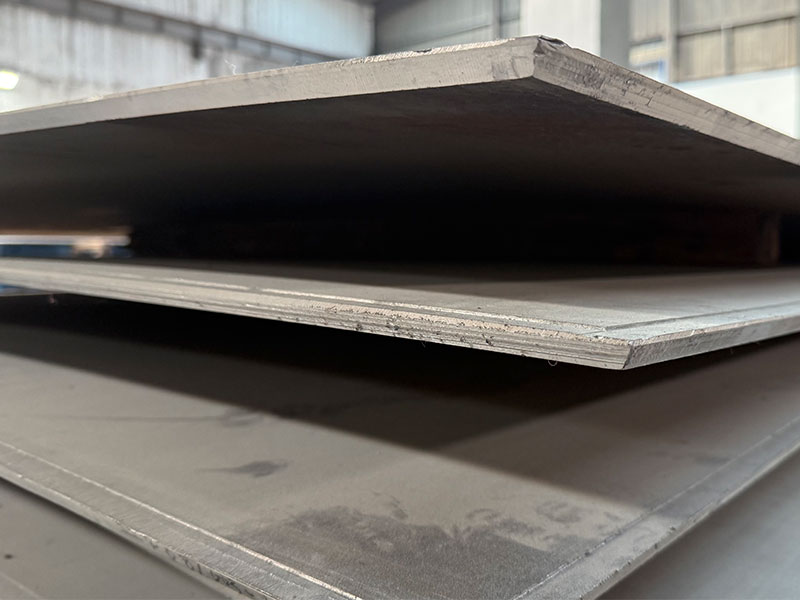
Marine aluminum steel clad plate
Aluminum / Steel Clad Plates consist of a sandwich construction in which a layer of marine-grade aluminum alloy is metallurgically bonded to a steel substrate.
View Details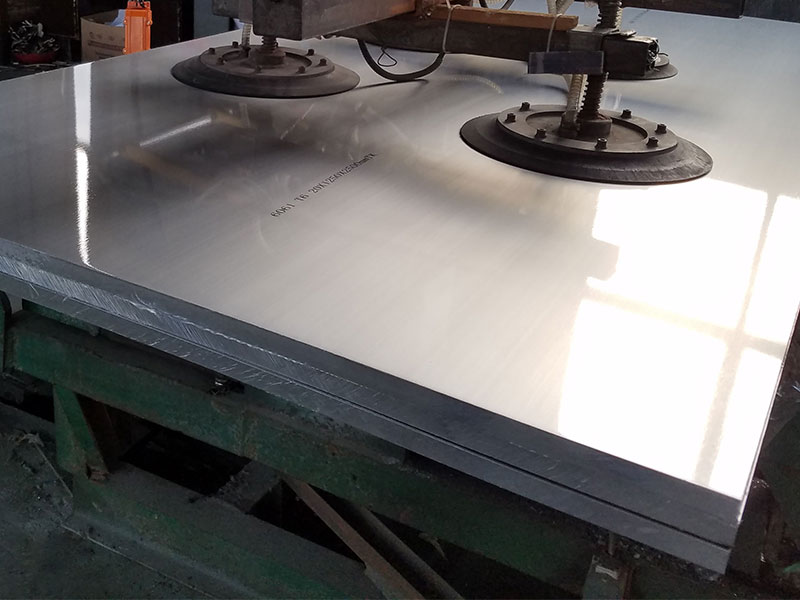
Marine heavy duty aluminum plate
Marine Heavy Duty Aluminum Plates Sheets generally refer to thick aluminum alloy plates and heavy gauge sheets produced from marine-grade alloys such as 5083, 5086, 5059, and 5383.
View Details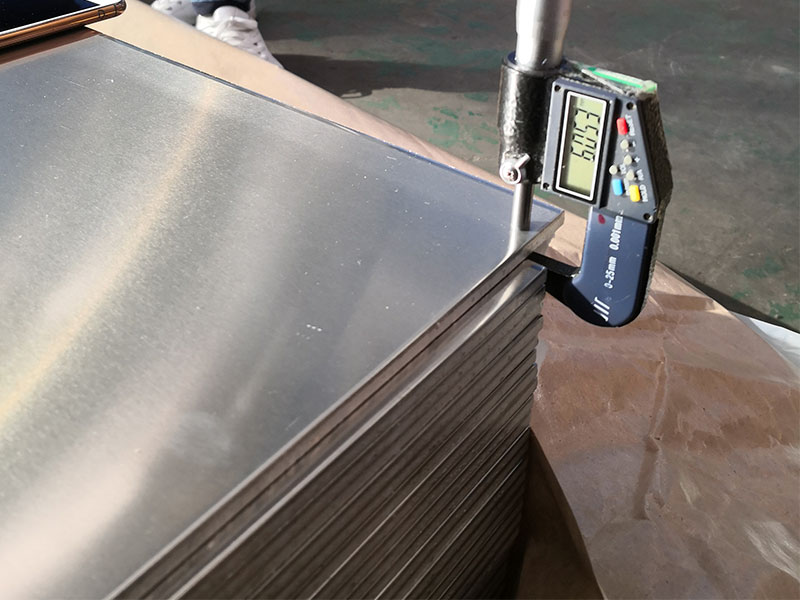
Marine 5383 aluminum plate
The 5383 aluminum alloy belongs to the 5xxx series of aluminum-magnesium alloys known for remarkable resistance to marine corrosion and high strength.
View Details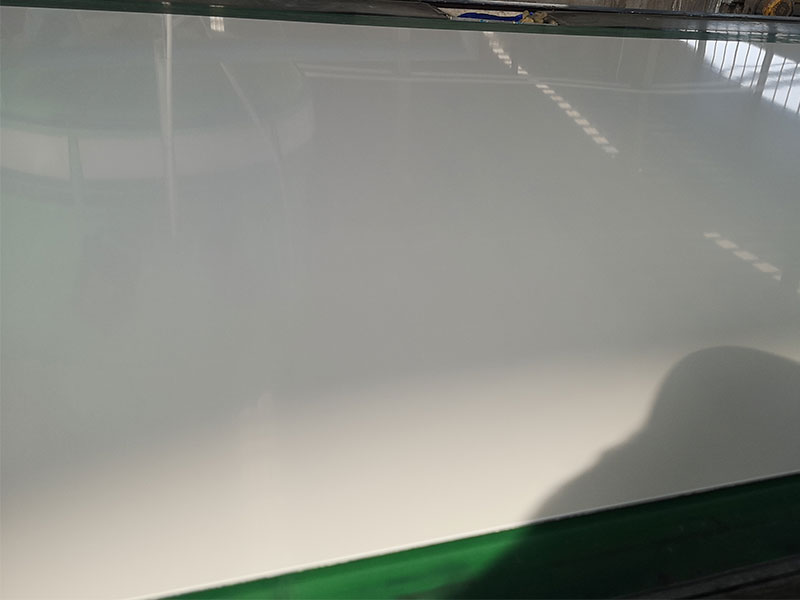
Marine 5086 aluminum plate
5086 Aluminum Plate belongs to the 5xxx series of aluminum-magnesium alloys. Its hallmark is a high magnesium content—generally between 4.0% and 4.9%—which delivers enhanced corrosion resistance, particularly against saltwater and marine atmospheric conditions.
View Details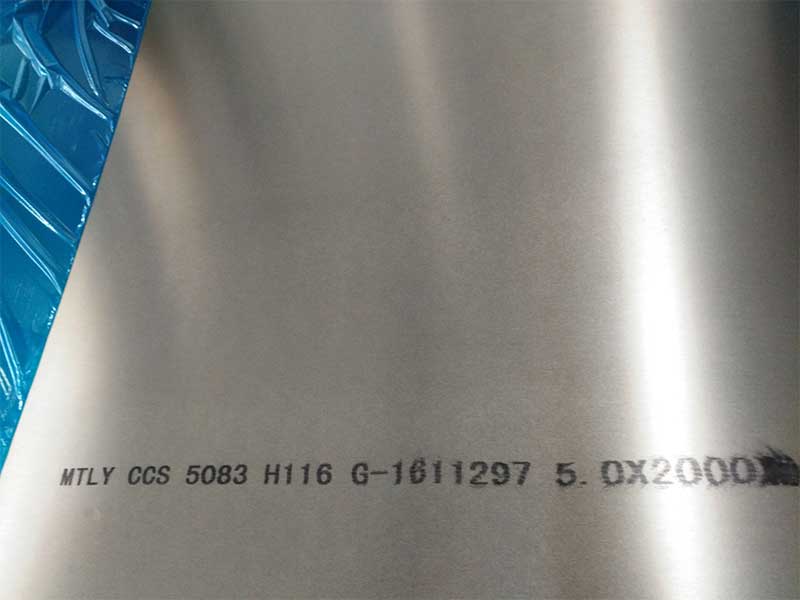
Marine 5083 aluminum plate
Marine 5083 Aluminum Plate belongs to the 5xxx series of aluminum-magnesium alloys and is classified as a non-heat-treatable alloy. Its high magnesium content (typically 4.0–4.9%) enhances its corrosion resistance, especially against seawater-related degradation such as pitting and stress corrosion cracking.
View Details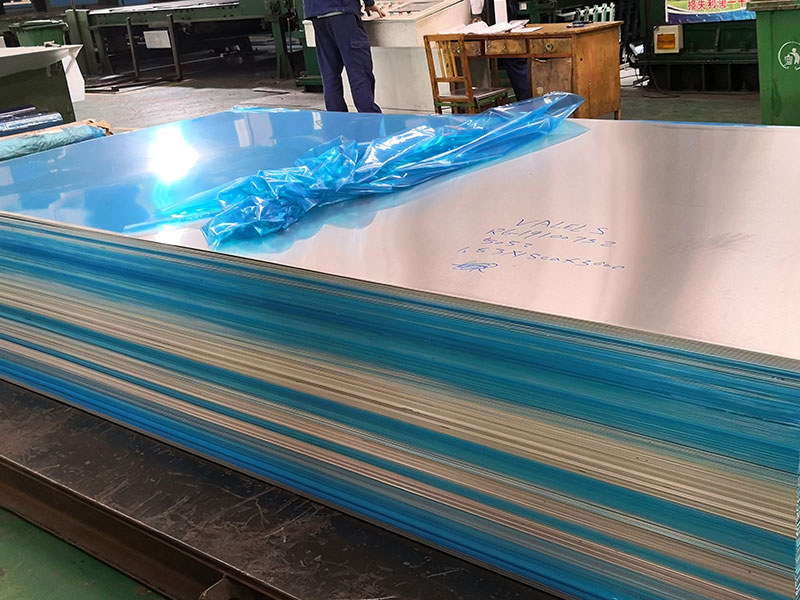
Marine 5059 aluminum plate
Marine 5059 Aluminum Plate is distinguished by its high magnesium content and carefully balanced alloying elements, designed to maximize strength without compromising corrosion resistance.
View DetailsRelated Blog
Aluminium plate boat fishing boat alloy 5083
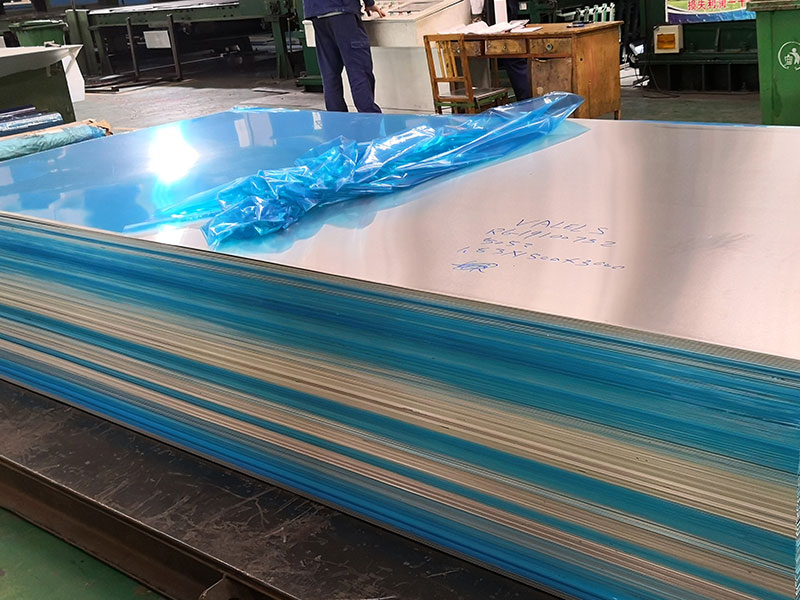
Aluminium alloy 5083 is a high-strength, corrosion-resistant marine aluminium widely used for fishing boats, workboats, ferries, and other offshore structures. Its combination of mechanical performance, weldability.
View Details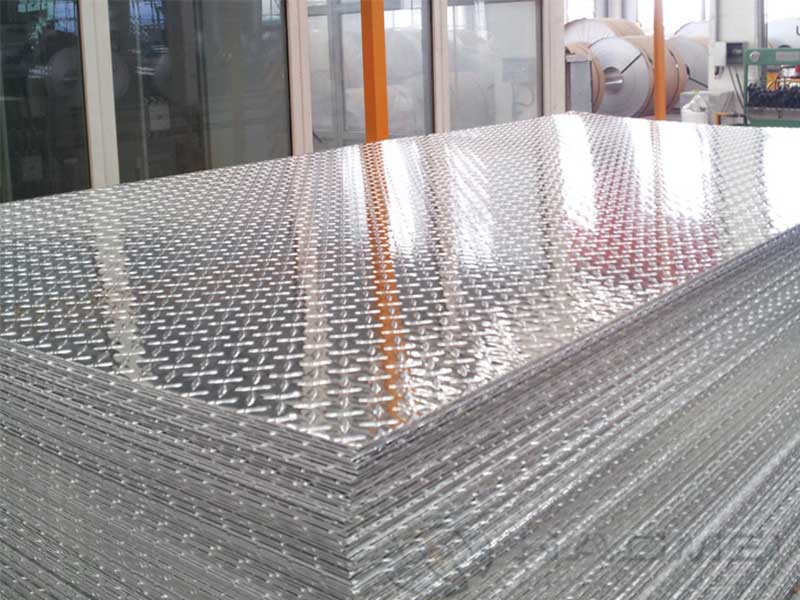
Aluminum Sheet Plate alloy 5083 H111 for boat application
When it comes to manufacturing high-performance boats that demand strength, corrosion resistance, and long-lasting durability, Aluminum Sheet Plate Alloy 5083 H111 stands out as a superior material.
View Details
5052 5083 6063 h111 h22 h32 marine grade aluminum sheet plate
Marine projects demand materials that are lightweight, corrosion‑resistant, and reliable under harsh, salt‑water conditions. Among the most trusted options are the marine grade aluminum alloys 5052, 5083, and 6063 in tempers such as H111, H22, an.
View Details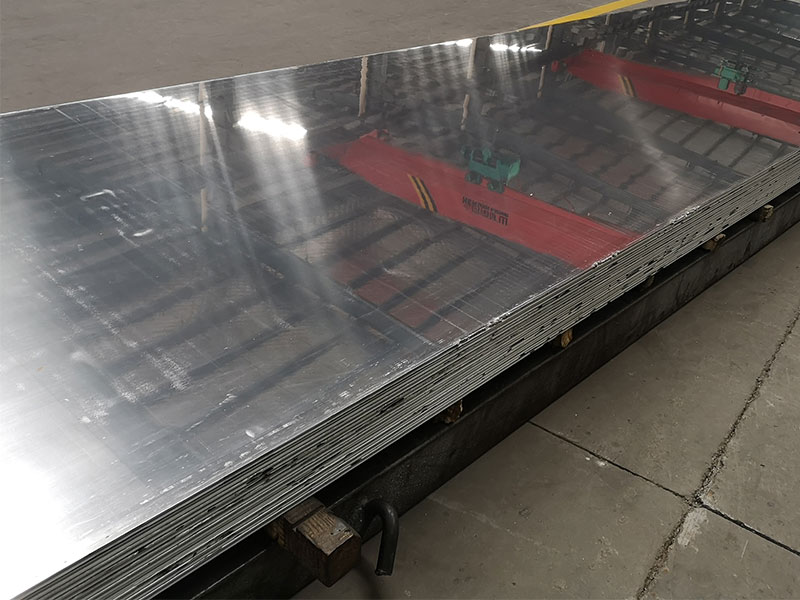
Marine Aluminum Alloy Plate 5052 5083 6061
Marine environments pose extreme challenges—constant exposure to saltwater corrosion, mechanical stresses, and environmental fluctuations demand materials that combine strength, durability, and corrosion resistance.
View Details
Marine Grade Aluminum Plate 5083
When it comes to building robust, durable, and corrosion-resistant marine vessels and offshore structures, Marine Grade Aluminum Plate 5083 stands as a premier choice in the industry.
View Details
5083 Marine Aluminum Alloy Plate for Ship
In shipbuilding, it's easy to treat a metal plate as a commodity: thickness, width, temper, price, delivery date. Yet a 5083 marine aluminum alloy plate is better understood as a system component-a material that quietly coordinates corrosion behavior.
View Details
Leave a Message