
Aluminium sheet 8mm alloy 5052 h112 for boat
When selecting materials for marine applications, especially in boat building, the balance between strength, corrosion resistance, and workability is crucial. Aluminium sheet 8mm thick made from alloy 5052 in temper H112 epitomizes this balance, proving to be an indispensable material for marine engineers, shipbuilders, and enthusiasts alike.
Why Choose 8mm Aluminium Sheet 5052 H112 for Boats?
Functionality First:
The marine environment poses unique challenges: continuous exposure to saltwater moisture, varying weather conditions, and mechanical stresses from waves and moving loads. Alloy 5052 aluminum sheet, particularly in an 8mm thickness, offers excellent protection and structure. This thickness supports substantial load bearing while maintaining workable flexibility.
The H112 temper means the sheet is strain-relieved following cold working but has not undergone subsequent heat treatments. For boat builders, this ensures the sheet maintains good mechanical properties and formability without brittleness, allowing contouring and shaping based on hull and equipment design.
Technical Parameters & Standards
Material Specifications
- Alloy: 5052
- Temper: H112
- Thickness: 8 mm (tolerance typically ±0.2 mm depending on supplier)
- Length & Width: Customizable but commonly 2000x6000 mm sheets or as per ASTM/EU standards.
Compliance with Standards:Aluminium sheet 5052 H112 conforms with important marine and structural standards such as:
- ASTM B209 – Standard Specification for Aluminum and Aluminum-Alloy Sheet and Plate
- ISO 6361 – Wrought aluminum and aluminum alloy sheets, strips, and plates
- ABS & DNV GL Marine Standards, ensuring suitability for marine-grade construction and safety certifications.
Alloy 5052 Chemistry and Its Relevance
The chemical composition of alloy 5052 is tailored for marine environments. Here’s its typical composition:
| Element | Composition (% by weight) |
|---|---|
| Aluminium (Al) | Balance (~97.25 - 98.15%) |
| Magnesium (Mg) | 2.2 - 2.8% |
| Chromium (Cr) | 0.15 - 0.35% |
| Iron (Fe) | ≤ 0.4% |
| Copper (Cu) | ≤ 0.1% |
| Manganese (Mn) | ≤ 0.1% |
| Silicon (Si) | ≤ 0.25% |
| Zinc (Zn) | ≤ 0.1% |
| Titanium (Ti) | ≤ 0.15% |
This composition brings essential qualities:
- Magnesium: Greatly enhances corrosion resistance in saltwater and increases strength.
- Chromium: Fine grain refining achieves excellent toughness and fatigue resistance.
- Trace impurities (Fe, Cu): Kept minimal to prevent weakening or corrosion susceptibility.
Mechanical Properties of 5052 H112 at 8mm Thickness
The combination of thickness and temper engenders the following properties:
| Property | Value (approx.) |
|---|---|
| Tensile Strength (MPa) | 228-265 |
| Yield Strength (0.2% offset, MPa) | 193-215 |
| Elongation (%) | ~8-12% |
| Hardness (Brinell) | ~61 HB |
These values highlight a strong yet ductile sheet capable of withstanding dynamic marine forces.
Applications and Implementation in Boat Construction
Hull and Deck Panels:
8mm sheets strike an excellent balance—thin enough for seamless shaping but thick enough to handle impact and load requirements, commonly utilized for hull plating where durability against structural stress and corrosion is needed.
Bulkheads and Structural Frames:
It's often preferred for secondary structural elements where welding and forming are needed without compromising integrity. The H112 temper accommodates those processes effectively while providing consistent thickness.
Equipment Mounting & Internal Fixtures:
The material's smooth surface finish and anti-corrosion traits render it suitable for manufacturing decks, hatches, cabins, or other maritime equipment housings that need strength but also protoype or refurbishment flexibility.
While some might consider T-temper series (like T6) metal's hardness desirable, it sacrifices ductility essential in turnaround repair operations aboard. H112 temper provides a resilient middle ground—while cold-worked enough to achieve form stability, it sustains moderation in stiffness to avoid brittle failures due to impacts or fatigue from repeated marine strain.
Additionally, finishes on 5052 aluminum in H112 enable excellent paint adhesion and powder coating, maximizing long-term environmental resistance without costly sacrificial measures.
Handling & Maintenance Recommendations
- Forming: Ensure bending radii exceed sheet thickness by at least 3x for minimum risk of failure.
- Welding: Compatible with common welding methods (TIG, MIG). Pre-cleaning before welding necessary to avoid inclusions.
- Corrosion: Regular rinsing and cleaning of the aluminum surface prolongs life; avoid prolonged contact with steel/alloy galvanic couples without proper cushioning.

Related Products
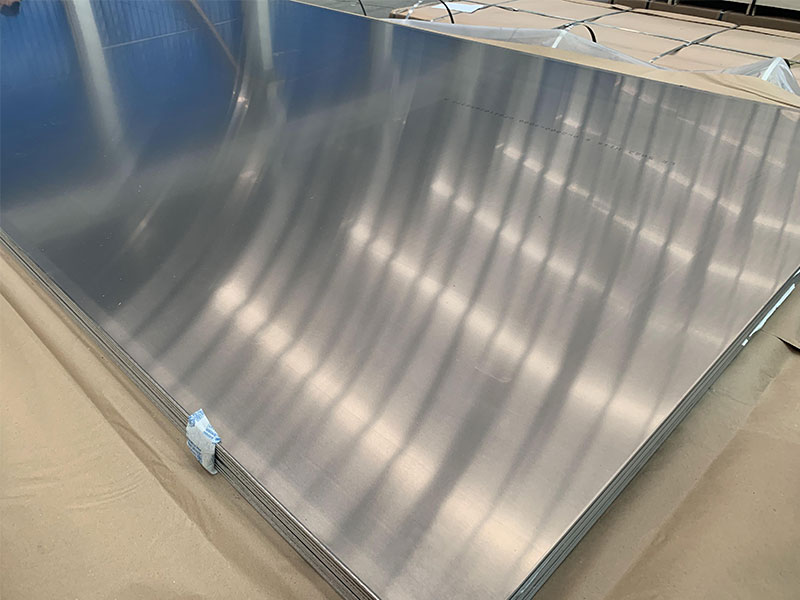
Marine 5052 aluminum sheet
Aluminum alloy 5052 is a non-heat-treatable, strain-hardened alloy with magnesium as the primary alloying element. It is designed to offer superior corrosion resistance in marine and saline environments, making it a dependable choice for components exposed directly to seawater or coastal atmospheric conditions.
View Details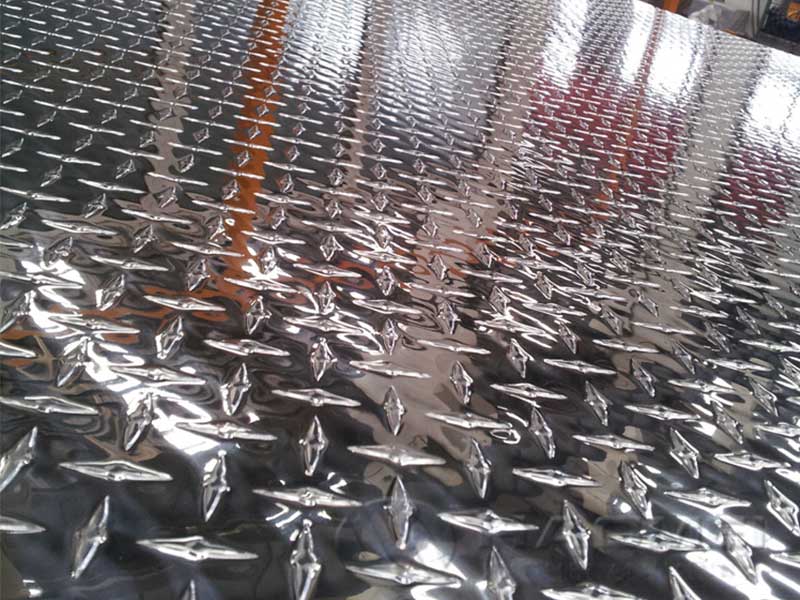
Marine Aluminum Tread Sheets
Marine Aluminum Tread Sheets are aluminum alloy plates featuring a raised surface pattern, commonly referred to as a tread design or diamond plate.
View Details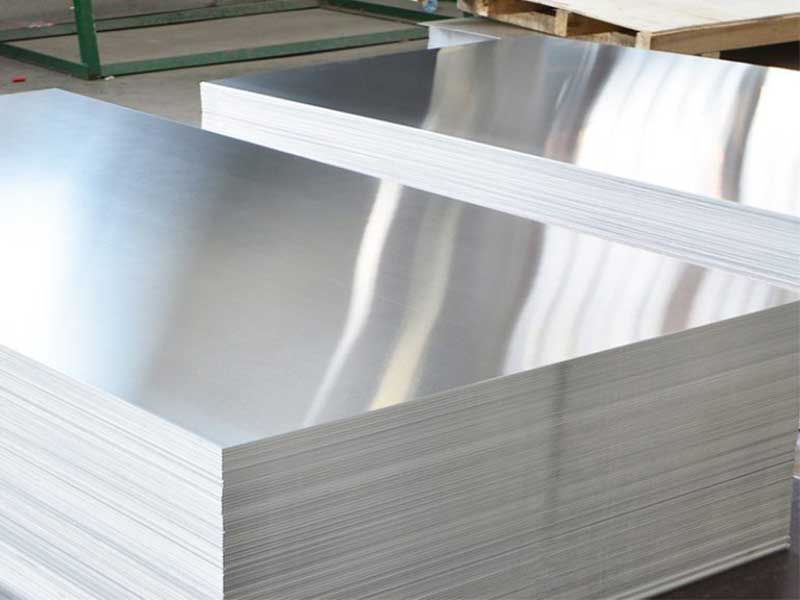
Marine anodized aluminum sheets
Marine Anodized Aluminum Sheets start with premium marine-grade aluminum alloys such as 5000 and 6000 series (typically 5083, 5052, and 6061).
View Details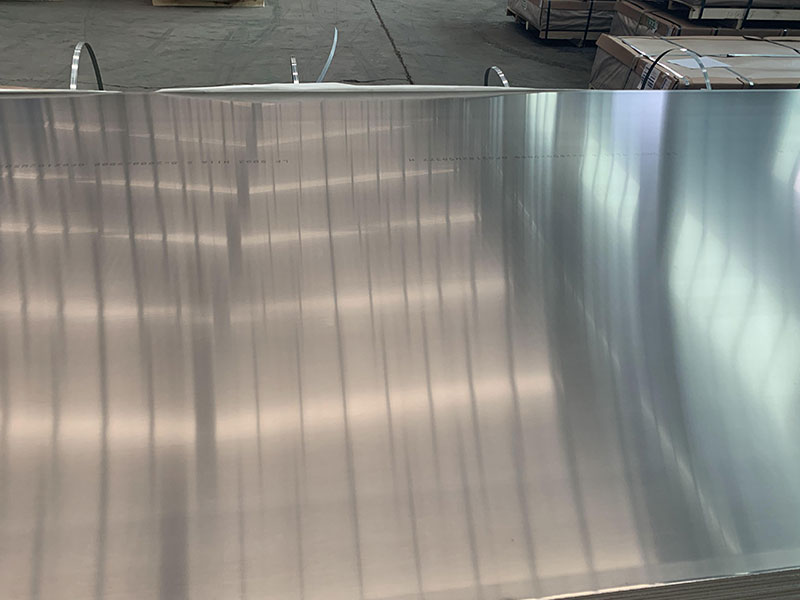
Marine 5383 aluminum sheet
5383 aluminum is a strain-hardened, non-heat-treatable alloy from the 5xxx series primarily alloyed with magnesium. It exhibits a unique balance of corrosion resistance and mechanical properties particularly suited for marine applications.
View Details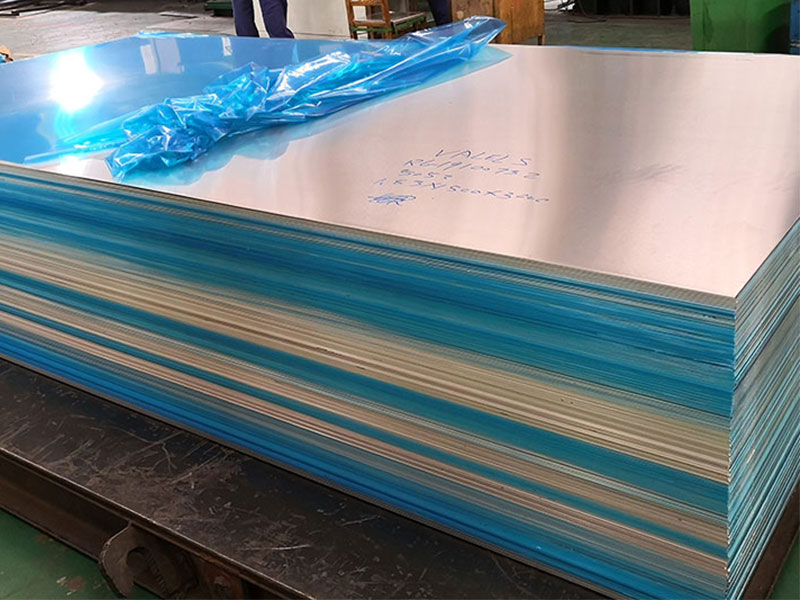
Marine 5059 aluminum sheet
5059 aluminum alloy is a strain-hardened material with a unique addition of magnesium and chromium, which provides outstanding resistance to localized corrosion like pitting and stress corrosion cracking.
View Details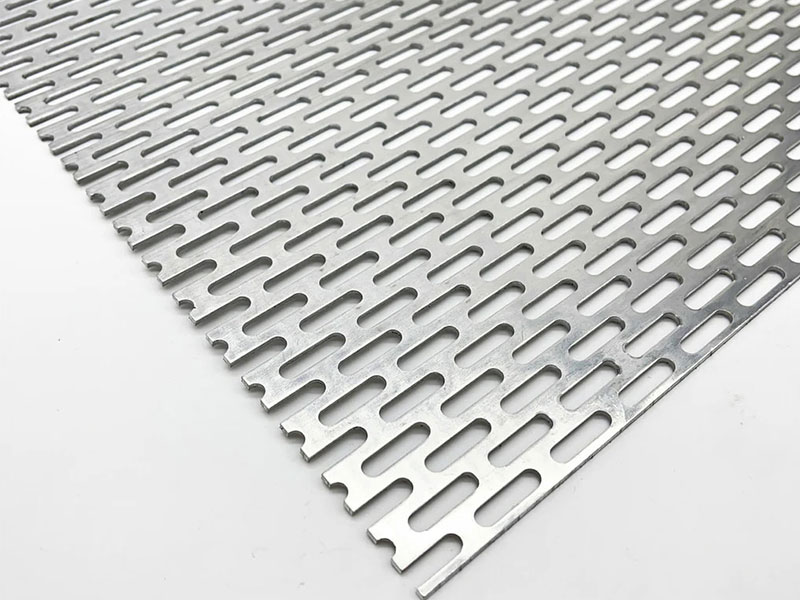
Marine perforated aluminum sheets
Marine Perforated Aluminum Sheets feature a series of uniform holes or shapes punched through the aluminum surface. These perforations can vary in size, pattern, and open area to tailor the sheets for specific applications.
View DetailsRelated Blog
5754 5052 h22 h111 h116 aluminum sheet for boat building
Boat builders need sheet material that stays tough in a salty, wet environment, forms cleanly into hull curves, and resists long-term pitting and crevice corrosion around welds and fasteners.
View Details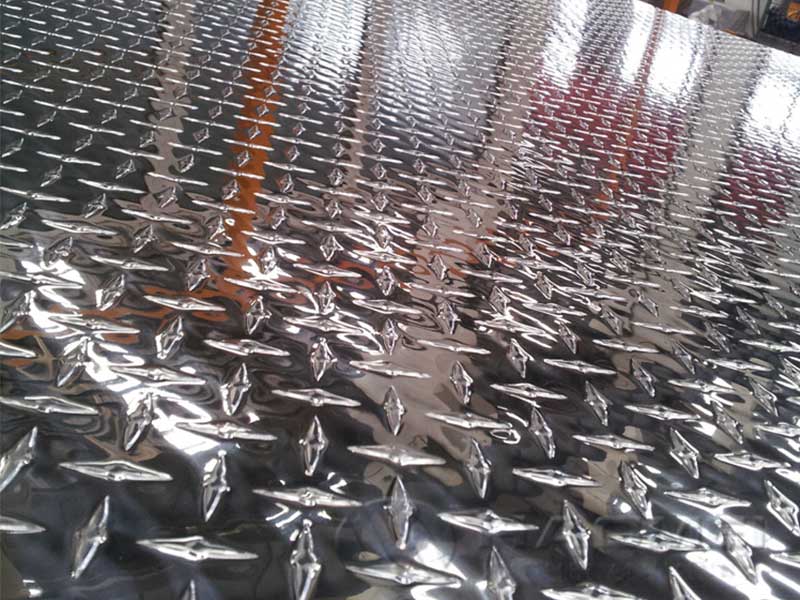
Marin grade aluminum sheet 5052 5mm thick for boat
What is Marine Grade Aluminum 5052?Aluminum 5052 is a non-heat-treatable aluminum-magnesium alloy primarily known for excellent corrosion resistance, high strength among the non-heat treatable grades, and superb weldability.
View Details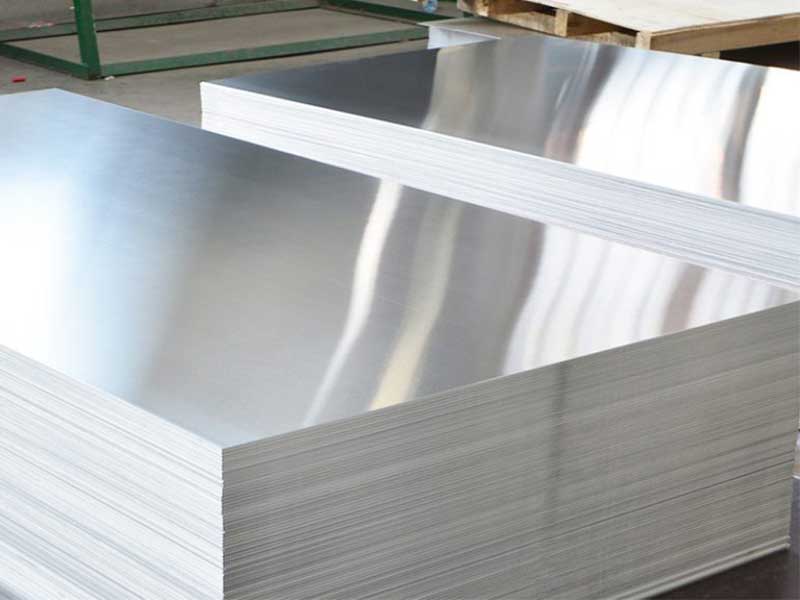
Naval Aluminium Sheet Marine 5052 H32
Naval Aluminium Sheet Marine 5052 H32 is a premium-grade aluminum alloy sheet specifically engineered for marine and naval applications. Known for its excellent corrosion resistance, high strength-to-weight ratio, and superior weldability.
View Details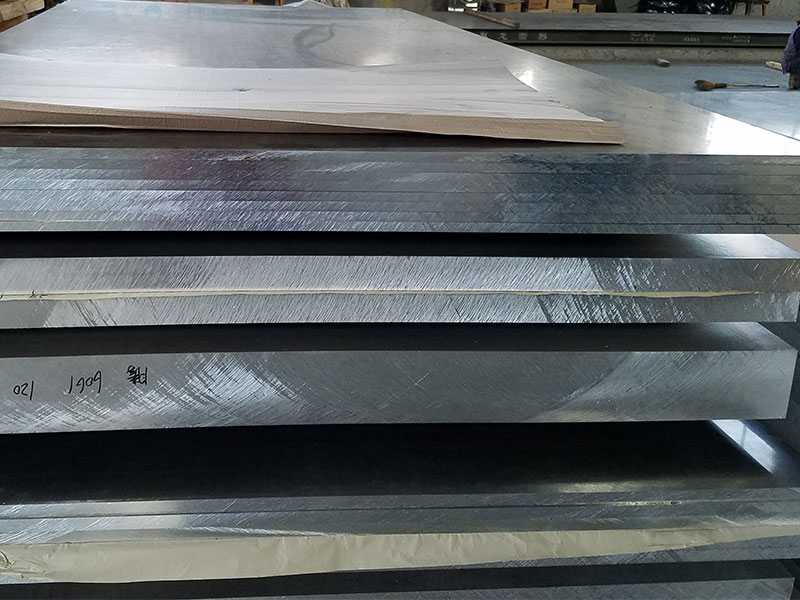
5052 5083 Aluminum coil for boat yacht
Marine structures live in a harsh world: salt spray, cyclic loading from waves, temperature swings, and constant exposure to moisture.
View Details
5052 Aluminium Coil for Marine Material
The 5052 aluminium coil is a transformative material, particularly favored in marine applications due to its excellent corrosion resistance, weldability, and remarkable strength characteristics.
View Details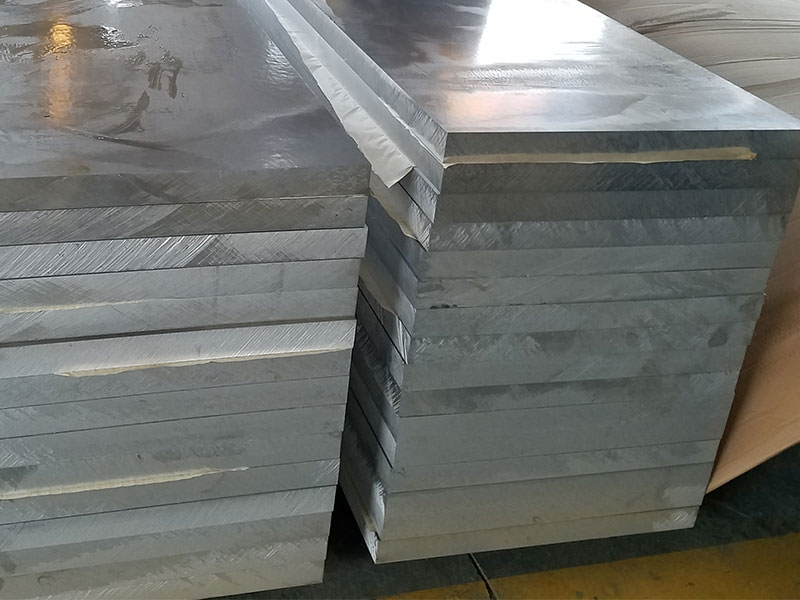
Marine grade 6063 5083 5052 H32 Aluminium Coil Roll
When engineers discuss marine aluminum coil roll, the conversation often starts with strength, corrosion resistance, or weldability. But the ocean does not read datasheets the way people do.
View Details
Leave a Message