
5083 Marine Aluminum Hollow Bars for Offshore Marine Engineering
Offshore structures punish materials with a combination of chloride-rich seawater, cyclic loading, impact, abrasion, and temperature swings. In this environment, 5083 marine aluminum stands out as a workhorse alloy, and 5083 Marine aluminum hollow bars (tubes with a solid, bar-like precision and thick-wall capability) are especially valuable where engineers need high strength-to-weight, corrosion resistance, and machinable geometry for shafts, sleeves, spacers, risers' ancillary components, structural nodes, and custom subsea hardware.
1) What Are 5083 Marine aluminum hollow bars?
5083 is a non-heat-treatable Al-Mg-Mn alloy strengthened mainly by solid-solution strengthening and work hardening (H tempers). A hollow bar is typically produced by extrusion (or piercing + drawing for certain sizes) to achieve a thick-wall tube form that machines like a bar but reduces mass and improves stiffness-to-weight.
Why hollow? Offshore designs frequently benefit from:
- Weight reduction without sacrificing bending stiffness (efficient section modulus)
- Passageways for routing cables, fluids, fasteners, and tie-ins
- Improved buoyancy/handling for topside and nearshore modules
- Lower machining waste versus boring from solid bar
2) Features for Offshore Marine Engineering
| Feature | Why It Matters Offshore | Practical Result |
|---|---|---|
| Excellent seawater corrosion resistance | Chlorides, splash zone exposure, crevices | Longer service life, reduced coating burden |
| High strength-to-weight | Large components, lifting constraints | Easier installation, lower structural mass |
| Good weldability | Fabrication and repair are common | Reliable welded assemblies with proper procedure |
| Good toughness and fatigue behavior (relative to many alloys) | Cyclic wave loading, vibration | Better resistance to cracking under variable loads |
| Thick-wall, machinable geometry | Bushings, sleeves, hubs, connectors | Faster CNC machining, less material removal |
| Non-sparking & non-magnetic | Hazardous areas, instrumentation | Safer operations and less interference |
3) Chemical Composition (Typical / Standard Limits)
5083's marine performance is anchored by magnesium (for strength) and manganese (for improved structure and toughness), with controlled impurities to protect corrosion behavior.
Composition limits vary by standard and supplier; always confirm against your purchasing spec (ASTM/EN or customer standard).
| Element | Typical Range (wt.%) | Contribution |
|---|---|---|
| Mg | 4.0 – 4.9 | Strength, seawater corrosion performance |
| Mn | 0.4 – 1.0 | Grain structure control, toughness |
| Cr | 0.05 – 0.25 | Corrosion and microstructure stability |
| Si | ≤ 0.40 | Impurity control (excess can reduce toughness) |
| Fe | ≤ 0.40 | Impurity control (excess can reduce ductility) |
| Cu | ≤ 0.10 | Keep low for corrosion resistance |
| Zn | ≤ 0.25 | Controlled to avoid property variability |
| Ti | ≤ 0.15 | Grain refinement in processing |
| Al | Balance | Base metal |
4) Mechanical Properties (Typical Values by Temper)
5083 hollow bars are commonly supplied in H111, H112, H116, and sometimes H321 depending on product form and marine requirements. Offshore customers often prefer H116/H321 for improved resistance to certain corrosion modes in marine exposure.
| Temper | Typical Yield Strength (MPa) | Typical Tensile Strength (MPa) | Typical Elongation (%) | Notes |
|---|---|---|---|---|
| H111 | ~125–165 | ~275–330 | ~12–20 | Mildly strain-hardened; good formability |
| H112 | ~140–200 | ~290–345 | ~10–18 | "As-fabricated" hot worked; common for extrusions |
| H116 | ~215–255 | ~305–350 | ~10–16 | Marine-oriented temper, good corrosion performance |
| H321 | ~215–255 | ~305–350 | ~10–16 | Stabilized; often selected for marine plate/structures |
Values are representative for quick comparison and can vary with thickness, diameter, and process route. Specify minimums in the purchase order if needed.
5) Technical Specifications (Hollow Bar Geometry & Supply Options)
5083 hollow bars are used when engineers want tube geometry with bar-grade machining stability. Typical supply covers a broad range of outer diameters and wall thicknesses, including thick-wall "mechanical tube" styles.
Dimensional & Delivery Options (Typical)
| Parameter | Typical Range / Option | Customer Benefit |
|---|---|---|
| Outer Diameter (OD) | ~20 mm to 400+ mm | From small sleeves to structural nodes |
| Inner Diameter (ID) | Custom to size | Enables weight reduction & internal routing |
| Wall Thickness | ~5 mm to 80+ mm | Thin-wall to heavy-wall pressure/machining needs |
| Length | Fixed or random (e.g., 3–6 m typical) | Optimized cutting plans, less scrap |
| Straightness / Ovality | Controlled per agreement | Better concentric machining results |
| Surface Finish | Mill finish, peeled/turned optional | Reduced machining time for critical fits |
| Heat/Temper | H111 / H112 / H116 / H321 | Tailored to fabrication and service environment |
| Testing | Chemistry, tensile, hardness, PMI | Traceability and QA confidence |
Standards & Documentation (Commonly Requested)
| Item | Typical Request |
|---|---|
| Material standards | ASTM B221 (extrusions), EN 755 (extruded profiles/tubes) or equivalent |
| Marine temper requirements | H116 / H321 (when applicable to product form) |
| Inspection | EN 10204 3.1 certificates, PMI on request |
| NDT (optional) | UT for critical thick-wall sections, dye penetrant after machining (as needed) |
| Marking | Heat number, alloy, temper, size, PO traceability |
6) Performance in Marine Environments
Corrosion Resistance: Built for Chlorides
5083 is widely recognized for excellent resistance to general corrosion in seawater. For offshore components, the advantage is consistent performance in:
- Splash and tidal zones (high oxygenation and salt deposition)
- Crevice-prone assemblies (with good design practice)
- Under-deposit areas (when paired with cleaning/inspection plans)
Design note: Good corrosion outcomes still depend on avoiding galvanic couples, ensuring drainage, and selecting appropriate fasteners and isolation materials.
Weldability and Fabrication
5083 is known for high-quality weldability using common marine welding procedures (GMAW/MIG, GTAW/TIG). Hollow bars are often:
- Welded into frames, brackets, and custom connectors
- Machined into rings/sleeves and then welded as subassemblies
Practical benefit: faster fabrication cycles and reliable repair pathways offshore.
Machinability and Dimensional Control
Thick-wall hollow bars reduce the need to start from solid and bore large IDs-saving:
- CNC time
- Tool wear
- Chip volume and disposal cost
For offshore parts with large through-bores, hollow stock can be a direct cost reducer.
7) Where 5083 Hollow Bars Fit Best (Use Cases)
| Offshore Segment | Typical Components | Why Hollow Bar Works |
|---|---|---|
| Offshore platforms (topside) | Spacer sleeves, handrail nodes, equipment mounts | Lightweight + corrosion resistance |
| Marine vessels & shipbuilding | Rudder sleeves, structural collars, mast/boom nodes | Strength-to-weight and weldability |
| Subsea support hardware | Protective housings, guide sleeves, frames | Thick-wall durability + machinability |
| Floating structures (FPSO/FSRU auxiliaries) | Brackets, structural reinforcements, piping supports | Reduced mass and easier fabrication |
| Coastal engineering | Dock components, fender support sleeves | Long life in splash zone exposure |
8) Benefits Customers Actually Notice
Total Cost of Ownership Advantages
| Benefit | How It Shows Up on a Project |
|---|---|
| Lower installed weight | Smaller cranes, easier handling, improved payload |
| Reduced corrosion maintenance | Less repainting, fewer replacements, longer inspections intervals |
| Faster machining & less scrap | Lower part cost for thick-wall components |
| Reliable welded assemblies | Fewer reworks and predictable fabrication schedules |
| High availability & proven track record | Easier qualification for marine projects |
9) Specifying 5083 Hollow Bars: A Quick Checklist
| Checklist Item | Recommendation |
|---|---|
| Temper selection | H116/H321 for marine-critical exposure; H112/H111 for general extruded use |
| Dimensional tolerances | Define OD/ID tolerance, straightness, concentricity for machining fits |
| Corrosion design | Avoid stagnant crevices; ensure drainage; specify isolation for dissimilar metals |
| QA requirements | Request EN 10204 3.1 + PMI for critical offshore traceability |
| Welding plan | Define filler wire, procedure qualification, and post-weld inspection |

Related Products
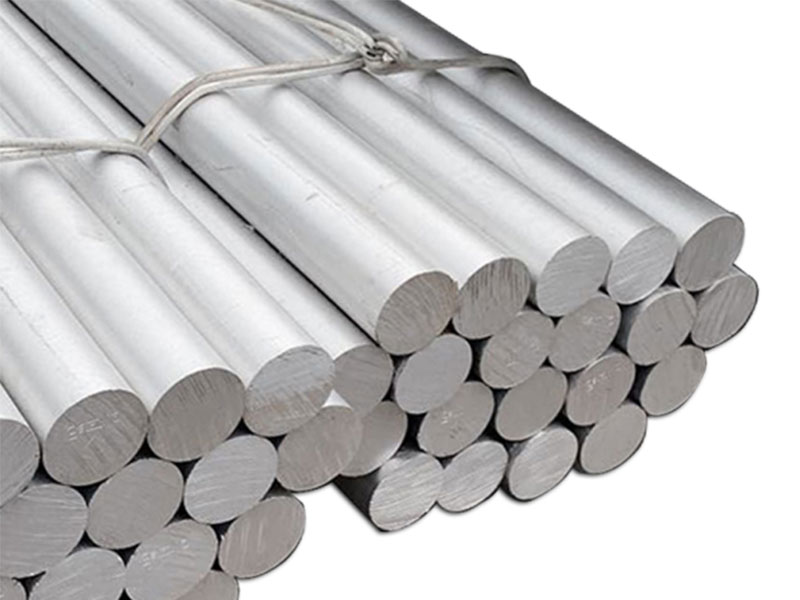
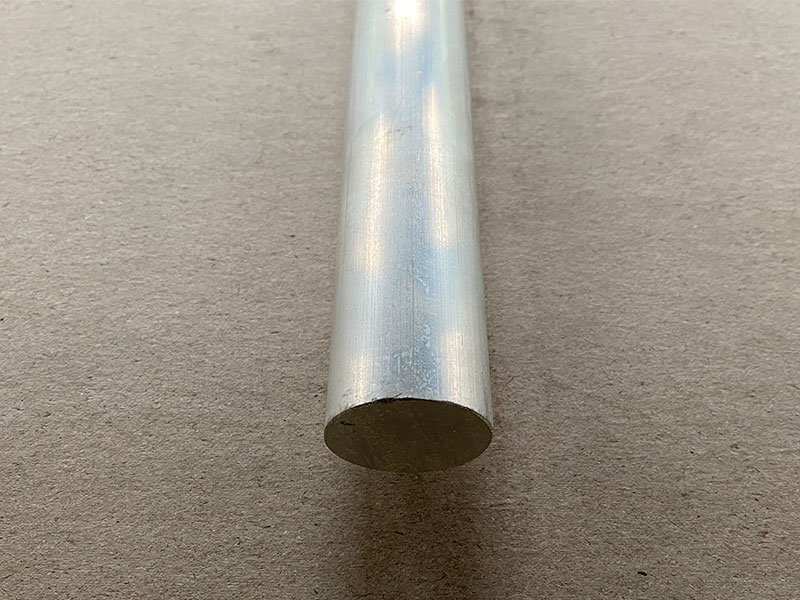
Marine grade aluminum solid bar
Marine Grade Aluminum Solid Bars are produced from premium aluminum alloys optimized for saltwater exposure, such as 5083, 5052, 6061, and 6082. These alloys offer unparalleled resistance to corrosion caused by seawater, salt spray, and marine atmospheres, while maintaining excellent mechanical strength and toughness.
View Details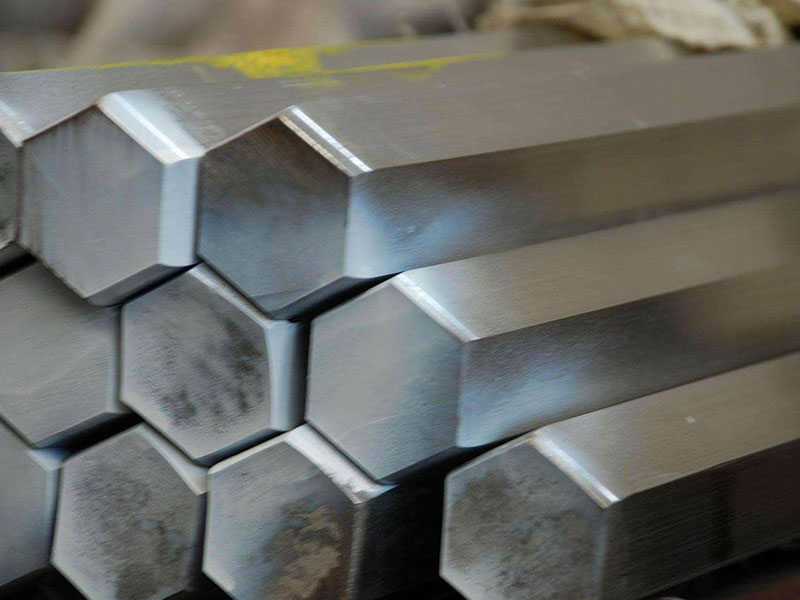
Marine aluminum hexagonal bars
Marine Grade Aluminum Hexagonal Bars are produced from premium corrosion-resistant aluminum alloys such as 5083, 5052, 6061, and 6082.
View Details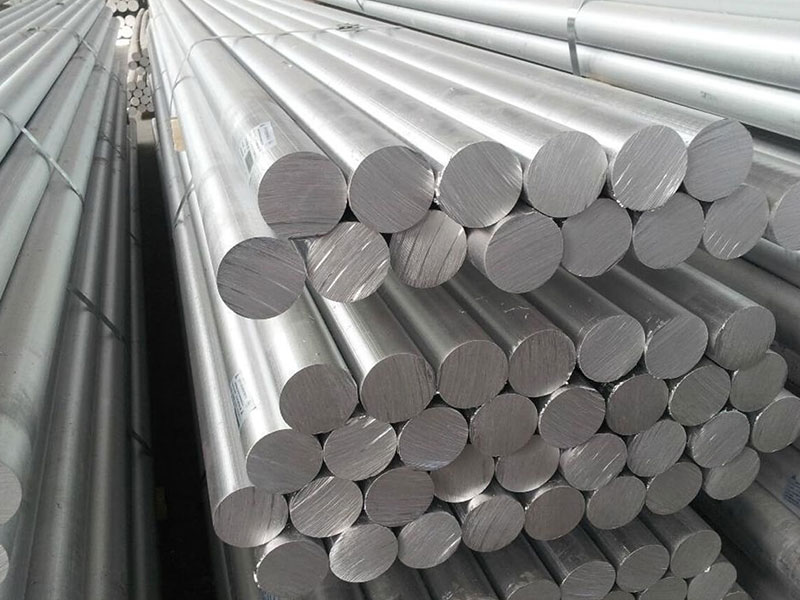
6082 marine aluminum rod & bar
6082 Aluminum Rods & Bars are extruded or rolled products manufactured from 6082 aluminum alloy — a thermally treated (typically T6 temper) aluminum-magnesium-silicon alloy that balances high tensile strength, good weldability, and excellent corrosion resistance.
View Details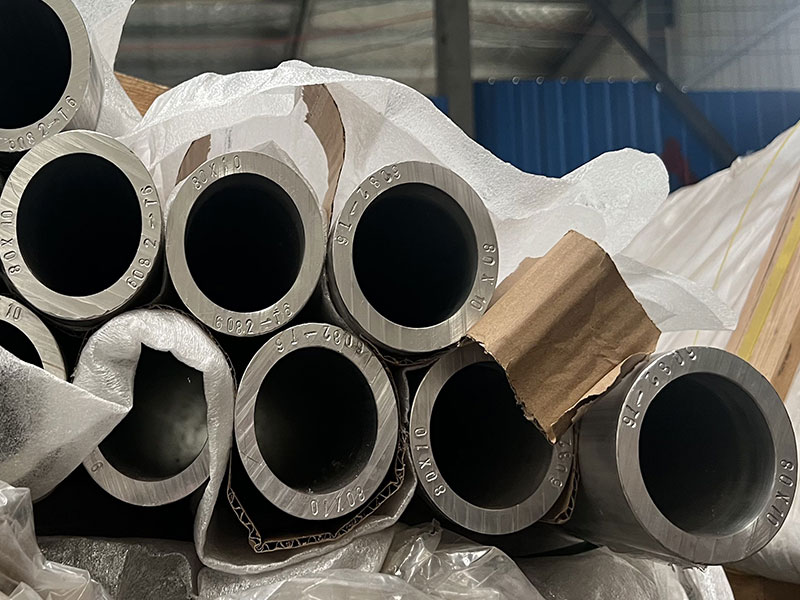
Marine aluminum hollow bars
Marine Grade Aluminum Hollow Bars are fabricated from high-quality alloys such as 5083, 5052, 6061, and 6082, all known for their exceptional resistance to seawater corrosion, salt spray, and marine atmospheres.
View DetailsRelated Blog
5083 Marine Aluminum Hollow Bars for Offshore Marine Engineering
Offshore structures punish materials with a combination of chloride-rich seawater, cyclic loading, impact, abrasion, and temperature swings. In this environment, 5083 marine aluminum stands out as a workhorse alloy.
View Details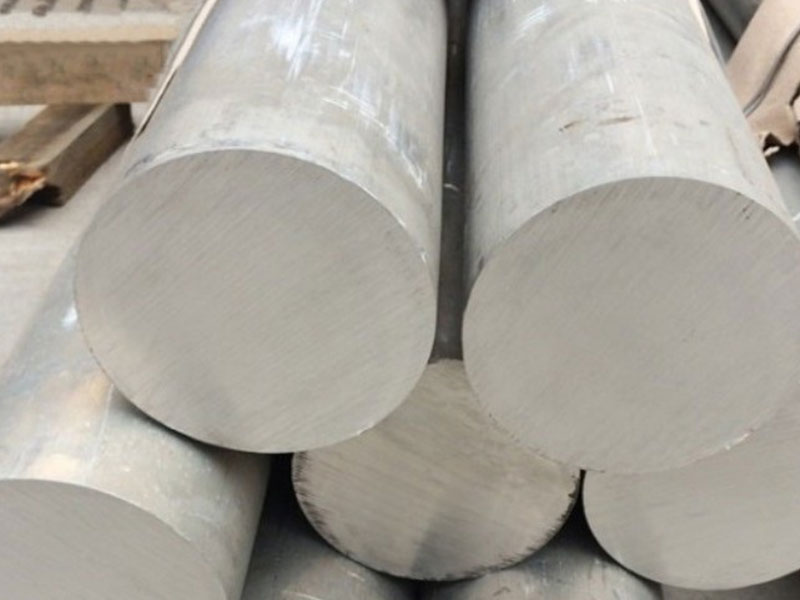
5083 Marine Aluminum Hexagonal Bars for Custom Shipbuilding Reinforcements
Custom shipbuilding reinforcements demand materials that stay reliable under saltwater exposure, cyclic wave loading, vibration, and tight fabrication schedules.
View Details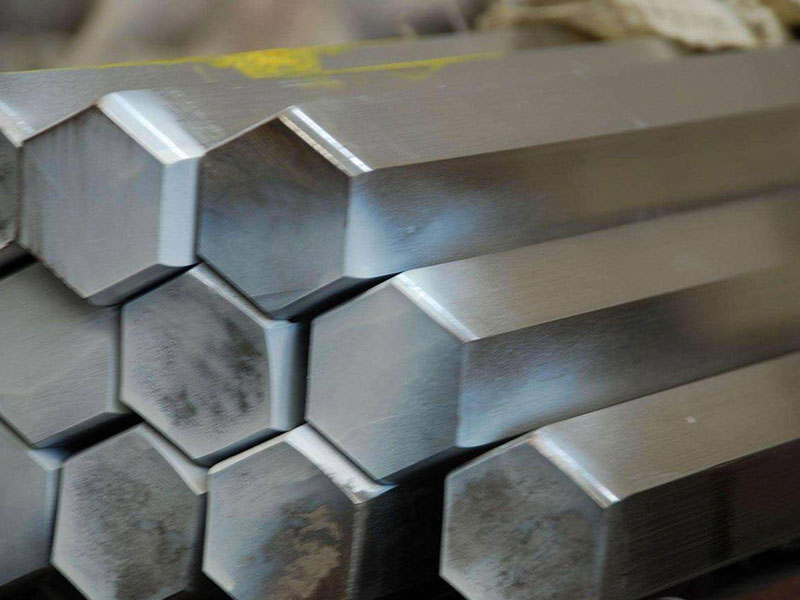
5083 Marine Aluminum Hexagonal Bars for Durable Offshore Support Parts
Explore premium 5083 marine aluminum hexagonal bars tailored for offshore support applications. their superior corrosion resistance, alloy composition, mechanical properties, and industry implementation standards.
View Details
5083 Marine Aluminum Hexagonal Bars for Ship Hull and Deck Fabrication
In the demanding world of marine construction and shipbuilding, material performance defines safety, durability, and operational efficiency. 5083 Marine Aluminum Hexagonal Bars have emerged as a premium solution for ship hull and deck fabrication.
View Details
5083 Marine Aluminum Bar for Long Term Marine Equipment Support
Marine applications demand materials that can withstand harsh environments, conduct excellent performance, and provide durability for long-lasting use. One such product that has gained prominence in the marine industry is the 5083 Marine Aluminum Bar.
View Details
5083 5052 H32 60mm aluminum bar for boat
High-performance 5083 and 5052 H32 60mm aluminum bars tailored for marine applications. Ideal for boat building with excellent corrosion resistance, superior strength, and formability.
View Details
Leave a Message