
Marine Aluminum Hollow Bars for Custom Offshore Vessel Construction
Offshore vessels are designed around a difficult equation: every kilogram added must justify itself against wave loads, salt spray, vibration, fatigue, maintenance access, and operating cost. Marine aluminum hollow bars are valuable because they place material where structure needs it most, around the perimeter, while leaving a controlled internal void. This makes them more than an alternative to solid stock. They are a practical building block for strong, lightweight, machinable components used throughout custom offshore craft.
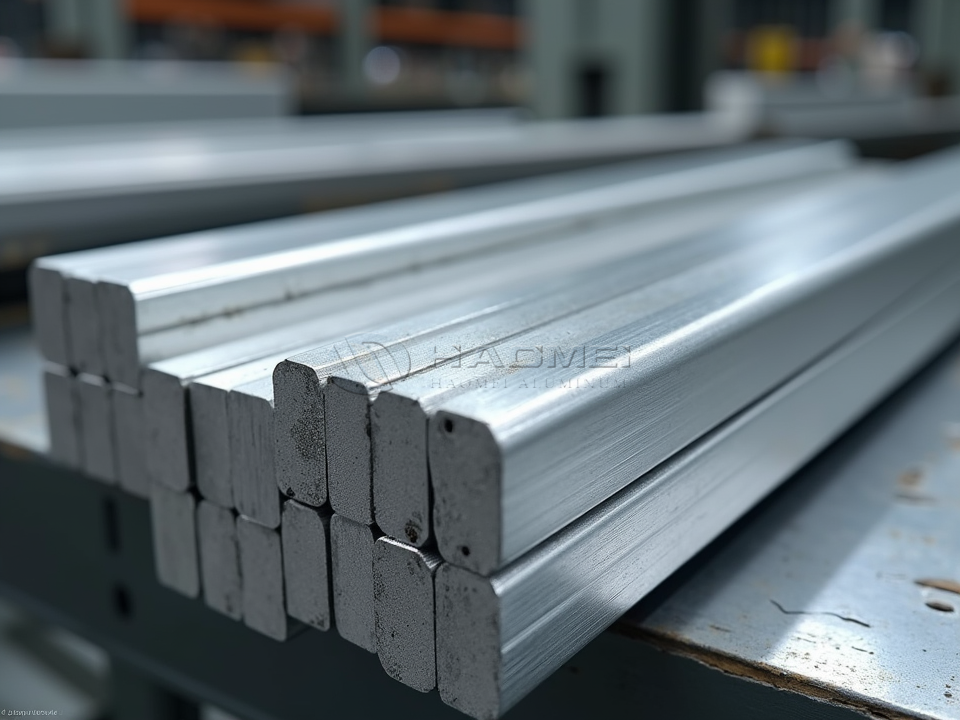
A hollow bar may be round, square, rectangular, or specially profiled. Unlike thin-wall tube selected mainly for fluid transfer, an aluminum hollow bar is often specified with a thicker wall and tighter machining allowance. It can be bored, threaded, milled, welded, or cut into high-value fabricated parts without carrying the unnecessary weight of a solid billet.
The Structural Logic of the Hollow Section
In bending and torsion, material located farther from the centerline contributes more effectively to stiffness than material concentrated at the center. That is why a properly sized marine aluminum hollow bar can deliver an excellent stiffness-to-weight ratio. For offshore vessel builders, the benefit reaches beyond fuel economy. Lower component weight can reduce crane loads, simplify manual handling during refit work, and lessen inertia in movable equipment.
Round hollow bars are commonly machined into bearing housings, hydraulic sleeves, davit pivots, antenna pedestals, sensor mounts, handrail sockets, pipe-support collars, and couplings. Square and rectangular hollow sections are practical for instrument frames, access-ladder brackets, electronics enclosures, deck furniture supports, and modular equipment skids. Custom shapes can also integrate cable passages or drainage routes into a single fabricated member.
The internal diameter is not simply empty space. It can become a protected route for cables, small hoses, fasteners, or corrosion-control details. In some fabricated assemblies, the bore provides access for internal fastening or permits a component to be mounted over a shaft. This multifunctional quality can reduce the number of separate parts in a crowded offshore deck layout.
Alloy Choice Should Follow the Exposure and Fabrication Route
The best alloy is determined by how the hollow bar will be used, not only by its nominal strength. For machined offshore hardware and structural fittings, 6061-T6 and 6082-T6 are frequent choices. Both are heat-treatable Al-Mg-Si alloys with good machining behavior, useful strength, and broad availability as extruded hollow sections.
6061-T6 is widely used for brackets, housings, platforms, and non-hull fittings. 6082-T6 generally provides higher strength and is often chosen for more demanding structural members, heavy-duty frames, and machined connection parts. When the part is welded, designers should account for softening in the heat-affected zone. The T6 condition does not remain fully intact adjacent to a weld, so the joint and surrounding section must be sized for reduced local properties.
For parts facing aggressive seawater exposure, 5083 and 5086 offer excellent marine corrosion resistance. These Al-Mg alloys are especially familiar in plate and welded marine structures. However, their availability as thick precision hollow-bar extrusions can be more limited than 6xxx-series stock. A practical specification may therefore use 5xxx alloy plate for a welded deck structure and 6061 or 6082 hollow bars for the machined mechanical interfaces attached to it.
When a project needs higher-strength extruded stock, 6082 marine aluminum rod & bar can provide a compatible material route for related pins, sleeves, spacers, and fabricated fittings.
Typical Parameters for Marine Aluminum Hollow Bars
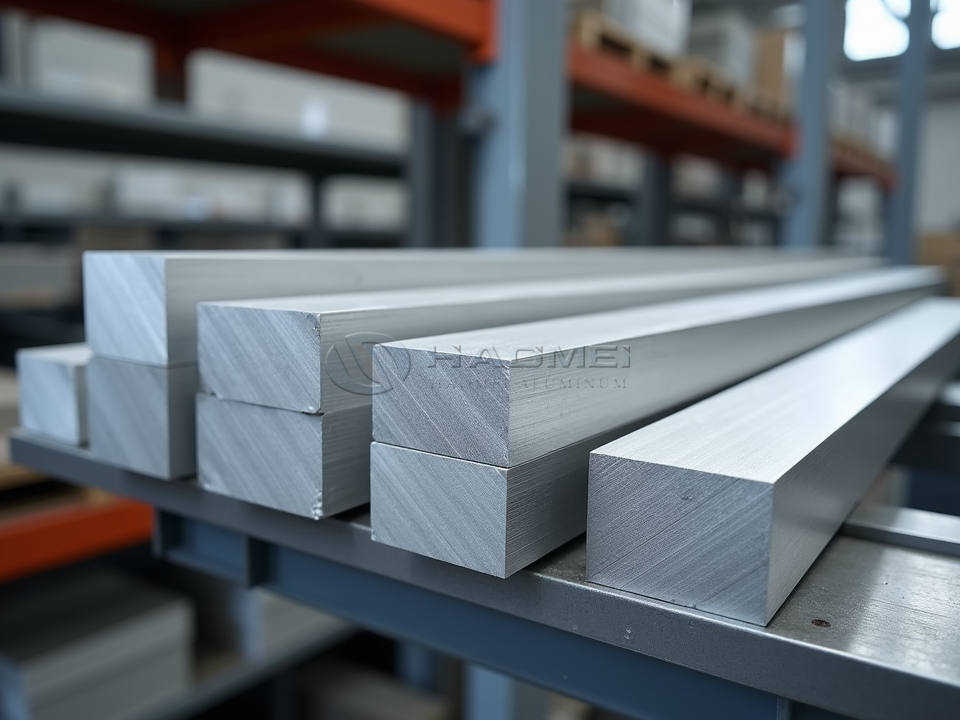
Specifications should define geometry, alloy, temper, tolerances, surface condition, inspection requirements, and intended fabrication process. Common project parameters include:
| Parameter | Typical Offshore Specification Range | Design Consideration |
|---|---|---|
| Outside diameter or width | 20 mm to 300 mm or custom | Selected for bending stiffness, attachment space, and machining allowance |
| Wall thickness | 3 mm to 40 mm or custom | Thicker walls improve thread engagement and weld robustness |
| Length | 1 m to 6 m standard, cut lengths available | Longer lengths reduce joints but require transport planning |
| Alloy | 6061, 6082, 6063, 5086 where available | Match strength, corrosion exposure, and forming needs |
| Temper | T6, T6511, T5, H116/H321 where applicable | Temper affects strength, residual stress, and weld response |
| Surface | Mill finish, brushed, anodized, coated | Coating selection depends on exposure and electrical isolation |
| Straightness | Per project or extrusion standard | Important for long shafts, rails, and precision-machined assemblies |
For round sections, engineers normally specify outside diameter, inside diameter, eccentricity, and permissible ovality. For square or rectangular hollow bars, corner radius, wall variation, twist, and flatness matter just as much. If the bar will be machined into a sealing surface or bearing seat, request sufficient wall thickness after machining, rather than selecting dimensions solely from the as-extruded profile.
Chemical Composition and What It Means at Sea
The alloying balance determines corrosion behavior, strength response, weldability, and extrusion performance. The following table gives commonly specified composition limits or ranges by weight percentage. Values should always be confirmed against the mill certificate and the applicable material standard.
| Alloy | Mg | Si | Mn | Fe | Cu | Cr | Zn | Ti | Al |
|---|---|---|---|---|---|---|---|---|---|
| 6061 | 0.80-1.20 | 0.40-0.80 | Max 0.15 | Max 0.70 | 0.15-0.40 | 0.04-0.35 | Max 0.25 | Max 0.15 | Balance |
| 6082 | 0.60-1.20 | 0.70-1.30 | 0.40-1.00 | Max 0.50 | Max 0.10 | Max 0.25 | Max 0.20 | Max 0.10 | Balance |
| 5086 | 3.50-4.50 | Max 0.40 | 0.20-0.70 | Max 0.50 | Max 0.10 | 0.05-0.25 | Max 0.25 | Max 0.15 | Balance |
Magnesium supports strength and seawater resistance, especially in 5xxx alloys. Silicon and magnesium work together in 6xxx alloys to form Mg2Si during heat treatment, enabling T6 strength. Manganese helps control grain structure, while chromium can improve resistance to stress-corrosion effects in suitable alloy systems. Copper is kept relatively low in marine-focused alloys because excessive copper can reduce corrosion resistance in chloride-rich environments.
Standards, Temper Conditions, and Traceability
Marine aluminum hollow bars are commonly supplied in accordance with EN 755 for extruded rods, bars, tubes, and profiles, or ASTM B221 for aluminum-alloy extruded bars, rods, wire, profiles, and tubes. ISO 6361 may also be referenced for wrought aluminum products. Offshore projects can add requirements from class societies such as DNV, ABS, Lloyd's Register, or Bureau Veritas when the part is structural or vessel-class related.
Temper must be stated with the alloy. T6 means solution heat treated and artificially aged for high strength. T6511 is commonly used for extruded products that have been stress-relieved by stretching and then straightened, helping control distortion during machining. T5 indicates artificial aging after cooling from an elevated-temperature shaping process. H116 and H321 are strain-hardened conditions associated with improved corrosion resistance in marine 5xxx products, although hollow-bar availability should be checked for the intended section.
For dependable procurement, request an EN 10204 3.1 material certificate showing heat number, alloy chemistry, mechanical properties, temper, dimensions, and applicable standard. For critical components, additional ultrasonic testing, dye penetrant examination after machining, or positive material identification may be appropriate.
Installation Details That Protect Long-Term Performance
Marine aluminum hollow bars perform best when their interfaces are designed as carefully as the bar itself. Avoid direct contact with stainless steel, carbon steel, or copper-bearing alloys in wet service unless electrical isolation is provided. Non-conductive washers, isolation pads, suitable sealants, controlled drainage, and compatible coating systems reduce galvanic corrosion risk.
Closed-end hollow sections deserve special attention. If moisture can enter through a weld discontinuity, poorly sealed end, or fastener penetration, internal corrosion may remain hidden. Drain holes, sealed caps, venting where required, and inspection access should be incorporated early in the design. Where a bore carries wiring or hose, use chafe protection and prevent standing seawater inside the section.
For builders seeking machined and fabricated stock in several profiles, marine aluminum hollow bars provide a flexible starting point for weight-conscious offshore construction. With the right alloy-temper combination, verified standards, corrosion-aware detailing, and a wall thickness matched to the final machining plan, hollow bars become durable working components rather than merely lighter pieces of metal.

Related Products
Marine aluminum hollow bars
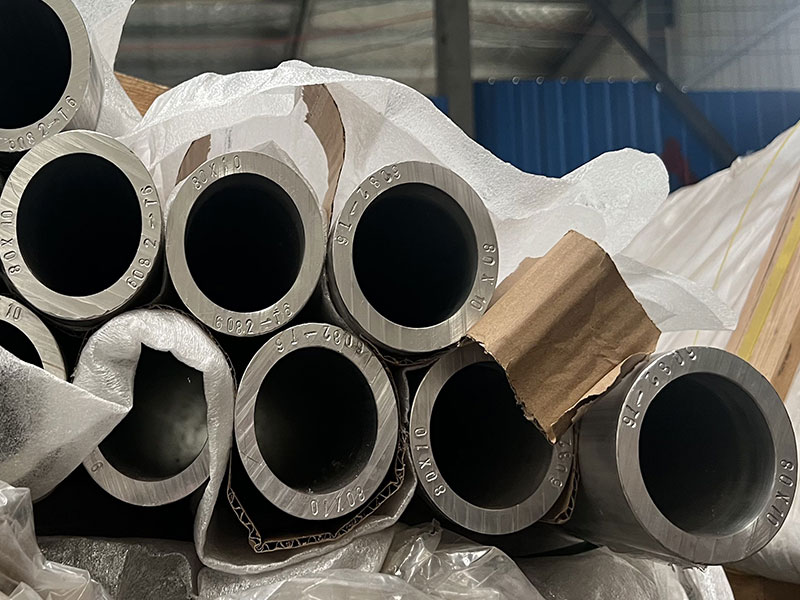
Marine Grade Aluminum Hollow Bars are fabricated from high-quality alloys such as 5083, 5052, 6061, and 6082, all known for their exceptional resistance to seawater corrosion, salt spray, and marine atmospheres.
View Details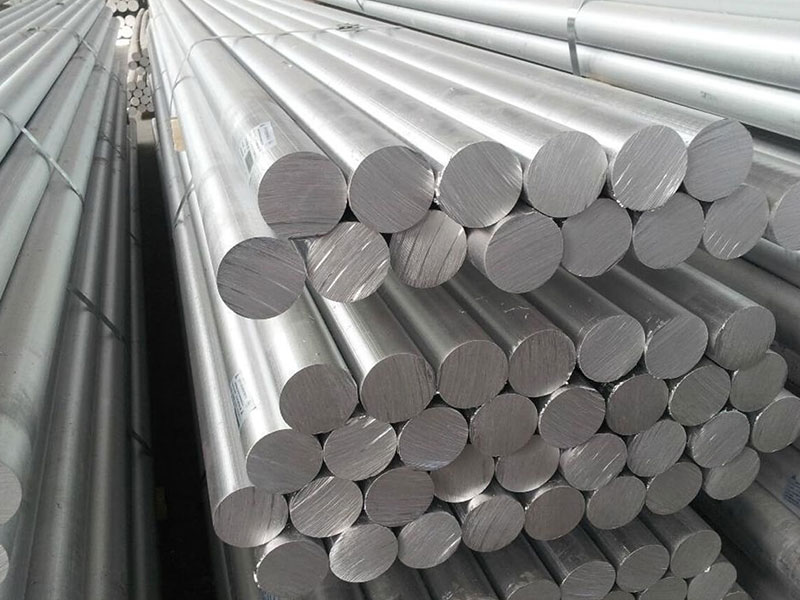
6082 marine aluminum rod & bar
6082 Aluminum Rods & Bars are extruded or rolled products manufactured from 6082 aluminum alloy — a thermally treated (typically T6 temper) aluminum-magnesium-silicon alloy that balances high tensile strength, good weldability, and excellent corrosion resistance.
View Details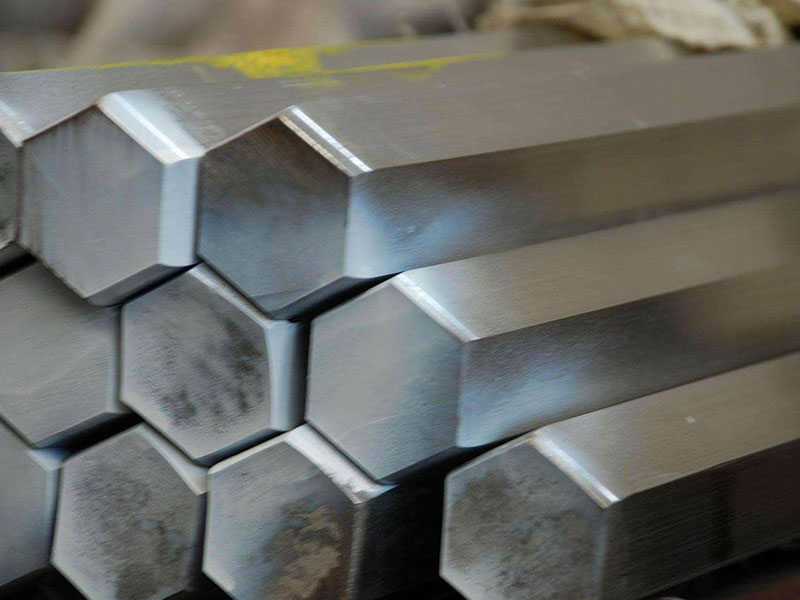
Marine aluminum hexagonal bars
Marine Grade Aluminum Hexagonal Bars are produced from premium corrosion-resistant aluminum alloys such as 5083, 5052, 6061, and 6082.
View Details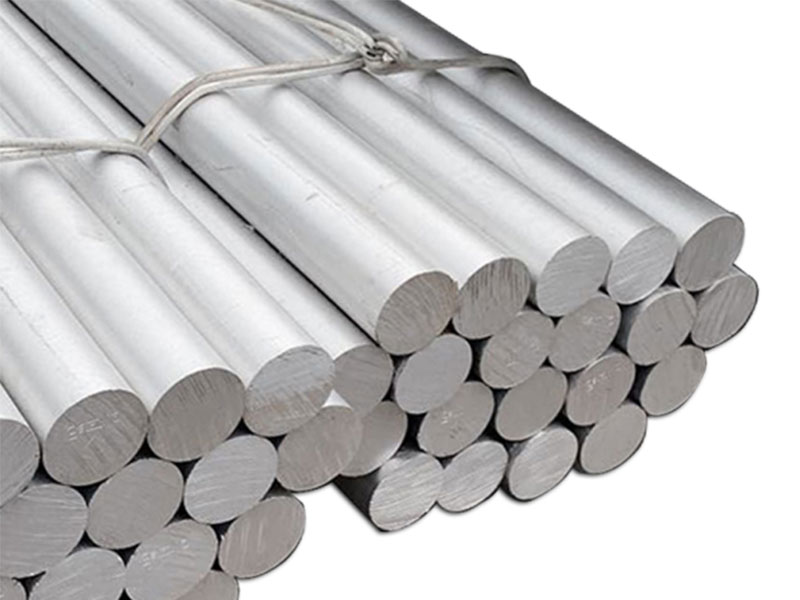
Marine grade aluminum solid bar
Marine Grade Aluminum Solid Bars are produced from premium aluminum alloys optimized for saltwater exposure, such as 5083, 5052, 6061, and 6082. These alloys offer unparalleled resistance to corrosion caused by seawater, salt spray, and marine atmospheres, while maintaining excellent mechanical strength and toughness.
View DetailsRelated Blog
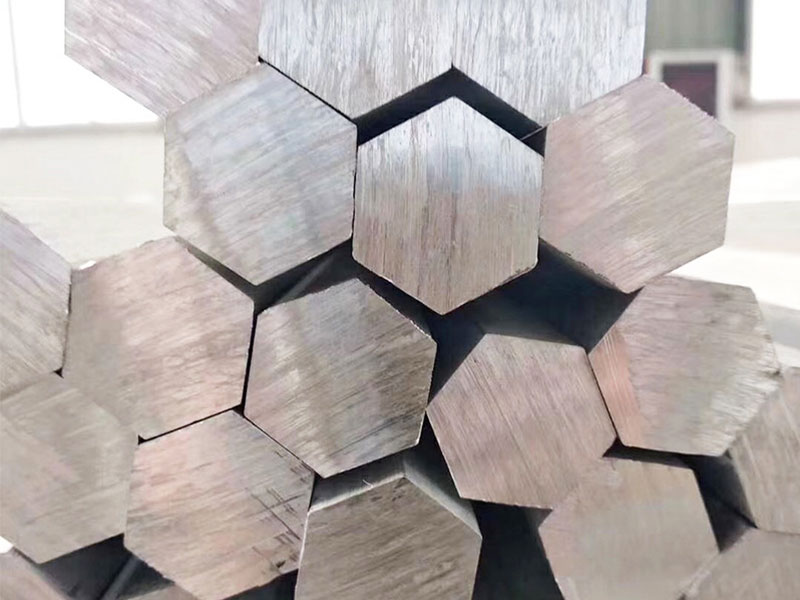
6082 Marine Grade Aluminum Solid Bar for Offshore Equipment Design
In the ever-evolving world of offshore equipment design, the demand for materials that showcase excellent mechanical properties, corrosion resistance, and weldability continues to rise.
View Details
6061 Marine Aluminum Hollow Bars for Seawater Resistant Boat Construction
Learn how 6061 marine aluminum hollow bars support lightweight boat frames, mast bases, rails, and fluid routes with temper, corrosion, welding, and standards guidance.
View Details
Marine Aluminum Hollow Bars for Custom Offshore Vessel Construction
Learn how marine aluminum hollow bars support lightweight, corrosion-resistant offshore vessel structures, fittings, piping supports, and custom machined parts.
View Details
5083 Marine Aluminum Hollow Bars for Offshore Marine Engineering
Offshore structures punish materials with a combination of chloride-rich seawater, cyclic loading, impact, abrasion, and temperature swings. In this environment, 5083 marine aluminum stands out as a workhorse alloy.
View Details
5083 Marine Aluminum Hexagonal Bars for Custom Shipbuilding Reinforcements
Custom shipbuilding reinforcements demand materials that stay reliable under saltwater exposure, cyclic wave loading, vibration, and tight fabrication schedules.
View Details
6061 Marine Aluminum Hexagonal Bars for Corrosion Resistant Marine Applications
6061 Marine Aluminum Hexagonal Bars for Corrosion Resistant Marine Applications: Unveiling the Technical Backbone of Modern Maritime EngineeringIn the demanding world of marine engineering.
View Details
Leave a Message