
5052 Marine Aluminum Hollow Bars for Durable Offshore Marine Parts
Offshore equipment rarely fails because a material looked weak on a drawing. Failure usually begins in less obvious places: trapped seawater inside a fitting, dissimilar-metal contact around a fastener, vibration at a support bracket, or a welded joint exposed to years of salt spray. This is where 5052 marine aluminum hollow bars offer a practical advantage. Their hollow geometry reduces unnecessary weight while retaining useful stiffness, and the 5052 alloy provides dependable resistance to marine atmospheres and seawater exposure.
Unlike a solid bar that may require extensive drilling or boring, an aluminum hollow bar starts with a central passage already formed. That saves machining time, reduces chip waste, and helps fabricators create lightweight offshore components with cleaner internal flow paths. It is a sensible material choice for handrails, pipe sleeves, standoffs, structural spacers, valve supports, cable-routing components, buoyancy-frame fittings, and non-pressure-bearing marine hardware.
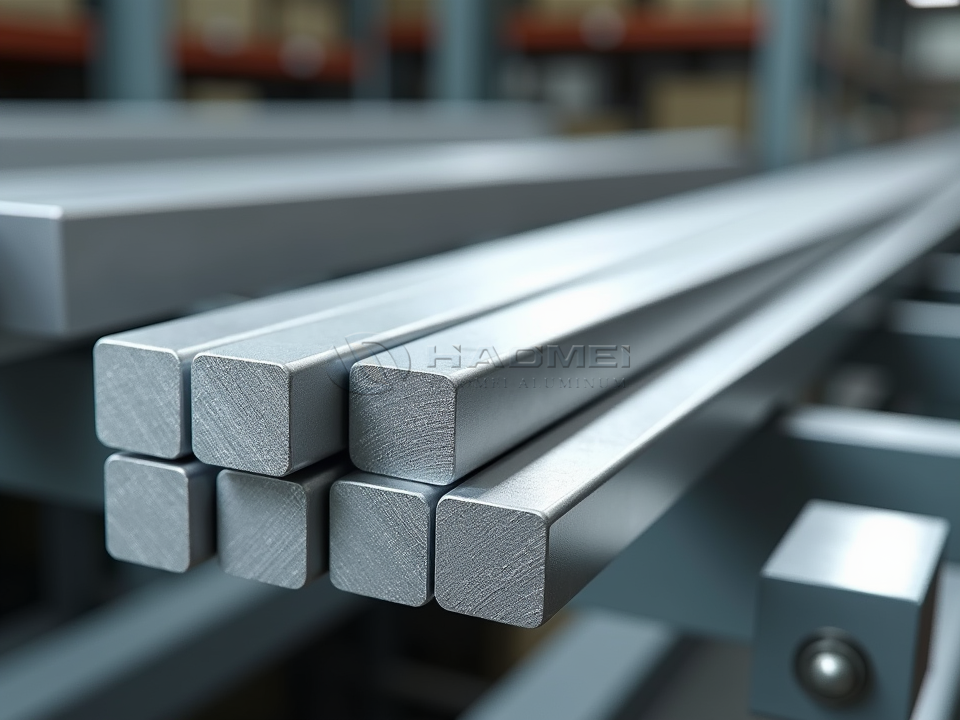
Why 5052 Performs Well Around Saltwater
5052 is an aluminum-magnesium alloy from the 5xxx series. It is non-heat-treatable, meaning its strength is mainly developed through cold working rather than solution heat treatment and aging. Magnesium gives the alloy good corrosion resistance, particularly in marine and industrial environments where moisture, chlorides, and fluctuating temperatures are common.
For offshore marine parts, corrosion resistance is often more valuable than maximum tensile strength. A very high-strength alloy can be less forgiving when welded, exposed to saltwater, or assembled next to stainless steel. 5052 balances moderate strength, good formability, weldability, and corrosion performance. It also has a lower density than steel, helping vessel builders reduce topside weight and making installation easier where lifting access is limited.
A hollow section adds another engineering benefit. When the diameter and wall thickness are selected properly, material is positioned away from the centerline, where it contributes more effectively to bending stiffness. In simple terms, a tubular component can resist bending efficiently without carrying the full weight of a solid round bar.
For projects requiring alternative profiles, our range of Marine aluminum hollow bars can support custom wall thicknesses, outside diameters, and cut-length requirements.
Chemical Composition of 5052 Aluminum
The chemical composition of 5052 is controlled to maintain corrosion resistance, workability, and stable mechanical behavior. Magnesium is the primary alloying element, while chromium supports resistance to certain corrosion mechanisms and improves grain structure control.
| Element | Composition, % by Weight |
|---|---|
| Silicon, Si | 0.25 max |
| Iron, Fe | 0.40 max |
| Copper, Cu | 0.10 max |
| Manganese, Mn | 0.10 max |
| Magnesium, Mg | 2.20-2.80 |
| Chromium, Cr | 0.15-0.35 |
| Zinc, Zn | 0.10 max |
| Titanium, Ti | 0.15 max |
| Other elements, each | 0.05 max |
| Other elements, total | 0.15 max |
| Aluminum, Al | Balance |
This controlled chemistry is one reason 5052 is widely specified for marine fabrication. The alloy develops a natural oxide film on its surface. When that film is not damaged by contamination or galvanic attack, it acts as a protective barrier against further corrosion.
Common Hollow Bar Parameters
5052 hollow bars are generally produced by extrusion and may be supplied as round tubes, thick-wall hollow sections, square tubes, rectangular hollows, or custom-machined tubular profiles. Final dimensions depend on extrusion capability, required tolerances, and the intended machining allowance.
| Parameter | Typical Supply Condition |
|---|---|
| Alloy | AA 5052 / EN AW-5052 |
| Product form | Extruded hollow bar, tube, thick-wall tube, custom hollow profile |
| Outside diameter | Approximately 10 mm to 250 mm, subject to tooling and mill capability |
| Wall thickness | Approximately 1.5 mm to 25 mm, depending on diameter and profile design |
| Standard length | Commonly 3 m, 4 m, 5 m, or 6 m |
| Cut length | Available to drawing or project requirement |
| Surface finish | Mill finish, brushed, polished, anodized, or machined finish |
| Straightness and tolerance | Controlled according to applicable standard and agreed drawing tolerances |
| Density | Approximately 2.68 g/cm³ |
| Electrical conductivity | Approximately 35% IACS, typical |
For offshore work, it is wise to specify more than outside diameter and wall thickness. The purchase requirement should also state temper, straightness, inside-diameter tolerance, surface quality, corrosion expectations, inspection documents, and whether the bar will be welded or heavily machined.
Temper Conditions and Mechanical Behavior
Because 5052 cannot be strengthened by T6-type heat treatment, its temper designation matters greatly. The selected temper affects bending, machining, forming, and resistance to deformation under service load.
| Temper | Typical Condition | Typical Use in Marine Parts |
|---|---|---|
| O | Fully annealed, soft condition | Deep forming, severe bending, formed sleeves |
| H32 | Strain hardened and stabilized, quarter-hard | General marine fittings, brackets, hollow members, fabricated hardware |
| H34 | Strain hardened and stabilized, half-hard | Parts needing higher strength with moderate forming capability |
| H36 | Higher strain-hardened condition | Stiffer sections with limited forming requirements |
| H112 | Slightly strain-hardened from hot working | Extruded sections and larger profiles where mill practice supports this temper |
Typical 5052-H32 material may offer tensile strength around 210-260 MPa and yield strength of approximately 130 MPa or higher, but actual values depend on section size, product form, and governing standard. For hollow bars, the mill test certificate should always take priority over general reference data. Engineers should not assume that sheet values apply directly to every extruded section.
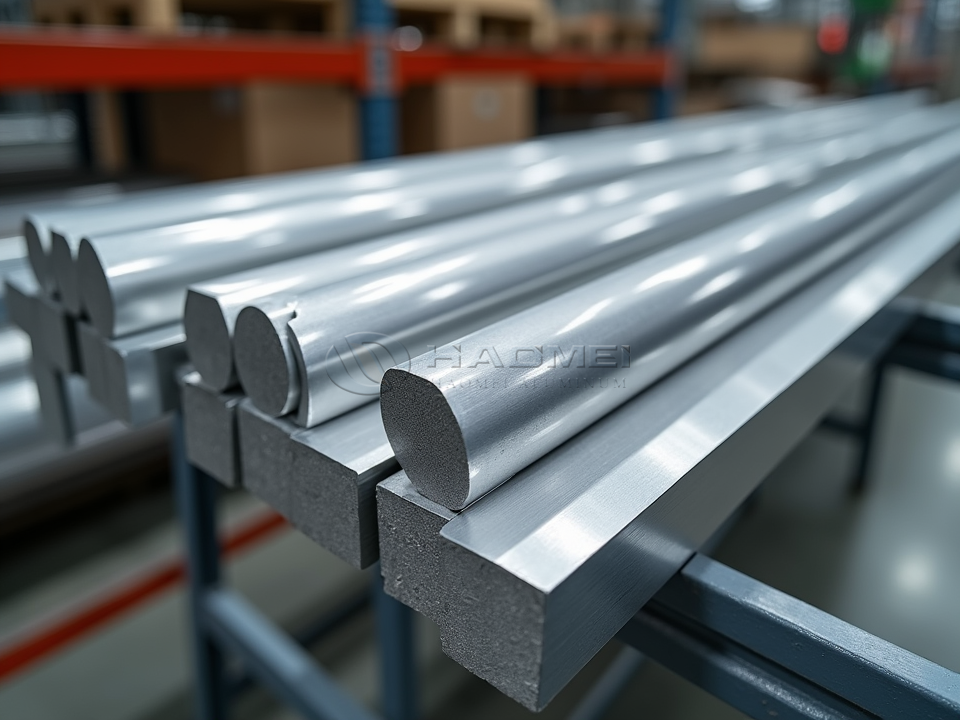
Standards and Documentation for Marine Use
A 5052 hollow bar can be produced to several widely recognized material standards, depending on destination market and product form. ASTM B221 is commonly referenced for aluminum-alloy extruded bars, rods, wire, profiles, and tubes. EN 755-2 may be used for mechanical-property requirements of extruded products, while EN 573-3 is frequently used for chemical composition designation.
Marine fabricators may also work under welding and construction requirements such as AWS D1.2 for aluminum structural welding, ISO 10042 for weld quality levels, or project rules from classification organizations. These standards do not automatically make every bar suitable for every vessel or offshore installation. Instead, they establish the framework for material traceability, fabrication quality, inspection, and acceptance.
A robust procurement package can request an EN 10204 3.1 material certificate, chemical analysis, mechanical test results, heat number traceability, dimensional inspection records, and surface-condition confirmation. For critical offshore assemblies, ultrasonic testing, dye penetrant inspection of machined areas, or project-specific corrosion testing may also be appropriate.
Fabrication Notes That Protect Service Life
5052 marine aluminum hollow bars are readily welded using suitable 5xxx-series filler metals, commonly 5356 or 5556 when the design and service temperature permit. Cleanliness matters. Oil, moisture, steel particles, and shop dust can introduce defects or corrosion sites. Use dedicated stainless steel brushes and aluminum-only grinding tools where possible.
Avoid sealing moisture inside hollow components. Drain holes, venting paths, end-cap design, and accessible cleaning routes can have a greater influence on long-term durability than a small increase in wall thickness. If stainless fasteners, bronze hardware, or carbon steel supports contact the aluminum, use insulating washers, sleeves, coatings, or isolation pads to reduce galvanic corrosion risk.
Where bending loads are high but machining is minimal, a tubular bar may be more efficient than a Marine grade aluminum solid bar. Where threads, deep holes, or concentrated loads dominate the design, a solid section can still be the better choice. The best option depends on load path, corrosion exposure, fabrication method, and access for maintenance.
A Practical Choice for Lightweight Offshore Hardware
5052 marine aluminum hollow bars bring together corrosion resistance, weldability, manageable strength, and weight-saving geometry. They are especially effective when a component must survive wet, salty conditions without adding unnecessary mass to a boat, dock system, offshore platform, or coastal installation.
With the correct temper, documented chemistry, controlled dimensions, and careful isolation from dissimilar metals, 5052 hollow bars can deliver dependable service in demanding marine environments. Their value is not simply that they are aluminum tubes. Their value lies in giving engineers a durable structural form that is easier to fabricate, easier to install, and better suited to the realities of offshore exposure.

Related Products
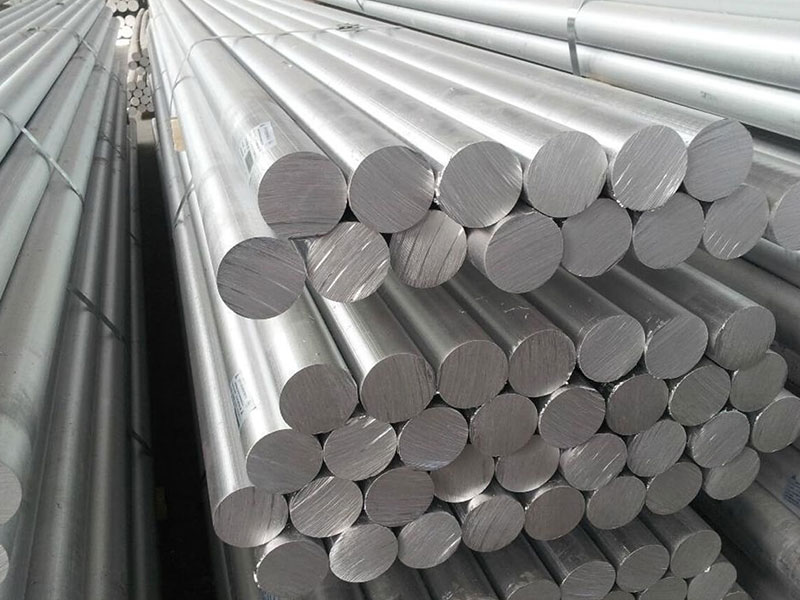
6082 marine aluminum rod & bar
6082 Aluminum Rods & Bars are extruded or rolled products manufactured from 6082 aluminum alloy — a thermally treated (typically T6 temper) aluminum-magnesium-silicon alloy that balances high tensile strength, good weldability, and excellent corrosion resistance.
View Details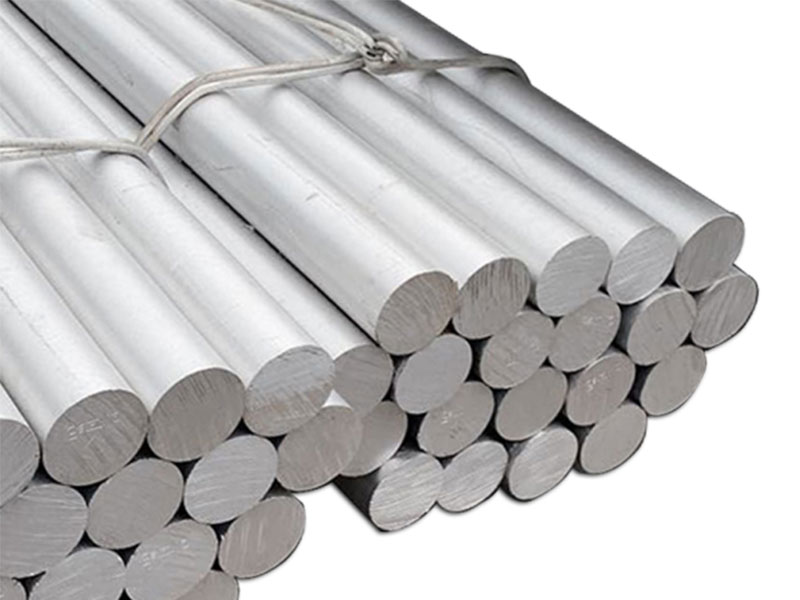
Marine grade aluminum solid bar
Marine Grade Aluminum Solid Bars are produced from premium aluminum alloys optimized for saltwater exposure, such as 5083, 5052, 6061, and 6082. These alloys offer unparalleled resistance to corrosion caused by seawater, salt spray, and marine atmospheres, while maintaining excellent mechanical strength and toughness.
View Details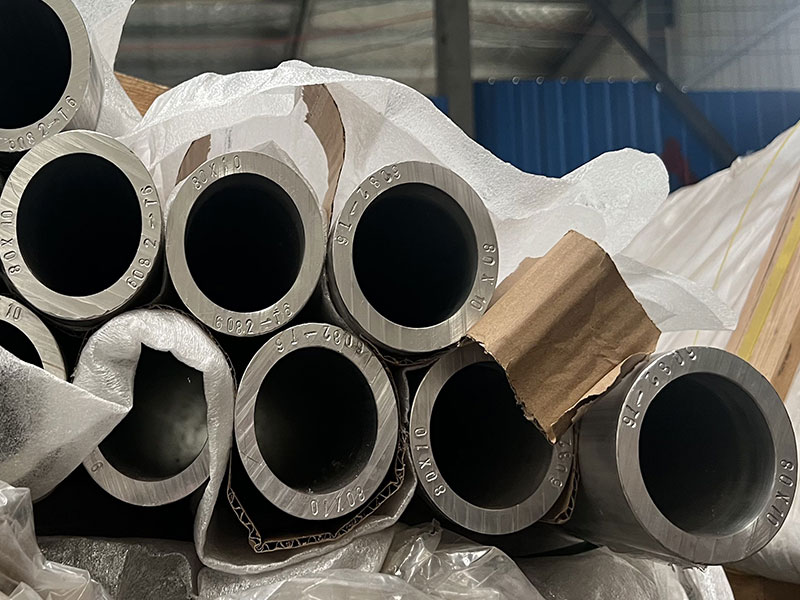
Marine aluminum hollow bars
Marine Grade Aluminum Hollow Bars are fabricated from high-quality alloys such as 5083, 5052, 6061, and 6082, all known for their exceptional resistance to seawater corrosion, salt spray, and marine atmospheres.
View Details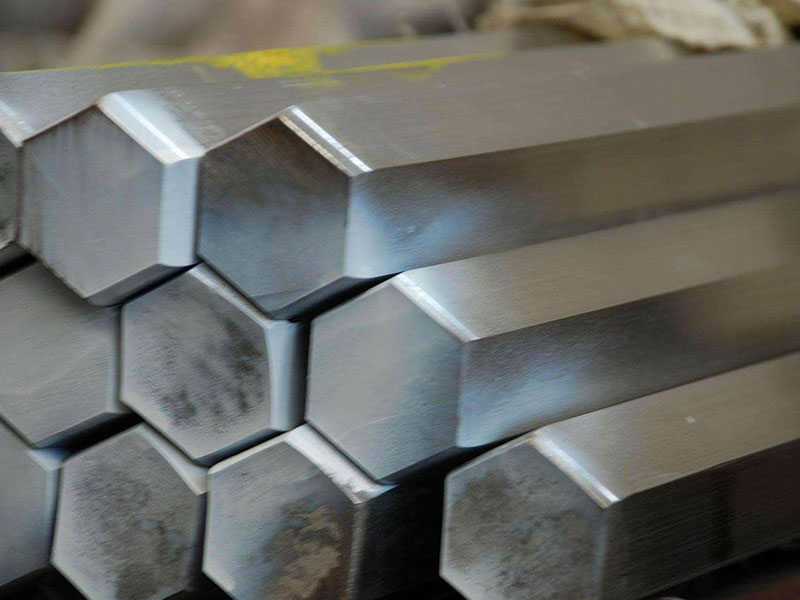
Marine aluminum hexagonal bars
Marine Grade Aluminum Hexagonal Bars are produced from premium corrosion-resistant aluminum alloys such as 5083, 5052, 6061, and 6082.
View DetailsRelated Blog
5083 Marine Aluminum Hexagonal Bars for Ship Hull and Deck Fabrication
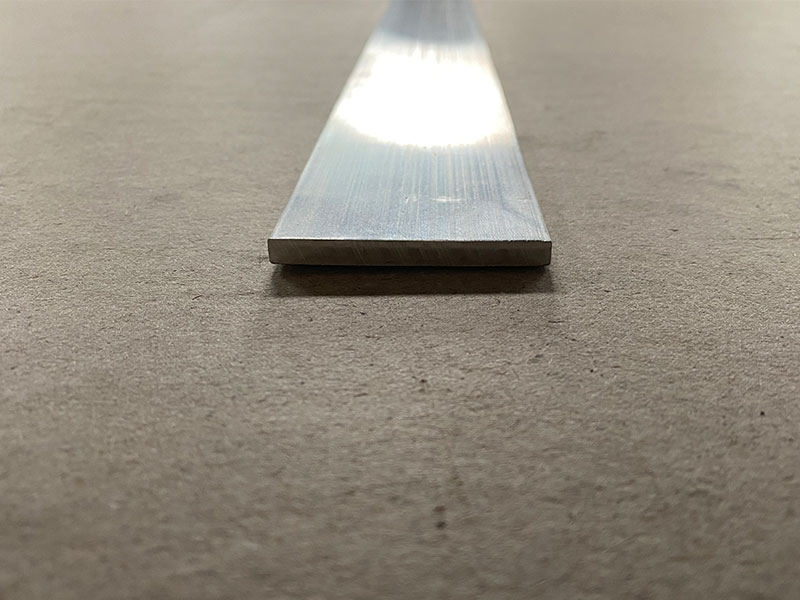
In the demanding world of marine construction and shipbuilding, material performance defines safety, durability, and operational efficiency. 5083 Marine Aluminum Hexagonal Bars have emerged as a premium solution for ship hull and deck fabrication.
View Details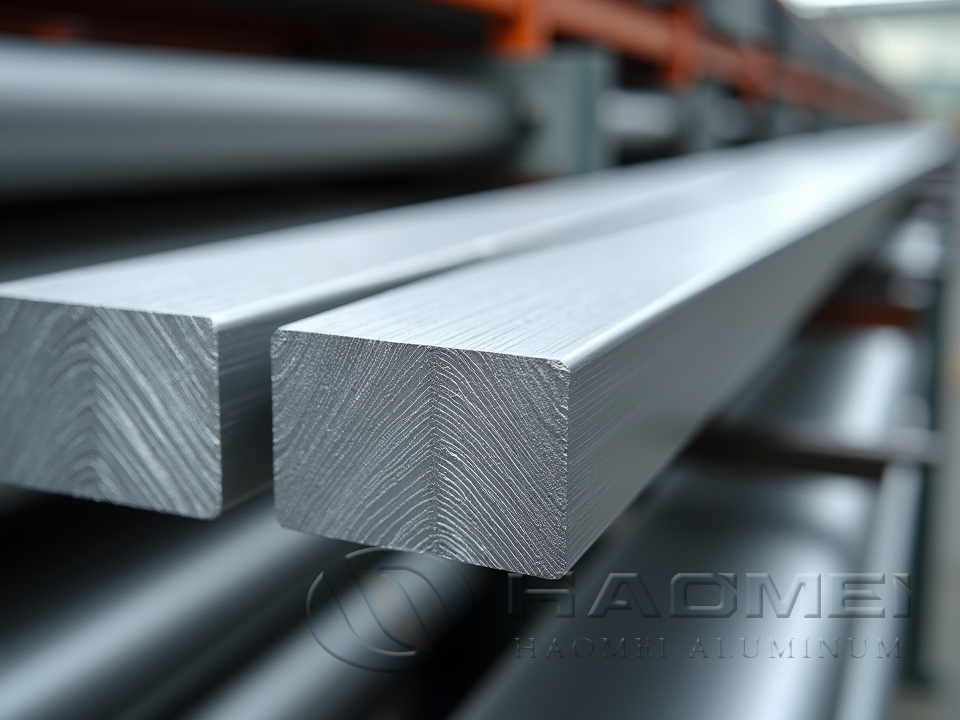
5083 Marine Aluminum Hexagonal Bars for Durable Marine Engineering Parts
5083 marine aluminum hexagonal bars deliver seawater resistance, machinability, and stable strength for boat fittings, shafts, brackets, and deck parts.
View Details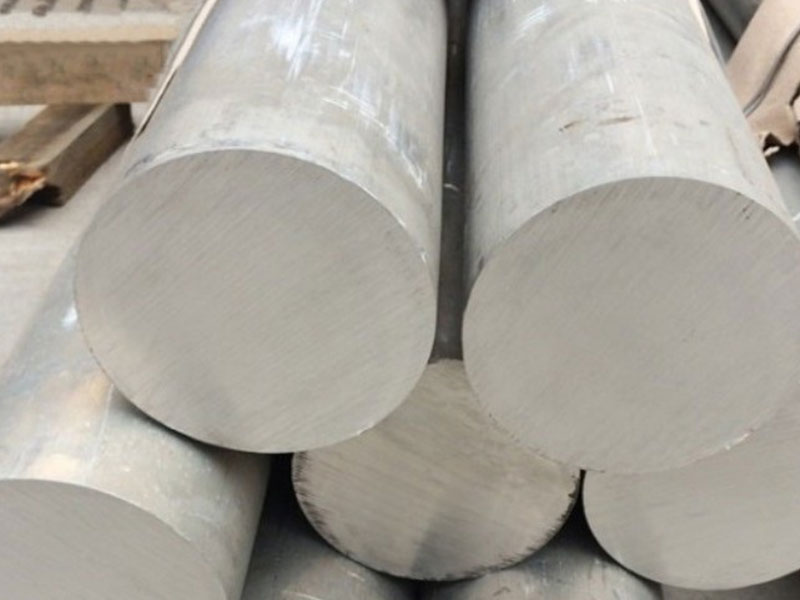
6082 Marine Aluminum Bar for Custom Boat Fabrication and Reinforcement
When it comes to custom boat fabrication and structural reinforcement in marine environments, material choice is paramount. The 6082 Marine Aluminum Bar stands out as a superior solution that combines strength, corrosion resistance.
View Details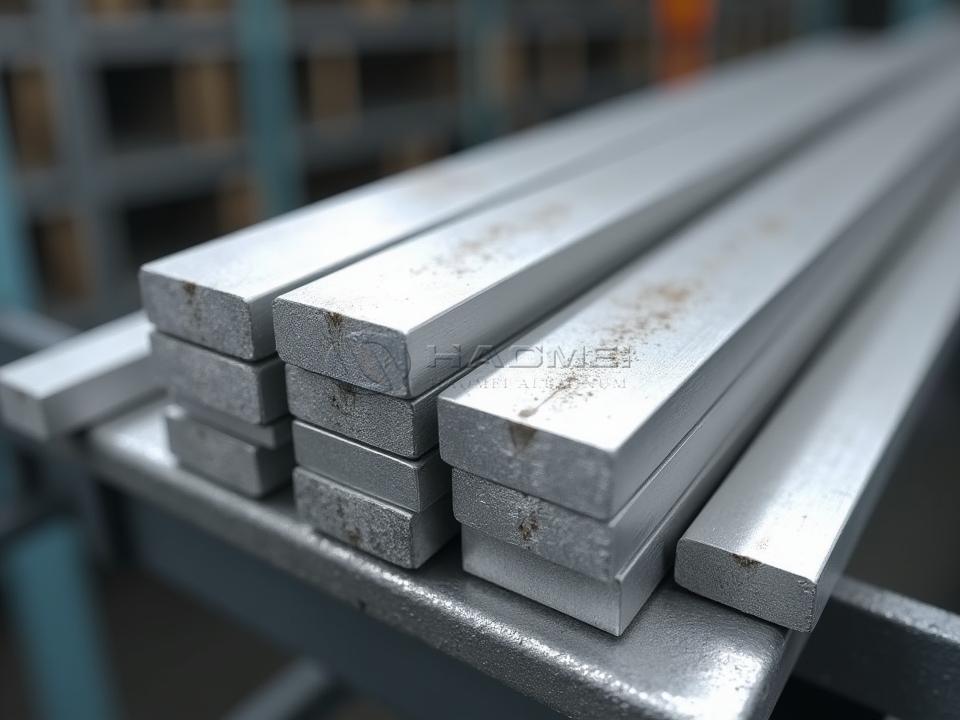
6061 Marine Aluminum Hollow Bars for Seawater Resistant Boat Construction
Learn how 6061 marine aluminum hollow bars support lightweight boat frames, mast bases, rails, and fluid routes with temper, corrosion, welding, and standards guidance.
View Details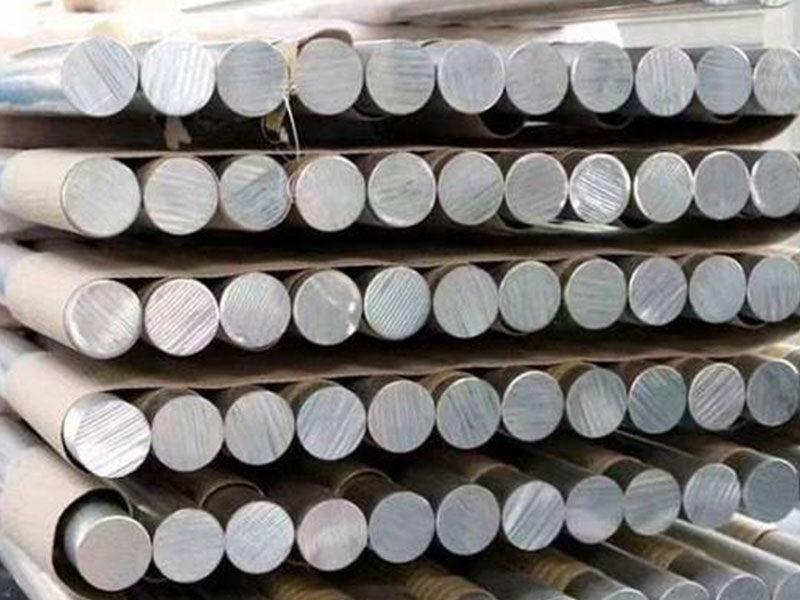
6061 Marine Aluminum Hollow Bars for Custom Marine Platform Solutions
6061 Marine Aluminum Hollow Bars for Custom Marine Platform Solutions: The "Quiet Engineering" Inside Every Deck, Frame, and WalkwayWhen people picture a marine platform, they usually see the surface: the deck plates, the railings, the tidy weld beads.
View Details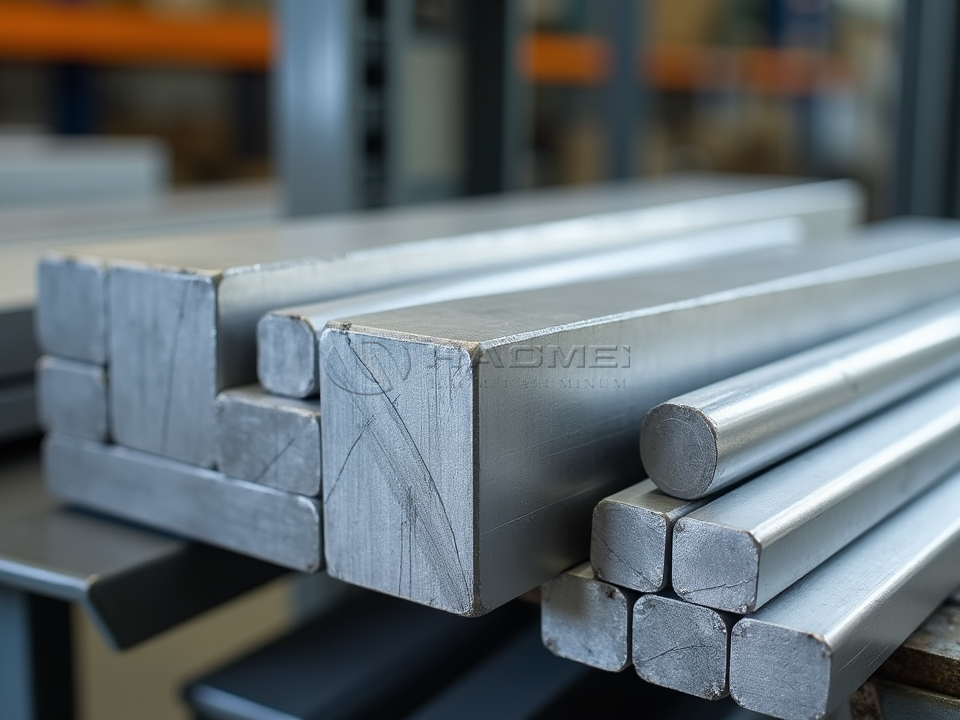
6061 Marine Grade Aluminum Solid Bar for Marine Equipment Customization
6061 marine grade aluminum solid bar offers strength, machinability, and corrosion control for custom boat fittings, frames, shafts, and deck hardware parts.
View Details
Leave a Message