
6082 Marine Aluminum Hollow Bars For Lightweight Boat Reinforcements
Modern boatbuilding asks every structural part to do more with less weight. A reinforcement member must resist flexing, vibration, spray, salt deposits, and repeated loading, yet it should not make the hull sluggish or difficult to trim. 6082 marine aluminum hollow bars answer this demand with a strong Al-Mg-Si alloy structure and a weight-saving hollow profile that suits frames, rails, braces, deck supports, and custom marine hardware.
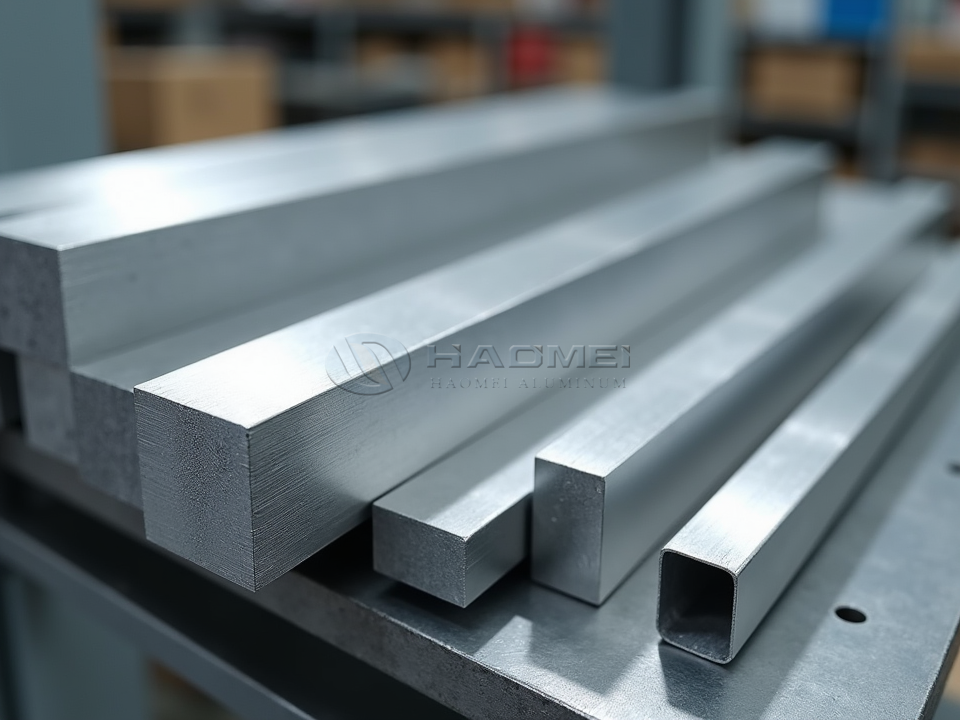
6082 is one of the strongest alloys in the 6000 series. In T6 or T651 temper, it offers a practical balance of tensile strength, stiffness, corrosion performance, machinability, and weldability. When produced as hollow bar, the material places metal where it works hardest, near the outer wall. This gives boat designers a high strength-to-weight ratio without the excess mass of a solid section.
For builders comparing profiles across Marine Grade Aluminum Bars, 6082 hollow bar is often selected when reinforced geometry, accurate machining, and dependable load transfer are required in the same component.
Why 6082 Works Well in Marine Reinforcement
The hollow form is more than a way to reduce material. It improves structural efficiency. A round, square, or rectangular hollow bar can resist bending and torsion while staying lighter than an equivalent solid bar. This is valuable in small craft, patrol boats, workboats, pontoons, catamarans, and aluminum yachts where every kilogram influences fuel use, acceleration, and stability.
6082 contains magnesium and silicon as its main alloying elements, with manganese added to improve strength and grain control. The result is a heat-treatable alloy that performs well in precision structural parts. Compared with softer marine alloys, 6082 gives better resistance to denting and deformation under concentrated loads, making it suitable for reinforcement zones around decks, cabins, transoms, hatches, engine beds, ladders, and equipment mounts.
Typical Chemical Composition
| Element | Typical Range, wt.% | Function in Marine Use |
|---|---|---|
| Aluminum | Balance | Light base metal with natural oxide protection |
| Magnesium | 0.60-1.20 | Strength and corrosion resistance through Mg-Si phases |
| Silicon | 0.70-1.30 | Heat-treatable strength and improved extrudability |
| Manganese | 0.40-1.00 | Grain control and higher structural stability |
| Iron | 0.50 max | Controlled impurity for surface and toughness consistency |
| Chromium | 0.25 max | Supports grain structure in some production routes |
| Zinc | 0.20 max | Limited to maintain corrosion behavior |
| Copper | 0.10 max | Kept low for better marine corrosion resistance |
| Titanium | 0.10 max | Grain refinement during casting |
This chemistry makes 6082 suitable for anodizing, protective coating, welding, cutting, drilling, turning, and CNC machining. For seawater service, correct design and surface treatment remain important, especially around crevices, dissimilar metal contact, and zones where saltwater may stand without drainage.
Mechanical Performance
| Property | 6082-T6 / T651 Typical Value | Benefit for Boat Reinforcement |
|---|---|---|
| Tensile strength | 290-340 MPa | Handles deck, rail, frame, and bracket loads |
| Yield strength | 240-300 MPa | Resists permanent bending in service |
| Elongation | 8-12% | Offers workable ductility for fabrication |
| Elastic modulus | About 69 GPa | Predictable stiffness in structural calculations |
| Density | About 2.70 g/cm³ | Roughly one-third the density of steel |
| Hardness | Around 90-105 HB | Good resistance to wear and surface marking |
| Thermal conductivity | About 170 W/m·K | Helps disperse heat in hardware assemblies |
Values vary with size, wall thickness, production route, and temper certification. For critical structures, buyers should request mill test certificates and verify the required standard, tolerance class, and inspection level.
Hollow Bar Shapes and Design Choices
6082 marine aluminum hollow bars are commonly supplied in round, square, and rectangular sections. Round hollow bars are favored for handrails, stanchions, ladders, bimini frames, and curved assemblies. Square hollow bars are easy to align, clamp, weld, and bolt, so they are widely used for frame reinforcement, deck supports, and modular boat structures. Rectangular hollow bars provide directional stiffness, making them useful when bending loads are stronger in one direction.
| Profile | Common Marine Role | Design Advantage |
|---|---|---|
| Round hollow bar | Rails, ladders, support posts, guard frames | Smooth handling, good torsion resistance, clean appearance |
| Square hollow bar | Deck frames, hatch supports, equipment bases | Easy fit-up, flat welding faces, stable alignment |
| Rectangular hollow bar | Stringer support, cabin framing, long braces | High stiffness along selected axis |
| Thick-wall hollow bar | Machined fittings, pins with bore, reinforced joints | Allows threading, boring, slotting, and heavy fastening |
For customers needing broader alloy and profile options, Marine aluminum hollow bars can be matched to different hull zones, load ratings, and fabrication methods.
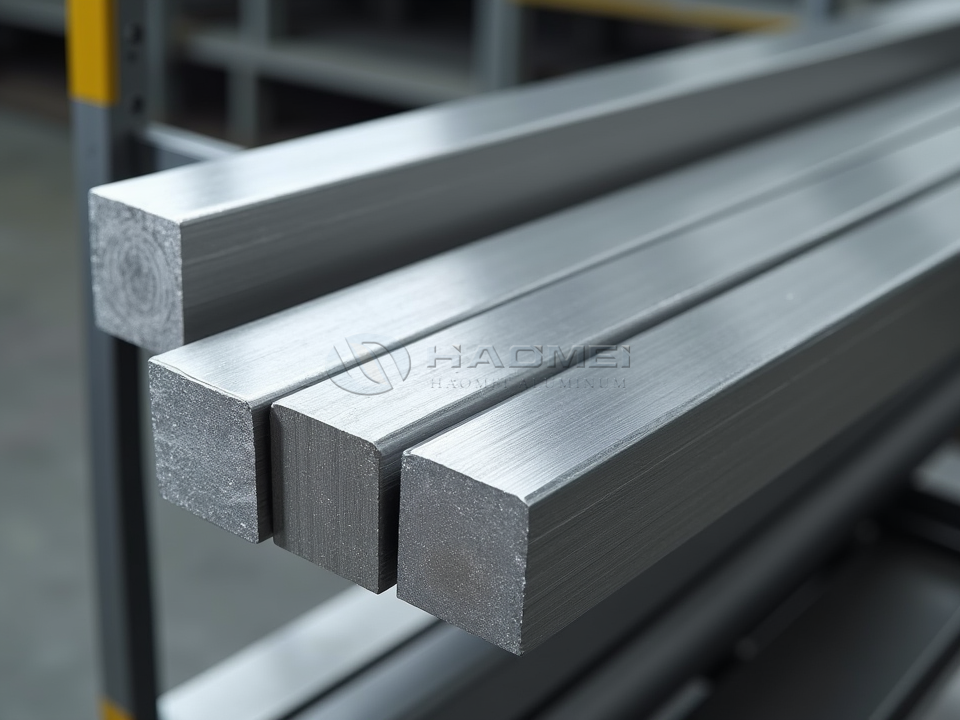
Performance Features Customers Notice
The first advantage is weight reduction. Replacing selected steel or solid aluminum members with 6082 hollow bars can reduce mass while maintaining practical stiffness. This can improve payload, fuel economy, planing response, and ease of installation.
The second advantage is strength. 6082-T6 has enough yield strength for demanding boat reinforcement tasks, particularly where a part must hold shape under repeated vibration, wave impact, and crew movement. The hollow section also improves resistance to bending for its weight.
The third advantage is fabrication flexibility. 6082 can be saw-cut, milled, drilled, tapped, countersunk, bored, and welded. It accepts anodizing and powder coating for added protection and appearance. For welded parts, designers should remember that the heat-affected zone loses some T6 strength; reinforcement layout, weld size, and post-weld design margins should account for this.
The fourth advantage is corrosion performance. 6082 forms a stable oxide film in air and performs well in many marine environments when properly maintained. For saltwater boats, best practice includes drainage holes, sealed end caps when needed, isolation from copper alloys or carbon steel, and protective washers or sealants at fastener points.
Applications in Lightweight Boat Structures
6082 marine aluminum hollow bars are used wherever reinforcement must be strong, neat, and light. In hull and deck construction, they support floor grids, hatch openings, cockpit edges, and raised platforms. In cabins, they help form lightweight frames for doors, windows, roof supports, and interior partitions. Around the transom, properly engineered hollow sections can reinforce auxiliary brackets, boarding platforms, and service steps.
For deck hardware, 6082 hollow bar is a good fit for handrails, guardrails, ladder frames, davit supports, canopy frames, rod holder bases, and removable racks. The clean machinability of the alloy helps produce accurate holes and end details, which reduces installation time and improves repeatability across boat series production.
Workboats and patrol craft benefit from the alloy where rugged, serviceable structures are required. Pontoon boats and leisure craft benefit from the lower weight and clean surface finish. Aluminum fishing boats use hollow bars in casting decks, leaning posts, T-top supports, and accessory mounts, especially when the builder wants a balance between appearance and toughness.
Ordering and Fabrication Notes
When specifying 6082 marine aluminum hollow bars, customers should define alloy, temper, outside dimensions, wall thickness, length, tolerance, surface finish, and any certification needs. If the part will be machined, extra stock allowance may be needed. If the bar will be welded into a frame, wall thickness should allow sound weld penetration without excessive heat distortion.
Surface finish can be mill finish, brushed, anodized, powder coated, or custom prepared for painting. For visible deck hardware, anodizing gives a clean metallic appearance and added surface protection. For concealed reinforcement, mill finish or coated finish may be selected based on cost, exposure, and maintenance plan.
End treatment also matters. Open hollow ends can collect moisture, salt, and debris. Depending on the design, builders may use drain paths, welded closures, plastic caps, or sealant. In marine service, trapped water is often more damaging than occasional spray, so good drainage is a simple but powerful design habit.
A Smart Material for Efficient Boatbuilding
6082 marine aluminum hollow bars give boatbuilders a practical path to lighter reinforcement without sacrificing strength or fabrication quality. They combine a strong heat-treated alloy with efficient hollow geometry, making them suitable for frames, supports, rails, brackets, and custom marine hardware. With the right profile, surface protection, and installation practice, they help create vessels that are stronger, cleaner, easier to handle, and better prepared for long service on the water.

Related Products
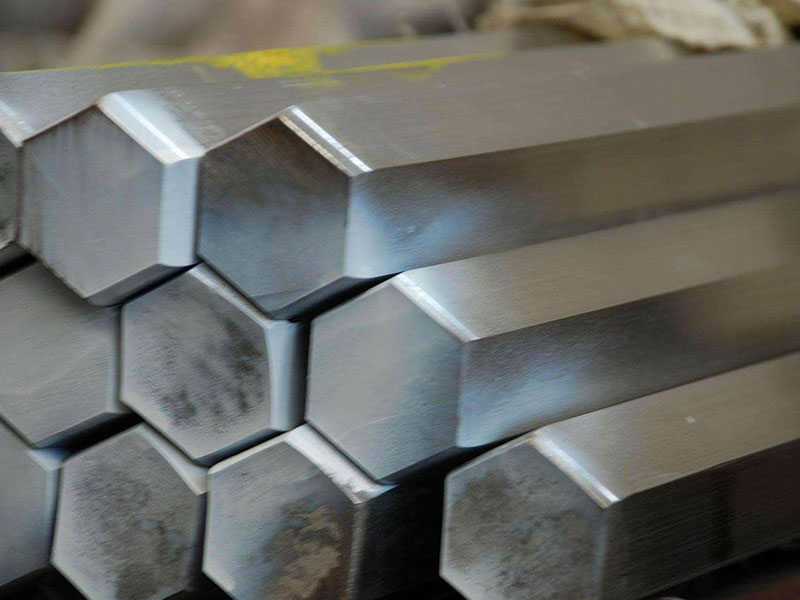
Marine aluminum hexagonal bars
Marine Grade Aluminum Hexagonal Bars are produced from premium corrosion-resistant aluminum alloys such as 5083, 5052, 6061, and 6082.
View Details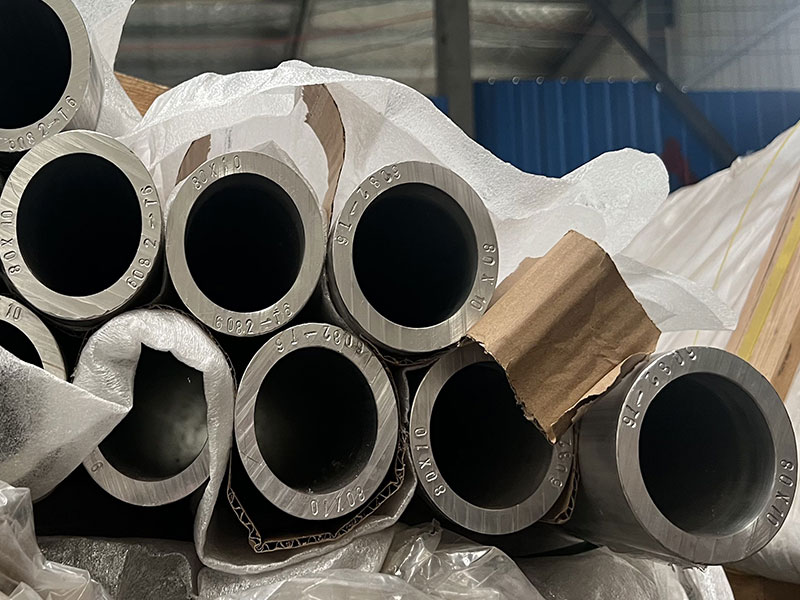
Marine aluminum hollow bars
Marine Grade Aluminum Hollow Bars are fabricated from high-quality alloys such as 5083, 5052, 6061, and 6082, all known for their exceptional resistance to seawater corrosion, salt spray, and marine atmospheres.
View Details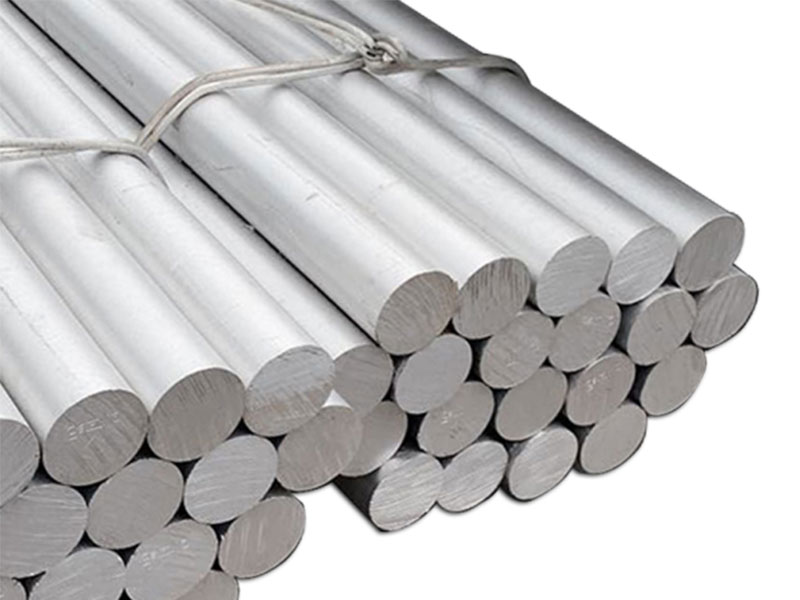
Marine grade aluminum solid bar
Marine Grade Aluminum Solid Bars are produced from premium aluminum alloys optimized for saltwater exposure, such as 5083, 5052, 6061, and 6082. These alloys offer unparalleled resistance to corrosion caused by seawater, salt spray, and marine atmospheres, while maintaining excellent mechanical strength and toughness.
View Details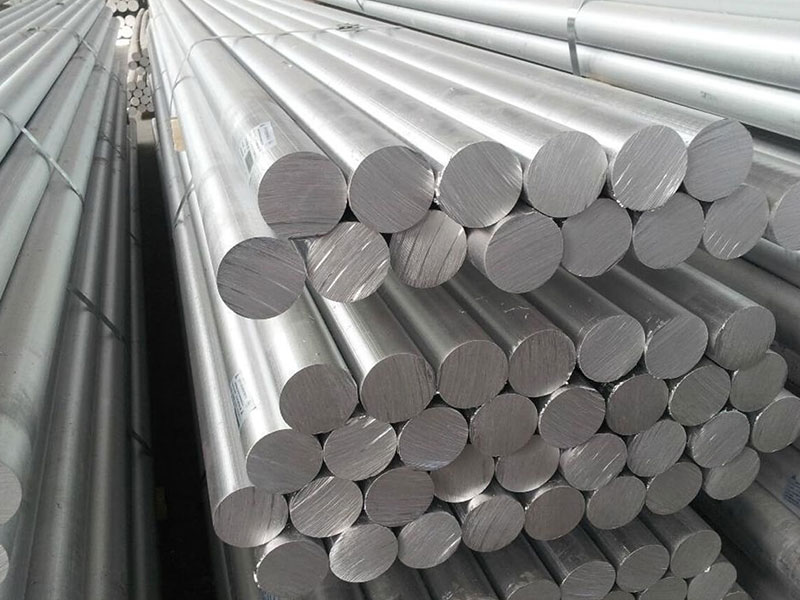
6082 marine aluminum rod & bar
6082 Aluminum Rods & Bars are extruded or rolled products manufactured from 6082 aluminum alloy — a thermally treated (typically T6 temper) aluminum-magnesium-silicon alloy that balances high tensile strength, good weldability, and excellent corrosion resistance.
View DetailsRelated Blog
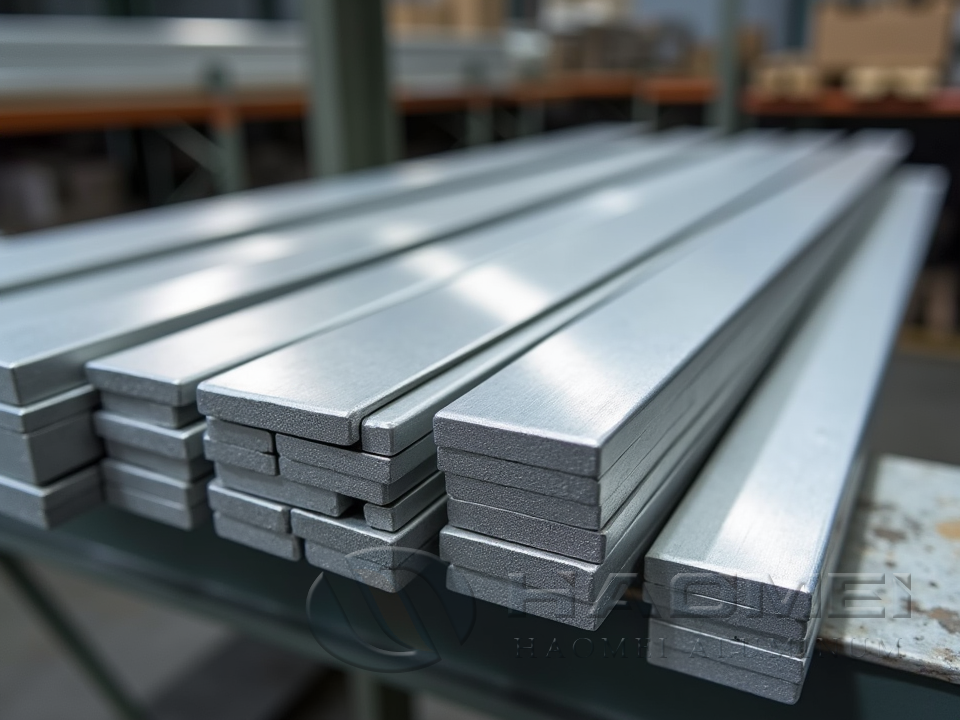
5052 Marine Aluminum Hexagonal Bars for Custom Boat Hull Reinforcement
Learn how 5052 marine aluminum hexagonal bars reinforce custom boat hulls with corrosion resistance, weldability, stable tempers, and practical machining.
View Details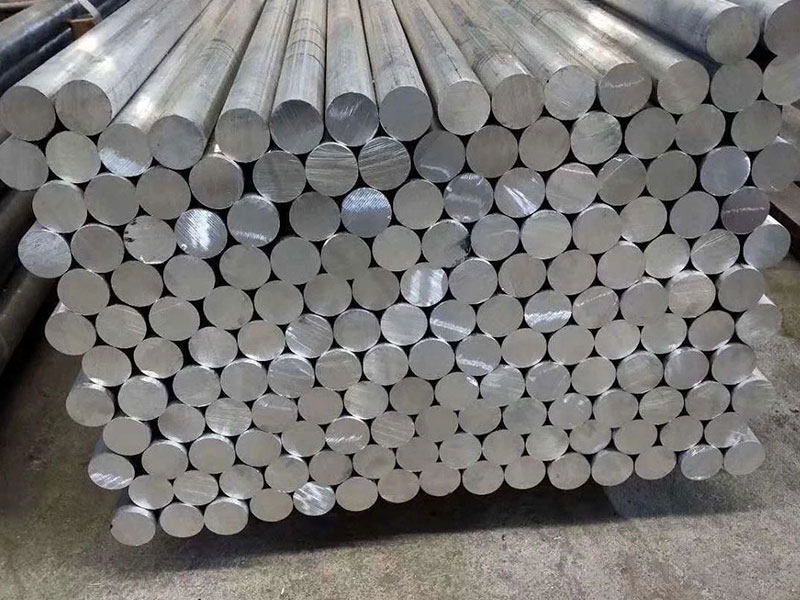
6061 Marine Grade Aluminum Solid Bar for Marine Vessel Frame Parts
The 6061 Marine Grade Aluminum Solid Bar is a premium-quality aluminum alloy widely recognized for its exceptional strength, corrosion resistance, and versatility.
View Details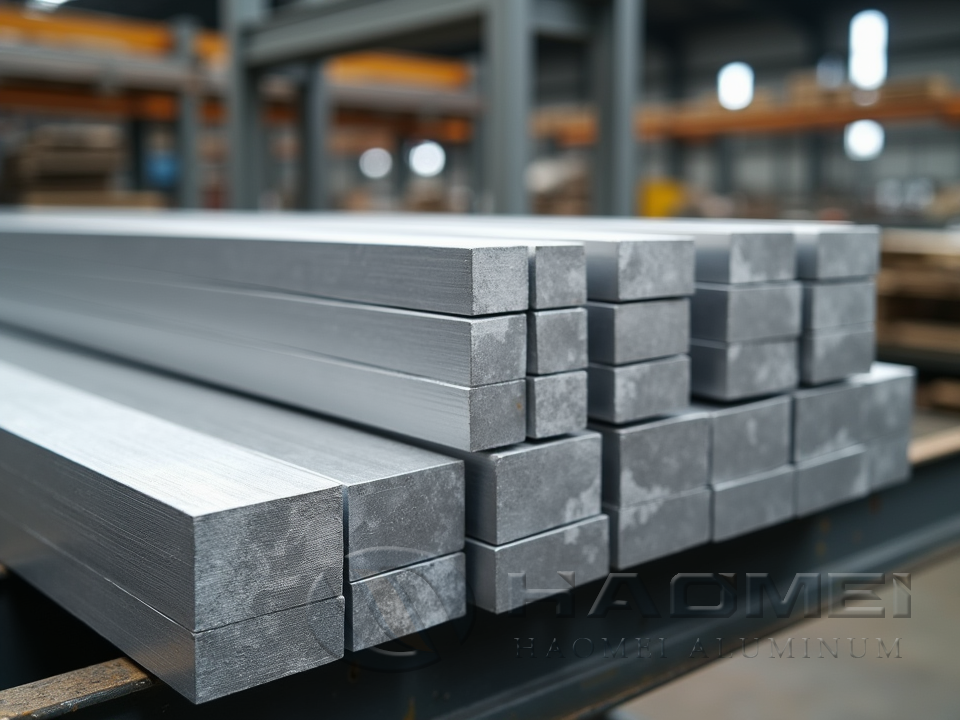
5052 Marine Aluminum Hexagonal Bars for Industrial Marine Fabrication
Practical guide to 5052 marine aluminum hexagonal bars, covering corrosion resistance, specifications, fabrication behavior, and industrial marine uses.
View Details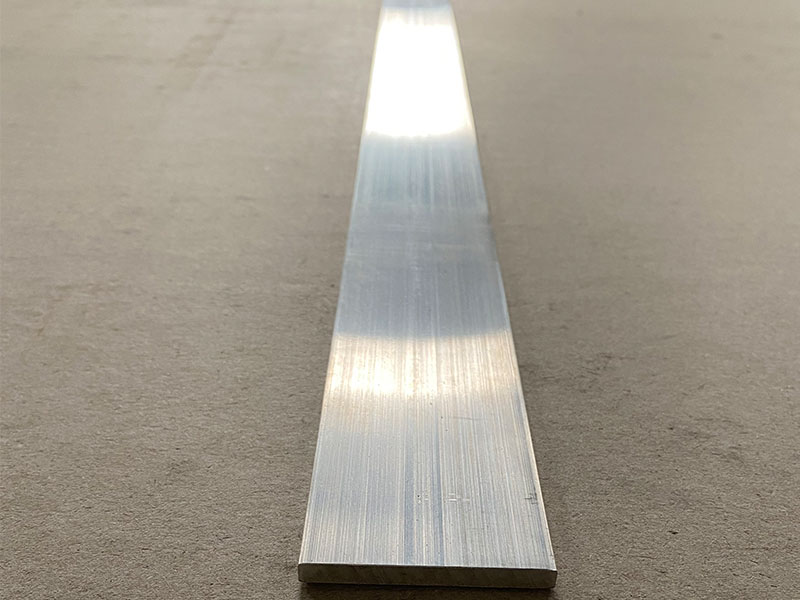
5052 Marine Grade Aluminum Solid Bar for Marine Component Durability
5052 Marine Grade Aluminum Solid Bar: A Durability Mindset, Not Just a Material ChoiceShipbuilders rarely talk about aluminum as “just metal.” In modern marine engineering, 5052 marine grade aluminum solid bar is more like a design philosophy: a .
View Details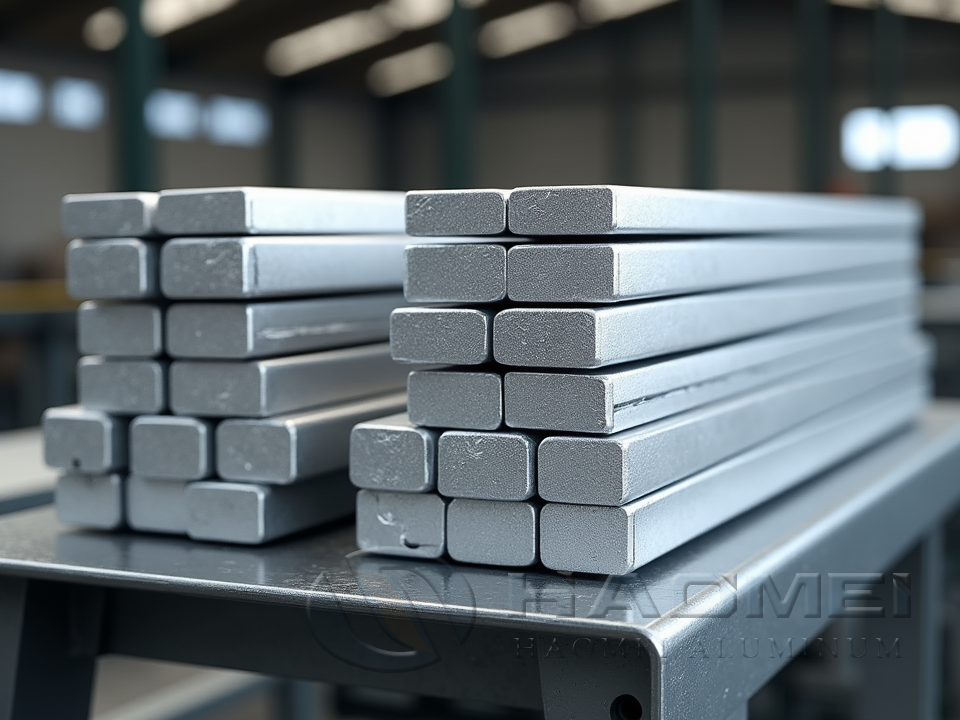
Marine Aluminum Hexagonal Bars for Coastal Boat Design and Customization
Marine aluminum hexagonal bars for coastal boats, covering alloys, tempers, corrosion resistance, machining uses, standards, and custom size options for builds.
View Details
6082 Marine Grade Aluminum Solid Bar for Offshore Equipment Design
In the ever-evolving world of offshore equipment design, the demand for materials that showcase excellent mechanical properties, corrosion resistance, and weldability continues to rise.
View Details
Leave a Message