
Aluminum plate marine
When people talk about marine vessels, they usually focus on engines, navigation systems, or hull design. Yet one of the most decisive materials on the water is often hidden in plain sight: aluminum plate marine. It is not simply a sheet of metal adapted for boats. From a technical point of view, marine aluminum plate is a carefully engineered structural material designed to survive a difficult combination of saltwater corrosion, cyclic stress, impact, humidity, and long-term exposure to harsh environments.
A distinctive way to understand marine aluminum plate is to see it not as a passive material, but as an active contributor to vessel performance. It affects weight distribution, fuel efficiency, welding reliability, maintenance frequency, service life, and even the comfort of the people onboard. In fast ferries, patrol boats, fishing vessels, yachts, offshore platforms, and port equipment, the right aluminum plate does much more than "hold shape." It influences how the entire structure behaves at sea.
Why Marine Aluminum Plate Matters on the Water
Marine environments are unforgiving. Seawater contains chlorides that accelerate corrosion. Waves create repeated dynamic loads. Temperature differences between day and night cause expansion and contraction. Traditional steel offers strength, but it adds significant weight and requires extensive anti-corrosion protection. Marine aluminum plate offers a different balance.
Its most recognized advantage is high strength-to-weight ratio. Compared with many traditional materials, marine aluminum plate can reduce structural weight substantially, helping vessels achieve better speed, lower fuel consumption, and higher payload efficiency. Lightweight construction also improves maneuverability, which is especially valuable for high-speed craft and working boats.
Another major function is natural corrosion resistance. Aluminum forms a stable oxide film on its surface, which helps protect the substrate from further attack. In marine-grade alloys, this resistance is enhanced through carefully controlled alloy composition, especially magnesium and manganese content. That is why marine aluminum plate is widely chosen for hulls, superstructures, decks, bulkheads, gangways, tanks, and shipbuilding components exposed to seawater or humid marine air.
A Material That Balances Strength and Workability
One overlooked benefit of aluminum plate marine products is that they combine structural integrity with good manufacturability. In practical shipbuilding, the material must not only resist the sea but also be easy to cut, bend, form, and weld. This is where marine aluminum alloys stand out.
Common alloys used in marine plate include 5083, 5086, 5052, 5383, and 6061, though 5xxx series alloys are the most typical for direct marine exposure. These alloys are aluminum-magnesium systems, valued for corrosion resistance and weldability.
Among them, 5083 marine aluminum plate is often considered a benchmark material for ship hulls. It offers strong resistance to seawater corrosion and retains good mechanical strength after welding. 5086 aluminum plate marine grade is also popular for similar reasons, especially in small and medium vessels, while 5052 is frequently used in less demanding marine fabrications, interior structures, and tanks. 6061 can appear in certain structural parts, but compared with 5xxx alloys, it is usually less favored for long-term direct seawater immersion.
Typical Applications in the Marine Industry
The applications of marine aluminum plate are broad because the material serves both structural and functional roles. In hull construction, it provides a lightweight shell that reduces displacement while maintaining sufficient strength. In decks and superstructures, it lowers the vessel's center of gravity burden, which can improve stability and efficiency.
Marine aluminum plate is commonly used for:
- hull plating for boats, ferries, and work vessels
- deck plates, bulkheads, and cabin structures
- shipbuilding floors, gangways, and ramps
- fuel tanks, storage tanks, and marine containers
- offshore structures and floating platforms
- port machinery and coastal engineering components
- yacht interiors and decorative marine panels where low weight is desirable
A useful perspective is that aluminum plate marine applications are often selected not only for corrosion resistance, but for lifecycle economics. Lower maintenance, less repainting, reduced fuel consumption, and easier fabrication can offset the initial material cost over time.
Alloy Temper and What It Means in Practice
Customers often see designations like H111, H112, H116, H321, or T6 and wonder what they really mean. These temper conditions are not marketing labels. They indicate how the material has been mechanically or thermally processed, and they directly affect strength, formability, and corrosion behavior.
For marine 5xxx series plate, common tempers include:
- H111: lightly strain-hardened, with good formability and balanced properties
- H112: strain-hardened from processing, often used for structural applications
- H116: specially controlled for marine service, with improved resistance to exfoliation and stress corrosion
- H321: stabilized after strain hardening, suitable for marine environments with strong anti-corrosion performance
For 6xxx series alloys such as 6061, T6 indicates solution heat-treated and artificially aged condition, giving higher strength but different welding and corrosion considerations.
In marine hull construction, 5083-H116 and 5083-H321 are among the most common choices because they are specifically recognized for seawater service.
Parameters Customers Usually Need
When purchasing marine aluminum plate, several parameters should be clarified early to ensure the material is suitable for the intended use:
- Alloy grade: such as 5083, 5086, 5052, 5383, 6061
- Temper: H111, H112, H116, H321, T6
- Thickness: often from 3 mm to over 100 mm depending on structure
- Width and length: customized according to fabrication requirements
- Surface condition: mill finish, brushed, tread plate, or special treatment
- Mechanical properties: tensile strength, yield strength, elongation
- Corrosion resistance requirements: especially for seawater immersion or splash zones
- Certification standards: depending on class society or project specifications
Common Implementation Standards for Marine Aluminum Plate
Marine aluminum plate is usually produced and inspected according to international or industrial standards. Depending on the project, customers may request compliance with:
- ASTM B928/B928M for high magnesium aluminum-alloy sheet and plate for marine service
- ASTM B209 for aluminum and aluminum-alloy sheet and plate
- EN 485 for aluminum and aluminum alloy sheet, strip and plate
- DNV, ABS, LR, BV, CCS, NK, KR, RINA classification society requirements for shipbuilding materials
These standards help ensure traceability, dimensional accuracy, mechanical consistency, and suitability for marine structures. For shipbuilders, class approval is often just as important as the alloy itself.
Chemical Properties of Common Marine Aluminum Alloys
Below is a simplified chemical composition table for representative marine aluminum plate alloys. Actual values may vary slightly according to standard and mill specification.
| Alloy | Mg (%) | Mn (%) | Si (%) | Fe (%) | Cu (%) | Zn (%) | Cr (%) | Main Feature |
|---|---|---|---|---|---|---|---|---|
| 5083 | 4.0–4.9 | 0.4–1.0 | ≤0.4 | ≤0.4 | ≤0.1 | ≤0.25 | 0.05–0.25 | Excellent seawater corrosion resistance, high strength |
| 5086 | 3.5–4.5 | 0.2–0.7 | ≤0.4 | ≤0.5 | ≤0.1 | ≤0.25 | 0.05–0.25 | Strong weldability, good marine structural use |
| 5052 | 2.2–2.8 | ≤0.1 | ≤0.25 | ≤0.4 | ≤0.1 | ≤0.1 | 0.15–0.35 | Good corrosion resistance, easier forming |
| 5383 | 4.0–5.2 | 0.7–1.0 | ≤0.25 | ≤0.4 | ≤0.2 | ≤0.4 | 0.05–0.25 | Enhanced strength for advanced marine structures |
| 6061 | 0.8–1.2 | ≤0.15 | 0.4–0.8 | ≤0.7 | 0.15–0.4 | ≤0.25 | 0.04–0.35 | Versatile structural alloy, higher strength in T6 |
Choosing the Right Marine Aluminum Plate
The best selection depends on where and how the plate will be used. For hulls and welded seawater structures, 5083 or 5086 in H116 or H321 temper is often preferred. For parts requiring easier bending or less demanding exposure, 5052 may be more economical. For specialized structural elements needing a different strength profile, 5383 or 6061 may be considered with careful design review.
From a customer's perspective, the real value of aluminum plate marine products is not only in their chemical composition or standard certificate. It is in how those technical details translate into practical outcomes: lighter vessels, longer service life, better corrosion performance, and lower operating cost.
In the end, marine aluminum plate is the quiet structural hero of the marine industry. It works behind the scenes, resisting salt, stress, and time. For shipbuilders, designers, and marine equipment buyers, its functions and applications from this broader perspective makes it easier to choose a plate that is not just compliant on paper, but reliable in the real world.

Related Products
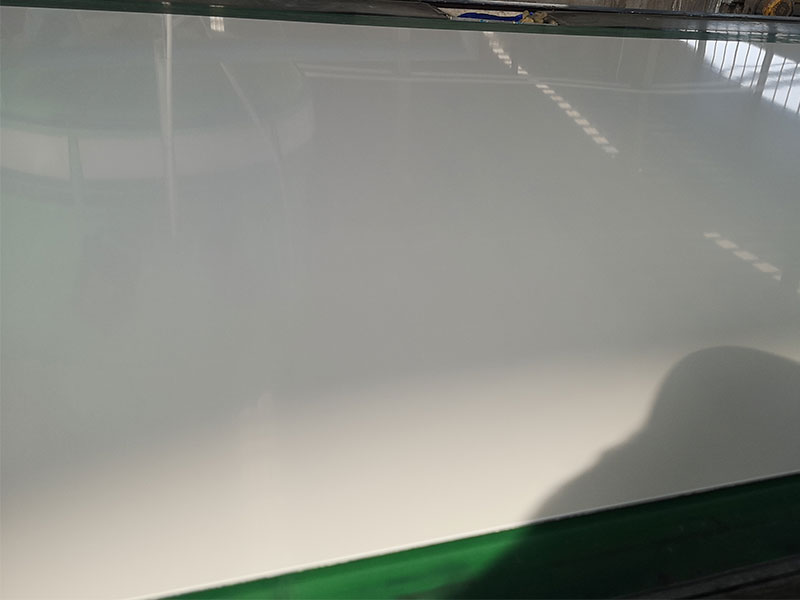
Marine 5086 aluminum plate
5086 Aluminum Plate belongs to the 5xxx series of aluminum-magnesium alloys. Its hallmark is a high magnesium content—generally between 4.0% and 4.9%—which delivers enhanced corrosion resistance, particularly against saltwater and marine atmospheric conditions.
View Details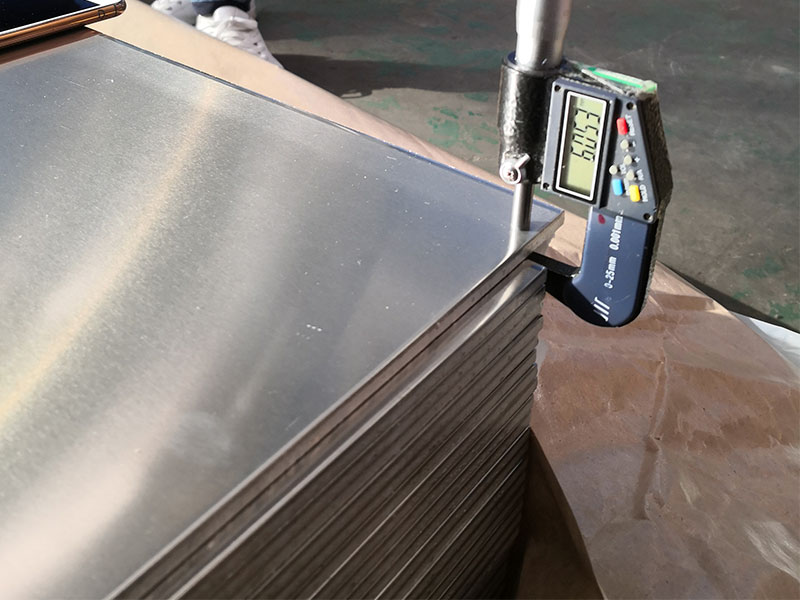
Marine 5383 aluminum plate
The 5383 aluminum alloy belongs to the 5xxx series of aluminum-magnesium alloys known for remarkable resistance to marine corrosion and high strength.
View Details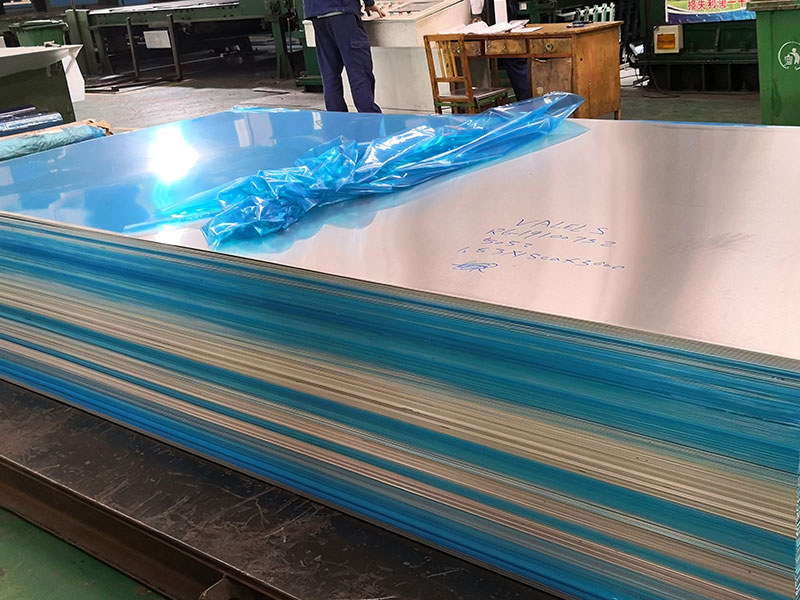
Marine 5059 aluminum plate
Marine 5059 Aluminum Plate is distinguished by its high magnesium content and carefully balanced alloying elements, designed to maximize strength without compromising corrosion resistance.
View Details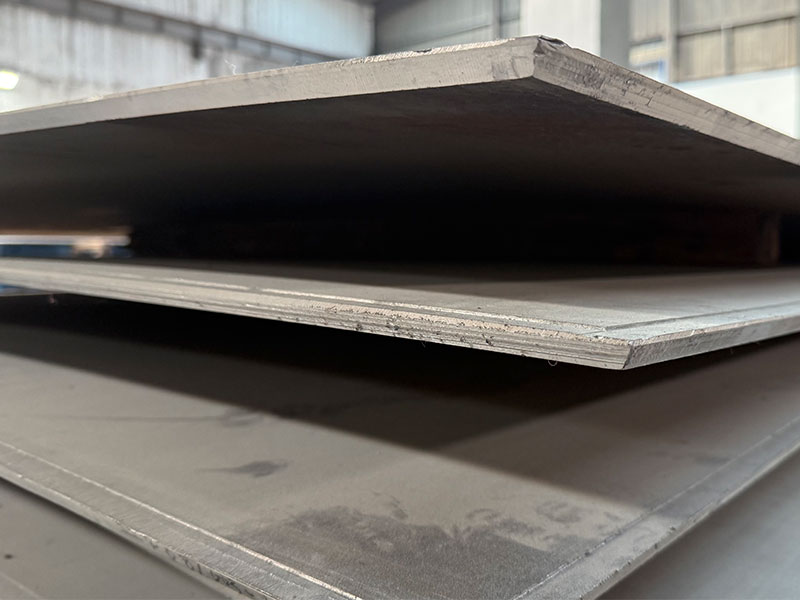
Marine aluminum steel clad plate
Aluminum / Steel Clad Plates consist of a sandwich construction in which a layer of marine-grade aluminum alloy is metallurgically bonded to a steel substrate.
View Details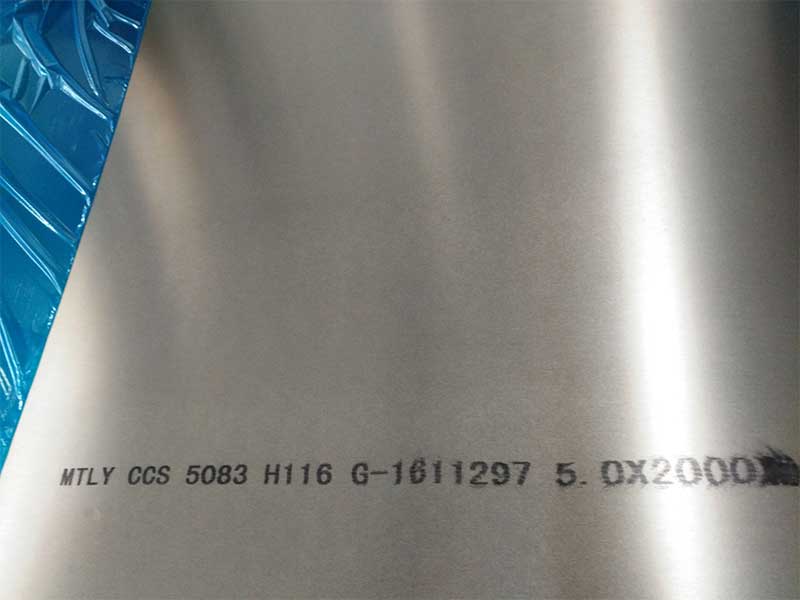
Marine 5083 aluminum plate
Marine 5083 Aluminum Plate belongs to the 5xxx series of aluminum-magnesium alloys and is classified as a non-heat-treatable alloy. Its high magnesium content (typically 4.0–4.9%) enhances its corrosion resistance, especially against seawater-related degradation such as pitting and stress corrosion cracking.
View Details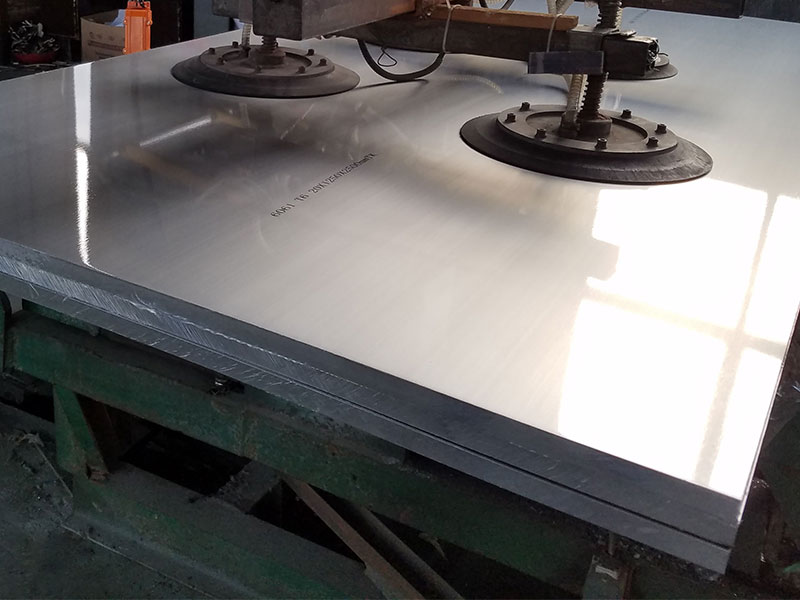
Marine heavy duty aluminum plate
Marine Heavy Duty Aluminum Plates Sheets generally refer to thick aluminum alloy plates and heavy gauge sheets produced from marine-grade alloys such as 5083, 5086, 5059, and 5383.
View DetailsRelated Blog
Marine grade aluminum plate 5083 h116
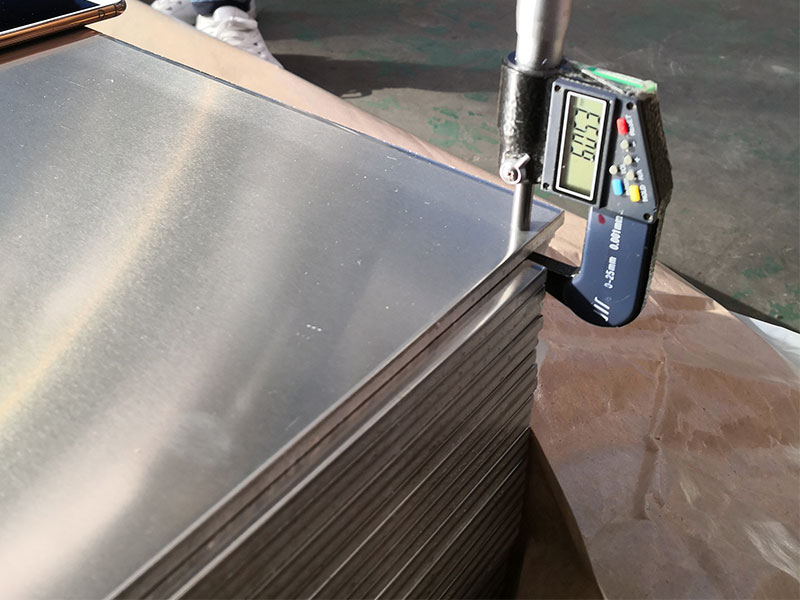
Marine grade aluminum plate 5083 H116 is one of the most widely used aluminum products for shipbuilding, offshore structures, and other harsh saltwater environments.
View Details
5083 Marine Grade Aluminium Plate for Fishing Boats and Dropship
5083 marine grade aluminium plate is a high-magnesium aluminum alloy plate designed for demanding saltwater service. For builders of fishing boats and operators converting or maintaining dropship-style workboats / landing craft.
View Details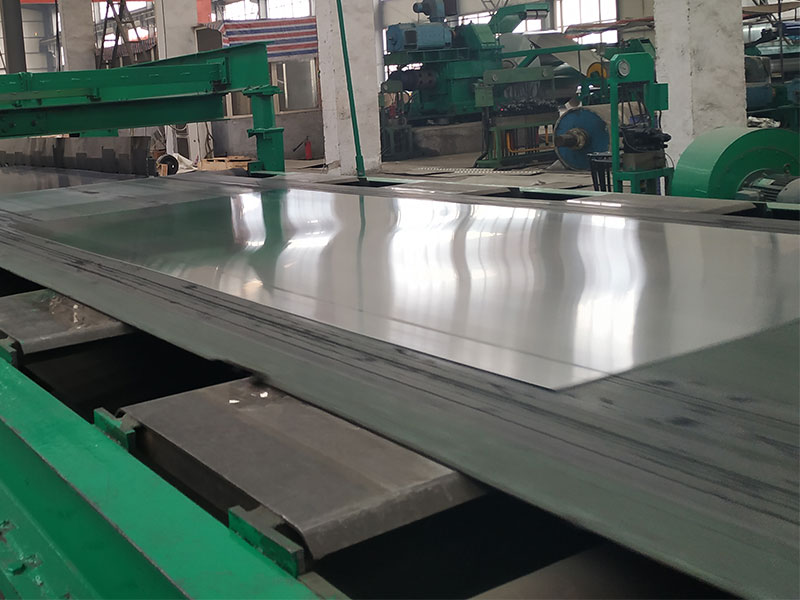
Marine Aluminum 6061 T6 Plate For Shipbuilding
Marine Aluminum 6061 T6 Plate For Shipbuilding: A "Structural Utility Metal" That Works Like a SystemIn shipbuilding, materials are often discussed as if they are simple ingredients: strong, light, corrosion-resistant.
View Details
5083 0.5mm aluminum plate sheet for marine
5083 0.5mm aluminum plate sheet is a thin, high-strength marine-grade alloy offering excellent corrosion resistance, good weldability, and superior formability. Ideal for shipbuilding, boat decking, marine fittings, and coastal structures.
View Details
Manufactures aluminum marine alloy plate 5083 5086 o h111 h321
Aluminum marine alloy plates such as 5083 and 5086 are extensively used in maritime applications due to their exceptional corrosion resistance, high strength, and excellent workability.
View Details
Aluminum plate marine
When people talk about marine vessels, they usually focus on engines, navigation systems, or hull design. Yet one of the most decisive materials on the water is often hidden in plain sight: aluminum plate marine.
View Details
Leave a Message