
5083 Marine Aluminum Tubes for Offshore Marine Project Fabrication
Offshore structures demand materials that can survive saltwater exposure, variable loads, vibration, and long service cycles with minimal maintenance. 5083 marine aluminum tubes are widely selected for these environments because they combine excellent seawater corrosion resistance, high strength among non-heat-treatable aluminum alloys, and good weldability. For fabricators building offshore modules, marine piping frames, gangways, handrails, skids, deck structures, and support assemblies, 5083 tubes offer a practical balance of durability, weight savings, and lifecycle value.
What Is 5083 Marine Aluminum Tube?
5083 is a magnesium-rich aluminum alloy in the 5xxx series, developed for demanding marine and industrial environments. Its strength comes primarily from magnesium and manganese alloying, while its natural oxide layer provides strong protection against corrosion. Unlike heat-treatable alloys, 5083 achieves its performance through strain hardening and controlled processing.
For offshore fabrication, 5083 tubes are valued because they:
- Resist seawater and marine atmosphere corrosion
- Maintain good mechanical strength
- Perform well in welded structures
- Reduce structural weight compared with steel
- Support easier fabrication and installation
Features of 5083 Marine Aluminum Tubes
| Feature | Performance Benefit | Value for Offshore Projects |
|---|---|---|
| Excellent seawater corrosion resistance | Withstands chloride-rich marine environments | Longer service life and lower maintenance |
| High strength-to-weight ratio | Delivers structural performance at lower mass | Easier transport, lifting, and installation |
| Very good weldability | Suitable for welded tubular frameworks and supports | Efficient fabrication and reliable joints |
| Good low-temperature toughness | Retains toughness in cold marine conditions | Reliable use in offshore and harsh climates |
| Non-sparking and non-magnetic characteristics | Useful in specialized marine and industrial systems | Improved safety in selected applications |
| Good formability | Can be fabricated into round, square, or rectangular tubes | Design flexibility for marine structures |
Chemical Composition
The chemical composition of 5083 aluminum is the foundation of its marine performance. Magnesium is the primary strengthening element, while manganese and chromium help optimize structural stability and corrosion behavior.
| Element | Typical Range (%) |
|---|---|
| Aluminum (Al) | Balance |
| Magnesium (Mg) | 4.0 – 4.9 |
| Manganese (Mn) | 0.40 – 1.0 |
| Chromium (Cr) | 0.05 – 0.25 |
| Silicon (Si) | 0.0 – 0.40 |
| Iron (Fe) | 0.0 – 0.40 |
| Copper (Cu) | 0.0 – 0.10 |
| Zinc (Zn) | 0.0 – 0.25 |
| Titanium (Ti) | 0.0 – 0.15 |
| Others, each | 0.0 – 0.05 |
| Others, total | 0.0 – 0.15 |
Composition values may vary slightly by applicable standard, product form, and supplier specification.
Mechanical Properties
5083 is known as one of the strongest non-heat-treatable marine aluminum alloys. Actual properties depend on temper, tube size, wall thickness, and manufacturing route.
| Property | Typical Value Range |
|---|---|
| Tensile Strength | 275 – 350 MPa |
| Yield Strength | 125 – 260 MPa |
| Elongation | 10 – 20% |
| Brinell Hardness | 75 – 95 HB |
| Elastic Modulus | ~70 GPa |
| Density | ~2.66 g/cm³ |
| Melting Range | ~570 – 640°C |
Common Tempers
| Temper | Characteristics | Typical Use |
|---|---|---|
| O | Annealed, maximum ductility | Forming-intensive applications |
| H111 | Slightly strain hardened | General marine fabrication |
| H112 | As-fabricated temper | Structural sections and tubes |
| H116 | Marine-grade corrosion-focused temper | Hull and offshore marine use |
| H321 | Stabilized strain-hardened temper | Marine structures requiring consistent performance |
Technical Specifications of 5083 Marine Aluminum Tubes
The exact tube specification is selected according to load requirements, fabrication method, and corrosion exposure.
| Parameter | Typical Options |
|---|---|
| Product Forms | Round tube, square tube, rectangular tube |
| Outer Diameter | 10 mm – 508 mm |
| Wall Thickness | 1.5 mm – 50 mm |
| Length | 1 m – 12 m, or custom cut |
| Temper Options | O, H111, H112, H116, H321 |
| Surface Finish | Mill finish, brushed, anodized, custom treated |
| Manufacturing Route | Extruded, drawn, fabricated |
| Standards Reference | ASTM, EN, marine project specifications, customer drawings |
Dimensional and Quality Control Items
| Inspection Item | Typical Requirement |
|---|---|
| Outer diameter tolerance | According to project or standard requirement |
| Wall thickness tolerance | Controlled for pressure and structural consistency |
| Straightness | Verified for installation alignment |
| Surface quality | Free from major cracks, dents, and harmful defects |
| Mechanical testing | Tensile and hardness checks as required |
| Material traceability | Heat number and batch documentation available |
Why 5083 Tubes Are Ideal for Offshore Fabrication
Offshore projects are not only exposed to salt spray; they also face cyclic loads, splash zones, humidity, crevice conditions, and contact with dissimilar materials. A tube material must therefore support both corrosion performance and fabrication efficiency.
1. Superior Corrosion Resistance in Seawater
5083 performs exceptionally well in marine environments, especially in direct seawater and atmospheric salt exposure. This makes it a strong choice for offshore tubular structures, access systems, equipment housings, and non-pressurized support frames.
2. Weight Reduction Without Sacrificing Strength
Compared with steel, aluminum tubes significantly reduce overall structural mass. This brings practical advantages:
- Lower transportation costs
- Easier offshore handling and assembly
- Reduced load on support structures
- Improved fuel and energy efficiency in marine systems
3. Strong Welded Structure Performance
5083 is well known for its weldability using common marine welding processes. In offshore fabrication shops, this allows efficient production of tube frameworks, ladders, railings, skids, and modular support units.
4. Better Lifecycle Economics
While the initial material cost may be higher than carbon steel, 5083 often lowers total project cost through:
- Less painting or protective coating demand
- Reduced corrosion-related maintenance
- Longer replacement cycles
- Lower installation weight and labor burden
Typical Applications in Offshore Marine Projects
5083 marine aluminum tubes are used across a broad range of offshore and coastal fabrication work.
| Application Area | Typical Tube Use |
|---|---|
| Offshore platforms | Handrails, walkways, ladders, structural frames |
| Marine vessels | Pipe supports, deck structures, rail systems |
| Floating systems | Pontoon frames, buoyancy structures, connector assemblies |
| Dock and harbor engineering | Fender frames, gangways, service access components |
| Oil & gas modules | Equipment skids, instrument supports, enclosure frames |
| Renewable offshore energy | Access systems, maintenance platforms, support tubing |
| Desalination and coastal plants | Corrosion-resistant tubular support structures |
Performance Advantages Compared with Conventional Materials
| Criterion | 5083 Marine Aluminum Tube | Carbon Steel Tube | Stainless Steel Tube |
|---|---|---|---|
| Density | Very low | High | High |
| Marine corrosion resistance | Excellent | Poor without coating | Good to excellent |
| Weldability | Very good | Very good | Good |
| Maintenance demand | Low | High in marine service | Moderate |
| Strength-to-weight ratio | Excellent | Moderate | Good |
| Fabrication efficiency | High | High | Moderate |
| Lifecycle value in offshore use | High | Medium to low | High but often costlier |
Fabrication Considerations
To achieve the best performance from 5083 marine aluminum tubes, fabrication practice matters.
| Fabrication Aspect | Recommendation |
|---|---|
| Welding | Use suitable filler wire and qualified marine welding procedures |
| Surface protection | Keep surfaces clean and avoid iron contamination |
| Dissimilar metal contact | Use insulation barriers to reduce galvanic corrosion risk |
| Machining | Use sharp tooling and proper lubrication |
| Design | Allow for thermal expansion and marine loading conditions |
| Inspection | Confirm material temper, dimensions, and weld quality before installation |
How Customers Benefit
For customers in offshore fabrication, the value of 5083 marine aluminum tubes goes beyond basic material supply. It is a solution that supports:
- Long-term corrosion reliability
- Faster, lighter fabrication
- Reduced maintenance downtime
- Improved offshore handling safety
- Strong performance in challenging marine climates
Whether the project involves a new offshore platform, a vessel retrofit, a coastal utility structure, or a renewable marine installation, 5083 tubes provide a dependable material platform for modern fabrication demands.

Related Products
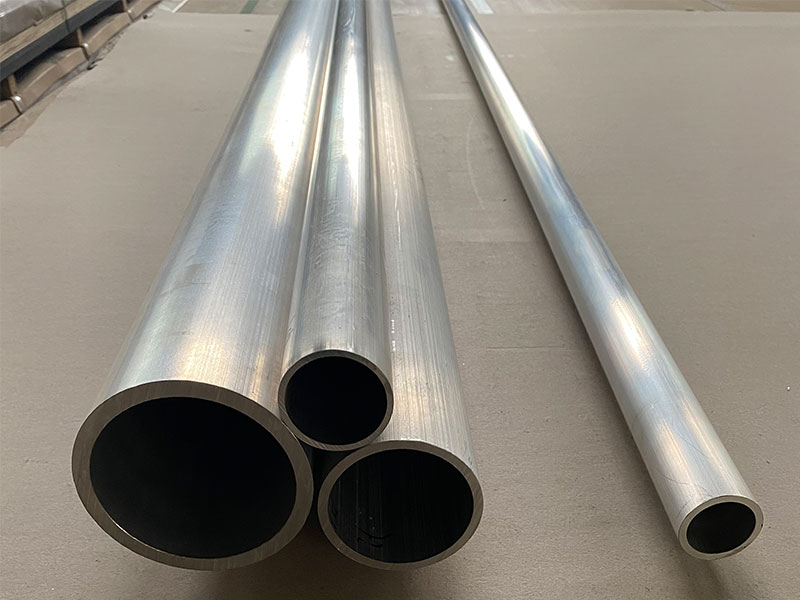
Marine aluminum round tubes
Marine Grade Aluminum Round Tubes are manufactured from premium marine alloys such as 5083, 5052, 6061, and 6082, all selected for their proven resistance to seawater corrosion and marine atmosphere degradation.
View Details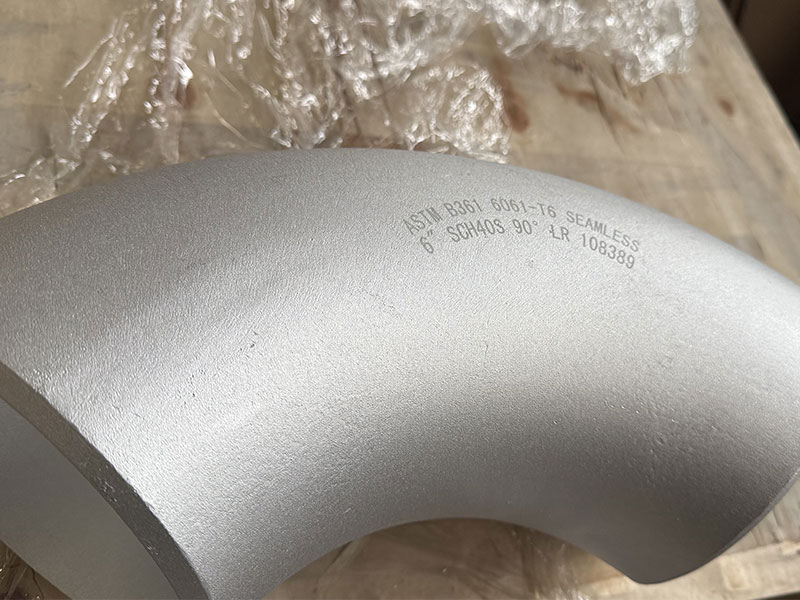
6061-T6 90-Degree Marine Aluminum Pipe Elbow
Manufactured from premium 6061-T6 marine-grade aluminum alloy, this elbow fitting is engineered to provide reliable and efficient pipe direction changes within shipbuilding, offshore platforms, and marine infrastructure systems.
View Details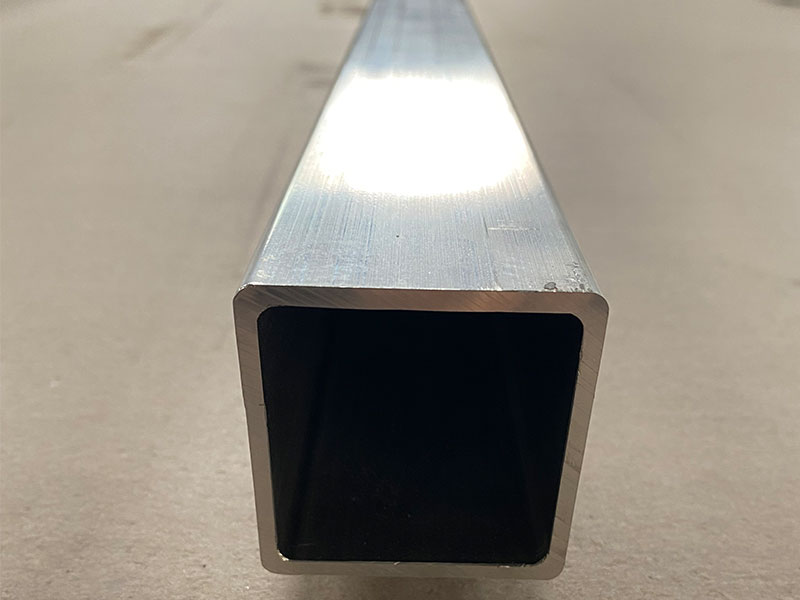
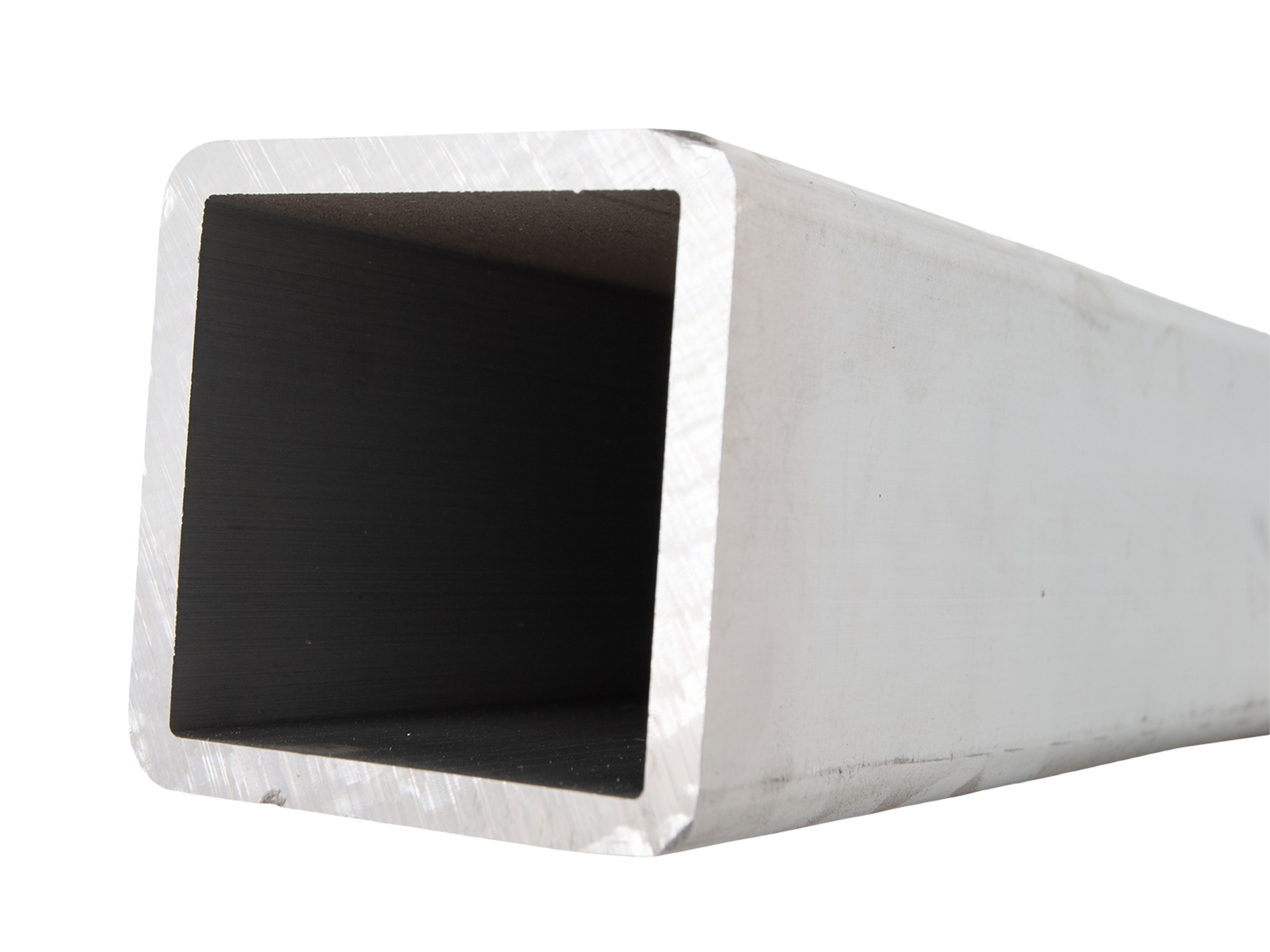
Marine aluminum square tubes
Marine Grade Aluminum Square Tubes are typically constructed from marine-grade alloys such as 5083, 5052, 6061, and 6082—well-known for their ability to withstand the aggressive effects of saltwater and marine atmospheres.
View Details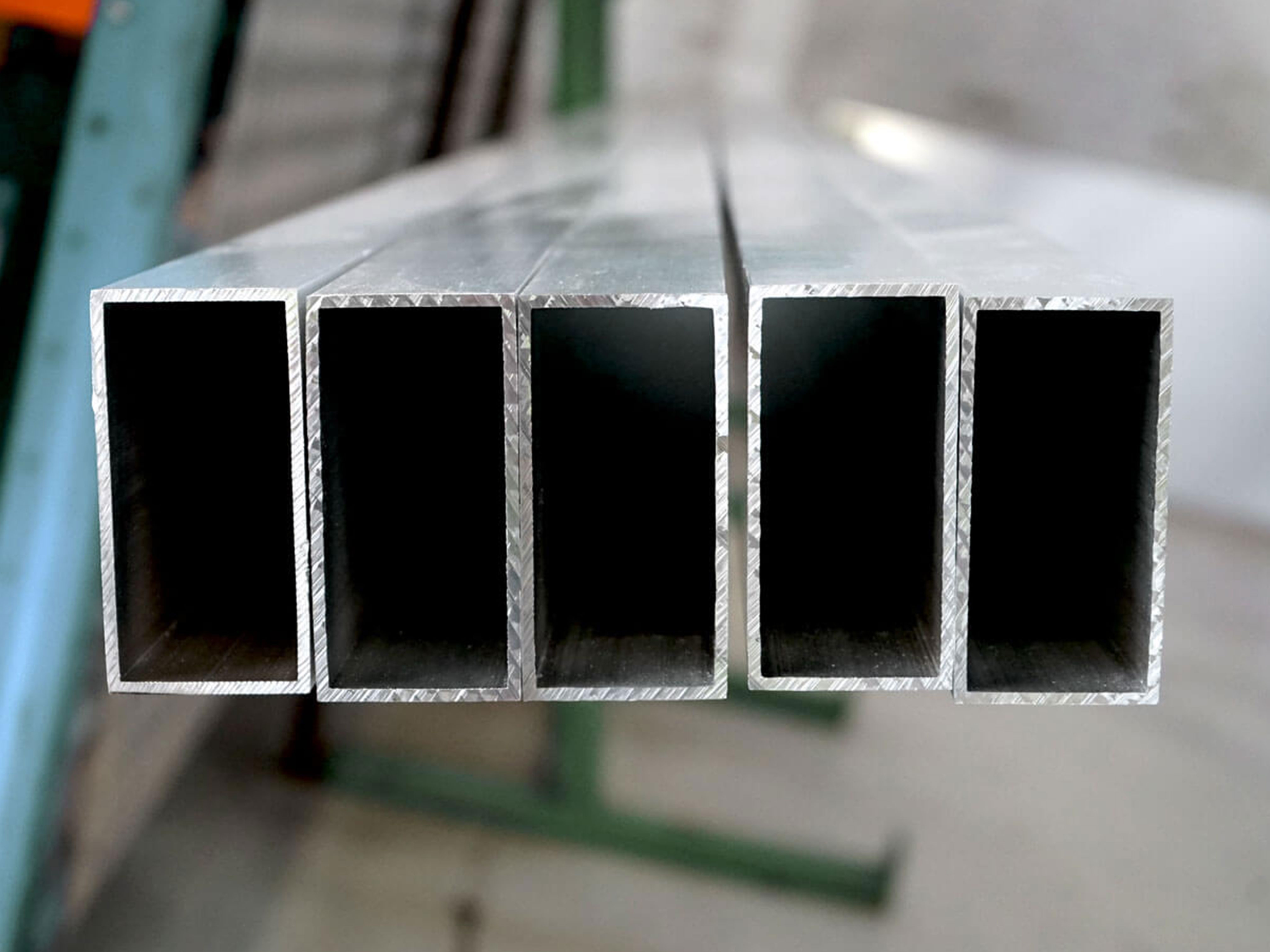
Marine aluminum rectangular tubes
Marine Grade Aluminum Rectangular Tubes are made from high-performance alloys such as 5083, 5052, 6061, and 6082. These alloys are renowned for their ability to resist corrosive seawater and marine atmospheres while providing excellent mechanical strength and toughness.
View Details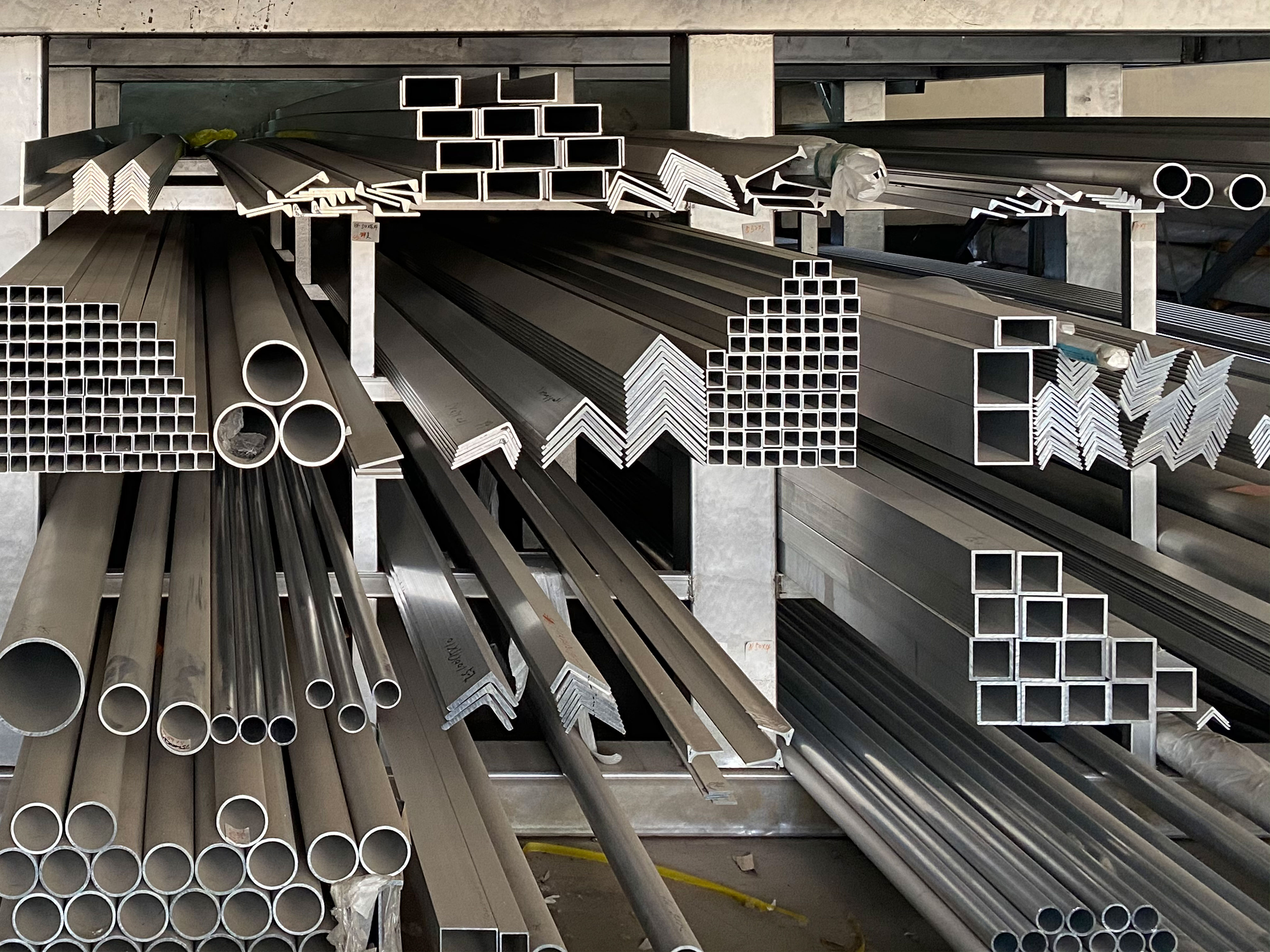
Custom marine aluminum profile tubes
Custom Marine Grade Aluminum Profile Tubes are manufactured from premium marine aluminum alloys such as 5083, 5052, 6061, and 6082.
View DetailsRelated Blog
5083 Marine Aluminum Tubes for Ship Hull Reinforcement Materials
When it comes to building and reinforcing ship hulls, selecting the right material is critical for durability, strength, and resistance to the harsh marine environment.
View Details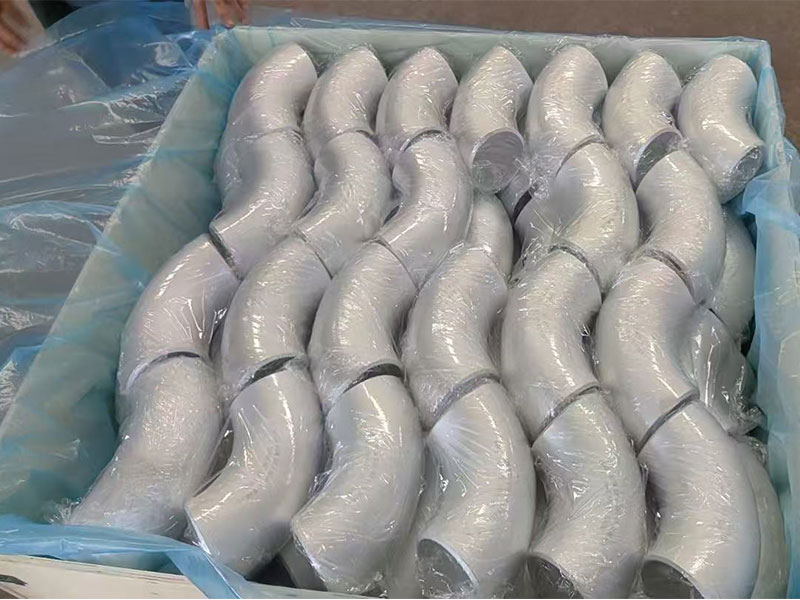
5083 Marine Aluminum Tubes for Coastal Boat Building
Marine Aluminum is a prominent material in the marine industry due to its exceptional properties, which makes it the perfect choice for constructing strong, lightweight vessels.
View Details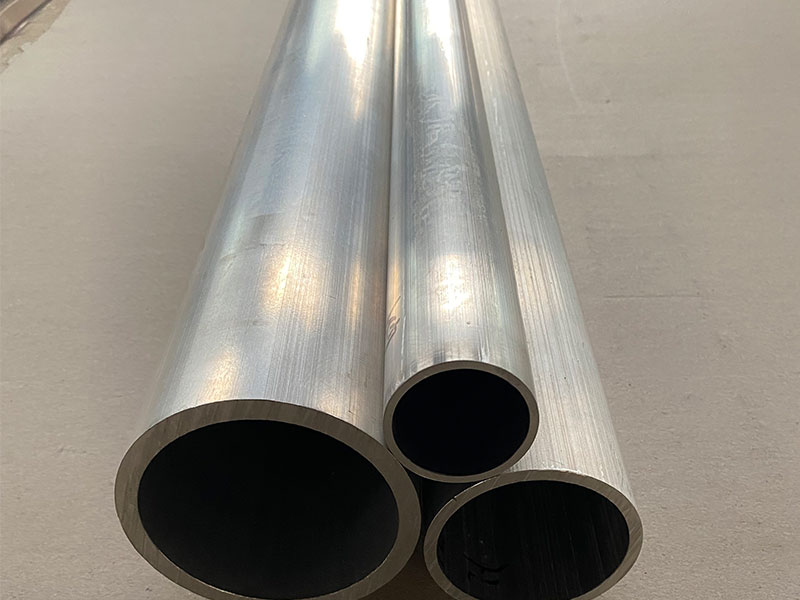
5083 Marine Aluminum Tubes for Coastal Boat Engineering Solutions
In coastal boat engineering, selecting materials that offer superior performance, durability, and resistance to harsh marine environments is critical. 5083 marine aluminum tubes present an exceptional solution.
View Details
5083 Marine Aluminum Tubes for Boat Building and Fabrication
In the demanding environment of marine vessel construction and fabrication, the selection of high-quality materials is crucial for ensuring durability, safety, and superior performance.
View Details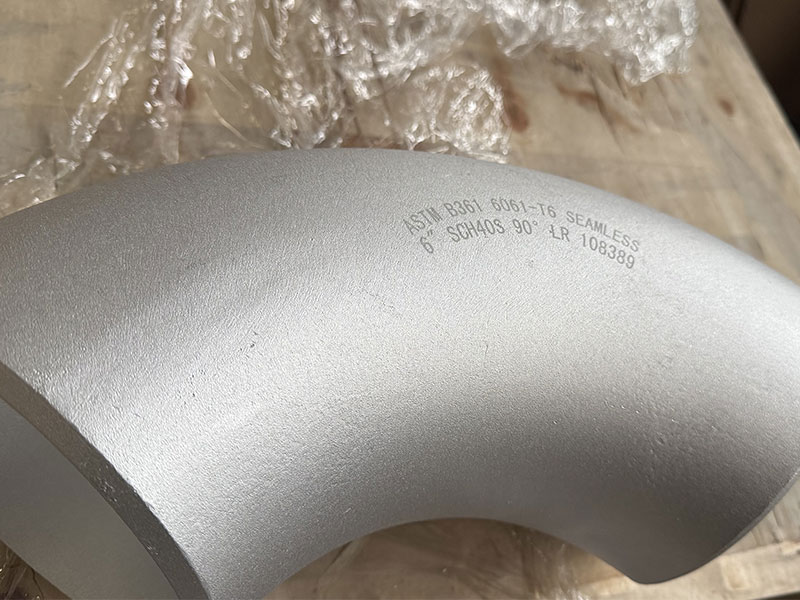
5083 Marine Aluminum Tubes for Saltwater Environment Durability
When it comes to marine applications, durability, corrosion resistance, and mechanical performance are paramount for structural materials. Among the various aluminum alloys available, 5083 aluminum alloy stands out as a premium choice.
View Details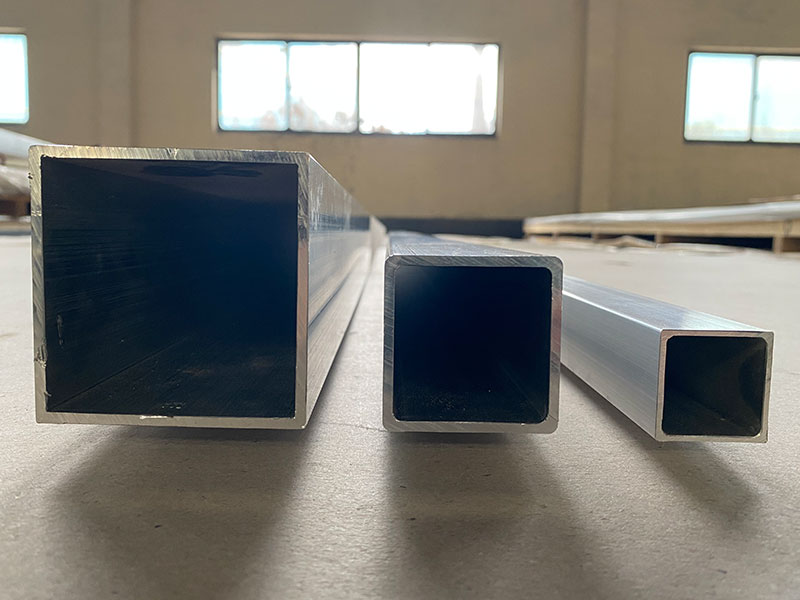
5083 Marine Aluminum Tubes for Commercial Marine Parts
When it comes to commercial marine parts, durability, corrosion resistance, and strength are non-negotiable. Among various materials used in the marine industry, 5083 marine aluminum tubes is know as a premium choice.
View Details
Leave a Message