
Aluminum Sheets 5052 H32 Ship Building
Aluminum Sheets 5052 H32 are widely used in shipbuilding because they combine excellent corrosion resistance, good strength, light weight, and reliable weldability. In marine environments, where saltwater, humidity, and changing temperatures constantly challenge metal performance, 5052 H32 offers a practical balance between durability and fabrication ease. It is one of the most trusted non-heat-treatable aluminum alloys for hull structures, cabins, decks, bulkheads, and other marine components.
For customers looking for a sheet material that performs well at sea without adding unnecessary weight, 5052 H32 aluminum sheet is a highly competitive option. It helps improve vessel efficiency, reduces maintenance needs, and supports long service life in demanding offshore and coastal conditions.
5052 belongs to the Al-Mg series of aluminum alloys. Magnesium is the main alloying element, giving the material strong resistance to corrosion and solid mechanical performance. The H32 temper means the sheet has been strain hardened and stabilized, providing higher strength than fully annealed material while still maintaining good formability.
This combination makes 5052 H32 especially suitable for shipbuilding projects where fabricators need material that can be cut, bent, welded, and assembled efficiently.
Features for Ship Building
5052 H32 aluminum sheet is valued in marine manufacturing because of several practical advantages.
| Feature | Benefit in Shipbuilding |
|---|---|
| Excellent seawater corrosion resistance | Helps prevent surface degradation and extends service life in saltwater environments |
| Light weight | Reduces vessel mass, improves fuel efficiency, and increases payload potential |
| Good weldability | Supports efficient fabrication of hulls, tanks, decks, and structural panels |
| Moderate to high strength | Provides reliable structural performance for many marine applications |
| Good formability | Allows bending, shaping, and panel forming with lower risk of cracking |
| Strong fatigue resistance | Useful in structures exposed to vibration and repeated wave loading |
| Smooth surface quality | Suitable for visible marine parts and finishing operations |
| Non-heat-treatable stability | Predictable performance during processing and service |
Compared with heavier steel materials, 5052 H32 can significantly reduce total vessel weight. Compared with some higher-strength aluminum alloys, it offers easier forming and stronger resistance to marine corrosion, making it a balanced choice for a wide range of commercial and recreational boats.
Chemical Composition
The chemical composition of 5052 aluminum alloy is designed to deliver corrosion resistance and workability, with magnesium and chromium playing especially important roles.
| Element | Composition (%) |
|---|---|
| Aluminum (Al) | Balance |
| Magnesium (Mg) | 2.2–2.8 |
| Chromium (Cr) | 0.15–0.35 |
| Silicon (Si) | 0.25 max |
| Iron (Fe) | 0.40 max |
| Copper (Cu) | 0.10 max |
| Manganese (Mn) | 0.10 max |
| Zinc (Zn) | 0.10 max |
| Others, each | 0.05 max |
| Others, total | 0.15 max |
The magnesium content strengthens the alloy and enhances marine corrosion resistance. Chromium improves structural stability and helps control grain structure, which supports long-term performance in fabricated ship components.
Mechanical Properties
The H32 temper gives 5052 sheet a useful mechanical profile for marine fabrication. While values may vary slightly by thickness and production standard, the following range is commonly referenced.
| Property | Typical Value |
|---|---|
| Tensile Strength | 210–260 MPa |
| Yield Strength | 130–180 MPa |
| Elongation | 7–12% |
| Brinell Hardness | Approx. 60 HB |
| Elastic Modulus | Approx. 70 GPa |
| Density | Approx. 2.68 g/cm³ |
These properties make 5052 H32 suitable for applications requiring a combination of load-bearing capability and forming flexibility. It is strong enough for many marine structures while remaining easier to fabricate than some harder alloys.
Physical and Technical Specifications
For buyers and engineers, technical parameters are often as important as alloy designation. Typical supply capabilities for 5052 H32 shipbuilding sheets are shown below.
| Specification Item | Common Range |
|---|---|
| Thickness | 0.5 mm – 50 mm |
| Width | 1000 mm – 2500 mm |
| Length | 2000 mm – 12000 mm |
| Temper | H32 |
| Surface Finish | Mill finish, brushed, coated, anodized on request |
| Standard Forms | Sheet, plate, cut-to-size panel |
| Processing | Cutting, bending, welding, punching, CNC machining |
| Standards | ASTM B209, EN standards, marine project specifications |
These broad size options allow the alloy to be used in everything from lightweight internal panels to larger structural sections in vessels and marine platforms.
Why 5052 H32 Performs Well in Marine Environments
Marine service is one of the harshest environments for metal materials. Salt spray, direct immersion, moisture retention, and galvanic exposure can quickly damage unsuitable alloys. 5052 H32 is favored because it naturally forms a stable oxide layer that protects the surface. Its magnesium-based chemistry further improves resistance to corrosion, especially in seawater and industrial coastal atmospheres.
This alloy also responds well to protective finishing systems. It can be used in mill finish condition for many structural applications or combined with coatings and marine paint systems for enhanced appearance and protection. When proper fabrication and isolation practices are followed, 5052 H32 provides dependable long-term performance.
Typical Applications in Ship Building
5052 H32 aluminum sheets are used in a broad range of marine components because they combine fabrication efficiency with in-service durability.
| Application Area | Typical Use |
|---|---|
| Hull panels | Small and medium vessel hull structures |
| Decks | Lightweight walking surfaces and deck plating |
| Superstructures | Cabins, wheelhouses, and upper sections |
| Bulkheads | Interior and exterior partition panels |
| Storage tanks | Fuel, water, and service tank components |
| Gangways and platforms | Corrosion-resistant access structures |
| Interior marine panels | Ceilings, wall panels, cabinets, and fittings |
| Offshore support parts | Non-critical structural and enclosure elements |
| Boat trailers and accessories | Marine transport frames and fittings |
Its use is especially common in fishing boats, patrol boats, ferries, yachts, workboats, barges, and pontoon structures. For projects where long-term corrosion performance matters more than maximum strength, 5052 H32 is often preferred.
Fabrication Advantages
From a manufacturing point of view, 5052 H32 is a user-friendly marine alloy. It can be sheared, laser cut, formed, and welded with standard industrial processes. This reduces production complexity and helps shipyards maintain efficiency.
| Fabrication Aspect | Performance |
|---|---|
| Welding | Excellent with common aluminum welding methods |
| Bending | Good for moderate forming operations |
| Machining | Fair to good depending on setup |
| Surface treatment | Accepts painting and protective finishing well |
| Forming consistency | Stable and reliable in workshop processing |
Good weldability is especially important in shipbuilding, where long welded seams are common. The alloy supports strong welded assemblies for many marine structures, helping manufacturers balance production speed and structural integrity.
Comparison with Other Marine Aluminum Alloys
5052 H32 is often compared with alloys such as 5083, 5086, and 6061. Each has its own advantages.
| Alloy | Main Advantage | Typical Marine Position |
|---|---|---|
| 5052 H32 | Corrosion resistance + formability | Excellent for sheet-based marine fabrication |
| 5083 | Higher strength | Preferred for more demanding hull structures |
| 5086 | Strong marine structural performance | Common in heavy-duty shipbuilding |
| 6061 | Good machinability and structural use | Often used in extrusions and fittings |
5052 H32 is not always the highest-strength marine aluminum alloy, but it is often one of the most economical and practical choices for sheet applications where corrosion resistance, bending performance, and welding are priorities.
What Customers Should Consider When Buying
When selecting 5052 H32 aluminum sheets for shipbuilding, customers should pay attention to material consistency, dimensional tolerance, certification, and surface quality.
| Buying Factor | Why It Matters |
|---|---|
| Marine-grade quality | Ensures reliable performance in seawater service |
| Thickness tolerance | Important for fit-up, structural design, and welding quality |
| Flatness | Helps improve fabrication accuracy |
| Surface condition | Affects appearance and coating preparation |
| Test certification | Confirms chemistry and mechanical properties |
| Custom cutting | Reduces waste and speeds installation |
For marine projects, sourcing from a supplier that understands shipbuilding requirements can simplify material approval and improve project efficiency.

Related Products
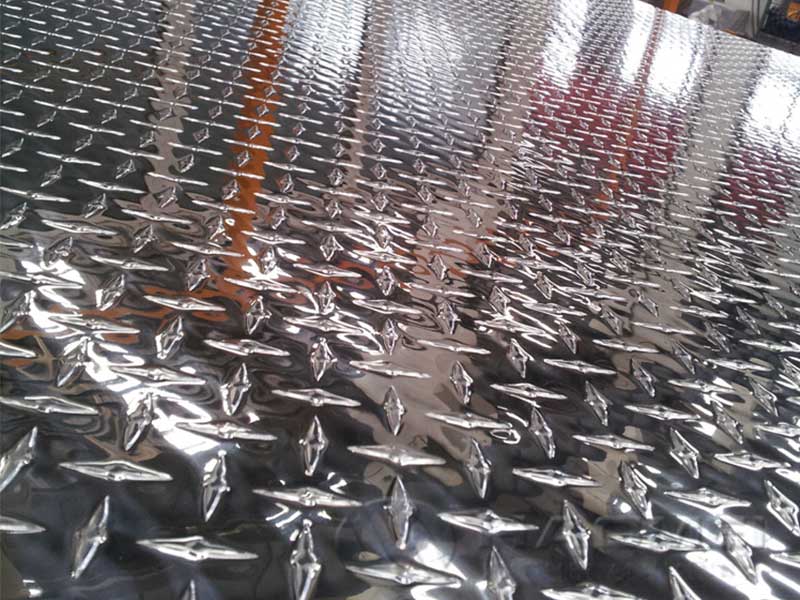
Marine Aluminum Tread Sheets
Marine Aluminum Tread Sheets are aluminum alloy plates featuring a raised surface pattern, commonly referred to as a tread design or diamond plate.
View Details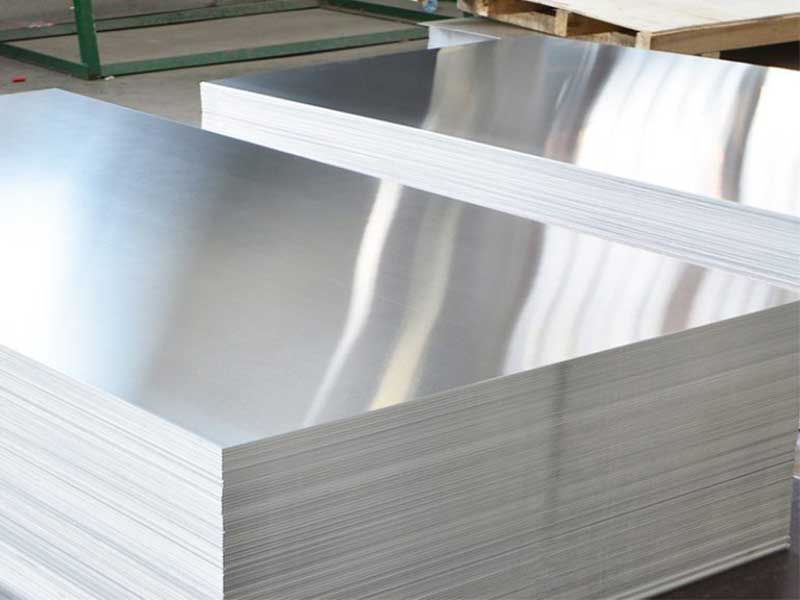
Marine anodized aluminum sheets
Marine Anodized Aluminum Sheets start with premium marine-grade aluminum alloys such as 5000 and 6000 series (typically 5083, 5052, and 6061).
View Details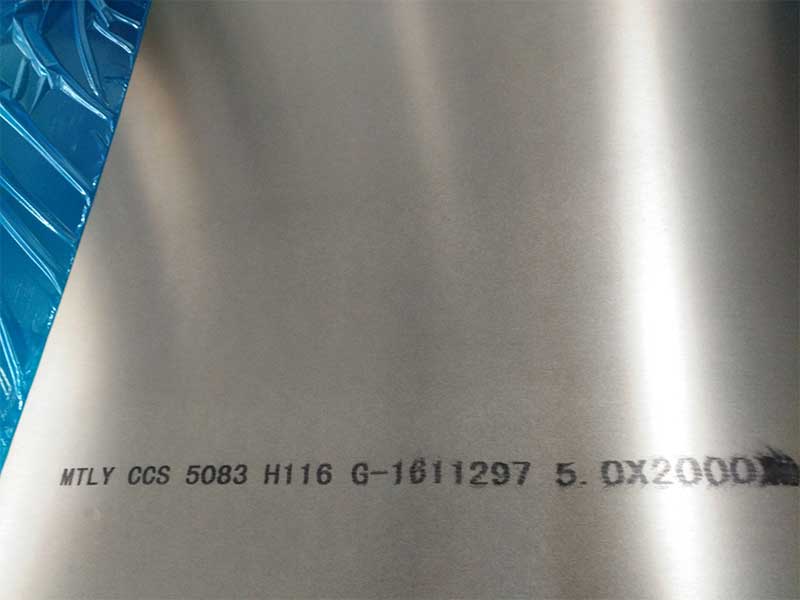
Marine 5083 aluminum sheet
Aluminum alloy 5083 is a non-heat-treatable alloy primarily composed of magnesium and trace elements that deliver outstanding protection against corrosion, particularly in seawater and saline atmospheres.
View Details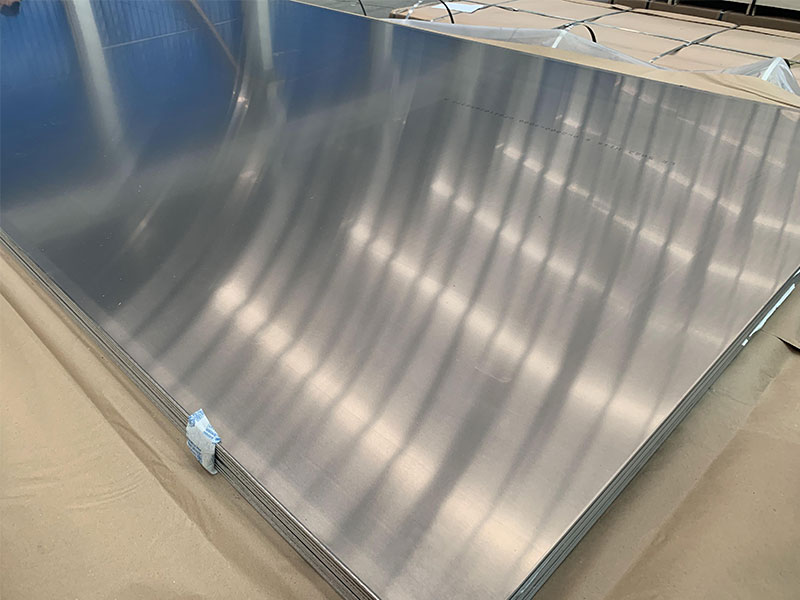
Marine 5052 aluminum sheet
Aluminum alloy 5052 is a non-heat-treatable, strain-hardened alloy with magnesium as the primary alloying element. It is designed to offer superior corrosion resistance in marine and saline environments, making it a dependable choice for components exposed directly to seawater or coastal atmospheric conditions.
View Details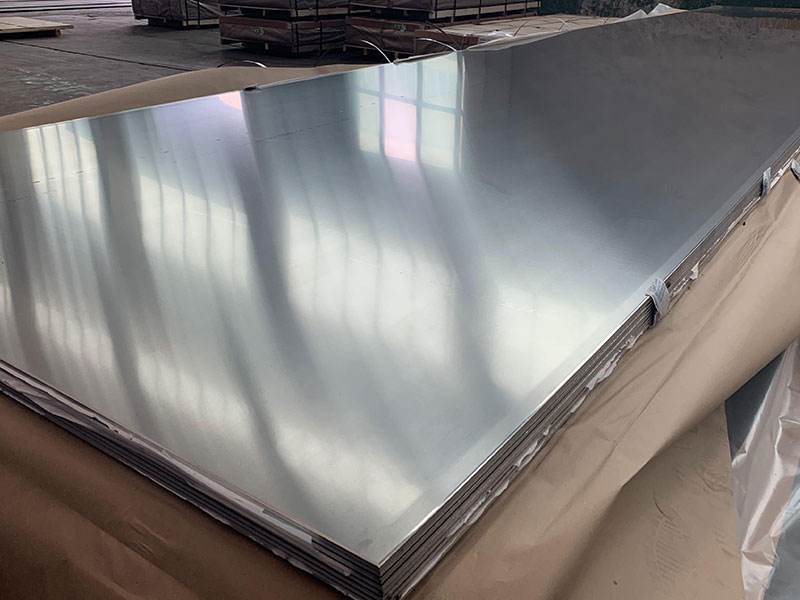
Marine 5086 aluminum sheet
This product article provides an in-depth and comprehensive understanding of Marine 5086 Aluminum Sheets, including their chemical composition, mechanical properties, corrosion resistance, fabrication capabilities, and typical marine applications.
View Details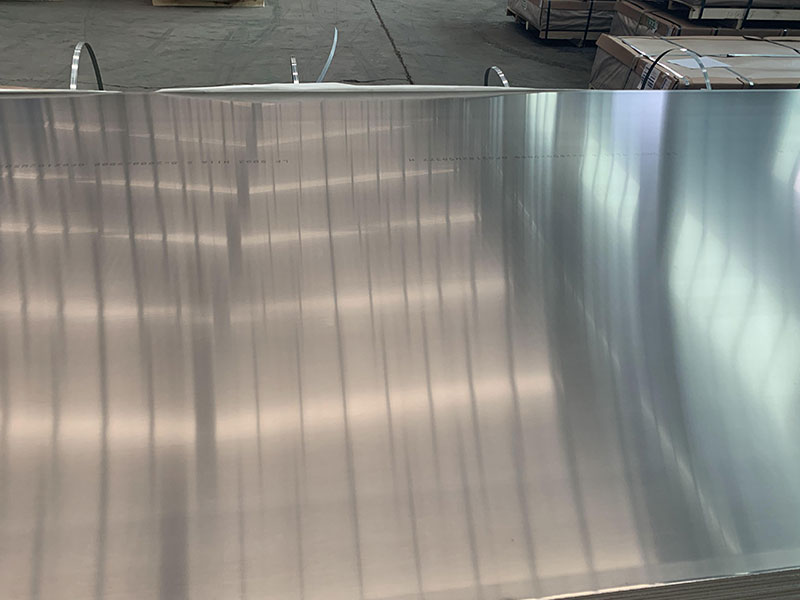
Marine 5383 aluminum sheet
5383 aluminum is a strain-hardened, non-heat-treatable alloy from the 5xxx series primarily alloyed with magnesium. It exhibits a unique balance of corrosion resistance and mechanical properties particularly suited for marine applications.
View DetailsRelated Blog
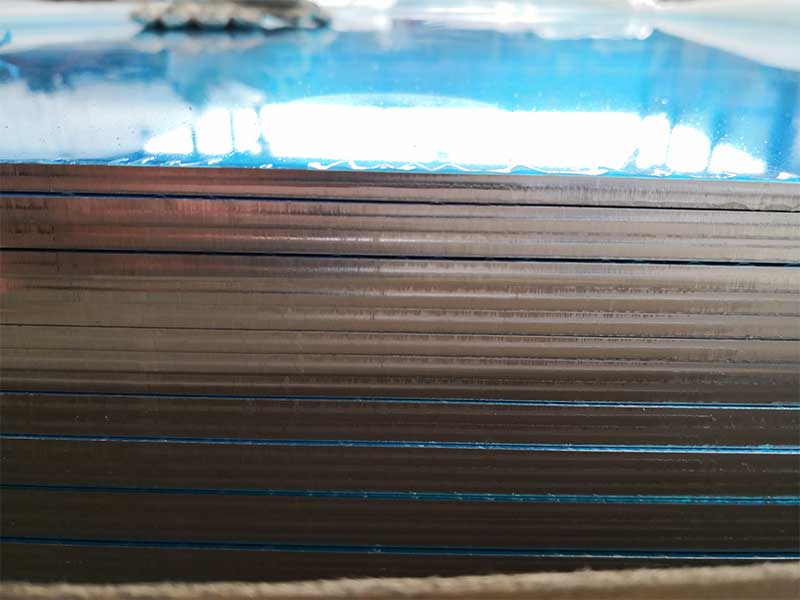
0.3mm 0.4mm 0.5mm 1.6mm Thickness Roll Aluminium Coil Sheet 5052 h32 For Boat
When it comes to marine applications, selecting the right material is crucial for performance, durability, and safety. Enter the 5052 H32 marine aluminum coil sheet, available in thicknesses ranging from 0.
View Details
6063 t5 marine 5052 aluminum sheet
When it comes to marine-grade aluminum, the 6063 T5 marine 5052 aluminum sheet stands out as a prime material known for its remarkable corrosion resistance, strength, and versatility in various marine and industrial applications.
View Details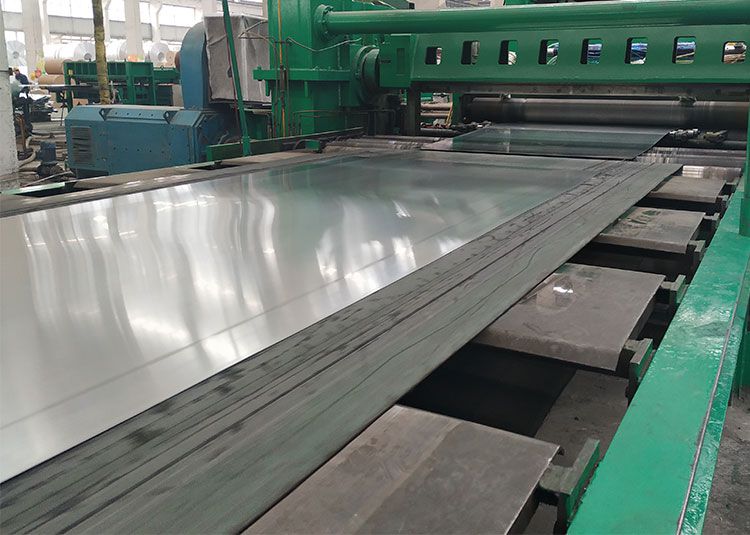
Marine grade aluminum for ship building aluminium sheet 5052 h111
Superior strength, corrosion resistance, and durability of marine grade aluminum 5052 H111 aluminum sheets, ideal for shipbuilding applications requiring high fatigue strength and excellent seawater performance.
View Details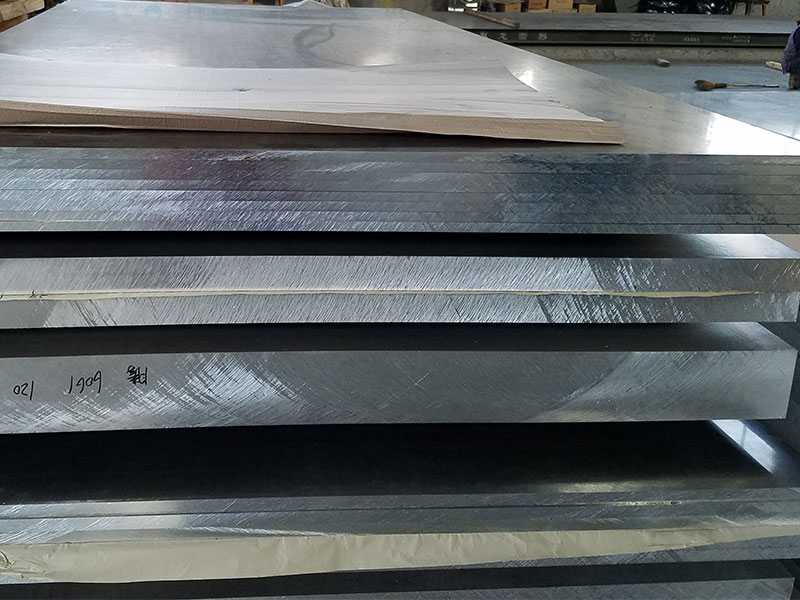
5052 5083 Aluminum coil for boat yacht
Marine structures live in a harsh world: salt spray, cyclic loading from waves, temperature swings, and constant exposure to moisture.
View Details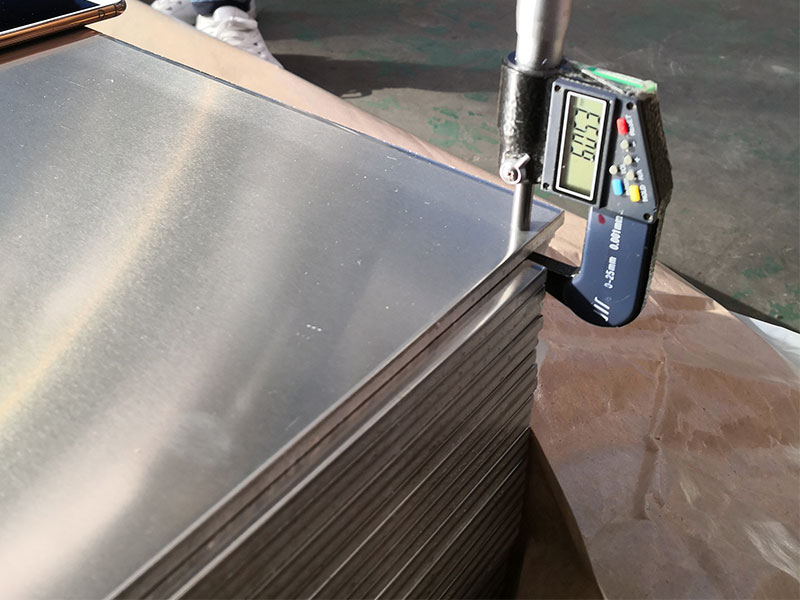
5052 5083 marine grade aluminium sheet for boat
Marine grade aluminium alloys 5052 and 5083 are among the most widely used non-heat-treatable alloys for shipbuilding, small vessels, and marine components. They combine good corrosion resistance in seawater, excellent weldability and formability.
View Details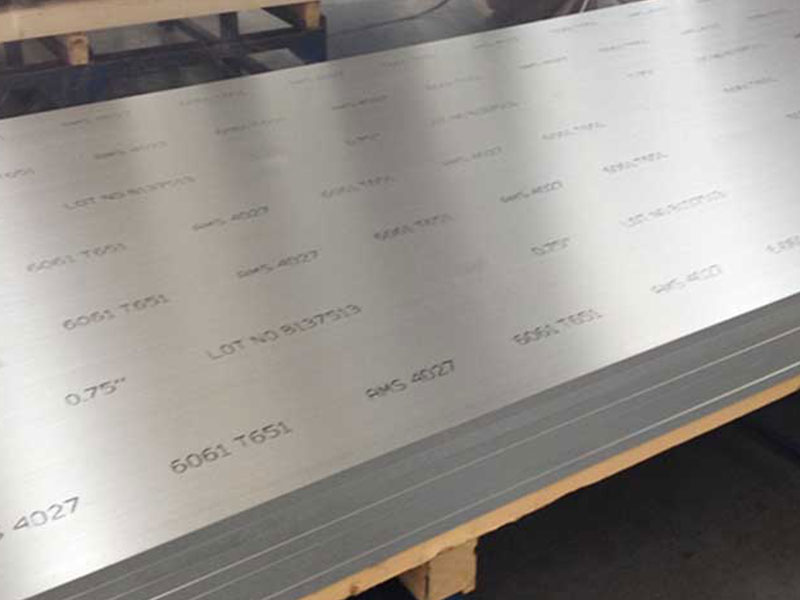
5052 h38 h32 aluminium sheet for boat
When it comes to building durable, lightweight, and corrosion-resistant boats, the choice of material plays a crucial role in ensuring optimal performance and longevity.
View Details
Leave a Message