
Aluminium sheet plate for ship building
Aluminium sheet plate has become a strategic material in modern shipbuilding-especially for high-speed vessels, ferries, patrol boats, offshore service craft, superstructures, and weight-sensitive marine systems. Compared with traditional steel, marine-grade aluminium plate delivers a compelling combination of light weight, corrosion resistance, strength-to-weight efficiency, and lifecycle cost savings.
Why Aluminium Plate Is Used in Shipbuilding
Shipbuilders choose aluminium primarily to reduce mass without sacrificing structural integrity. Lower hull or superstructure weight can translate into:
- Higher speed and better fuel economy (less displacement and resistance)
- Increased payload for the same draft
- Improved stability when used in superstructures (lower center of gravity compared to steel designs using reinforcements)
- Reduced maintenance due to strong resistance to seawater corrosion (with correct alloy selection and design)
Marine aluminium plate is typically engineered for weldability, corrosion resistance, fatigue performance, and predictable mechanical properties, allowing it to perform reliably in dynamic wave-loading environments.
Features (What Customers Actually Gain)
1) High Corrosion Resistance in Seawater
Marine-grade aluminium forms a stable oxide film that protects the base metal. Alloys in the 5xxx (Al-Mg) series are especially effective in chloride-rich environments when properly fabricated and isolated from galvanic couples.
2) Excellent Strength-to-Weight Ratio
Aluminium weighs about one-third of steel, enabling designers to reduce structural mass or reallocate it to payload and equipment. This is particularly valuable for fast craft and superstructures.
3) Outstanding Weldability and Fabrication Efficiency
Many shipbuilding plates are supplied in H tempers optimized for forming and welding. Correct welding procedures (typically MIG with suitable fillers) preserve corrosion performance and structural continuity.
4) Good Low-Temperature Performance
Aluminium alloys generally maintain toughness at low temperatures, supporting marine operation in colder regions when paired with proper design criteria.
5) Lifecycle Cost Benefits
While aluminium plate may carry a higher initial material cost than steel, savings often appear in:
- fuel consumption over service life
- corrosion maintenance and coating cycles
- achievable speed/payload performance
Common Marine Aluminium Alloys for Sheet/Plate
In shipbuilding, the most widely adopted are 5083, 5086, 5456, and 5754 (5xxx series). For certain superstructure and outfitting parts, 6061/6082 (6xxx series) may be used, but 5xxx typically dominates for hull plating due to superior seawater corrosion performance and as-welded strength behavior.
Alloy Selection Snapshot
| Alloy | Series | Typical Marine Use | Advantages | Notes |
|---|---|---|---|---|
| 5083 | 5xxx | Hull plating, decks, bulkheads | High strength, excellent seawater resistance | One of the most common hull alloys |
| 5086 | 5xxx | Hulls, tanks, structural plating | Great weldability, strong corrosion resistance | Good formability |
| 5456 | 5xxx | High-strength plating, naval structures | Higher strength potential | Control service temperature to avoid sensitization risks |
| 5754 | 5xxx | Superstructures, panels, interior marine parts | Good corrosion resistance, excellent forming | Slightly lower strength than 5083 |
| 6061/6082 | 6xxx | Extrusions, frames, outfitting | Heat-treatable, good machinability | Corrosion depends more on design/coating strategy |
Chemical Composition (Typical Ranges)
Below are typical composition ranges for widely used marine plates. Actual limits depend on the governing standard (ASTM, EN, ISO) and mill certification.
5083 (Marine Plate)
| Element | Mg | Mn | Cr | Si | Fe | Cu | Zn | Ti | Al |
|---|---|---|---|---|---|---|---|---|---|
| Typical Range (wt.%) | 4.0–4.9 | 0.4–1.0 | 0.05–0.25 | ≤0.40 | ≤0.40 | ≤0.10 | ≤0.25 | ≤0.15 | Balance |
5086 (Marine Plate)
| Element | Mg | Mn | Cr | Si | Fe | Cu | Zn | Ti | Al |
|---|---|---|---|---|---|---|---|---|---|
| Typical Range (wt.%) | 3.5–4.5 | 0.2–0.7 | 0.05–0.25 | ≤0.40 | ≤0.50 | ≤0.10 | ≤0.25 | ≤0.15 | Balance |
5754 (Marine Sheet/Plate)
| Element | Mg | Mn | Cr | Si | Fe | Cu | Zn | Ti | Al |
|---|---|---|---|---|---|---|---|---|---|
| Typical Range (wt.%) | 2.6–3.6 | ≤0.50 | ≤0.30 | ≤0.40 | ≤0.40 | ≤0.10 | ≤0.20 | ≤0.15 | Balance |
Mechanical Properties (Typical Marine Tempers)
Properties depend on thickness, temper, and product form. Marine plates commonly use H116/H321 for hull structures due to their corrosion resistance profile and controlled processing.
Typical Mechanical Performance
| Alloy | Temper | Thickness (mm) | Tensile Strength (MPa) | Yield Strength (MPa) | Elongation (%) |
|---|---|---|---|---|---|
| 5083 | H116 | 6–50 | 305–360 | 215–290 | 10–16 |
| 5083 | H321 | 6–50 | 305–360 | 215–290 | 10–16 |
| 5086 | H116 | 6–50 | 275–340 | 200–275 | 10–16 |
| 5754 | H111/H114 | 3–25 | 220–280 | 110–190 | 12–20 |
What this means for customers: 5083-H116/H321 is often the "workhorse" choice when you need high strength + excellent marine corrosion resistance in welded structures.
Technical Specifications (Supply Range)
A practical purchasing decision often depends on what sizes and tolerances are available, as well as inspection and marine certification options.
| Parameter | Typical Offering |
|---|---|
| Product Form | Aluminium sheet and plate (marine grade) |
| Thickness Range | 2–200 mm (common ship plate: 4–50 mm) |
| Width Range | 1,000–3,000 mm (custom widths possible) |
| Length Range | 2,000–12,000 mm (cut-to-length available) |
| Temper Options | H116, H321, H111/H112 (by alloy and thickness) |
| Surface | Mill finish, one-side protective film (optional) |
| Flatness Control | Standard and improved flatness grades |
| Typical Standards | ASTM B928 (marine plate), ASTM B209, EN 485 / EN 573 |
| Documentation | Mill Test Certificate (chemical/mechanical), traceability |
| Optional Testing | Ultrasonic testing (UT), dimensional inspection, corrosion-related verification per standard |
Performance in Real Marine Environments
Corrosion and Galvanic Design
Aluminium performs extremely well in seawater, but the system design matters. To preserve the plate's corrosion advantage:
- isolate aluminium from copper alloys and carbon steel using gaskets/insulators
- use compatible fasteners and coatings where needed
- avoid stagnant seawater traps and design for drainage/ventilation
Fatigue and Vibration
Ships are fatigue-driven structures. Aluminium's lower modulus means deflection behavior differs from steel, so plate thickness and stiffener spacing must be designed appropriately. In return, weight savings can significantly improve vessel dynamics and efficiency.
Welded Structure Behavior
Most hull structures are welded. Marine plates are selected to maintain good properties after welding and to resist corrosion issues in heat-affected zones when correct procedures and filler wires are used.
Shipbuilding Applications (Where It Fits Best)
| Ship Area / Component | Typical Alloy | Why It's Used |
|---|---|---|
| Hull plating (fast craft, patrol boats) | 5083, 5086 | Strength + seawater corrosion resistance |
| Deck plates, bulkheads | 5083, 5086 | Weldable, durable, weight savings |
| Superstructures (to reduce top weight) | 5083, 5754 | Improved stability and fuel economy |
| Passenger ferries and catamarans | 5083 | High speed, payload efficiency |
| Ramps, gangways, walkways | 5754, 5083 | Formability + corrosion resistance |
| Tanks and marine compartments | 5086 | Good weldability and corrosion performance |
| Benefit | Practical Outcome |
|---|---|
| Reduced vessel weight | Higher speed, lower fuel use, more payload |
| Long-term seawater resistance | Lower maintenance and better appearance retention |
| Weld-friendly plate tempers | Faster fabrication and reliable joints |
| Broad size availability | Fewer weld seams, better productivity |
| Strong structural performance | Suitable for demanding hull and deck loads |
How to Choose the Right Aluminium Plate for Your Project
- Define the structure (hull plating vs. superstructure vs. interior panels).
- Select an alloy family: for hulls, start with 5083/5086.
- Match temper to environment: marine hull plates often prefer H116/H321.
- Confirm thickness and flatness needs based on stiffener spacing and distortion control.
- Request mill certification and standards compliance to align with class society requirements.
Closing Note
An aluminium sheet plate designed for shipbuilding is not just a lighter alternative to steel-it's a material system that enables faster vessels, better fuel efficiency, corrosion durability, and smarter structural design. By selecting a proven marine alloy (especially 5083/5086) with the right temper and supply specification, shipyards and marine equipment manufacturers can achieve strong, weldable structures with excellent long-term performance in seawater.

Related Products
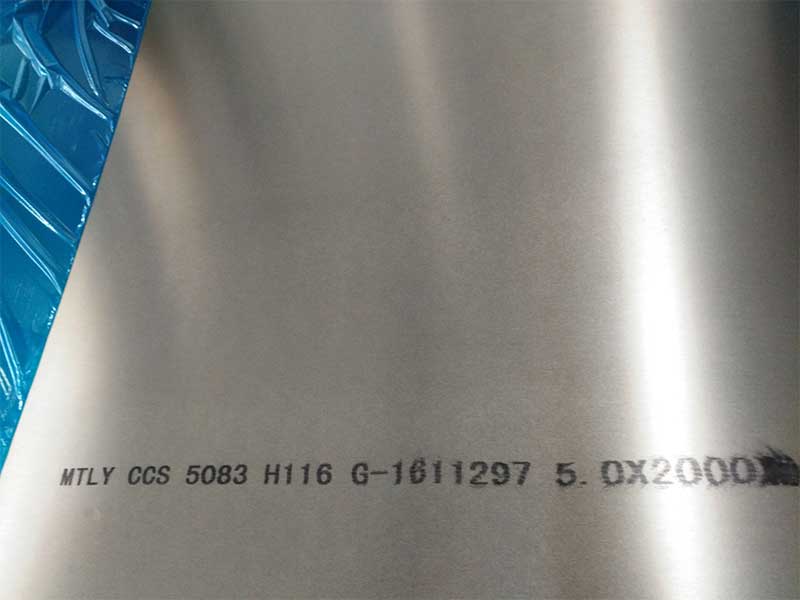
Marine 5083 aluminum plate
Marine 5083 Aluminum Plate belongs to the 5xxx series of aluminum-magnesium alloys and is classified as a non-heat-treatable alloy. Its high magnesium content (typically 4.0–4.9%) enhances its corrosion resistance, especially against seawater-related degradation such as pitting and stress corrosion cracking.
View Details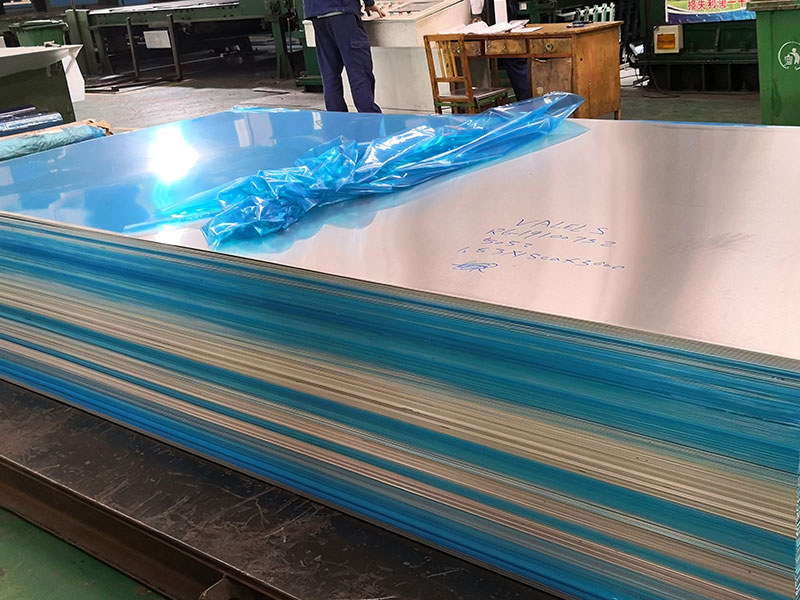
Marine 5059 aluminum plate
Marine 5059 Aluminum Plate is distinguished by its high magnesium content and carefully balanced alloying elements, designed to maximize strength without compromising corrosion resistance.
View Details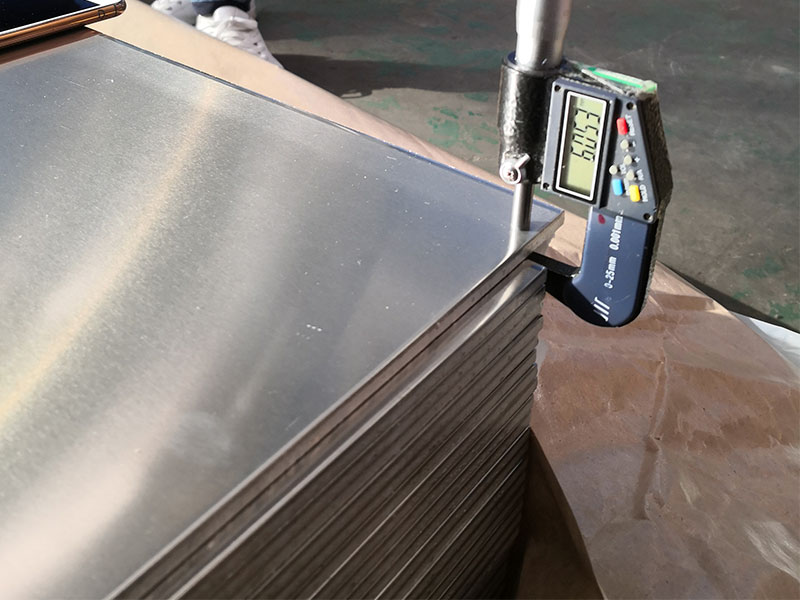
Marine 5383 aluminum plate
The 5383 aluminum alloy belongs to the 5xxx series of aluminum-magnesium alloys known for remarkable resistance to marine corrosion and high strength.
View Details
Marine 5086 aluminum plate
5086 Aluminum Plate belongs to the 5xxx series of aluminum-magnesium alloys. Its hallmark is a high magnesium content—generally between 4.0% and 4.9%—which delivers enhanced corrosion resistance, particularly against saltwater and marine atmospheric conditions.
View Details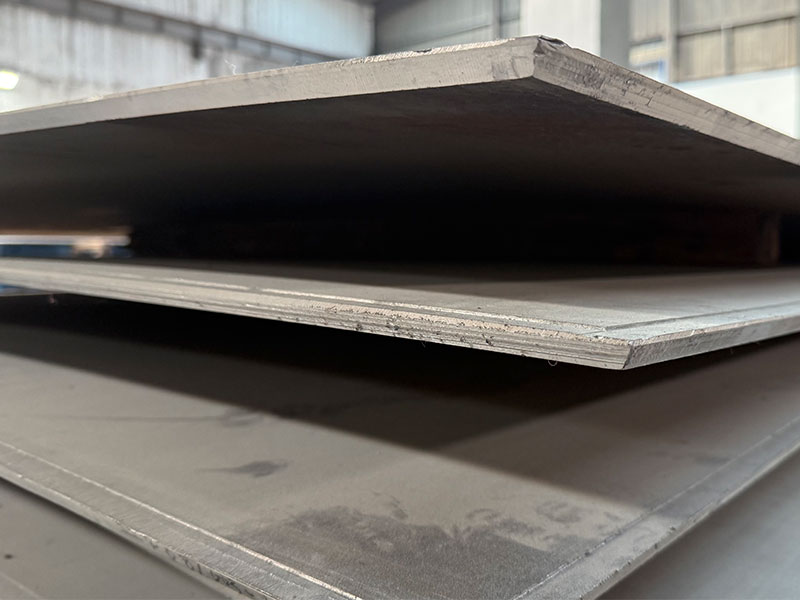
Marine aluminum steel clad plate
Aluminum / Steel Clad Plates consist of a sandwich construction in which a layer of marine-grade aluminum alloy is metallurgically bonded to a steel substrate.
View Details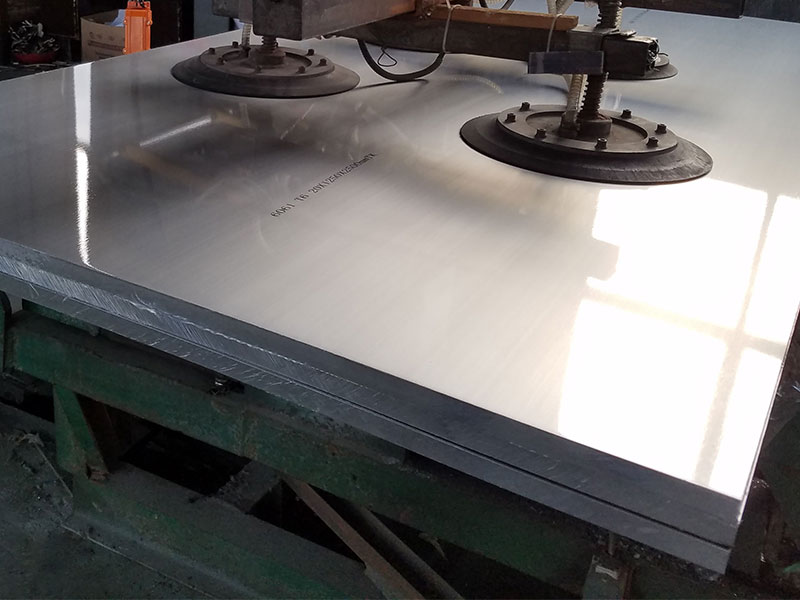
Marine heavy duty aluminum plate
Marine Heavy Duty Aluminum Plates Sheets generally refer to thick aluminum alloy plates and heavy gauge sheets produced from marine-grade alloys such as 5083, 5086, 5059, and 5383.
View DetailsRelated Blog
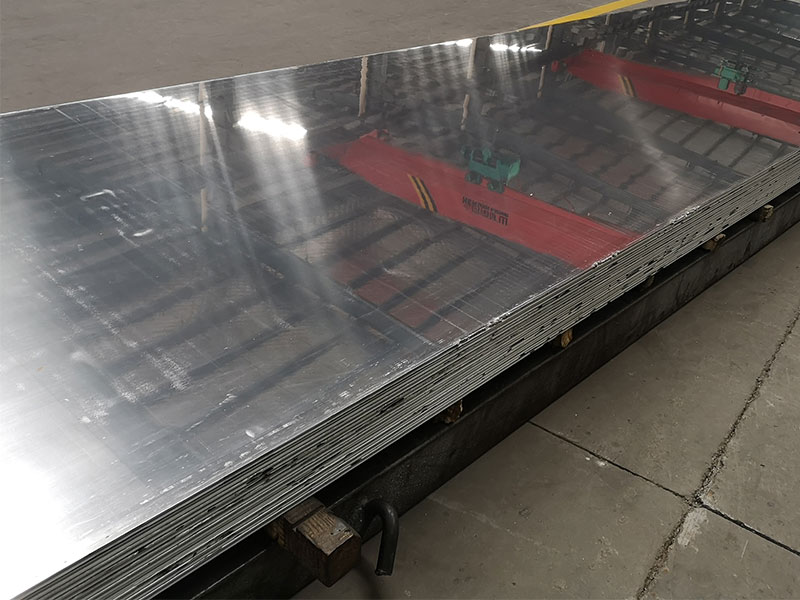
Marine Aluminum Alloy Plate 5052 5083 6061
Marine environments pose extreme challenges—constant exposure to saltwater corrosion, mechanical stresses, and environmental fluctuations demand materials that combine strength, durability, and corrosion resistance.
View Details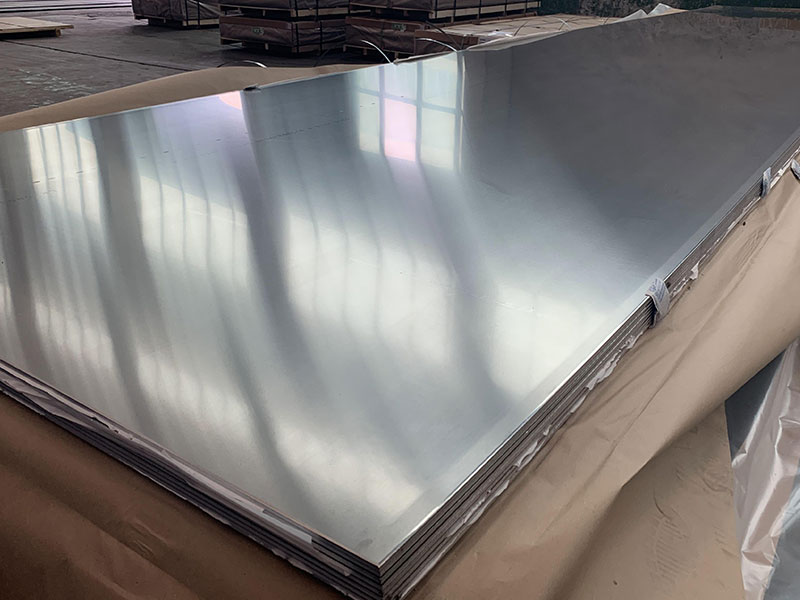
Mill Finish Plate Aluminum Sheet 5083 H116 For Boat
Mill Finish Plate Aluminum Sheet 5083 H116 For Boat: A Deep-Dive From The Hull’s Point Of View When naval architects choose materials, they are not merely reading charts; they are imagining how a plate of metal will live its entire life in salt water.
View Details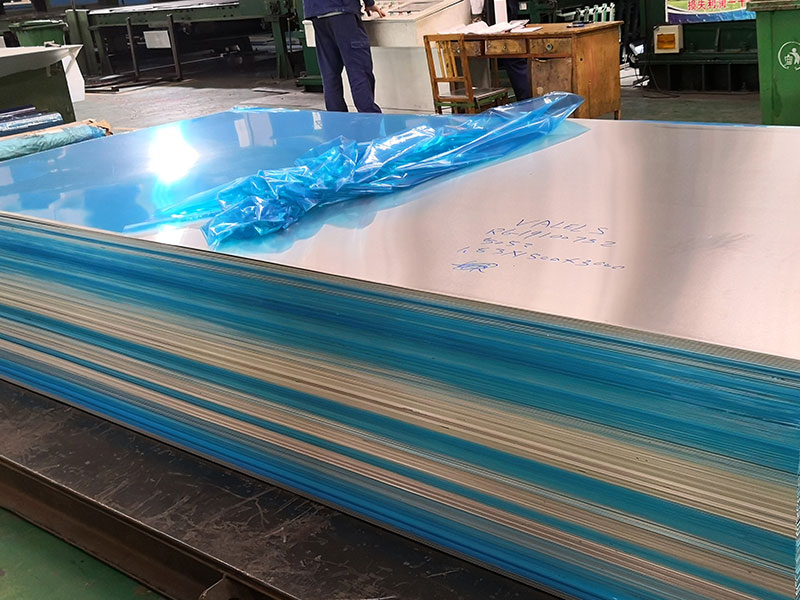
5083 marine aluminum sheet plate
5083 marine aluminum sheet plate has established itself as a standard reference in the maritime industry, thanks to its exceptional combination of performance, versatility, and durability.
View Details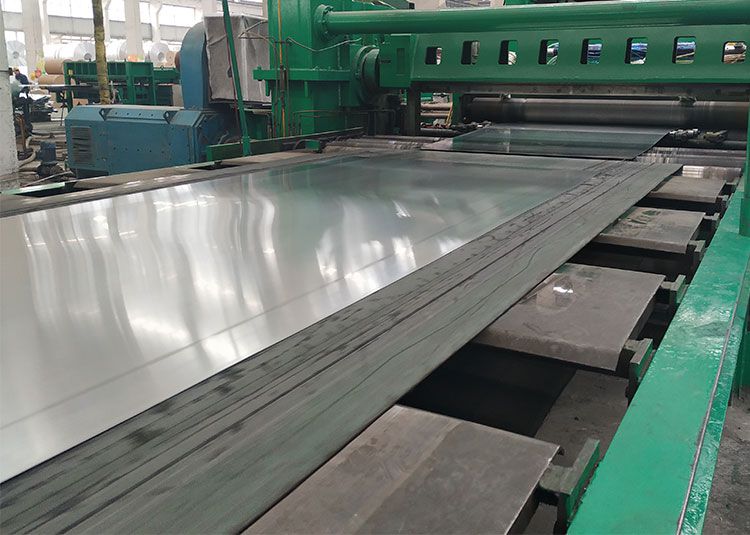
5083 marine grade aluminium plate for ship building
5083 Marine Grade Aluminium Plate: The Backbone of Modern ShipbuildingWhen it comes to building durable, efficient, and lightweight vessels, 5083 marine grade aluminium plate stands out as a premier material choice.
View Details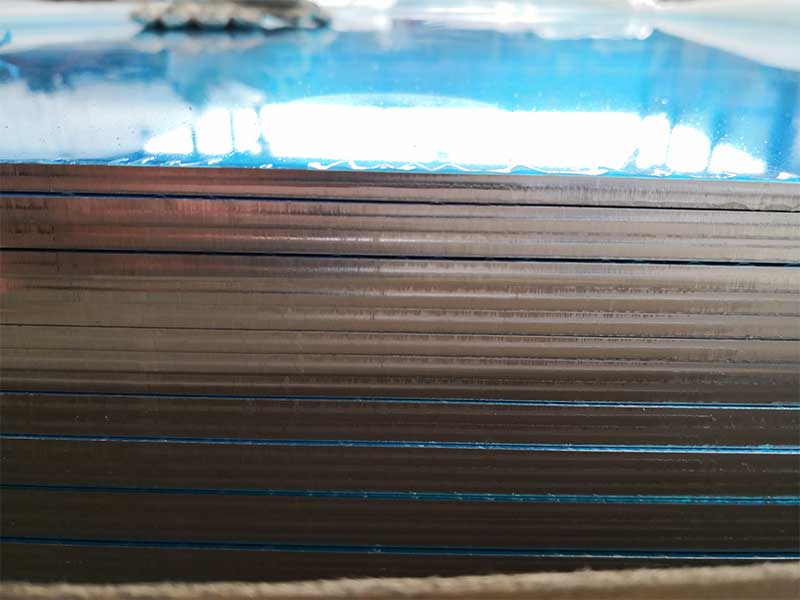
5083 Marine Grade Aluminum Plate for Shipbuilding
When people picture shipbuilding, they tend to imagine big welds, thick steel, and dramatic launches. Yet some of the most important decisions are almost invisible: alloy choice, temper condition, plate flatness.
View Details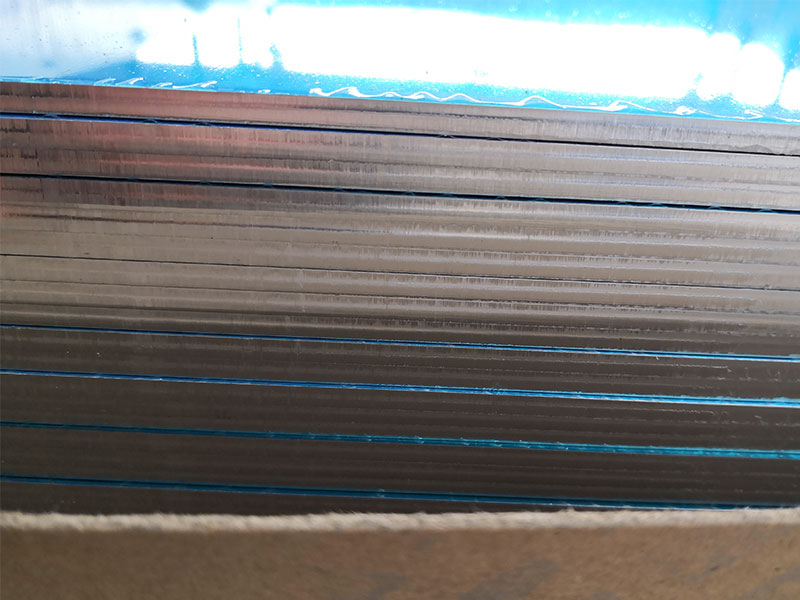
Marine Grade 5083, 5082 Aluminum Alloy Sheet Plate
When it comes to materials that perform exceptionally under the harsh conditions of marine environments, Marine Grade aluminum alloys like 5083 and 5082 hold a revered place in the industry’s toolkit.
View Details
Leave a Message