
6061 Marine Aluminum Heat Sink Profile for Offshore Engine Cooling Solutions
In the highly demanding environment of offshore engineering, efficient thermal management is critical for maintaining the performance and longevity of marine engines. Among various materials available, the 6061 Marine aluminum heat sink profile stands out as an optimal solution for offshore engine cooling systems.
Why Choose 6061 Marine Aluminum for Heat Sinks?
6061 aluminum alloy offers an excellent balance of strength, corrosion resistance, and thermal conductivity, making it an ideal candidate for harsh marine environments.
- Corrosion Resistance: Especially against seawater and saline atmospheres, thanks to its robust alloy composition and tempering.
- High Thermal Conductivity: Provides efficient dissipation of engine heat generation, maintaining optimal operating temperatures.
- Lightweight and Durable: Essential for offshore installations where weight affects both structural and handling aspects.
- Ease of Fabrication: Can be extruded into complex profiles suited for customized heat sink designs.
These properties make the 6061 aluminum heat sink profile a popular choice to maintain engine temperature, protecting machinery and ensuring operational safety in offshore platforms and vessels.
Functions of 6061 Marine aluminum heat sink profiles
Offshore engines generate significant heat during extended periods of operation. The 6061 Marine aluminum heat sink profile serves several important functions:
- Heat Dissipation: The finned profile enhances surface area contact with air or liquid coolants, accelerating heat transfer from engine components.
- Corrosion Protection: Longevity is improved by greatly reducing degradation caused by sea exposure.
- Structural Support: Offering mechanical reliability in mounting, avoiding performance losses caused by vibrational damage.
- Thermal Stability: Maintaining consistent physical properties to adapt to marine temperature fluctuations.
Together, these functions help optimize offshore engine durability, performance, and maintenance cycles.
Applications in Offshore Engine Cooling Solutions
Integrated as crucial components of marine engine cooling systems, 6061 aluminum heat sinks find application in:
- Surface Heat Exchangers: Attached to engine blocks or turbochargers to facilitate effective ambient air cooling.
- Radiator Tanks: Customized extrusion profiles designed to withstand corrosive offshore conditions.
- Electronic Heat Management: Cooling of control modules and sensors used on offshore rigs to maintain system integrity.
- Custom Cooling Assemblies: Modular designs providing tailored cooling efficiency for a variety of engine types and outputs.
Their versatility emphasizes compatibility across a vast range of vessels, from small working boats to large offshore service platforms.
Technical Details of 6061 Marine Aluminum
Alloy Tempering Conditions
6061 aluminum can be heat-treated into different temper designations to enhance mechanical performance:
| Temper | Description | Characteristics |
|---|---|---|
| O | Annealed | Soft, ductile with maximum formability |
| T4 | Solution heat treated and naturally aged | Moderate strength, nearly maximum corrosion resistance |
| T6 | Solution heat treated and artificially aged | Highest strength and hardness, common for heat sinks_used for offshore engines |
| T651 | T6 treated with stretching to remove internal stresses | Enhanced tensile properties and stress corrosion resistance |
Among these, T6 and T651 are preferred choices for offshore environments balancing strength and corrosion resistance.
Chemical Composition of 6061 Aluminum Alloy
The chemical elements are detailed in the table below (values shown are percentages by weight):
| Element | Percentage (%) |
|---|---|
| Silicon (Si) | 0.4 – 0.8 |
| Iron (Fe) | 0.7 max |
| Copper (Cu) | 0.15 – 0.40 |
| Manganese (Mn) | 0.15 max |
| Magnesium (Mg) | 0.8 – 1.2 |
| Chromium (Cr) | 0.04 – 0.35 |
| Zinc (Zn) | 0.25 max |
| Titanium (Ti) | 0.15 max |
| Aluminum (Al) | Balance |
The combination of magnesium and silicon forms magnesium silicide, which is crucial for hardening through heat treatment and enhancing corrosion resistance in marine atmospheres.
Typical Mechanical Properties
The mechanical characteristics of 6061 marine aluminum alloy vary based on temper treatment:
| Property | 6061–T6 | 6061–T651 |
|---|---|---|
| Tensile Strength (MPa) | 310 – 350 | 310 – 350 |
| Yield Strength (MPa) | 275 | 275 |
| Elongation (%) | 10 – 15 | 8 – 12 |
| Hardness (Brinell) | 95 | 95 |
| Thermal Conductivity (W/m·K) | ~170 | ~170 |
| Density (g/cm³) | 2.70 | 2.70 |
This combination is engineered to withstand mechanical loads and maintain performance efficiency throughout extended marine service timeframes.
Implementation Standards
Industry compliance assures material reliability. Important standards relating to 6061 marine aluminum extrusions include:
| Standard | Description |
|---|---|
| ASTM B221 / B221M | Standard Specification for Aluminum and Aluminum-Alloy Extruded Bars, Rods, Wire, Profiles, and Tubes |
| ASME SB-209 | Specification for 6061 alloy in structural applications |
| MIL-DTL-24779 (Marine grade standard) | Guidelines for corrosion resistance in marine aluminum alloys |
These reflect stringent requirements for offshore engineering applications.
Design Considerations for Heatsink Profiles
When selecting or designing 6061 aluminum heat sinks for offshore cooling:
- Profile Geometry: Pulsating fin designs increase airflow turbulence for better heat transfer.
- Surface Finishing: Anodizing improves paint adhesion and corrosion resistance.
- Mounting Arrangements: Integrate corrosion-resistant hardware for secure fixation under dynamic offshore conditions.
- Thermal Interface Materials: Always optimize contact between heat sinks and heat-generating sources to minimize thermal resistance.
Proper blend of material and design strategies exponentially improves offshore engine cooling and equipment life.

Related Products
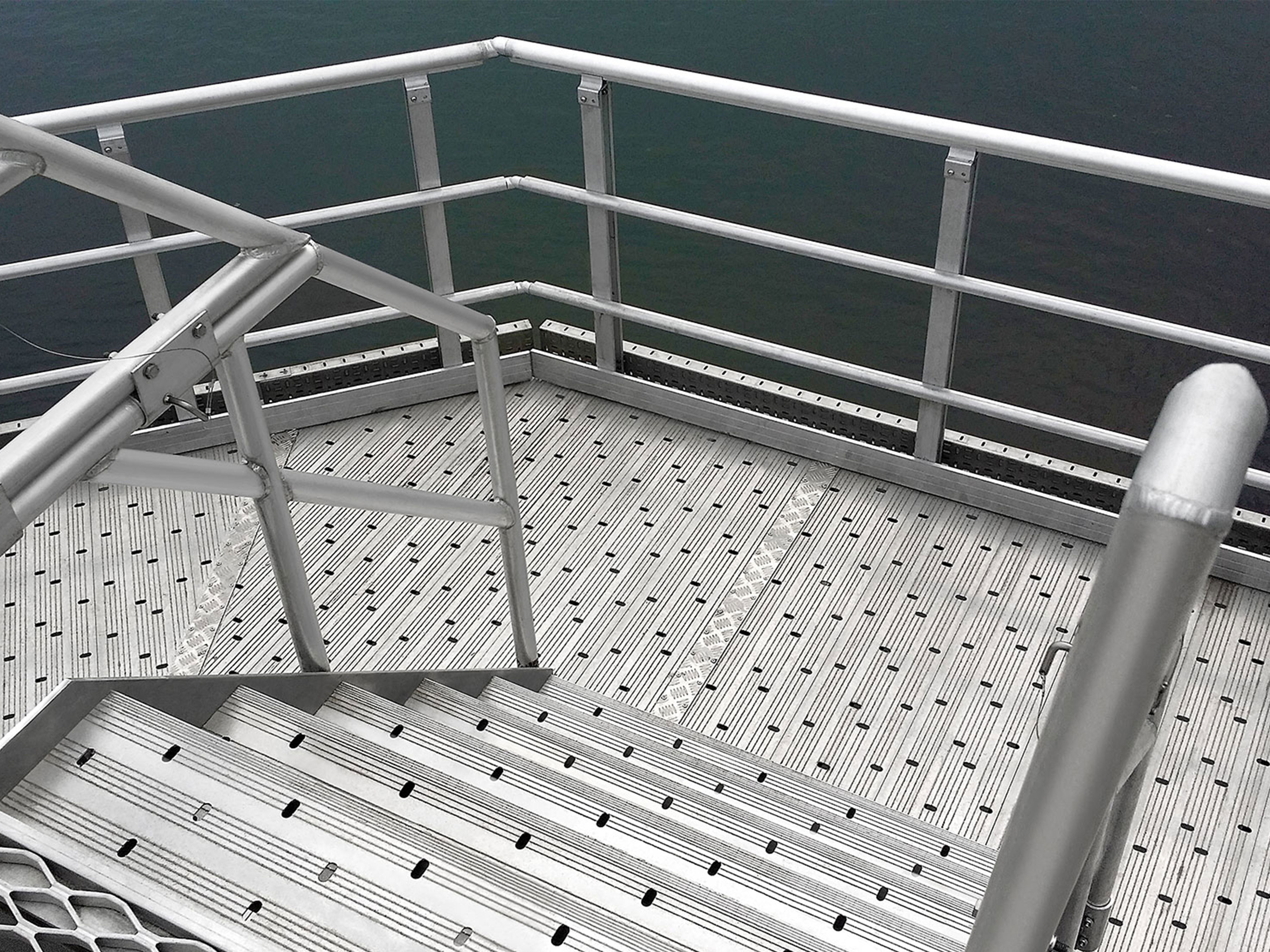
Marine aluminum customized shapes
Marine Grade Aluminum Customized Shapes encompass a broad range of aluminum extrusions and fabrications engineered beyond standard profiles—such as channels, angles, tubes, and beams—into complex, project-specific geometries.
View Details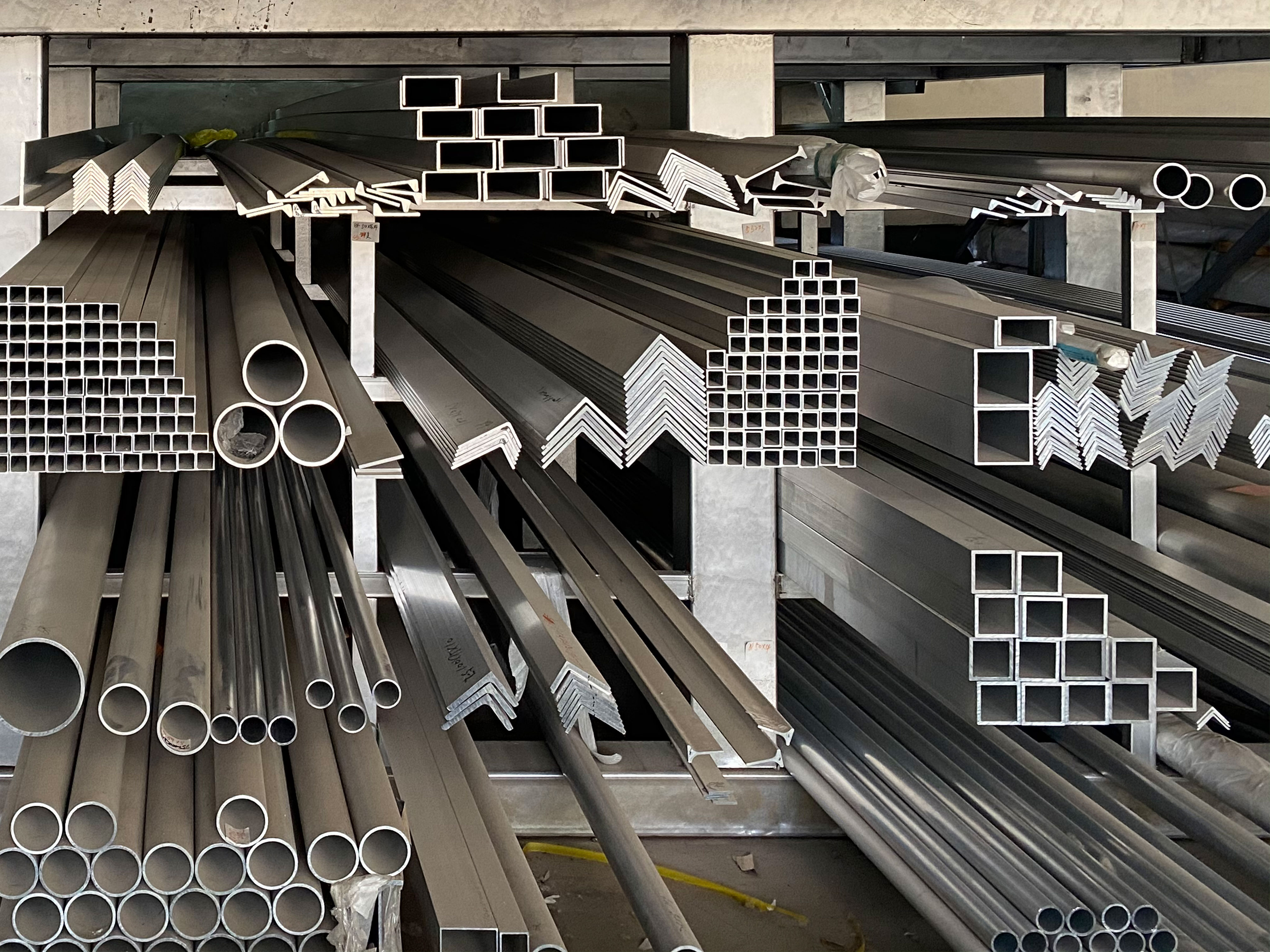
Marine aluminum fencing and railings
Marine Grade Aluminum Fencing and Railings are fabricated using marine-grade aluminum alloys such as 5083, 5052, and 6061, which are engineered specifically for protection against saltwater corrosion and marine atmospheric conditions.
View Details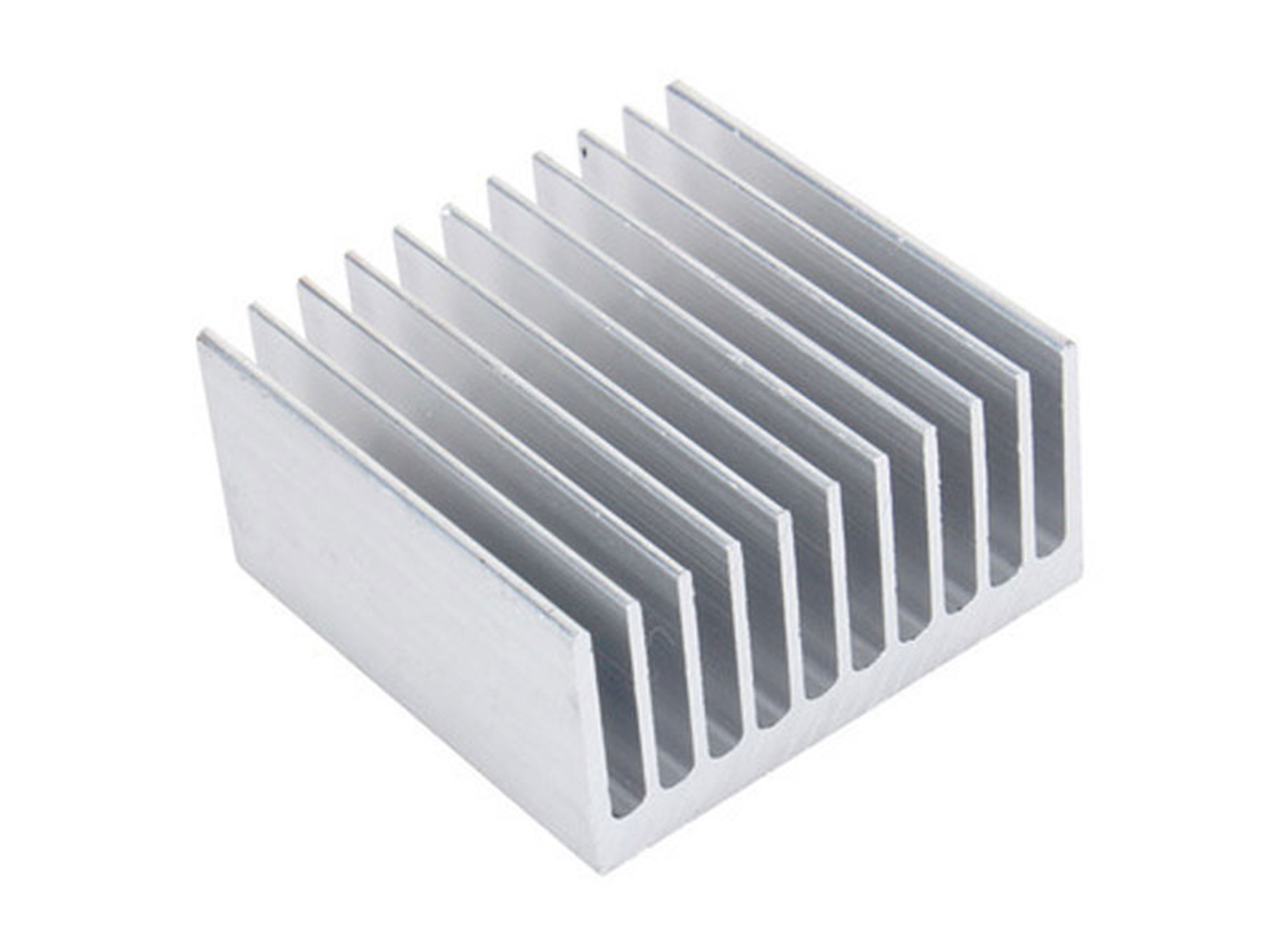
Marine aluminum heat sink profile
Marine Grade Aluminum Heat Sink Profiles utilize alloys such as 6061 and 6063 that not only exhibit high thermal conductivity but also possess excellent corrosion resistance required for saltwater exposure.
View DetailsRelated Blog
6061 Marine Aluminum Heat Sink Profile for Offshore Engine Cooling Solutions
In the highly demanding environment of offshore engineering, efficient thermal management is critical for maintaining the performance and longevity of marine engines.
View Details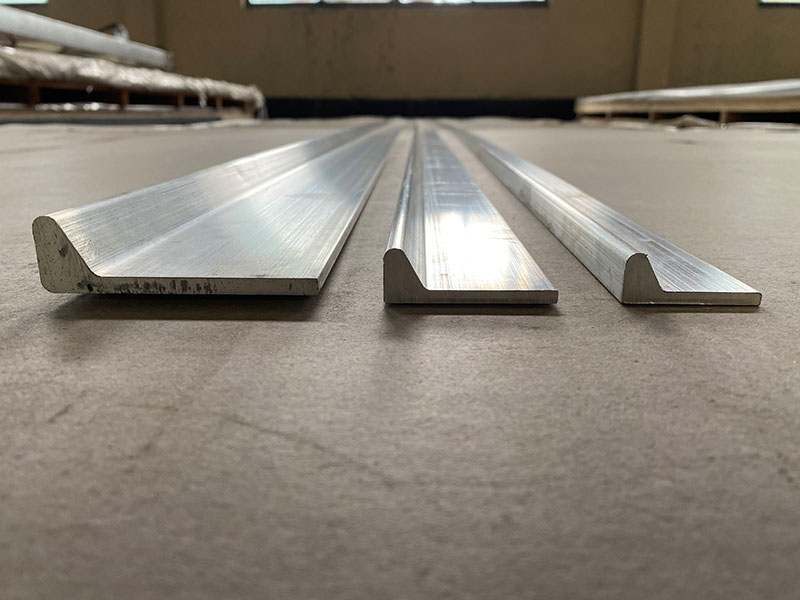
6061 Marine Aluminum Customized Shapes for Lightweight Offshore Platform Design
Explore how 6061 marine aluminum customized shapes offer superior strength, corrosion resistance, and lightweight characteristics essential for innovative offshore platform design, enabling robust and efficient marine structures.
View Details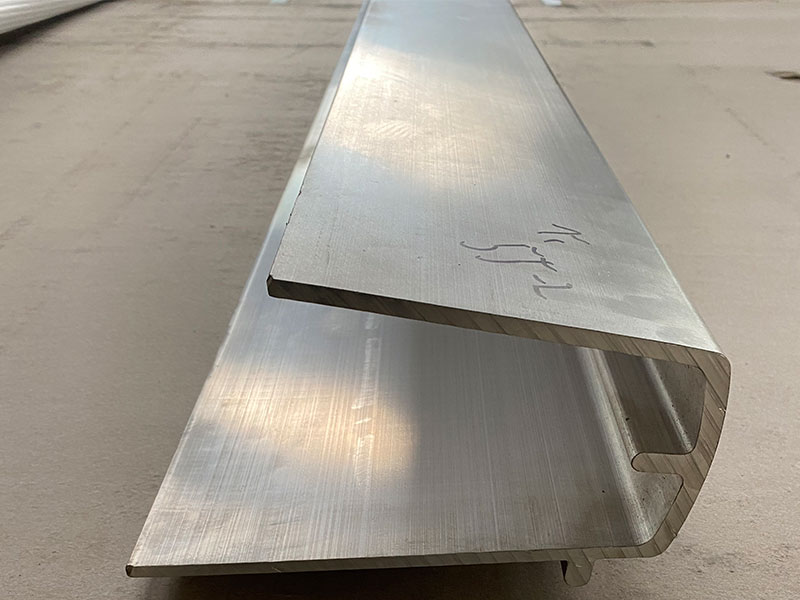
6061 Marine Aluminum Fencing and Railings for Lightweight Coastal Deck Railings
6061 marine aluminum is renowned for its excellent qualities, making it one of the top choices for lightweight coastal deck railings and fencing solutions. Designed specifically for marine environments, its exceptional resistance to corrosion.
View Details
6061 Marine Aluminum Heat Sink Profile for Custom Boat and Ship Engine Cooling
Explore the superior cooling efficiency of 6061 Marine Aluminum Heat Sink Profiles, engineered for custom boat and ship engines. detailed specifications, temper types, chemical properties, standards compliance, and advanced corrosion resistance features o
View Details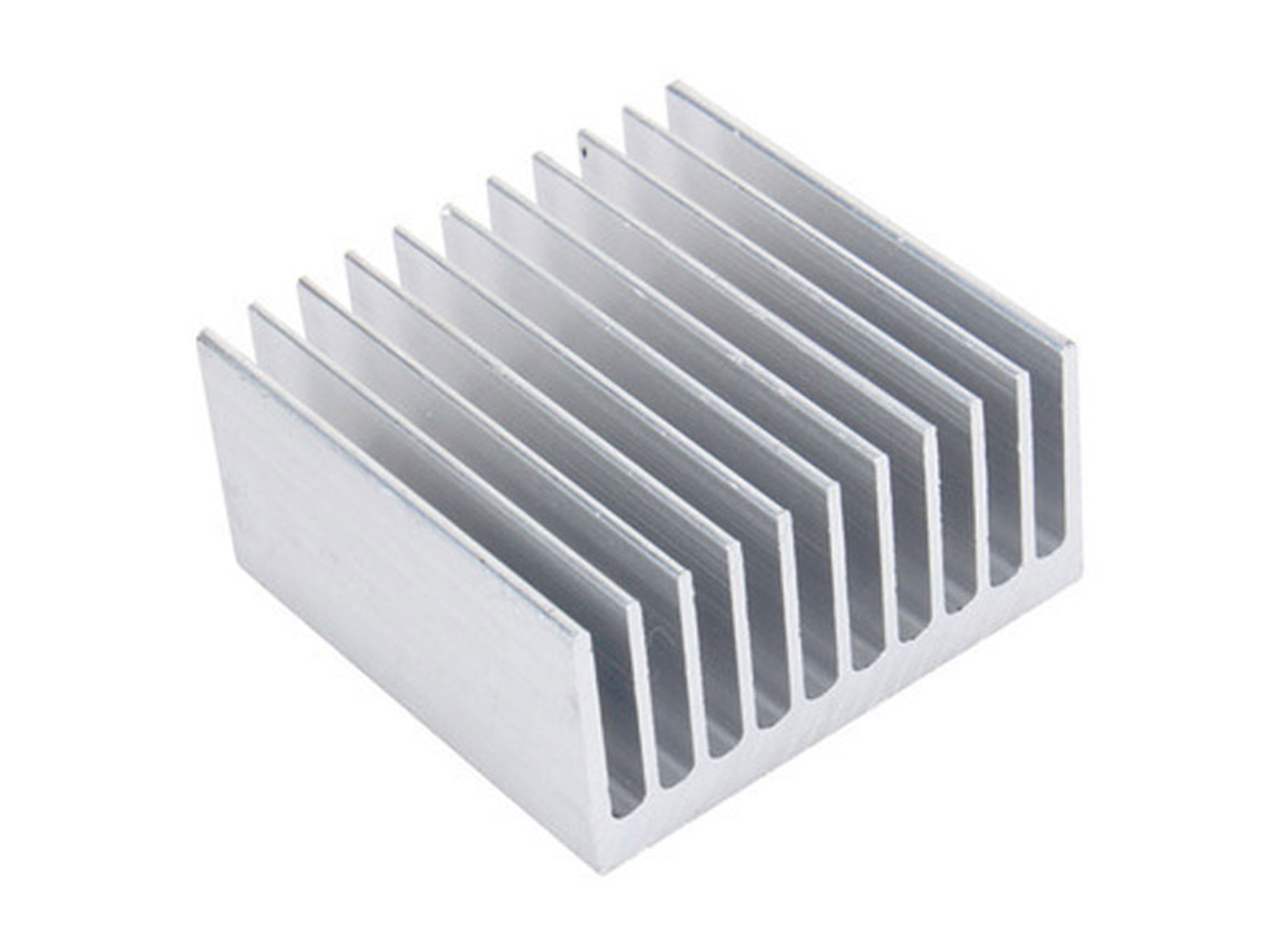
6061 Marine Aluminum Heat Sink Profile for Cooling Solutions for Offshore Electronics
6061 Marine Aluminum Heat Sink Profile: Optimal Cooling Solutions for Offshore ElectronicsIn the demanding environment of offshore electronics, reliable thermal management is critical.
View Details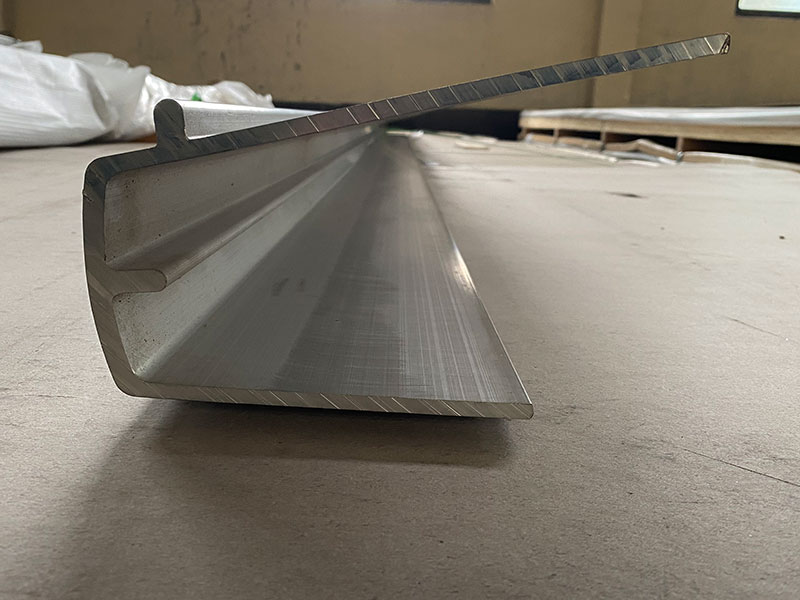
6061 Marine Aluminum Customized Shapes for Efficient Coastal Engineering Projects
6061 Marine Aluminum is a premium-grade aluminum alloy recognized for its exceptional corrosion resistance, mechanical strength, and versatility in coastal engineering.
View Details
Leave a Message