
6061 Marine Aluminum Hexagonal Bars
A Bar Shape Made for the Working Side of a Boat
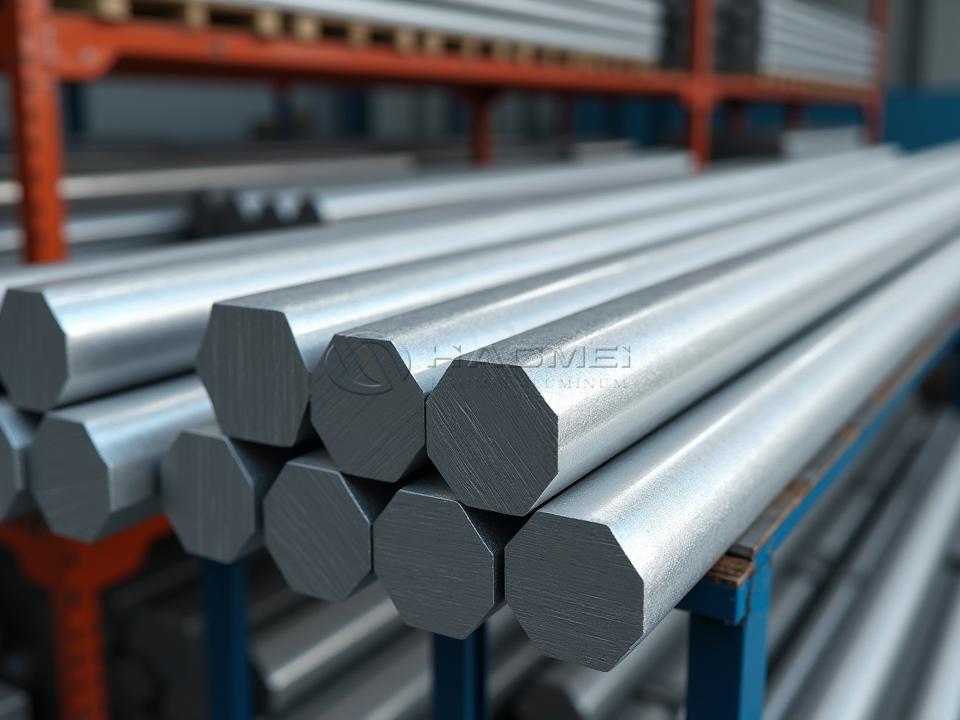
When customers specify 6061 marine aluminum hexagonal bars, they are often solving a torque problem rather than simply buying metal stock. A hex bar gives a wrench six stable contact faces, holds securely in a collet or chuck, and can become a finished nut, coupling, spacer, valve component, threaded stud, or deck-hardware fitting with relatively little material removal.
That practical geometry matters aboard a boat. Equipment is assembled in confined spaces, serviced with wet hands, and subjected to vibration, salt spray, and repeated loading. In these conditions, a well-machined hexagonal component can be easier to install, inspect, and replace than an equivalent round part requiring added flats or complex fixturing.
Why 6061 Is Often Selected
6061 aluminum is a heat-treatable alloy containing magnesium and silicon. In marine fabrication, it is valued for its balanced behavior: useful strength, good machinability, sound weldability, and dependable availability in bar forms. The T6 temper is especially common because it provides substantially higher strength than softer tempers while retaining good workability for many precision parts.
For boat hardware, 6061-T6 commonly suits applications such as threaded adapters, cleats and mounting blocks, railing fittings, pump brackets, instrument supports, linkage parts, hinge components, and custom fasteners. Its strength-to-weight ratio helps reduce unnecessary weight above the waterline while still allowing a robust part section where loads concentrate.
It is important, however, to understand what "marine" means in this context. 6061 is widely used on boats, but it is not automatically immune to seawater corrosion. It needs intelligent design, suitable surface protection, and careful management of contact with stainless steel, copper-bearing alloys, or carbon steel. Material choice is only the beginning of long service life.
For projects requiring alternative bar profiles or diameters, customers can compare Marine Grade Aluminum Bars to match the stock shape with the final component geometry.
The Hexagon Advantage During Machining
A round bar may look more economical at first, but it can create extra machining steps when the final part needs wrench flats. Starting with a 6061 hexagonal bar preserves material and can reduce cycle time. The flats offer convenient indexing points for drilling cross-holes, milling slots, engraving orientation marks, or holding a part during secondary operations.
Hex stock is especially useful for turned components with a threaded end and a wrenching section. A machinist can turn the threaded feature while retaining the original hex body, creating a practical fitting without milling six flats afterward. This approach is frequently used for hydraulic adapters, marine plumbing connectors, tie-rod ends, and adjustable mounting hardware.
The across-flats dimension is the measurement that matters most when selecting a hex bar. It determines wrench size, gripping area, and the maximum circular feature that can be machined into the stock. Customers should specify whether the required dimension is across flats, across corners, finished size, or nominal stock size. Confusion at this point can lead to a bar that looks close on paper but cannot produce the required finished part.
Temper, Tolerance, and Surface Expectations
For many machined marine parts, 6061-T6 is the practical default. Its firmness supports clean threads and crisp machined surfaces. Yet the temper should be checked against the fabrication route. If the component will be welded after machining, the heat-affected zone loses a considerable portion of the T6 condition locally. The design must allow for that reduced strength, or the fabrication sequence may need to change.
Dimensional tolerance also deserves early attention. Standard extruded hex bar is excellent for general fabrication, but critical threaded fittings, sealing interfaces, and precision assemblies may require tighter tolerances, additional machining allowance, or verified straightness. A good purchase inquiry states alloy, temper, across-flats size, length, tolerance expectations, surface condition, quantity, and intended processing.
Extruded aluminum may have minor die lines, handling marks, or slight surface variation. These are often acceptable for components that will be machined or coated. For visible deck hardware, decorative anodizing, or polished parts, discuss cosmetic requirements before production. A bright finished fitting cannot be reliably made from stock with uncontrolled surface defects.
Corrosion Control Starts at the Design Table
Saltwater environments punish hidden details. A well-selected 6061 hex bar can still fail early if trapped moisture, dissimilar-metal contact, or damaged coatings are ignored. The most reliable approach is to design the finished fitting so water drains away, crevices are minimized, and inspection remains possible.
When a 6061 component contacts stainless fasteners or stainless rail tubing, galvanic corrosion can occur if an electrolyte bridges the metals. Isolation washers, sleeves, bedding compounds, marine sealants, and coatings can reduce this risk. The right method depends on the load path and whether electrical continuity is required. Avoid sealing a joint in a way that traps saltwater with no drainage route.
Anodizing is a common protective finish for visible or frequently handled components. Hard anodizing can improve surface hardness and wear resistance, while architectural-style anodizing may be chosen for appearance. Powder coating or marine paint systems can also work well when surface preparation is correct. Machined threads, contact faces, and close-tolerance areas may need masking or post-finish cleaning to preserve fit.
Material Choice Should Follow the Part's Job
6061 marine aluminum hexagonal bars are excellent for structural hardware and machined fittings, but they are not the answer to every saltwater exposure condition. If a component remains continuously submerged, experiences severe crevice exposure, or must resist aggressive chloride attack with minimal protection, another alloy and design approach may be more suitable.
Likewise, if the part needs extreme strength, very fine threads, or high-temperature performance, engineers should assess the complete load case rather than relying on alloy reputation alone. A deck fitting, for example, should be evaluated for shock loading, rope angle, fastener pull-out, fatigue, local plate thickness, and corrosion at the mounting interface. The bar is only one part of the system.
For a hex-profile starting point intended specifically for boat fittings, Marine aluminum hexagonal bars provide a practical route from raw stock to serviceable hardware.
Practical Buying Notes for Better Results
The most efficient order is one that describes the finished part, not merely the raw bar. Share the expected operating environment, whether the part will be welded, the thread standard, desired coating, and any inspection needs. This information helps prevent a mismatch between stock condition and real installation demands.
Buy a size that leaves sensible machining allowance without creating excess waste. Confirm bar length against your saw capacity and machining setup. For repeated production, request consistent lots and retain traceability records for alloy and temper. For safety-related marine fittings, material certification and dimensional checks should be part of the purchasing plan rather than an afterthought.
6061 marine aluminum hexagonal bars earn their place in boatbuilding because their shape supports human use as well as machine production. They turn torque into a manageable interface: something a wrench can grip, a machinist can hold, and a service technician can maintain long after the boat leaves the yard.

Related Products
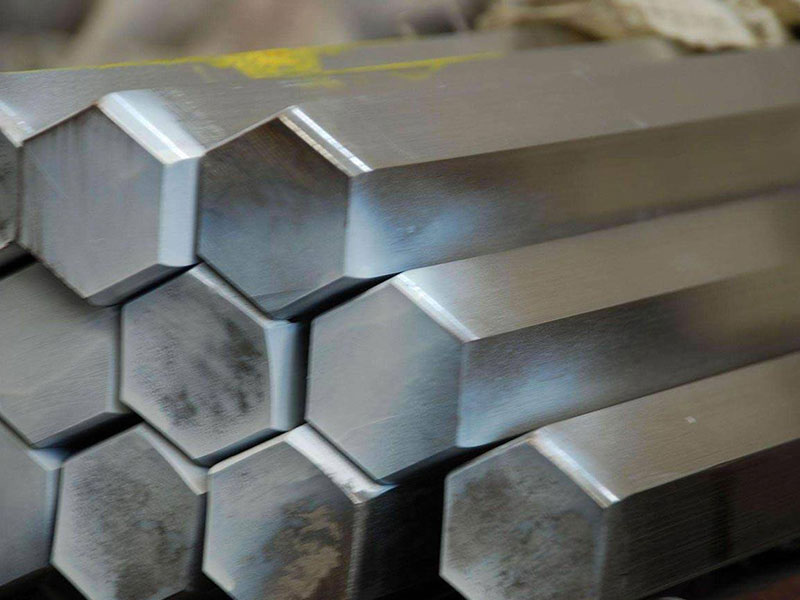
Marine aluminum hexagonal bars
Marine Grade Aluminum Hexagonal Bars are produced from premium corrosion-resistant aluminum alloys such as 5083, 5052, 6061, and 6082.
View Details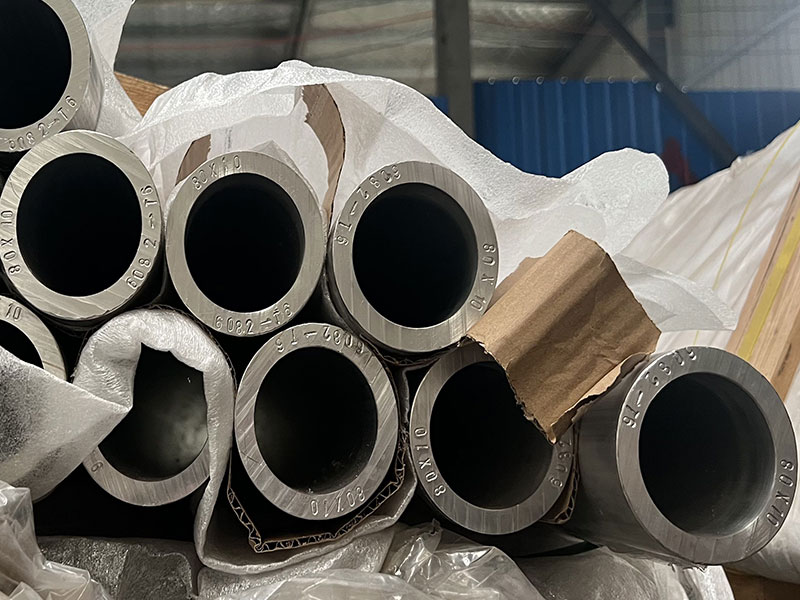
Marine aluminum hollow bars
Marine Grade Aluminum Hollow Bars are fabricated from high-quality alloys such as 5083, 5052, 6061, and 6082, all known for their exceptional resistance to seawater corrosion, salt spray, and marine atmospheres.
View Details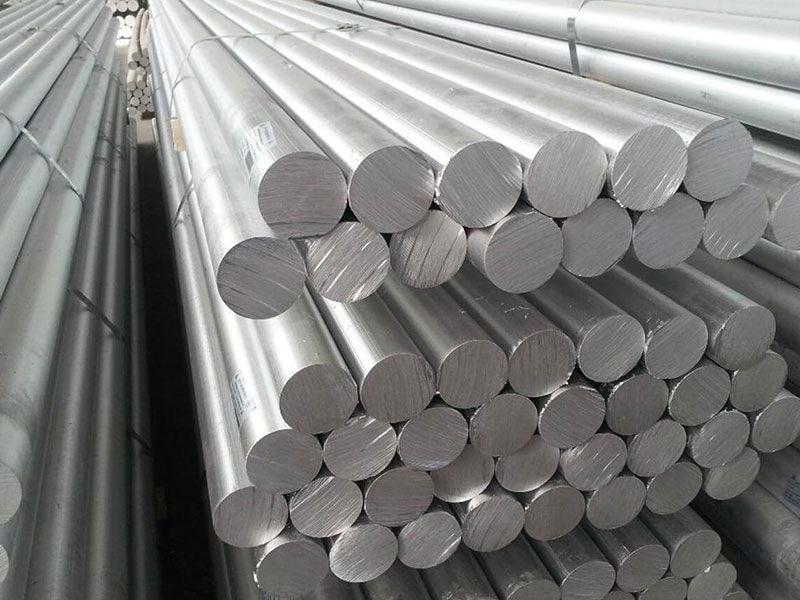
6082 marine aluminum rod & bar
6082 Aluminum Rods & Bars are extruded or rolled products manufactured from 6082 aluminum alloy — a thermally treated (typically T6 temper) aluminum-magnesium-silicon alloy that balances high tensile strength, good weldability, and excellent corrosion resistance.
View Details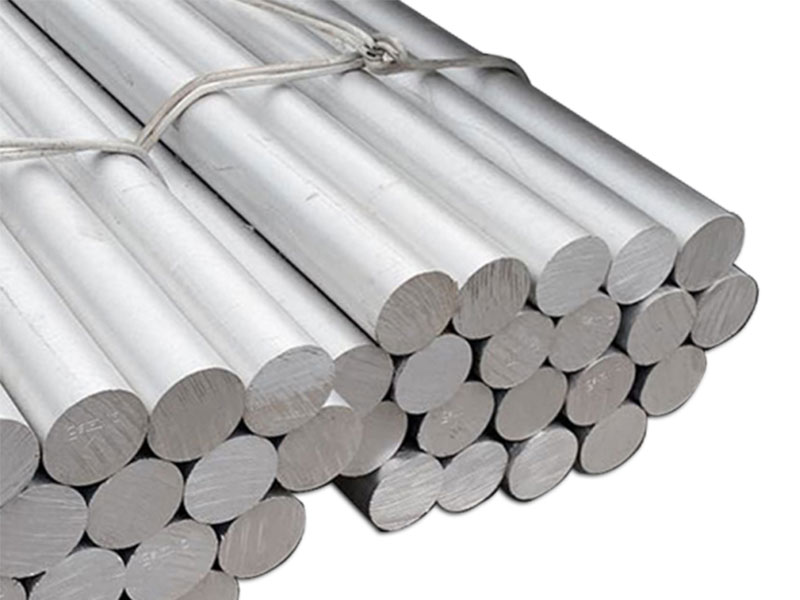
Marine grade aluminum solid bar
Marine Grade Aluminum Solid Bars are produced from premium aluminum alloys optimized for saltwater exposure, such as 5083, 5052, 6061, and 6082. These alloys offer unparalleled resistance to corrosion caused by seawater, salt spray, and marine atmospheres, while maintaining excellent mechanical strength and toughness.
View DetailsRelated Blog
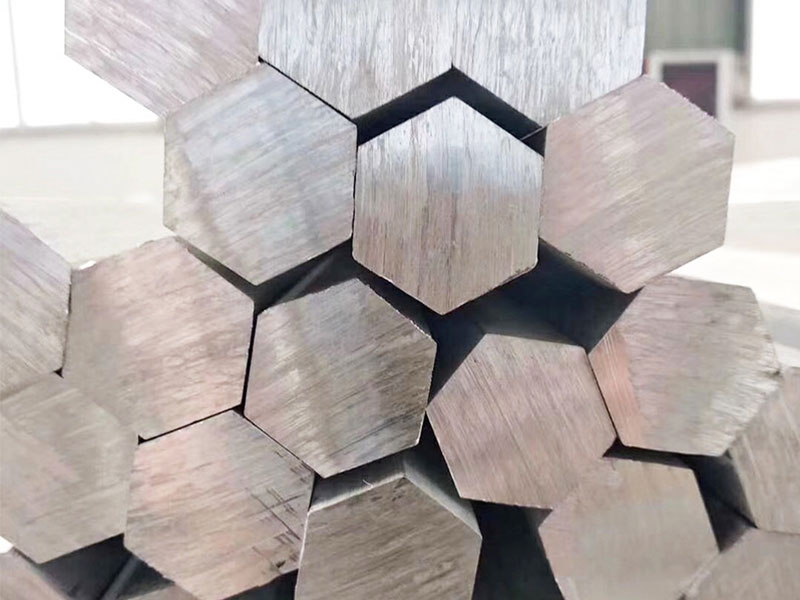
5083 Marine Aluminum Hexagonal Bars for High Strength Shipbuilding Materials
When it comes to constructing robust, lightweight, and corrosion-resistant components in the marine industry, 5083 marine aluminum hexagonal bars are an indispensable material.
View Details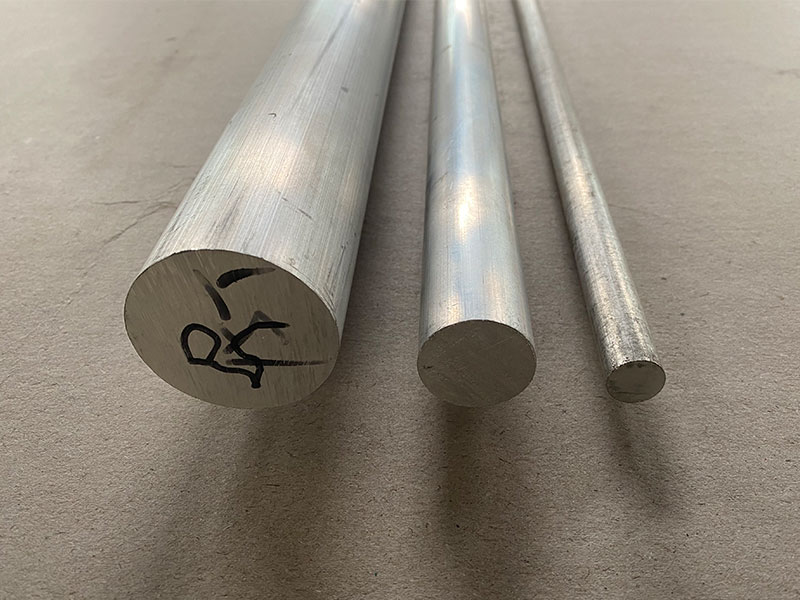
6061 Marine Aluminum Hexagonal Bars for Lightweight Marine Frame Construction
In the ever-evolving marine industry, choosing the correct material for frame construction is a critical factor influencing performance, durability, and safety. Among these materials.
View Details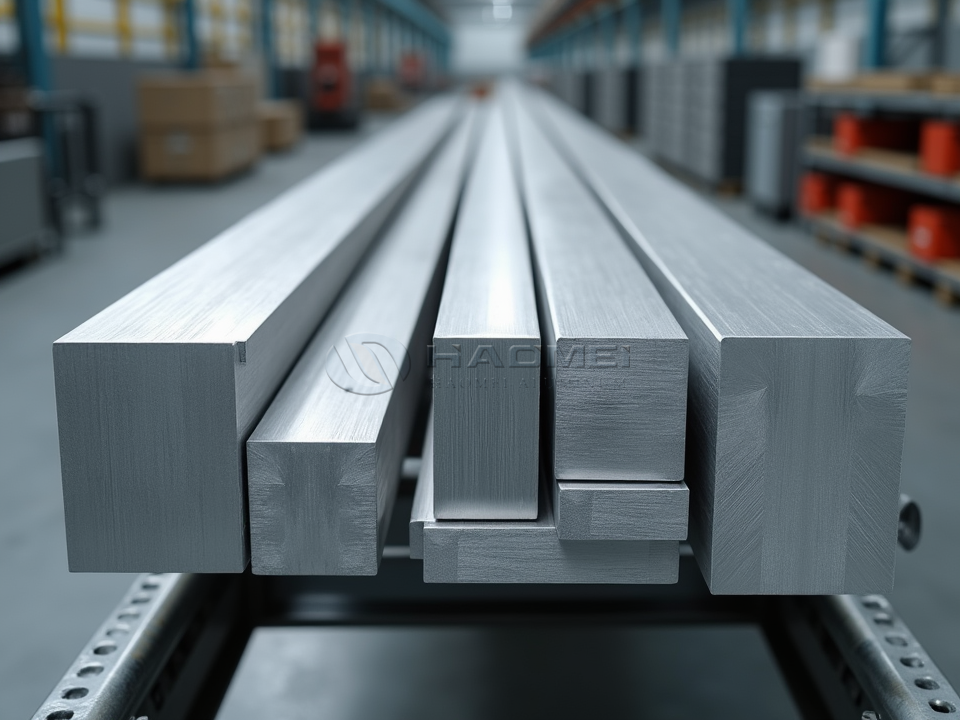
5083 Marine Aluminum Hollow Bars
5083 marine aluminum hollow bars deliver high seawater corrosion resistance, weldability, and strength for boat frames, fittings, and offshore structures.
View Details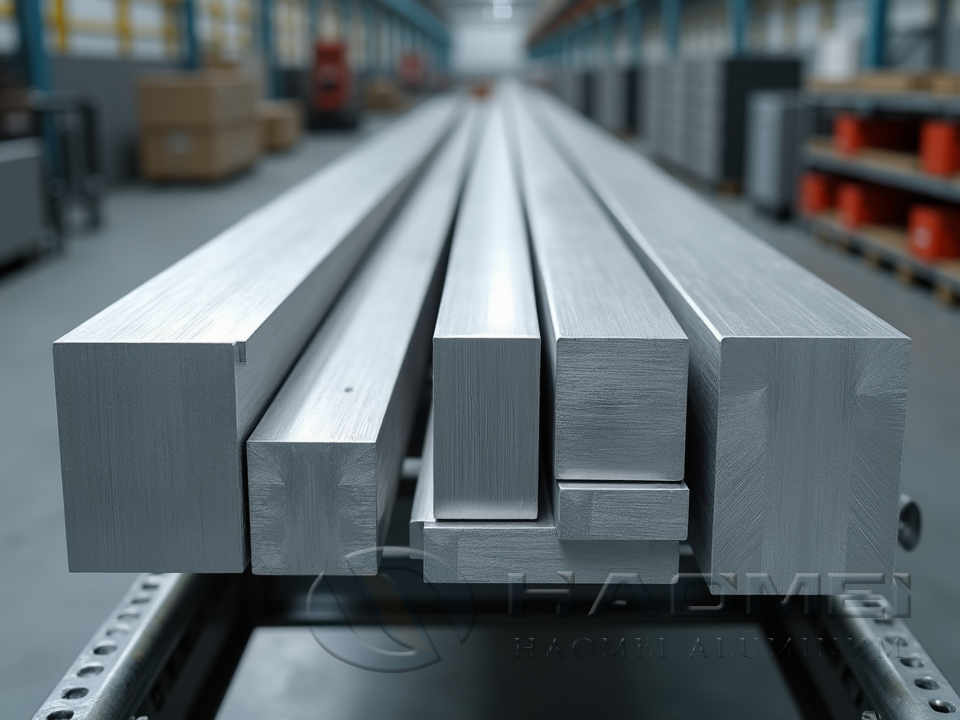
Marine Aluminum Hexagonal Bars for High Performance Offshore Applications
Practical guidance on marine aluminum hexagonal bars for offshore hardware, fasteners, machining, corrosion resistance, and alloy selection.
View Details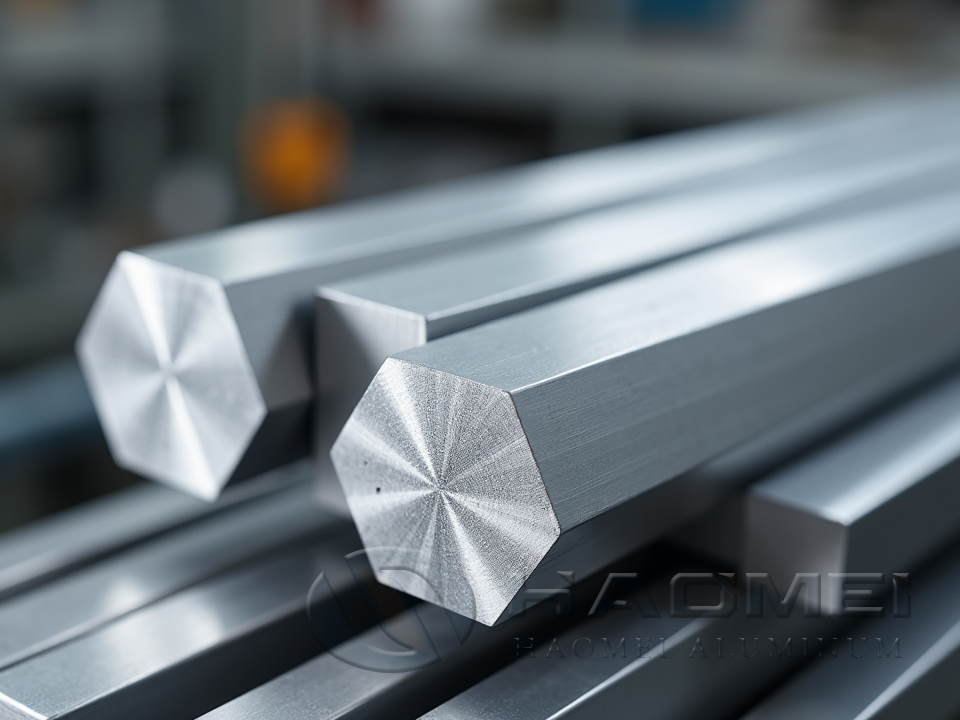
Marine Aluminum Hexagonal Bars for High Strength Boat Frame Design
Technical guide to marine aluminum hexagonal bars for strong boat frames, covering alloys, tempers, standards, properties, tolerances, and design uses.
View Details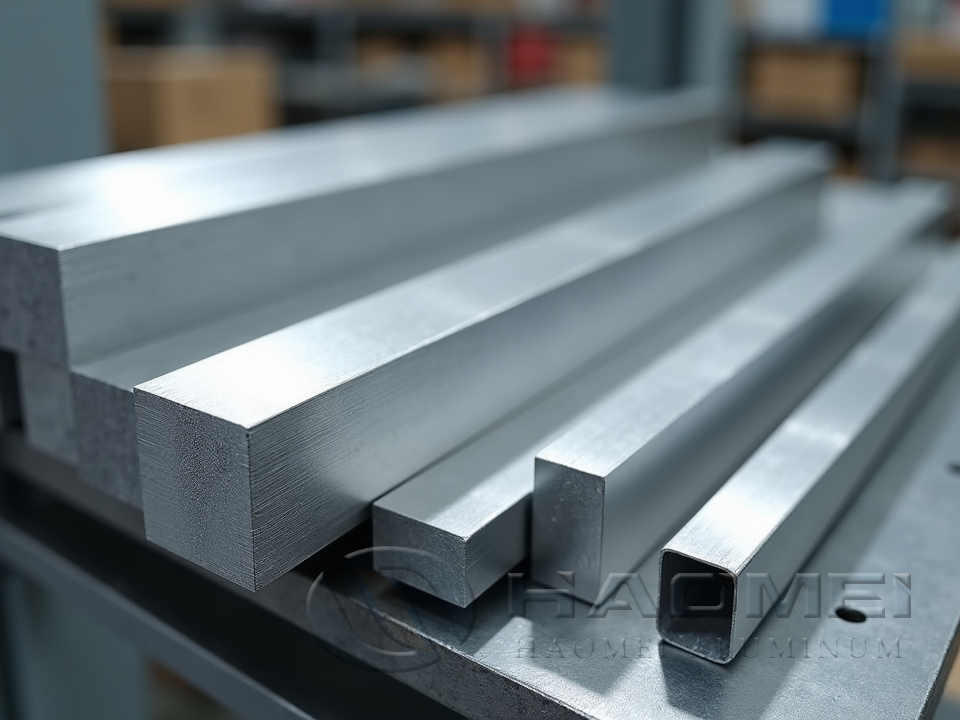
6082 Marine Aluminum Hexagonal Bars for Offshore Platform Construction
Explore 6082 marine aluminum hexagonal bars for offshore platforms, with T6 strength, corrosion resistance, machining data, uses, and specs.
View Details
Leave a Message