
Best Marine Aluminum Bar Material for Boat Building
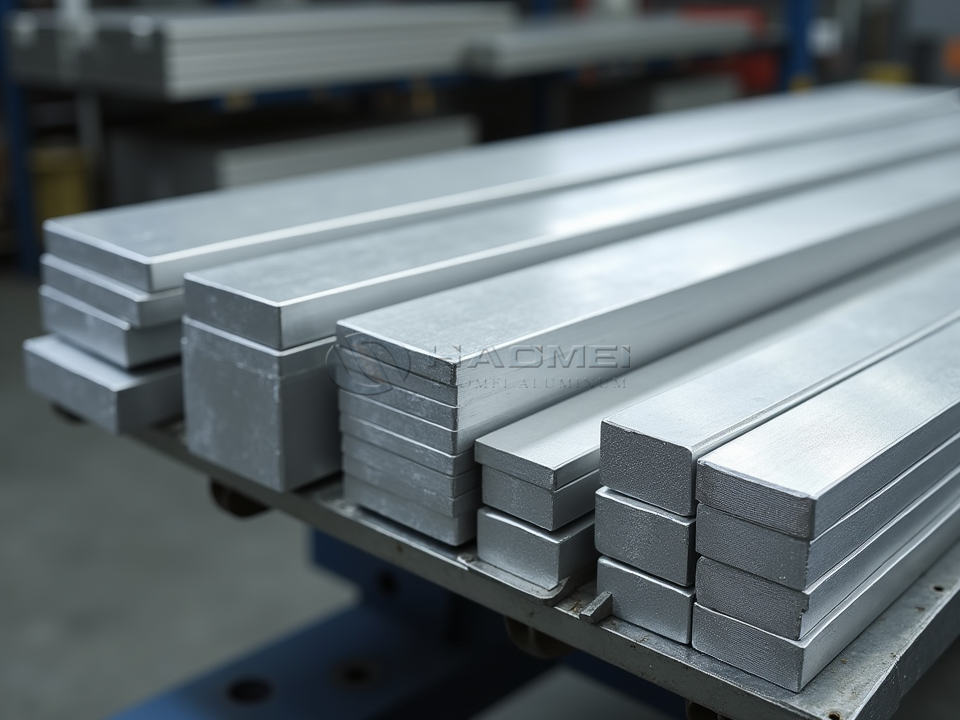
Marine aluminum bar is a practical material for boat structures, deck equipment, fittings, rails, brackets, frames, and machined marine components. The right alloy can reduce vessel weight, resist saltwater corrosion, simplify fabrication, and provide dependable service through years of exposure to spray, humidity, vibration, and loading.
For most boat-building projects, 5052, 5086, 6061-T6, and 6082 are the most suitable aluminum bar alloys. Each alloy serves a different purpose. Magnesium-rich 5xxx alloys are favored for saltwater corrosion resistance and welded structures, while 6xxx alloys provide higher strength, excellent machining behavior, and a cleaner finish for hardware and structural parts.
Selecting an Alloy for the Marine Environment
A boat bar is not selected by strength alone. It must perform in chloride-rich seawater, tolerate galvanic contact risks, and retain useful properties after welding or machining. Surface condition, temper, section size, joining method, and isolation from stainless steel or copper-based metals also influence actual service life.
| Alloy | Primary Advantage | Saltwater Corrosion Resistance | Weldability | Machinability | Typical Boat Use |
|---|---|---|---|---|---|
| 5052-H32/H34 | Formability and corrosion resistance | Excellent | Excellent | Fair | Trim, brackets, tanks, bent supports |
| 5086-H111/H116 | Marine-grade welded strength | Excellent | Excellent | Fair | Frames, stiffeners, structural supports |
| 6061-T6 | Strength and machinability | Good with protection | Good | Excellent | Cleats, mounts, rails, machined fittings |
| 6082-T6 | High structural strength | Good with protection | Good | Good | Heavy-duty frames, brackets, load-bearing parts |
For welded hull-adjacent members and continuously wet applications, 5052 or 5086 is normally preferred. For precision-machined parts such as engine mounts, steering brackets, hardware bases, and custom fittings, 6061-T6 is often the more economical and efficient choice. Heavy structural installations may benefit from 6082, particularly where strength-to-weight performance is important.
A broad selection of Marine Grade Aluminum Bars allows fabricators to match the alloy, temper, and profile to the boat's structural and environmental demands.
Chemical Composition of Common Marine Bar Alloys
The alloying elements determine corrosion behavior, strength, formability, and response to heat treatment. Magnesium is especially valuable in marine aluminum because it improves strength while supporting corrosion resistance in seawater.
| Element, % | 5052 | 5086 | 6061 | 6082 |
|---|---|---|---|---|
| Magnesium, Mg | 2.2-2.8 | 3.5-4.5 | 0.8-1.2 | 0.6-1.2 |
| Manganese, Mn | 0.10 max | 0.2-0.7 | 0.15 max | 0.4-1.0 |
| Silicon, Si | 0.25 max | 0.40 max | 0.4-0.8 | 0.7-1.3 |
| Iron, Fe | 0.40 max | 0.50 max | 0.70 max | 0.50 max |
| Copper, Cu | 0.10 max | 0.10 max | 0.15-0.40 | 0.10 max |
| Chromium, Cr | 0.15-0.35 | 0.05-0.25 | 0.04-0.35 | 0.25 max |
| Zinc, Zn | 0.10 max | 0.25 max | 0.25 max | 0.20 max |
| Aluminum, Al | Balance | Balance | Balance | Balance |
Composition limits may vary slightly by ASTM, EN, or customer specification. Material certification should confirm the applicable standard, melt analysis, temper, and mechanical test results before production use.
Mechanical Performance and Technical Data
Marine aluminum bars offer a favorable balance of low density and structural capacity. Aluminum weighs approximately one-third as much as steel, supporting lighter boats, improved payload capacity, easier handling, and reduced fuel demand.
| Property | 5052-H32 Flat Bar | 5086-H116 Bar | 6061-T6 Bar | 6082-T6 Bar |
|---|---|---|---|---|
| Density, g/cm³ | 2.68 | 2.66 | 2.70 | 2.70 |
| Tensile Strength, MPa | 210-260 | 275-350 | 290-320 | 310-340 |
| Yield Strength, MPa | 160-195 | 125-240 | 240-280 | 250-300 |
| Elongation, % | 10-16 | 10-16 | 8-12 | 8-12 |
| Elastic Modulus, GPa | 70 | 70 | 69 | 69 |
| Melting Range, °C | 605-650 | 590-640 | 582-652 | 555-650 |
| Thermal Conductivity, W/m·K | Approx. 138 | Approx. 117 | Approx. 167 | Approx. 172 |
Values are typical and vary with product geometry, thickness, temper, testing direction, and governing standard. For load-critical boat parts, designers should use certified minimum values from the relevant material specification rather than typical catalog figures.
Available Forms and Fabrication Options
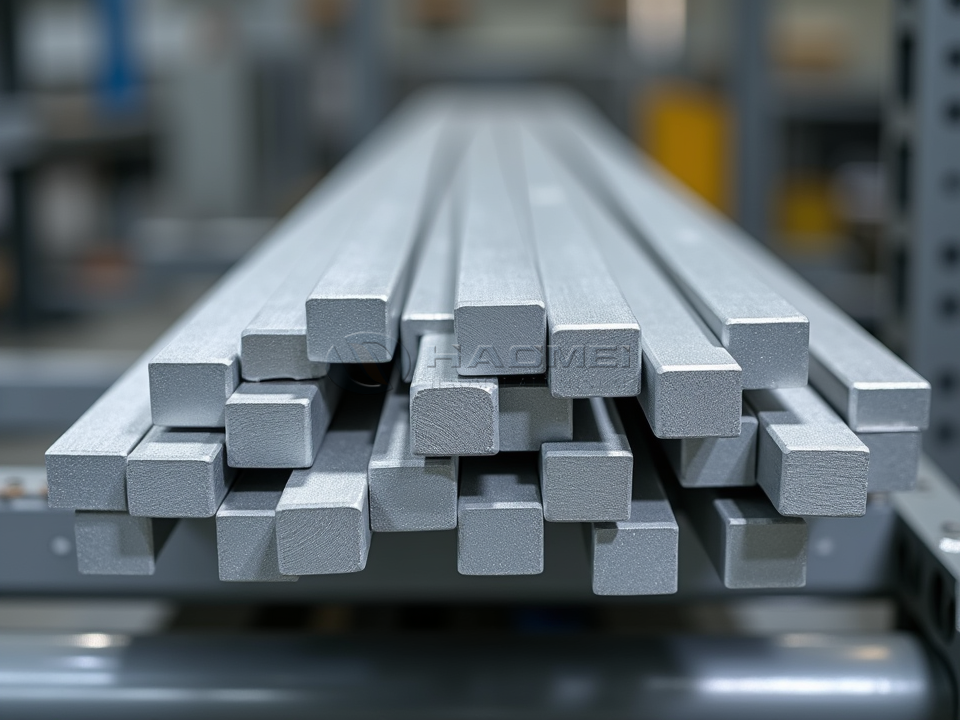
Marine aluminum bars can be supplied as flat bar, round bar, square bar, rectangular bar, hexagonal bar, and custom-machined sections. Flat bars are widely used for gussets, deck framing, rub-rail backing, and reinforcement strips. Round and square bars suit shafts, pins, handles, support legs, custom fasteners, and machined hardware.
| Product Form | Common Size Range | Suitable Applications |
|---|---|---|
| Flat bar | 3-100 mm thick, 10-300 mm wide | Frames, supports, backing plates, trim |
| Round bar | 6-300 mm diameter | Pins, bushings, shafts, turned fittings |
| Square bar | 6-150 mm side length | Brackets, posts, machined connectors |
| Rectangular bar | Custom dimensions available | Structural members, mounting blocks |
| Hexagonal bar | Small to medium sizes | Nuts, fittings, marine hardware |
For high-load fabricated components, 6082 marine aluminum rod & bar is a strong option where machining and structural capacity are both required.
Boat-Building Applications
Marine aluminum bar supports both new construction and refit work. It is used across recreational boats, workboats, fishing vessels, patrol craft, pontoons, offshore platforms, and marine service equipment.
| Boat Area | Recommended Alloy Options | Performance Benefit |
|---|---|---|
| Deck frames and stiffeners | 5052, 5086, 6082 | Low weight with reliable structural support |
| Railings and ladders | 5052, 6061 | Corrosion resistance and clean fabrication |
| Engine and equipment mounts | 6061-T6, 6082-T6 | Strength, machining precision, rigidity |
| Fuel tank supports and enclosures | 5052, 5086 | Strong resistance to humid and salty conditions |
| Cleats, brackets, hinge bases | 6061-T6 | Accurate machining and durable service |
| Cabin fittings and trim | 5052, 6063 | Good finish quality and forming response |
| Trailer and dock accessories | 6061-T6, 6082-T6 | High strength with manageable weight |
Benefits That Matter on the Water
The value of marine aluminum bar extends beyond its initial purchase price. Its low density helps reduce top-side weight and improves vessel balance. Its corrosion resistance lowers maintenance requirements compared with unprotected carbon steel. It can be cut, drilled, milled, welded, bent, and anodized to suit a broad range of fabrication methods.
Marine-grade alloys also maintain good toughness at low temperatures and do not become brittle in typical marine service. When used with suitable fasteners, sealants, drainage provisions, and electrical isolation, aluminum bar can provide a long-lasting solution in demanding coastal and offshore environments.
For the best service life, avoid direct contact with copper, brass, and carbon steel where moisture can remain trapped. Use insulating washers, marine sealant, protective coatings, or compatible fastener systems to reduce galvanic corrosion. Welded 6xxx components may lose strength in the heat-affected zone, so section design and post-weld strength requirements should be considered carefully.
Material Choice for Confident Boat Construction
Choose 5052 for formed and corrosion-exposed parts, 5086 for welded marine structures, 6061-T6 for machined hardware and general structural fittings, and 6082-T6 for heavier-duty load-bearing applications. With the proper alloy, temper, profile, and corrosion-control practice, marine aluminum bar delivers an efficient combination of strength, weight savings, fabrication flexibility, and dependable seawater performance.

Related Products
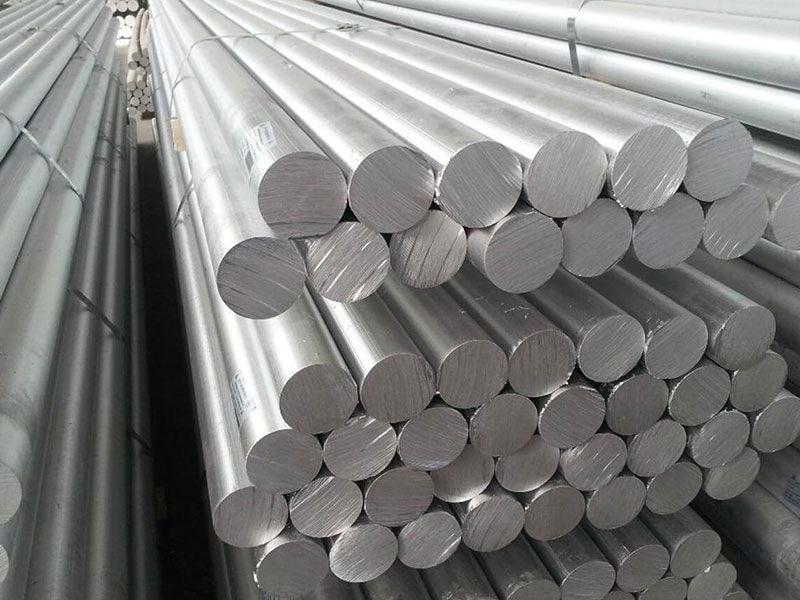
6082 marine aluminum rod & bar
6082 Aluminum Rods & Bars are extruded or rolled products manufactured from 6082 aluminum alloy — a thermally treated (typically T6 temper) aluminum-magnesium-silicon alloy that balances high tensile strength, good weldability, and excellent corrosion resistance.
View Details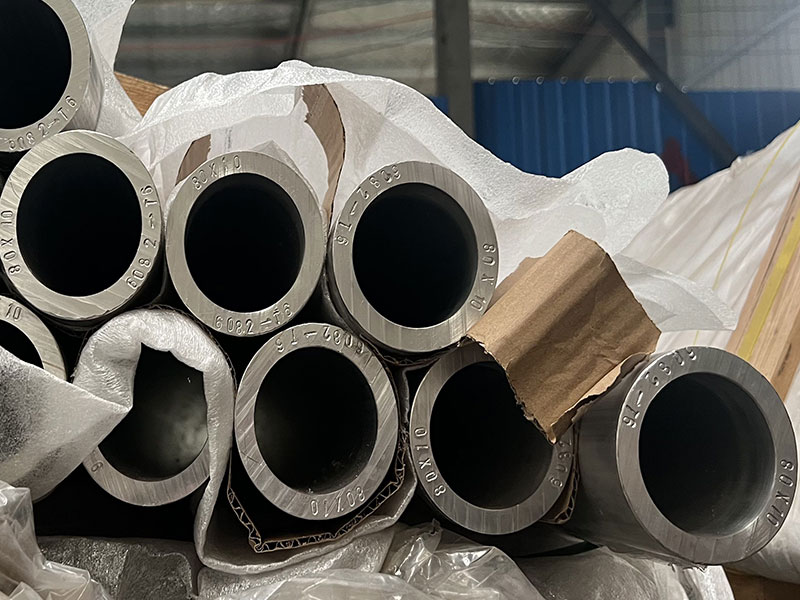
Marine aluminum hollow bars
Marine Grade Aluminum Hollow Bars are fabricated from high-quality alloys such as 5083, 5052, 6061, and 6082, all known for their exceptional resistance to seawater corrosion, salt spray, and marine atmospheres.
View Details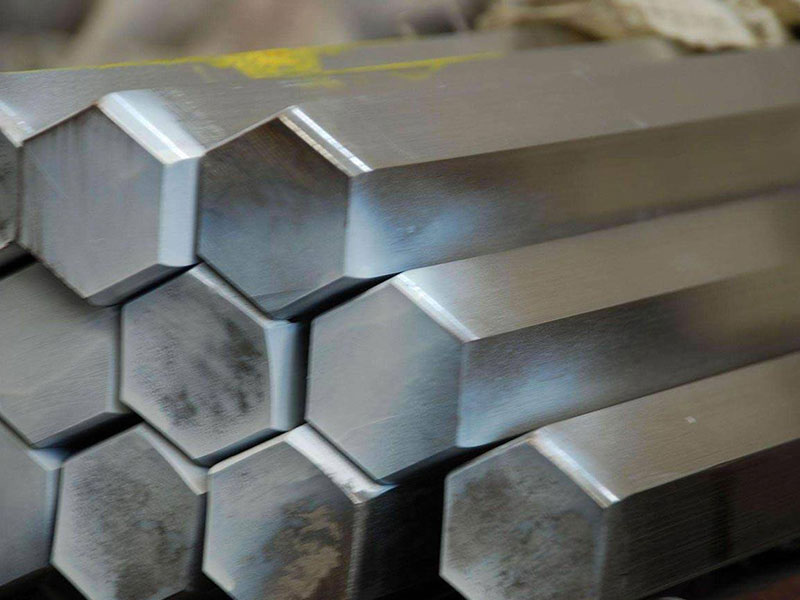
Marine aluminum hexagonal bars
Marine Grade Aluminum Hexagonal Bars are produced from premium corrosion-resistant aluminum alloys such as 5083, 5052, 6061, and 6082.
View Details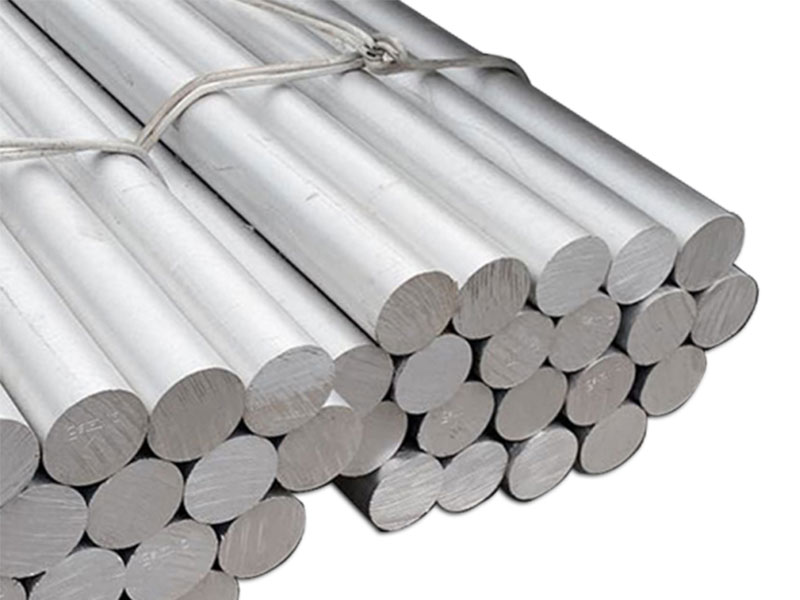
Marine grade aluminum solid bar
Marine Grade Aluminum Solid Bars are produced from premium aluminum alloys optimized for saltwater exposure, such as 5083, 5052, 6061, and 6082. These alloys offer unparalleled resistance to corrosion caused by seawater, salt spray, and marine atmospheres, while maintaining excellent mechanical strength and toughness.
View DetailsRelated Blog
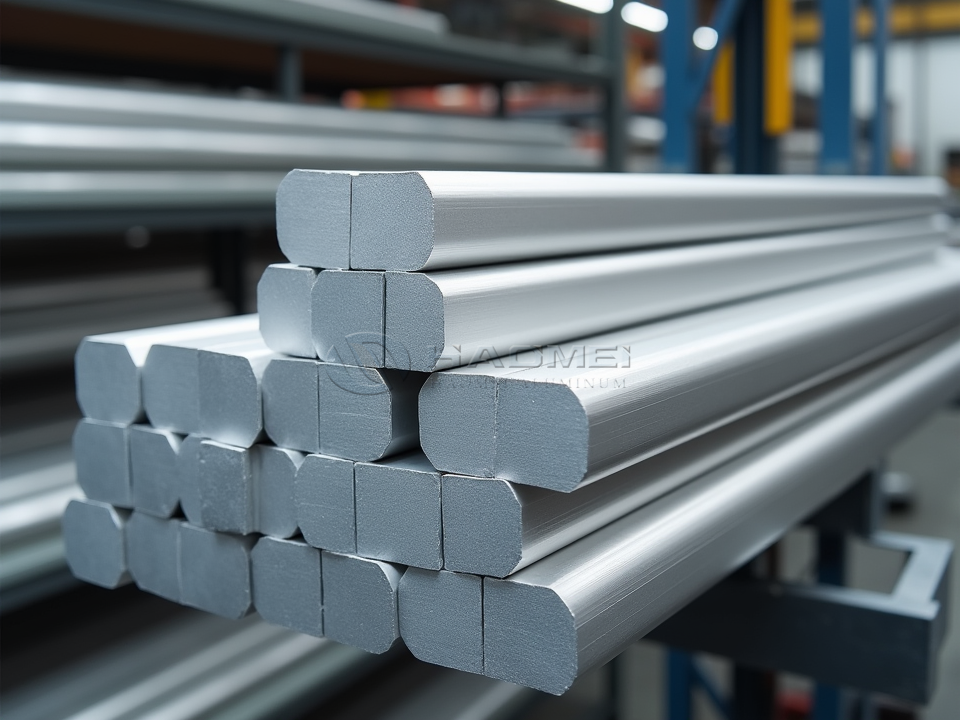
6082 Marine Grade Aluminum Solid Bar For Offshore Structural Solutions
6082 marine grade aluminum solid bar data for offshore frames, fittings, machining, corrosion control, standards, tempers, and design selection.
View Details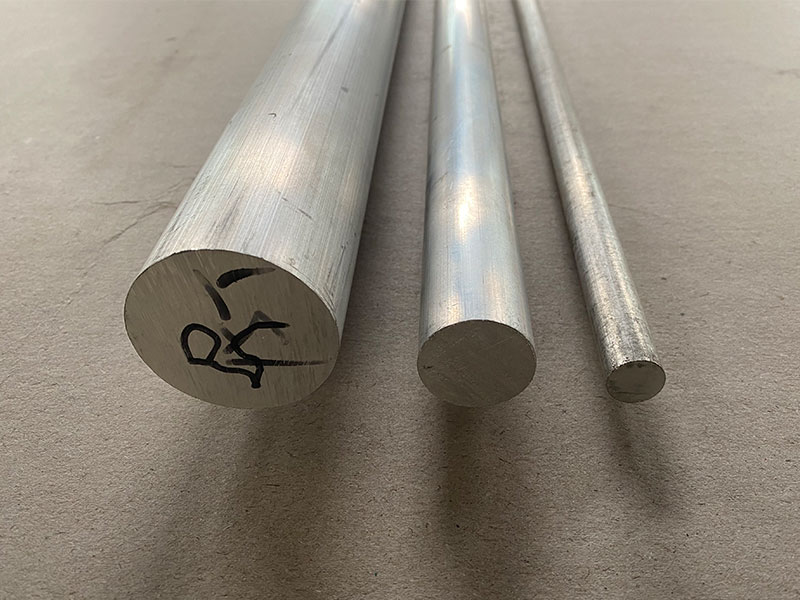
6061 Marine Aluminum Hexagonal Bars for Lightweight Marine Frame Construction
In the ever-evolving marine industry, choosing the correct material for frame construction is a critical factor influencing performance, durability, and safety. Among these materials.
View Details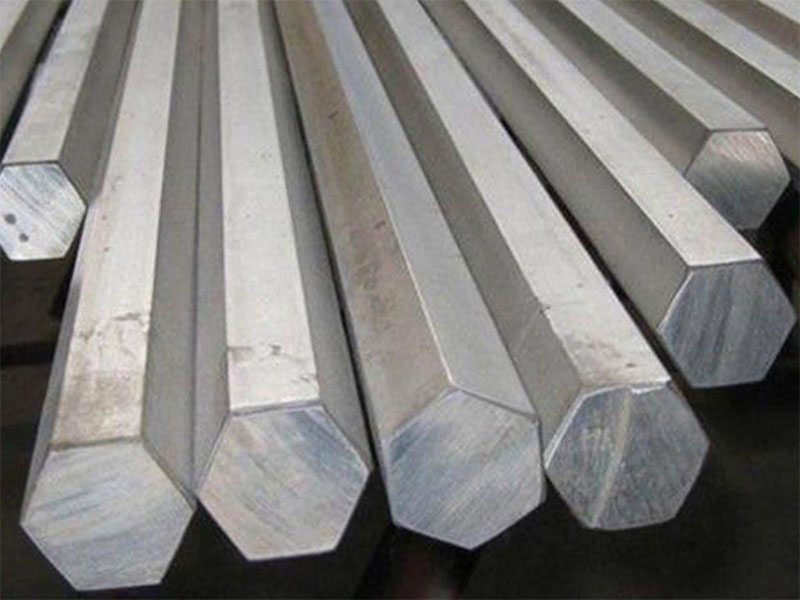
Marine Aluminum Hexagonal Bars for Custom Marine Vessel Support
Marine environments demand materials that resist corrosion, carry load reliably, and remain workable for custom fabrication. Marine aluminum hexagonal bars are purpose-built for these conditions: a high-strength.
View Details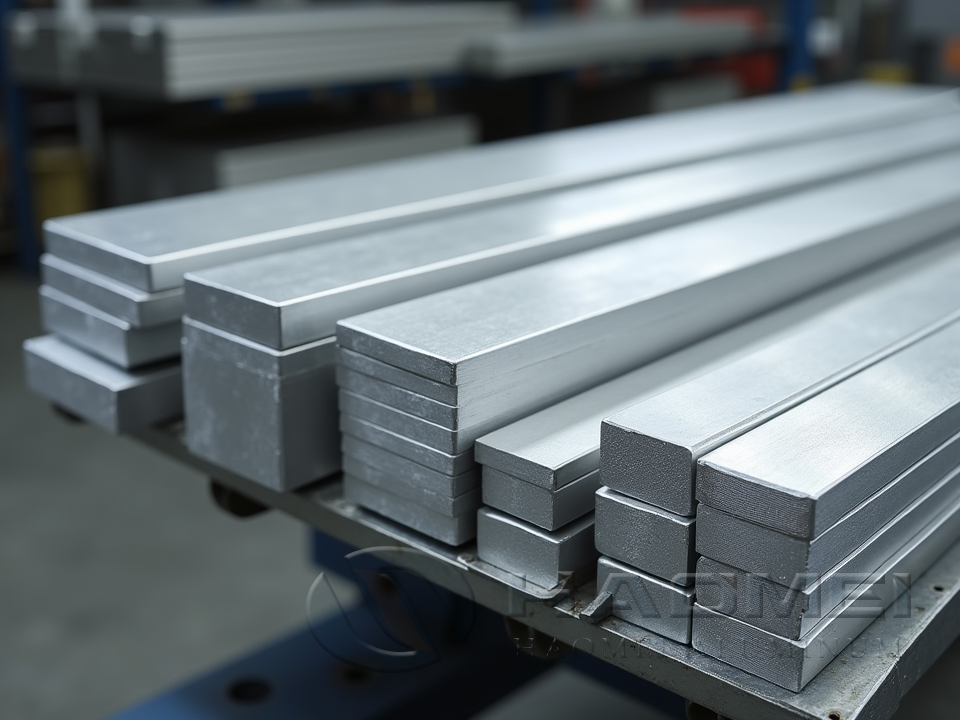
5052 Marine Aluminum Hexagonal Bars for Lightweight Marine Frame Design
Learn how 5052 marine aluminum hexagonal bars reduce boat frame weight, resist seawater corrosion, and support precise fabrication in light vessels today.
View Details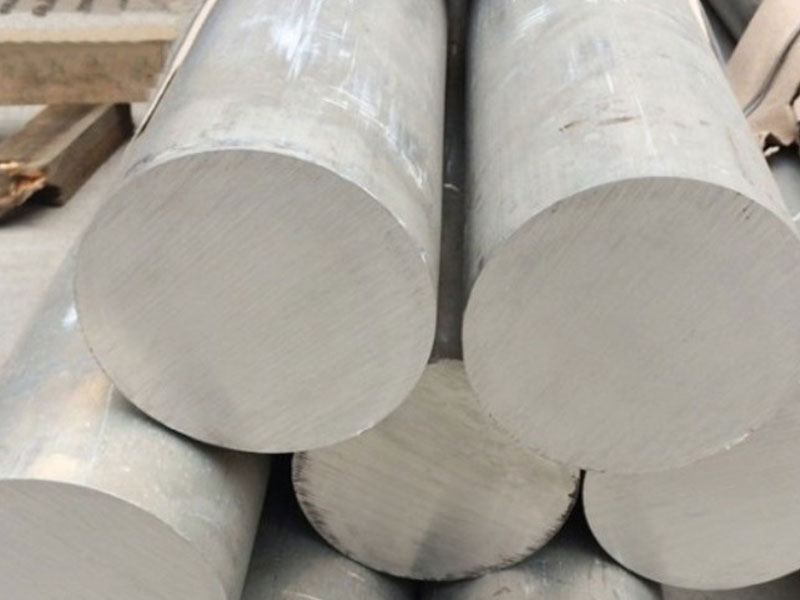
6061 Marine Aluminum Hollow Bars for Custom Boat Parts and Design
6061 marine aluminum hollow bars are an exceptional choice for custom boat parts and designs. Known for their strength, lightweight nature, and resistance to corrosion, these hollow bars are widely utilized in the marine industry.
View Details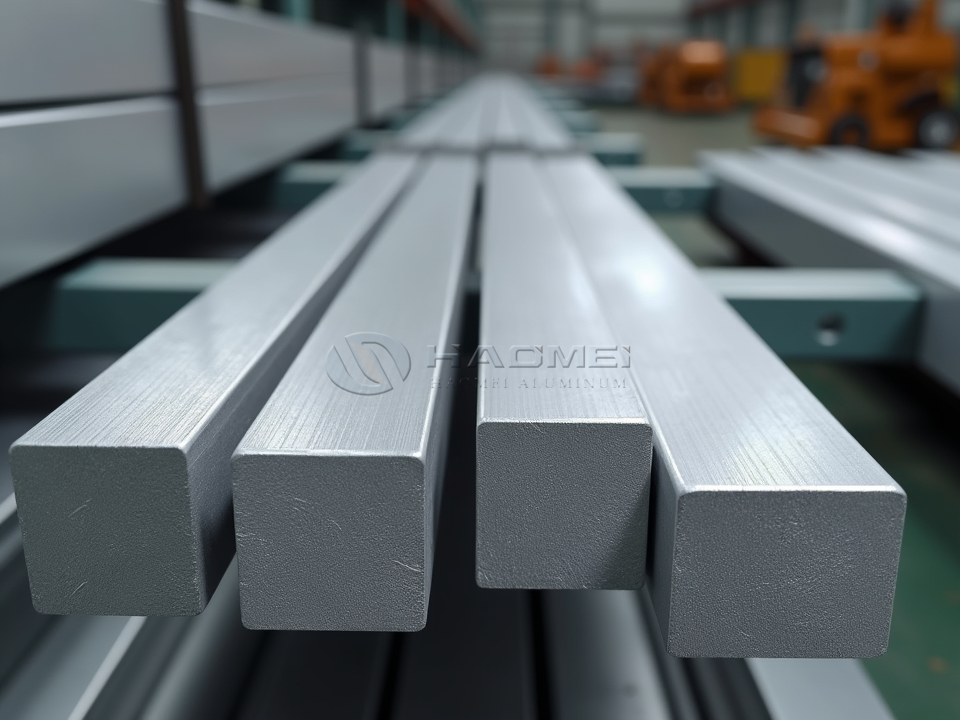
5083 Marine Grade Aluminum Solid Bar for Marine Frame Customization
Discover 5083 marine grade aluminum solid bar for custom boat frames, delivering saltwater corrosion resistance, weldability, strength, and fabrication.
View Details
Leave a Message