
5083 Marine Aluminum Hexagonal Bars
A hexagonal bar may look like a small detail beside hull plating, frames, and deck structures, yet it often performs a very practical role on a boat. 5083 marine aluminum hexagonal bars are made for parts that must be gripped, machined, threaded, adjusted, or fastened while enduring salt spray, humidity, vibration, and regular service loads. Their six flat faces are more than a shape choice: they provide secure wrench engagement and reduce material waste when producing nuts, adapters, valve bodies, standoffs, couplings, and custom fittings.
For builders and marine equipment fabricators, 5083 offers an appealing balance of seawater corrosion resistance, weldability, and medium-to-high strength. It is a non-heat-treatable aluminum alloy in the 5xxx series, strengthened mainly through magnesium content and strain hardening rather than solution heat treatment. This behavior makes it especially suitable for marine structures and hardware that must remain dependable after fabrication.
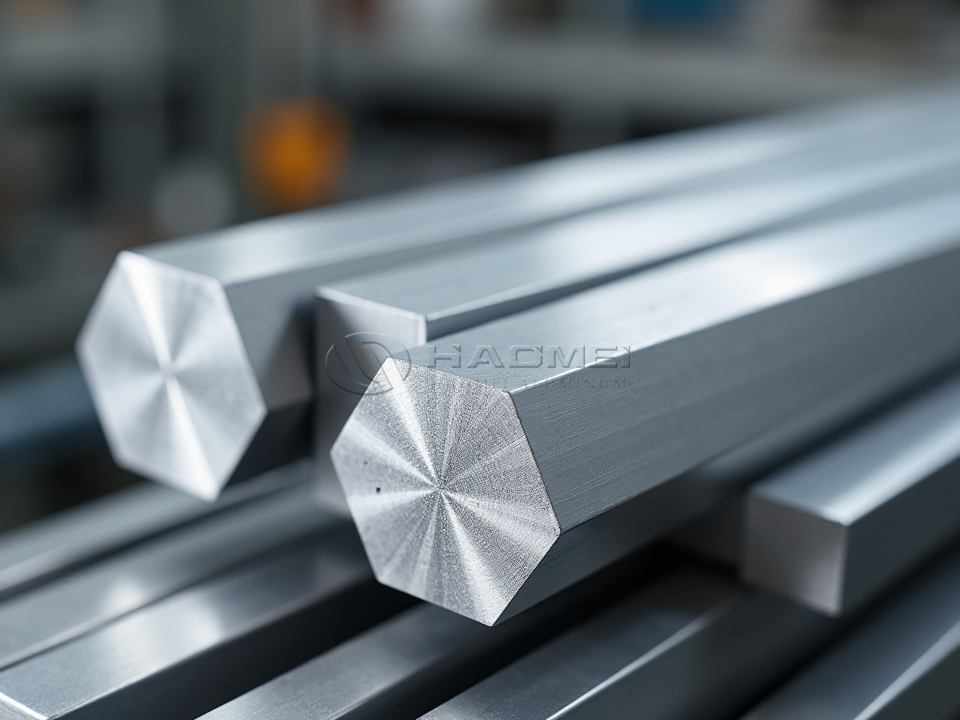
Why the Hexagonal Form Matters at Sea
Round bar is excellent for shafts and turned components, while flat bar is efficient for brackets. Hexagonal bar serves a different purpose. The flats allow a wrench or socket to apply torque directly, making the material ideal for fastening-related parts and machined hardware. A fabricator can also clamp a hex bar firmly in a vise or collet, often reducing setup time during CNC turning, milling, drilling, and tapping.
In a marine environment, this efficient geometry pairs well with 5083 alloy chemistry. Parts such as handrail connectors, hydraulic fittings, deck-equipment spacers, mooring accessories, inspection plugs, marine valve components, and custom nuts can benefit from a material that resists general seawater attack better than many standard industrial aluminum grades.
For applications requiring alternative profiles, our Marine Grade Aluminum Bars range provides round, square, flat, and specialty bar options for vessel construction and offshore equipment.
Alloy Chemistry and Its Practical Effect
5083 is an aluminum-magnesium-manganese alloy. Magnesium is the principal strengthening element and plays a major role in corrosion behavior. Manganese helps control grain structure and supports strength. Chromium contributes to corrosion resistance and structural stability. The result is a marine-grade alloy recognized for performance in saltwater service.
| Element | Chemical Composition, % by Weight |
|---|---|
| Silicon, Si | 0.40 max |
| Iron, Fe | 0.40 max |
| Copper, Cu | 0.10 max |
| Manganese, Mn | 0.40-1.00 |
| Magnesium, Mg | 4.00-4.90 |
| Chromium, Cr | 0.05-0.25 |
| Zinc, Zn | 0.25 max |
| Titanium, Ti | 0.15 max |
| Other elements, each | 0.05 max |
| Other elements, total | 0.15 max |
| Aluminum, Al | Balance |
The relatively high magnesium level gives 5083 its characteristic strength without relying on precipitation hardening. This is valuable when welding is part of the assembly process. Properly selected tempers can retain useful mechanical performance in and around welded structures, although engineers should always account for heat-affected-zone softening in design calculations.
Common Tempers for 5083 Hex Bar
Because 5083 is not strengthened by a T6-style heat treatment, its temper designation reflects the amount of cold work and stabilization applied. Availability can vary by bar size, production route, and applicable specification.
| Temper | Condition | Typical Use Consideration |
|---|---|---|
| O | Annealed, soft condition | Chosen when maximum formability is more important than strength |
| H111 | Lightly strain-hardened | Suitable for general fabricated marine components |
| H112 | Strain-hardened from hot working or limited cold working | Common for heavier-section structural products and machined components |
| H32 | Strain-hardened and stabilized | Offers a useful strength-formability balance |
| H116 | Strain-hardened and stabilized for marine corrosion resistance | Often specified for sustained saltwater exposure where corrosion testing is important |
| H321 | Strain-hardened and stabilized with controlled processing | Used where marine corrosion performance and stable mechanical properties are required |
For hexagonal bars, H112 is frequently considered for larger machined sections, while H116 and H321 may be requested for demanding seawater service. The best temper depends on the component's section size, machining plan, required proof of corrosion resistance, and whether welding is involved.
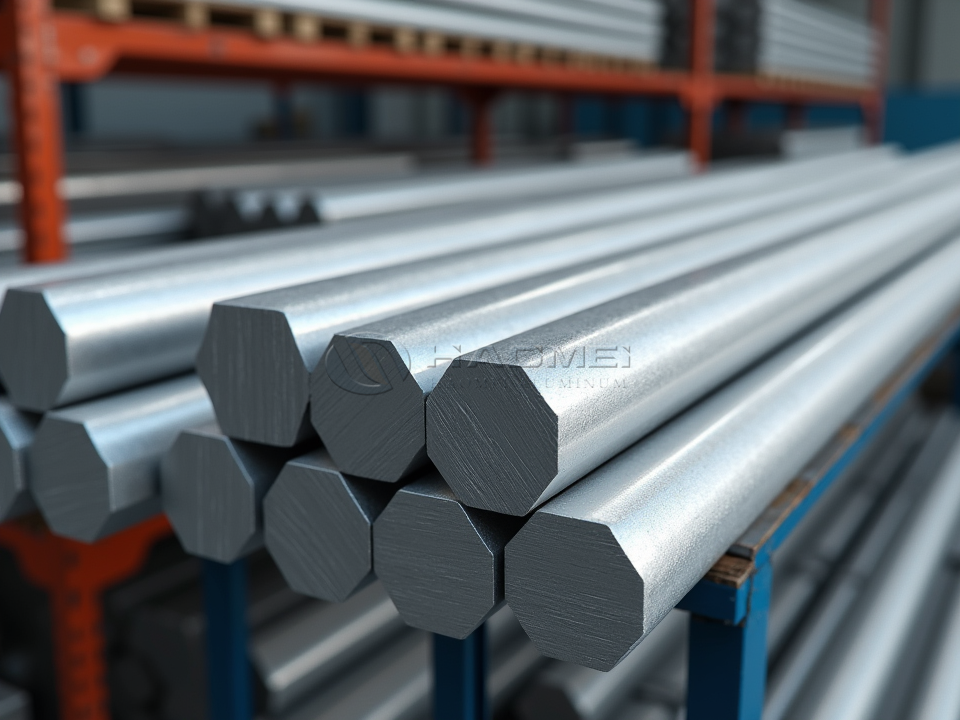
Typical Parameters and Ordering Conditions
5083 marine aluminum hexagonal bars are commonly supplied according to across-flats dimension, commonly abbreviated as AF. The AF measurement is the distance between two opposite parallel faces. It determines wrench size compatibility and is more relevant than diameter for hex material.
| Parameter | Typical Requirement |
|---|---|
| Alloy | AA 5083 / EN AW-5083 / AlMg4.5Mn0.7 |
| Product form | Extruded or hot-worked hexagonal solid bar |
| Size reference | Across flats, AF |
| Common AF range | Approximately 10 mm to 150 mm, subject to mill capability |
| Standard lengths | 3 m, 4 m, 5 m, 6 m, or cut-to-length |
| Surface | Mill finish, machined surface, or protective film where requested |
| Temper | O, H111, H112, H32, H116, H321, subject to availability |
| Tolerance | Agreed according to product standard, size, and machining allowance |
| Documentation | Mill test certificate, chemical analysis, mechanical data, traceability records |
When ordering, it is wise to specify the exact AF size, tolerance, temper, cut length, intended machining allowance, and certification requirement. For hardware machined to close final dimensions, allowing extra stock can compensate for surface cleanup and maintain dimensional control. If the bar will be exposed directly to seawater, specify the service environment so that the selected temper and inspection scope match the duty.
Standards and Compliance Considerations
The applicable standard depends on the region, bar manufacturing method, project contract, and inspection requirement. Common reference standards include EN 755 for extruded aluminum bars, rods, and profiles, EN 10204 for inspection documents, ASTM B221 for extruded aluminum-alloy bar and profiles, and ASTM B211 for aluminum-alloy bar, rod, and wire where applicable.
Marine projects may also request material verification aligned with rules from classification societies such as DNV, ABS, Lloyd's Register, or Bureau Veritas. Classification approval is not automatic simply because the alloy is 5083. It should be confirmed for the required product form, temper, producer, and project specification.
For components designed mainly for machining rather than direct hull welding, Marine aluminum hexagonal bars can be selected with dimensions and inspection documentation tailored to fittings, connectors, and engineered marine hardware.
Fabrication, Machining, and Joining Notes
5083 machines effectively with sharp tooling, rigid fixturing, suitable coolant, and chip-control practices. Its hex profile is naturally stable in a vise, but care is needed to avoid marking exposed cosmetic surfaces. Carbide tooling is generally favored for production machining, particularly when drilling deep holes or generating threads.
The alloy has very good weldability using appropriate filler metal and procedure control. Common filler choices for compatible marine assemblies include 5183, 5356, or 5556, selected according to joint design and service conditions. Since welding changes the local temper, post-weld strength should be evaluated rather than assumed from base-metal values.
Galvanic corrosion also deserves attention. 5083 performs well in seawater, but contact with stainless steel, copper alloys, or carbon steel can create an electrochemical couple when moisture is present. Nonconductive washers, sealants, isolation pads, drainage paths, and protective coatings help preserve the life of the assembly.
A Material Chosen for Real Maintenance Conditions
The value of 5083 marine aluminum hexagonal bars is most visible after years of service. A well-selected hex bar can make maintenance faster, hardware lighter, and corrosion control easier in the wet, salt-laden spaces where ordinary materials struggle. By matching alloy temper, AF size, standards, and fabrication method to the actual component, marine builders can produce fittings that remain practical long after installation.

Related Products
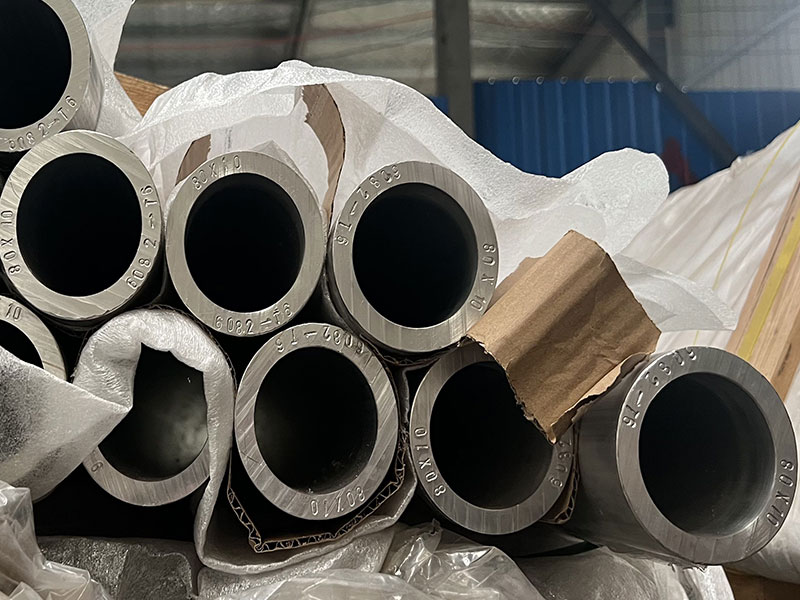
Marine aluminum hollow bars
Marine Grade Aluminum Hollow Bars are fabricated from high-quality alloys such as 5083, 5052, 6061, and 6082, all known for their exceptional resistance to seawater corrosion, salt spray, and marine atmospheres.
View Details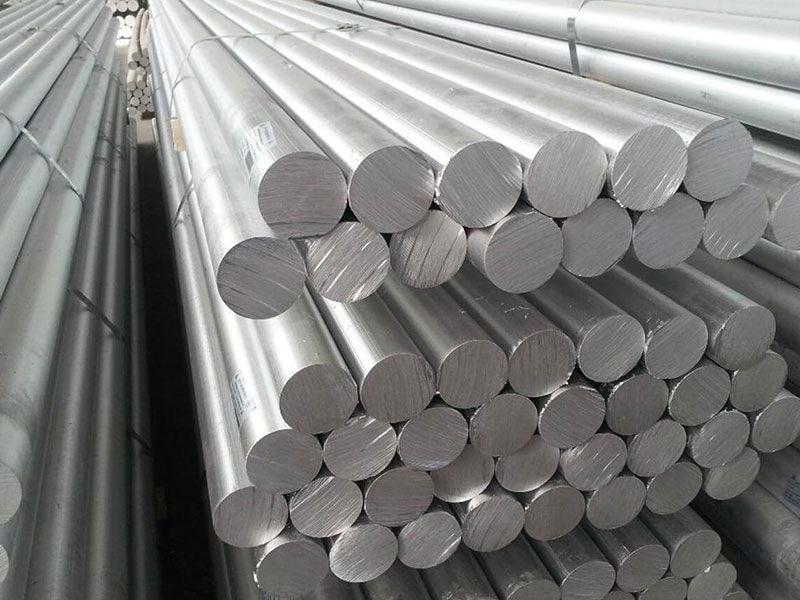
6082 marine aluminum rod & bar
6082 Aluminum Rods & Bars are extruded or rolled products manufactured from 6082 aluminum alloy — a thermally treated (typically T6 temper) aluminum-magnesium-silicon alloy that balances high tensile strength, good weldability, and excellent corrosion resistance.
View Details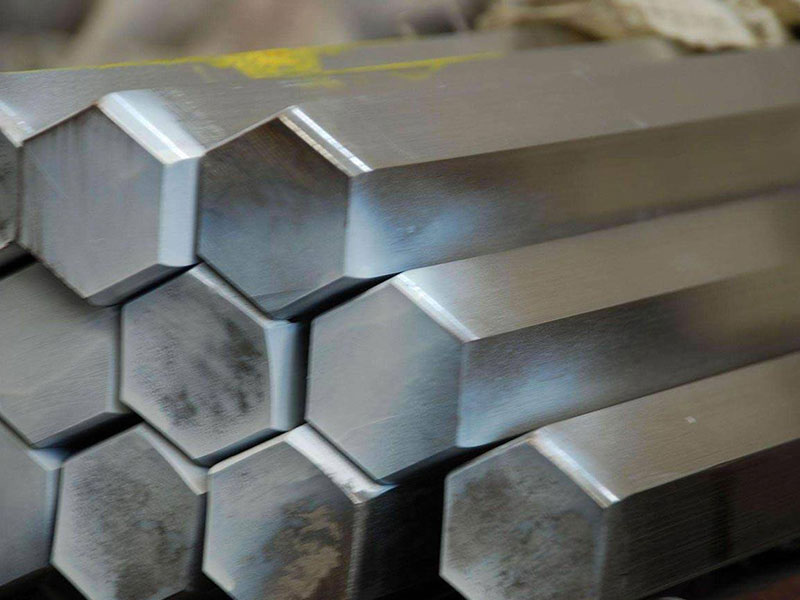
Marine aluminum hexagonal bars
Marine Grade Aluminum Hexagonal Bars are produced from premium corrosion-resistant aluminum alloys such as 5083, 5052, 6061, and 6082.
View Details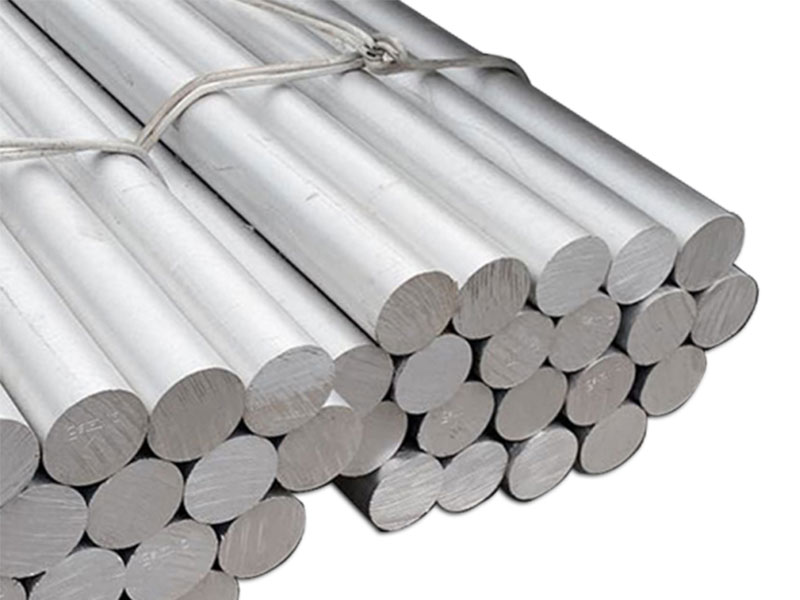
Marine grade aluminum solid bar
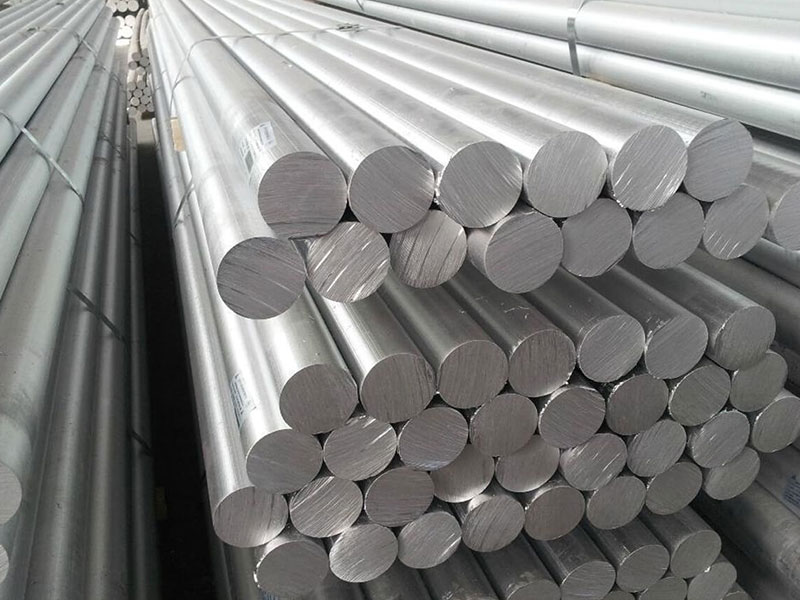
Marine Grade Aluminum Solid Bars are produced from premium aluminum alloys optimized for saltwater exposure, such as 5083, 5052, 6061, and 6082. These alloys offer unparalleled resistance to corrosion caused by seawater, salt spray, and marine atmospheres, while maintaining excellent mechanical strength and toughness.
View DetailsRelated Blog
6061 Marine Aluminum Bar for Boat Frame Customization
When it comes to building or customizing boat frames, choosing the right material significantly impacts durability, performance, and maintenance.
View Details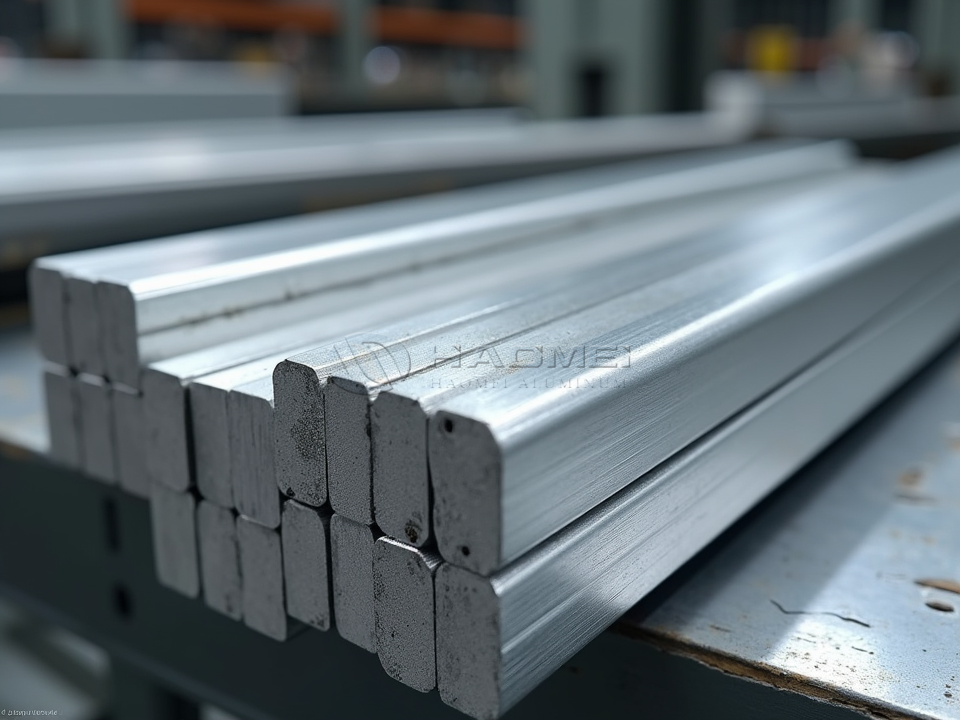
Marine Grade Aluminum Solid Bar for Custom Boat Hull Reinforcement Parts
Marine grade aluminum solid bar delivers corrosion resistance, dependable strength, and machinability for custom boat hull reinforcement parts.
View Details
5052 Marine Grade Aluminum Solid Bar for Boat Deck Support Structures
5052 marine grade aluminum solid bar delivers corrosion resistance, weldability, and dependable strength for lightweight boat deck supports.
View Details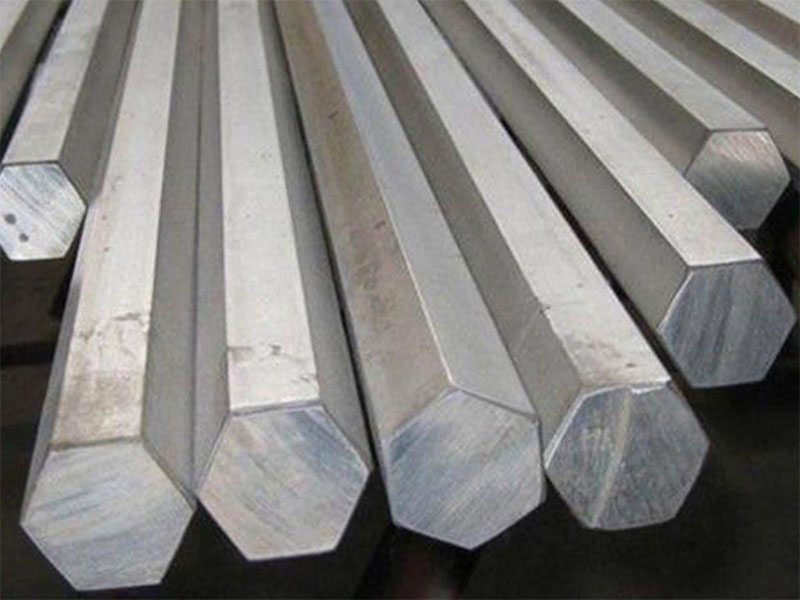
Marine Aluminum Hexagonal Bars for Custom Marine Vessel Support
Marine environments demand materials that resist corrosion, carry load reliably, and remain workable for custom fabrication. Marine aluminum hexagonal bars are purpose-built for these conditions: a high-strength.
View Details
5052 Marine Grade Aluminum Solid Bar
Explore 5052 marine grade aluminum solid bar properties, tempers, standards, dimensions, corrosion resistance, fabrication methods, and marine uses.
View Details
Marine Aluminum Hexagonal Bars for Coastal Boat Design and Customization
Marine aluminum hexagonal bars for coastal boats, covering alloys, tempers, corrosion resistance, machining uses, standards, and custom size options for builds.
View Details
Leave a Message