
Aluminium marine plate
Aluminium Marine Plate: The "Silent Structure" That Makes Boats Lighter, Tougher, and Easier to Maintain
Aluminium marine plate is often described as a lightweight alternative to steel, but that comparison misses its real value. In modern shipbuilding and offshore engineering, marine-grade aluminium plate functions less like a simple sheet of metal and more like a system material: it carries loads, resists corrosion, absorbs impact energy, supports welding-intensive fabrication, and keeps lifecycle costs predictable in harsh saltwater service. Seen from this perspective, the best marine plate is the one that behaves consistently across cutting, forming, welding, and years of exposure-because reliability is the true performance metric at sea.
What aluminium marine plate is "doing" on a vessel
A boat hull is not only a skin; it is a stress-management surface. Marine aluminium plate is selected to distribute wave-induced cyclic loads without cracking, while remaining light enough to improve speed, payload capacity, and fuel efficiency. In patrol craft, passenger ferries, workboats, and yachts, reduced structural weight also lowers the center of gravity, improving stability and comfort.
Corrosion resistance is the second major function, but it is not simply "aluminium doesn't rust." In seawater, aluminium forms a stable oxide film that protects the substrate. When alloying and temper are chosen correctly, this film remains protective even around welded joints and in splash zones where salt concentration and oxygen access fluctuate. That is why true marine plate relies heavily on 5xxx-series alloys: they achieve corrosion resistance through magnesium in solid solution rather than heat-treatable precipitation mechanisms that can become vulnerable around weld heat-affected zones.
Where it's used: applications that benefit from "light + weldable + corrosion resistant"
Marine aluminium plate appears anywhere designers want high durability without heavy coatings or constant maintenance. Common applications include hull plating for high-speed craft, superstructures on larger vessels to reduce top weight, decks and ramps for landing craft, bulkheads and tank boundaries, hatch covers, and wheelhouse structures. Offshore, it is used for helidecks, walkways, accommodation modules, and housings where corrosion resistance and ease of fabrication matter.
An often-overlooked application is in retrofits: replacing steel components with aluminium plate can reduce weight high on the vessel and improve stability margins without changing hull geometry. When done with correct insulation and joining practices, it can be an efficient upgrade path.
Technical viewpoint: "marine plate" is really an alloy + temper + process promise
Customers frequently ask for "marine grade aluminium," but performance is determined by a combination of alloy selection, temper, thickness, and fabrication route. For welded marine structures, the most widely used alloys are 5083, 5086, 5456, 5052, and 5754.
5xxx alloys are non-heat-treatable; their strength comes from magnesium alloying and strain hardening. This is important for two reasons. First, their corrosion resistance is inherently strong in seawater. Second, after welding, the local strength reduction is generally more predictable than in precipitation-hardened alloys, which can suffer significant softening around welds and require post-weld heat treatment that is impractical on large structures.
Typical thickness ranges for aluminium marine plate are about 3 mm to 50 mm, depending on the craft type and structural role. Plate is usually supplied with mill finish or specialized surface preparation for coating systems; marine aluminium can be left unpainted in some applications, but most commercial vessels still use coatings for aesthetics, fouling control, and galvanic management.
Common parameters customers compare at purchase stage
In practice, buyers evaluate aluminium marine plate using a small set of performance signals: alloy grade, temper, thickness tolerance, flatness, mechanical properties, corrosion resistance certification, and weldability behavior. For high-demand hull plating, 5083 in H116 or H321 temper is a frequent choice because it balances strength, toughness, and resistance to exfoliation corrosion in marine environments.
Typical density for marine aluminium alloys is about 2.66–2.70 g/cm³. Thermal conductivity is high compared with steel, which helps spread heat during welding but also increases heat input requirements during some forming operations. The elastic modulus is about 69–71 GPa, meaning aluminium deflects more than steel at the same load; design compensates through section geometry, stiffeners, and plate thickness selection.
Alloy tempering conditions and what they mean on the shop floor
Temper in marine plate is not a label; it predicts how the plate will behave during forming and after welding.
H116 is a marine-optimized strain-hardened temper with controlled mechanical property limits and improved resistance to corrosion in seawater service, particularly for 5083 and related alloys.
H321 is stabilized after strain hardening to improve property retention and corrosion performance; it is often chosen where forming and long-term stability matter.
H111 is a lower-strength temper with good ductility, typically selected for parts requiring more forming.
O temper is annealed and very formable, commonly used for deep forming or where strength is less critical, with the that strength is lower.
A distinctive marine reality is that welding "re-temper" happens locally. In 5xxx alloys, the heat-affected zone may soften relative to the base metal, so designers and fabricators consider joint efficiency and apply appropriate weld design rules.
Implementation standards and typical compliance expectations
Marine aluminium plate is commonly supplied to ASTM, EN, and classification-oriented requirements depending on the shipyard and region.
ASTM B928 is a reference for high-magnesium aluminium alloy sheet and plate for marine service and similar environments, with attention to corrosion resistance.
ASTM B209 is a general specification for aluminium sheet and plate that may be used alongside marine-focused requirements.
EN 485 and EN 573 cover mechanical properties and chemical composition for wrought aluminium and aluminium alloys in European supply chains.
For ship classification and acceptance, buyers may request inspection and certification aligned with societies such as DNV, Lloyd's Register, ABS, or BV. These typically involve traceability, mechanical testing, and sometimes corrosion performance assurances depending on the project.
Chemical composition table for widely used marine aluminium plate alloys
Below is a practical reference showing typical composition ranges. Exact limits vary by standard and producer; project procurement should always confirm the governing specification.
| Alloy (Marine Common) | Mg (%) | Mn (%) | Cr (%) | Si (%) | Fe (%) | Cu (%) | Zn (%) | Ti (%) | Al |
|---|---|---|---|---|---|---|---|---|---|
| 5083 | 4.0–4.9 | 0.4–1.0 | 0.05–0.25 | ≤0.40 | ≤0.40 | ≤0.10 | ≤0.25 | ≤0.15 | Balance |
| 5086 | 3.5–4.5 | 0.2–0.7 | 0.05–0.25 | ≤0.40 | ≤0.50 | ≤0.10 | ≤0.25 | ≤0.15 | Balance |
| 5456 | 4.7–5.5 | 0.5–1.0 | 0.05–0.20 | ≤0.25 | ≤0.40 | ≤0.10 | ≤0.25 | ≤0.20 | Balance |
| 5052 | 2.2–2.8 | ≤0.10 | 0.15–0.35 | ≤0.25 | ≤0.40 | ≤0.10 | ≤0.10 | ≤0.15 | Balance |
| 5754 | 2.6–3.6 | ≤0.50 | ≤0.30 | ≤0.40 | ≤0.40 | ≤0.10 | ≤0.20 | ≤0.15 | Balance |
From a corrosion standpoint, magnesium is the hero element, but balance matters. Excessive impurities, poor processing, or wrong temper can reduce resistance to localized corrosion or lead to sensitization risks in certain thermal exposures, so reputable sourcing and correct fabrication procedures are as important as the alloy name.
Practical implementation notes that affect real-world performance
Marine aluminium plate performs best when the full system is considered: welding procedure qualification, filler metal selection, isolation from dissimilar metals, drainage design to avoid crevices, and coating strategy where needed. Galvanic corrosion is not a failure of aluminium; it is a design issue caused by electrical contact with more noble metals in the presence of an electrolyte. Simple barriers, correct fasteners, and smart joint design protect the structure.
Choosing the right plate quickly
If your project prioritizes welded hull strength and marine corrosion resistance, 5083-H116 or 5083-H321 is often the default starting point. If your priority is formability for complex shapes with moderate strength needs, 5052 or 5754 may be more efficient. For higher-strength marine structures with strong performance requirements, 5456 is frequently evaluated.
Aluminium marine plate is not just about making vessels lighter. It is about building structures that stay dependable when salt, stress, and time combine-the true test of any material used at sea.

Related Products
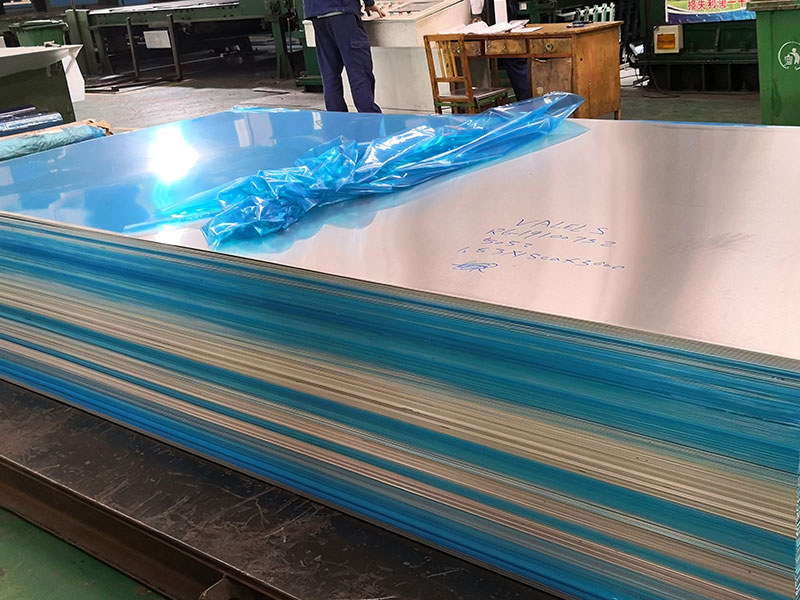
Marine 5059 aluminum plate
Marine 5059 Aluminum Plate is distinguished by its high magnesium content and carefully balanced alloying elements, designed to maximize strength without compromising corrosion resistance.
View Details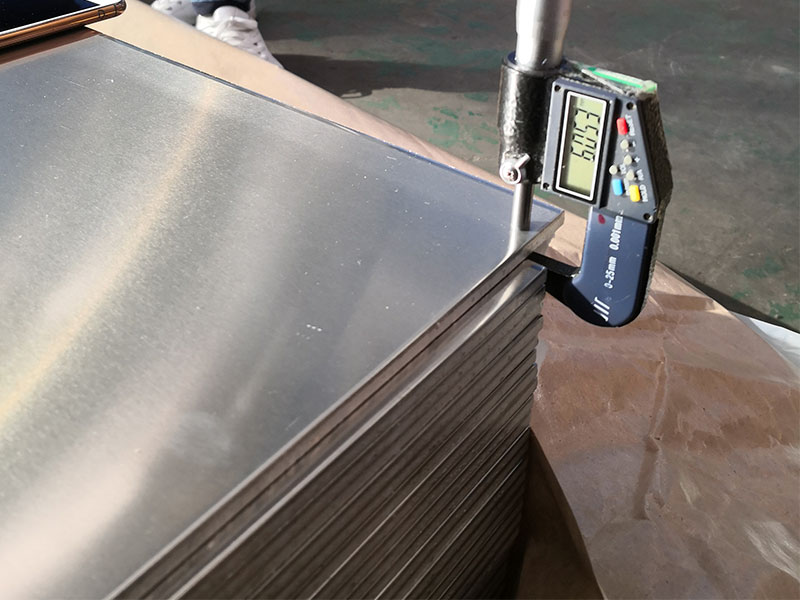
Marine 5383 aluminum plate
The 5383 aluminum alloy belongs to the 5xxx series of aluminum-magnesium alloys known for remarkable resistance to marine corrosion and high strength.
View Details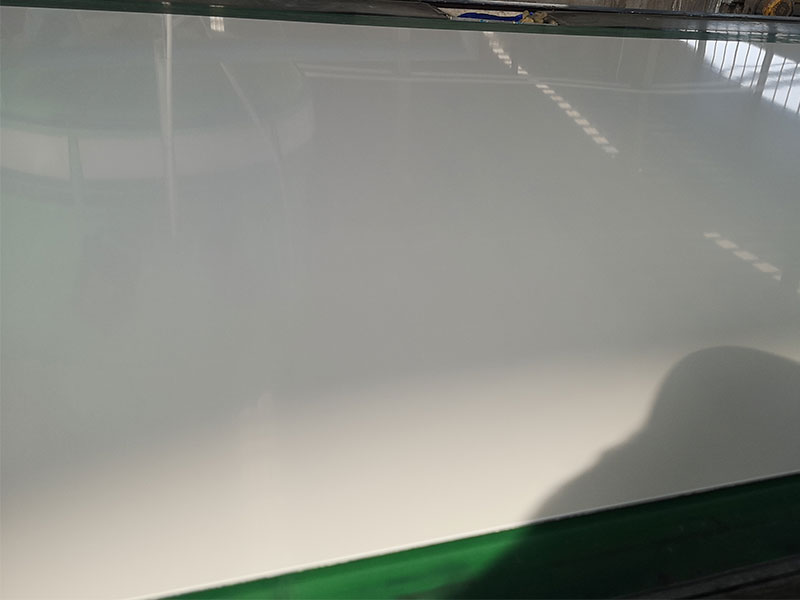
Marine 5086 aluminum plate
5086 Aluminum Plate belongs to the 5xxx series of aluminum-magnesium alloys. Its hallmark is a high magnesium content—generally between 4.0% and 4.9%—which delivers enhanced corrosion resistance, particularly against saltwater and marine atmospheric conditions.
View Details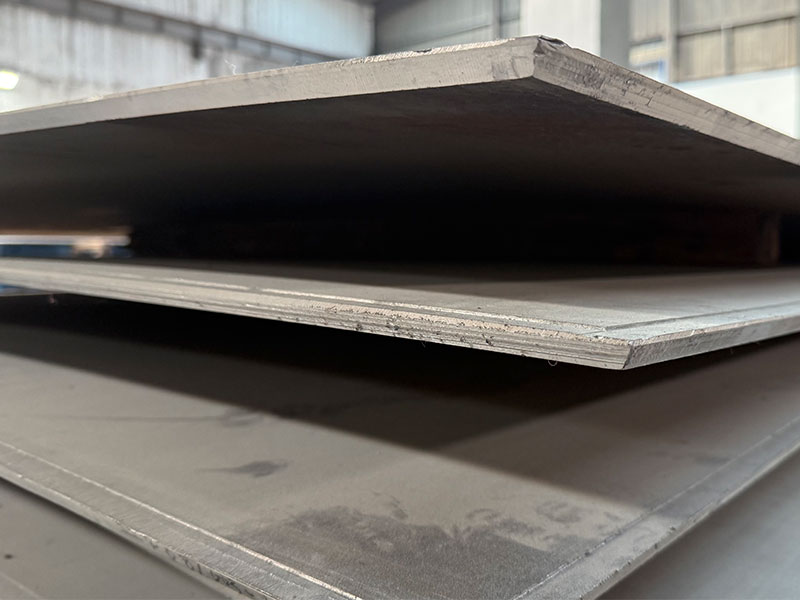
Marine aluminum steel clad plate
Aluminum / Steel Clad Plates consist of a sandwich construction in which a layer of marine-grade aluminum alloy is metallurgically bonded to a steel substrate.
View Details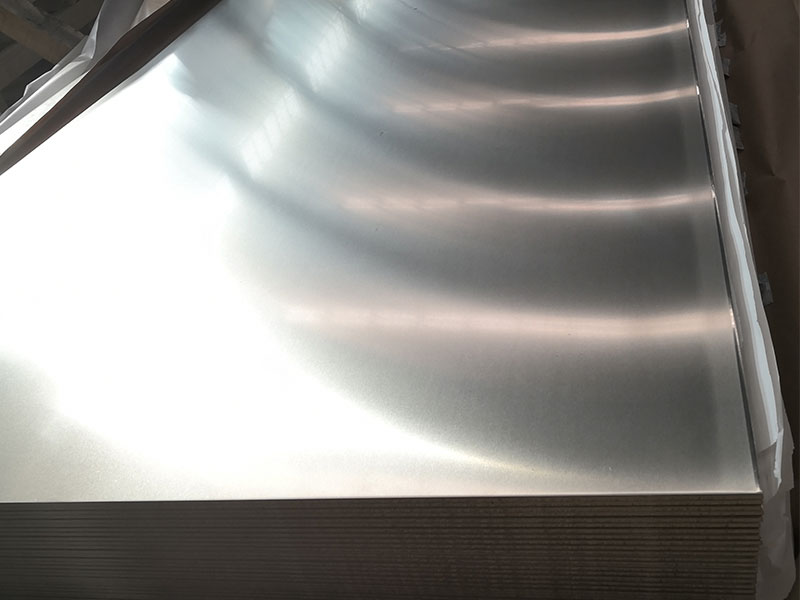
Marine 5052 aluminum plate
Marine 5052 Aluminum Plate is noted for its exceptional resistance to corrosion caused by seawater, salt spray, and marine atmospheres.
View Details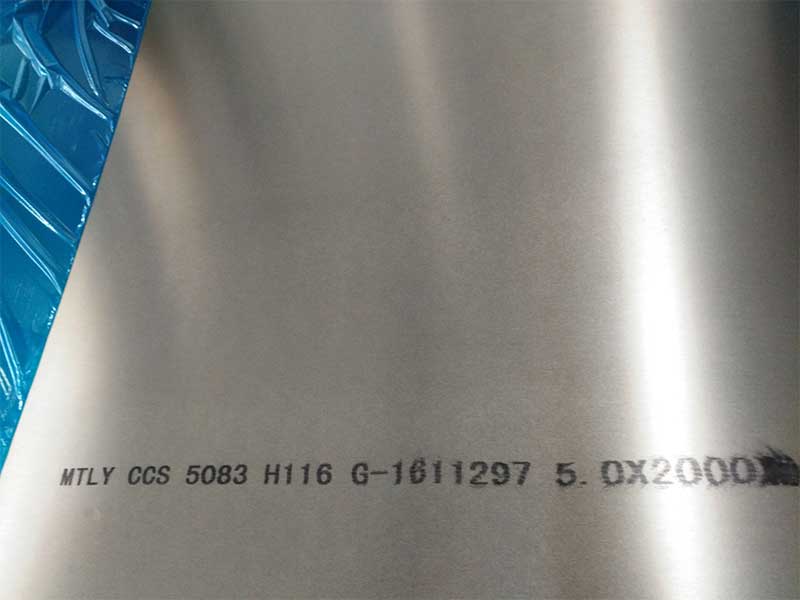
Marine 5083 aluminum plate
Marine 5083 Aluminum Plate belongs to the 5xxx series of aluminum-magnesium alloys and is classified as a non-heat-treatable alloy. Its high magnesium content (typically 4.0–4.9%) enhances its corrosion resistance, especially against seawater-related degradation such as pitting and stress corrosion cracking.
View DetailsRelated Blog
5083 marine grade aluminium plate
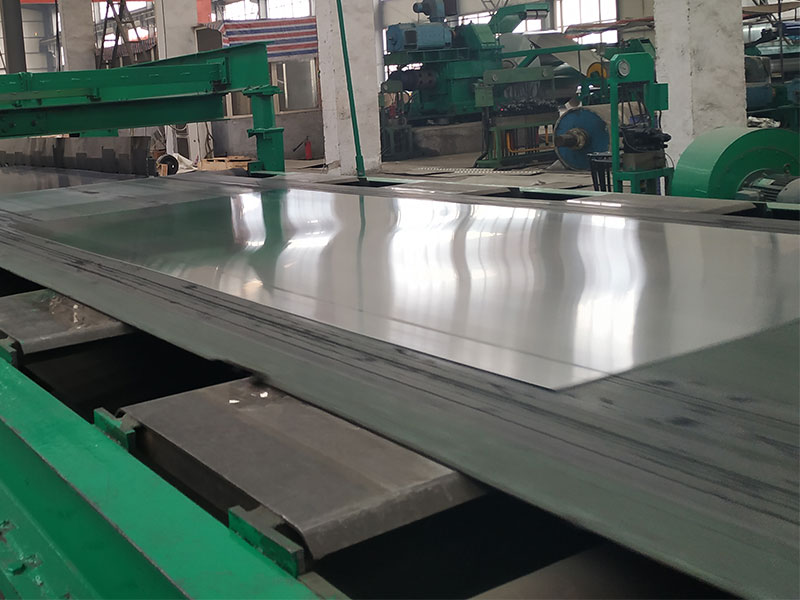
When it comes to marine construction and applications necessitating optimal performance in corrosive saltwater environments, 5083 marine grade aluminium plate stands out as one of the most reliable and versatile materials.
View Details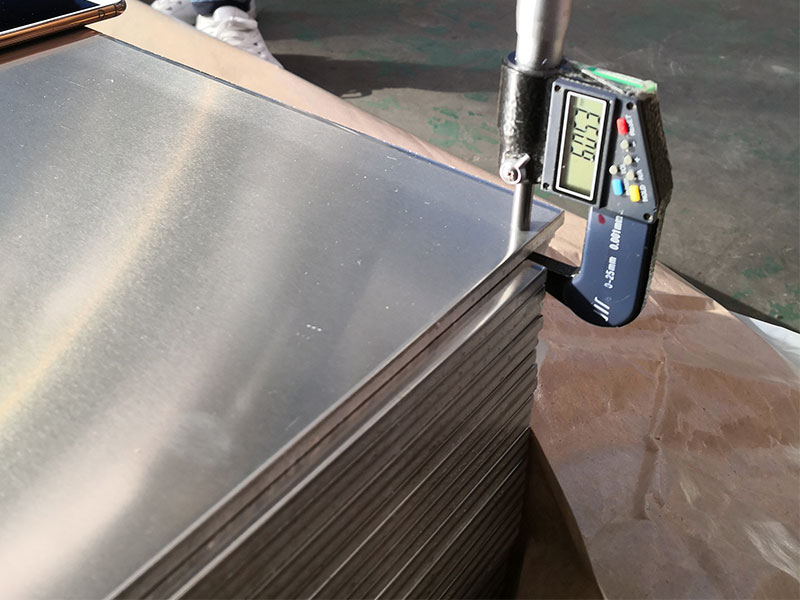
Aluminium plate marine grade
Marine environments are uniquely punishing: salt spray, humidity, temperature cycling, abrasion, and galvanic couples all work together to attack metal.
View Details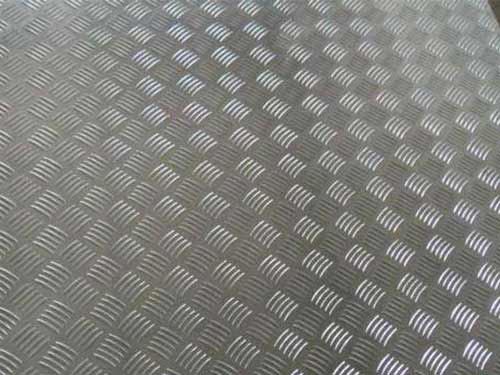
Shipping building aluminum alloy checker plate
Shipping building aluminum alloy checker plate is a rugged, lightweight, and corrosion-resistant sheet product designed for harsh marine logistics and industrial construction environments.
View Details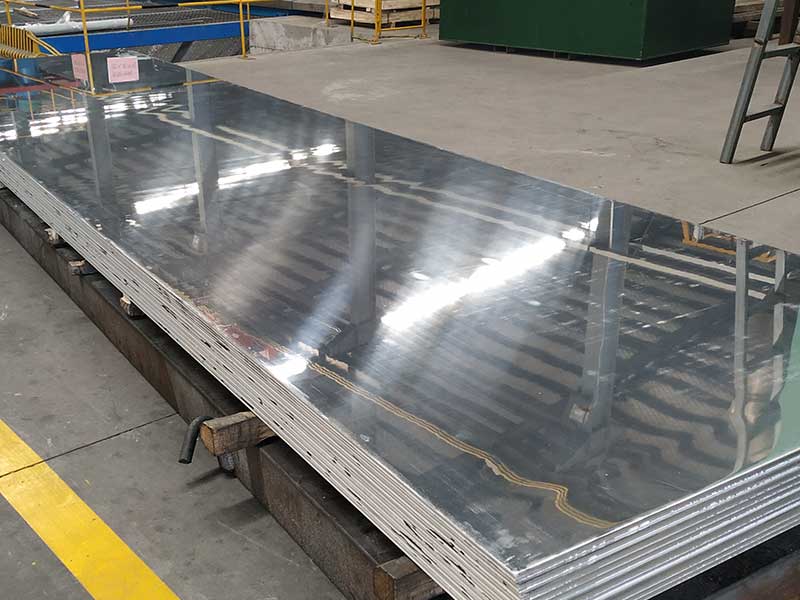
6061 T6 T651 Marine Grade Aluminum Plate Sheet
When it comes to selecting the ideal material for marine applications, nothing quite matches the balanced strength, corrosion resistance, and versatility of the 6061 T6 T651 marine grade aluminum plate sheet.
View Details
Marine Aluminum 6061 T6 Plate For Shipbuilding
Marine Aluminum 6061 T6 Plate For Shipbuilding: A "Structural Utility Metal" That Works Like a SystemIn shipbuilding, materials are often discussed as if they are simple ingredients: strong, light, corrosion-resistant.
View Details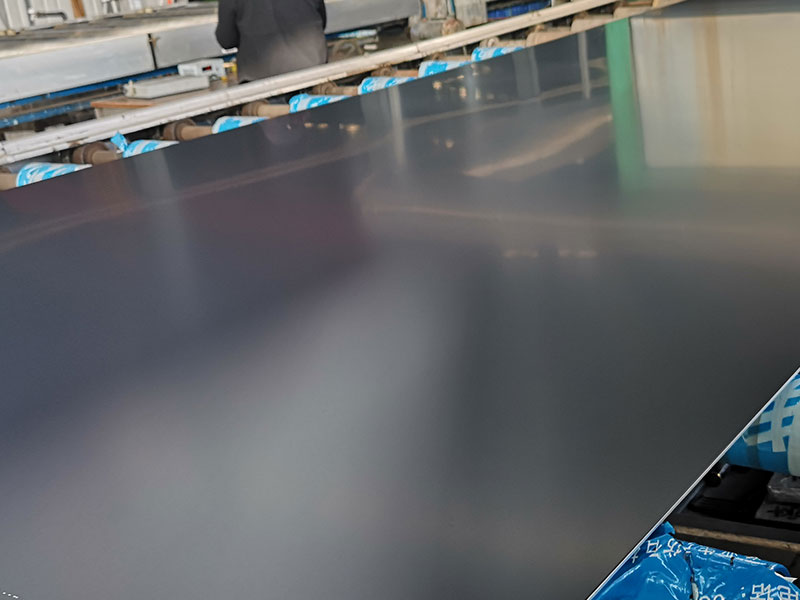
Hot Rol 5052 5083 Aluminum Plate Sheet for Boat
When it comes to marine aluminum, hot rolled 5052 and 5083 aluminum plate sheets hold a distinguished place, primarily due to their impeccable blend of strength, corrosion resistance, and formability — factors crucial for boat manufacturing.
View Details
Leave a Message