
6063 Marine Aluminum Heat Sink Profile for Efficient Thermal Management of Boat Engines
Boat engines live in a thermal paradox: they're surrounded by water, yet they fight heat every second they run. The real enemy isn't just high temperature-it's uneven temperature. Hot spots around turbo housings, exhaust manifolds, power electronics, and engine-room enclosures accelerate oil breakdown, fatigue gaskets, and shorten the life of sensors and control modules. This is where 6063 Marine aluminum heat sink profiles earn their reputation: not as "just metal," but as a carefully tuned thermal pathway that moves heat out of critical components and into controlled airflow or liquid-cooled interfaces-without becoming a corrosion problem in a salt-laden environment.
From a distinctive viewpoint, think of a heat sink profile as a "thermal sail." Its job is not only to conduct heat well, but also to present geometry that encourages stable convection, sheds salt deposits, and stays dimensionally trustworthy after machining and anodizing. 6063 aluminum alloy is favored for exactly that balance.
Why 6063 Aluminum Works So Well in Marine Engine Heat Sinks
Pure thermal conductivity isn't the only metric that matters aboard a vessel. A heat sink profile is part heat conductor, part structural element, and part corrosion-resistant surface. 6063 is widely used because it excels where marine systems actually fail: at interfaces.
Extrudability is the hidden superpower. Boat-engine thermal management often relies on fins, channels, and mounting rails that must be produced as consistent, long-length profiles. 6063 extrudes cleanly into thin, repeatable fins with stable tolerance, which means more usable surface area and fewer machining steps. That reduces cost, improves consistency, and lowers the risk of stress risers that can crack under vibration.
Corrosion resistance is naturally "well-mannered." 6063 contains magnesium and silicon in a ratio that forms Mg₂Si, supporting good strength while preserving excellent response to anodizing. In marine atmospheres, the ability to build a high-quality anodic layer is not cosmetic-it's functional protection against pitting and staining around salt aerosols and bilge humidity.
Thermal management is about the whole system. In real engine rooms, heat sinks don't operate in lab conditions. Surface films, salt crystals, condensation, and vibration all change performance. 6063's combination of finish quality, corrosion behavior, and dimensional stability helps the heat sink stay effective over time, not just on day one.
Typical Applications on Boats and Marine Power Systems
A 6063 Marine aluminum heat sink profile fits particularly well in places where designers want reliable heat spreading with manageable weight:
- Engine control units and power distribution modules mounted in warm enclosures
- DC-DC converters, inverters, battery chargers, and hybrid propulsion electronics
- Sensor housings and ruggedized junction boxes near the engine room bulkhead
- Turbocharger heat shields and secondary heat spreaders (not direct exhaust contact)
- Ventilated covers and finned plates used to lower enclosure internal temperature
When paired with correct surface treatment and isolation practices, 6063 can thrive even when exposed to salt air and intermittent spray.
Parameters Engineers Care About for 6063 Heat Sink Profiles
The "best" heat sink is often the one that matches your constraints: space, airflow, mounting method, and corrosion strategy. For 6063 profiles used in marine thermal management, these are the parameters that typically drive performance and manufacturability.
Alloy and temper
6063 is commonly supplied as T5 or T6, depending on strength and stability needs.
- 6063-T5 is air-cooled from extrusion temperature and artificially aged. It often offers excellent extrudability and good dimensional results for thin-fin designs.
- 6063-T6 is solution heat-treated and artificially aged, increasing strength and hardness and improving thread retention for tapped holes and mounting features.
Thermal conductivity (typical)
6063 has solid thermal conductivity for an aluminum extrusion alloy, supporting efficient heat spreading across fins and mounting bases. Exact values vary by temper and supplier process, but it is generally well-suited to heat sink duty where extrudability and corrosion resistance matter.
Mechanical stability under vibration
Marine engine rooms introduce constant vibration. Choosing T6 when the heat sink profile also acts as a bracket or mounting rail reduces micro-movement at bolted interfaces, helping maintain thermal contact pressure over time.
Surface condition and finish
For heat sinks, surface treatment is both thermal and corrosion engineering.
- Clear or hard anodizing improves marine durability; thickness and sealing matter.
- Anodizing slightly changes surface emissivity and can improve radiative heat transfer, especially in low airflow regions.
- If maximum conduction across a mating surface is required, designers often keep the base contact area un-anodized or use controlled masking and apply thermal interface materials designed for anodized surfaces.
Geometry and fin strategy
Extrusion allows fins, channels, and curved profiles that behave like "thermal airflow organizers." In real boat compartments where airflow can be chaotic, fin spacing that resists clogging from oily mist and salt residue often outperforms ultra-dense fin packs that look good on paper.
Implementation Standards and Practical Compliance for Marine Use
A reliable marine heat sink profile is as much about standards and process discipline as it is about alloy selection.
Extruded product standard
6063 extrusions are commonly produced to ASTM B221 (or equivalent regional standards). This controls chemical composition, mechanical properties, and dimensional expectations for extruded bars, rods, wire, shapes, and tubes.
Temper designation standard
Temper definitions follow ANSI H35.1 / ASTM B807 conventions, ensuring that "T5" and "T6" mean what you expect in terms of thermal processing.
Anodizing standard
For marine-grade anodizing, many manufacturers reference MIL-A-8625 (Type II sulfuric anodize or Type III hard anodize) or equivalent ISO anodizing specifications. The is not the label-it's the controlled thickness, sealing quality, and corrosion performance in salt environments.
Marine environmental expectations
Heat sink profiles installed near engines should be designed with galvanic corrosion in mind. If 6063 is bolted to stainless steel, copper busbars, or carbon steel, isolation washers, compatible coatings, and controlled drainage paths prevent galvanic couples from becoming a maintenance issue.
Alloy Tempering and Processing Conditions that Matter on Boats
A marine heat sink profile is typically born in the extrusion press, but its real performance is decided afterward.
Aging practice
Artificial aging stabilizes the microstructure. In marine settings where temperatures cycle daily and the engine room can spike under load, stable aging reduces the risk of gradual distortion that can loosen fasteners or degrade thermal interface contact.
Stress relief and straightness
Long extrusions used as heat sink rails can warp if stress is uneven. Good suppliers control quenching, stretching, and aging to keep straightness and flatness within practical assembly tolerances-critical when you're trying to maintain even thermal pad compression across a converter baseplate.
Machining and joining
6063 machines cleanly, especially in T6. For assembly, designers often choose mechanical fastening over welding to preserve anodized protection and avoid heat-affected zone property changes. When welding is necessary, procedure control and post-treatment decisions must reflect marine corrosion realities.
6063 Chemical Composition (Typical Limits)
Below is a standard chemical composition table for Aluminum Alloy 6063 used in extruded profiles. Values are typically expressed as percentage by weight and may vary slightly depending on the governing specification and mill practice.
| Element | Composition (%) |
|---|---|
| Silicon (Si) | 0.20–0.60 |
| Magnesium (Mg) | 0.45–0.90 |
| Iron (Fe) | 0.00–0.35 |
| Copper (Cu) | 0.00–0.10 |
| Manganese (Mn) | 0.00–0.10 |
| Chromium (Cr) | 0.00–0.10 |
| Zinc (Zn) | 0.00–0.10 |
| Titanium (Ti) | 0.00–0.10 |
| Other (each) | ≤ 0.05 |
| Other (total) | ≤ 0.15 |
| Aluminum (Al) | Balance |
This Mg-Si system is what makes 6063 so extrusion-friendly while still responding well to heat treatment and anodizing-an ideal combination for marine thermal management hardware.
Distinctive Thermal Viewpoint: Heat Sinks as "Interface Negotiators"
In boats, heat rarely leaves through one perfect route. It negotiates its way out through contact surfaces, fasteners, coatings, and air patterns. A 6063 Marine aluminum heat sink profile performs best when treated as an interface negotiator:
The base interface is the thermal "port." Flatness, surface finish, and consistent mounting pressure often influence real-world temperature drop more than adding extra fins. A slightly simpler fin profile paired with an excellent base interface can outperform an aggressive fin array with poor contact.
Corrosion is a thermal problem in disguise. Oxidation products, salt films, and galvanic attack can increase thermal resistance at joints. Choosing 6063 with the right anodizing strategy and isolation design keeps thermal pathways open season after season.
Surface engineering matters as much as alloy choice. Anodizing quality, sealing, and masking strategy determine whether the profile stays clean, conductive at the interface, and resistant to marine staining. Heat sinks don't just dissipate heat-they must also resist becoming a crusty insulator in salty air.
Best-Fit Scenarios for 6063 Heat Sink Profiles in Marine Engines
6063 is an excellent choice when your design calls for:
- Complex extruded fin geometry with high repeatability
- Lightweight heat spreading parts that also serve as structural rails or covers
- Strong anodized corrosion protection in marine atmospheres
- Stable, machinable profiles for tapped mounting holes and precise interfaces
If the application involves direct seawater immersion, highly aggressive galvanic pairing without isolation, or direct high-temperature exhaust contact, the design should be reviewed for alternative alloys, coatings, or isolation strategies. For most engine-room thermal control tasks, 6063 is a highly practical and performance-balanced solution.
Closing: The Marine Advantage of 6063 Done Right
A 6063 Marine aluminum heat sink profile is not just an extrusion with fins-it's a long-life thermal component shaped for the marine world: vibration, salt, humidity, and tight spaces. When specified with the correct temper (T5 or T6), produced under recognized extrusion standards, and protected with a marine-appropriate anodizing system, 6063 becomes a dependable thermal backbone for boat engines and onboard power electronics.

Related Products
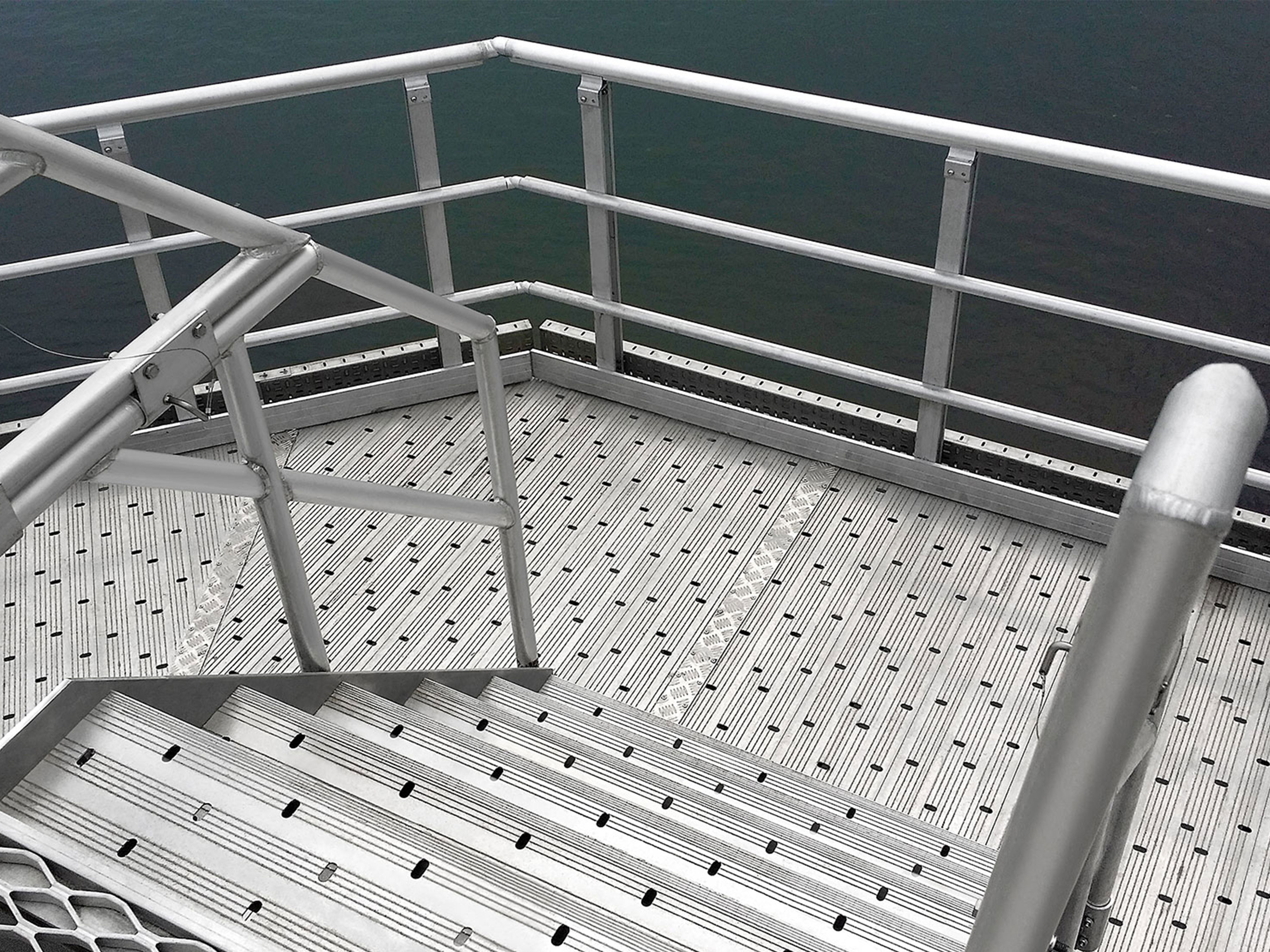
Marine aluminum customized shapes
Marine Grade Aluminum Customized Shapes encompass a broad range of aluminum extrusions and fabrications engineered beyond standard profiles—such as channels, angles, tubes, and beams—into complex, project-specific geometries.
View Details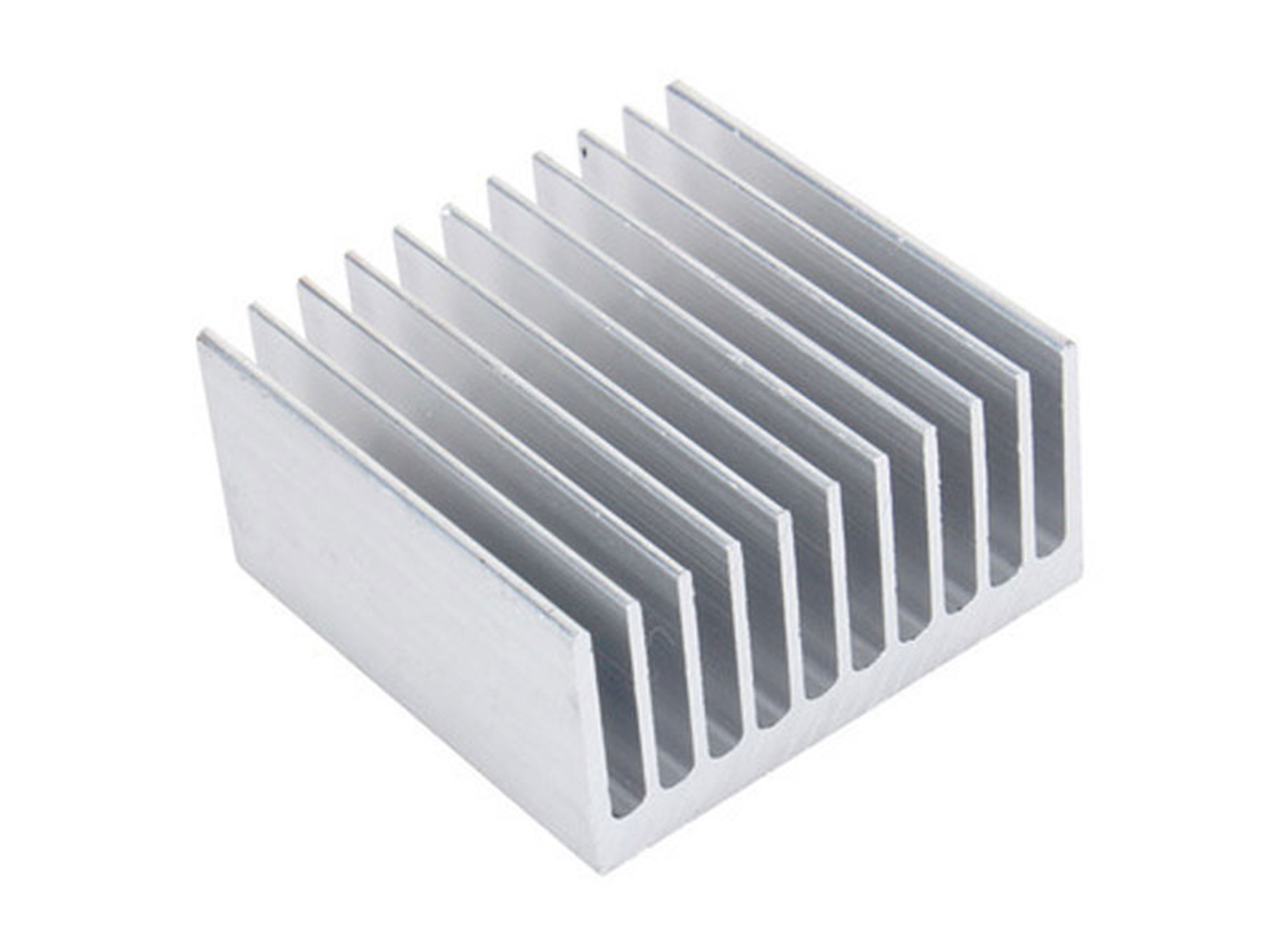
Marine aluminum heat sink profile
Marine Grade Aluminum Heat Sink Profiles utilize alloys such as 6061 and 6063 that not only exhibit high thermal conductivity but also possess excellent corrosion resistance required for saltwater exposure.
View Details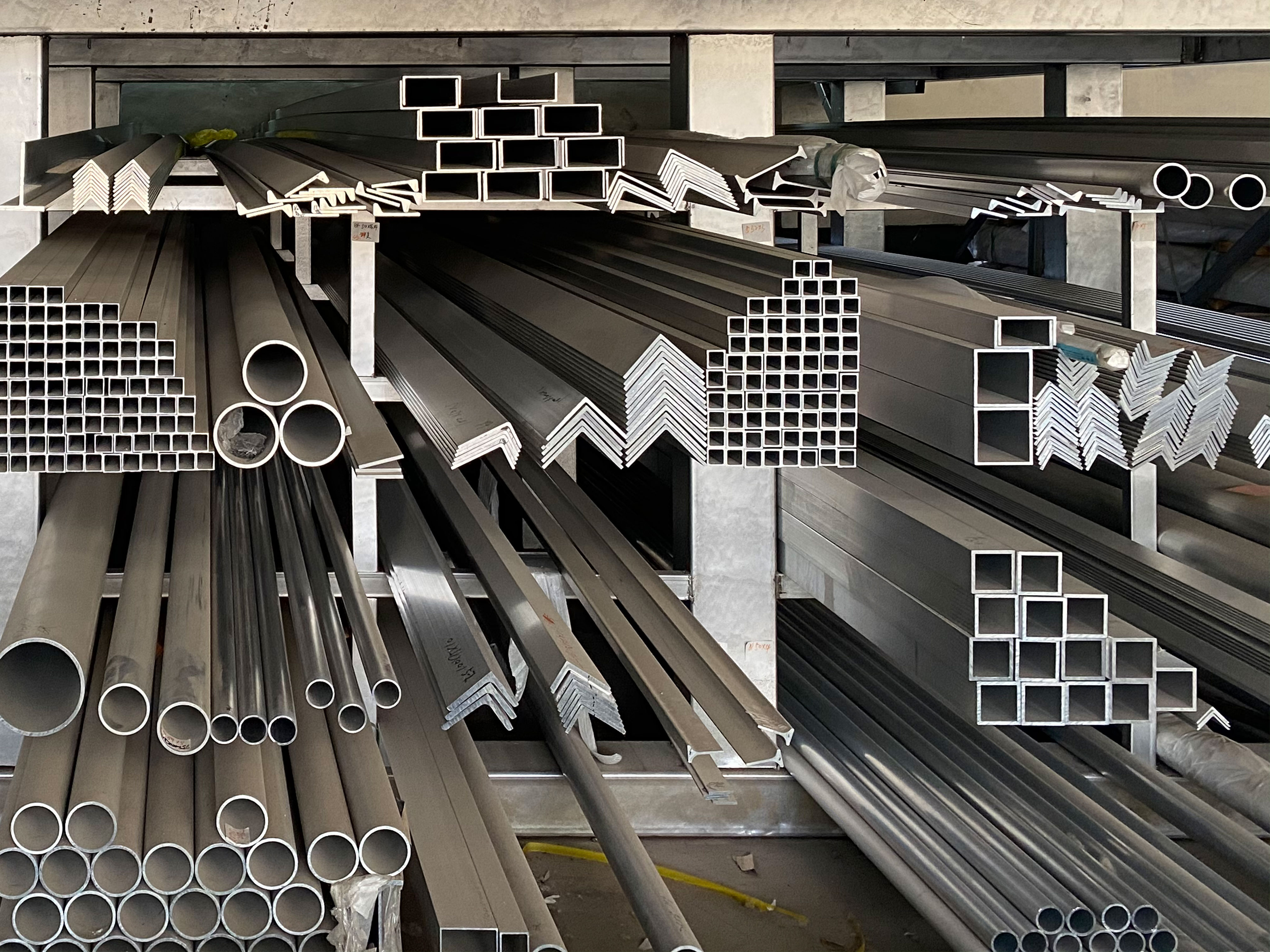
Marine aluminum fencing and railings
Marine Grade Aluminum Fencing and Railings are fabricated using marine-grade aluminum alloys such as 5083, 5052, and 6061, which are engineered specifically for protection against saltwater corrosion and marine atmospheric conditions.
View DetailsRelated Blog
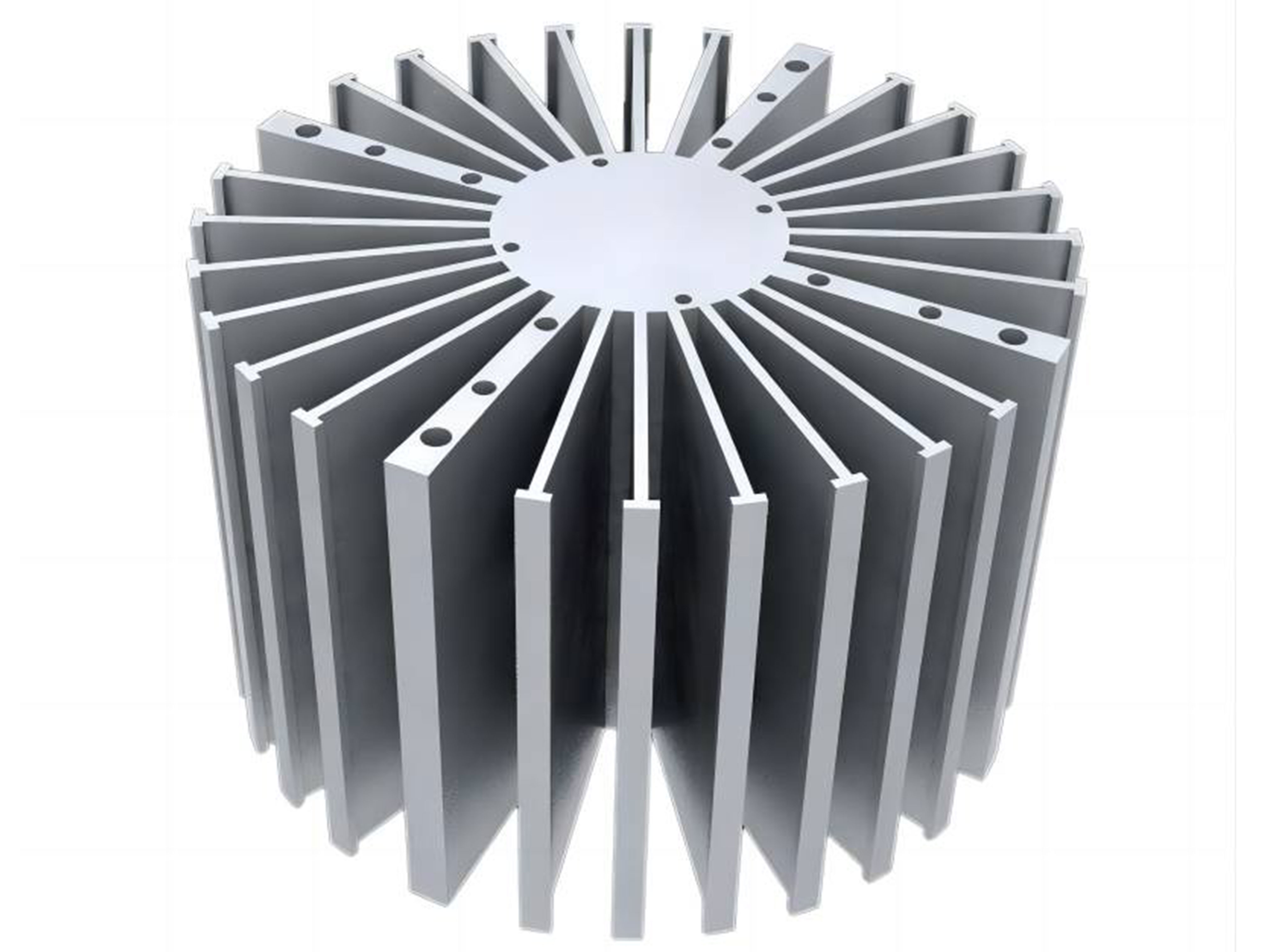
6063 Marine Aluminum Heat Sink Profile for Efficient Cooling of Offshore Equipment
In the marine and offshore industry, equipment reliability and performance hinge on effective thermal management solutions. Heat dissipation is a critical factor influencing the longevity and efficiency of sensitive offshore electronics and machinery.
View Details
6063 Marine Aluminum Heat Sink Profile for Cooling Coastal Marine Equipment
Coastal and offshore electronics live in a harsh reality: salt-laden air, intermittent spray, high humidity, vibration, and rapid temperature swings. When heat builds up inside control boxes, power supplies, inverters, LED beacons, radar auxiliaries.
View Details
Marine Aluminum Fencing and Railings for Durable Boat Deck Guardrails
OverviewMarine aluminum fencing and railings are purpose-designed alloy systems used for guardrails, handrails, stanchions, and safety barriers on boats, docks, marinas, and waterfront properties.
View Details
6063 Marine Aluminum Heat Sink Profile for Seawater Resistant Cooling Systems for Boats
When it comes to boats and marine systems, efficient heat dissipation combined with exceptional corrosion resistance is crucial for reliable operations.
View Details
6063 Marine Aluminum Heat Sink Profile for Offshore Platform Cooling Solutions
6063 Marine Aluminum Heat Sink Profile for Offshore Platform Cooling SolutionsOffshore platforms don't "run hot" in the same way a factory does. Heat offshore is rarely a single obvious source; it's a constant accumulation-inside electrical enclosures.
View Details
6063 Marine Aluminum Heat Sink Profile for Efficient Thermal Management of Boat Engines
Boat engines live in a thermal paradox: they're surrounded by water, yet they fight heat every second they run. The real enemy isn't just high temperature-it's uneven temperature.
View Details
Leave a Message