
6063 Marine Aluminum Heat Sink Profile for Cooling High Performance Offshore Equipment
6063 Marine aluminum heat sink profile for Cooling High Performance Offshore Equipment
Offshore equipment rarely fails because it is "underpowered." It fails because heat, salt, vibration, and time collaborate against every component you install on a platform, vessel, or buoy. In that environment, cooling is not a comfort feature-it is a reliability strategy. A 6063 Marine aluminum heat sink profile is best understood not just as a piece of extruded metal, but as a thermal pathway engineered to keep high-value electronics and power systems stable when the ocean tries to push them out of their operating window.
Why offshore cooling is different
On land, heat sinks often live in predictable airflow and mild corrosion conditions. Offshore, airflow is irregular, ambient temperature shifts quickly, humidity is persistent, and salt aerosols turn ordinary metals into maintenance items. High performance offshore equipment such as VFD motor drives, inverters, battery energy storage modules, radar and comms amplifiers, subsea control topsides, and LED navigation lighting all share the same enemy: localized heat that accelerates failure of semiconductors, capacitors, and insulation systems.
A Marine aluminum heat sink profile made from 6063 alloy is popular in this setting because it balances thermal efficiency, corrosion behavior, and manufacturability. Its real advantage offshore is not a single property-it is how well the alloy supports a complete thermal and durability design when paired with proper temper, surface treatment, and mounting practice.
The functional lens: a heat sink profile is a "thermal dock"
Think of a 6063 heat sink profile as a docking system for heat. Power devices generate heat at tiny junctions, then the heat must move rapidly into a larger structure where it can be dissipated. The profile's job is to provide:
- Low resistance conduction from the mounting base into the fins
- Maximized surface area for convection and radiation
- Structural stiffness so mounting pressure stays consistent under vibration
- Geometry that supports anodizing, sealing, and drainage in marine air
Because 6063 is an extrusion-friendly alloy, designers can specify fin density, fin height, base thickness, and mounting channels in one integrated shape. That matters offshore, where fewer assembled parts usually means fewer corrosion interfaces and fewer fasteners that loosen over time.
Why 6063 alloy is used for marine heat sink profiles
6063 is an Al-Mg-Si alloy known for excellent extrudability and good surface finish. That surface finish is not aesthetic offshore-it enables consistent anodizing, which improves corrosion resistance and can influence emissivity (radiative heat transfer) as well.
From a distinctive viewpoint, 6063's marine value is its "process stability." Offshore projects often demand repeatable performance across multiple batches and long production runs. 6063 typically extrudes cleanly with stable mechanical properties after heat treatment, helping suppliers hold tight dimensional tolerances on fin geometry, flatness, and mounting features that directly affect thermal contact quality.
Temper and heat treatment: choosing the right condition
Most heat sink profiles are supplied in 6063-T5 or 6063-T6, depending on the mechanical requirement and post-processing.
- 6063-T5: cooled from an elevated temperature shaping process and artificially aged. Often chosen when straightness and extrusion efficiency are priorities, with adequate strength for many enclosures and cooling plates.
- 6063-T6: solution heat-treated and artificially aged. Typically higher strength than T5, useful where vibration, shock, or mounting loads are higher.
Offshore equipment housings may double as structural elements. In those cases, T6 can offer added margin against fin damage, deformation during assembly, and long-term stress relaxation around bolted joints.
Implementation standards and practical compliance offshore
For Marine aluminum heat sink profiles, customers usually care about three kinds of standards: alloy chemistry, mechanical properties, and corrosion-related surface requirements.
Commonly referenced standards include:
- ASTM B221 / B221M for aluminum and aluminum-alloy extruded bars, rods, wire, profiles, and tubes
- EN 755 series for aluminum extruded products (dimensions, tolerances, mechanical properties)
- ISO 7599 for anodizing of aluminum and its alloys (decorative and protective anodic oxidation coatings)
- MIL-A-8625 Type II or Type III for anodic coatings, often referenced for demanding environments
- RoHS / REACH compliance when the offshore system is integrated into regulated supply chains
In marine use, anodizing is often specified with sealing to improve salt spray performance. Many offshore designers also specify chromate-free conversion coatings on mating surfaces where electrical grounding is needed, because thick anodizing can increase electrical resistance unless bonding points are managed.
Typical parameters customers evaluate quickly
A heat sink profile is purchased by dimensions, but selected by performance. The practical parameters that matter offshore include:
- Alloy and temper: 6063-T5 or 6063-T6
- Thermal behavior: high conduction pathway efficiency, fin area utilization, emissivity after surface treatment
- Profile geometry: fin thickness, fin spacing, fin height, base thickness, mounting channels
- Dimensional tolerances: straightness, twist, flatness, cut length tolerance
- Surface treatment: clear anodize, black anodize for higher emissivity, hard anodize where abrasion is expected
- Fabrication readiness: CNC machining, drilling/tapping, friction stir welding compatibility, cleanliness for thermal interface materials
Chemical composition (typical limits) for 6063 aluminum
Below is a widely used composition range for 6063 (values in weight percent). Exact limits may vary slightly by standard; procurement should reference the governing specification such as ASTM or EN.
| Element | Content (wt%) |
|---|---|
| Silicon (Si) | 0.20–0.60 |
| Magnesium (Mg) | 0.45–0.90 |
| Iron (Fe) | ≤ 0.35 |
| Copper (Cu) | ≤ 0.10 |
| Manganese (Mn) | ≤ 0.10 |
| Chromium (Cr) | ≤ 0.10 |
| Zinc (Zn) | ≤ 0.10 |
| Titanium (Ti) | ≤ 0.10 |
| Aluminum (Al) | Balance |
This chemistry is designed to form Mg2Si strengthening phases after aging, supporting a strong, stable extrusion that also takes anodizing well-important for marine corrosion control.
Offshore applications that benefit most
A 6063 Marine aluminum heat sink profile is especially effective where thermal loads are continuous and access for maintenance is limited.
High-impact offshore applications include:
- Power electronics cooling for thrusters, winches, cranes, and pump drives
- Offshore charger and inverter enclosures for hybrid marine power systems
- Radar processing units, RF amplifiers, and sealed telecom cabinets
- Explosion-protected or pressurized enclosures where internal heat must be transported to an external heat sink wall
- LED floodlighting, helideck lighting, and navigation aids that must run cool to maintain lumen output and driver life
- Sensor hubs on buoys and platforms, where passive cooling is favored over fans
For many of these systems, passive cooling is preferred because fans ingest salt and moisture. A well-designed extruded profile enables fanless thermal management, reducing failure points.
What "marine-ready" really means in the heat sink profile
Marine readiness is not only corrosion resistance. It is also predictability under stress. 6063 profiles are often chosen because they allow:
- Consistent thermal interface pressure thanks to stable base flatness
- Repeatable anodizing thickness and uniform surface condition
- Reduced galvanic risk when paired with correct fasteners, isolators, and coatings
- Scalable production for long offshore programs
From this perspective, a 6063 Marine aluminum heat sink profile is a long-term reliability component. It turns thermal design into something you can manufacture consistently, install quickly, and trust in salt air.
Closing thought
Cooling high performance offshore equipment is ultimately about protecting uptime. 6063 Marine aluminum heat sink profiles offer an effective combination of extrusion freedom, surface treatment compatibility, and dependable heat-flow geometry. When specified with the right temper, standards, and anodized protection, they become more than heat sinks-they become the quiet infrastructure that keeps offshore systems stable, efficient, and operational when conditions are at their harshest.

Related Products
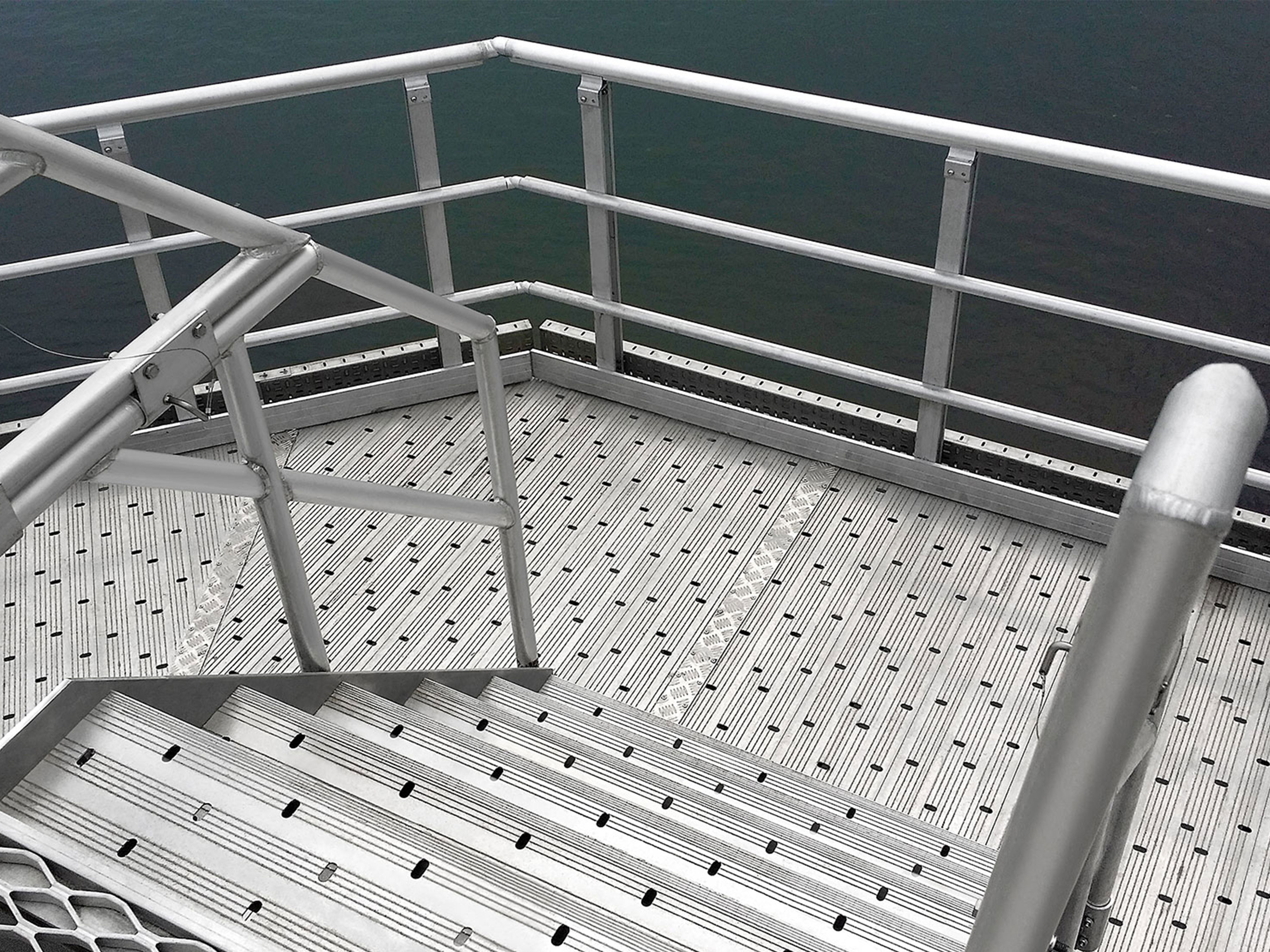
Marine aluminum customized shapes
Marine Grade Aluminum Customized Shapes encompass a broad range of aluminum extrusions and fabrications engineered beyond standard profiles—such as channels, angles, tubes, and beams—into complex, project-specific geometries.
View Details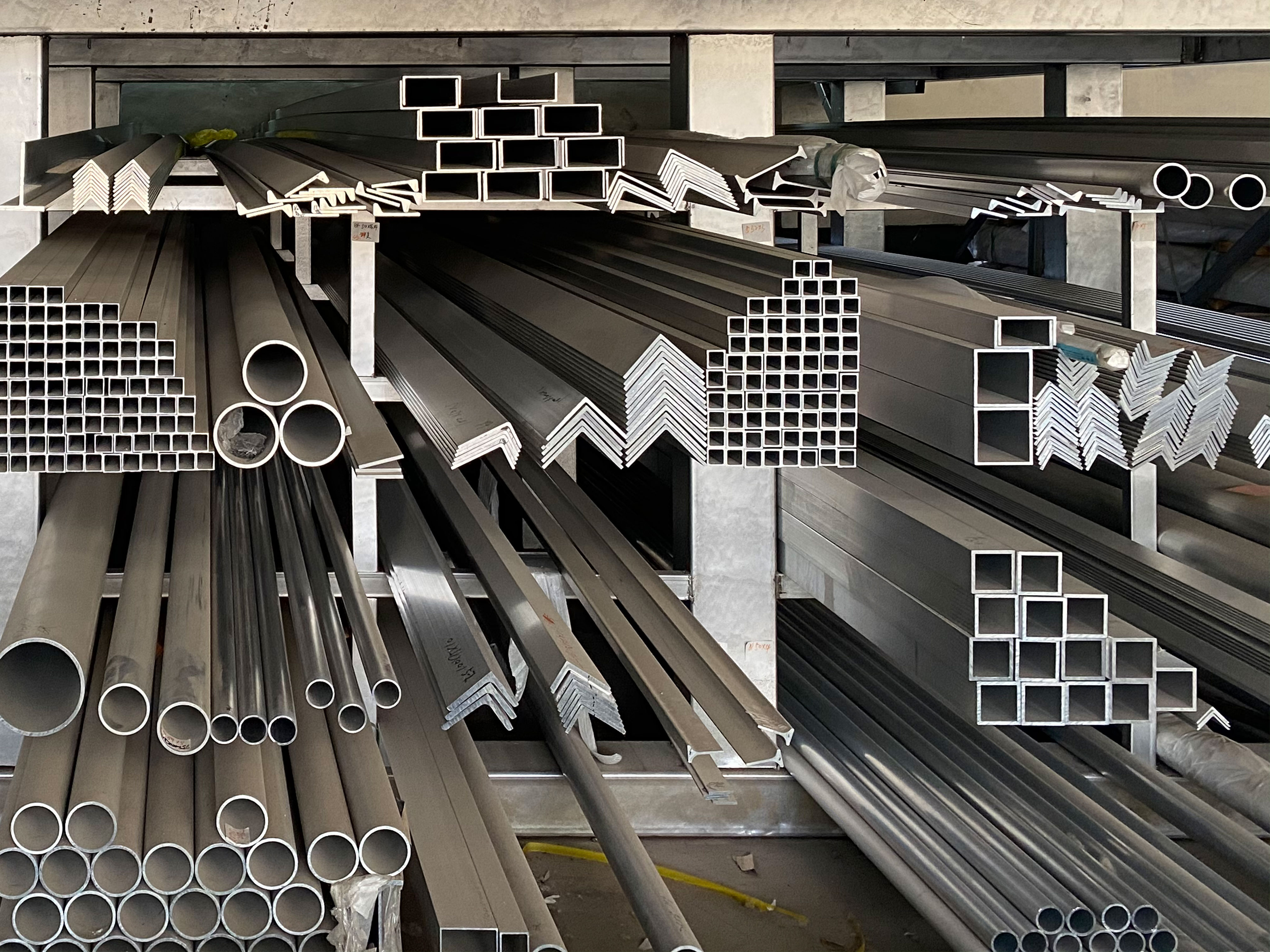
Marine aluminum fencing and railings
Marine Grade Aluminum Fencing and Railings are fabricated using marine-grade aluminum alloys such as 5083, 5052, and 6061, which are engineered specifically for protection against saltwater corrosion and marine atmospheric conditions.
View Details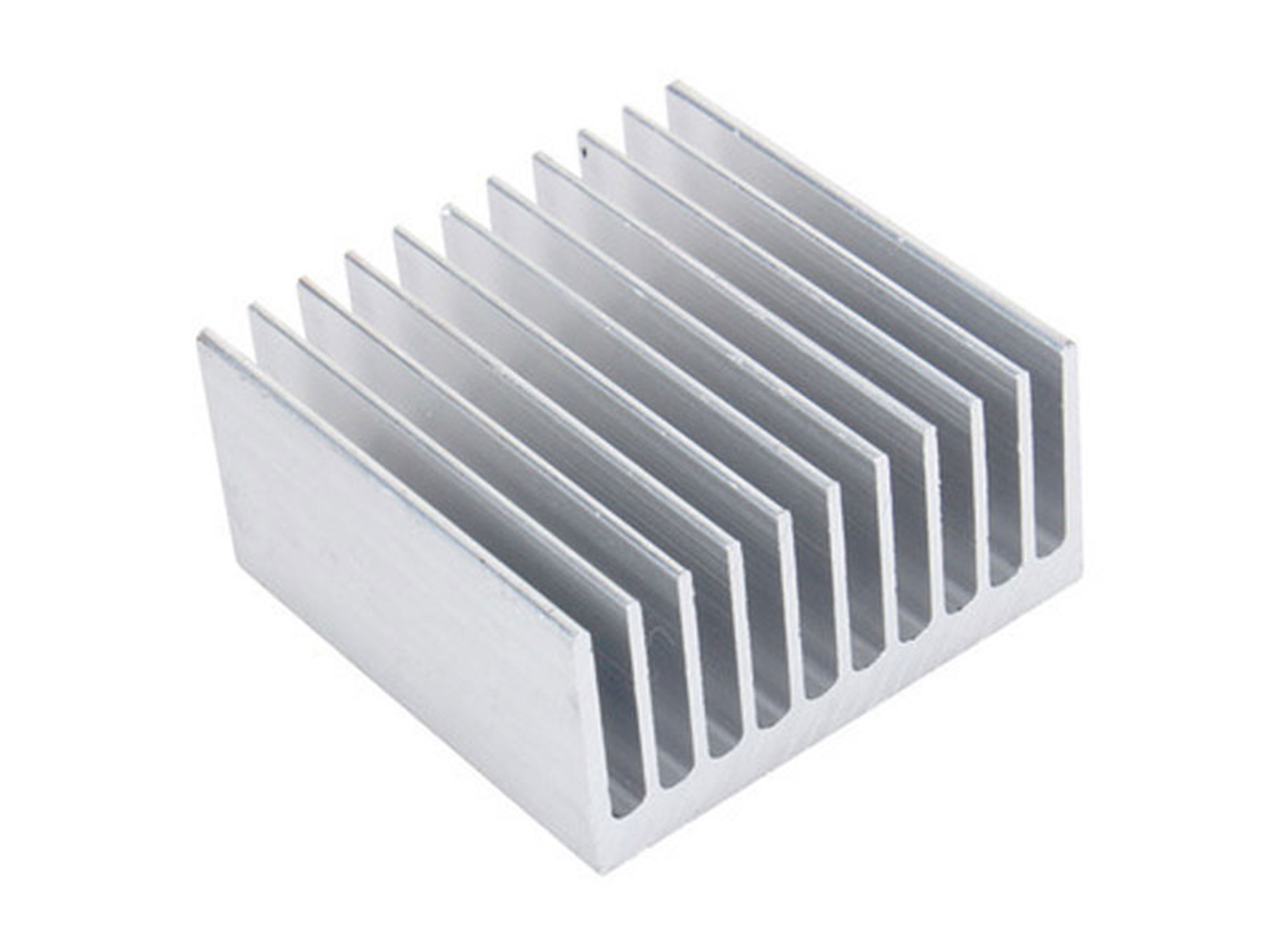
Marine aluminum heat sink profile
Marine Grade Aluminum Heat Sink Profiles utilize alloys such as 6061 and 6063 that not only exhibit high thermal conductivity but also possess excellent corrosion resistance required for saltwater exposure.
View DetailsRelated Blog
Marine Aluminum Fencing and Railings for Durable Boat Deck Guardrails
OverviewMarine aluminum fencing and railings are purpose-designed alloy systems used for guardrails, handrails, stanchions, and safety barriers on boats, docks, marinas, and waterfront properties.
View Details
6063 Marine Aluminum Heat Sink Profile for Coastal Platform Electronics
Advantages of 6063 marine aluminum heat sink profiles, engineered to provide superior thermal management and corrosion resistance for coastal platform electronics. Ideal for harsh maritime environments.
View Details
6063 Marine Aluminum Heat Sink Profile for Efficient Thermal Management of Boat Engines
Boat engines live in a thermal paradox: they're surrounded by water, yet they fight heat every second they run. The real enemy isn't just high temperature-it's uneven temperature.
View Details
6063 Marine Aluminum Heat Sink Profile for Efficient Cooling of Offshore Equipment
In the marine and offshore industry, equipment reliability and performance hinge on effective thermal management solutions. Heat dissipation is a critical factor influencing the longevity and efficiency of sensitive offshore electronics and machinery.
View Details
6063 Marine Aluminum Heat Sink Profile for Durable Coastal Electronics Cooling
The 6063 marine-grade aluminum heat sink profile has become an essential component in coastal and marine applications, particularly where electronic cooling is paramount for operational reliability and longevity.
View Details
6063 Marine Aluminum Heat Sink Profile for Cooling High Performance Offshore Equipment
6063 Marine Aluminum Heat Sink Profile for Cooling High Performance Offshore EquipmentOffshore equipment rarely fails because it is "underpowered." It fails because heat, salt, vibration.
View Details
Leave a Message