
Alloy 5052 5757 5005 5083 h24 h32 aluminium coil for marine application
Marine environments demand materials that combine corrosion resistance, strength, weldability, and low weight. Among non-heat-treatable aluminum-magnesium alloys, 5052, 5754, 5005, and 5083 aluminium coil are widely selected for shipbuilding, offshore structures, boat panels, deck components, superstructures, and marine fittings. In tempers such as H24 and H32, these coils offer an excellent balance of formability and mechanical performance, making them practical for both fabrication and long-term service in seawater conditions.
Why aluminium coil is used in marine applications
Marine-grade aluminum coil is valued because it reduces structural weight while maintaining strong resistance to atmospheric and saltwater corrosion. Compared with steel, aluminum helps improve fuel efficiency, payload capacity, vessel speed, and ease of fabrication. The 5xxx series alloys, especially those with magnesium as the main alloying element, are especially suitable for marine use.
Main functions in marine service
| Function | Benefit in Marine Use |
|---|---|
| Corrosion resistance | Performs well in seawater, humid coastal air, and splash zones |
| Weight reduction | Lowers vessel mass and improves fuel efficiency |
| Good weldability | Supports hull fabrication, tank construction, and structural joining |
| Formability | Suitable for bending, rolling, stamping, and panel forming |
| Medium to high strength | Meets structural needs for marine panels and components |
| Surface quality | Useful for visible panels, cladding, and decorative marine parts |
Common marine applications
The actual alloy choice depends on whether the project prioritizes strength, corrosion resistance, appearance, or formability.
| Alloy | Typical Marine Applications |
|---|---|
| 5052 | Interior panels, fuel tanks, bulkheads, deck fittings, pipe covers, small boat parts |
| 5754 | Hull panels, flooring, vehicle ferry structures, pressure vessels, marine body panels |
| 5005 | Decorative panels, ceiling panels, exterior trim, anodized marine architectural parts |
| 5083 | Hulls, ship side plates, deck structures, LNG tanks, offshore modules, high-strength marine structures |
5052 aluminium coil
5052 is a classic Al-Mg alloy known for very good corrosion resistance and excellent workability. It is commonly used in sheet and coil form for parts exposed to seawater but not requiring the highest structural strength. It performs well in bending and forming operations and is easy to weld.
5754 aluminium coil
5754 offers slightly higher strength than 5052 in many practical conditions and retains very good corrosion resistance. It is widely used in European marine and transport sectors. It is suitable for flooring, structural panels, and formed marine components.
5005 aluminium coil
5005 contains less magnesium and is more often chosen for appearance-sensitive and anodized parts rather than highly loaded structural marine components. In marine environments, it is suitable for decorative cladding and non-critical applications where good corrosion resistance and surface finish are important.
5083 aluminium coil
5083 is one of the most recognized marine-grade aluminum alloys. Its higher magnesium content gives it excellent resistance to seawater and stronger mechanical properties than 5052, 5754, and 5005. It is commonly used for hulls, pressure vessels, and offshore structures where high strength and reliable weld performance are required.
Temper conditions: H24 and H32
H-tempers are strain-hardened tempers used for non-heat-treatable aluminum alloys. The final digits indicate the degree of strain hardening and partial annealing or stabilization.
| Temper | Meaning | Typical Characteristics |
|---|---|---|
| H24 | Strain hardened and partially annealed to 1/2 hard | Good balance of formability and moderate strength |
| H32 | Strain hardened and stabilized to 1/4 hard | Better stability and corrosion-related performance for Mg alloys, with good forming ability |
For marine coil, H32 is especially common in 5083 and 5754 because stabilization helps maintain reliable performance after processing and during service.
Chemical composition
The following values are typical reference ranges based on common international alloy standards. Exact chemistry may vary slightly by mill standard and supply condition.
| Alloy | Si % | Fe % | Cu % | Mn % | Mg % | Cr % | Zn % | Ti % | Al |
|---|---|---|---|---|---|---|---|---|---|
| 5005 | 0.30 max | 0.70 max | 0.20 max | 0.20 max | 0.50–1.10 | 0.10 max | 0.25 max | 0.05 max | Remainder |
| 5052 | 0.25 max | 0.40 max | 0.10 max | 0.10 max | 2.20–2.80 | 0.15–0.35 | 0.10 max | 0.10 max | Remainder |
| 5754 | 0.40 max | 0.40 max | 0.10 max | 0.50 max | 2.60–3.60 | 0.30 max | 0.20 max | 0.15 max | Remainder |
| 5083 | 0.40 max | 0.40 max | 0.10 max | 0.40–1.00 | 4.00–4.90 | 0.05–0.25 | 0.25 max | 0.15 max | Remainder |
Mechanical properties
Typical values depend on thickness, producer, and test standard. The table below gives commonly referenced ranges for coil products.
| Alloy / Temper | Tensile Strength MPa | Yield Strength MPa | Elongation % | Relative Formability | Weldability |
|---|---|---|---|---|---|
| 5005 H24 | 145–185 | 85–125 | 6–12 | Good | Good |
| 5052 H24 | 210–260 | 130–180 | 8–14 | Very good | Excellent |
| 5052 H32 | 210–260 | 160–210 | 6–12 | Good | Excellent |
| 5754 H24 | 190–240 | 110–160 | 10–16 | Very good | Excellent |
| 5754 H32 | 220–270 | 140–200 | 8–14 | Good | Excellent |
| 5083 H24 | 270–330 | 145–210 | 10–16 | Good | Excellent |
| 5083 H32 | 305–380 | 215–280 | 8–14 | Good | Excellent |
Physical properties
| Property | Typical Value |
|---|---|
| Density | 2.66–2.68 g/cm³ |
| Elastic modulus | about 70 GPa |
| Thermal conductivity | about 117–138 W/m·K depending on alloy |
| Electrical conductivity | about 28–34% IACS |
| Melting range | about 570–640°C depending on alloy |
| Coefficient of thermal expansion | about 23–24 × 10⁻⁶ /°C |
Common supply specifications for aluminium coil
Marine aluminum coil is available in a wide range of widths, thicknesses, and surface finishes to support shipyard and fabrication requirements.
| Parameter | Typical Range |
|---|---|
| Thickness | 0.5–10.0 mm |
| Width | 20–2650 mm |
| Coil inner diameter | 150 mm, 300 mm, 405 mm, 505 mm |
| Coil weight | Custom according to handling and production line |
| Surface finish | Mill finish, brushed, anodizing quality, coated |
| Edge | Mill edge or slit edge |
Implementation standards
For marine and industrial purchasing, aluminum coil is usually produced and tested according to internationally recognized standards.
| Standard | Scope |
|---|---|
| ASTM B209 | Aluminum and aluminum-alloy sheet and plate |
| EN 485 | Aluminum and aluminum alloys sheet, strip and plate |
| EN 573 | Chemical composition and designation |
| EN 515 | Temper designation system |
| GB/T 3880 | Wrought aluminum and aluminum alloy sheets, strips, foils |
| DNV / ABS / LR / CCS certification | Optional marine classification approvals depending on project |
Performance comparison for marine selection
| Alloy | Corrosion Resistance | Strength Level | Anodizing Appearance | Typical Marine Role |
|---|---|---|---|---|
| 5005 | Good | Low to medium | Excellent | Decorative and non-structural panels |
| 5052 | Very good | Medium | Good | Tanks, covers, formed parts |
| 5754 | Very good | Medium to medium-high | Good | Flooring, panels, structural applications |
| 5083 | Excellent | High | Fair to good | Hulls, decks, offshore and welded structures |
Practical selection guidance
When choosing 5052, 5754, 5005, or 5083 H24/H32 aluminium coil for marine application, the is to match the alloy to service conditions.
| Requirement | Recommended Alloy |
|---|---|
| Highest marine structural strength | 5083 H32 |
| Good all-round marine forming and corrosion resistance | 5052 H24/H32 |
| Balanced strength and fabrication for panels and flooring | 5754 H24/H32 |
| Best anodized decorative finish | 5005 H24 |
For hull plating, deck structures, and offshore welded parts, 5083 H32 is often the preferred choice. For interior marine parts, tanks, and formed sheet components, 5052 and 5754 are highly practical. For trim and appearance-focused panels, 5005 remains a good option.

Related Products
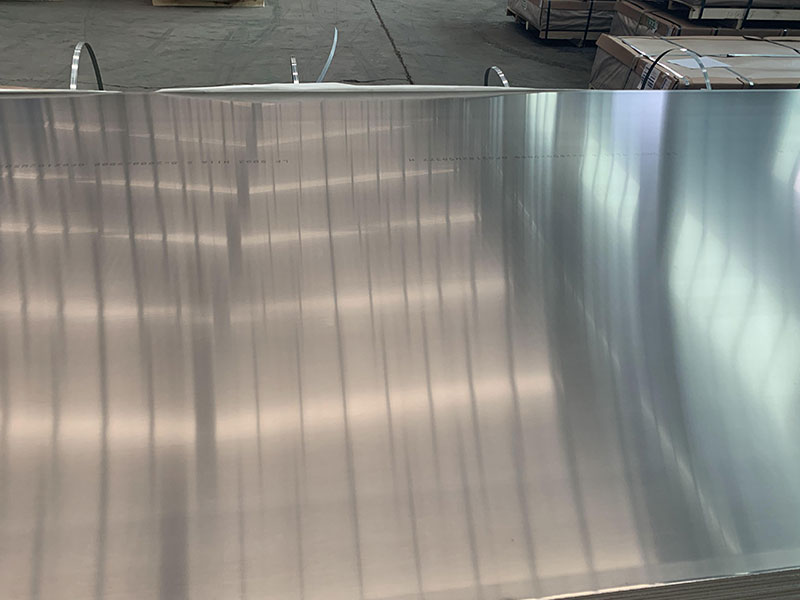
Marine 5383 aluminum sheet
5383 aluminum is a strain-hardened, non-heat-treatable alloy from the 5xxx series primarily alloyed with magnesium. It exhibits a unique balance of corrosion resistance and mechanical properties particularly suited for marine applications.
View Details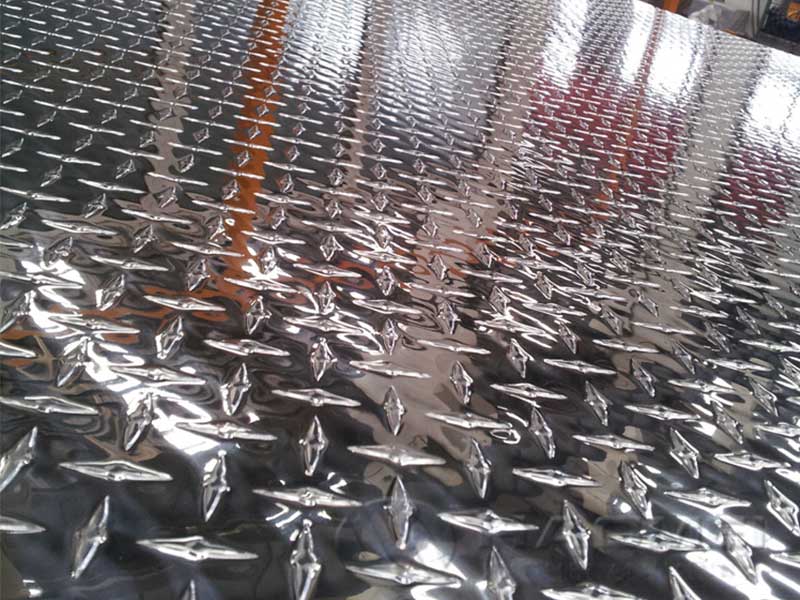
Marine Aluminum Tread Sheets
Marine Aluminum Tread Sheets are aluminum alloy plates featuring a raised surface pattern, commonly referred to as a tread design or diamond plate.
View Details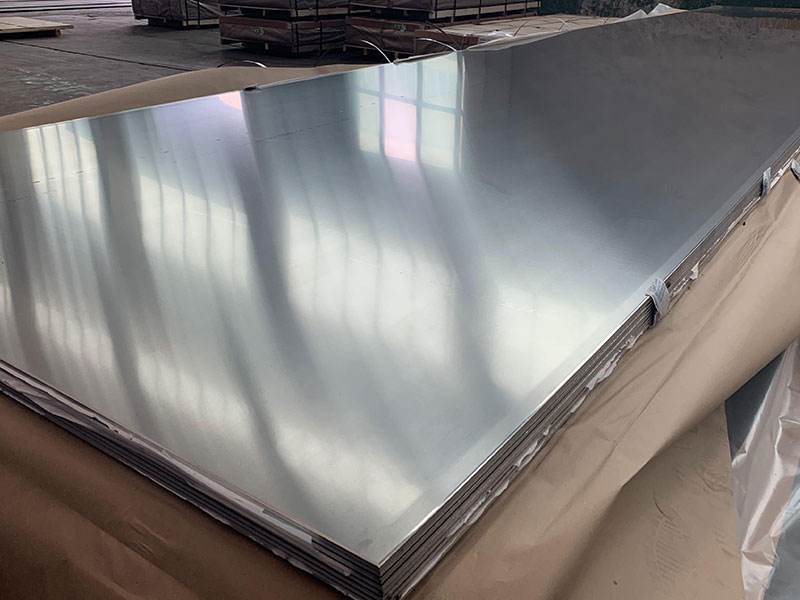
Marine 5086 aluminum sheet
This product article provides an in-depth and comprehensive understanding of Marine 5086 Aluminum Sheets, including their chemical composition, mechanical properties, corrosion resistance, fabrication capabilities, and typical marine applications.
View Details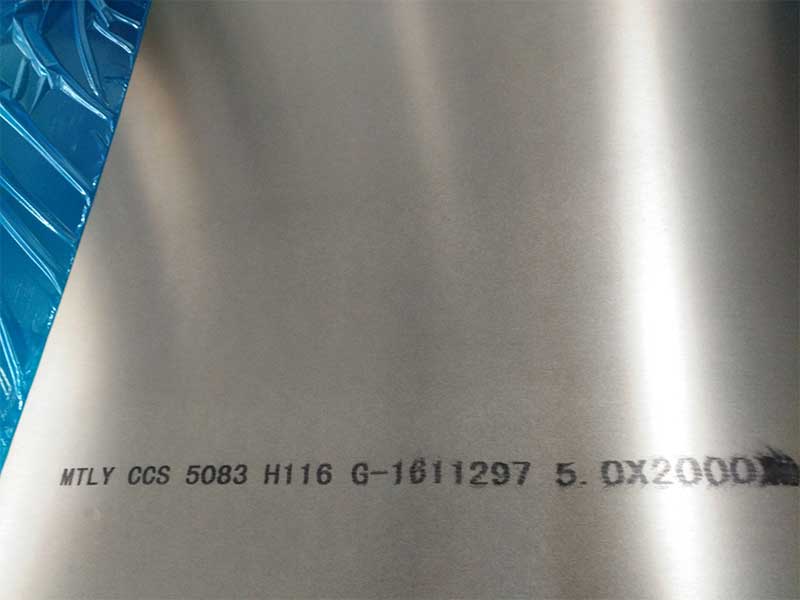
Marine 5083 aluminum sheet
Aluminum alloy 5083 is a non-heat-treatable alloy primarily composed of magnesium and trace elements that deliver outstanding protection against corrosion, particularly in seawater and saline atmospheres.
View Details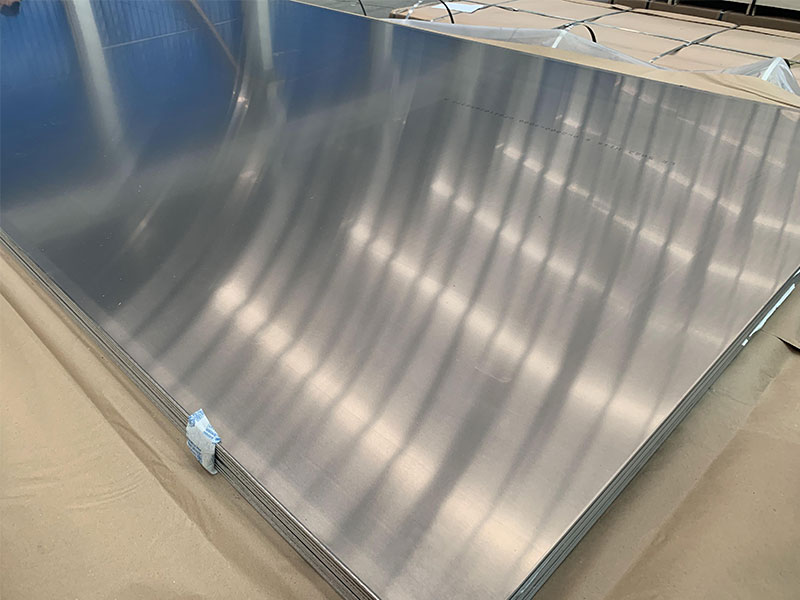
Marine 5052 aluminum sheet
Aluminum alloy 5052 is a non-heat-treatable, strain-hardened alloy with magnesium as the primary alloying element. It is designed to offer superior corrosion resistance in marine and saline environments, making it a dependable choice for components exposed directly to seawater or coastal atmospheric conditions.
View Details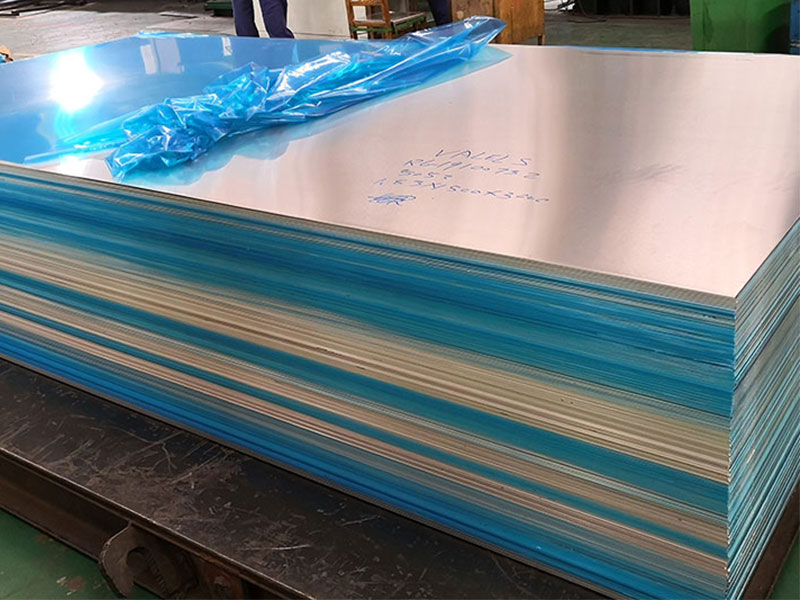
Marine 5059 aluminum sheet
5059 aluminum alloy is a strain-hardened material with a unique addition of magnesium and chromium, which provides outstanding resistance to localized corrosion like pitting and stress corrosion cracking.
View DetailsRelated Blog
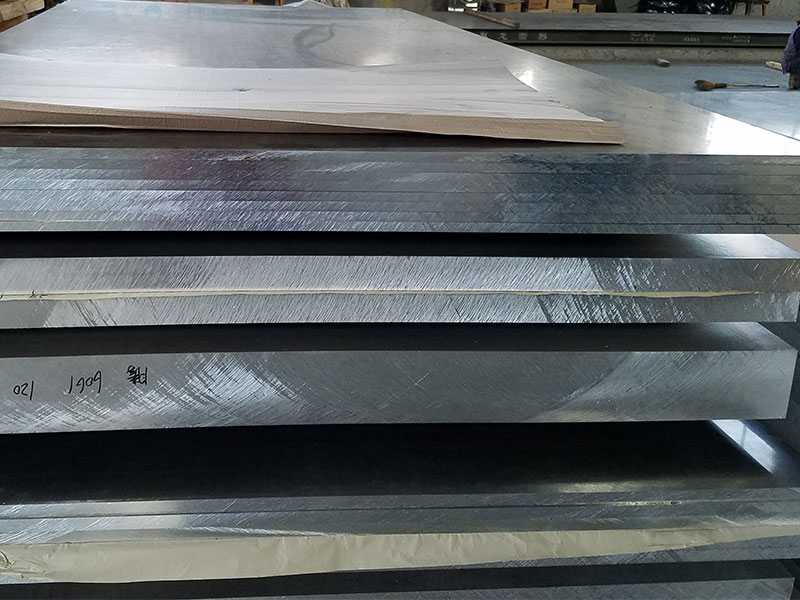
Alloy 5052 5757 5005 5083 h24 h32 aluminium coil for marine application
Marine environments demand materials that combine corrosion resistance, strength, weldability, and low weight. Among non-heat-treatable aluminum-magnesium alloys, 5052, 5754, 5005, and 5083 aluminium coil are widely selected for shipbuilding.
View Details
Leave a Message