
5083 Marine Aluminum Hexagonal Bars for Custom Shipbuilding Reinforcements
Custom shipbuilding reinforcements demand materials that stay reliable under saltwater exposure, cyclic wave loading, vibration, and tight fabrication schedules. 5083 Marine aluminum hexagonal bars are purpose-built for these realities: a corrosion-resisting, high-strength, weldable aluminum-magnesium alloy delivered in a hexagonal bar form that improves torque transfer, anti-rotation behavior, and fastening performance-often with less machining than round stock.
Why 5083 for Marine Reinforcements?
5083 is a non-heat-treatable Al-Mg alloy known for its excellent seawater corrosion resistance and strong strength-to-weight ratio. In ship structures and reinforcement hardware, its advantages become practical:
- Seawater durability: Resists pitting and general corrosion in marine atmospheres and splash zones better than many general-purpose aluminum alloys.
- High strength without heat treatment: Strength is primarily achieved through solid solution strengthening (Mg) and work hardening.
- Weld-friendly for marine fabrication: Suitable for common marine welding practices; widely used in hulls, decks, and structural members.
- Low density = easier handling: Weight savings support performance, payload, and fuel efficiency.
Why a Hexagonal Bar Shape?
A hex bar is not just a cosmetic profile; it directly impacts assembly and reinforcement performance.
Hexagonal bars are ideal when you need:
- Anti-rotation features in reinforcement tie-rods, clamp components, or mechanical stops
- Improved wrench engagement and maintenance access in confined spaces
- Reduced machining vs. turning a round bar into a hex feature
- Flat faces for indexing during drilling, slotting, or milling
In custom shipbuilding, the hex profile frequently reduces fabrication steps and improves serviceability-two cost drivers in marine builds.
Performance Highlights (Marine-Relevant)
| Attribute | What It Means for Ships | Practical Benefit |
|---|---|---|
| Seawater corrosion resistance | Stable oxide film; Mg alloying supports marine durability | Longer service intervals; reduced coating burden |
| High strength-to-weight | Stronger than many 5xxx series options while staying light | Lighter reinforcements, easier installation |
| Weldability | Compatible with typical marine welding workflows (process-dependent) | Faster fabrication; robust joints |
| Fatigue awareness | Designed for structural use where cyclic loading occurs | Suitable for braces, frames, and stiffeners when engineered properly |
| Cryogenic toughness (noted characteristic of 5083) | Maintains toughness at low temperature | Useful for cold-region vessels and specialized tanks |
Note: Final performance depends on temper, section size, welding procedure, and corrosion control strategy (drainage, isolation from dissimilar metals, coatings where required).
Typical Applications in Custom Shipbuilding
5083 Marine aluminum hexagonal bars are commonly selected for reinforcement components where geometry, torque handling, and corrosion resistance matter:
Structural & Reinforcement Hardware
- Reinforcement standoffs, spacers, and compression posts
- Stiffener tie-ins, bracket backs, and gusseted reinforcement interfaces
- Hex-profile brace ends and adjustable reinforcement links
Fastening & Anti-Rotation Components
- Custom marine nuts, lock features, and clamping blocks
- Anti-rotation shafts and keyed reinforcement pins
- Maintenance-friendly wrenchable posts and supports
Outfitting & Deck Equipment Supports
- Davit and railing reinforcement inserts
- Winch base stiffening elements (where aluminum is specified)
- Custom fixtures for electronics masts and equipment foundations
Chemical Composition (5083 Aluminum Alloy)
5083's performance is driven by its magnesium content and controlled impurities. Composition requirements vary slightly by standard; the table below reflects common industry limits for 5083.
| Element | Typical Range (wt.%) |
|---|---|
| Magnesium (Mg) | 4.0 – 4.9 |
| Manganese (Mn) | 0.4 – 1.0 |
| Chromium (Cr) | 0.05 – 0.25 |
| Silicon (Si) | ≤ 0.40 |
| Iron (Fe) | ≤ 0.40 |
| Copper (Cu) | ≤ 0.10 |
| Zinc (Zn) | ≤ 0.25 |
| Titanium (Ti) | ≤ 0.15 |
| Aluminum (Al) | Balance |
Why this matters:
- Mg increases strength and supports marine corrosion performance.
- Mn/Cr help control grain structure and improve toughness and resistance to stress-related degradation when properly processed.
Mechanical Properties (Representative Values)
Mechanical properties vary with temper and product form. Hex bars are often supplied in tempers appropriate for machining and structural use. The values below are representative ranges used for engineering comparisons; confirm against the supplied mill test certificate and applicable standard.
| Temper (common) | Ultimate Tensile Strength (MPa) | Yield Strength (MPa) | Elongation (%) |
|---|---|---|---|
| O (annealed) | ~270 – 305 | ~125 – 145 | ~16 – 22 |
| H112 (as-fabricated) | ~290 – 330 | ~140 – 180 | ~12 – 20 |
| H116 / H321 (marine plate-focused tempers; availability depends on product form) | ~300 – 350 | ~200 – 240 | ~10 – 16 |
Design note: For welded reinforcements, account for strength reduction in the heat-affected zone (HAZ) and use appropriate joint efficiency factors per your marine code or class guidance.
Technical Specifications (Hex Bar Supply)
Below is a practical specification set commonly requested for custom shipbuilding reinforcement stock.
| Item | Typical Options / Notes |
|---|---|
| Alloy | 5083 |
| Product form | Hexagonal bar |
| Across flats (AF) size | Customizable (commonly small-to-medium AF for reinforcement hardware) |
| Length | Fixed lengths or cut-to-length |
| Temper | O / H112 commonly; others by agreement |
| Surface | Mill finish; optional anodizing or protective wrapping |
| Straightness | Controlled for machining and assembly alignment |
| Certification | Mill Test Certificate (MTC), heat number traceability; third-party inspection optional |
| Standards | ASTM/EN equivalents may apply depending on region and customer spec |
Corrosion & Compatibility Considerations (Marine Reality)
5083 performs strongly in marine exposure, but system design determines real-life results:
| Risk Area | Typical Cause | Recommended Practice |
|---|---|---|
| Galvanic corrosion | Contact with stainless steel/copper alloys in saltwater + electrolyte | Use isolating washers, coatings, sealants; control drainage |
| Crevice corrosion | Tight gaps holding seawater | Avoid water traps; seal joints; design for flushing/drainage |
| Stress/cyclic fatigue | Repeated wave loads and vibration | Use generous radii, avoid sharp notches, inspect critical joints |
| Coating damage | Abrasion or impact | Consider anodizing/paint systems where abrasion is likely |
Benefits for Customers (What You Gain)
1) Faster Fabrication and Fewer Machining Steps
Using hex stock can eliminate milling flats on round bar-reducing cycle time for parts like wrenchable posts, clamp blocks, and anti-rotation spacers.
2) Lighter Reinforcement Without Sacrificing Reliability
5083 provides structural capability at a fraction of the weight of steel, helping keep centers of gravity low and payloads high.
3) Marine-Proven Corrosion Resistance
In splash zones, bilge-adjacent structures, and deck equipment supports, 5083's corrosion behavior is a dependable baseline-especially when paired with good isolation and drainage design.
4) Strong Value in Custom Builds
Custom shipbuilding thrives on adaptable stock forms. Hex bars enable quick conversion into functional reinforcement components with consistent geometry and repeatable assembly.
Quick Use-Case Examples
| Use Case | Why Hex 5083 Works | Typical Outcome |
|---|---|---|
| Reinforcement tie hardware for deck frames | Flat faces prevent rotation during tightening | Faster install, less rework |
| Wrenchable standoff posts under equipment bases | Hex profile simplifies service access | Easier maintenance offshore |
| Clamp blocks for cable trays / piping supports | Corrosion resistance + machinability | Durable supports with clean machining |
Ordering Tips (To Match the Bar to the Job)
When specifying 5083 Marine aluminum hexagonal bars, include:
- Across flats (AF) and tolerance requirement
- Temper (and whether welding will be performed)
- Cut length and quantity optimization for yield
- Any surface protection needs (wrap, anodize, paint system compatibility)
- Required certifications (MTC, PMI, third-party inspection, class documentation)
5083 Marine aluminum hexagonal bars combine a marine-grade alloy with a geometry that's inherently useful for reinforcement hardware-offering corrosion resistance, structural strength, weld compatibility, and faster fabrication. For custom shipbuilding reinforcements where parts must be wrenchable, anti-rotational, and durable in saltwater, 5083 hex bars are a highly practical and performance-driven choice.

Related Products
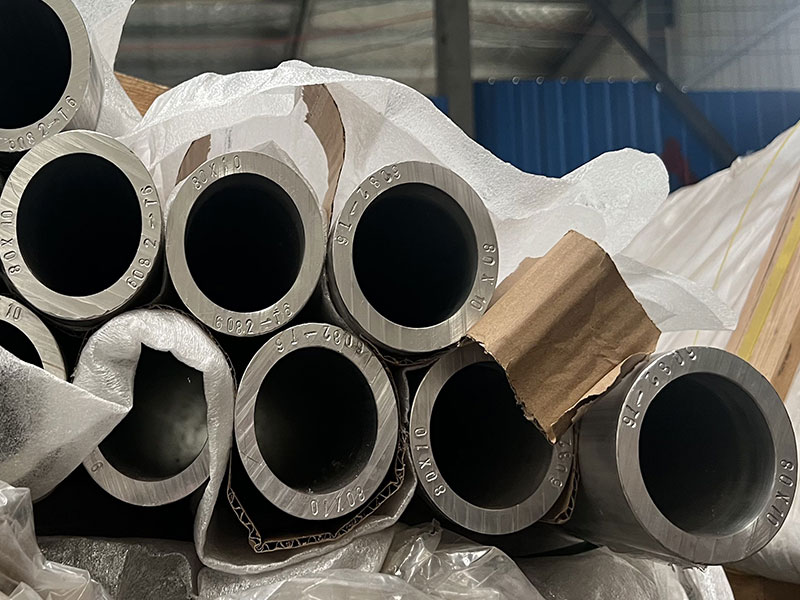
Marine aluminum hollow bars
Marine Grade Aluminum Hollow Bars are fabricated from high-quality alloys such as 5083, 5052, 6061, and 6082, all known for their exceptional resistance to seawater corrosion, salt spray, and marine atmospheres.
View Details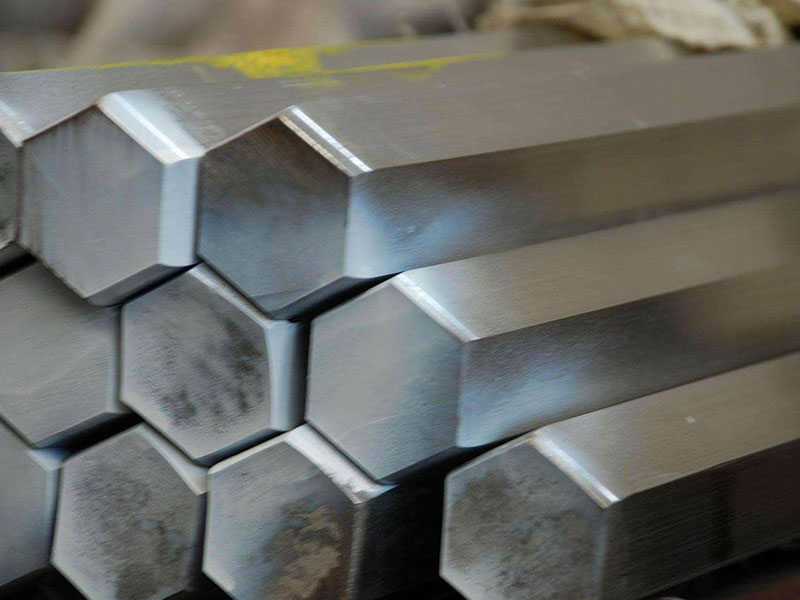
Marine aluminum hexagonal bars
Marine Grade Aluminum Hexagonal Bars are produced from premium corrosion-resistant aluminum alloys such as 5083, 5052, 6061, and 6082.
View Details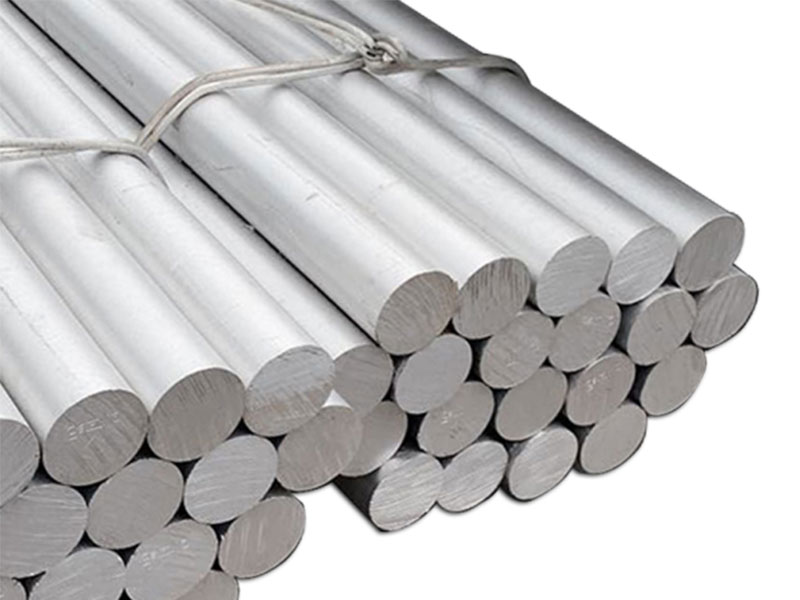
Marine grade aluminum solid bar
Marine Grade Aluminum Solid Bars are produced from premium aluminum alloys optimized for saltwater exposure, such as 5083, 5052, 6061, and 6082. These alloys offer unparalleled resistance to corrosion caused by seawater, salt spray, and marine atmospheres, while maintaining excellent mechanical strength and toughness.
View Details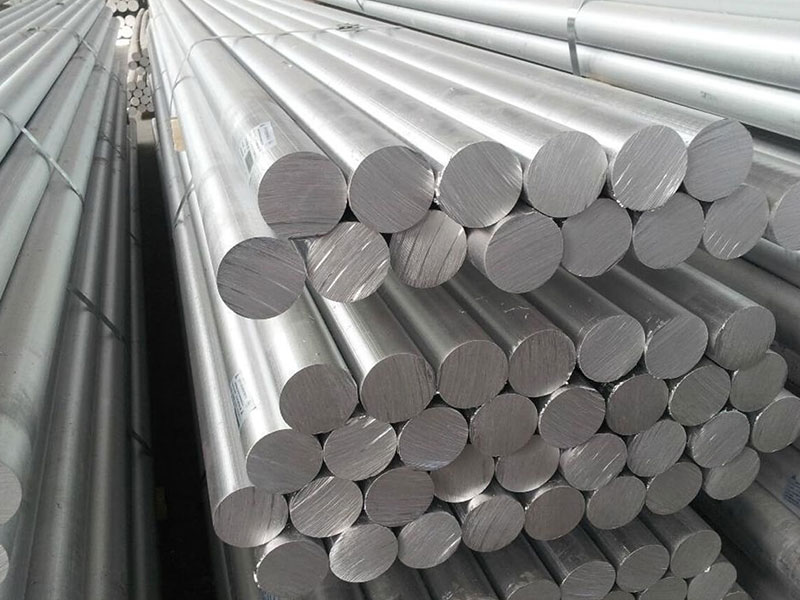
6082 marine aluminum rod & bar
6082 Aluminum Rods & Bars are extruded or rolled products manufactured from 6082 aluminum alloy — a thermally treated (typically T6 temper) aluminum-magnesium-silicon alloy that balances high tensile strength, good weldability, and excellent corrosion resistance.
View DetailsRelated Blog
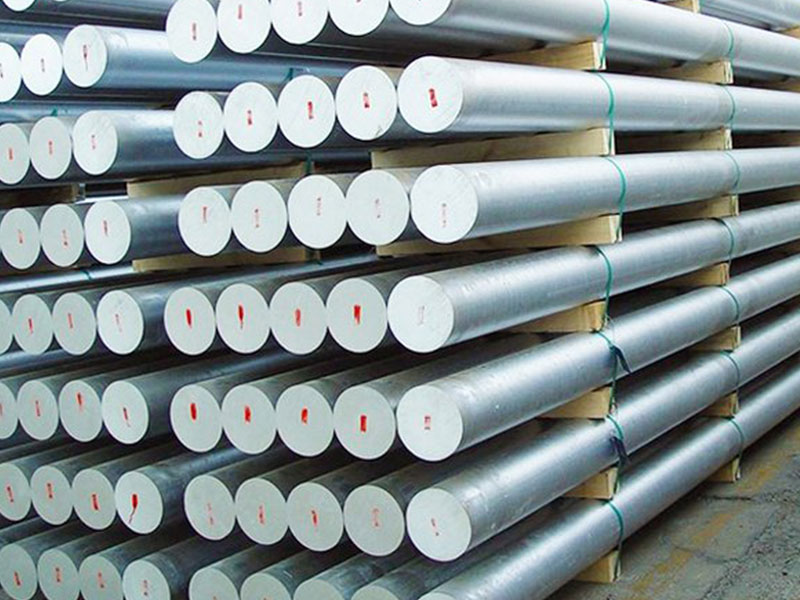
5083 Marine Aluminum Bar for Corrosion Resistant Boat Hulls
When considering materials for seafaring vessels, especially boat hulls, durability and resistance to corrosion are of paramount importance. The evolution of marine applications largely banded around revolutionary developments in materials science.
View Details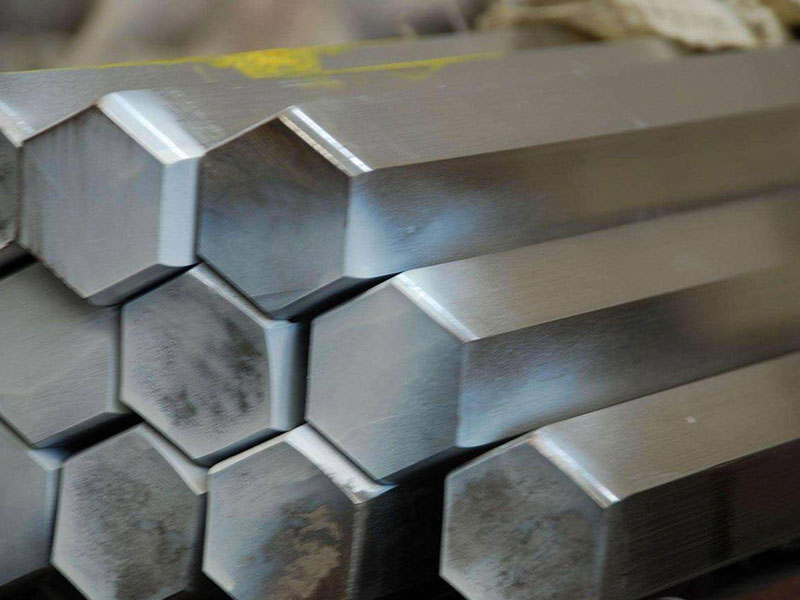
5083 Marine Aluminum Bar for Heavy Marine Equipment Reinforcement
5083 Marine Aluminum Bar for Heavy Marine Equipment Reinforcement: A Structural “Spring” in a Saltwater WorldWhen naval architects and offshore engineers talk about reinforcement materials, they rarely think in terms of “springs.
View Details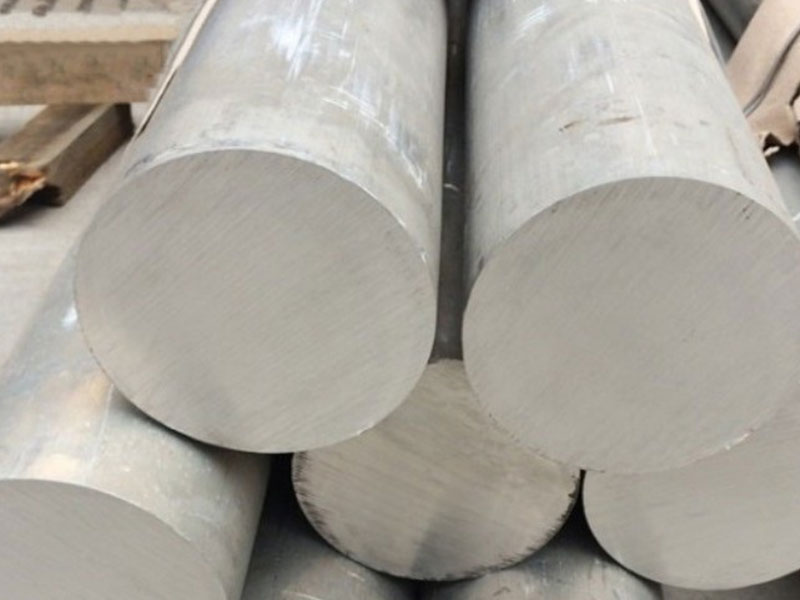
5083 Marine Aluminum Hexagonal Bars for Custom Shipbuilding Reinforcements
Custom shipbuilding reinforcements demand materials that stay reliable under saltwater exposure, cyclic wave loading, vibration, and tight fabrication schedules.
View Details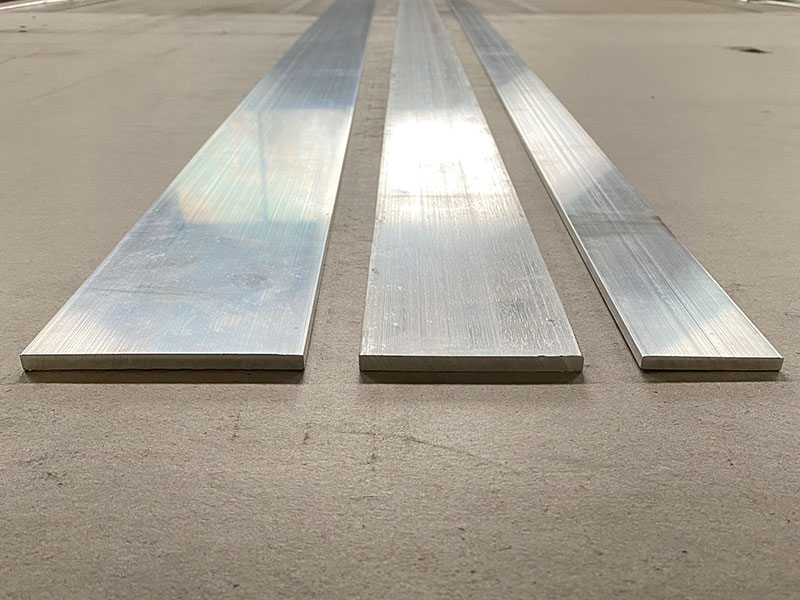
5083 Marine Aluminum Bar for Marine Equipment Reinforcements
Superior strength, corrosion resistance, and reliability of 5083 Marine Aluminum Bars, specifically engineered for marine equipment reinforcements. Ideal for harsh sea environments, these aluminum bars offer exceptional mechanical properties and long-term
View Details
5083 Marine Aluminum Hexagonal Bars for Durable Offshore Support Parts
Explore premium 5083 marine aluminum hexagonal bars tailored for offshore support applications. their superior corrosion resistance, alloy composition, mechanical properties, and industry implementation standards.
View Details
5083 Marine Aluminum Hexagonal Bars for Ship Hull and Deck Fabrication
In the demanding world of marine construction and shipbuilding, material performance defines safety, durability, and operational efficiency. 5083 Marine Aluminum Hexagonal Bars have emerged as a premium solution for ship hull and deck fabrication.
View Details
Leave a Message