
Marine 5052 aluminum plate
Marine 5052 aluminum plate is a seawater-proven, corrosion-resistant sheet and plate product widely chosen for boat hulls, decks, superstructures, fuel and water tanks, walkways, and coastal equipment. Built on an Al–Mg alloy system, 5052 delivers an excellent balance of salt-spray corrosion resistance, formability, weldability, and reliable medium strength. For builders and fabricators who need a plate that bends cleanly, welds confidently, and holds up in harsh marine atmospheres, 5052 is a practical, cost-effective workhorse.
What makes 5052 "marine-grade"
5052 is not the highest-strength marine alloy, but it is one of the most forgiving and durable in real-world fabrication. Its magnesium content boosts corrosion resistance and strength while preserving good forming behavior. In marine service, 5052 is especially valued for:
- Strong resistance to seawater, splash zones, and coastal industrial atmospheres
- Excellent weldability with common marine filler wires
- Consistent forming performance for curved panels, covers, and brackets
- Good fatigue behavior for general marine structures when properly designed
- A clean surface response to anodizing and protective coatings
features at a glance
| Feature | Customer benefit in marine fabrication |
|---|---|
| Seawater corrosion resistance (Al–Mg alloy) | Longer service life for hull components, tanks, and exposed structures |
| High formability in O and H32 tempers | Easier bending, rolling, and shaping with lower risk of cracking |
| Strong weldability (GMAW/GTAW) | Efficient fabrication of tanks, frames, and deck structures |
| Medium strength-to-weight ratio | Weight savings compared with steel, with robust everyday durability |
| Good surface finish | Suitable for painted systems, anti-slip surfaces, and anodized parts |
Typical marine applications
| Application area | Why 5052 is commonly selected |
|---|---|
| Small craft hulls, topsides, and interior panels | Formable plate that resists corrosion and is easy to weld |
| Decking, gangways, ladders, hatches | Good strength with excellent corrosion resistance and low maintenance |
| Fuel tanks and water tanks | Good corrosion performance and weld integrity for enclosed vessels |
| Consoles, covers, housings, cabinetry | Easy forming with attractive surface finishing options |
| Coastal equipment and enclosures | Performs well in salt-laden air and intermittent wet/dry exposure |
5052 is an aluminum-magnesium alloy where temper selection strongly influences forming and strength. Marine buyers most often specify:
| Temper | Typical use in marine work | Practical note |
|---|---|---|
| 5052-O (annealed) | Deep forming, tight-radius bends, complex shapes | Maximum formability, lower strength |
| 5052-H32 | General marine plate work, moderate forming | Strain-hardened and stabilized; common "all-around" choice |
| 5052-H34 | Stiffer panels, less forming, higher strength needs | Higher strength than H32 with reduced bendability |
Chemical composition (typical limits)
Common specification basis includes ASTM B209 (sheet and plate). Values below reflect standard composition ranges used in procurement.
| Element | Content (wt. %) |
|---|---|
| Magnesium (Mg) | 2.2–2.8 |
| Chromium (Cr) | 0.15–0.35 |
| Silicon (Si) | ≤ 0.25 |
| Iron (Fe) | ≤ 0.40 |
| Copper (Cu) | ≤ 0.10 |
| Manganese (Mn) | ≤ 0.10 |
| Zinc (Zn) | ≤ 0.10 |
| Titanium (Ti) | ≤ 0.10 |
| Aluminum (Al) | Balance |
Mechanical properties (typical values)
Mechanical properties vary with thickness, production route, and applicable standard. The table below provides typical minimum/nominal expectations used for quick selection.
| Property | 5052-O | 5052-H32 | 5052-H34 |
|---|---|---|---|
| Ultimate tensile strength (MPa) | 170–210 | 215–260 | 235–285 |
| Yield strength, 0.2% (MPa) | 65–105 | 150–200 | 180–230 |
| Elongation (%) | 18–30 | 8–14 | 6–12 |
| Brinell hardness (HBW) | 45–55 | 60–70 | 70–80 |
Physical properties (useful numerical data)
| Property | Typical value |
|---|---|
| Density | 2.68 g/cm³ |
| Elastic modulus | 70 GPa |
| Thermal conductivity | 130–150 W/m·K |
| Electrical conductivity | ~34–38 % IACS |
| Melting range | ~607–649 °C |
| Coefficient of thermal expansion | ~23.8 µm/m·K (20–100 °C) |
Plate sizes, thickness, and supply condition
Marine 5052 aluminum plate is supplied in a range of thicknesses and formats to suit fabrication shops and shipyards. Availability depends on mill capability and region, but the following are common purchasing patterns.
| Parameter | Common options |
|---|---|
| Product form | Plate and sheet (cut-to-size, full sheets) |
| Typical thickness range | 1.0–50 mm (thin gauges to heavy plate may vary by supplier) |
| Typical widths | 1000–2500 mm |
| Typical lengths | 2000–8000 mm |
| Surface | Mill finish, one-side protective film optional, brushed/patterned by request |
| Standard references | ASTM B209, EN 485 (regional equivalents may apply) |
Corrosion performance in marine environments
5052 performs especially well in marine atmospheres and splash-zone exposure because magnesium enhances resistance to general corrosion. For long service life, real-world marine durability also depends on design and finishing:
| Marine condition | 5052 performance | Recommended practice |
|---|---|---|
| Salt spray / coastal air | Very good | Rinse schedules for critical parts; protective coating where needed |
| Immersion / wet-dry cycling | Good to very good | Avoid stagnant crevices; ensure drainage and ventilation |
| Galvanic contact with stainless/steel | Risk increases | Use isolation pads, sealants, compatible fasteners, and coatings |
| Crevice and deposit corrosion | Manageable with design | Avoid lap joints that trap seawater; seal welds where appropriate |
Welding and fabrication notes
5052 is widely welded using GTAW (TIG) and GMAW (MIG). For marine fabrication, weld quality and joint design are as important as alloy choice.
| Topic | Practical guidance |
|---|---|
| Common filler alloys | ER5356 is frequently used for Al–Mg base metals; ER5183 is also used in marine structures |
| Heat input | Control to limit distortion; use balanced weld sequencing on large panels |
| Post-weld strength | H-temper strength is reduced in the heat-affected zone; design accordingly |
| Forming | Use larger bend radii for H34 than for O/H32; orient bends with grain direction when possible |
| Cutting | Waterjet, plasma, and CNC routing are common; deburr edges to protect coatings and reduce crack initiation |
Surface finishing and protection
5052 accepts a range of finishes used on boats and coastal equipment.
| Finish option | Why it's used in marine work |
|---|---|
| Marine paint systems | Adds barrier protection and aesthetics; good for topside structures |
| Anodizing | Improves surface hardness and corrosion resistance; useful for interiors and hardware |
| Anti-slip patterns / tread plate variants | Safer walk surfaces on decks and platforms |
| Protective film during fabrication | Reduces handling scratches and rework |
Selection guidance: when 5052 is the right choice
| If you need… | 5052 marine plate fits best when… |
|---|---|
| High corrosion resistance + easy forming | You are building tanks, covers, consoles, and curved panels |
| Reliable weldability | You fabricate with MIG/TIG and want predictable results |
| Balanced cost and performance | You want durable marine service without over-specifying high-strength alloys |
| Moderate strength | Loads are not at the extreme end of hull structural requirements |
For higher structural strength in demanding hull designs, some builders consider stronger marine alloys, but 5052 remains a trusted solution where forming, welding, and corrosion resistance are the top priorities.
Marine 5052 aluminum plate is a corrosion-resistant Al–Mg marine-grade plate ideal for boats, decks, tanks, and coastal equipment. It offers excellent seawater resistance, strong weldability, and high formability in O and H32 tempers, with practical mechanical strength for everyday marine structures. Available in common plate sizes under standards such as ASTM B209, 5052 plate is a cost-effective choice for durable, lightweight, low-maintenance marine fabrication.

Related Products
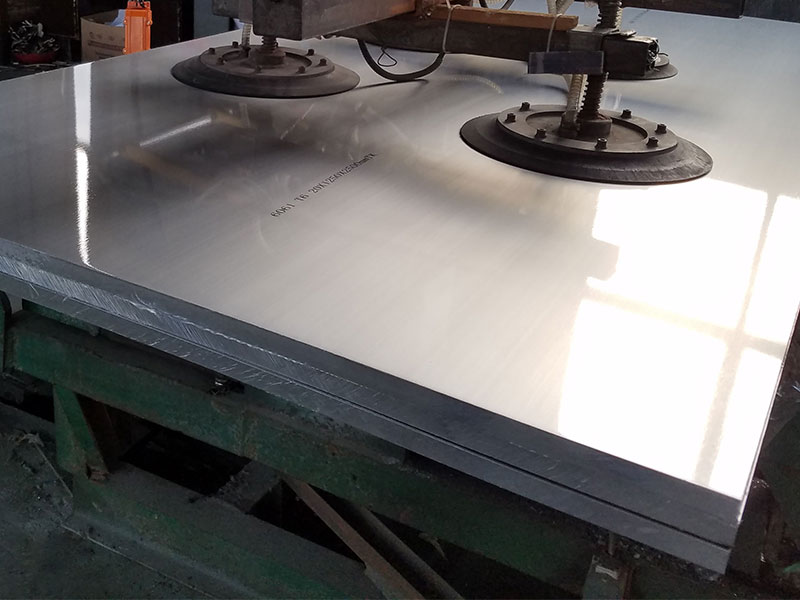
Marine heavy duty aluminum plate
Marine Heavy Duty Aluminum Plates Sheets generally refer to thick aluminum alloy plates and heavy gauge sheets produced from marine-grade alloys such as 5083, 5086, 5059, and 5383.
View Details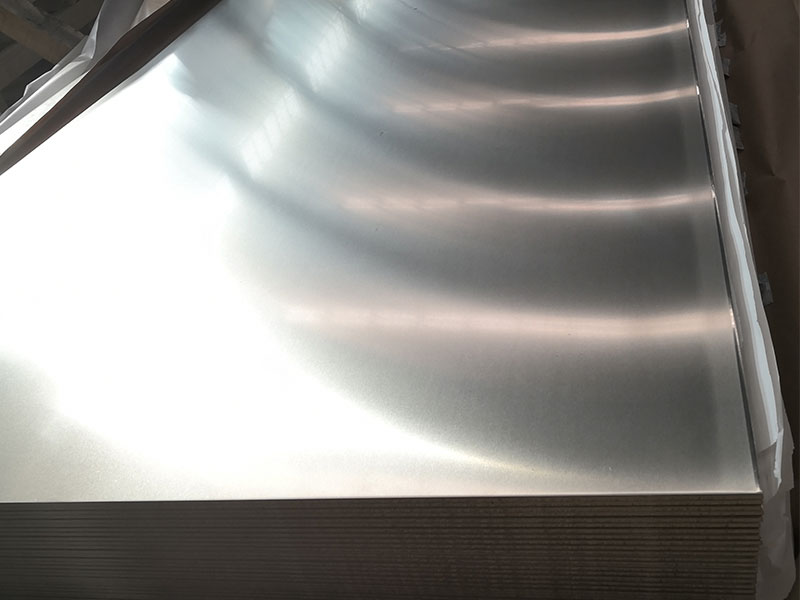
Marine 5052 aluminum plate
Marine 5052 Aluminum Plate is noted for its exceptional resistance to corrosion caused by seawater, salt spray, and marine atmospheres.
View Details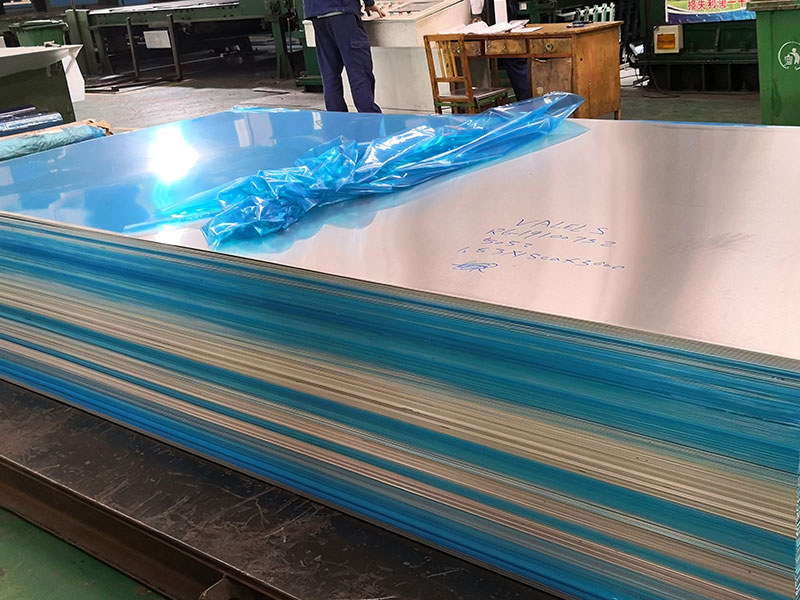
Marine 5059 aluminum plate
Marine 5059 Aluminum Plate is distinguished by its high magnesium content and carefully balanced alloying elements, designed to maximize strength without compromising corrosion resistance.
View Details
Marine 5086 aluminum plate
5086 Aluminum Plate belongs to the 5xxx series of aluminum-magnesium alloys. Its hallmark is a high magnesium content—generally between 4.0% and 4.9%—which delivers enhanced corrosion resistance, particularly against saltwater and marine atmospheric conditions.
View Details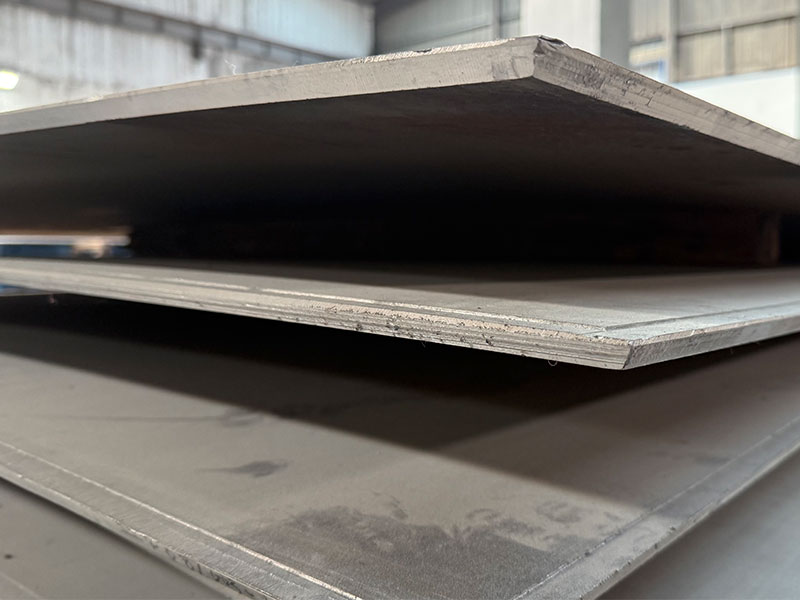
Marine aluminum steel clad plate
Aluminum / Steel Clad Plates consist of a sandwich construction in which a layer of marine-grade aluminum alloy is metallurgically bonded to a steel substrate.
View Details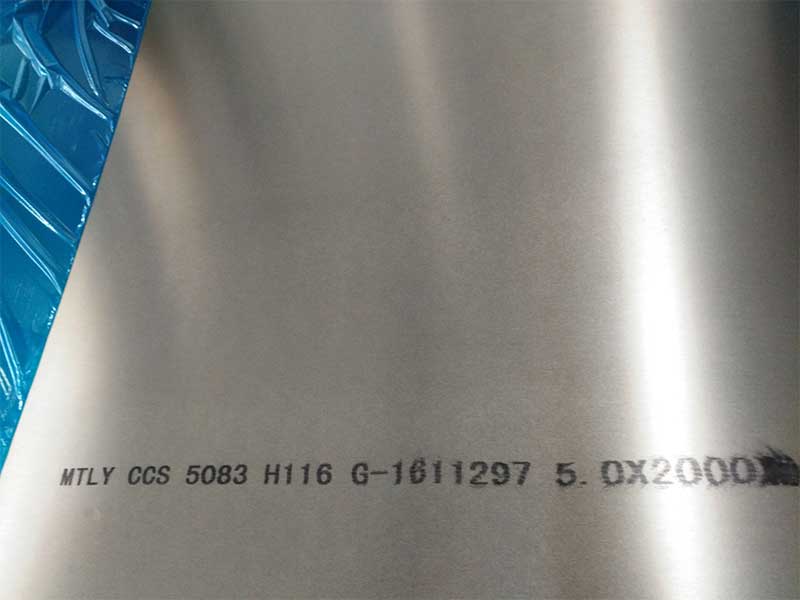
Marine 5083 aluminum plate
Marine 5083 Aluminum Plate belongs to the 5xxx series of aluminum-magnesium alloys and is classified as a non-heat-treatable alloy. Its high magnesium content (typically 4.0–4.9%) enhances its corrosion resistance, especially against seawater-related degradation such as pitting and stress corrosion cracking.
View DetailsRelated Blog
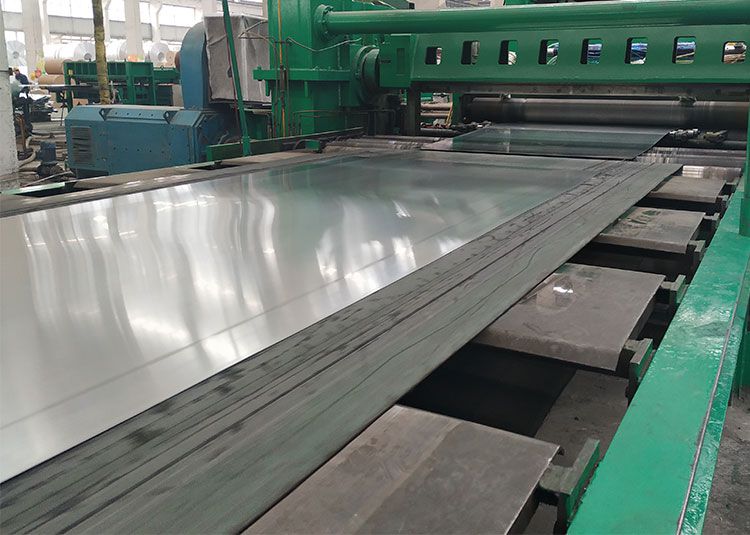
Marine 5052 aluminum plate
Marine 5052 aluminum plate is a seawater-proven, corrosion-resistant sheet and plate product widely chosen for boat hulls, decks, superstructures, fuel and water tanks, walkways, and coastal equipment.
View Details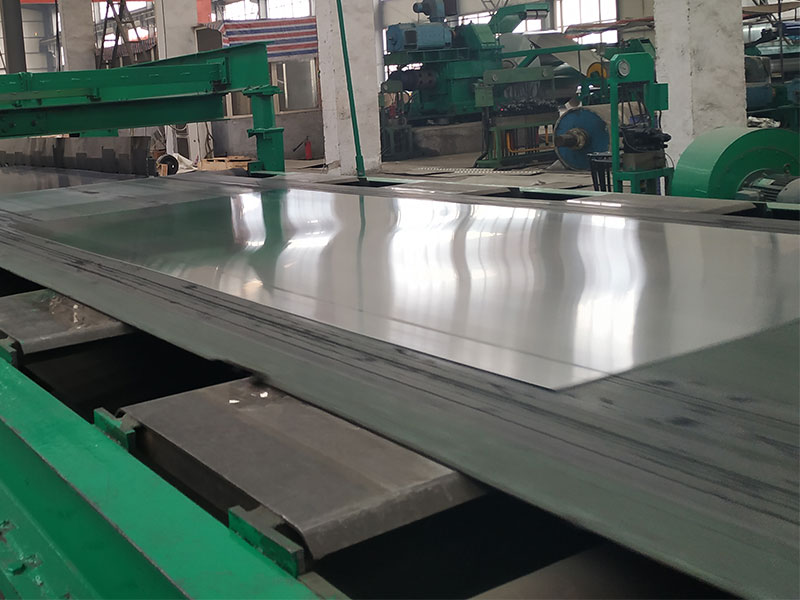
Marine Aluminum Alloy Plate 5052 H112
Marine Aluminum Alloy Plate 5052 H112: The "Quiet Performer" Behind Reliable Boats and Coastal EquipmentIn marine engineering, the materials that get the most attention are often the flashy ones: ultra-high-strength alloys, exotic composites.
View Details
5052 5083 6063 h111 h22 h32 marine grade aluminum sheet plate
Marine projects demand materials that are lightweight, corrosion‑resistant, and reliable under harsh, salt‑water conditions. Among the most trusted options are the marine grade aluminum alloys 5052, 5083, and 6063 in tempers such as H111, H22, an.
View Details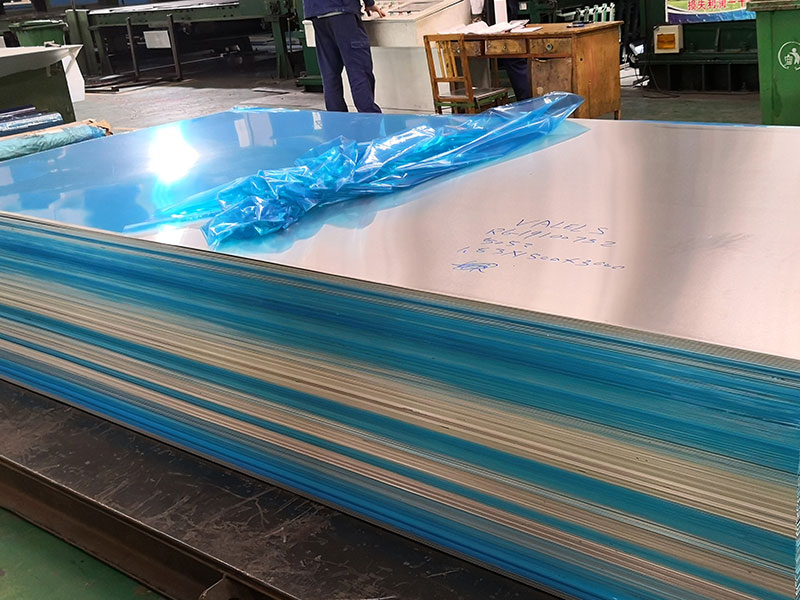
5052 H34 Aluminum Plate for Boat
When it comes to marine applications, specifically boat building and repair, selecting the right aluminum material is critical for long-lasting performance, corrosion resistance, and structural integrity.
View Details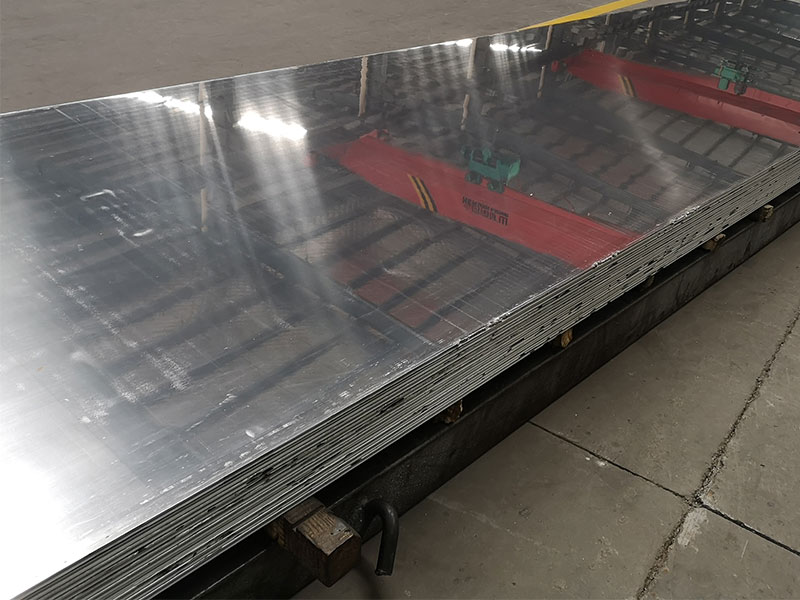
Marine Aluminum Alloy Plate 5052 5083 6061
Marine environments pose extreme challenges—constant exposure to saltwater corrosion, mechanical stresses, and environmental fluctuations demand materials that combine strength, durability, and corrosion resistance.
View Details
5052 h111 alloy aluminum marine plate
When it comes to marine aluminum plates, performance and reliability are non-negotiable qualities due to the challenging environments they encounter—saltwater corrosion, fluctuating temperatures, and mechanical stresses.
View Details
Leave a Message