
Astm standard 5083 5052 aluminium sheet for boat material
ASTM Standard 5083 & 5052 Aluminum Sheet for Boat Material: Reading Marine Alloy Like a Hull Designer, Not a Catalog
In marine construction, aluminum sheet is often discussed as if it were simply a grade name plus a thickness. But boatbuilding doesn't reward "spec-sheet thinking." It rewards material decisions that anticipate saltwater chemistry, cyclic loading, welding heat, impact denting, and the quiet reality that a hull is a large, vibrating structure that lives in an electrolyte.
From that perspective, ASTM-standard 5083 and 5052 aluminum sheet aren't competitors as much as they are two different "behavior profiles" for boats: one optimized to stay strong after welding and resist seawater attack under real operating stress, the other optimized for formability, consistent corrosion resistance, and economical fabrication when ultimate strength is not the main driver.
Below is a distinctive, builder-minded way to understand 5083 vs 5052 aluminum sheet for boat material, with naturally integrated parameters, relevant ASTM implementation standards, temper conditions, and chemical composition tables.
Why ASTM Matters in Marine Aluminum (Beyond "Meets Standard")
In boating, the word "marine grade" is used loosely. ASTM standards tighten that word into something you can build to, inspect to, and document for classification and procurement.
For marine aluminum sheet, the backbone specification is commonly:
- ASTM B209 / ASTM B209M for aluminum and aluminum-alloy sheet and plate (covers chemical composition, mechanical properties, dimensional tolerances, and quality requirements)
When a supplier states "ASTM standard 5083 aluminum sheet" or "ASTM standard 5052 aluminum sheet," what matters is not only the alloy name, but whether the delivered product is controlled for:
- Consistent chemistry within limits
- Verified temper and mechanical performance
- Surface and internal quality suitable for marine fabrication
- Repeatable tolerances for cutting, forming, and welding fit-up
That's why a boatyard's most expensive mistakes often start with a cheap sheet that "looks right," but isn't produced, tested, and traced as true ASTM-conforming material.
The Alloys as Boat Materials: Two Different "Marine Personalities"
5083 aluminum sheet: the weld-strength hull alloy
AA 5083 (an Al-Mg-Mn alloy) is widely favored for hulls, high-load structure, and workboats because it retains strong mechanical performance in welded condition and has excellent resistance to seawater corrosion. It's often selected where the hull is expected to take repeated wave slamming, docking abrasion, and long-term service in aggressive environments.
Common marine-use tempers include:
- 5083-H116: optimized for marine service; controlled to reduce susceptibility to exfoliation corrosion and stress-corrosion issues in seawater exposure
- 5083-H321: strain-hardened and stabilized; common for marine plate/sheet where corrosion performance and strength balance are needed
From a boatbuilder's viewpoint: 5083 is the "structural confidence" alloy-the one you choose when the hull is not just a skin, but a load-carrying member.
5052 aluminum sheet: the forming-friendly, corrosion-stable workhorse
AA 5052 (Al-Mg alloy) is valued for excellent formability, very good corrosion resistance, and clean finishing. It's often used for:
- Topsides and non-critical hull panels in smaller craft
- Superstructures, cabins, consoles
- Fuel tanks and general marine sheet-metal work (application dependent and subject to design/code requirements)
- Interior components and brackets where deep forming is needed
Common temper conditions include:
- 5052-H32: strain-hardened and stabilized; a widely used balance of formability and strength
- 5052-O: annealed; best for tight forming and complex shapes, then can be stiffened by design or subsequent forming operations
From a boatyard's viewpoint: 5052 is the "fabrication efficiency" alloy-less stubborn in the press brake, friendlier in complex shapes, and dependable in corrosion resistance when ultimate hull strength is not the limiting factor.
Parameters That Actually Decide the Hull Outcome
Strength after welding and real-world hull stiffness
A welded aluminum boat is a map of heat inputs. The more the structure relies on post-weld strength, the more 5083 tends to justify itself. The Mg-Mn chemistry and typical marine tempers of 5083 support strong, stable performance where welding is unavoidable.
5052 welds well too, but it is usually chosen when the structure is not pushing the same strength envelope as a hard-working hull bottom, or when forming dominates the manufacturing plan.
Corrosion behavior in seawater: "general corrosion" vs "marine-specific risks"
Both alloys resist seawater corrosion well, but 5083 in marine tempers such as H116/H321 is commonly selected specifically to manage corrosion modes that become important in harsh service, including exfoliation tendencies in certain environments and thicknesses. This is part of why marine buyers often request 5083-H116 or 5083-H321 explicitly rather than simply "5083."
Formability and shop reality
If your design calls for compound curves, tight radii, or frequent rework on the floor, 5052 (especially H32 or O temper) often reduces fabrication friction. That advantage can translate into fewer microcracks at bends, more consistent fit-up, and less distortion correction.
Alloy Tempering and Conditions: What the Temper Code Really "Means" for Boats
Temper is not decoration-it's the alloy's "behavior setting."
- H temper indicates strain hardening (work hardening), often with stabilization steps depending on suffix
- 5083-H116 / H321 are widely used marine tempers designed to maintain corrosion resistance characteristics in seawater service along with useful strength
- 5052-H32 is strain-hardened and stabilized for consistent properties; 5052-O is annealed for maximum formability
When specifying boat material, temper should be stated alongside alloy and ASTM standard, because the same alloy in a different temper can bend differently, weld-distort differently, and perform differently in service.
Implementation Standards Commonly Referenced in Marine Projects
For most procurement and QA documentation, the following are commonly used in practice:
- ASTM B209 / B209M: Aluminum and Aluminum-Alloy Sheet and Plate
- EN 485 (when projects require EN alignment): often referenced in global supply chains for tolerances and mechanical properties
- Marine tempers (H116/H321) as purchase requirement: frequently included to match seawater service expectations
In many boatbuilding supply contracts, you will also see requirements for mill test certificates, heat/lot traceability, and corrosion-related temper qualification language for 5083.
Chemical Composition Tables (Typical ASTM/AA Limits)
The following tables reflect widely recognized composition limits for these alloys. Actual certified values should always be taken from the mill test certificate for the delivered sheet.
AA 5083 Aluminum Sheet Chemical Composition (wt.%)
| Element | Composition |
|---|---|
| Magnesium (Mg) | 4.0–4.9 |
| Manganese (Mn) | 0.4–1.0 |
| Chromium (Cr) | 0.05–0.25 |
| Iron (Fe) | ≤ 0.40 |
| Silicon (Si) | ≤ 0.40 |
| Copper (Cu) | ≤ 0.10 |
| Zinc (Zn) | ≤ 0.25 |
| Titanium (Ti) | ≤ 0.15 |
| Others (each) | ≤ 0.05 |
| Others (total) | ≤ 0.15 |
| Aluminum (Al) | Remainder |
AA 5052 Aluminum Sheet Chemical Composition (wt.%)
| Element | Composition |
|---|---|
| Magnesium (Mg) | 2.2–2.8 |
| Chromium (Cr) | 0.15–0.35 |
| Iron (Fe) | ≤ 0.40 |
| Silicon (Si) | ≤ 0.25 |
| Copper (Cu) | ≤ 0.10 |
| Manganese (Mn) | ≤ 0.10 |
| Zinc (Zn) | ≤ 0.10 |
| Titanium (Ti) | ≤ 0.15 |
| Others (each) | ≤ 0.05 |
| Others (total) | ≤ 0.15 |
| Aluminum (Al) | Remainder |
Choosing 5083 or 5052 for Boat Material: A Practical, Design-Led View
When the boat's identity is "a hull that works for a living," 5083 in marine temper becomes the natural language of the structure. It supports the idea that the hull is a stressed shell that must stay trustworthy after welding, under impact, and over time in seawater.
When the boat's identity is "a fabricated marine structure that must form cleanly, finish well, and resist corrosion," 5052 often becomes the smart, efficient choice-especially in superstructures, interiors, enclosures, and formed components where ductility and consistency save hours and reduce defects.
Many successful marine builds use both strategically: 5083 where strength-after-weld and hull duty dominate, 5052 where shaping and fabrication speed dominate.
Marine Aluminum Sheet Quality Details That Deserve to Be Specified
Even with the right alloy and temper, real performance comes from production discipline. For marine aluminum sheet used in boats, it's common to specify or verify:
- Conformance to ASTM B209/B209M
- Requested temper such as 5083-H116, 5083-H321, 5052-H32, 5052-O
- Flatness and thickness tolerances suitable for welding fit-up
- Surface condition appropriate for marine finishing, anodizing, or coating plans
- Mill test certification, traceability, and consistent lot control
These details reduce the gap between "marine grade on paper" and "marine grade after five seasons."
A boat is an engineered compromise floating in a corrosive solution. The best alloy choice is the one that behaves predictably when fabrication heat, saltwater exposure, and structural flex all happen at the same time.
ASTM standard 5083 aluminum sheet (especially in H116/H321) is the material expression of structural seriousness in marine hulls. ASTM standard 5052 aluminum sheet is the material expression of elegant fabrication and corrosion-stable utility. Both are excellent boat materials-when matched to the boat's true mechanical story.

Related Products
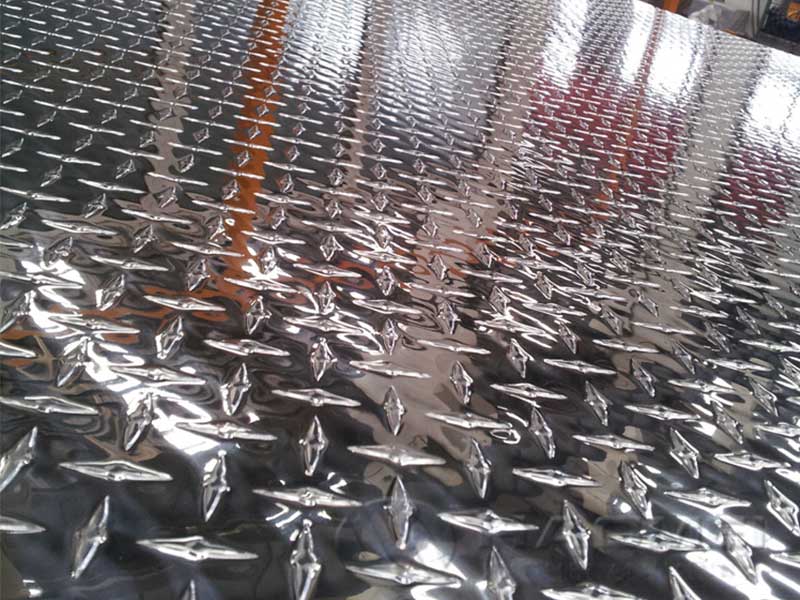
Marine Aluminum Tread Sheets
Marine Aluminum Tread Sheets are aluminum alloy plates featuring a raised surface pattern, commonly referred to as a tread design or diamond plate.
View Details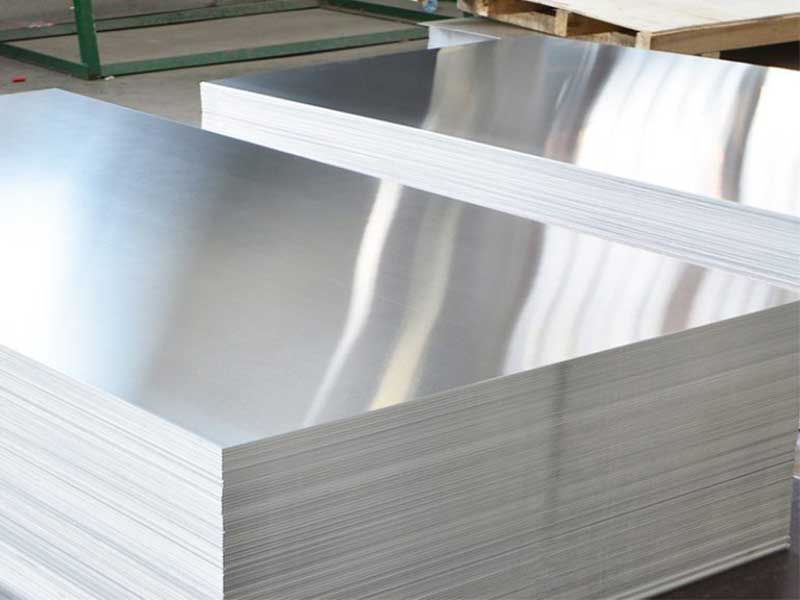
Marine anodized aluminum sheets
Marine Anodized Aluminum Sheets start with premium marine-grade aluminum alloys such as 5000 and 6000 series (typically 5083, 5052, and 6061).
View Details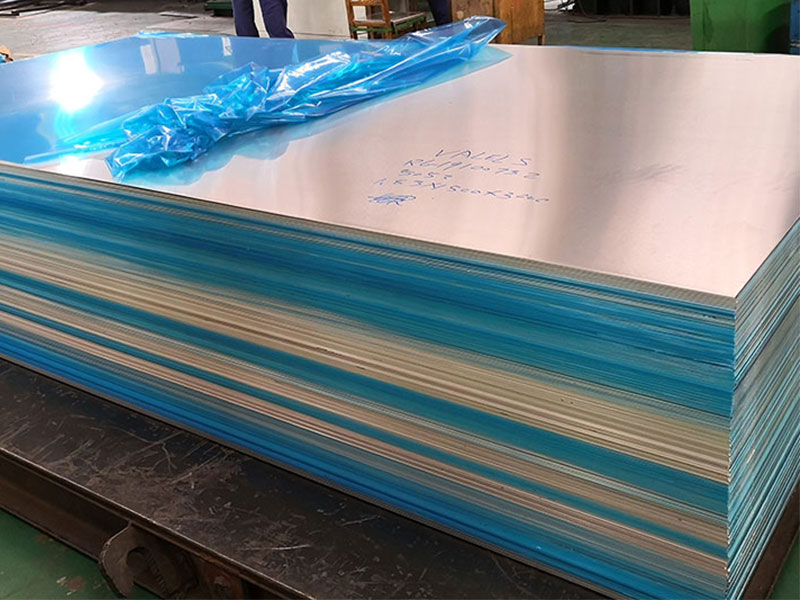
Marine 5059 aluminum sheet
5059 aluminum alloy is a strain-hardened material with a unique addition of magnesium and chromium, which provides outstanding resistance to localized corrosion like pitting and stress corrosion cracking.
View Details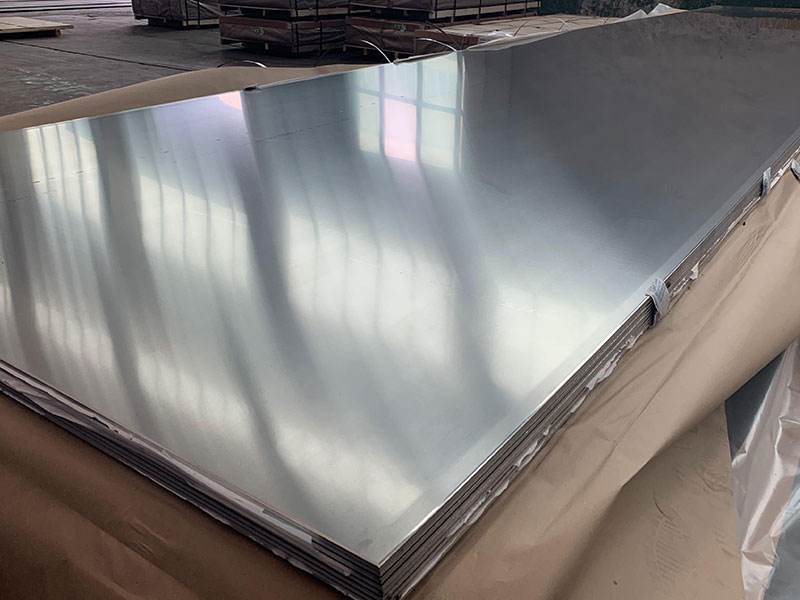
Marine 5086 aluminum sheet
This product article provides an in-depth and comprehensive understanding of Marine 5086 Aluminum Sheets, including their chemical composition, mechanical properties, corrosion resistance, fabrication capabilities, and typical marine applications.
View Details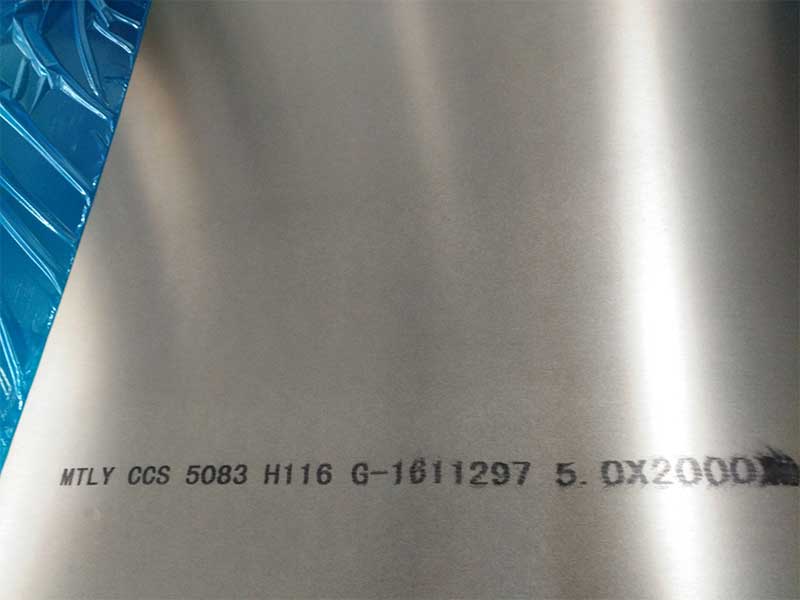
Marine 5083 aluminum sheet
Aluminum alloy 5083 is a non-heat-treatable alloy primarily composed of magnesium and trace elements that deliver outstanding protection against corrosion, particularly in seawater and saline atmospheres.
View Details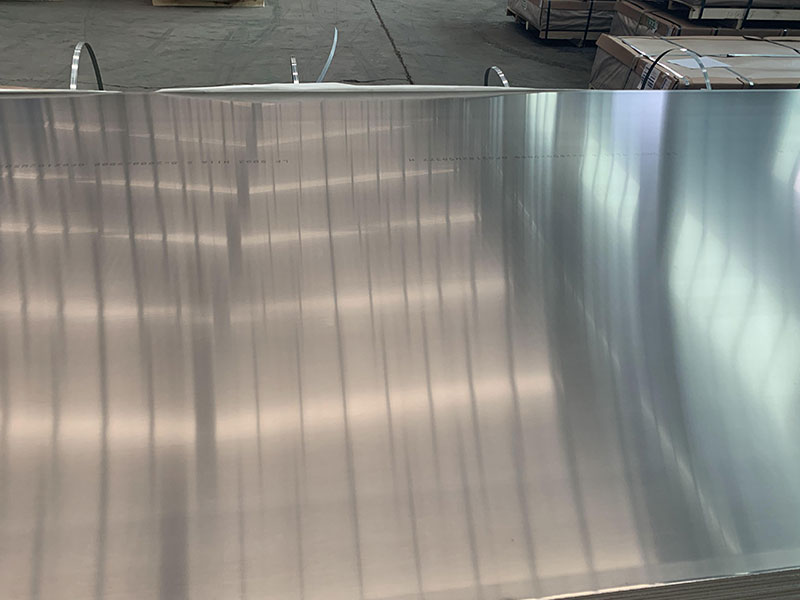
Marine 5383 aluminum sheet
5383 aluminum is a strain-hardened, non-heat-treatable alloy from the 5xxx series primarily alloyed with magnesium. It exhibits a unique balance of corrosion resistance and mechanical properties particularly suited for marine applications.
View DetailsRelated Blog
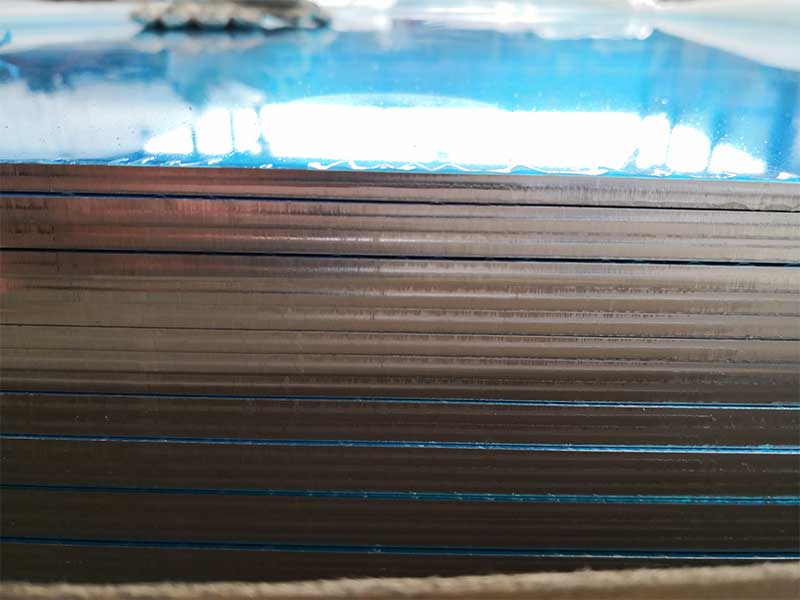
0.3mm 0.4mm 0.5mm 1.6mm Thickness Roll Aluminium Coil Sheet 5052 h32 For Boat
When it comes to marine applications, selecting the right material is crucial for performance, durability, and safety. Enter the 5052 H32 marine aluminum coil sheet, available in thicknesses ranging from 0.
View Details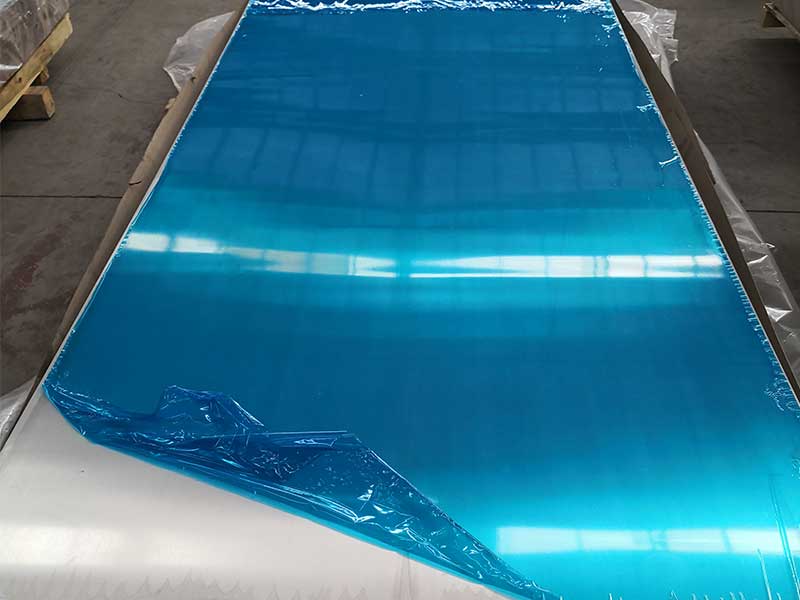
Aluminum Sheets 5052 H32 Ship Building
Aluminum Sheets 5052 H32 are widely used in shipbuilding because they combine excellent corrosion resistance, good strength, light weight, and reliable weldability.
View Details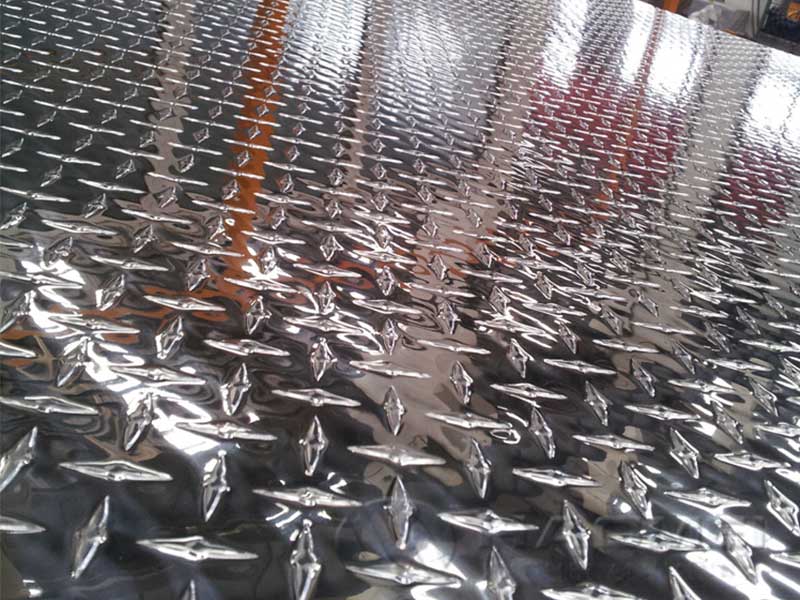
Marin grade aluminum sheet 5052 5mm thick for boat
What is Marine Grade Aluminum 5052?Aluminum 5052 is a non-heat-treatable aluminum-magnesium alloy primarily known for excellent corrosion resistance, high strength among the non-heat treatable grades, and superb weldability.
View Details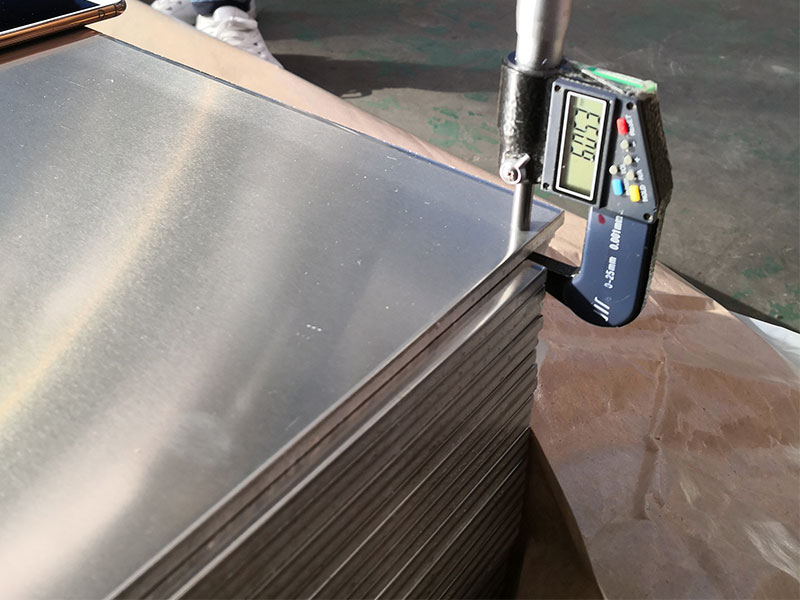
5052 5083 marine grade aluminium sheet for boat
Marine grade aluminium alloys 5052 and 5083 are among the most widely used non-heat-treatable alloys for shipbuilding, small vessels, and marine components. They combine good corrosion resistance in seawater, excellent weldability and formability.
View Details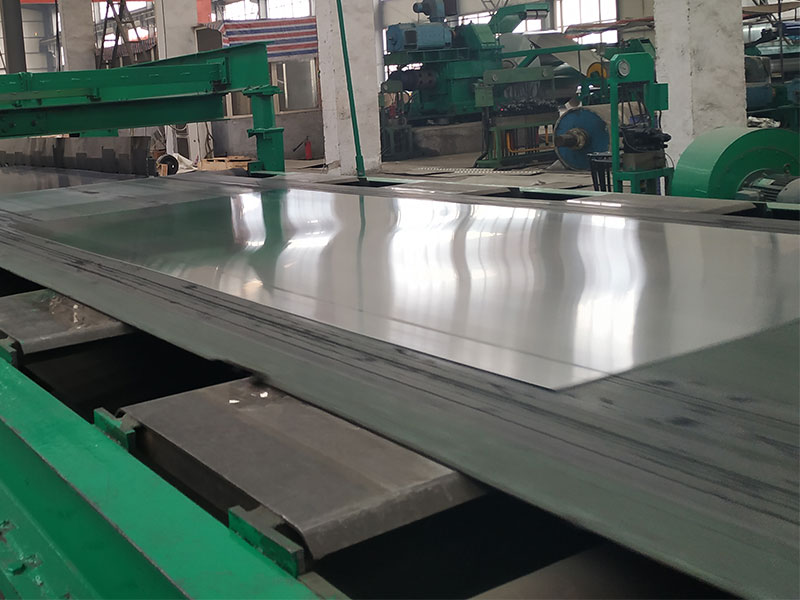
Aluminium sheet 8mm alloy 5052 h112 for boat
When selecting materials for marine applications, especially in boat building, the balance between strength, corrosion resistance, and workability is crucial. Aluminium sheet 8mm thick made from alloy 5052 in temper H112 epitomizes this balance.
View Details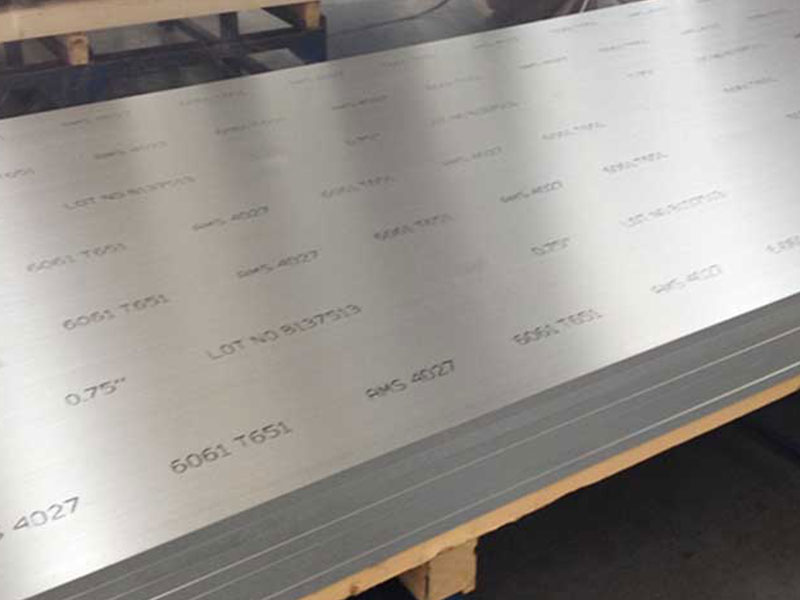
5052 5083 alloy 16 gauge aluminum sheet for boat building
5052 Aluminum Alloy5052 aluminum alloy is a non-heat treatable alloy known for its exceptional corrosion resistance, especially against saltwater, making it a popular choice for marine environments.
View Details
Leave a Message