
Marine aluminium
Marine aluminium is a family of corrosion-resistant aluminium alloys engineered for continuous exposure to saltwater, humidity, and aggressive coastal atmospheres. It is widely used in boatbuilding, offshore structures, docks, gangways, and marine-grade equipment because it combines low weight with high strength, excellent weldability, and long service life. In practical terms, marine aluminium helps designers build faster vessels, increase payload, reduce fuel consumption, and simplify maintenance-without sacrificing durability.
The alloys most commonly referred to as "marine aluminium" come from the 5xxx series (Al-Mg) and selected 6xxx series (Al-Mg-Si). The 5xxx series is the workhorse for hulls and structural plating thanks to its outstanding resistance to seawater corrosion and strong performance in welded assemblies. The 6xxx series is often chosen for extrusions, stiffeners, frames, and profiles where good formability and post-fabrication strength are needed.
What Makes Aluminium "Marine Grade"
Marine aluminium is not defined by a single alloy; it is defined by performance in marine exposure. The most important differentiators are resistance to general corrosion, pitting, crevice corrosion, and stress-related degradation in chloride environments, plus the ability to maintain strength after welding.
Features at a Glance
| Feature | What it means for customers | Typical alloys |
|---|---|---|
| High seawater corrosion resistance | Longer service life with less repainting and fewer repairs | 5083, 5086, 5052, 5454, 5754 |
| Excellent strength-to-weight ratio | Lighter structures, better fuel economy, higher payload | 5083, 5086, 6061 |
| Strong welded performance | Reliable hulls and decks with efficient fabrication | 5083, 5086, 5456, 6061 |
| Good formability | Easier bending/rolling for hull curvature and panels | 5052, 5754 |
| Low maintenance | Reduced lifecycle costs vs. many steels | 5xxx series with correct design |
| Recyclable and sustainable | High scrap value and lower embodied impact | All aluminium alloys |
Typical Marine Aluminium Alloy Options
Marine environments reward the right alloy/temper pairing. Below is a quick selection guide commonly used in boatbuilding and coastal fabrication.
| Alloy | Series | Typical temper | Best use cases | Notes |
|---|---|---|---|---|
| 5083 | 5xxx | H111 / H116 / H321 | Hull plating, decks, superstructures, pressure-related marine panels | Premium seawater resistance and strength; widely specified for hulls |
| 5086 | 5xxx | H111 / H116 | Hulls, tanks, welded structures | Excellent weldability and corrosion resistance |
| 5052 | 5xxx | H32 / H34 | Small craft, interior panels, tanks, brackets | Great formability; moderate strength |
| 5754 | 5xxx | H111 / H22 | Gangways, ramps, general marine fabrications | Balanced forming and corrosion resistance |
| 5454 | 5xxx | H32 | Marine fuel tanks, chemical handling | Strong resistance in elevated-temp service compared with some 5xxx |
| 6061 | 6xxx | T6 | Extrusions, frames, rails, ladders, machined parts | Very versatile; welding reduces local strength unless re-heat-treated |
Chemical Composition (Typical Ranges)
Chemistry drives corrosion performance, weld behavior, and mechanical properties. The table below summarizes typical composition ranges for commonly specified marine alloys.
| Alloy | Mg (%) | Mn (%) | Si (%) | Fe (%) | Cr (%) | Cu (%) | Zn (%) | Ti (%) | Al |
|---|---|---|---|---|---|---|---|---|---|
| 5083 | 4.0–4.9 | 0.4–1.0 | ≤0.4 | ≤0.4 | 0.05–0.25 | ≤0.10 | ≤0.25 | ≤0.15 | Bal. |
| 5086 | 3.5–4.5 | 0.2–0.7 | ≤0.4 | ≤0.5 | 0.05–0.25 | ≤0.10 | ≤0.25 | ≤0.15 | Bal. |
| 5052 | 2.2–2.8 | ≤0.10 | ≤0.25 | ≤0.40 | 0.15–0.35 | ≤0.10 | ≤0.10 | ≤0.15 | Bal. |
| 5754 | 2.6–3.6 | ≤0.50 | ≤0.40 | ≤0.40 | ≤0.30 | ≤0.10 | ≤0.20 | ≤0.15 | Bal. |
| 5454 | 2.4–3.0 | 0.5–1.0 | ≤0.25 | ≤0.40 | 0.05–0.20 | ≤0.10 | ≤0.25 | ≤0.20 | Bal. |
| 6061 | 0.8–1.2 | ≤0.15 | 0.4–0.8 | ≤0.7 | 0.04–0.35 | 0.15–0.40 | ≤0.25 | ≤0.15 | Bal. |
Note: Exact limits depend on the governing standard and mill practice. For marine-critical projects, align chemistry, temper, and inspection requirements to the contract specification.
Temper Conditions Commonly Used in Marine Service
Temper selection affects strength, forming, and corrosion performance-especially in welded structures.
| Temper | Used with | Practical meaning | Typical marine use ||---|---|---|| H111 | 5xxx | Slightly strain-hardened; good formability | Rolled plates, general fabrication || H116 | 5xxx | Marine-focused corrosion-controlled temper | Hull plating, decks, splash-zone structures || H321 | 5xxx | Stabilized for improved performance after forming and welding | High-integrity hull structures || H32 / H34 | 5xxx | Strain-hardened; higher strength than H111 | Tanks, panels, formed parts || T6 | 6xxx | Solution heat-treated and artificially aged | Extrusions, machined components requiring strength |
Technical Specifications (Typical Mechanical and Physical Data)
Values below are typical ranges used for product selection. Final properties depend on thickness, product form (plate/sheet/extrusion), and applicable standards.
Mechanical Properties (Typical)
| Alloy / Temper | Tensile strength (MPa) | Yield strength (MPa) | Elongation (%) | Welded strength retention (relative) |
|---|---|---|---|---|
| 5083-H116 | 300–360 | 200–260 | 10–16 | High for 5xxx |
| 5086-H116 | 275–345 | 180–240 | 10–16 | High for 5xxx |
| 5052-H32 | 210–260 | 160–200 | 8–14 | Good |
| 5754-H111 | 190–260 | 80–170 | 12–25 | Good |
| 6061-T6 | 290–330 | 240–280 | 8–12 | Moderate without post-weld heat treatment |
Physical Properties (Typical)
| Property | Typical value | Why it matters in marine design |
|---|---|---|
| Density | ~2.70 g/cm³ | Significant weight reduction vs. steel |
| Thermal conductivity | ~120–170 W/m·K (alloy-dependent) | Heat dissipation for equipment housings |
| Electrical conductivity | ~30–45 %IACS (alloy-dependent) | Grounding and electrical enclosures |
| Coefficient of thermal expansion | ~23 × 10⁻⁶ /K | Allowance for movement in long structures |
| Melting range | ~580–650 °C | Fabrication and welding procedure planning |
Applications in Real Marine Environments
| Application | Recommended alloys | Why marine aluminium fits |
|---|---|---|
| Boat hull plating and decks | 5083-H116/H321, 5086-H116 | Strong, corrosion-resistant, excellent welded integrity |
| Superstructures and cabins | 5083, 5754, 6061 extrusions | Lightweight improves stability and speed |
| Offshore walkways, gangways, ladders | 5754, 6061, 5083 | Corrosion resistance with good stiffness and modular fabrication |
| Marine fuel and water tanks | 5086, 5454, 5052 | Weldable and durable; good forming for tank shapes |
| Dock components and coastal structures | 5083, 5086 | Strong performance in splash and tidal zones |
| Rails, frames, profiles, masts | 6061-T6, 6082 (where specified) | Excellent extrusion capability and machinability |
Corrosion Performance and Best Practices
Marine aluminium performs best when design and fabrication match the environment.
| Topic | Best practice | Customer benefit |
|---|---|---|
| Galvanic corrosion | Isolate aluminium from stainless/steel using non-absorbing gaskets, sleeves, and coated fasteners | Prevents rapid attack around joints |
| Crevice control | Avoid water traps; seal lap joints; provide drainage and ventilation | Reduces localized corrosion |
| Coatings | Use marine paint systems where abrasion or aesthetics demand it; prep properly | Longer cosmetic life and easier cleaning |
| Welding | Use appropriate filler wire (commonly 5xxx fillers for 5xxx base); control heat input | Minimizes distortion and preserves properties |
| Cleaning | Remove salt deposits periodically, especially in sheltered crevices | Extends service life with minimal effort |
Product Forms and Supply Range (Typical)
| Form | Typical thickness/size range | Common finish options |
|---|---|---|
| Plate | ~3–200 mm | Mill finish, brushed, coated |
| Sheet/coil | ~0.5–6 mm | Mill finish, painted, anodized (application-dependent) |
| Extrusions | Custom profiles | Mill finish, anodized, powder coated |
| Bars/flat bars | Various | Mill finish, machined |
Availability depends on alloy, temper, and regional standards. For hull-critical plating, 5083 in H116/H321 is frequently prioritized due to its marine-oriented temper controls.
Marine aluminium refers to corrosion-resistant aluminium alloys-primarily 5xxx (Al-Mg) and selected 6xxx series-designed for seawater and coastal environments. Popular grades like 5083-H116 and 5086-H116 deliver excellent weldability, high strength-to-weight ratio, and long-term resistance to saltwater corrosion, making them ideal for boat hulls, decks, superstructures, tanks, gangways, and offshore structures. With smart alloy selection, proper joint design, and galvanic isolation, marine aluminium provides lightweight performance, reduced maintenance, and strong lifecycle value for marine fabrication and shipbuilding.

Related Products
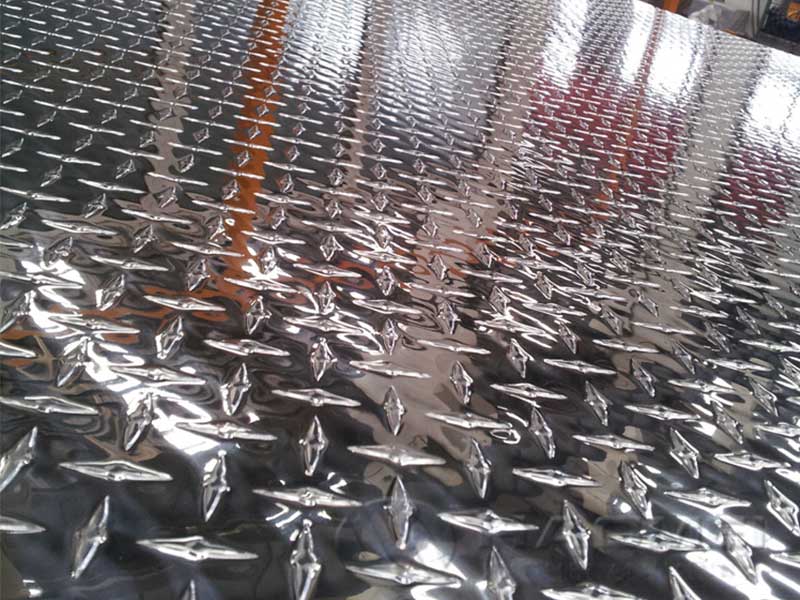
Marine Aluminum Tread Sheets
Marine Aluminum Tread Sheets are aluminum alloy plates featuring a raised surface pattern, commonly referred to as a tread design or diamond plate.
View Details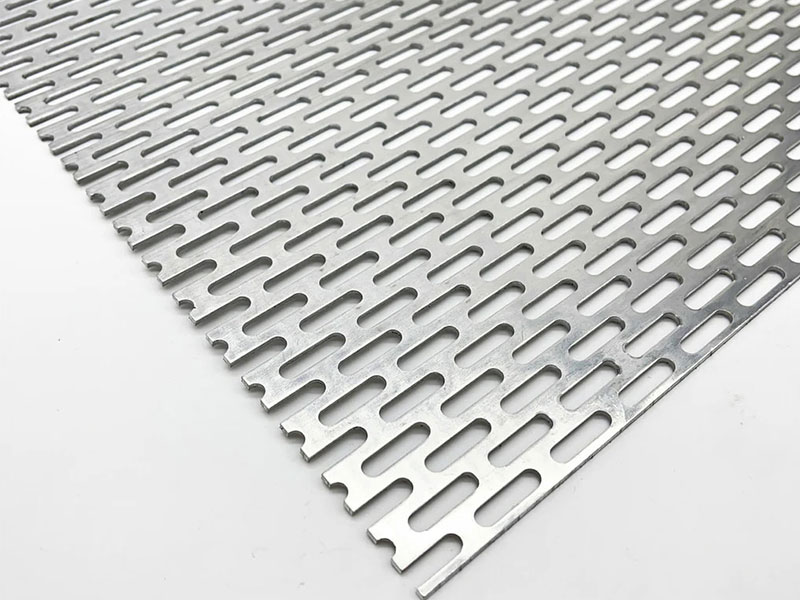
Marine perforated aluminum sheets
Marine Perforated Aluminum Sheets feature a series of uniform holes or shapes punched through the aluminum surface. These perforations can vary in size, pattern, and open area to tailor the sheets for specific applications.
View Details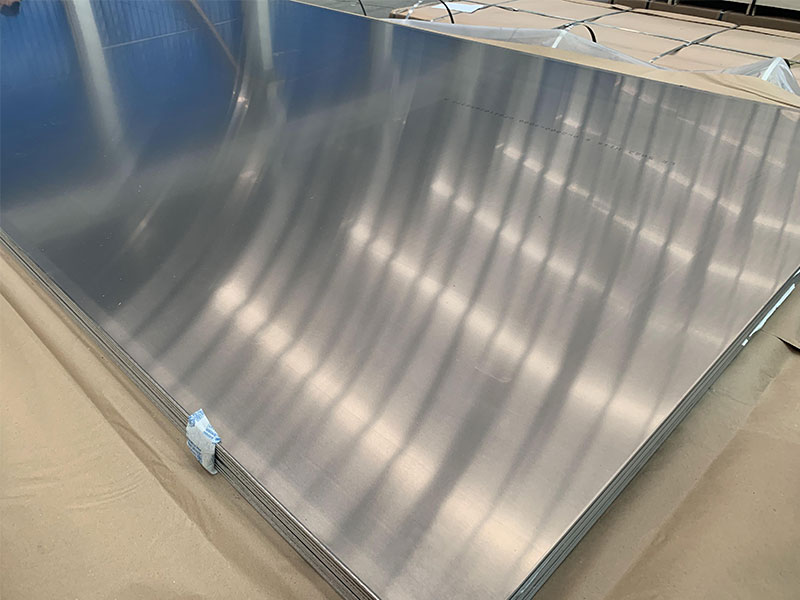
Marine 5052 aluminum sheet
Aluminum alloy 5052 is a non-heat-treatable, strain-hardened alloy with magnesium as the primary alloying element. It is designed to offer superior corrosion resistance in marine and saline environments, making it a dependable choice for components exposed directly to seawater or coastal atmospheric conditions.
View Details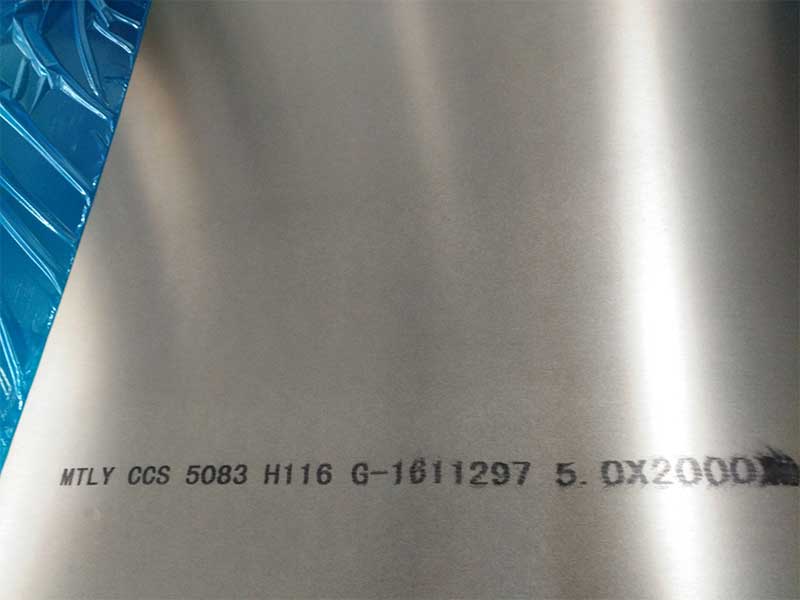
Marine 5083 aluminum sheet
Aluminum alloy 5083 is a non-heat-treatable alloy primarily composed of magnesium and trace elements that deliver outstanding protection against corrosion, particularly in seawater and saline atmospheres.
View Details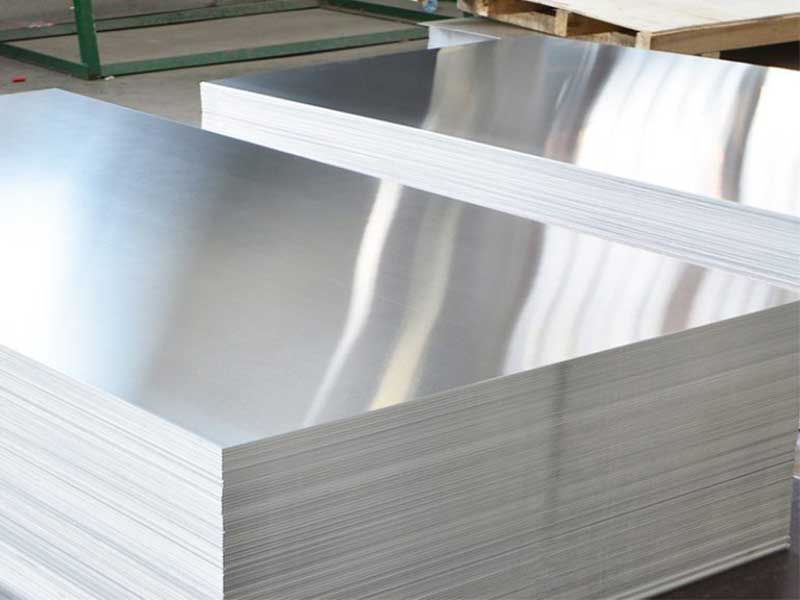
Marine anodized aluminum sheets
Marine Anodized Aluminum Sheets start with premium marine-grade aluminum alloys such as 5000 and 6000 series (typically 5083, 5052, and 6061).
View Details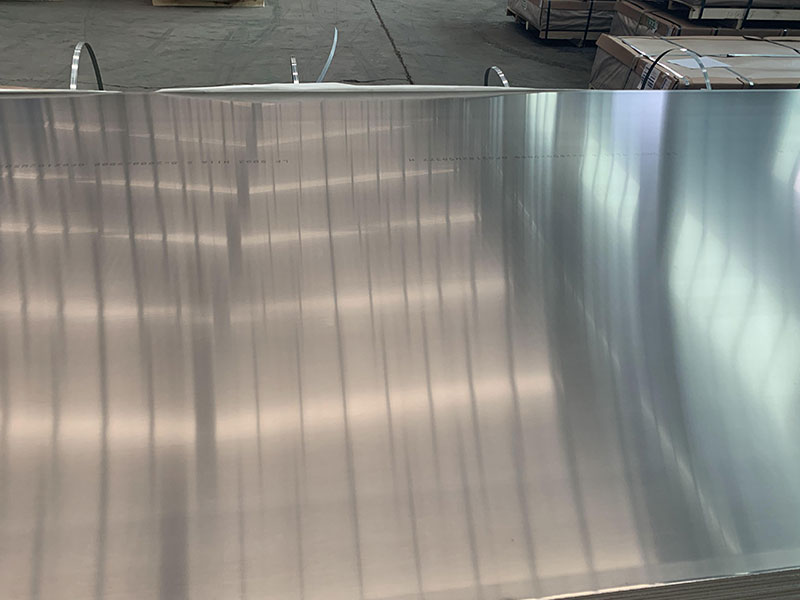
Marine 5383 aluminum sheet
5383 aluminum is a strain-hardened, non-heat-treatable alloy from the 5xxx series primarily alloyed with magnesium. It exhibits a unique balance of corrosion resistance and mechanical properties particularly suited for marine applications.
View DetailsRelated Blog
Aluminum sheets for Sailboat
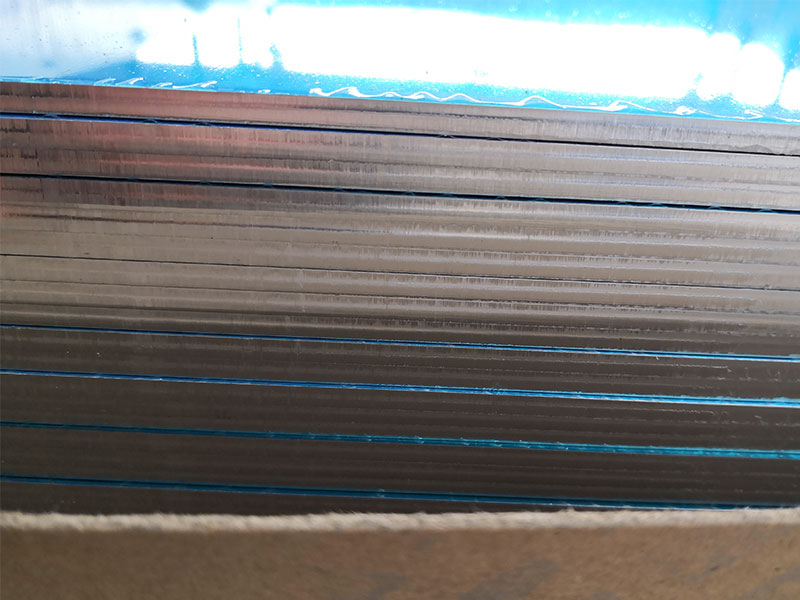
Choosing aluminum sheets for a sailboat isn't just a materials decision-it's an interpretation of the sea's "forecast" over the life of the vessel. Salt spray, galvanic couples, cyclic wave loading, UV-heated decks that cool rapidly at night.
View Details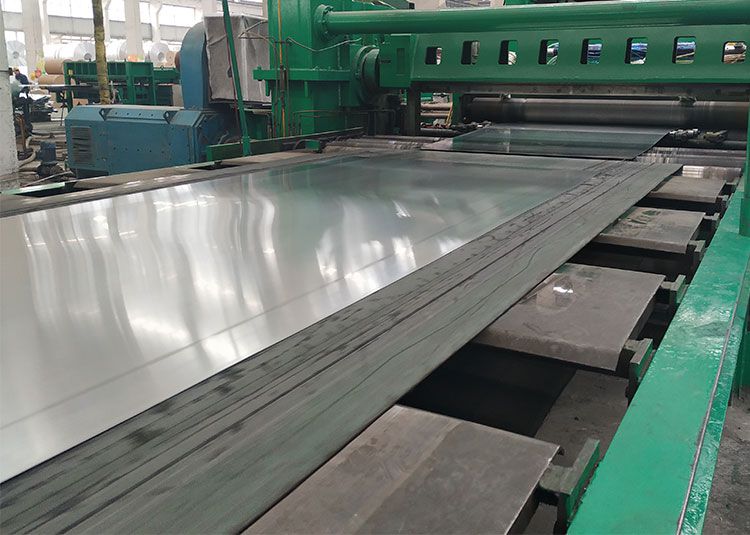
5754 Aluminum Sheet for Shipping Construction
5754 Aluminum Sheet for Shipping Construction: The "Quiet Workhorse" Behind Durable, Efficient VesselsIn modern shipping construction, the most valuable materials are not always the most famous-they're the ones that perform reliably under salt spray.
View Details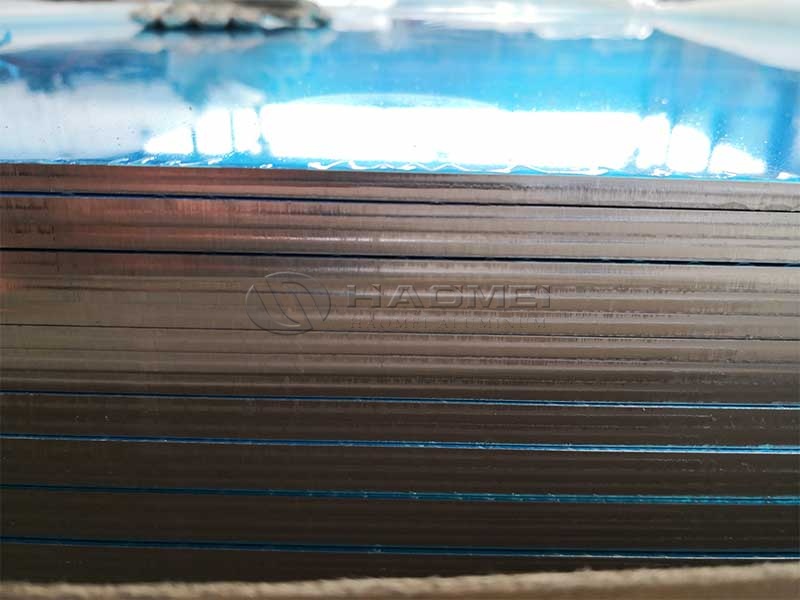
6061 Marine Perforated Aluminum Sheets
A practical guide to 6061 marine perforated aluminum sheets, covering alloy behavior, hole design, finishes, fabrication, and buying checks.
View Details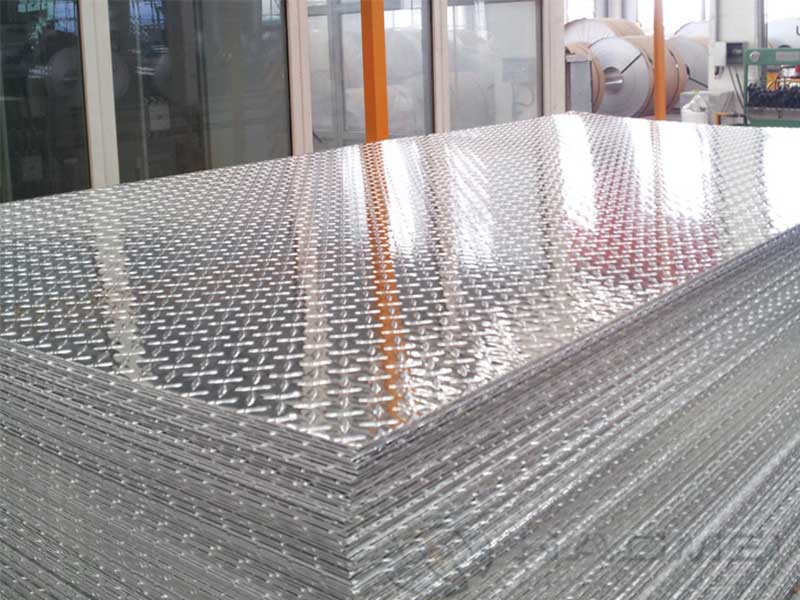
4mm thick 8x4 feet alloy 5083 aluminum sheet for ships
4mm Thick 8x4 Feet Alloy 5083 Aluminum Sheet for ShipsA Technical Deep Dive from the Hulls Perspective When naval architects choose a material for modern ship hulls, they are not just comparing alloys on paper.
View Details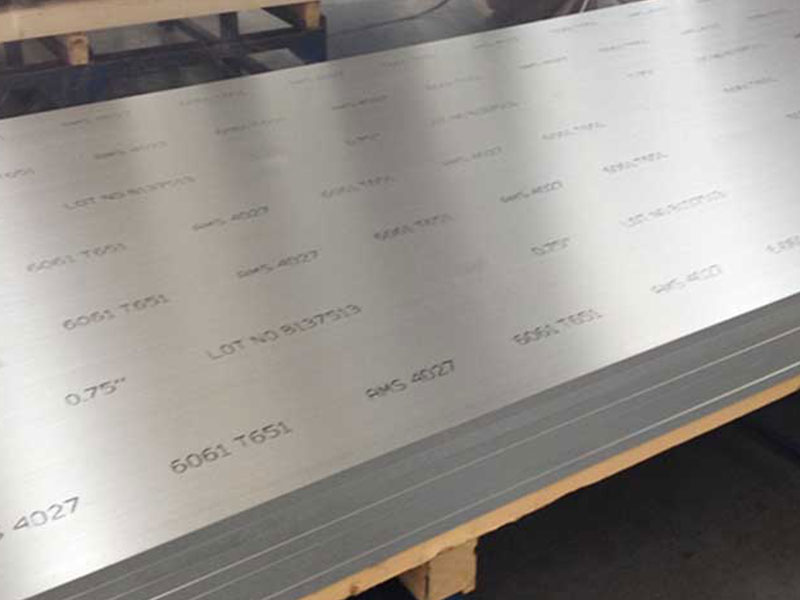
5052 5083 alloy 16 gauge aluminum sheet for boat building
5052 Aluminum Alloy5052 aluminum alloy is a non-heat treatable alloy known for its exceptional corrosion resistance, especially against saltwater, making it a popular choice for marine environments.
View Details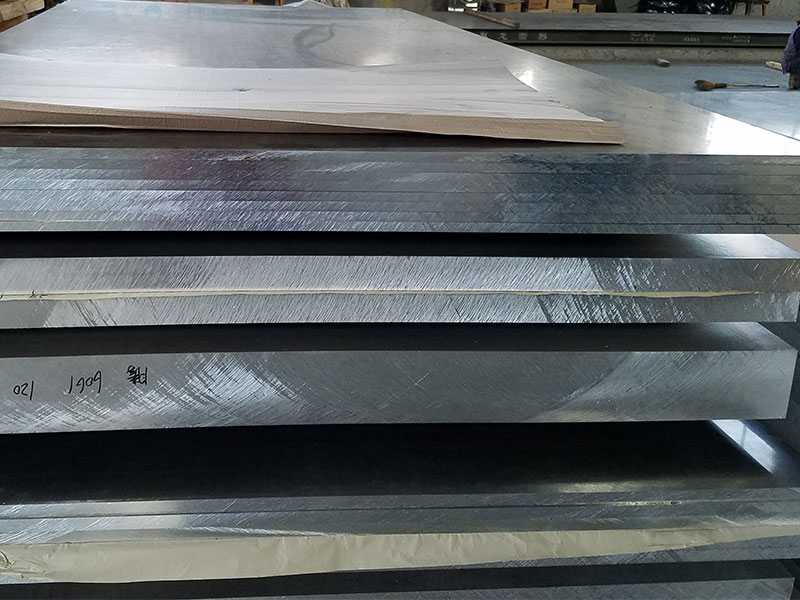
Aluminum foil 0.5mm Thick 5000 Series Marine Grade
Aluminum Foil 0.5mm Thick 5000 Series Marine Grade: A "Sealing Skin" for Real-World Marine WorkWhen people hear "aluminum foil," they often imagine thin kitchen wrap.
View Details
Leave a Message