
Marine Aluminum 6061 T6 Plate For Shipbuilding
Marine Aluminum 6061 T6 Plate For Shipbuilding: A "Structural Utility Metal" That Works Like a System
In shipbuilding, materials are often discussed as if they are simple ingredients: strong, light, corrosion-resistant. Marine Aluminum 6061 T6 plate is more interesting than that. From a practical shipyard viewpoint, it behaves less like a raw material and more like a structural utility system-one that balances weldability, strength, machinability, and lifecycle maintenance in a way that helps designers and fabricators "solve multiple problems at once."
While some aluminum grades are chosen primarily for corrosion resistance in seawater, 6061-T6 is frequently selected for what it enables across the entire build: efficient fabrication, reliable mechanical performance, and broad certification acceptance for ship components that are not strictly hull plating but still demand marine reliability. Think of it as the plate that keeps schedules and tolerances under control.
What 6061-T6 Does Best in Marine Projects
Marine Aluminum 6061 T6 plate is an Al-Mg-Si alloy strengthened by heat treatment. Its most valuable shipbuilding function is stability under real fabrication conditions. Many marine structures are not just exposed to salt-they are exposed to cutting heat, welding cycles, vibration, fastener loads, and frequent modifications during refit. 6061-T6 is often specified because it machines cleanly, forms predictably, and provides a high strength-to-weight ratio for stiffeners, decks, bulkheads, equipment bases, ladders, gangways, and superstructure members.
From a "function-first" perspective, 6061-T6 is a plate that helps engineers control deflection and fatigue without forcing overly thick sections. Weight savings translate directly into fuel efficiency, higher payload, and better stability margins. In patrol boats, workboats, ferries, offshore support craft, and yacht structures, that weight reduction is not theoretical-it affects operating cost every day.
Where It's Commonly Applied in Shipbuilding
6061 T6 plate is widely used in marine applications where structural strength and fabrication versatility matter, including:
Ship superstructures and deckhouses where reducing topweight improves stability
Deck plating in non-critical areas, interior decks, and platforms
Structural frames, longitudinal stiffeners, brackets, gussets, and web plates
Machined components such as mounting plates, flanges, equipment bases, and brackets
Gangways, stairs, handrails, hatches, and access platforms
Offshore structures, marine walkways, and dock equipment where strength and machinability are required
It can also be used in combination builds. Many yards pair 6061 with more seawater-optimized hull alloys in the 5xxx series (such as 5083/5086) while using 6061 plate for internal structural parts and machined assemblies. This "right alloy in the right place" approach often improves total build efficiency.
Technical Viewpoint: T6 Temper as a Performance Strategy
The "T6" temper is not just a label; it's the reason 6061 behaves like a high-performance structural plate. T6 means the alloy has been solution heat-treated and artificially aged to achieve high strength through controlled precipitation.
That strength is extremely useful-but shipbuilders should remember one important reality: welding changes the temper locally. In the heat-affected zone around welds, 6061-T6 can lose strength compared with its original T6 condition. This is not a defect; it's basic metallurgy. Designers typically address it by using proper joint design, weld sizing, and conservative allowable stresses in welded regions. For assemblies requiring maximum post-weld strength, some projects may consider post-weld heat treatment, though it is often impractical for large structures.
In other words, 6061-T6 is strong by design, and welding is a predictable variable that engineers manage with good detailing.
Typical Parameters for Marine Aluminum 6061 T6 Plate
Below are commonly used reference parameters. Exact values can vary by mill, thickness, and specification, so project documents should govern.
Alloy designation: AA 6061
Temper: T6 (solution heat-treated + artificially aged)
Density: about 2.70 g/cm³
Thermal conductivity: about 167 W/m·K
Electrical conductivity: about 40% IACS (typical)
Melting range: about 582–652°C
Typical mechanical properties (plate, indicative):
Tensile strength: about 290–310 MPa
Yield strength: about 240–275 MPa
Elongation: commonly 8–12% depending on thickness
Common thickness range (plate): from a few millimeters up to heavy plate, depending on mill capability and standard requirements
Surface and delivery: mill finish, with optional protective film; cut-to-size, waterjet/laser/plasma cut depending on thickness and tolerance needs
Implementation Standards Commonly Referenced
Shipyards and buyers typically reference internationally recognized aluminum standards for chemical composition, mechanical properties, and tolerances. Depending on region and project requirements, Marine Aluminum 6061 T6 plate may be supplied to:
ASTM B209 (Aluminum and Aluminum-Alloy Sheet and Plate)
EN 485 (Aluminum and aluminum alloys – Sheet, strip and plate)
ISO standards applicable to aluminum wrought products and testing
Marine classification considerations may apply depending on vessel class and component function
If the plate is intended for classed ship structures, buyers often align procurement with the applicable classification society requirements and project specifications, including traceability, inspection, and certification documentation.
Chemical Composition: 6061 Aluminum (Typical Limits)
The chemical balance of 6061 is designed around magnesium and silicon forming Mg₂Si, which enables precipitation hardening.
| Element | Typical Specification Limit (wt%) |
|---|---|
| Si | 0.40–0.80 |
| Fe | ≤0.70 |
| Cu | 0.15–0.40 |
| Mn | ≤0.15 |
| Mg | 0.80–1.20 |
| Cr | 0.04–0.35 |
| Zn | ≤0.25 |
| Ti | ≤0.15 |
| Others (each) | ≤0.05 |
| Others (total) | ≤0.15 |
| Al | Balance |
These limits support consistent heat-treatment response and predictable mechanical behavior, which is why 6061 is so widely accepted for structural and machined marine components.
6061 has good general corrosion resistance, particularly when properly finished and maintained. In marine service, corrosion performance is not only about alloy choice-it's about detailing.
Best practice typically includes:
Avoiding galvanic couples with stainless steel or carbon steel without isolation
Using appropriate coatings, anodizing, or paint systems where needed
Ensuring drainage and avoiding crevice traps
Selecting compatible fasteners and insulating washers/sleeves in mixed-metal assemblies
For components immersed continuously in seawater or subjected to extreme marine exposure, designers may prefer 5xxx-series alloys for certain applications. But for many shipbuilding structures above the waterline or in controlled environments, 6061-T6 offers a strong blend of strength and practicality.
Why Customers Choose 6061 T6 Plate: The Shipyard Efficiency Argument
From a procurement lens, Marine Aluminum 6061 T6 plate often wins because it reduces friction across departments. Engineers get strong, widely documented properties. Fabricators get consistent cutting and machining behavior. Quality teams get standards-based traceability and testing. Owners get lightweight structures that are easier to maintain and modify over the vessel's life.
That combination is the real function of 6061-T6 in shipbuilding: it doesn't just "resist corrosion" or "save weight." It helps the entire build perform like a coordinated system-fast to fabricate, reliable to operate, and adaptable to future changes.

Related Products
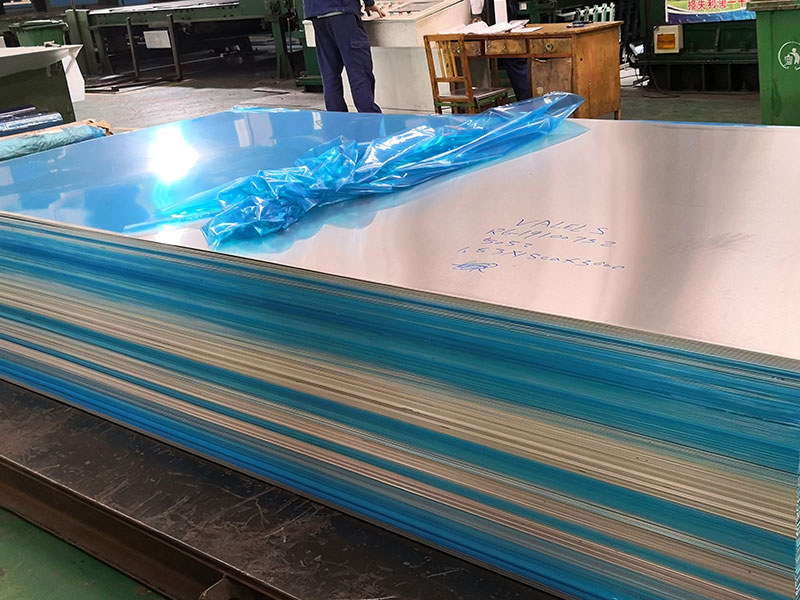
Marine 5059 aluminum plate
Marine 5059 Aluminum Plate is distinguished by its high magnesium content and carefully balanced alloying elements, designed to maximize strength without compromising corrosion resistance.
View Details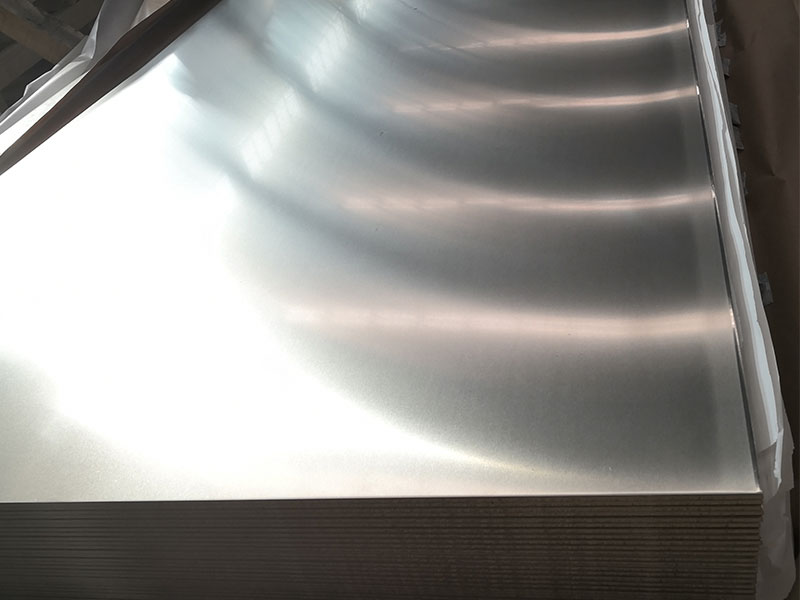
Marine 5052 aluminum plate
Marine 5052 Aluminum Plate is noted for its exceptional resistance to corrosion caused by seawater, salt spray, and marine atmospheres.
View Details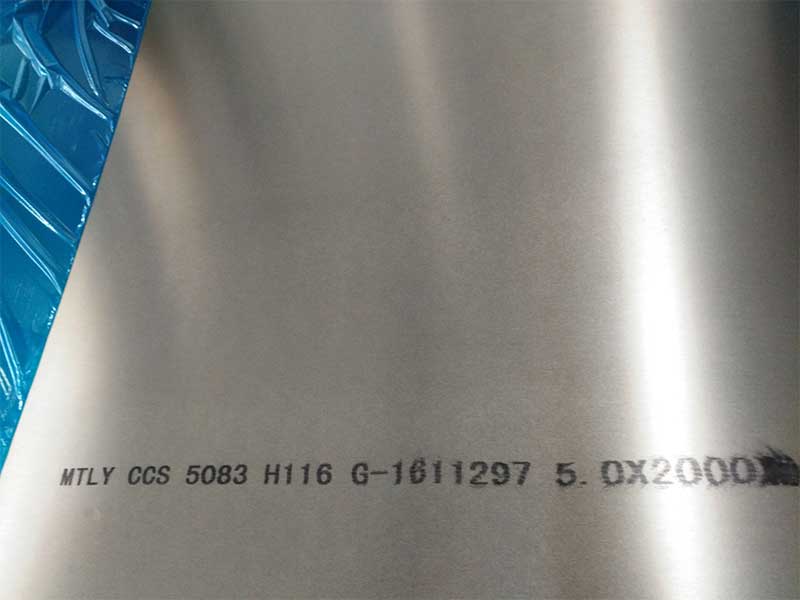
Marine 5083 aluminum plate
Marine 5083 Aluminum Plate belongs to the 5xxx series of aluminum-magnesium alloys and is classified as a non-heat-treatable alloy. Its high magnesium content (typically 4.0–4.9%) enhances its corrosion resistance, especially against seawater-related degradation such as pitting and stress corrosion cracking.
View Details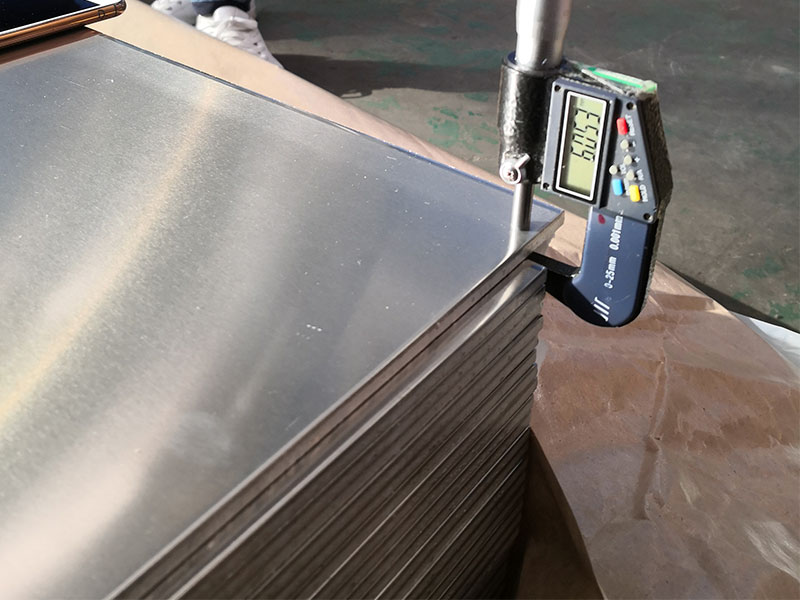
Marine 5383 aluminum plate
The 5383 aluminum alloy belongs to the 5xxx series of aluminum-magnesium alloys known for remarkable resistance to marine corrosion and high strength.
View Details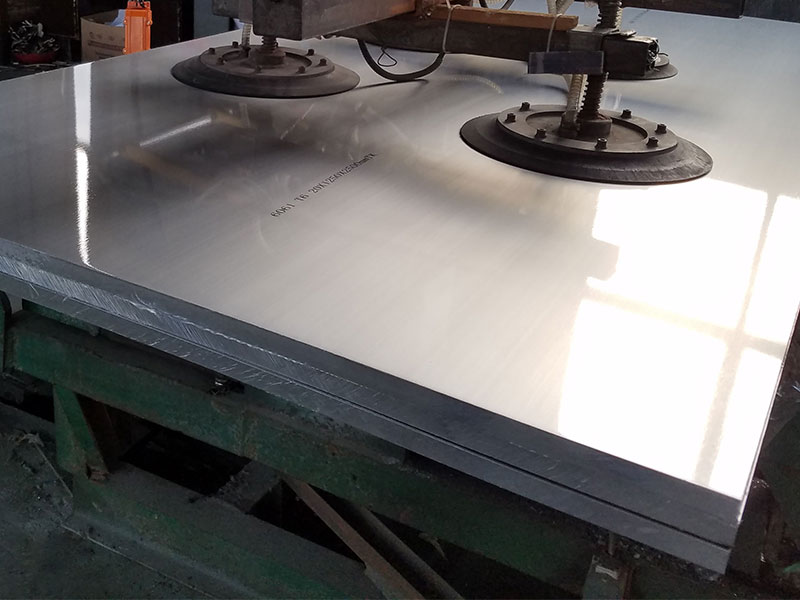
Marine heavy duty aluminum plate
Marine Heavy Duty Aluminum Plates Sheets generally refer to thick aluminum alloy plates and heavy gauge sheets produced from marine-grade alloys such as 5083, 5086, 5059, and 5383.
View Details
Marine 5086 aluminum plate
5086 Aluminum Plate belongs to the 5xxx series of aluminum-magnesium alloys. Its hallmark is a high magnesium content—generally between 4.0% and 4.9%—which delivers enhanced corrosion resistance, particularly against saltwater and marine atmospheric conditions.
View DetailsRelated Blog
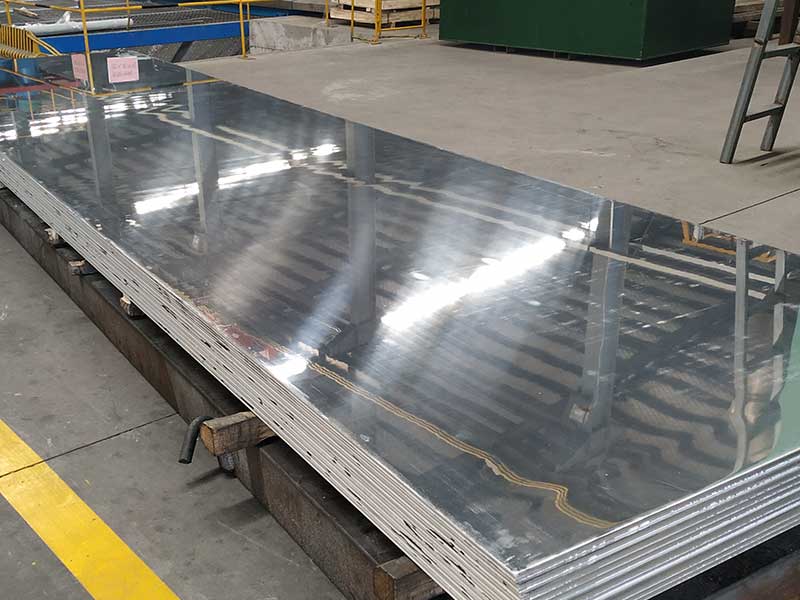
6061 t6 marine aluminum plate 5mm thick aluminium plate 1/4 inch aluminum plate
6061-T6 Marine Aluminum Plate in 5mm and 1/4 Inch: When "Everyday" Alloy Meets Saltwater RealityIn marine design, material selection is rarely about finding the "strongest" metal on paper.
View Details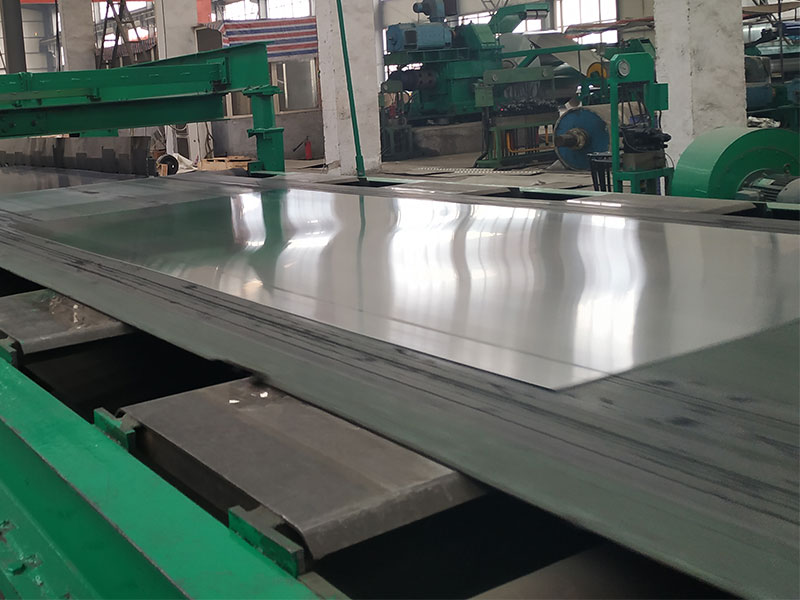
Marine Aluminum 6061 T6 Plate For Shipbuilding
Marine Aluminum 6061 T6 Plate For Shipbuilding: A "Structural Utility Metal" That Works Like a SystemIn shipbuilding, materials are often discussed as if they are simple ingredients: strong, light, corrosion-resistant.
View Details
6061 T6 T651 Marine Grade Aluminum Plate Sheet
When it comes to selecting the ideal material for marine applications, nothing quite matches the balanced strength, corrosion resistance, and versatility of the 6061 T6 T651 marine grade aluminum plate sheet.
View Details
Aluminum sheet plate 6061 for marine
Aluminum sheet plate 6061 is a widely used aluminum alloy known for its excellent mechanical properties, corrosion resistance, and versatility. In the marine industry, where materials face harsh environmental conditions such as saltwater exposure.
View Details
Marine 6061 6082-T651 Pre-Stretching Aluminum Plate Sheet
The Marine 6061 6082-T651 Pre-Stretching Aluminum Plate Sheet is a high-performance aluminum alloy product specially processed through pre-stretching treatment to relieve residual stress.
View Details
Marine Aluminum Alloy Plate 5052 5083 6061
Marine environments pose extreme challenges—constant exposure to saltwater corrosion, mechanical stresses, and environmental fluctuations demand materials that combine strength, durability, and corrosion resistance.
View Details
Leave a Message